








Travel has a way of turning ordinary moments into puzzles. A symbol on an airport sign, a rule about liquids, or a local custom at a dinner table can be the difference between a smooth trip and a confusing one. The world is full of clever systems and unexpected traditions, and learning a few of them in advance makes every journey more interesting.
Airports are a great example of practical design hiding in plain sight. Many security rules exist because of past incidents, changing technology, and the challenge of screening thousands of people quickly. The familiar limits on liquids are not just about inconvenience. They are tied to the difficulty of identifying certain hazardous mixtures with speed and consistency. Even common airport icons can be tricky. A simple letter or pictogram might mean baggage claim in one place and border control in another, so it helps to look for context like arrows, numbers, and multilingual labels. Another overlooked detail is why aircraft cabins feel so dry. At cruising altitude, outside air contains very little moisture, and the air brought into the cabin is conditioned for comfort and safety, not humidity. That is why hydration matters more than many travelers expect.
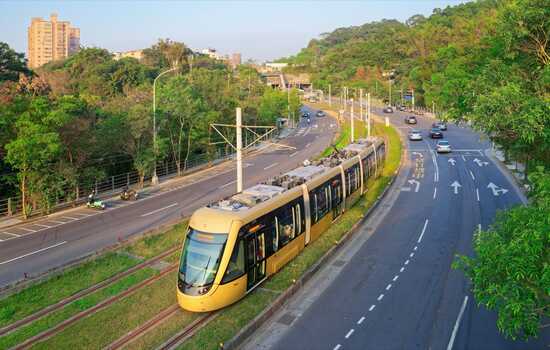
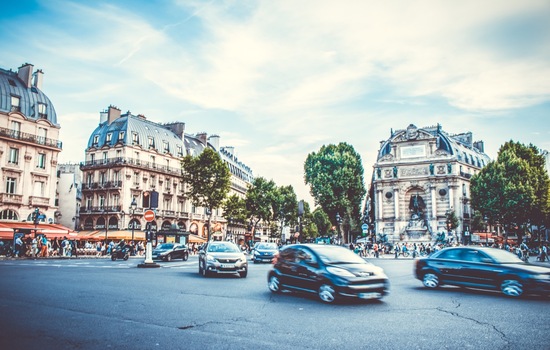
Cities offer their own set of peculiar lessons. Some of the most famous landmarks are engineered responses to local conditions rather than pure decoration. Think of bridges built to survive strong currents, towers designed to sway safely in the wind, or underground transit systems planned around old riverbeds and soft soil. Even street layouts can be a clue to history. A maze of narrow lanes often reflects medieval defenses and foot traffic, while wide boulevards may come from later efforts to improve sanitation, commerce, or crowd control. In many places, the most efficient way to move is not a car at all. Dense cities thrive on walking, bikes, and rail, and visitors who plan around peak hours and local ticket rules can save money and stress.
Deserts and seas reveal how humans adapt to extremes. In arid regions, towns may be built around shade, wind, and water storage. Traditional architecture often uses thick walls, small windows, and courtyards to keep interiors cooler. Coastal life, meanwhile, is shaped by tides, currents, and navigation. Some waterways look calm but hide powerful rip currents, while certain seas have unique properties due to salinity and temperature layers. Ports and canals are also reminders that geography can be engineered. A well placed canal can rewrite trade routes, and a single narrow strait can become one of the most strategically important places on Earth.
Etiquette might be the most surprising travel skill of all. Small habits carry big meaning. In some cultures, punctuality is strict, while in others the social relationship matters more than the clock. Tipping can be expected, optional, or even insulting depending on the country. Table manners vary too, from how you hold chopsticks to whether it is polite to finish every bite. A useful approach is to watch what locals do, learn a few basic phrases, and assume good intentions when you make mistakes.
The joy of peculiar travel facts is that they turn the world into a story you can read as you go. Rules, signs, and customs are not random. They are solutions to real problems and reflections of local values. The more you notice them, the more every airport, city street, desert road, and shoreline becomes part of an ongoing lesson in how humans live, build, and connect.