








Introduction Europe rewards travelers who pay attention. Beyond the headline sights, the continent is full of small clues that reveal where you are: the language on street signs, the shape of a river valley, the timing of a local festival, or the way people greet each other in a café. A quiz about Europe is often less about rote memorization and more about noticing patterns in geography, history, and everyday life.
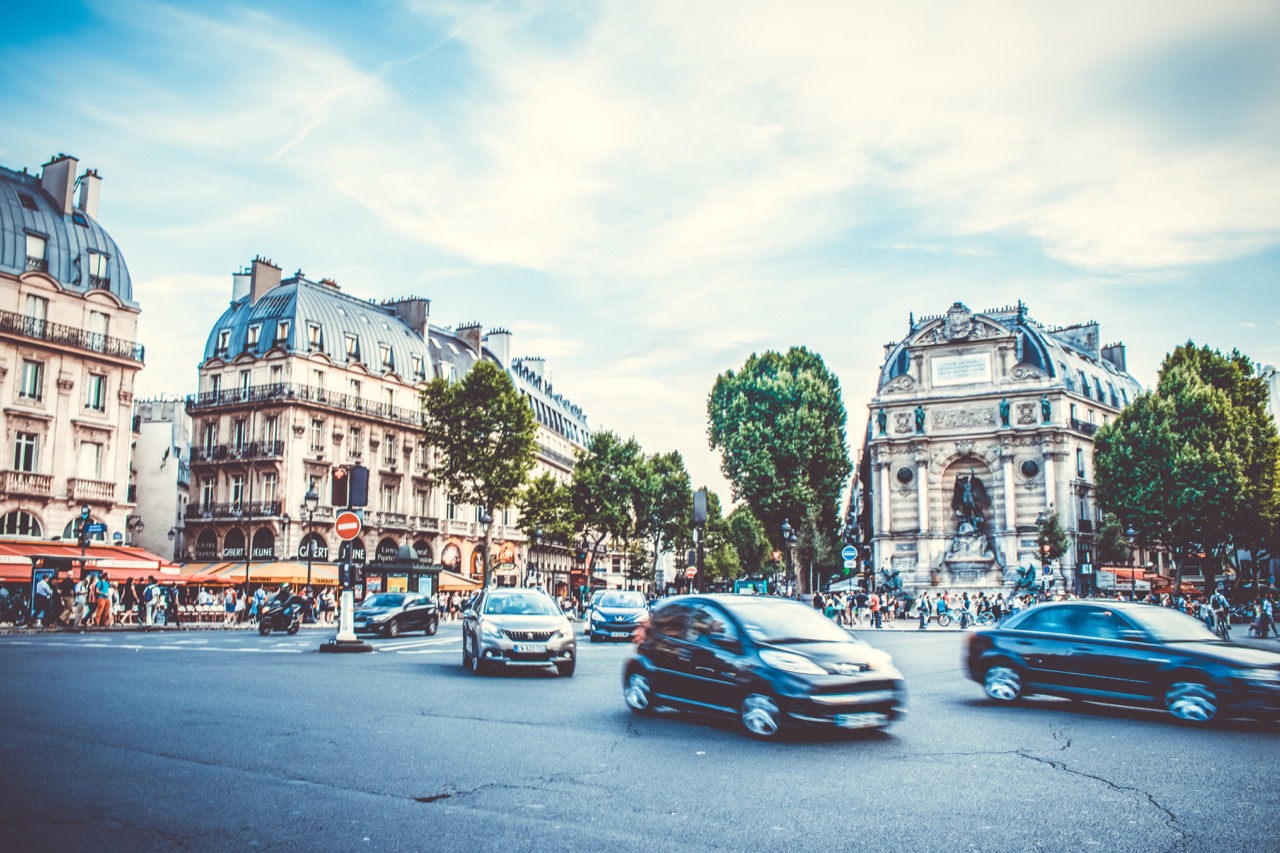
Landmarks that tell bigger stories Many famous landmarks make sense once you know why they were built. Paris’s Eiffel Tower began as a temporary structure for the 1889 World’s Fair and later became a symbol of modern engineering. Rome’s Colosseum reflects the scale of the Roman Empire and its appetite for public spectacle. In Athens, the Acropolis is not just a postcard view but a reminder of city states, philosophy, and the long afterlife of classical architecture. Even smaller icons, like Amsterdam’s canal houses, are tied to trade and urban planning, with narrow facades shaped by historical taxes and limited space.
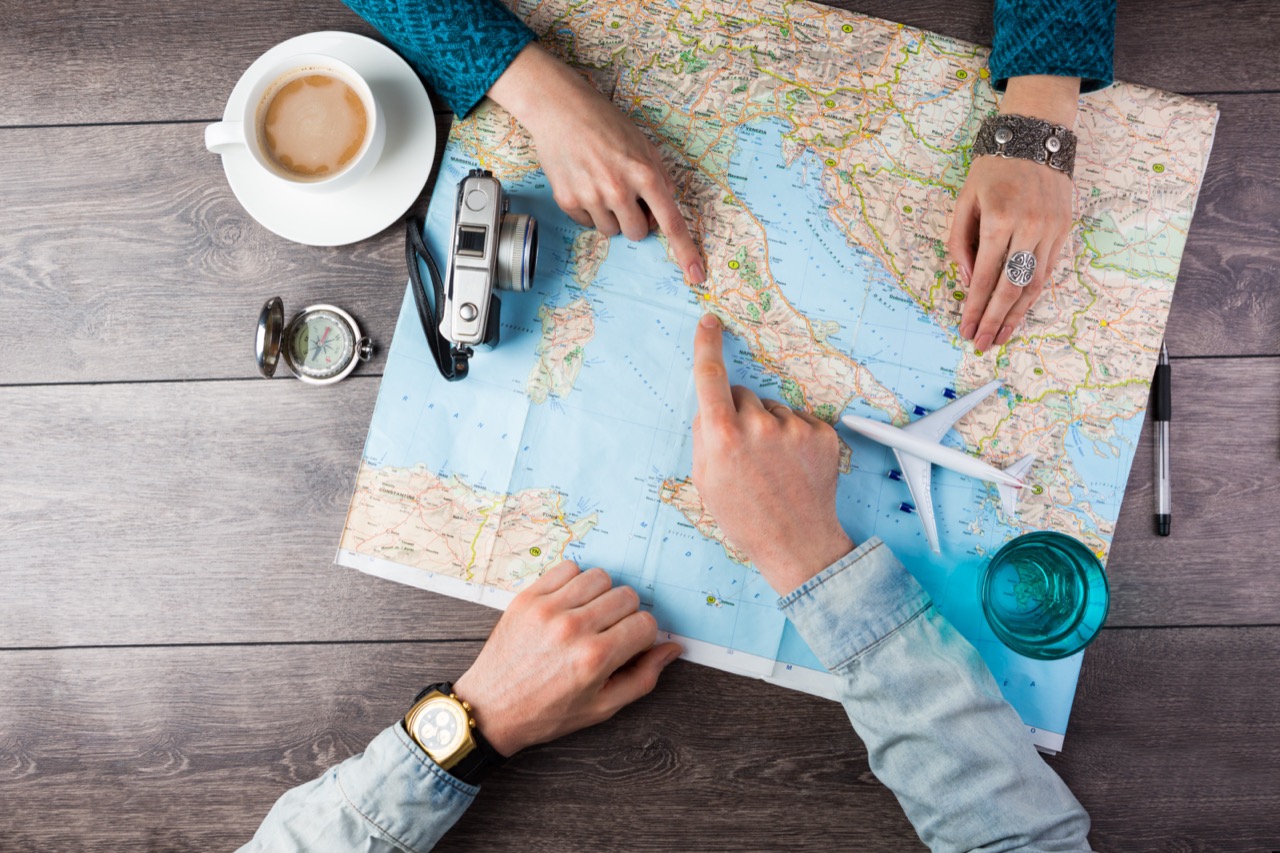
Geography you can travel by Rivers and mountain ranges are some of the best mental maps for Europe. The Danube crosses multiple countries and connects capitals such as Vienna, Bratislava, Budapest, and Belgrade, making it a natural corridor for culture and commerce. The Rhine is central to western Europe’s industrial and medieval history, with castles and vineyards lining parts of its route. Mountain ranges also explain regional identity: the Alps influence cuisine, architecture, and transport, while the Pyrenees form a strong boundary between France and Spain. Knowing these features helps you place a city even if you have never visited.
Capitals, languages, and the art of listening Europe’s capitals often concentrate museums, government buildings, and major rail hubs, but they can surprise you. Some countries have multiple cultural centers, and a capital is not always the largest city. Language offers equally useful hints. You may hear German across borders in Austria and parts of Switzerland, while French appears not only in France but also in Belgium and Luxembourg. In Spain, regional languages such as Catalan and Basque signal local pride and distinct histories. Listening for accent and vocabulary can be as helpful as reading a map.
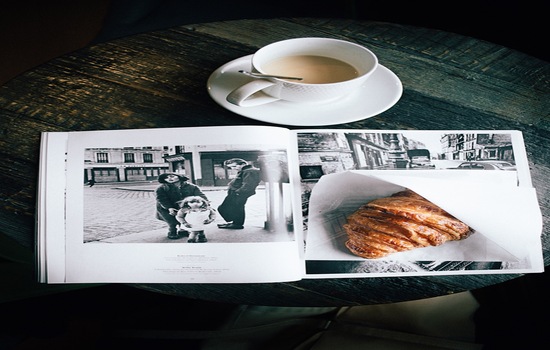
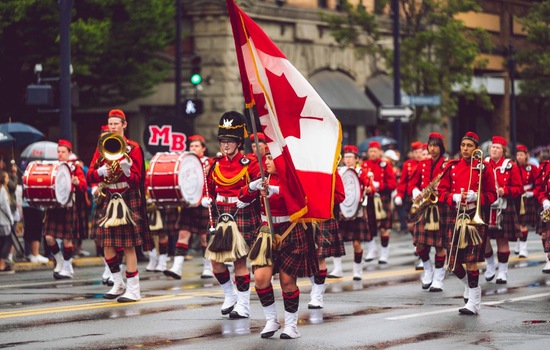
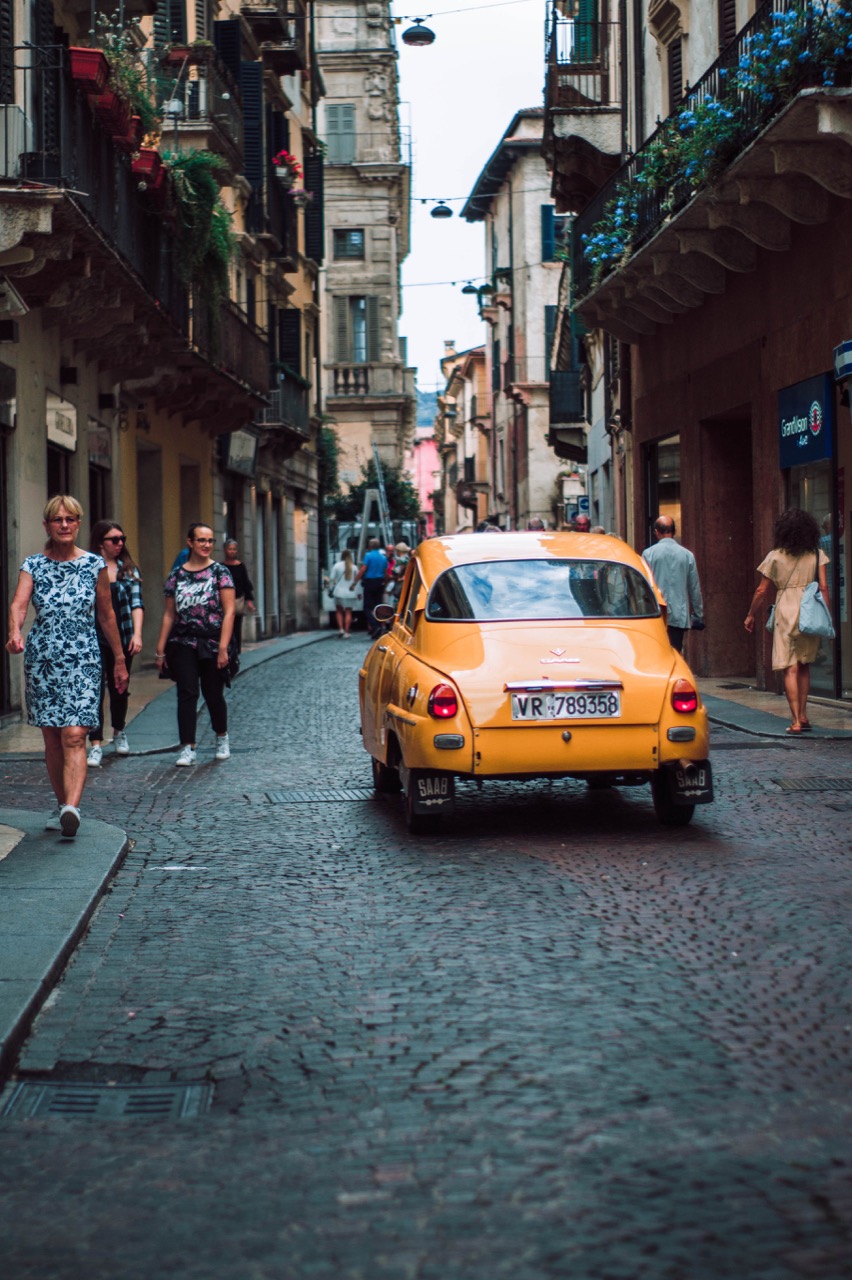
Customs, food, and festivals worth remembering Local customs can turn into practical travel knowledge. In many places, dinner starts later than visitors expect, and shops may close early on Sundays. Coffee culture varies: in Italy, espresso is often quick at the bar, while in Vienna a café can be an invitation to linger. Food trivia is also geography in disguise. Paella points to Valencia, while goulash evokes Central Europe. Festivals are time capsules: Oktoberfest speaks to Bavarian traditions, Carnival traditions stretch from Venice to the Iberian Peninsula, and midsummer celebrations in the north reflect older seasonal rituals.
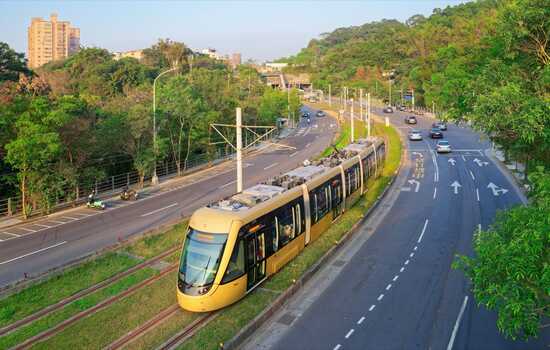
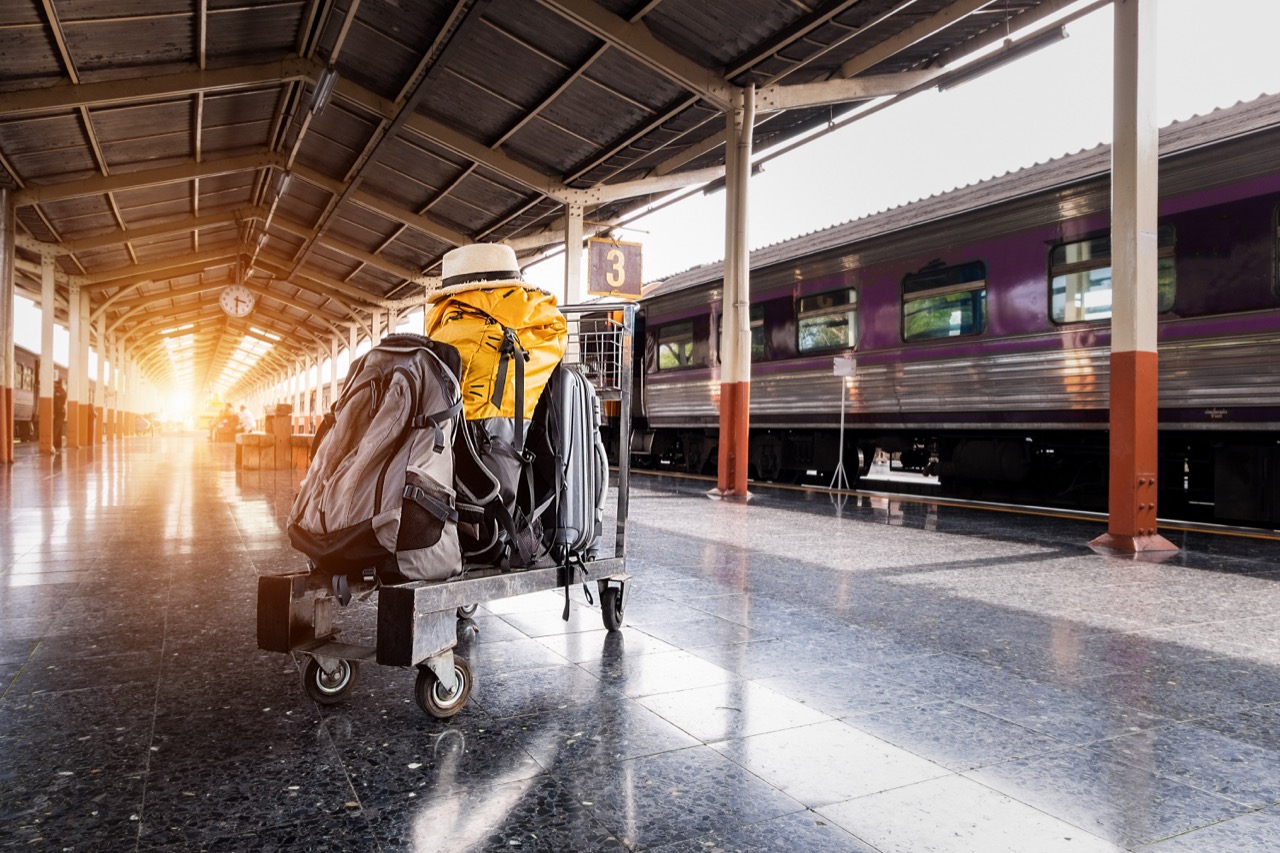
Routes, trains, and getting pleasantly lost Europe’s romance with rail travel is not an exaggeration. Night trains are returning on key routes, and high speed lines make day trips between major cities realistic. Historic routes matter too, from pilgrim paths like the Camino de Santiago to trade roads that shaped ports and border towns. Knowing a few practical details, such as common plug types, local ticket validation rules, or the difference between intercity and regional trains, can save time and sharpen your quiz instincts.
Conclusion The best way to score well on a Europe themed quiz is to think like a traveler: connect landmarks to history, link foods to regions, and use rivers, mountains, and languages as clues. Each fact is a doorway into a place where people still commute, celebrate, argue, and dream. Keep your curiosity packed and your observations sharp, and your imaginary train will always feel ready to depart.