



-385997.jpg)



Introduction Canada invites curiosity on a grand scale. It is a place of big skies and bigger distances, where modern cities sit beside forests, mountains, and coastlines that feel almost untouched. A quiz about Canadian travel is really a tour of contrasts: French and English traditions, Arctic and temperate rainforests, prairie highways and island ferries. Knowing a few key landmarks, foods, and cultural habits can turn trivia into a deeper appreciation of how Canadians live from sea to sea to sea.
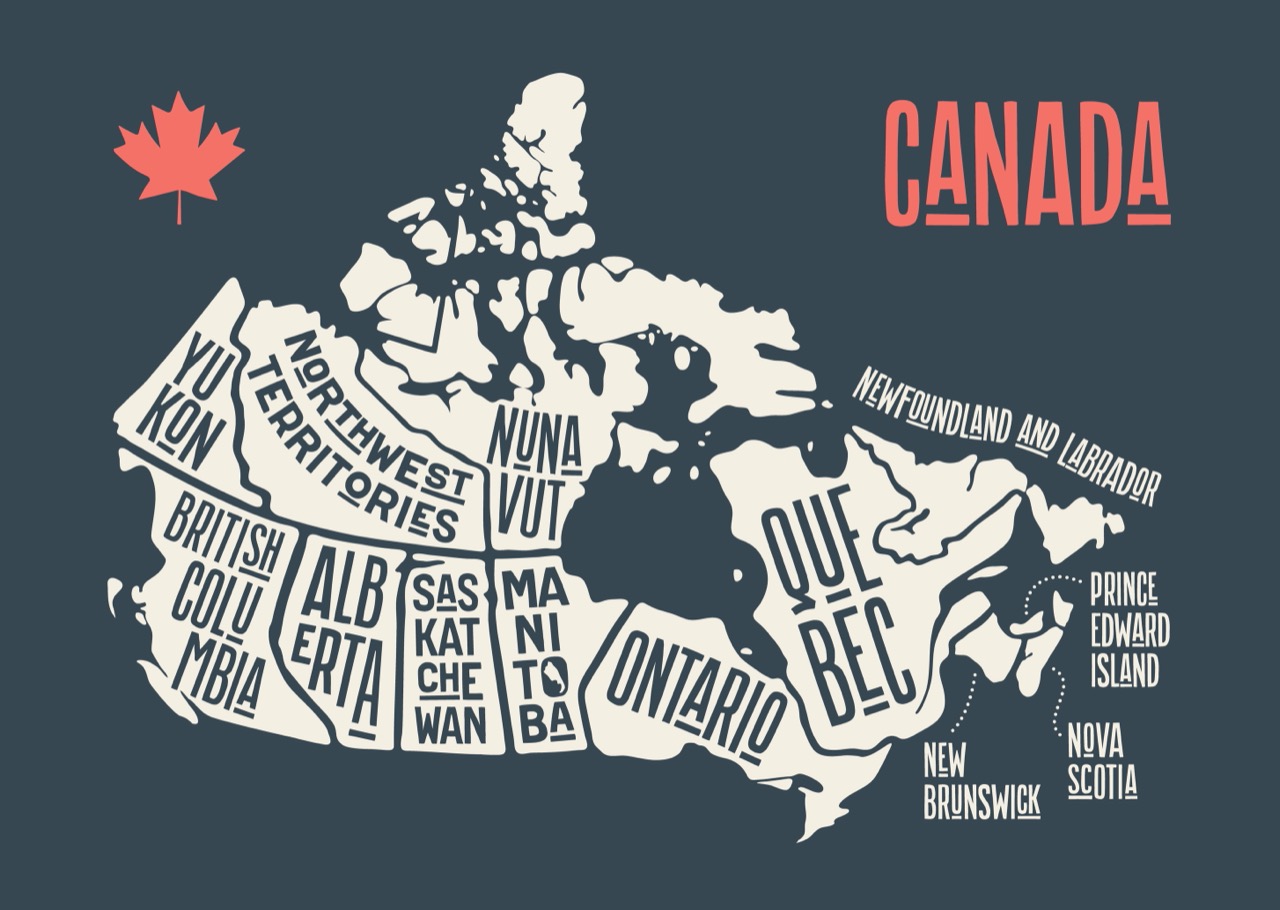
East Coast character and French infused culture In Atlantic Canada, the ocean shapes daily life. The rugged shores of Nova Scotia and Newfoundland and Labrador are famous for lighthouses, fishing villages, and whale watching, while Prince Edward Island is known for red cliffs and pastoral scenery. In the east, Quebec adds a distinct flavor with French language and heritage. Quebec City’s old fortified streets feel like a European time capsule, and Montreal blends historic neighborhoods with a bold arts and food scene. Winter is celebrated rather than avoided, with festivals featuring ice sculptures, outdoor music, and hearty comfort foods.
Central Canada: big cities and everyday icons Ontario’s skyline is often associated with Toronto, Canada’s largest city, where neighborhoods reflect global immigration and food culture. Nearby, Niagara Falls remains one of the country’s most famous natural attractions, combining raw power with classic tourist spectacle. Ottawa, the capital, is known for national museums and the changing of the guard in warmer months, while winter brings skating on the Rideau Canal when conditions allow. In both Ontario and Quebec, hockey is more than a sport; it is a shared language that shows up in local arenas, schoolyards, and family conversations.
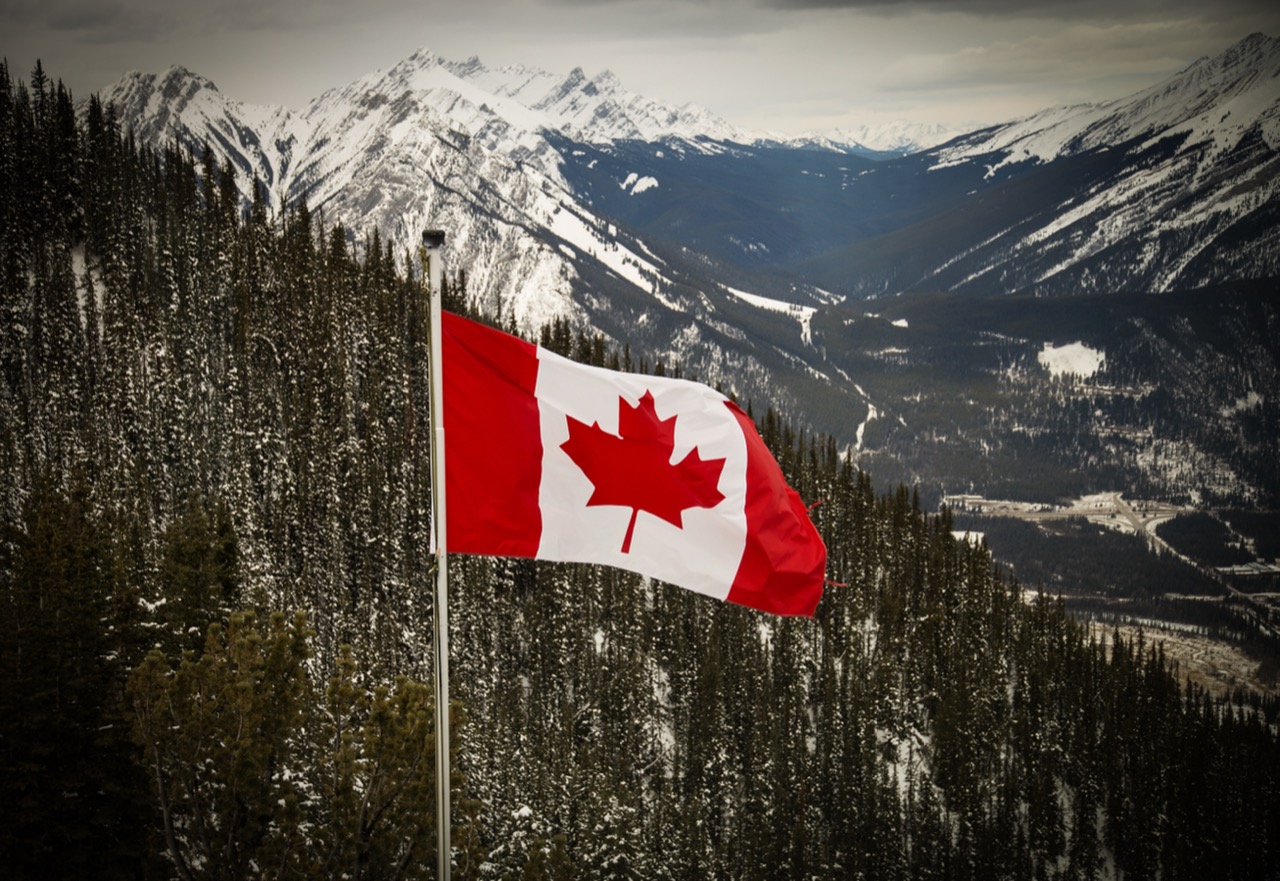
Westward to the Rockies and the Pacific The Canadian West is defined by space and elevation. The Prairie provinces offer open horizons, grain fields, and dramatic thunderstorms, along with vibrant cities like Winnipeg, Regina, Edmonton, and Calgary. Calgary’s Stampede is a major festival that highlights rodeo traditions and draws visitors from around the world. Farther west, the Rocky Mountains deliver postcard scenery in places like Banff and Jasper, where turquoise lakes, glaciers, and wildlife viewing are central to the experience. British Columbia adds coastal mountains, rainforest trails, and a mild climate along the Pacific. Vancouver is known for oceanfront parks and nearby ski slopes, while Vancouver Island offers storm watching, surfing, and charming towns.
Northern wonders and travel logistics Canada’s North is where geography becomes an adventure. The territories offer aurora viewing, tundra landscapes, and Indigenous cultures with deep connections to the land. Long distances make transportation a key part of the story: cross country train journeys, epic road trips, and ferry routes that link islands and coastal communities. Travelers quickly learn that seasons matter, from summer wildfire smoke in some regions to winter road conditions and the short daylight of northern latitudes.
Foods, traditions, and small details people remember Signature foods often appear in trivia because they are tied to place. Poutine is closely linked with Quebec, butter tarts and Nanaimo bars are beloved sweet treats, and fresh seafood dominates many coastal menus. Maple syrup is a national symbol, but it is also a real agricultural product with spring harvest traditions. Canadians are known for practical outdoor habits, from packing layers to treating national parks as weekend escapes.
Conclusion Exploring Canada through quiz questions is a fun way to stitch together geography, history, and everyday life. The country’s landmarks and festivals are memorable, but the real charm is how regional identities shine through language, food, landscapes, and local traditions. Whether you are planning a future trip or recalling a past journey, understanding these details makes the map feel alive and the horizon feel even wider.