





Introduction Europe can feel like a compact atlas come to life: in a short train ride you might pass from a Romance language to a Germanic one, from coastal marshes to alpine valleys, and from medieval walls to glassy modern districts. That density is exactly what makes a quiz about European places so fun. A single clue can hinge on a river’s name, a pastry’s origin, or a border that shifted after a war. Knowing the big landmarks helps, but the most memorable questions often come from the smaller details that reveal how the continent works.
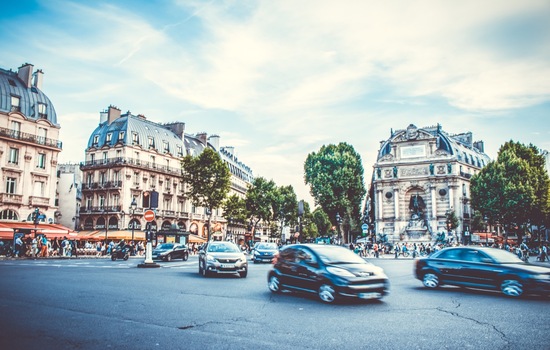
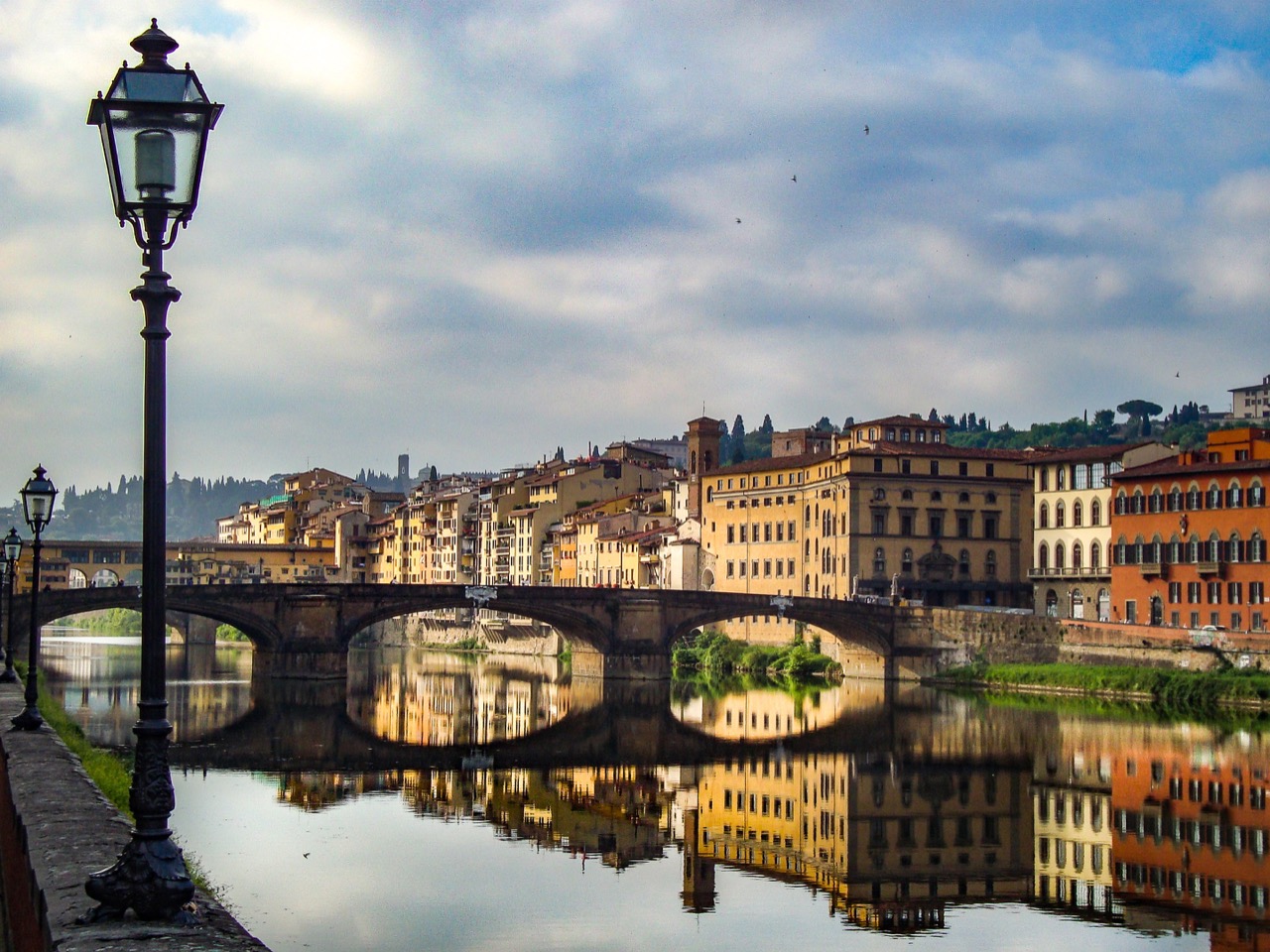
Landmarks that Explain a City Famous sites are more than photo backdrops; they often summarize a city’s history. Paris’s grand boulevards reflect 19th century redesign, while Rome’s ancient ruins sit inside a living capital, showing how layers of time coexist. In London, bridges and rail stations tell stories of industrial expansion and global trade. Look for how waterways shape capitals: the Danube links cities such as Vienna, Bratislava, Budapest, and Belgrade, acting like a shared corridor of culture. Even a cathedral can be a map key. Gothic spires often signal medieval prosperity and competition among towns, while baroque domes can hint at later imperial influence.
Geography That Tricks the Eye Europe’s geography loves to surprise. Some countries are smaller than many cities, yet have distinct languages and strong identities. Coastlines and mountain ranges create sharp regional differences: northern Spain’s green Atlantic face feels worlds apart from its Mediterranean shores, and Italy’s long spine means climates vary dramatically from the Alps to Sicily. A frequent quiz twist involves “highest,” “longest,” or “largest,” where the answer depends on definitions. The tallest mountain entirely in Europe is often debated because the Caucasus sits at the boundary between Europe and Asia. Rivers offer similar traps: the longest river in the European Union is not always the same as the longest river on the continent.
Languages, Alphabets, and Local Names Europe’s linguistic variety is a reliable source of quiz clues. The same city may have different names depending on the language, reflecting historical borders and minority communities. Knowing a few patterns helps: many Slavic languages use similar roots for “new,” “white,” or “castle,” and German place names often describe geography, like a ford, a mountain, or a river bend. Alphabet changes are another hint. Greek uses its own script, and several countries use Cyrillic, which can quickly narrow down a location on a map. Even within one country, multiple official languages can shape signage, education, and local politics.
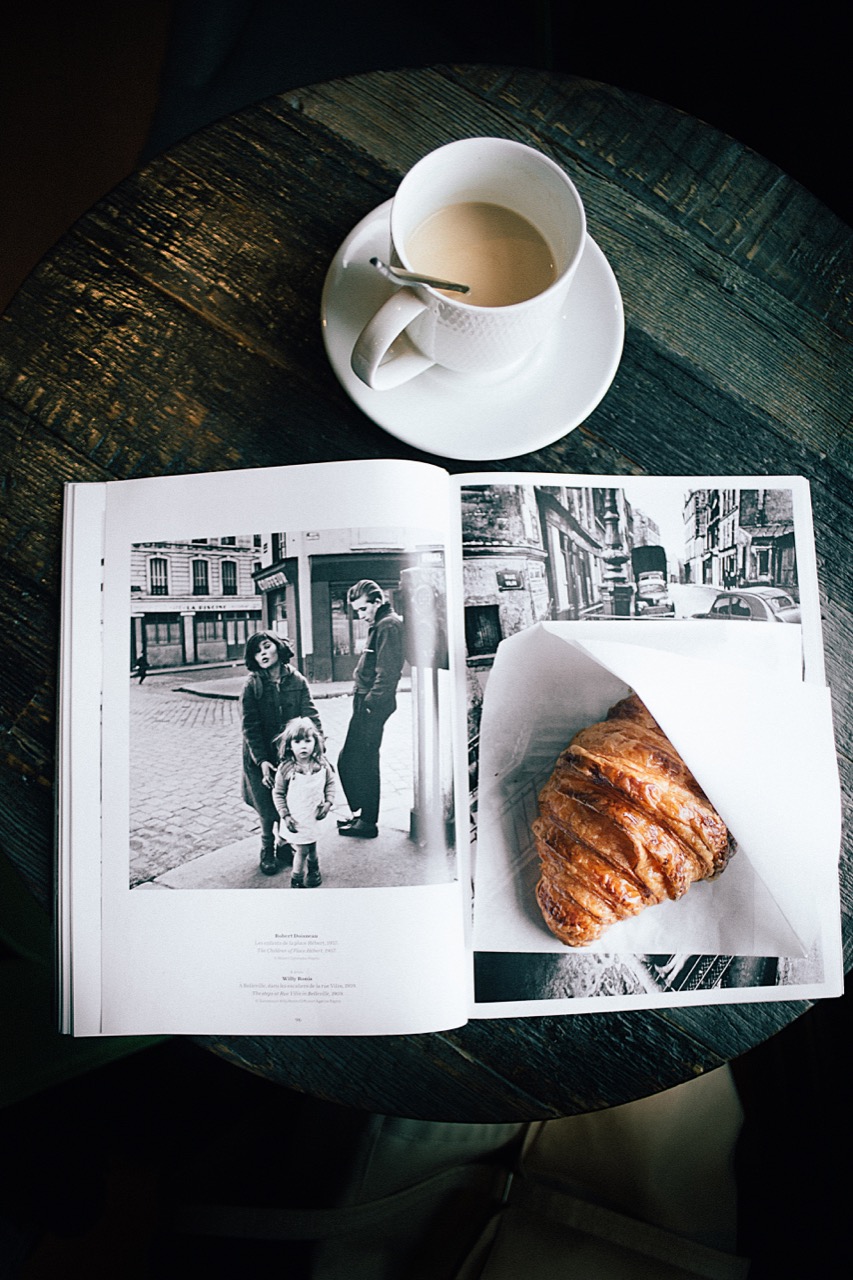
Food Traditions as Cultural Fingerprints European food clues are rarely just about taste; they point to trade routes, climate, and social habits. Olive oil, wine, and citrus thrive in the Mediterranean, while butter, rye, and smoked fish appear more in cooler regions. Some dishes are tied to specific cities because of guild traditions, port commerce, or royal courts. Think of pastries associated with Vienna’s café culture, seafood stews shaped by coastal markets, or cheeses protected by strict regional rules. Bread can be a giveaway too: crusty loaves in one region, dense dark breads in another, and flatbreads where wheat and ovens evolved differently.
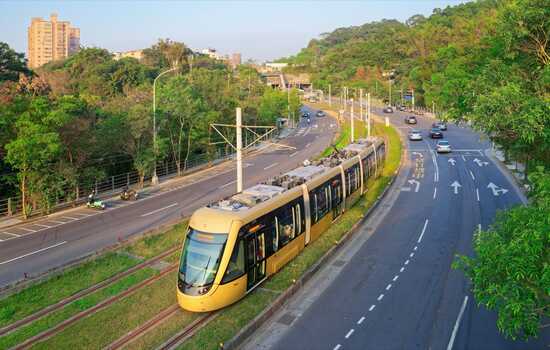
Engineering Feats That Connected Nations Modern Europe is stitched together by tunnels, bridges, and rail networks that changed how people move. Alpine passes and tunnels turned once-isolated valleys into transit routes, and big sea crossings made islands feel closer to the mainland. Canals and port expansions reshaped economies, while high speed rail made day trips across borders routine. These projects often appear in quizzes because they have clear superlatives: longest tunnel, busiest station, or the bridge that linked two previously separate regions.
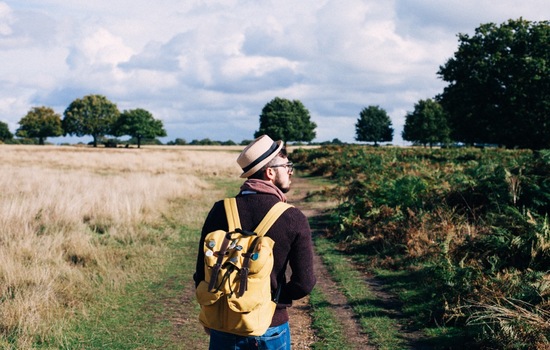
Conclusion To do well on a Europe themed quiz, think like a traveler who notices patterns. Ask what a landmark reveals about power and time, what a river or mountain suggests about borders, and what a local specialty says about climate and history. The continent rewards curiosity: the more you connect small details to bigger stories, the more each clue feels like a mini journey, and the more your next itinerary practically writes itself.