

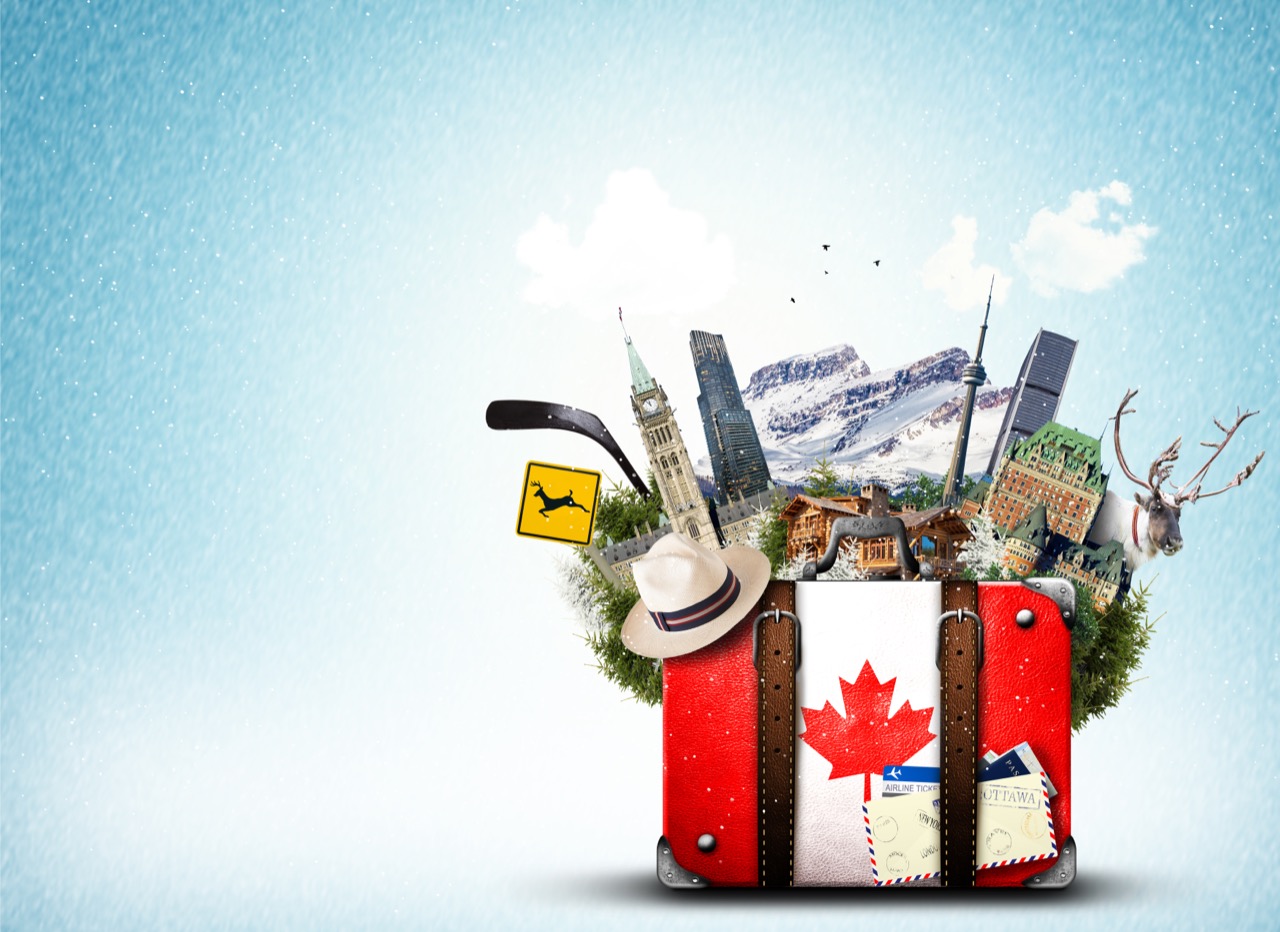

Introduction Canada often looks simple on a map: a vast country stretching from the Atlantic to the Pacific and up to the Arctic. But trivia quickly reveals how layered it is. The same place can be defined by enormous landscapes and by tiny details people argue about at dinner. A quiz that jumps between geography, history, politics, languages, sports, and inventions captures what makes Canada both familiar and full of surprises.
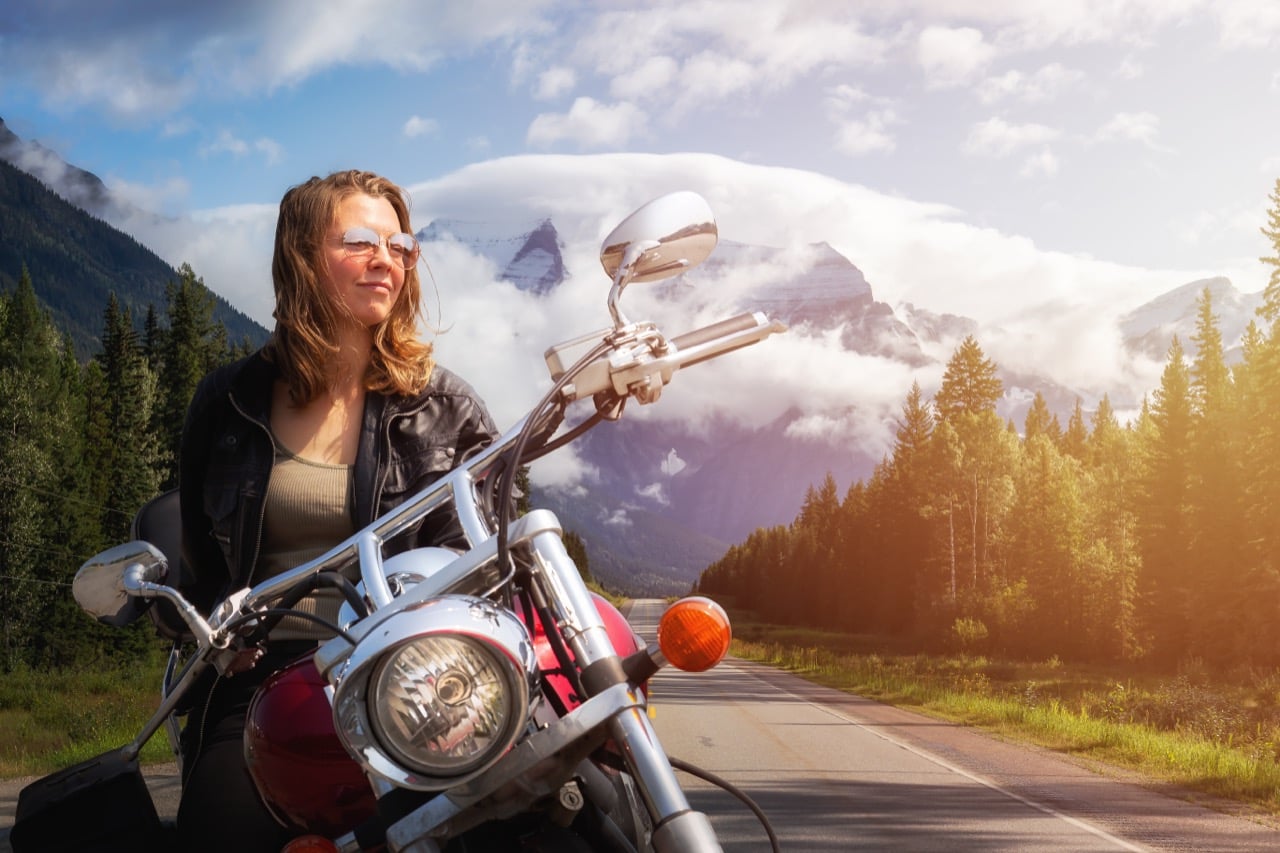
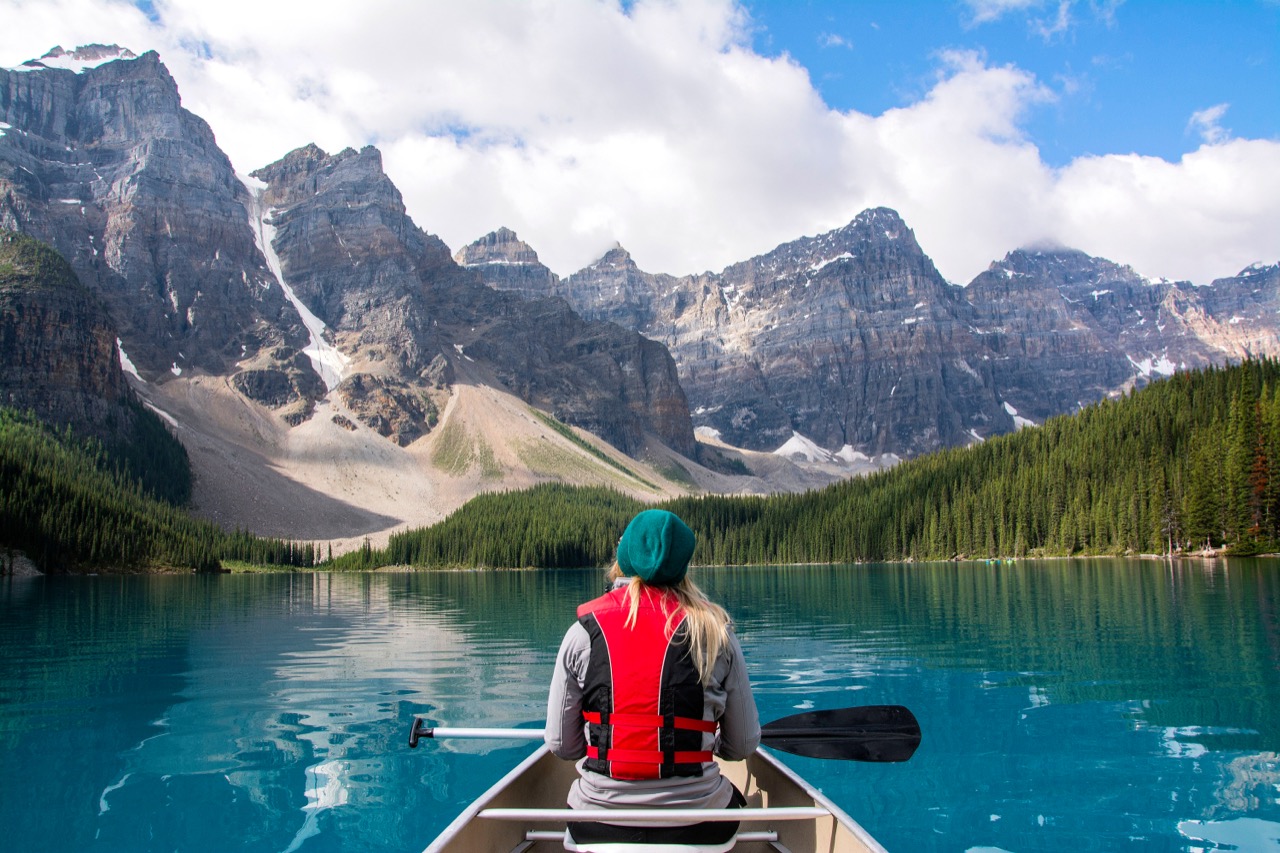
Geography: Three coasts and countless landmarks Canada is the second largest country by total area, and its shape is defined by water. It has three ocean coastlines: Atlantic, Pacific, and Arctic. The Great Lakes form part of the southern border and include the world’s largest group of freshwater lakes by total area. Canada also contains an extraordinary share of the planet’s freshwater, a fact that shows up in questions about lakes, rivers, and watersheds.
Provincial and territorial geography is trivia gold. Ten provinces and three territories each have distinct identities, from prairie skies to coastal rainforests. The North adds its own curveballs, including communities where winter darkness and summer daylight reshape daily life. Famous waterways like the St Lawrence River have been trade routes, settlement corridors, and strategic assets for centuries.
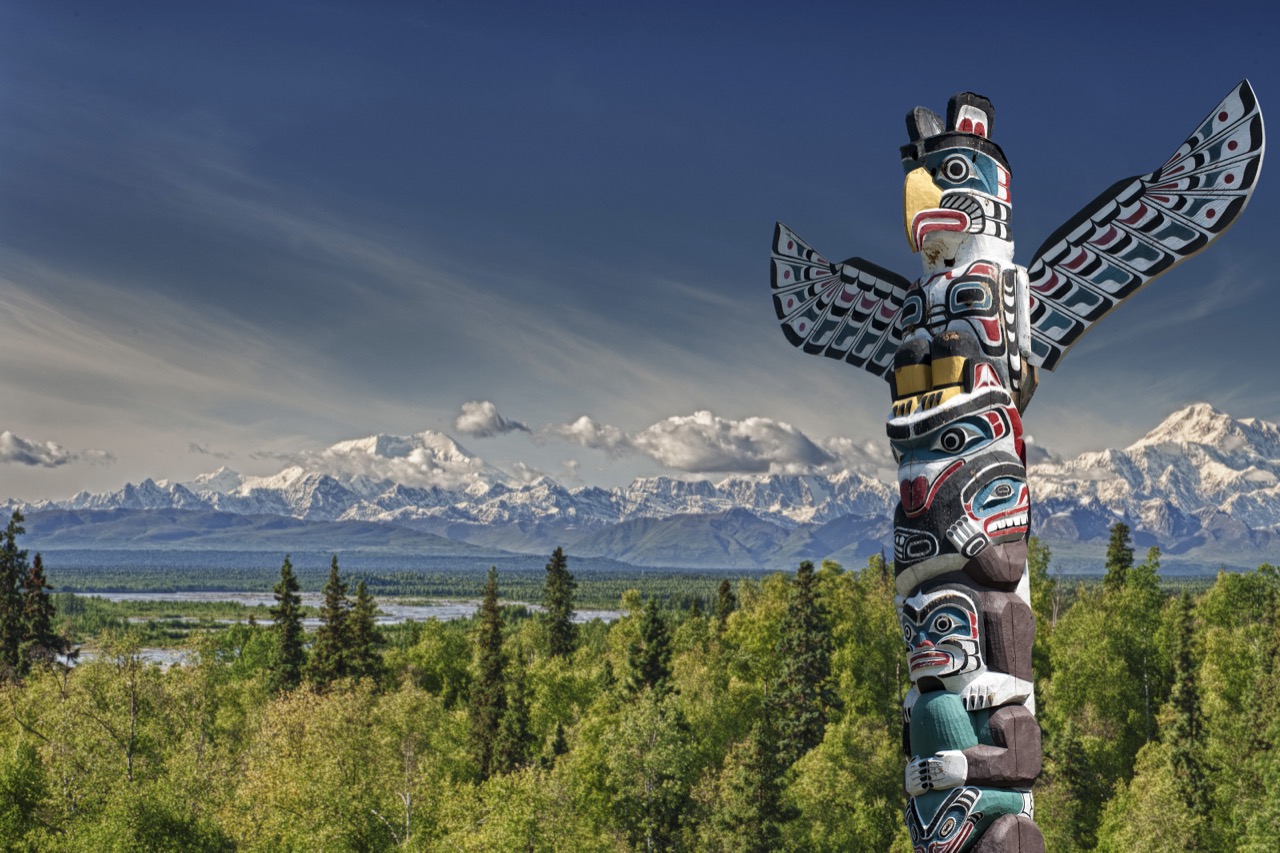
History and politics: Confederation to modern debates Many quizzes start with Confederation in 1867, when the Dominion of Canada was formed. But the story is broader: Indigenous nations and their histories long predate the country, and understanding treaties and ongoing rights issues is essential to understanding Canada today.
Canada’s political system often trips people up. It is a constitutional monarchy and a parliamentary democracy, with the monarch represented by the governor general federally and lieutenant governors provincially. Ottawa is the capital, but major provincial capitals like Toronto, Victoria, and Quebec City can confuse even confident players. Modern milestones, from the patriation of the Constitution in 1982 to evolving debates about federalism and regional interests, add depth beyond dates and names.
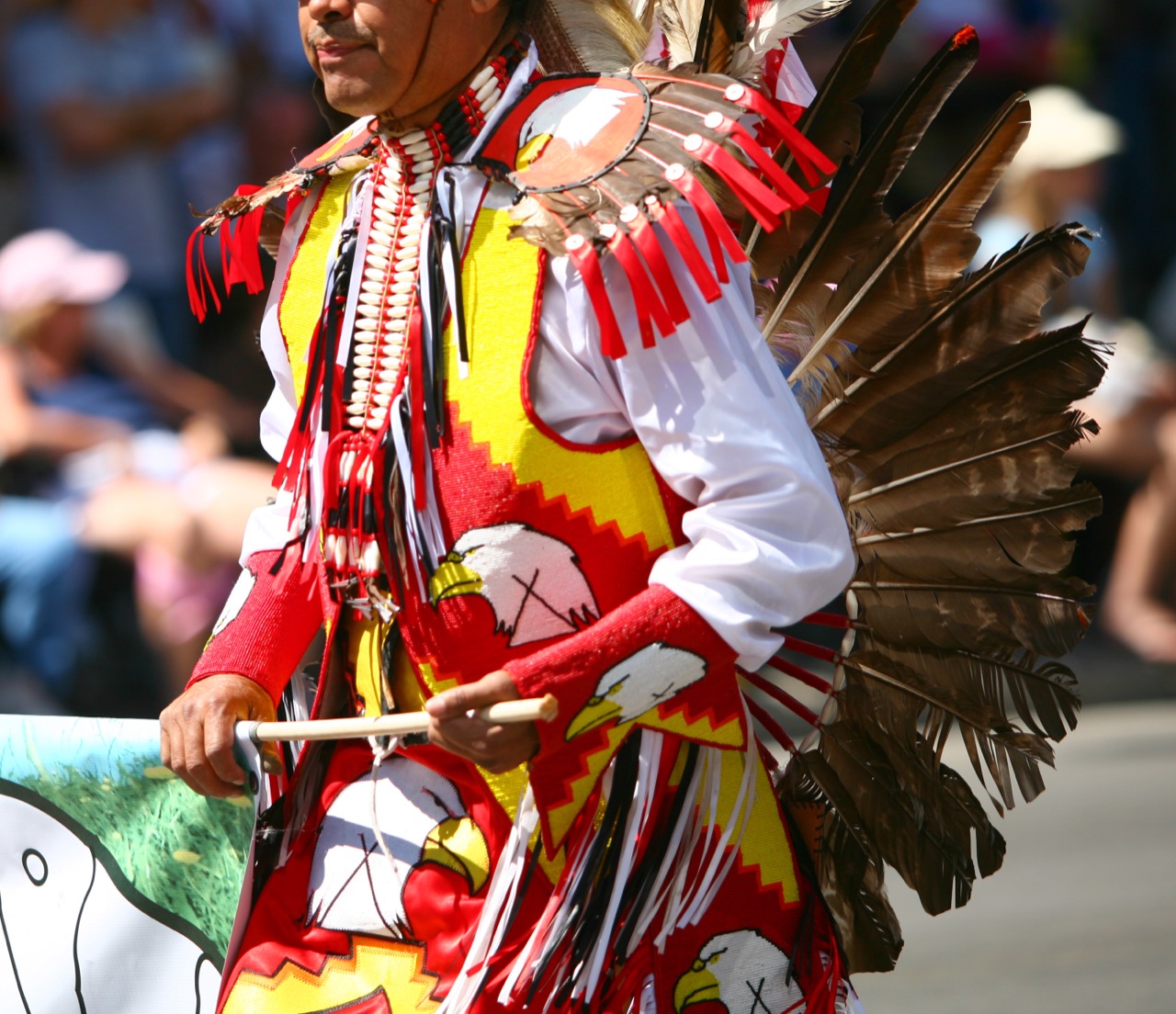
Languages and culture: More than bilingual labels English and French are the official languages at the federal level, but language realities vary by region. Quebec is predominantly French speaking, New Brunswick is officially bilingual, and many Indigenous languages continue to be spoken and revitalized. Immigration has also shaped Canadian English and French, and has added vibrant multilingual communities in cities across the country.
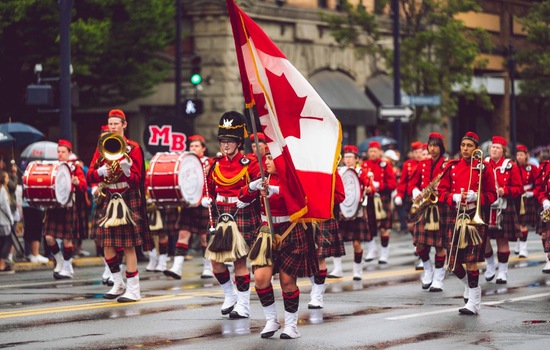
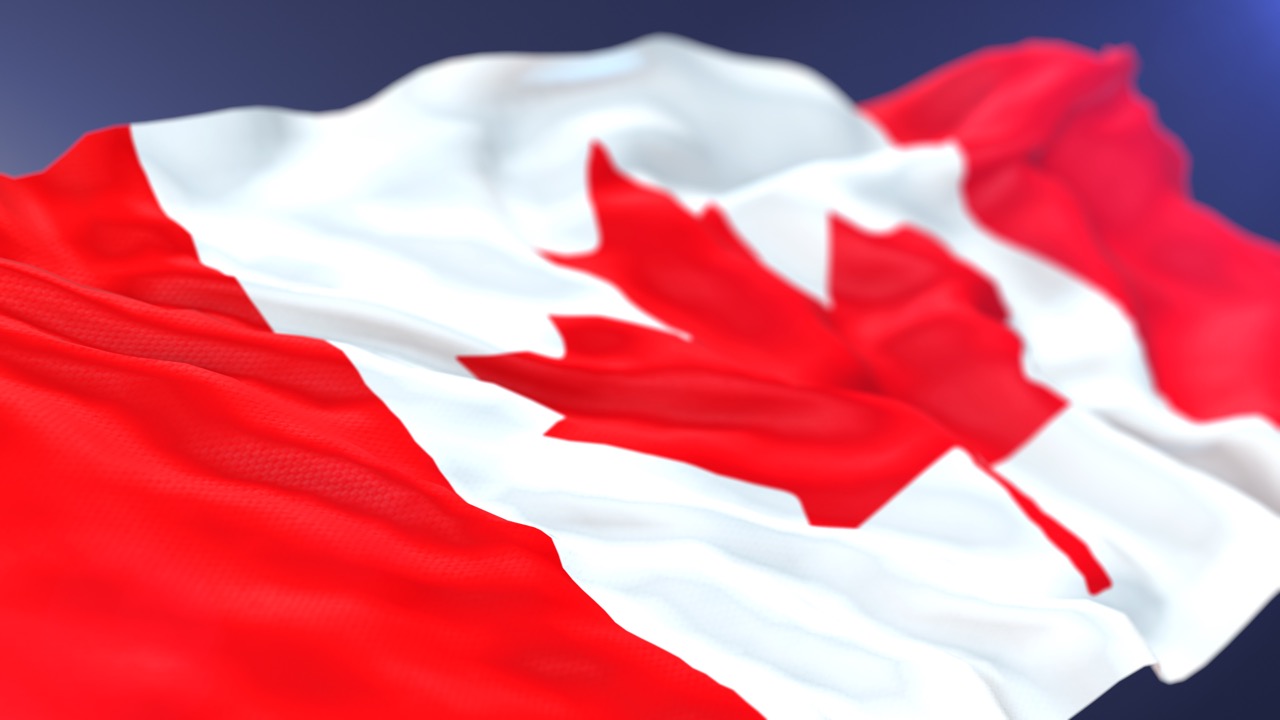
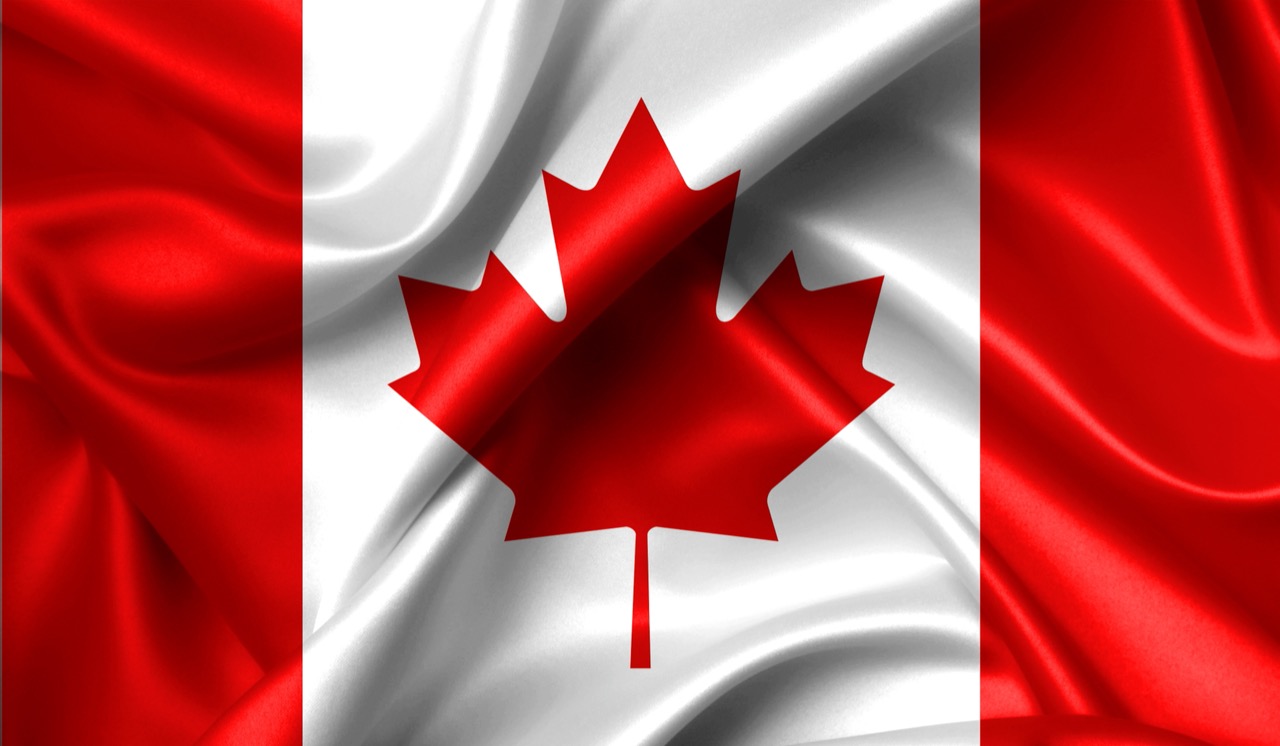
Canadian culture is packed with touchstones that appear in trivia: iconic foods like poutine, regional specialties like butter tarts, and traditions like the winter festival season. National symbols also invite debate. The maple leaf is central, but so are the beaver, the loon, the inuksuk, and the red and white flag adopted in 1965.
Sports, inventions, and everyday curveballs Hockey is the obvious headline, yet Canada’s sports identity is broader, including lacrosse, which is recognized as the national summer sport. The Grey Cup remains a major Canadian football tradition, and the country has hosted global events such as the Olympics, creating a trail of memorable host cities and moments.
Inventions and innovations make great quiz material because they blend pride with surprise. Canada is associated with developments in communication, medicine, and transportation, and with practical cold weather ingenuity. Even common items can have Canadian connections, which is why trivia writers love asking what was invented where.
Conclusion Canada’s “maple mysteries” are really an invitation to look closer. The big skies and huge distances are only the start; the real fun is in the details, from how government works to why certain symbols matter and which local fact everyone insists is true. A fast paced trivia challenge rewards quick recall, but it also rewards curiosity. Every question you miss is a new story to learn, and every question you nail is proof that Canada’s everyday knowledge can be as impressive as its landscapes.