



Introduction A journey across Canada can feel like several trips stitched into one: salty Atlantic harbors, French speaking neighborhoods, prairie skies, glacier fed rivers, and Pacific rainforests. The Maple Horizons Expedition theme captures that variety, mixing practical travel know how with culture, wildlife, and seasonal surprises. If you are building an itinerary or taking a quiz to spark ideas, it helps to understand how the country’s regions connect, what makes each place distinct, and how to travel smoothly between them.
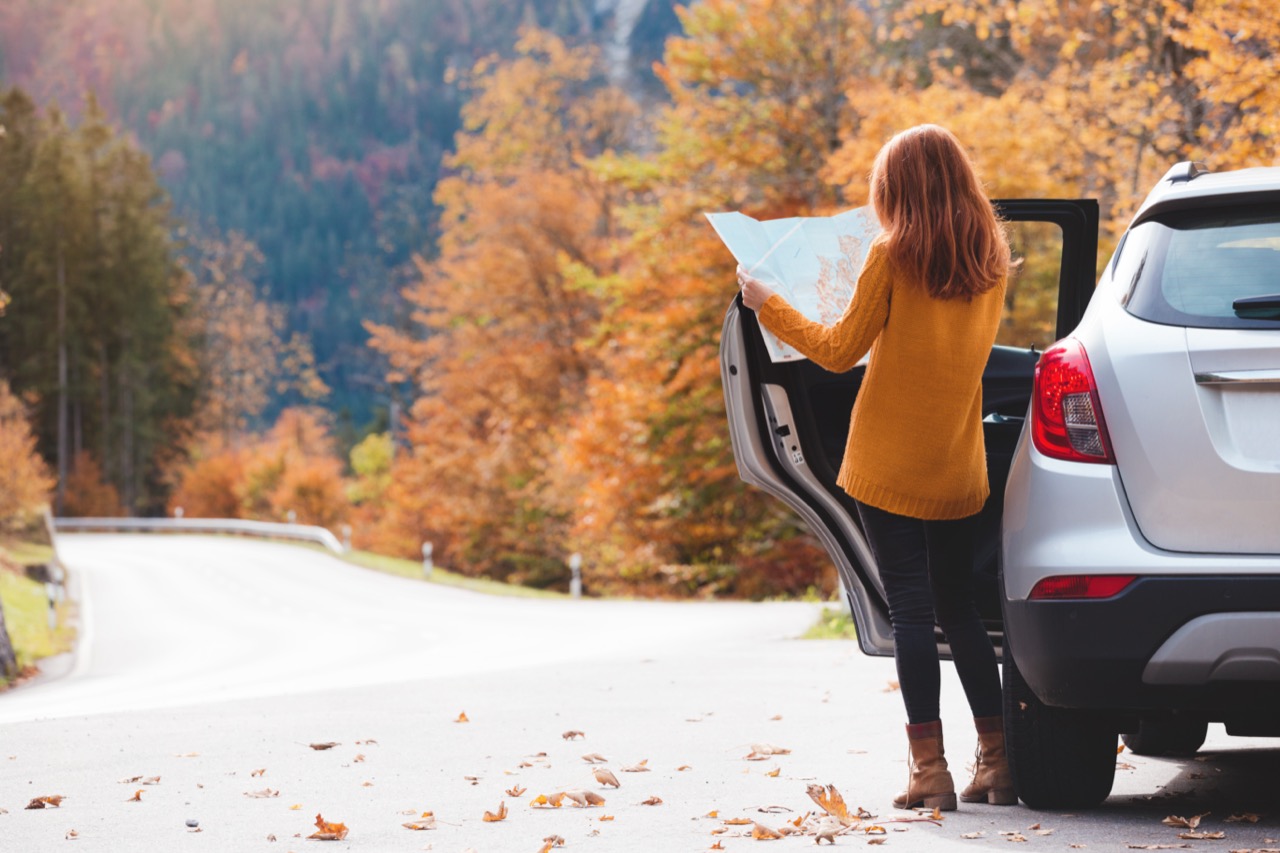
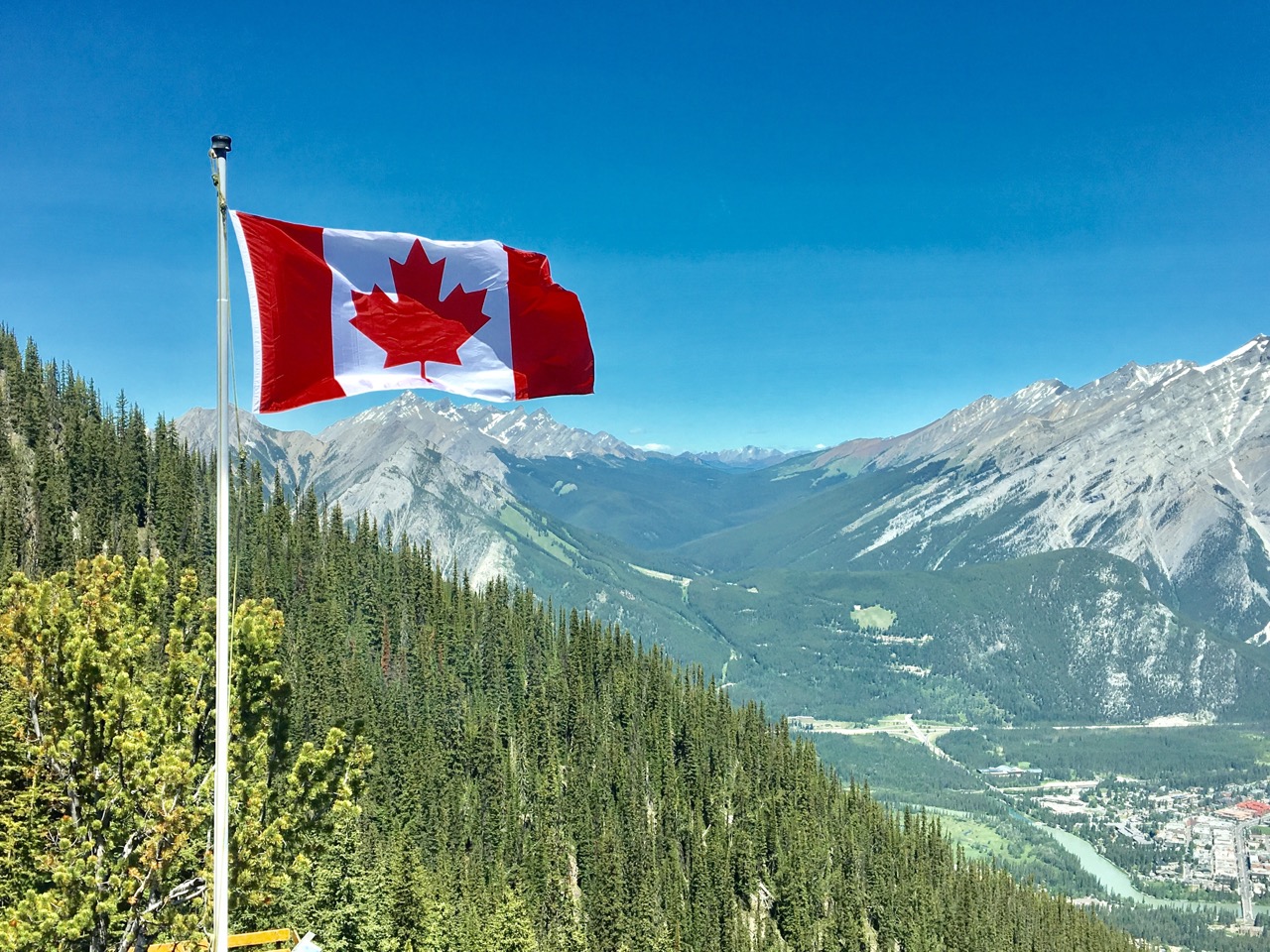
Landscapes and signature routes Canada’s scale is best appreciated by moving through it. Long distance rail travel is iconic, especially routes that link major cities with stretches of wilderness where you may see lakes, rocky outcrops, and endless forest. Trains and scenic drives are popular because they reveal how quickly landscapes change from farmland to shield country to mountains. In the Rockies, national parks such as Banff and Jasper are famous for turquoise lakes, high passes, and wildlife corridors, while coastal regions offer rugged trails, sea stacks, and ferry rides past misty islands. In the east, you can pair historic waterfront cities with nearby national parks and coastal hikes where the air smells of salt and spruce.
Cities, language, and local etiquette Canada’s big cities are lively and distinct. In Montreal and Quebec City, French is part of daily life, and learning a few polite phrases can go a long way. Toronto and Vancouver are known for diverse neighborhoods and food scenes, while Ottawa blends museums with riverside paths. A simple etiquette tip across the country is to be mindful of personal space and indoor voices on public transit, and to follow posted rules in parks and on trails. Tipping is customary in restaurants and for many service roles, and it is wise to check local expectations if you are unsure.
Food traditions worth seeking out Regional foods are a fun way to understand place. Quebec is known for poutine and maple treats, and winter brings warming snacks like hot chocolate and pastries after skating. Along the coasts, seafood is central, from Atlantic lobster to Pacific salmon. Prairie provinces are associated with hearty comfort foods and excellent local beef, while many cities showcase global cuisines shaped by immigration. Farmers markets are a reliable way to sample seasonal produce and local specialties without needing reservations.
Wildlife encounters and responsible viewing Seeing wildlife is a highlight, but it requires patience and respect. In many areas you might spot moose, bears, elk, or whales depending on region and season. Keep a safe distance, never feed animals, and carry bear spray where recommended. On trails, travel in groups when possible, make noise in dense brush, and store food properly. Whale watching is best done with licensed operators who follow approach regulations that protect marine mammals.
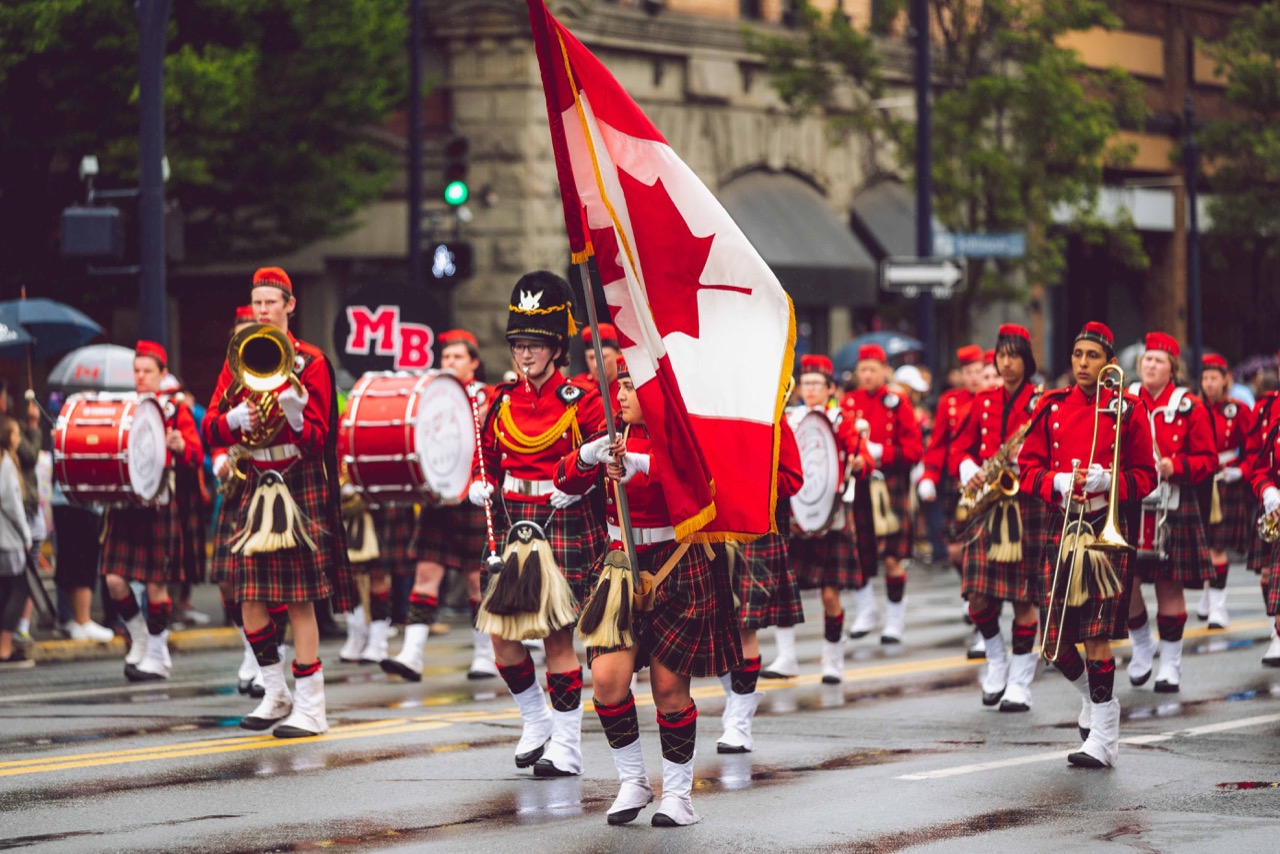
Seasons, festivals, and northern lights planning Seasonal planning shapes everything. Summer offers long days for hiking and paddling, while autumn brings vivid colors and fewer crowds in many regions. Winter travel can be magical, with skating trails, snow festivals, and cozy food traditions, but it also demands warm layers and flexibility for weather. For aurora viewing, head away from city lights and aim for clear, dark nights, often in late fall through early spring. Even then, the lights are never guaranteed, so treat them as a bonus and enjoy the night sky regardless.
Practical details that keep trips smooth Distances are large, so build in travel days and avoid overpacking your schedule. Weather can change quickly, especially near mountains and coasts, so bring layers and waterproof outerwear. In parks, reservations for camping and popular lodges can sell out early. In cities, public transit is useful, and walking friendly neighborhoods make exploring easy. Finally, remember that Canada spans multiple time zones, which matters for flights, train connections, and meeting times.
Conclusion Canada rewards travelers who mix planning with curiosity. Whether your dream involves a ferry past coastal islands, a quiet canoe on a lake, a festival packed with music, or a mountain trail above the treeline, the best approach is to match your route to the season and travel style you enjoy. Use the quiz as a springboard, then turn the facts into a personal expedition that balances iconic sights with small local moments.