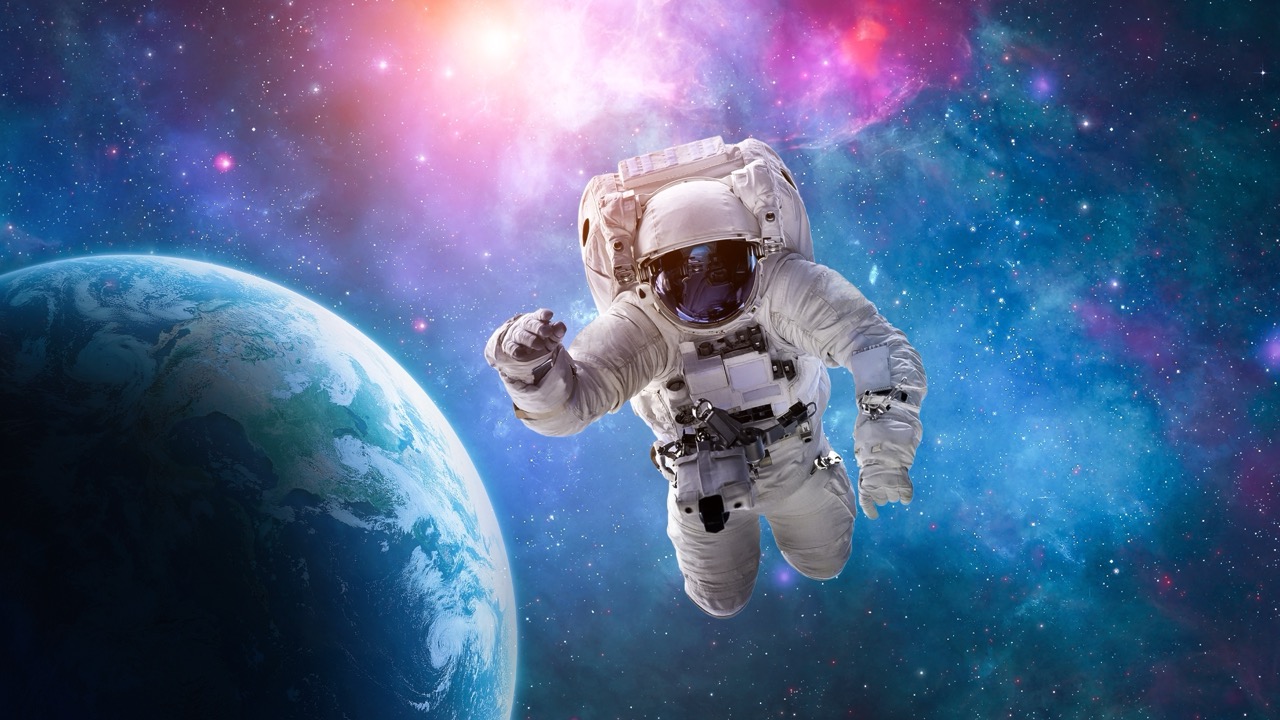
Introduction Look up on a clear night and the sky can feel calm, even still. In reality, it is a busy place where light travels for years, planets race around the Sun, and invisible forces shape everything from falling apples to colliding galaxies. A trivia quiz about space is fun because it turns that enormous story into bite sized puzzles. The best questions do more than test memory. They reveal how scientists know what they know, and why a few popular ideas about space are misleading.
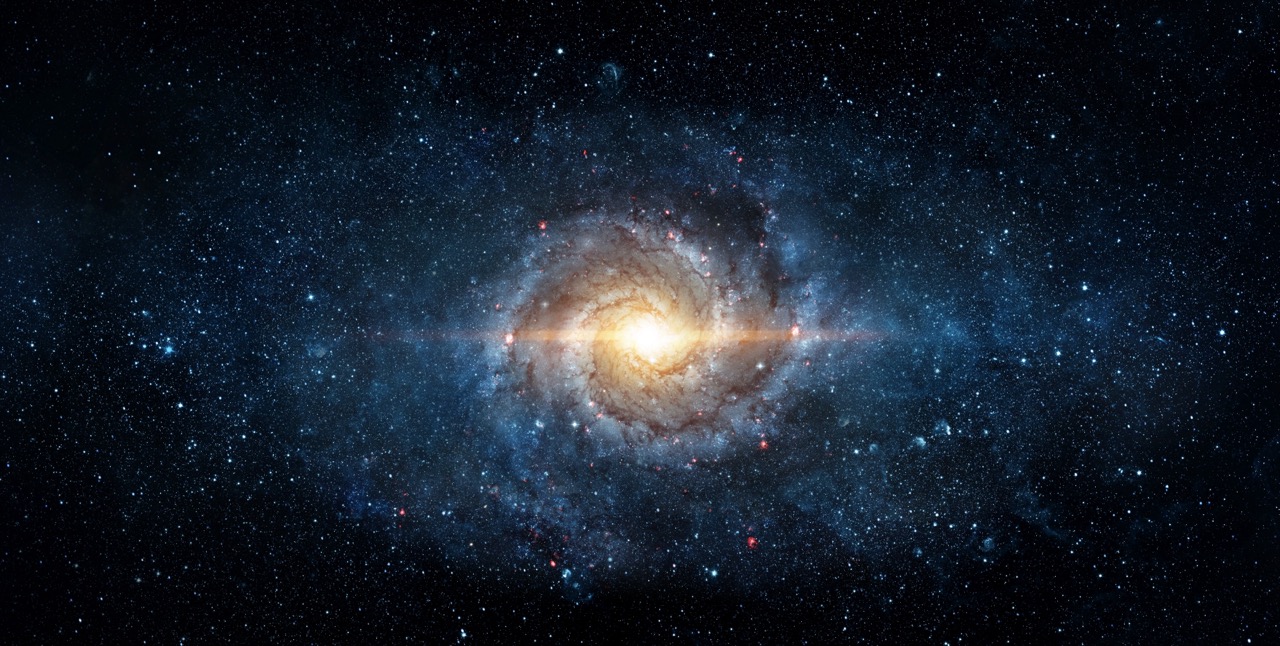
Reading the universe with light Almost everything we learn about distant objects comes from light, including kinds we cannot see. Visible light is just a small slice of the electromagnetic spectrum. Infrared can reveal warm dust where stars are forming, while X rays often point to extreme places like black hole surroundings. Astronomers use a tool called spectroscopy to split light into a rainbow of wavelengths. Dark or bright lines in that spectrum act like fingerprints for elements such as hydrogen and helium. Spectroscopy also shows motion: when a galaxy’s light is shifted toward redder wavelengths, it is usually moving away, a key clue behind the expanding universe.
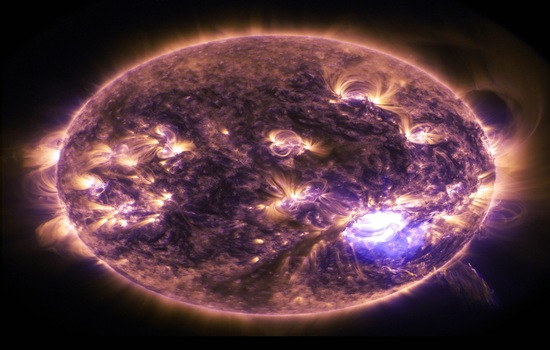
Our Sun, the nearest restless star The Sun looks steady, but it has moods. Sunspots are cooler, darker regions tied to strong magnetic fields. When those magnetic fields tangle and snap, the Sun can release solar flares and coronal mass ejections, blasting charged particles into space. If those particles reach Earth, they can trigger auroras and sometimes disrupt satellites, GPS signals, and power grids. This is why space weather forecasting matters, especially as society depends more on technology in orbit.
Gravity, orbits, and common misconceptions Gravity is not just something that pulls downward. It shapes orbits, bends light, and holds galaxies together. Astronauts feel weightless in orbit not because there is no gravity, but because they are in continuous free fall around Earth. Another frequent misconception is that the far side of the Moon is always dark. In fact, it receives sunlight just like the near side. We call it the far side because it faces away from Earth due to the Moon’s synchronous rotation.
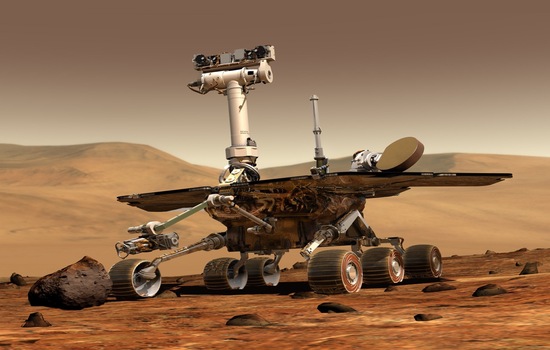
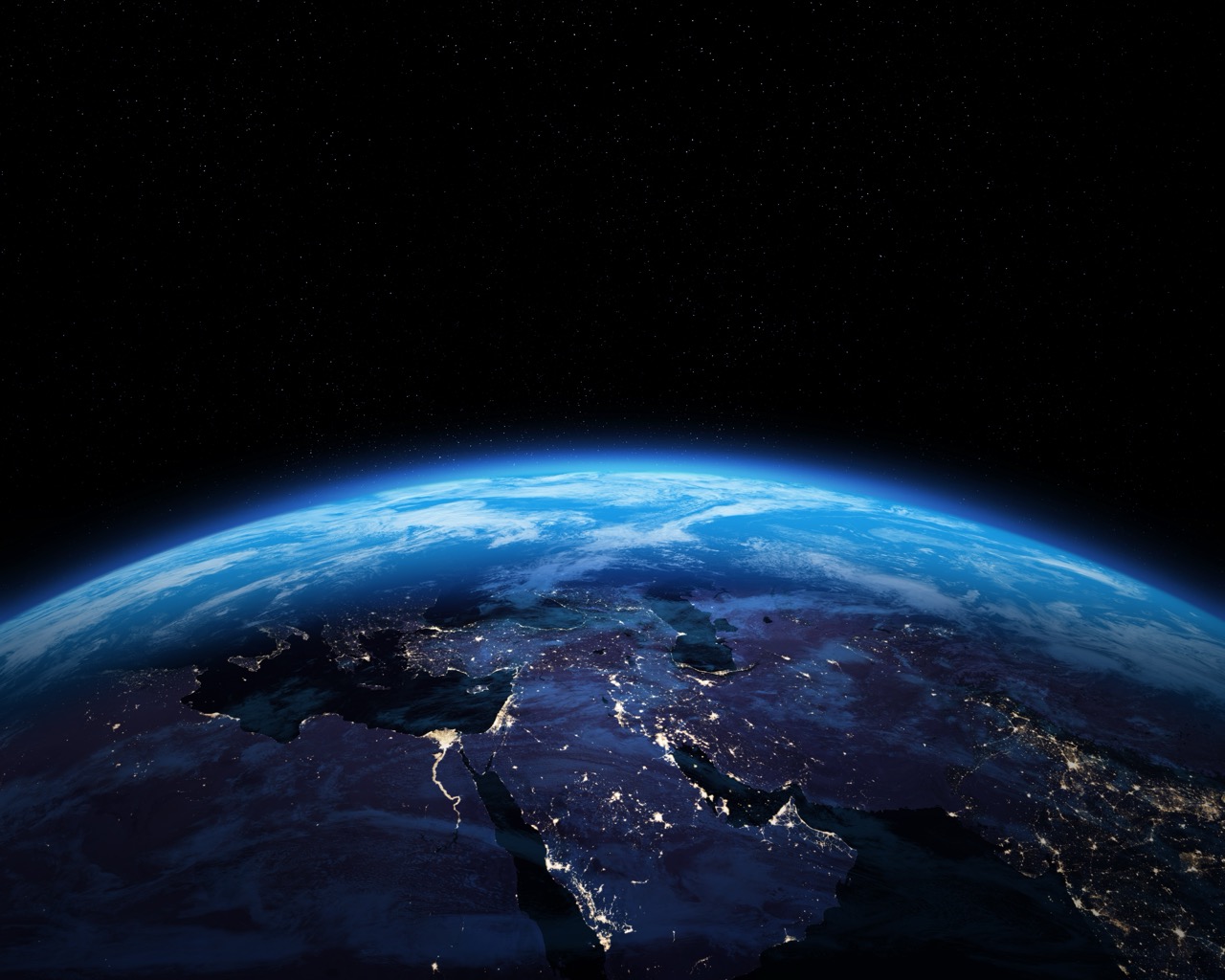
Planets, moons, and what makes Earth special Our solar system is full of variety. Venus is close in size to Earth but has a runaway greenhouse atmosphere hot enough to melt lead. Mars shows evidence of ancient rivers and lakes, raising questions about past habitability. Jupiter and Saturn are gas giants with powerful storms, while Uranus and Neptune are ice giants rich in water, ammonia, and methane. Many moons are worlds of their own: Europa may hide an ocean beneath ice, and Titan has lakes of liquid methane. Earth stands out not only for liquid water on the surface, but for a stable climate system supported by atmosphere, oceans, and active geology.
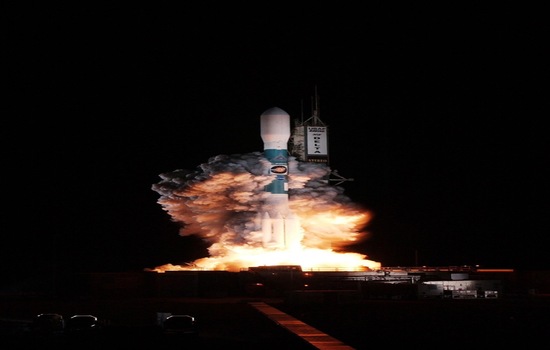
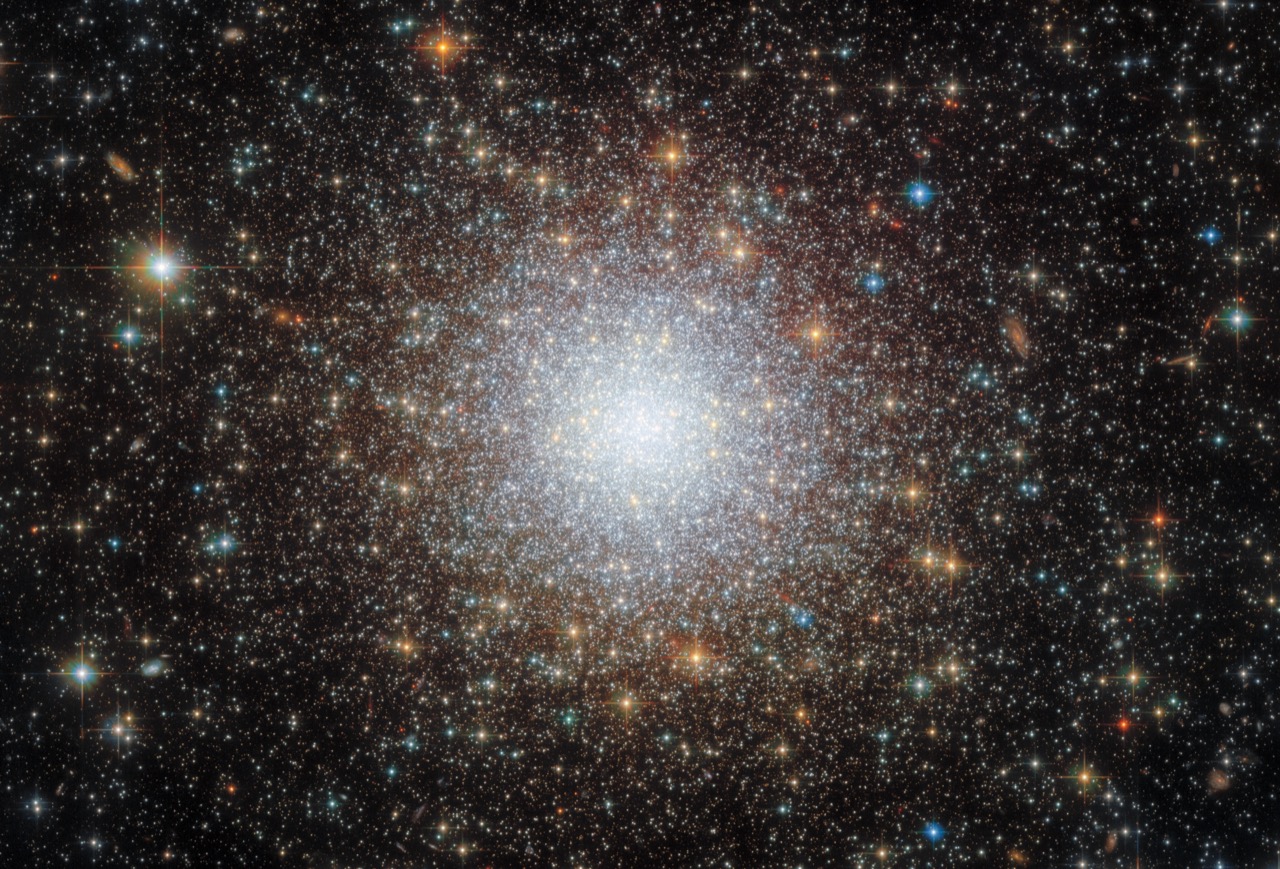
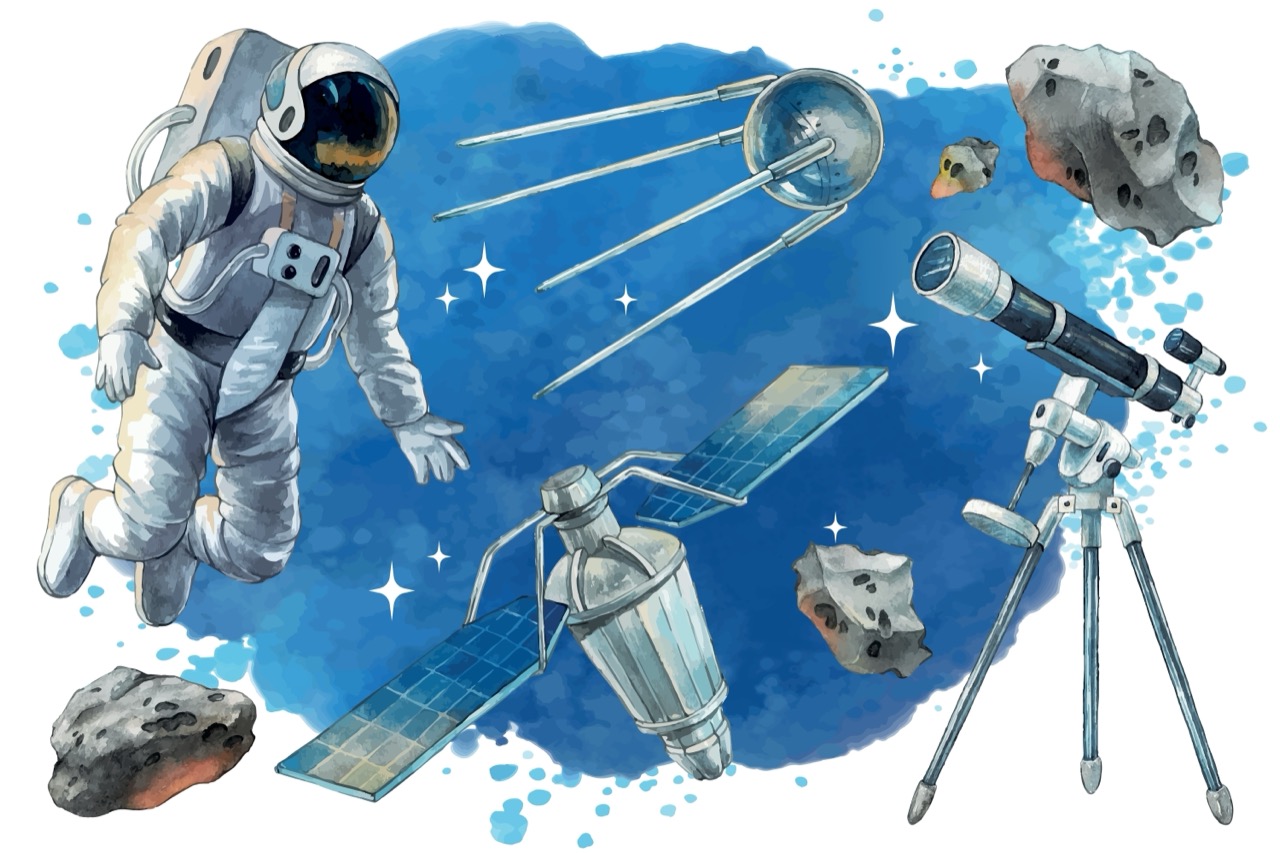
Missions and instruments that changed the game Space trivia often name checks missions because they transformed what we can see. Hubble delivered sharp images of nebulae and distant galaxies. The James Webb Space Telescope peers in infrared, helping study early galaxies and the atmospheres of exoplanets. Voyager spacecraft revealed detailed portraits of the outer planets and now sample interstellar space. On the ground, radio telescopes listen for faint signals, and interferometers combine multiple dishes to act like a much larger telescope.
Conclusion Night lanterns in the sky are not just pretty points of light. They are clues about chemistry, motion, time, and the forces that built the cosmos. A good quiz invites you to connect those clues, spot the trick misconceptions, and appreciate how much can be learned from a photon that has traveled across space for millions of years. Keep looking up, and let curiosity do the rest.