Introduction Earth may look solid and unchanging, but it is more like a slow, powerful workshop that never shuts down. Beneath sidewalks, forests, and oceans, heat and gravity drive a long cycle of building, breaking, and rebuilding. Mountains rise a few millimeters at a time, ocean basins widen and shrink, and rocks that once sat on a beach can end up deep underground, transformed by pressure. Understanding these processes makes everyday scenery feel like a set of clues. A cliff face becomes a timeline, a pebble becomes a travel story, and a rumbling earthquake becomes a reminder that the ground is not as still as it seems.
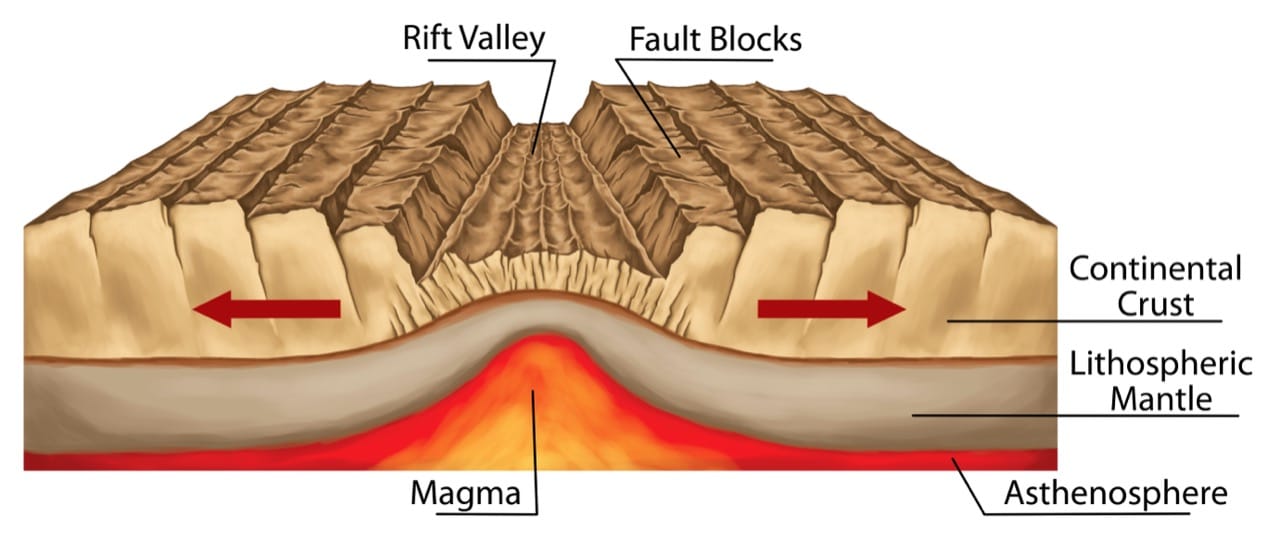
The moving pieces: plates without pushers Earth’s outer shell is broken into tectonic plates that move a few centimeters per year, about as fast as fingernails grow. No one pushes them by hand. Motion comes from heat inside the planet. Hot rock in the mantle slowly circulates, and plates can be pulled by their own weight when cold, dense oceanic crust sinks into the mantle at subduction zones. This sinking slab acts like a conveyor belt, dragging the rest of the plate along. Where plates pull apart, new crust forms at mid ocean ridges. Where they collide, crust crumples and thickens, helping build mountain ranges.
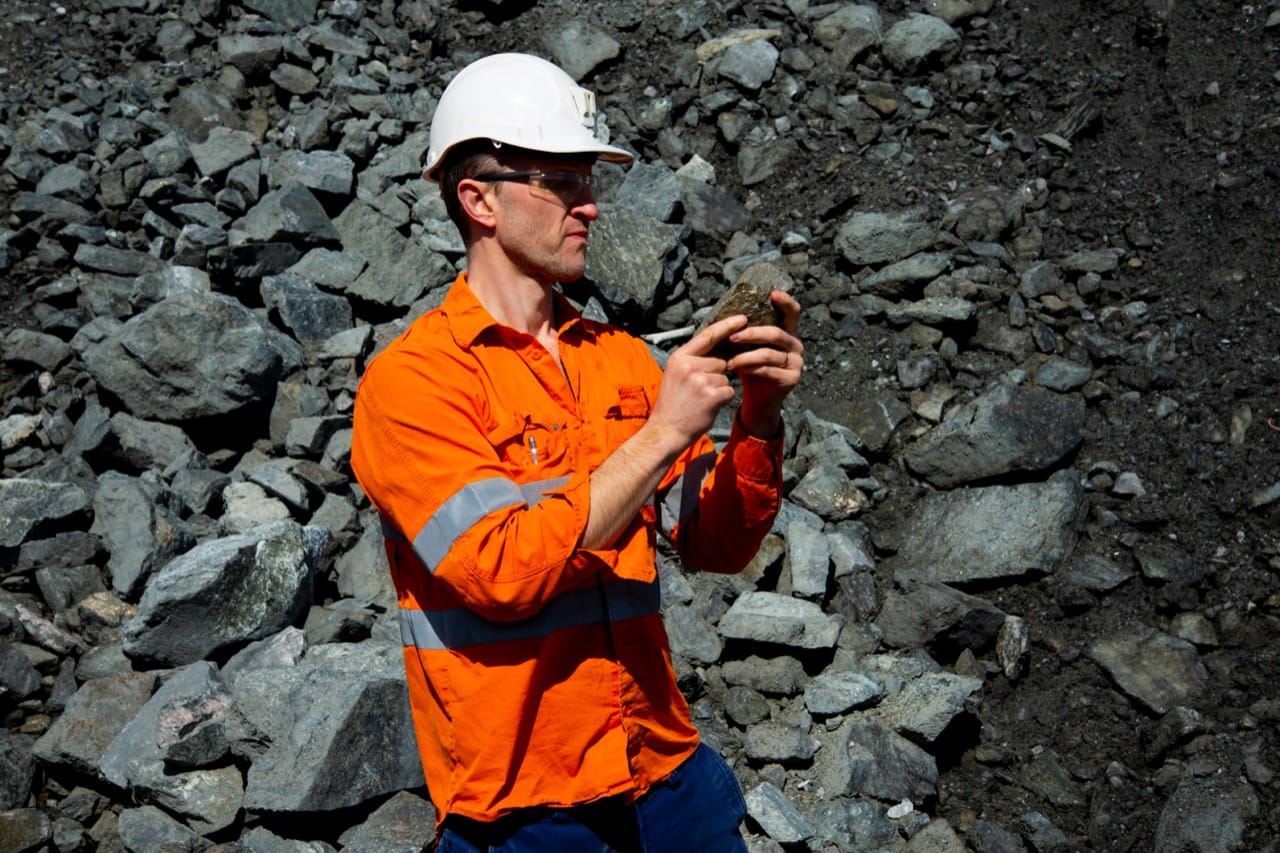
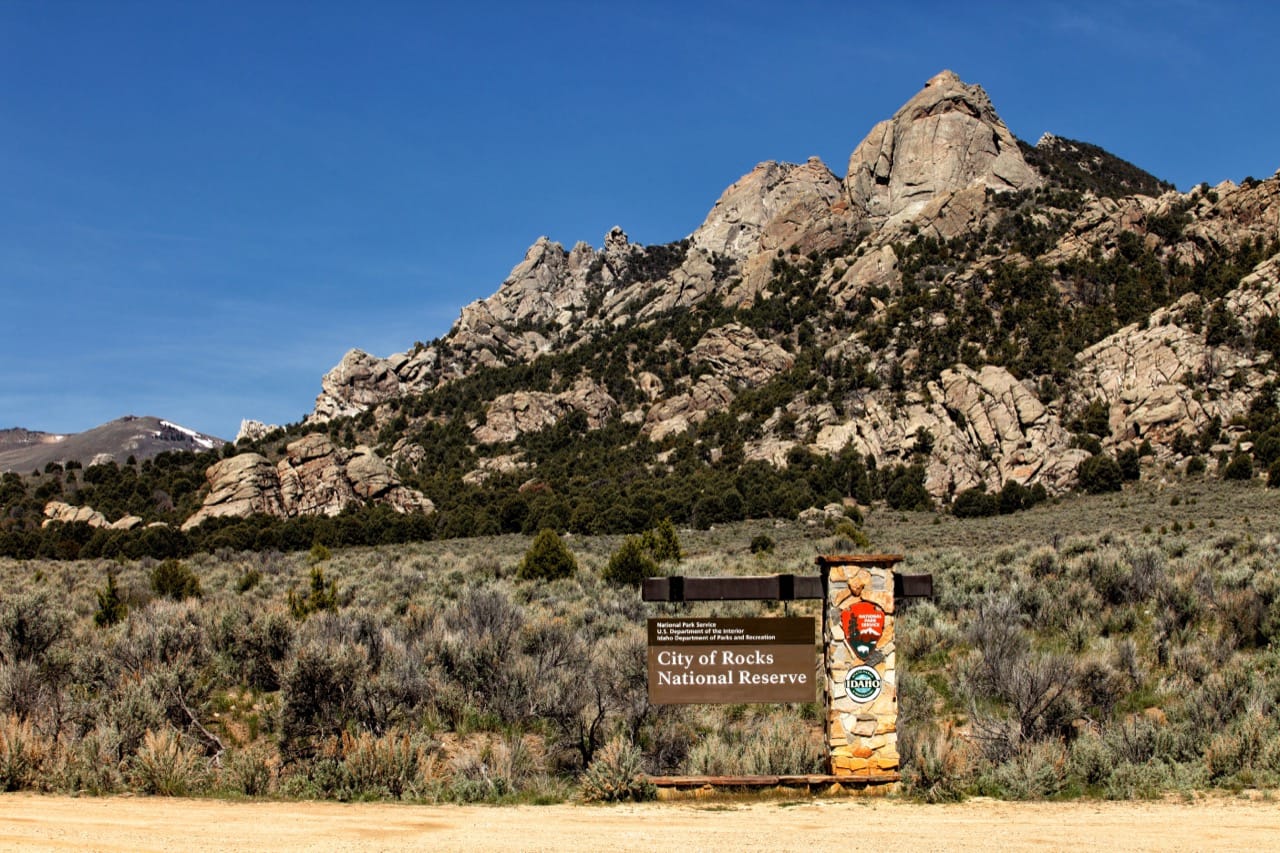
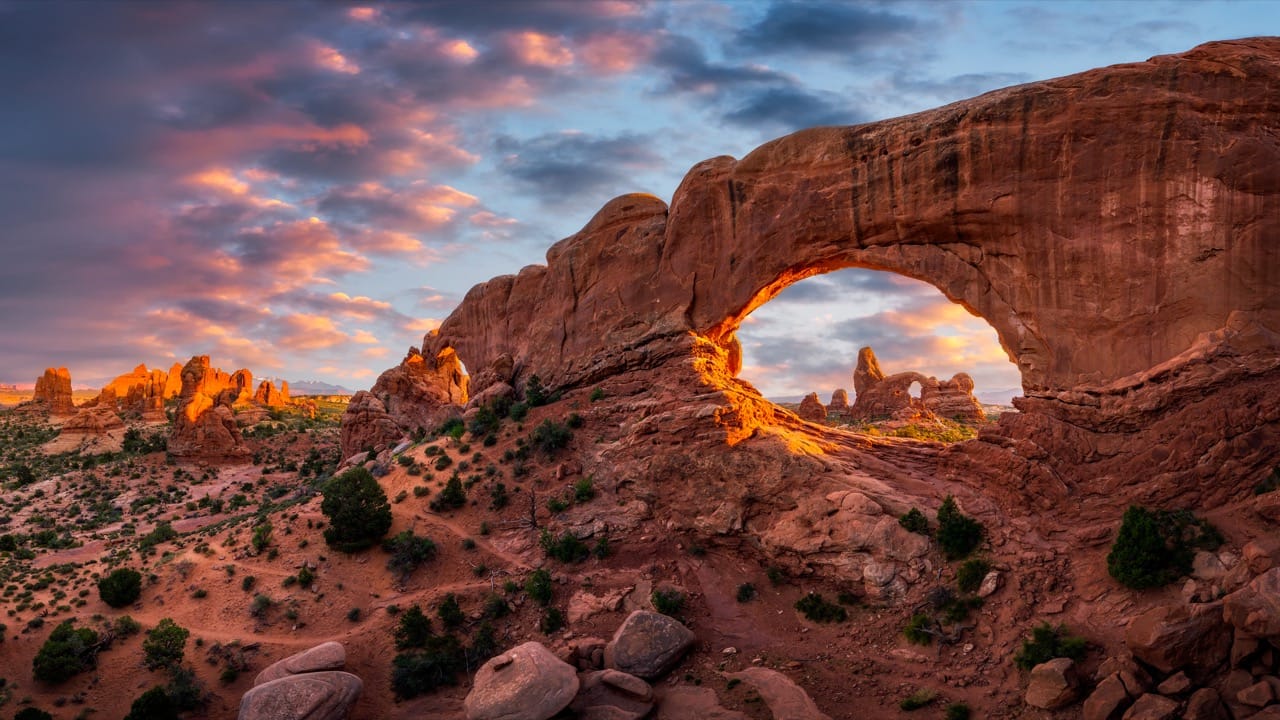
Rocks that tell stories: the rock cycle in action Earth recycles material through the rock cycle. Igneous rocks form when magma cools, either underground as coarse grained granite or at the surface as fine grained basalt. Sedimentary rocks form when pieces of older rocks are transported and deposited, then cemented. Sandstone often preserves the feel of ancient beaches or deserts, and its grains can reveal whether they were shaped by wind, waves, or rivers. Metamorphic rocks form when existing rocks are changed by heat, pressure, or chemically active fluids. Limestone can become marble, and shale can become slate and then schist as metamorphism increases.
Everyday chemistry and surprising minerals Some classic geology facts are visible with simple observations. Limestone and other carbonate rocks can fizz when touched with a weak acid because the acid reacts with carbonate minerals, releasing carbon dioxide gas. This quick test helps distinguish limestone from similar looking rocks. Minerals can also surprise you. Fluorescent minerals such as fluorite can glow under ultraviolet light due to tiny impurities and defects in their crystal structure. Quartz, one of the most common minerals in Earth’s crust, is tough and resists weathering, which is why quartz rich sand is so common on beaches.
Faults, earthquakes, and the snap you cannot see Rocks can bend slightly, but they eventually break. Faults are fractures where blocks of crust move past each other. Earthquakes happen when stress builds up and then releases suddenly, sending seismic waves through the ground. Not all faults look dramatic at the surface, and many are hidden. Different fault types match different plate settings: normal faults in stretching regions, reverse faults in compressing regions, and strike slip faults where plates slide sideways. The shaking you feel is the rapid release of stored elastic energy, not the slow motion of plate drift itself.
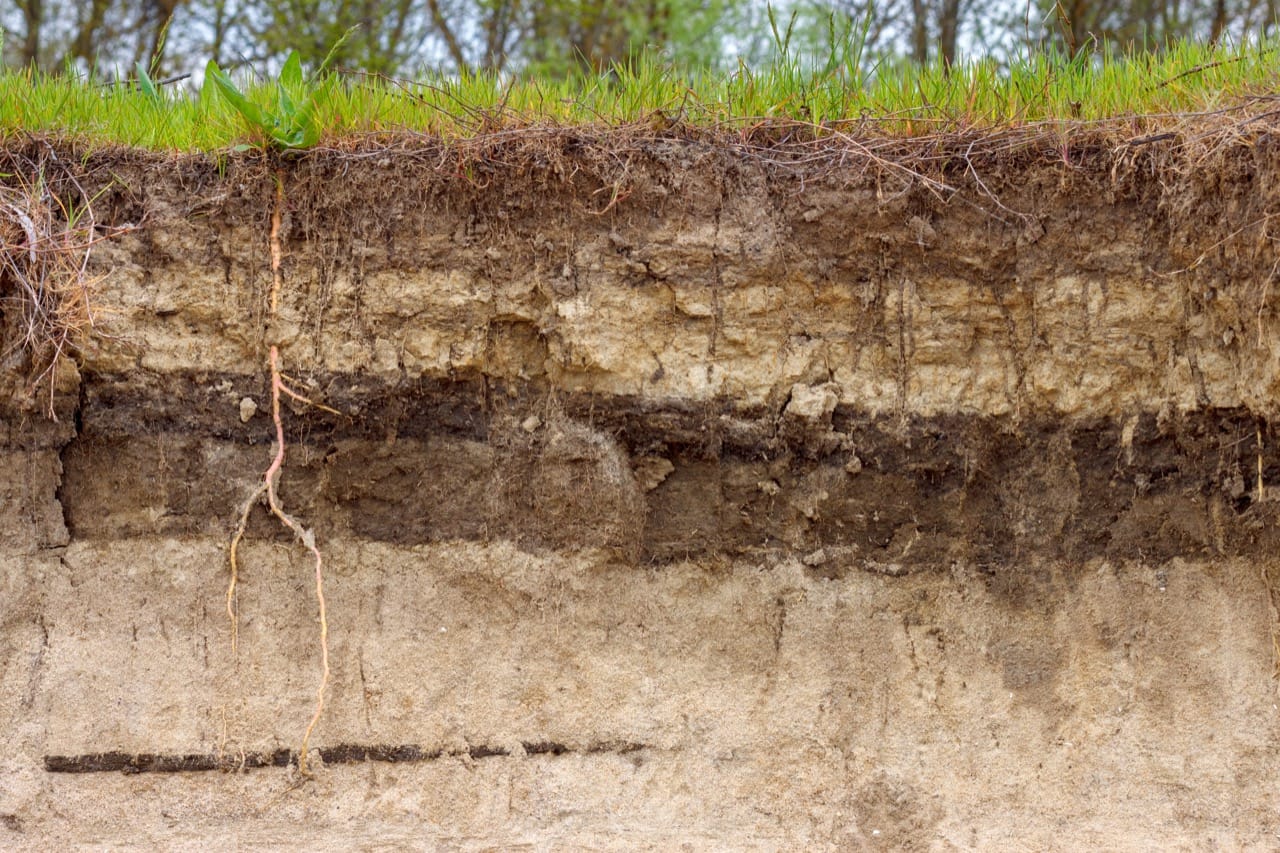
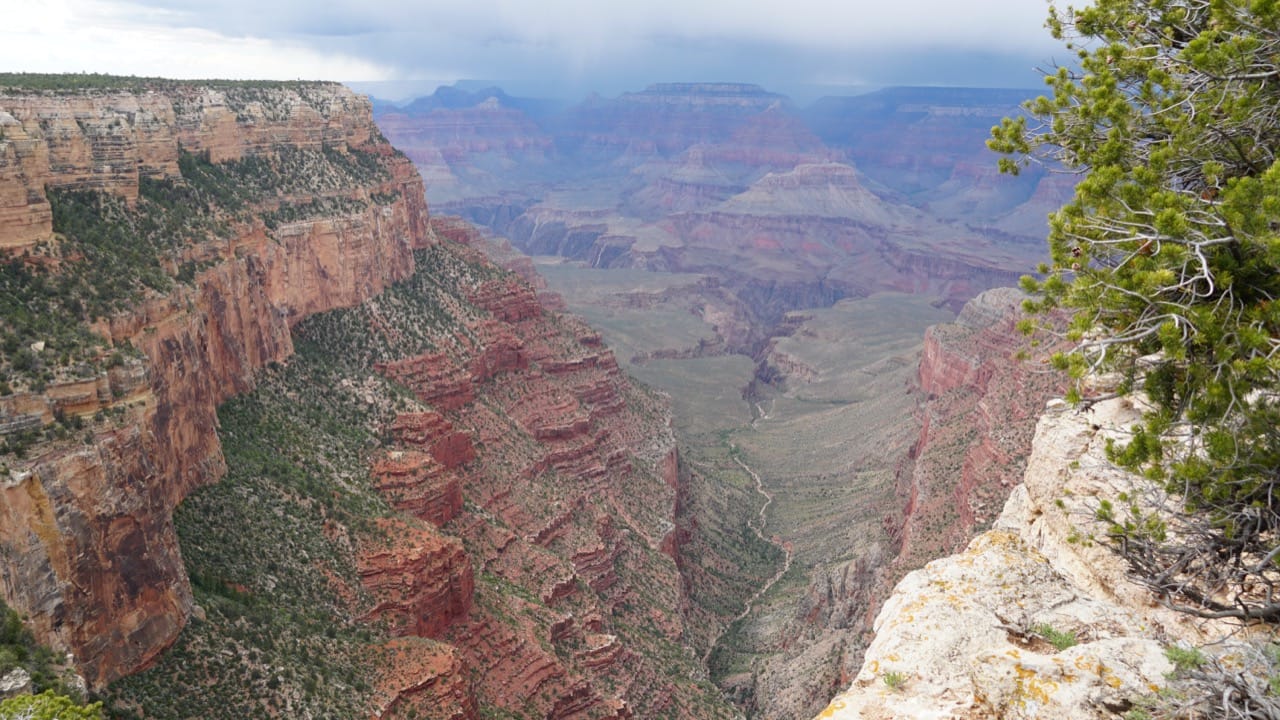
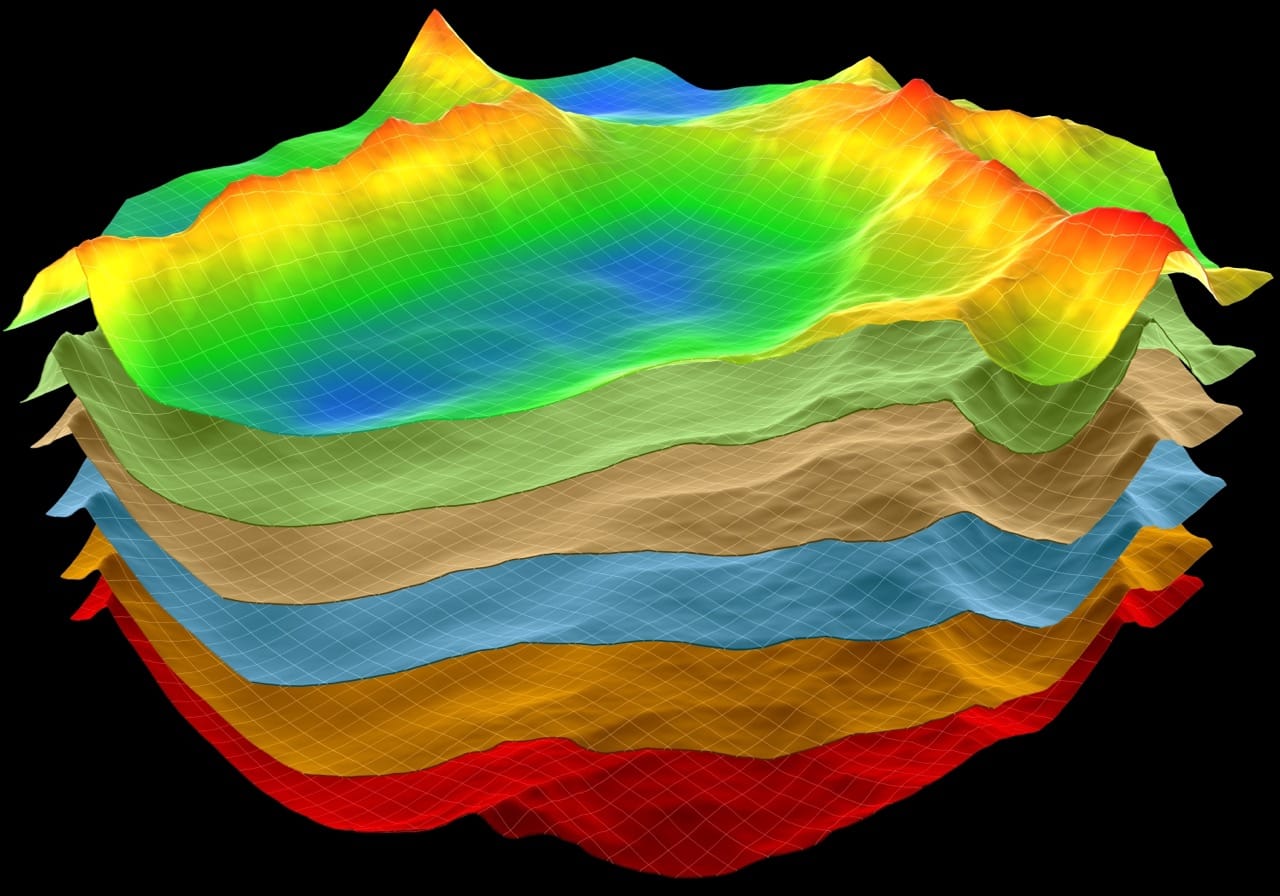
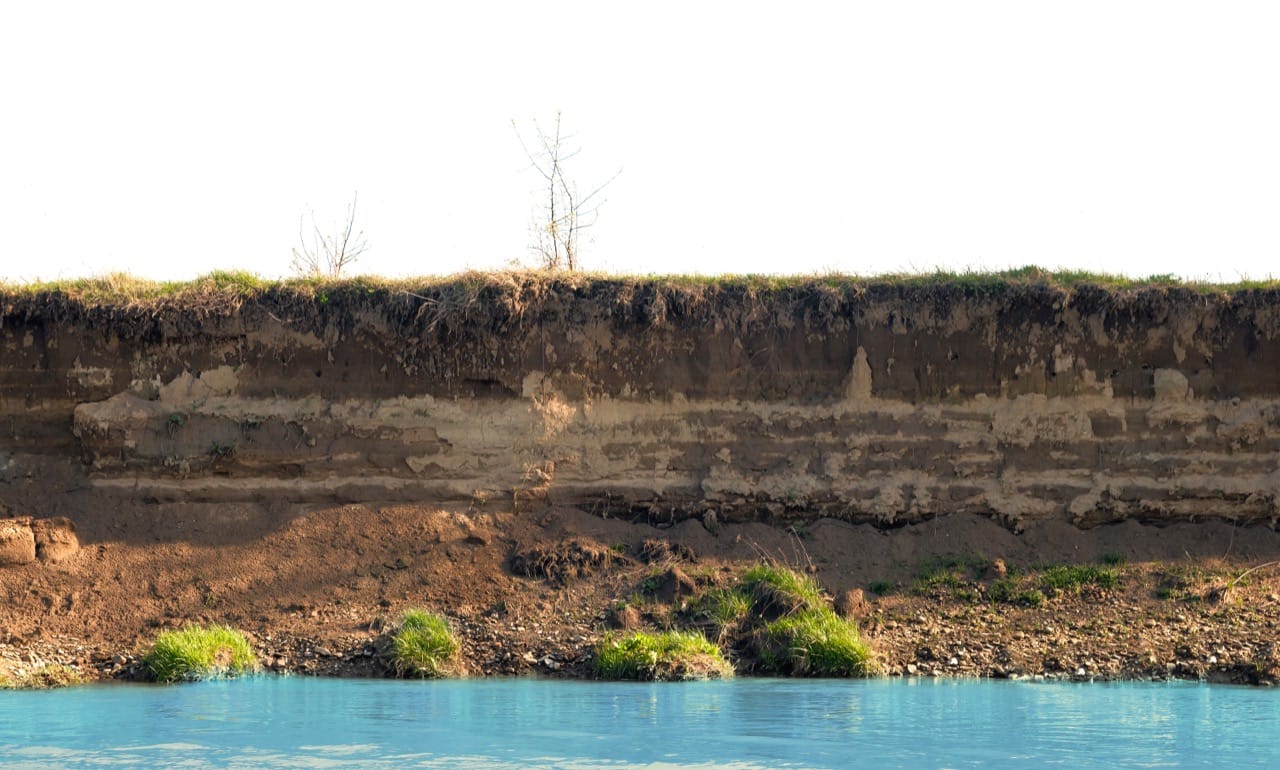
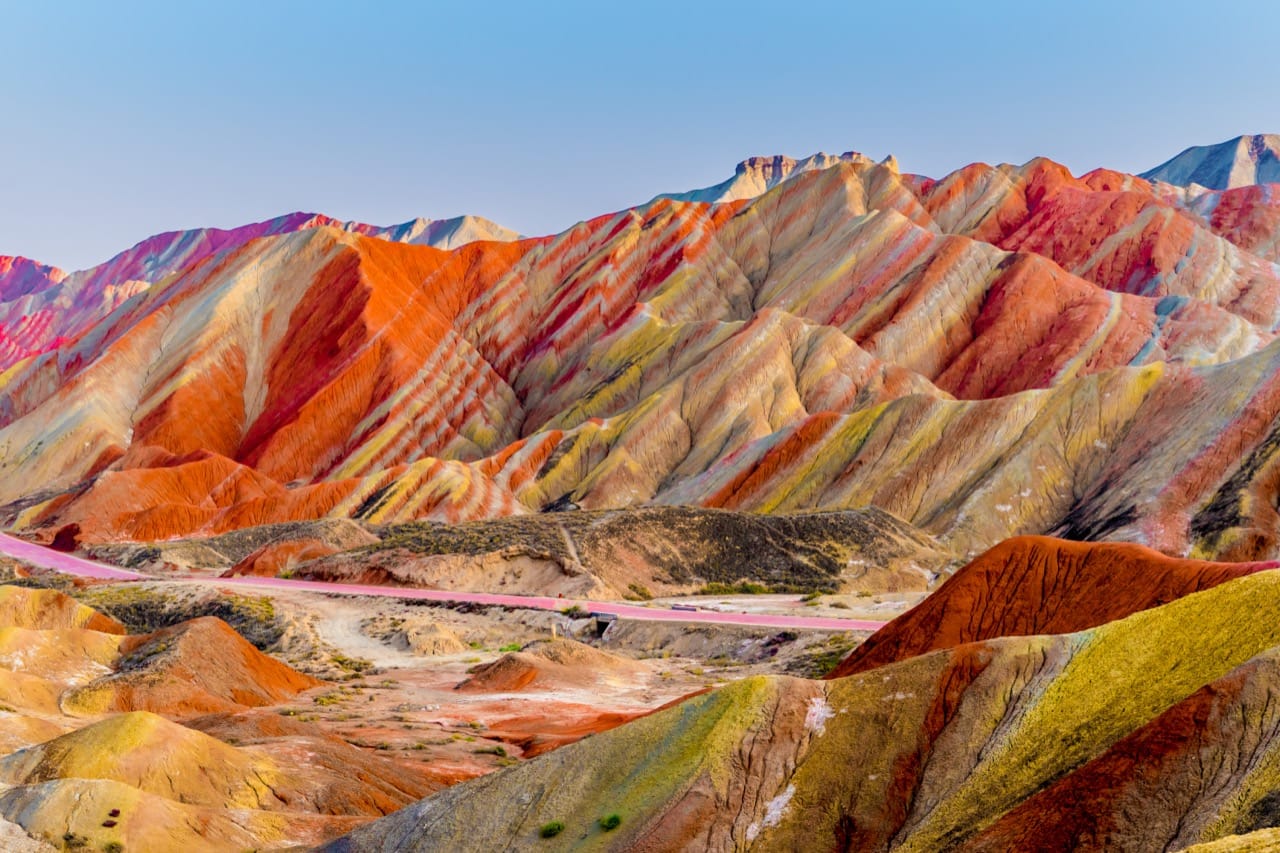
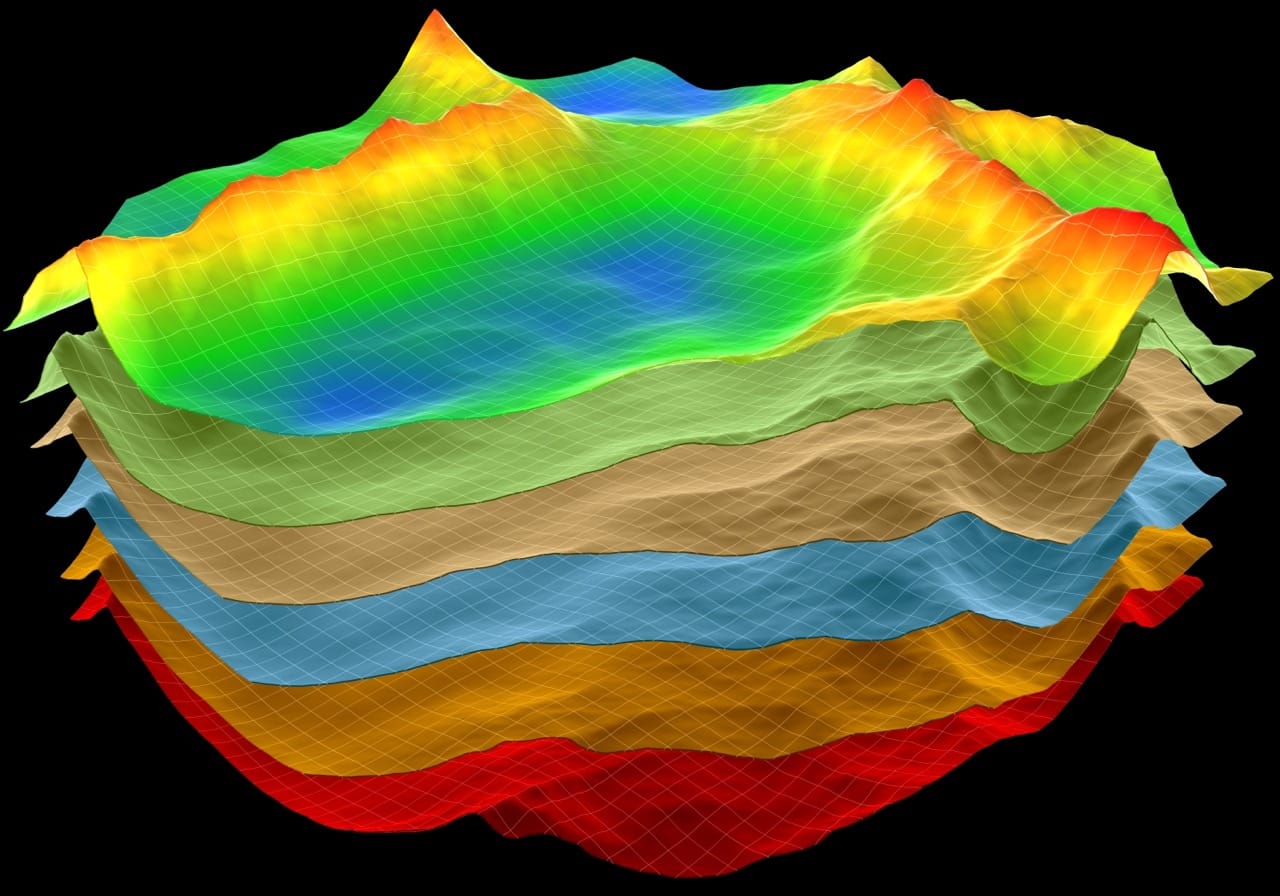
Layers as time machines Sedimentary layers act like pages in a book. In many places, deeper layers are older, and changes in grain size, color, and fossils record shifting environments such as advancing seas, drying climates, or volcanic ash falls. An unconformity, where layers are missing due to erosion or non deposition, marks a gap in time. These gaps can represent millions of years, a reminder that Earth’s history includes long quiet intervals punctuated by dramatic events.
Conclusion Earth’s hidden workshop runs on deep heat, gravity, and time. Plates move, rocks transform, and landscapes are endlessly reworked. The fun of geology is that many big ideas show up in small details: a fizzing rock, a glowing mineral, a tilted layer, or a line of offset features along a fault. Once you start noticing these clues, the world becomes more than scenery. It becomes evidence of a planet that is constantly making and remaking itself, one slow but unstoppable step at a time.