


Introduction The ocean can feel familiar at the beach, but that comfort ends quickly as you move away from the shoreline and down into deeper water. Sunlight fades, temperatures drop, pressure rises, and the rules of survival shift. Yet the sea is not a single habitat. It is a patchwork of neighborhoods, from bright coral cities to dark plains where animals make their own light. Understanding these zones helps explain why marine life looks and behaves so differently depending on where it lives.
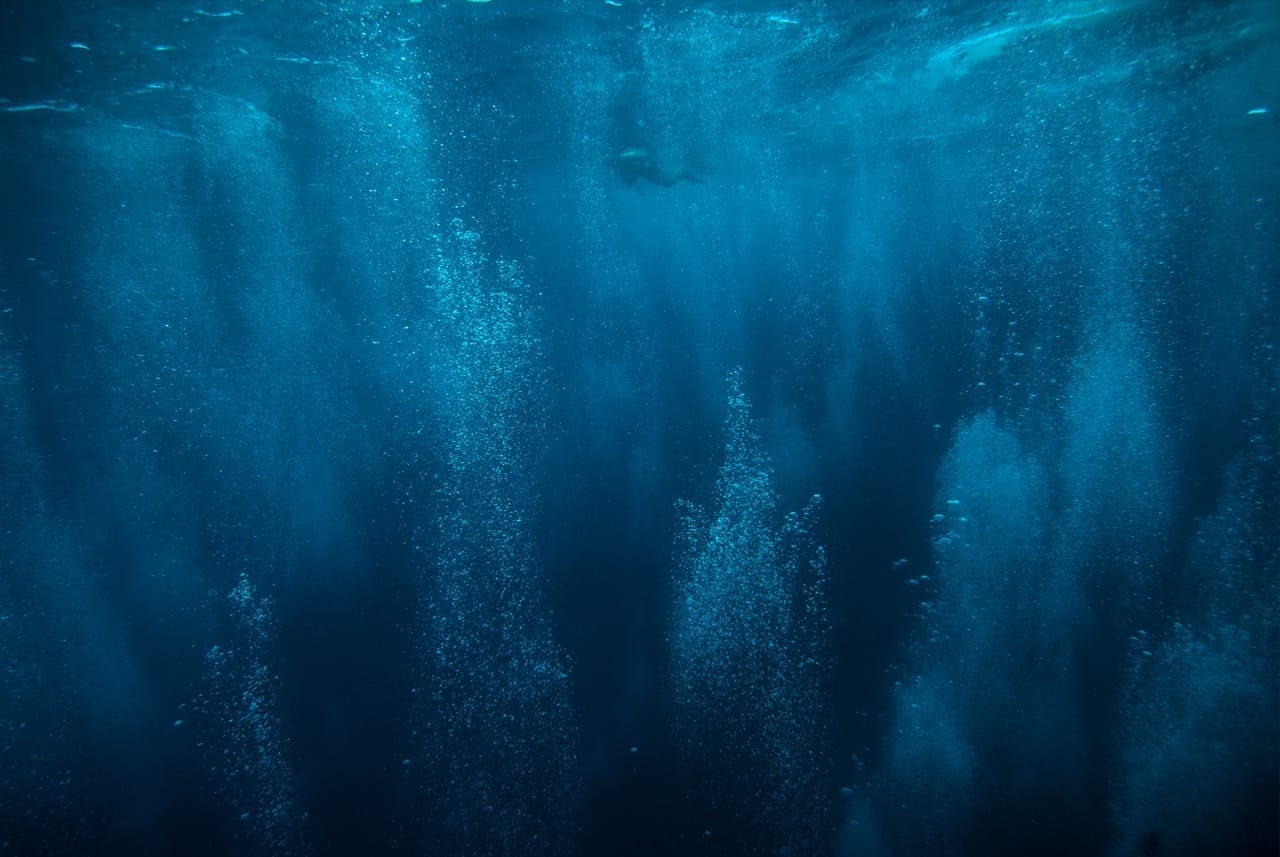
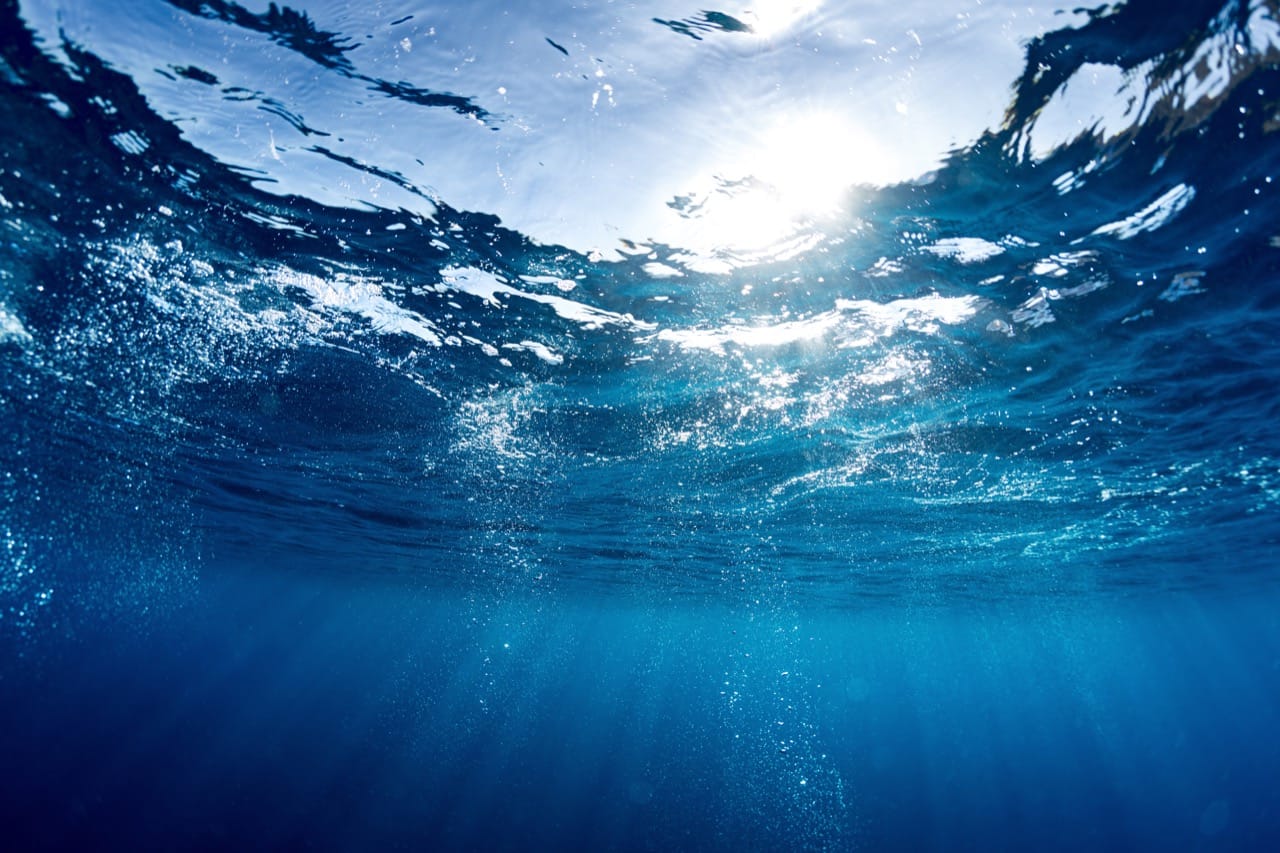
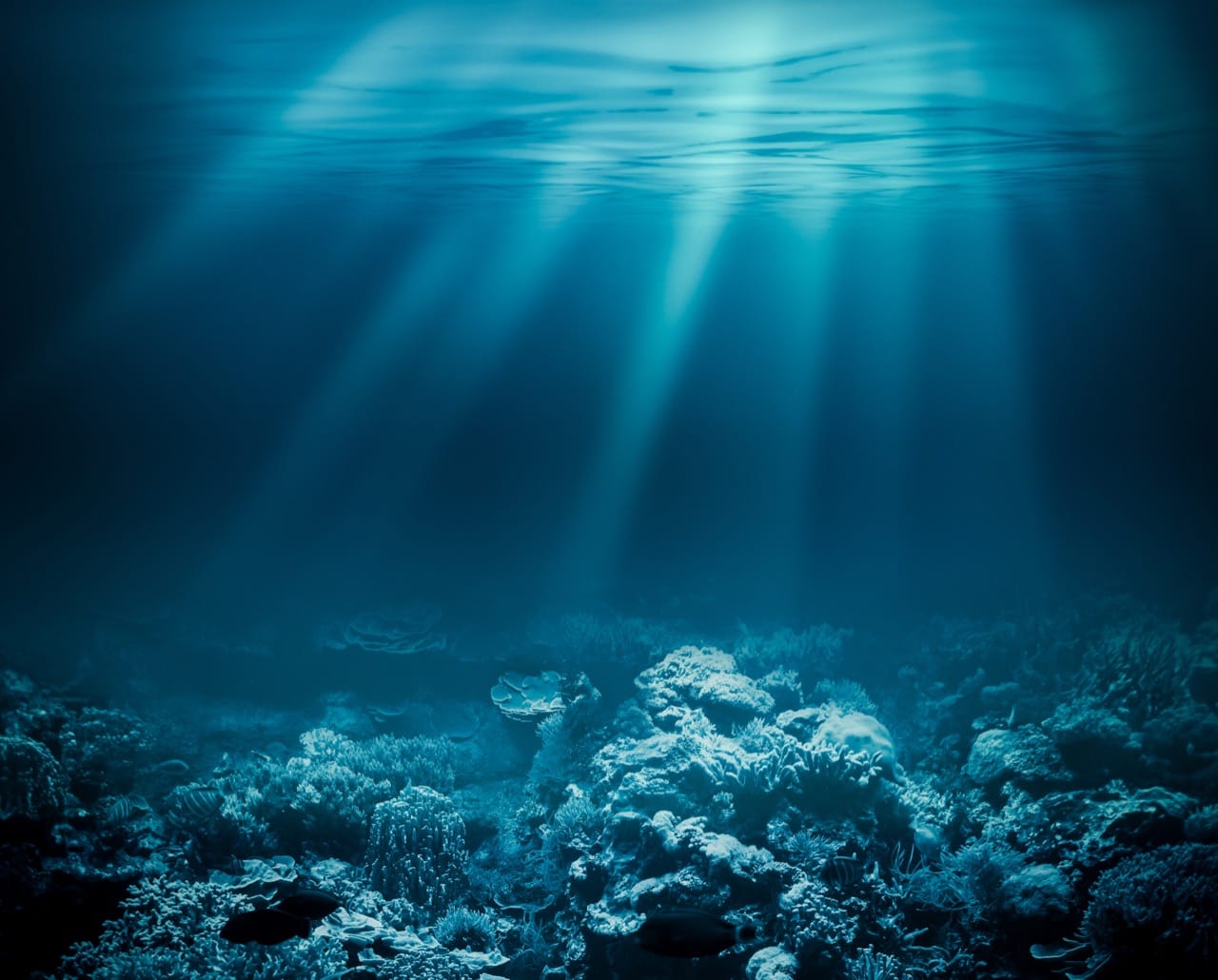
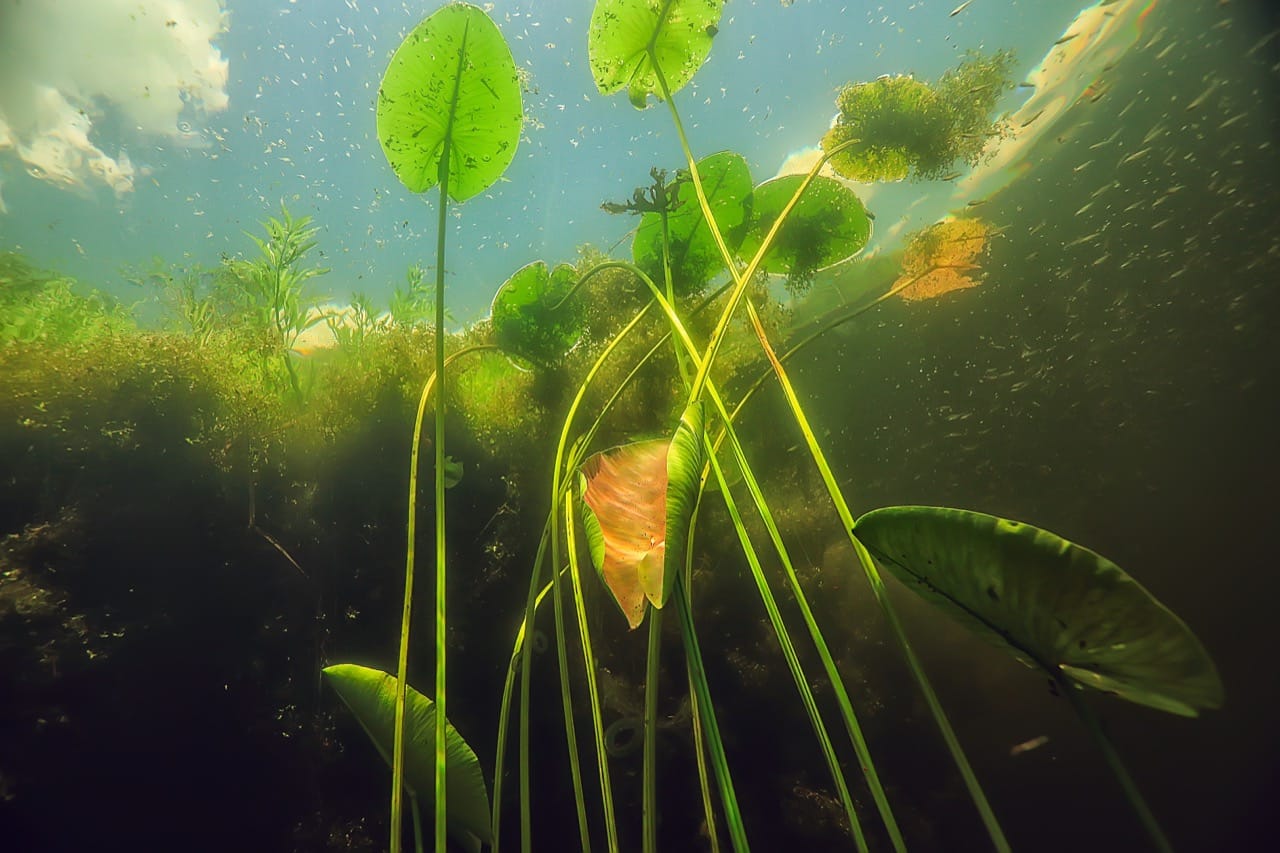
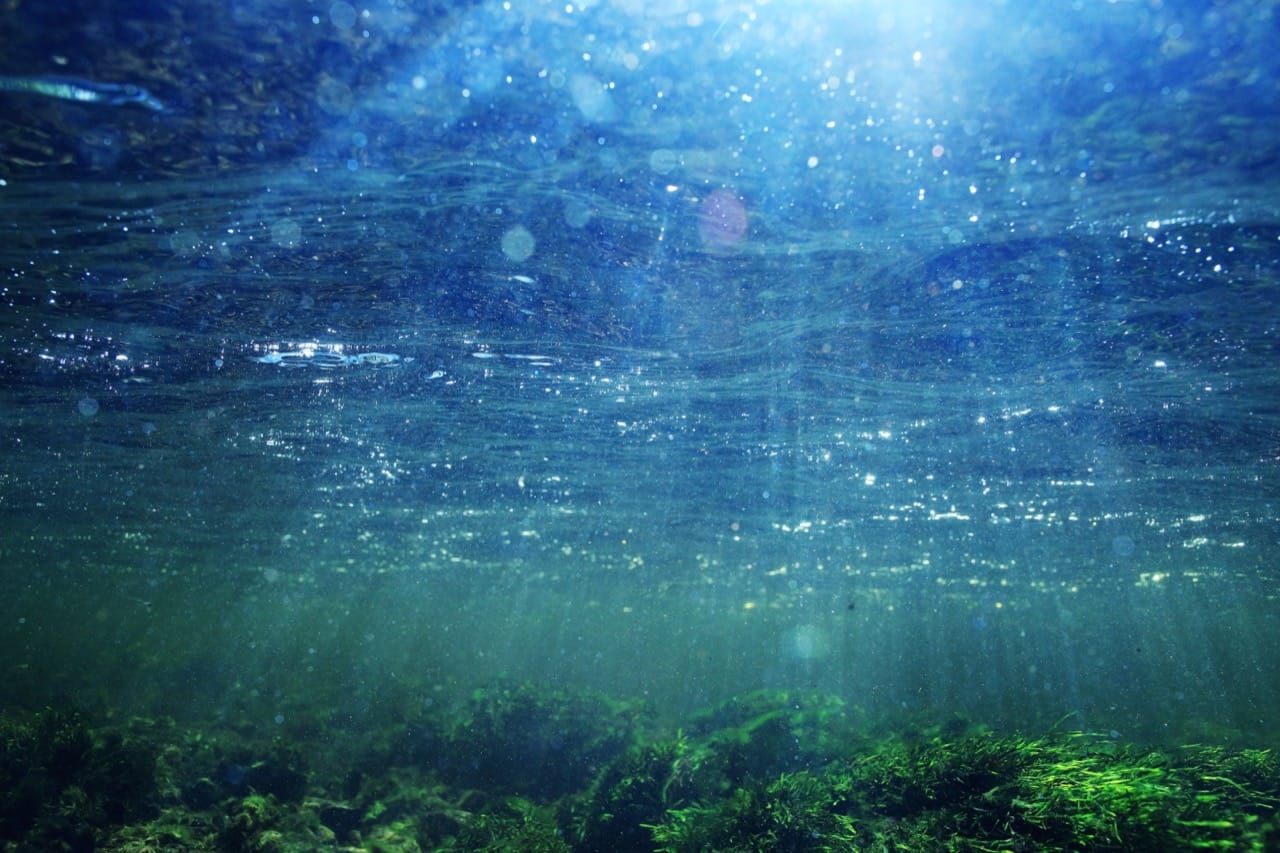
Where the Light Goes, and Why Color Changes Sunlight does not travel far underwater. As depth increases, water absorbs colors in a predictable order. Reds and oranges disappear first, while blue penetrates deepest. That is why many deep water animals appear red or black; in dim blue light, red looks nearly invisible. In the sunlit surface layer, called the photic zone, plants and algae can photosynthesize, building the base of many food webs. Below that, in the twilight zone, there is enough light for vision but not for plant growth. Deeper still is the midnight zone, where darkness is constant and most life depends on food drifting down from above or on chemical energy from the seafloor.
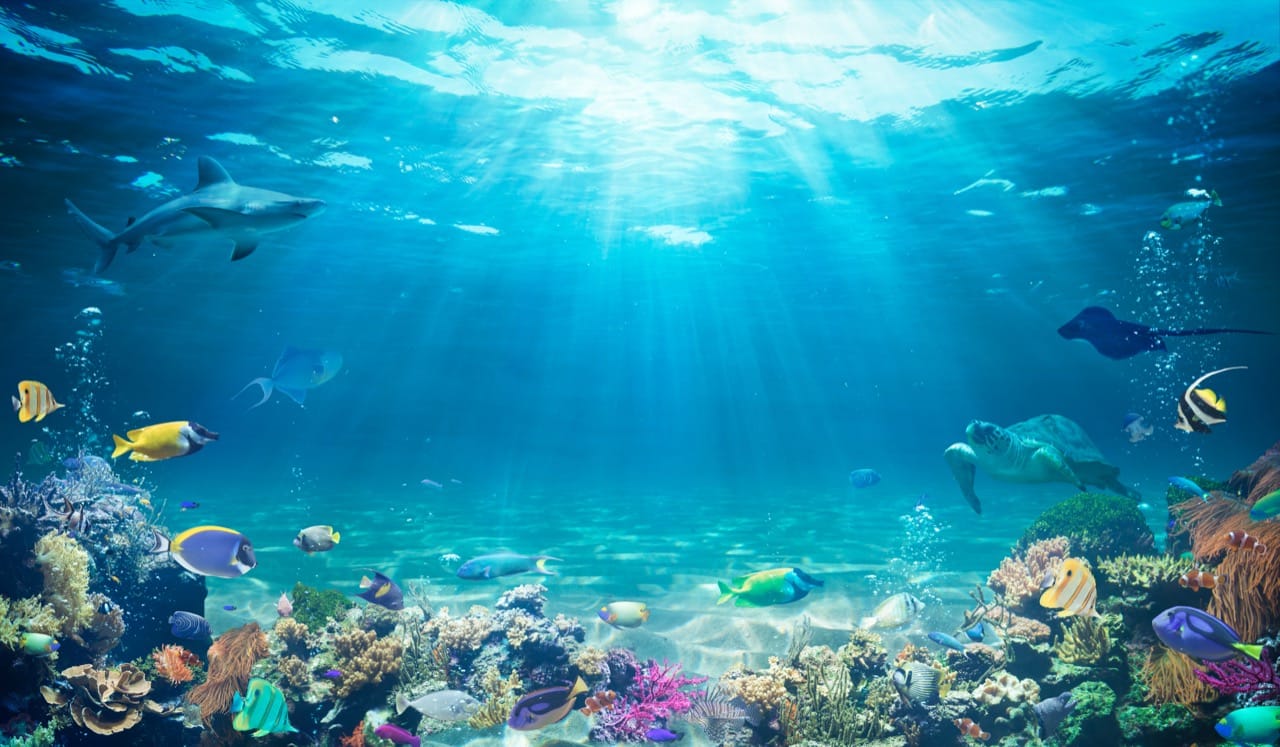
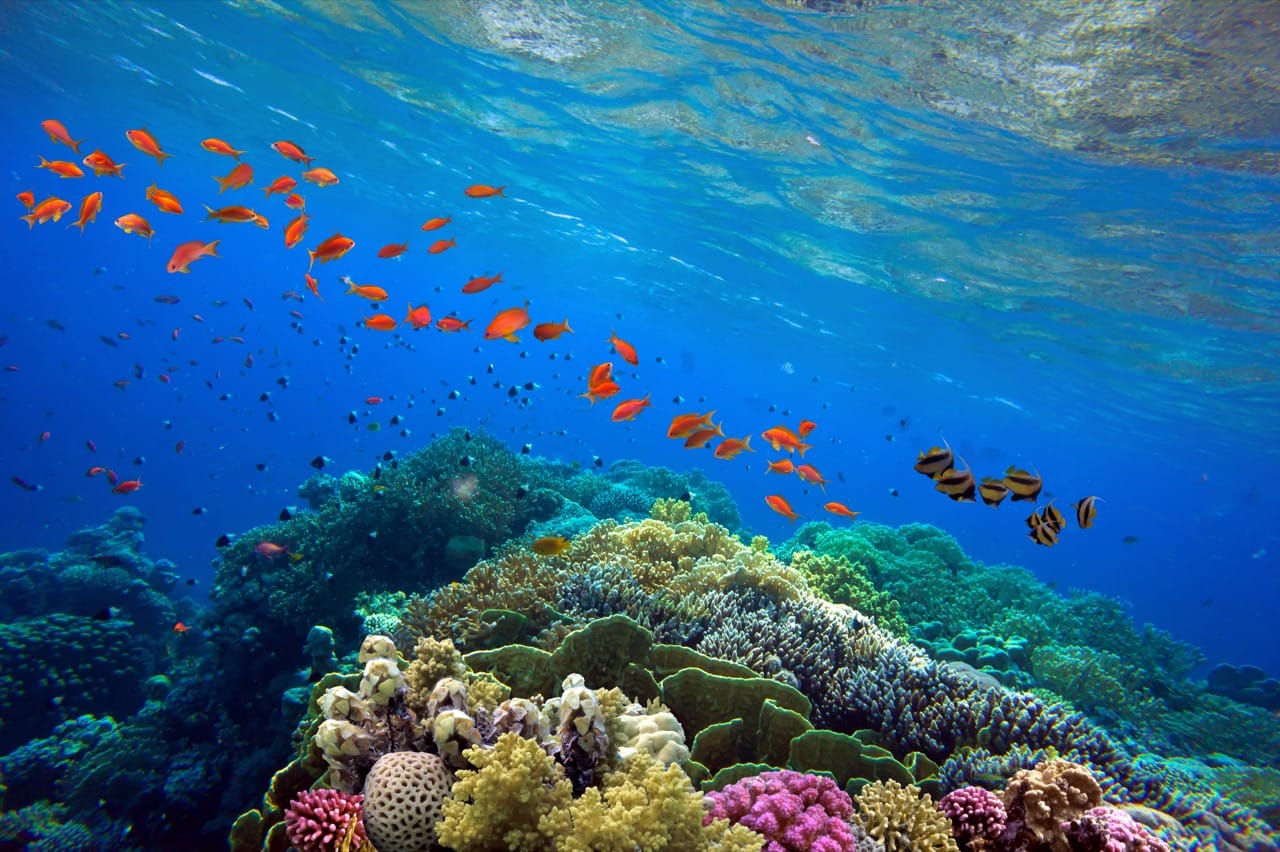
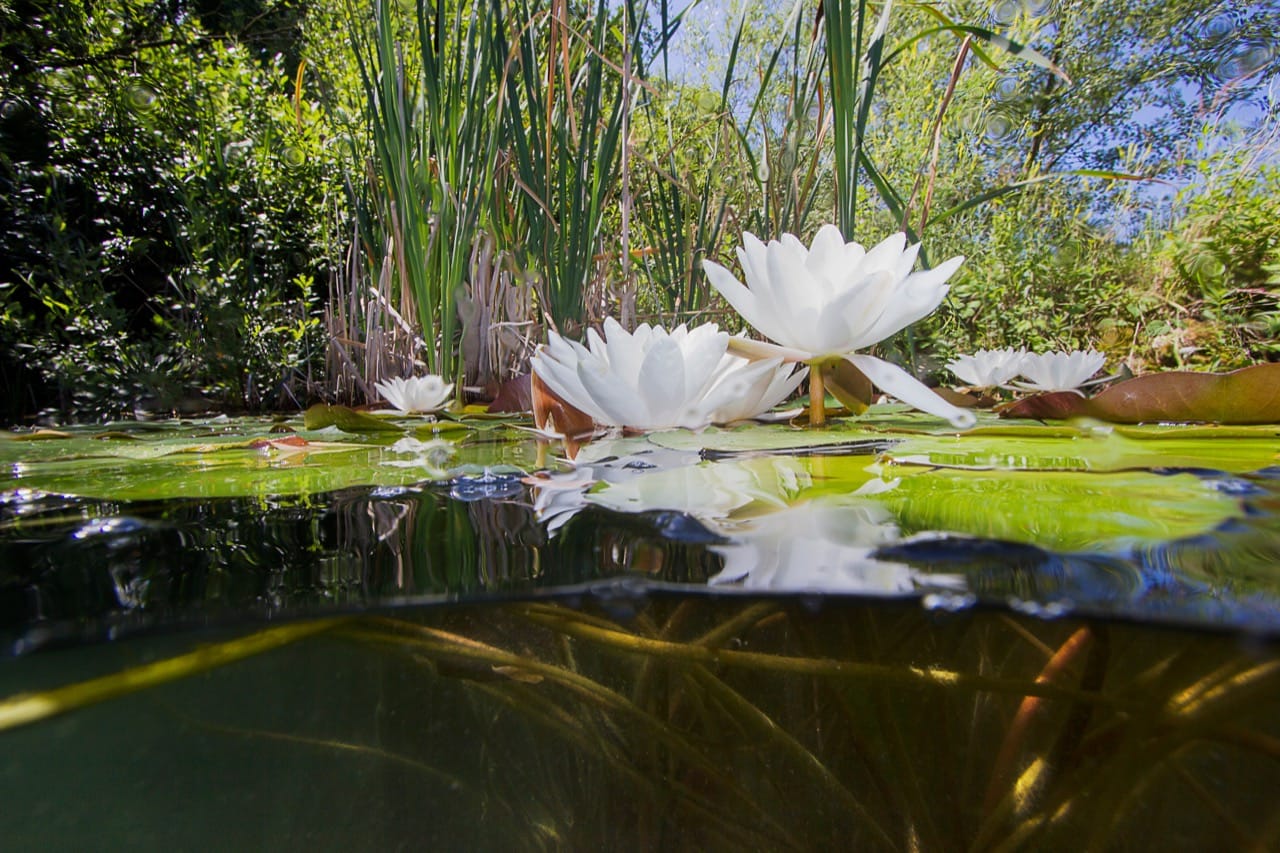
Reefs as Busy Neighborhoods and the Power of Partnerships Coral reefs form in warm, clear, shallow water where sunlight supports the algae living inside coral tissues. This partnership is a classic example of mutualism: the algae provide food through photosynthesis, and the coral provides shelter and nutrients. Reefs are built slowly, layer by layer, as coral skeletons accumulate over time. Despite covering a small fraction of the ocean, reefs support an outsized share of marine species because they create complex hiding places, feeding surfaces, and nursery areas. They are also sensitive. When water becomes too warm, corals may expel their algae, leading to bleaching and reduced survival.
Migrating Giants and the Ocean Highway Many ocean animals are long distance travelers. Whales, sea turtles, and some fish migrate to follow food, find breeding grounds, or take advantage of seasonal conditions. Humpback whales, for example, often feed in colder, productive waters and breed in warmer regions. These migrations depend on navigation cues such as Earths magnetic field, ocean currents, and even learned routes. The ocean is also a world of sound. Water carries sound efficiently, allowing whales to communicate over great distances. This is useful for finding mates or coordinating movement, but it also means human noise from ships and sonar can interfere with marine communication.
Deep Sea Survival: Pressure, Cold, and Living Light In the deep sea, pressure increases rapidly, reaching levels that would crush unprotected equipment. Deep sea animals are adapted with flexible bodies, specialized proteins, and slow metabolisms that match scarce food supplies. Many species rely on bioluminescence, producing light through chemical reactions. This glow can lure prey, confuse predators, or help animals recognize one another. Some fish use a lighted lure like a fishing rod, while others create flashes to startle attackers. In places like hydrothermal vents, life can thrive without sunlight at all. Microbes use chemicals such as hydrogen sulfide as an energy source, supporting entire communities of worms, clams, and crustaceans.
How Humans Explore the Blue Frontier Exploring these neighborhoods requires tools that can handle darkness and pressure. Sonar maps seafloor shapes and can detect schools of fish by sending sound pulses and measuring echoes. Remotely operated vehicles and autonomous robots carry cameras and sensors into depths too dangerous for divers. Satellites cannot see the deep ocean directly, but they track surface temperature, sea level, and color, which reveal currents, plankton blooms, and upwelling zones that feed marine life.
Conclusion Neptune’s hidden neighborhoods are not just deeper versions of the same sea; they are distinct worlds shaped by light, chemistry, pressure, and sound. From coral partnerships in clear shallows to glowing hunters in the midnight zone, ocean life shows how many solutions evolution can invent. The more we learn about these places and the tools used to study them, the better prepared we are to protect a planet sized realm that still holds countless surprises.