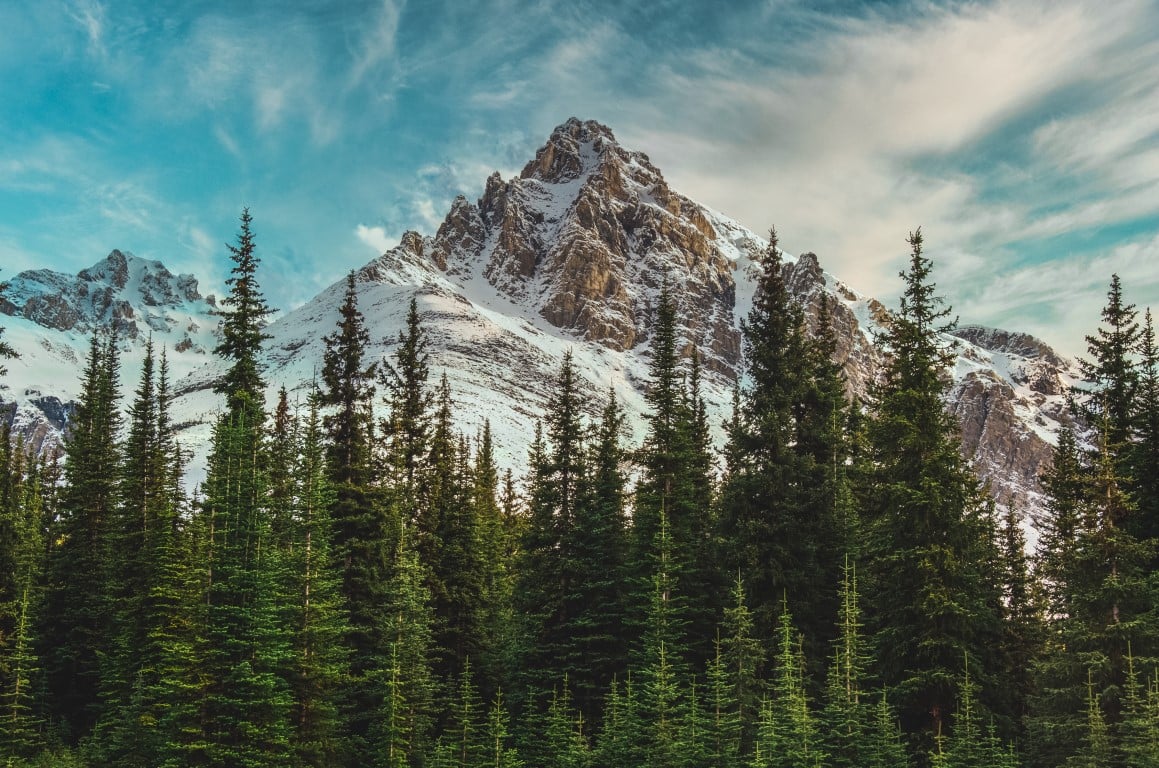
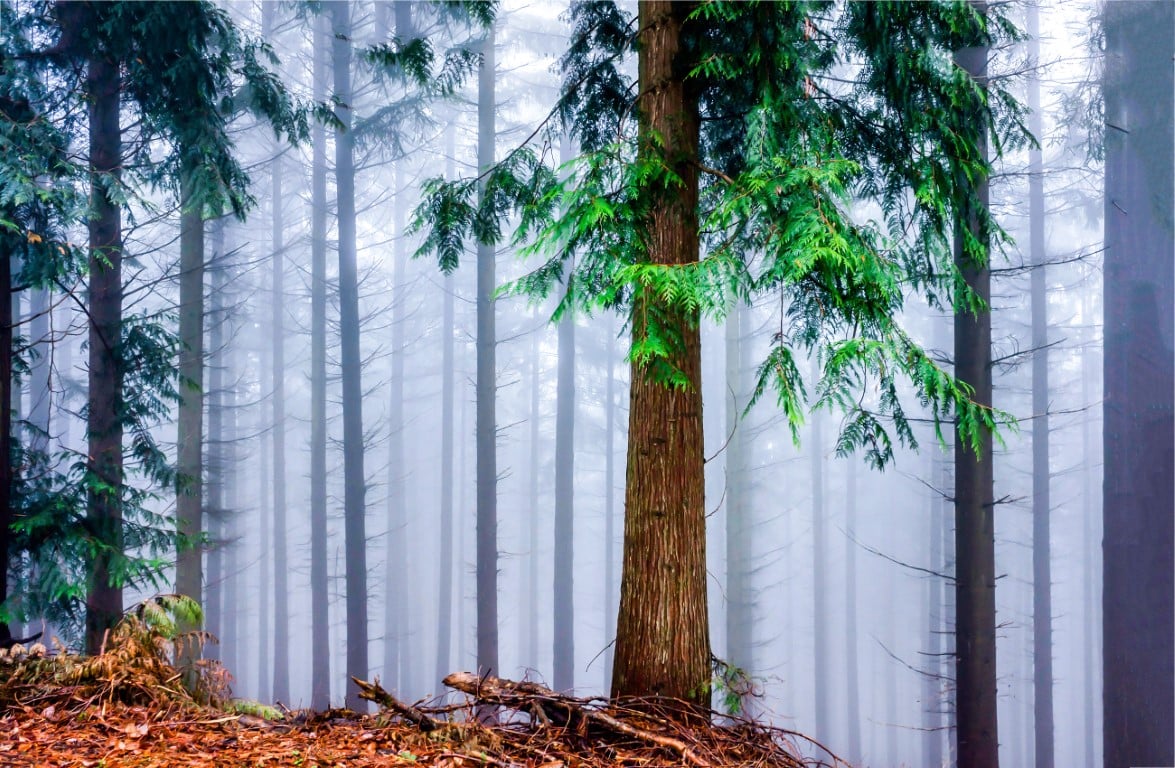
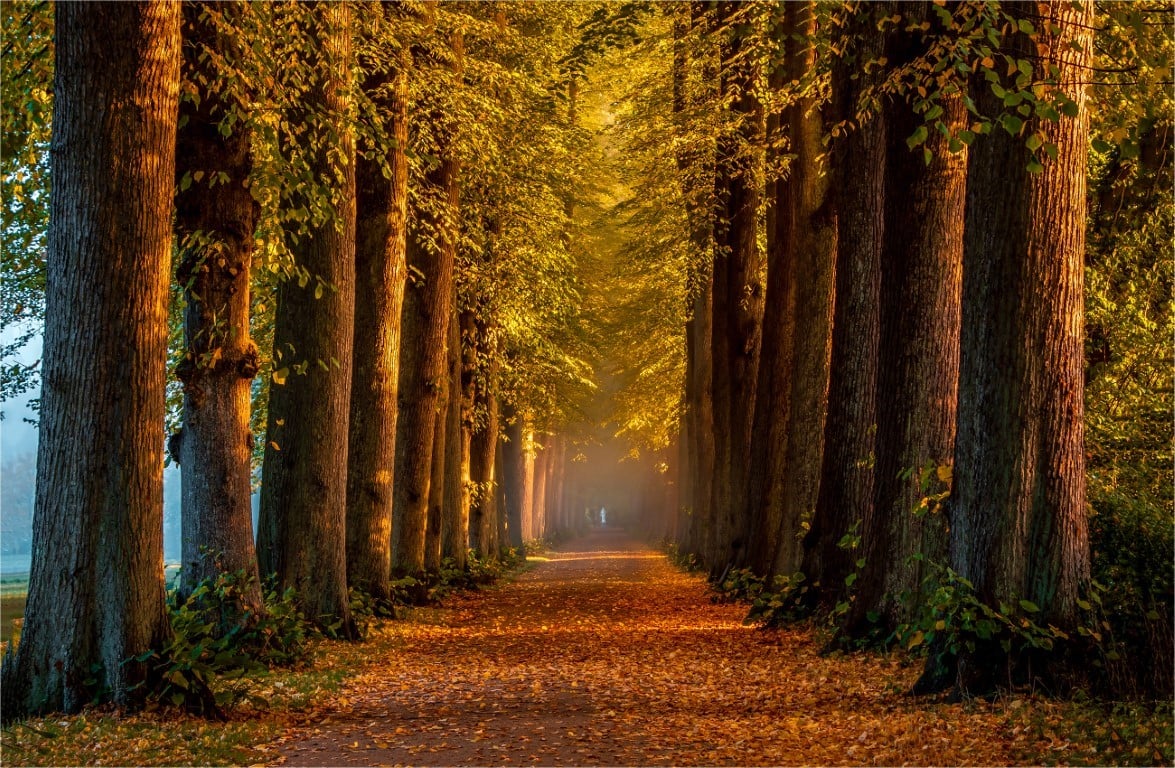
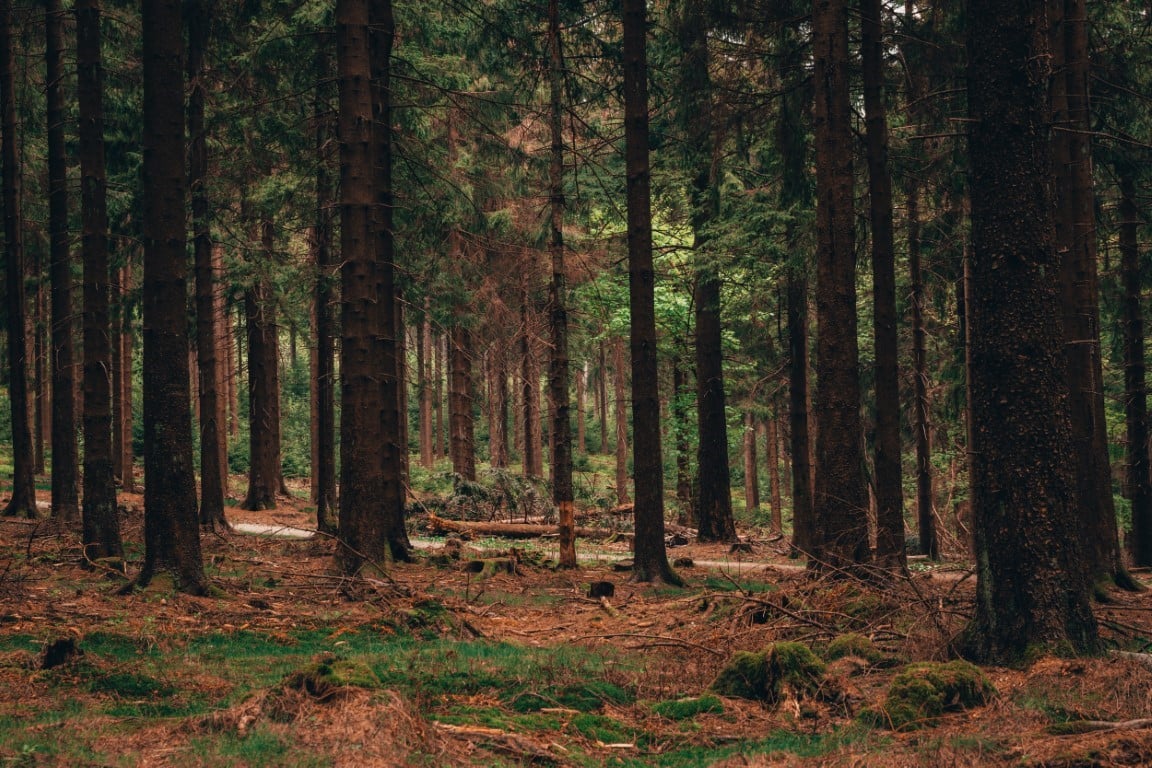
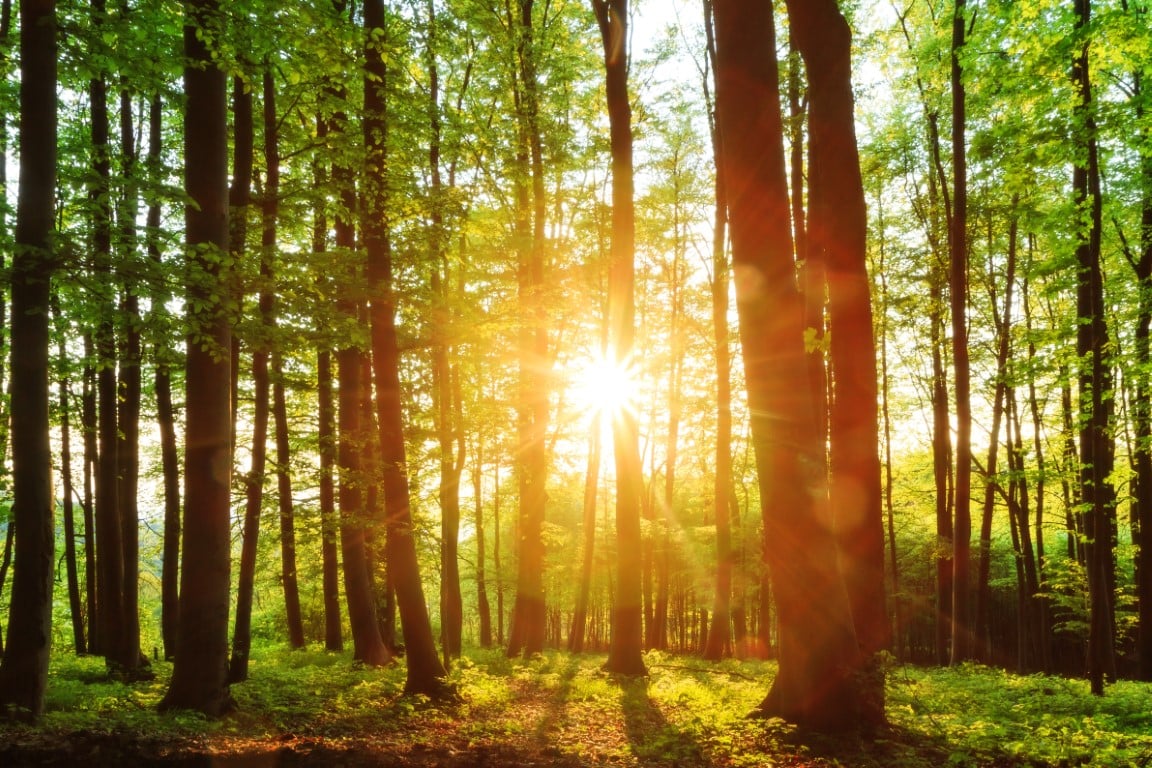
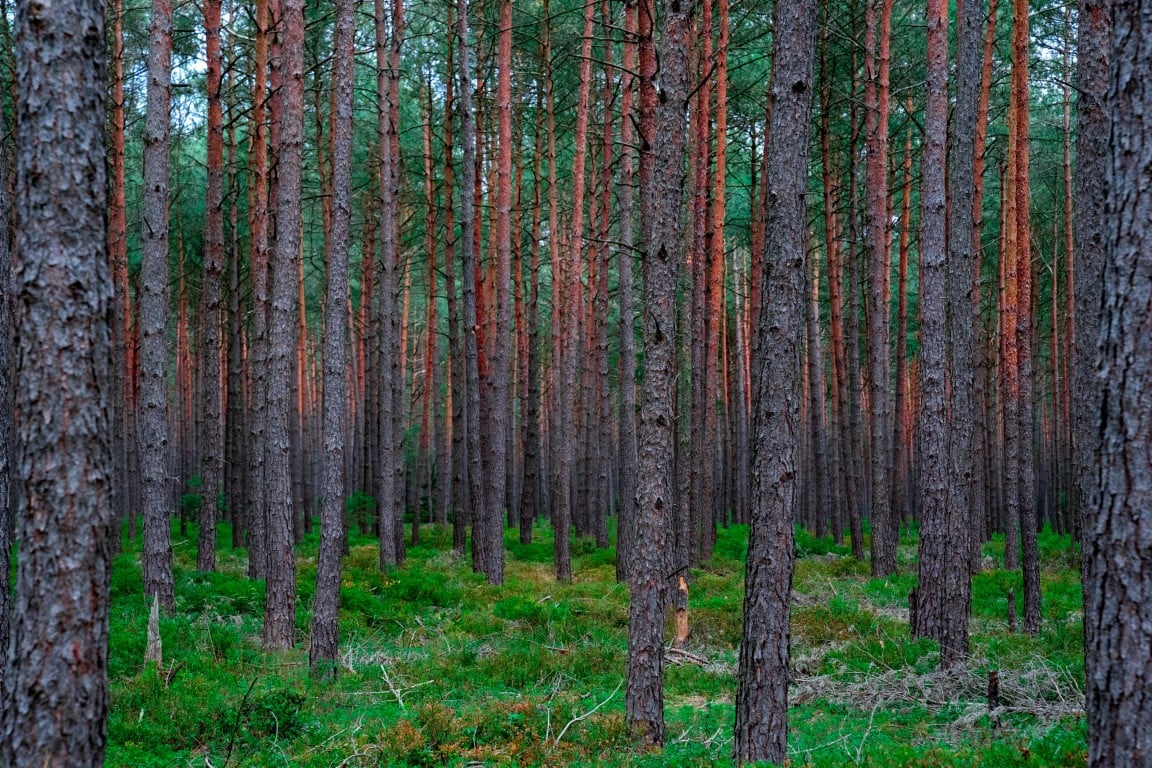
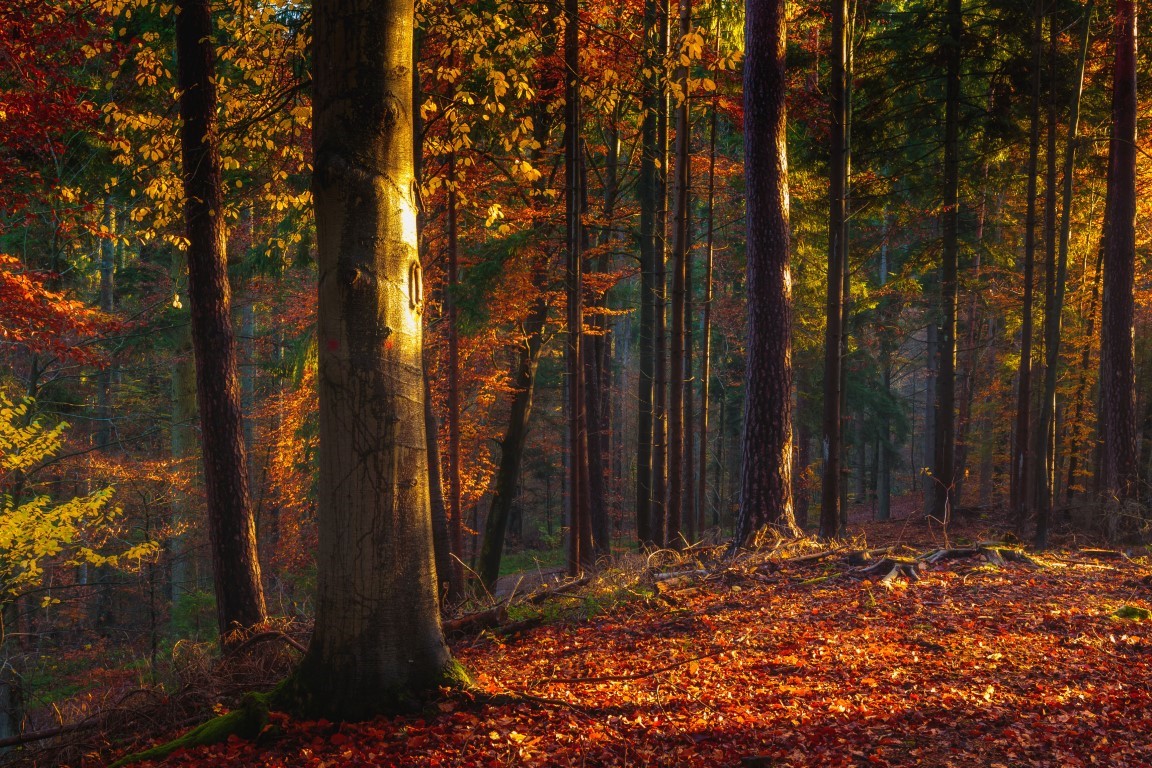
Introduction Wooded ecosystems feel timeless, but they are constantly changing and communicating. A forest is not just a collection of trees. It is a layered community where sunlight, water, and nutrients move through living tissues and the soil, linking organisms that may never meet face to face. Understanding how forests function makes every walk among trunks and leaves more interesting, and it also reveals why forests matter for climate, water, and biodiversity.
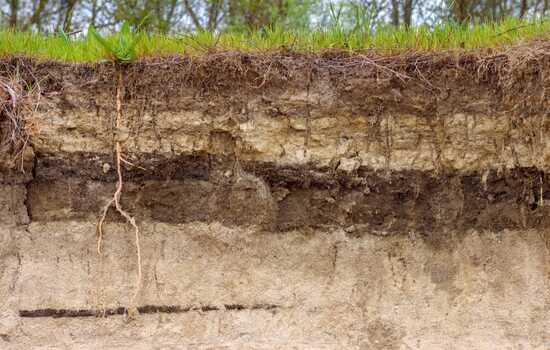
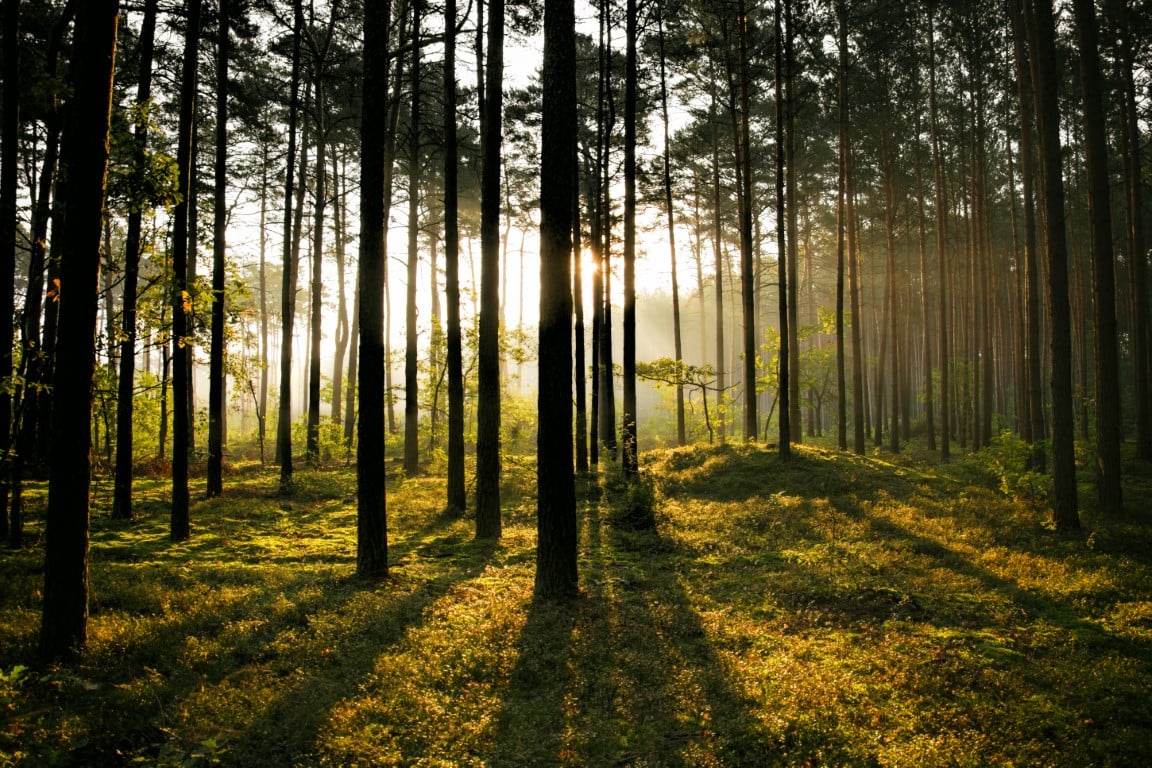
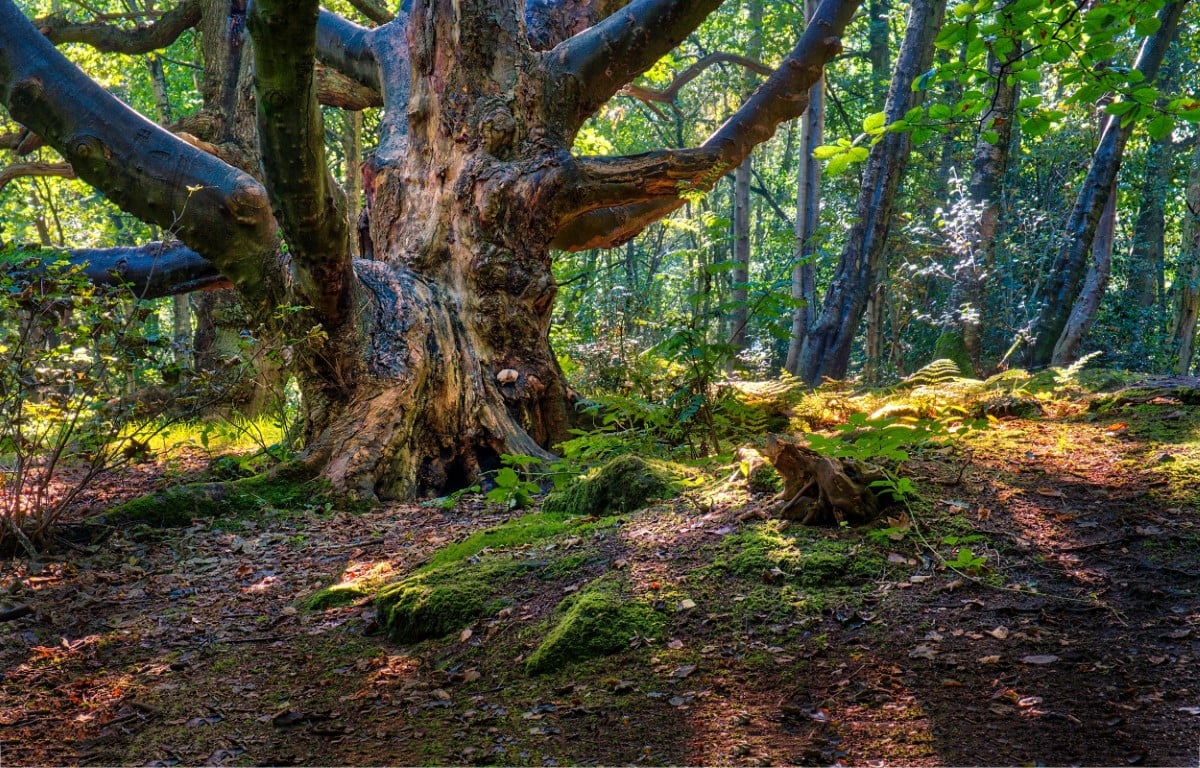
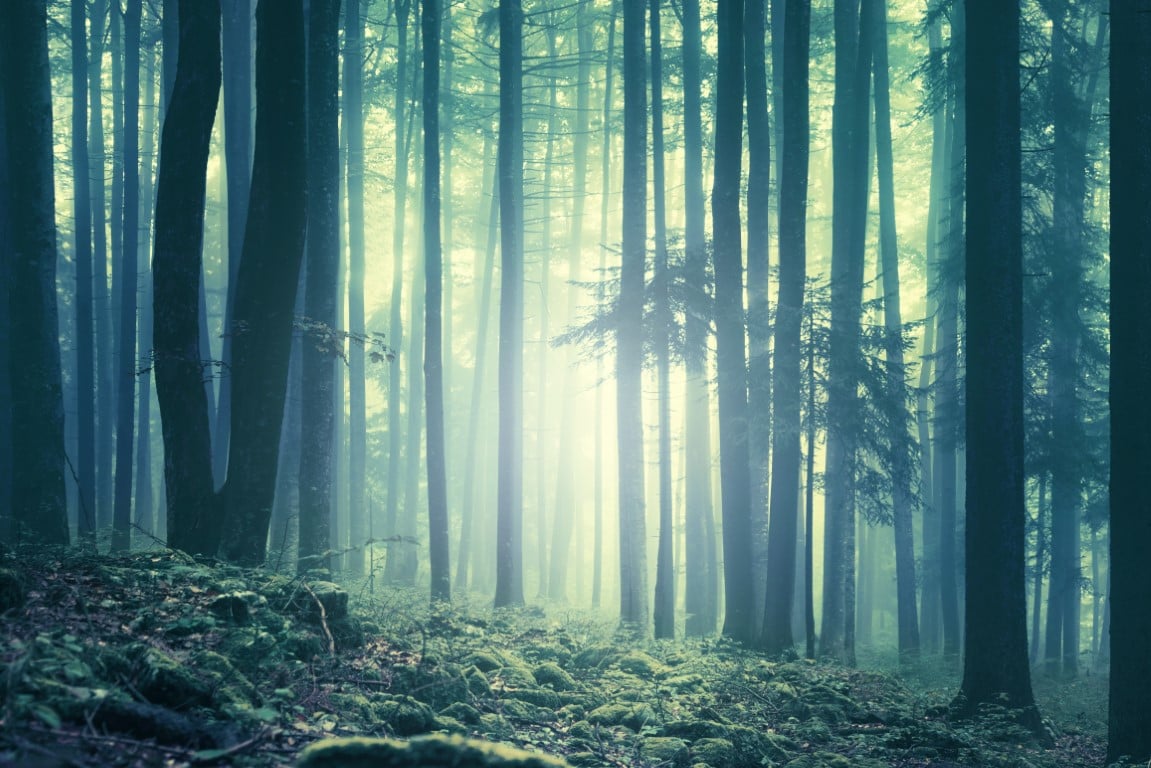
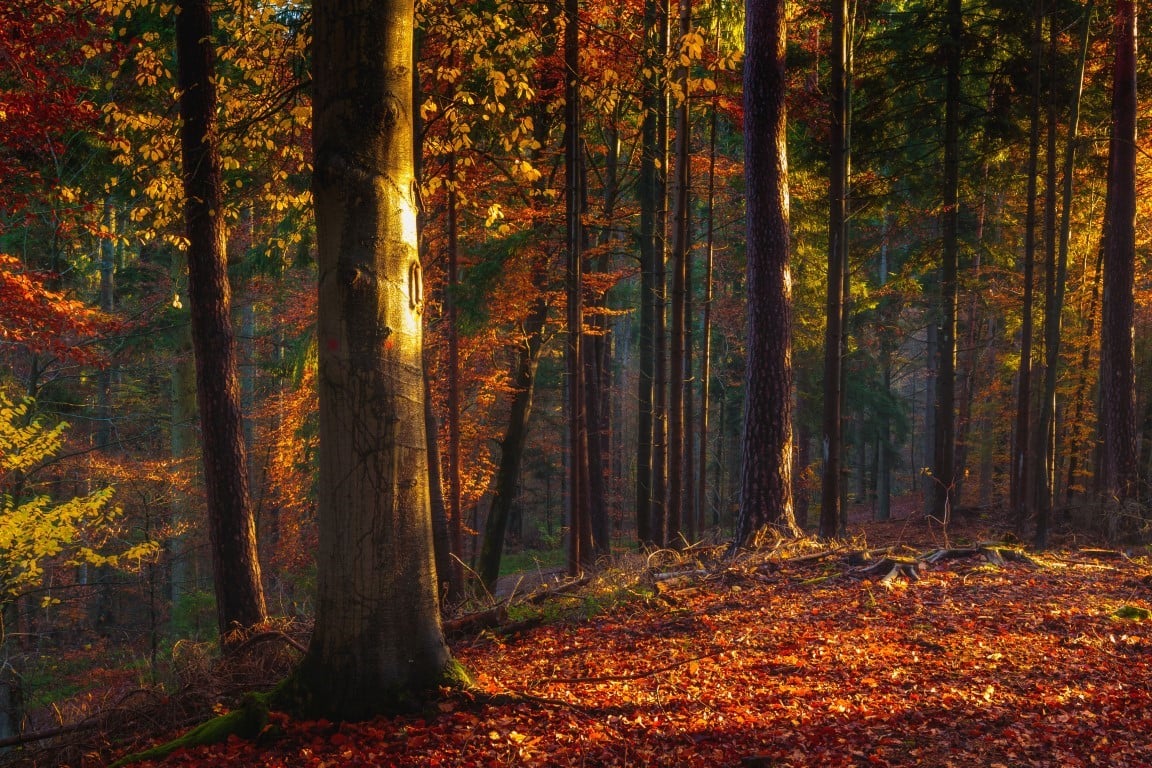
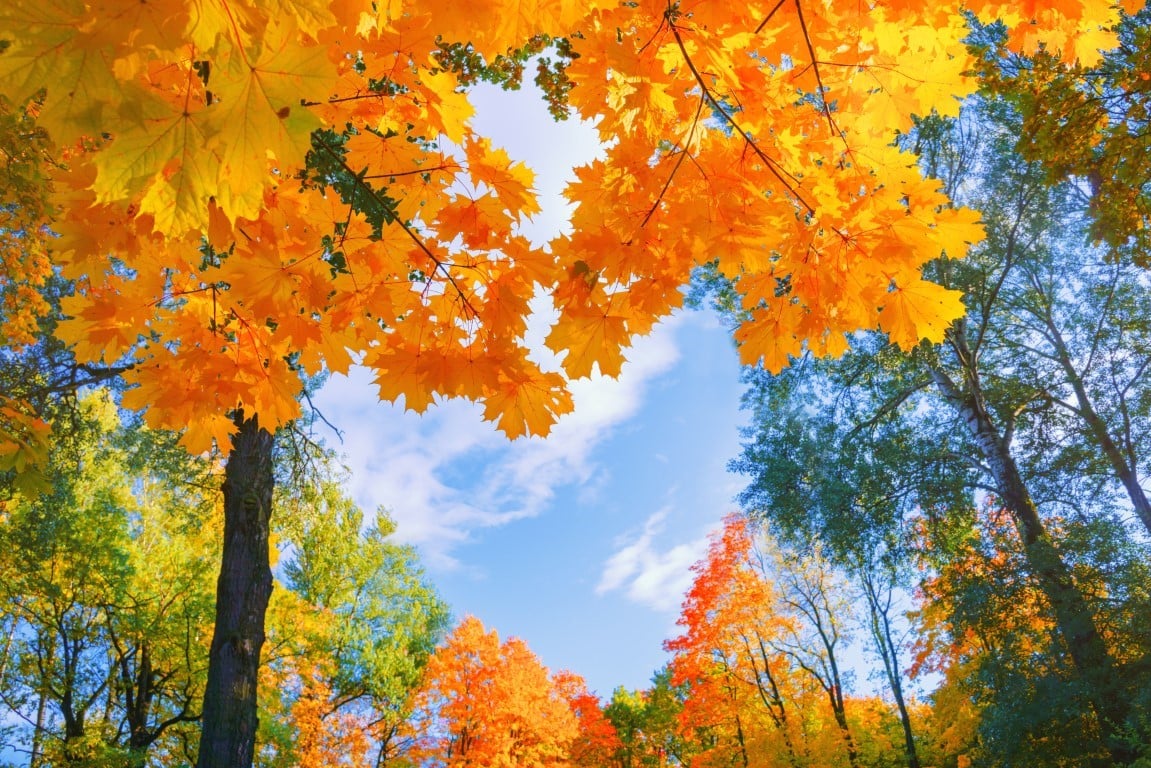
Layers that create many habitats Forests are built in layers, and each layer offers different conditions for life. The canopy is the leafy roof formed by mature trees. It captures most sunlight and hosts birds, insects, and sometimes mammals that rarely touch the ground. Below it, the understory includes young trees and shrubs adapted to shade. Many understory plants time their growth to brief windows of light, such as early spring before canopy leaves fully emerge. The forest floor is darker and cooler, with leaf litter and fallen wood that shelter amphibians, insects, and countless small decomposers. Even the soil itself is a habitat, filled with roots, fungi, bacteria, and tiny animals that drive the recycling of nutrients.
Underground trade routes and partnerships One of the most surprising forest stories happens belowground. Many trees form partnerships with mycorrhizal fungi, which wrap around or enter roots. The fungi help trees absorb water and nutrients, especially phosphorus and nitrogen, while the tree provides sugars made through photosynthesis. These fungal threads can connect multiple plants, creating networks that move resources and chemical signals through the soil. While it is easy to imagine a single forest wide web, the reality is a patchwork of networks that change with species, season, and soil conditions. Even so, these connections can influence seedling survival, plant competition, and how forests respond to stress.
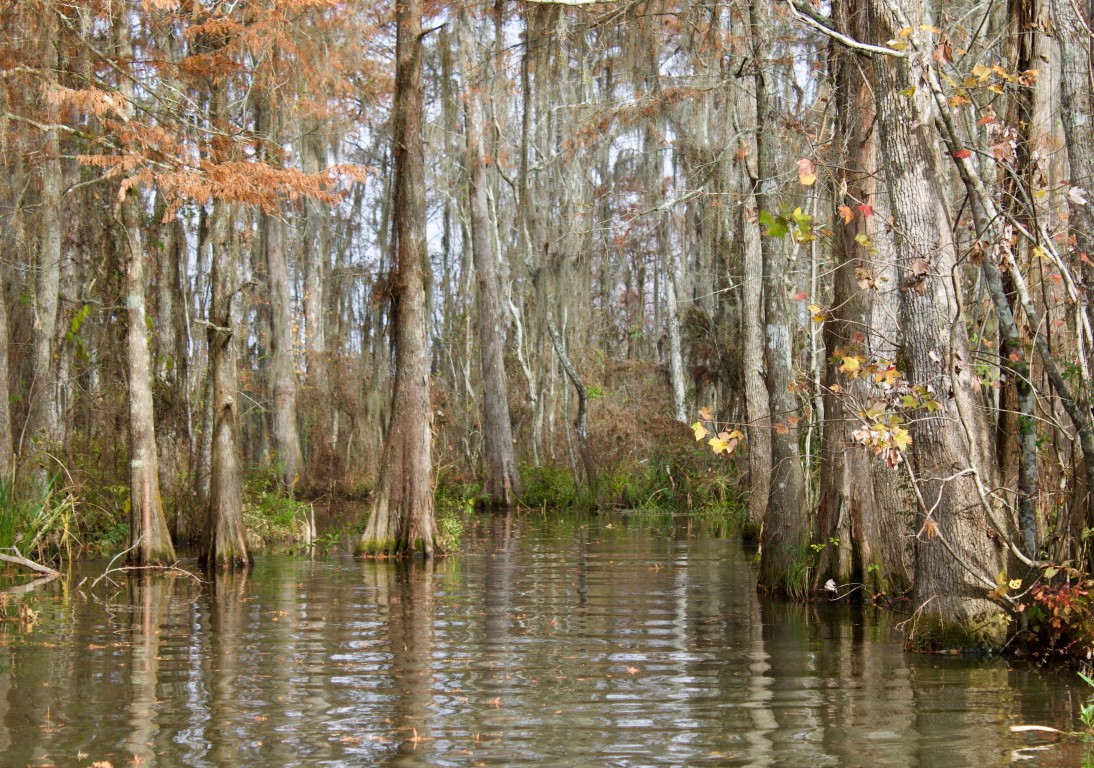
Rainfall recycling and climate influence Forests shape the water cycle in ways that are easy to overlook. Leaves intercept rain, slowing its fall and reducing erosion. Water that reaches the ground can soak into soils rich in organic matter, helping recharge groundwater and maintain stream flow. At the same time, trees return large amounts of water to the atmosphere through transpiration, releasing water vapor from leaf pores. This process can cool local temperatures and contribute to cloud formation. Forests also store carbon in wood, roots, and soil. When forests are healthy and growing, they can act as carbon sinks, helping moderate the buildup of carbon dioxide in the atmosphere.
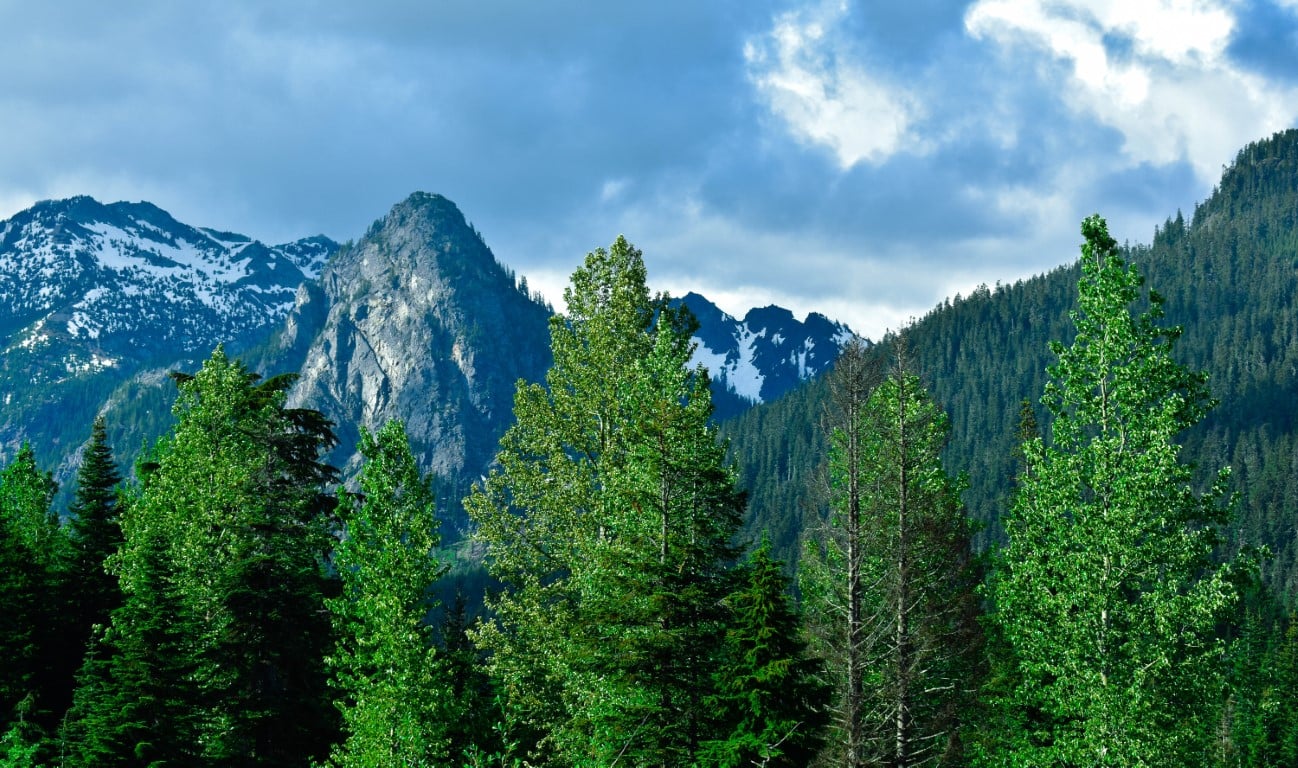
Fire, cones, and regeneration strategies Not all forests avoid fire. In some regions, periodic fires are part of the natural cycle. Certain pines and other conifers produce cones sealed with resin that may only open fully after exposure to heat, releasing seeds onto freshly cleared ground. Fire can reduce competition, return nutrients to the soil, and create habitat for species that depend on open areas or dead wood. However, changes in climate and land management can shift fire patterns, turning a helpful process into a destructive one when fires become too frequent or intense.
Decomposition: the quiet engine of the forest Dead leaves and fallen logs are not waste. They are food and shelter for decomposers that keep forests running. Fungi, bacteria, and invertebrates break down tough plant material, releasing nutrients that plants can use again. Rotting logs can act like sponges, holding moisture and providing nurseries for seedlings. This recycling is especially important in forests where nutrients are not abundant. Without decomposition, growth would slow and the system would gradually lock essential elements away in undecomposed litter.
Wildlife relationships and natural indicators Forest species are connected through pollination, seed dispersal, and predator prey relationships. Birds and mammals spread seeds in droppings or by caching nuts, shaping which plants grow where. Insects may specialize on certain tree species, and predators help keep herbivores from overwhelming young growth. Forests also offer clues about environmental quality. Lichens, which are partnerships between fungi and algae or cyanobacteria, often respond sensitively to air pollution. A diverse lichen community can indicate cleaner air, while their absence in an otherwise suitable area may point to poor air quality.
Conclusion Forests are living systems built from layers, relationships, and constant recycling. Water rises from roots to leaves and returns to the sky, nutrients move from dead matter back into new growth, and underground partnerships help plants survive in challenging conditions. Learning these connections turns forest facts into a coherent story of cause and effect. It also underscores a practical lesson: protecting forests protects the services they provide, from cleaner water and stored carbon to the incredible diversity of life hidden in plain sight.