







Introduction The best science quizzes feel less like a test and more like a tour of the world with the lights turned on. The Curiosity Circuit Challenge is built around that idea: big concepts that explain the cosmos, paired with everyday phenomena you have seen a thousand times without naming them. As you move from question to question, you are practicing two key skills scientists use constantly: recalling what is known and reasoning from clues when you are not sure.
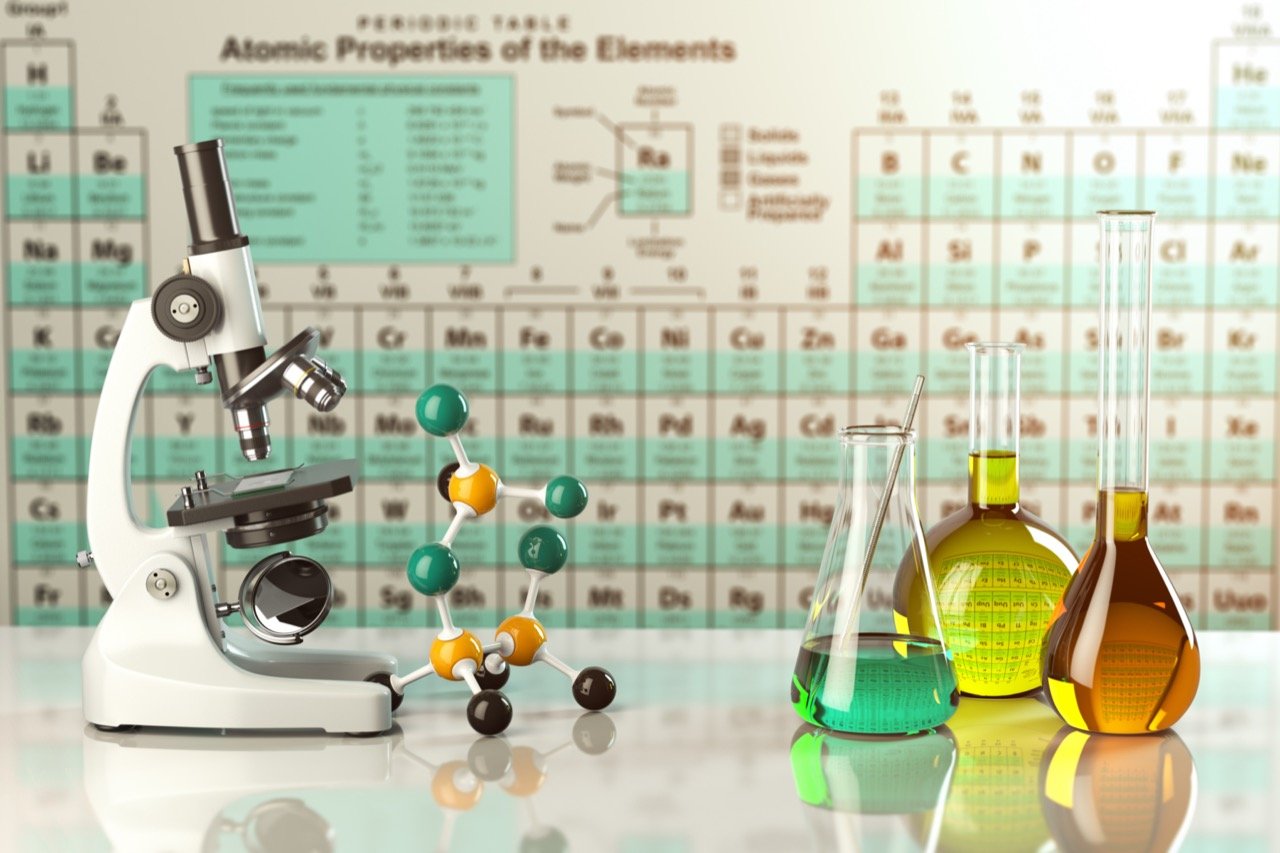
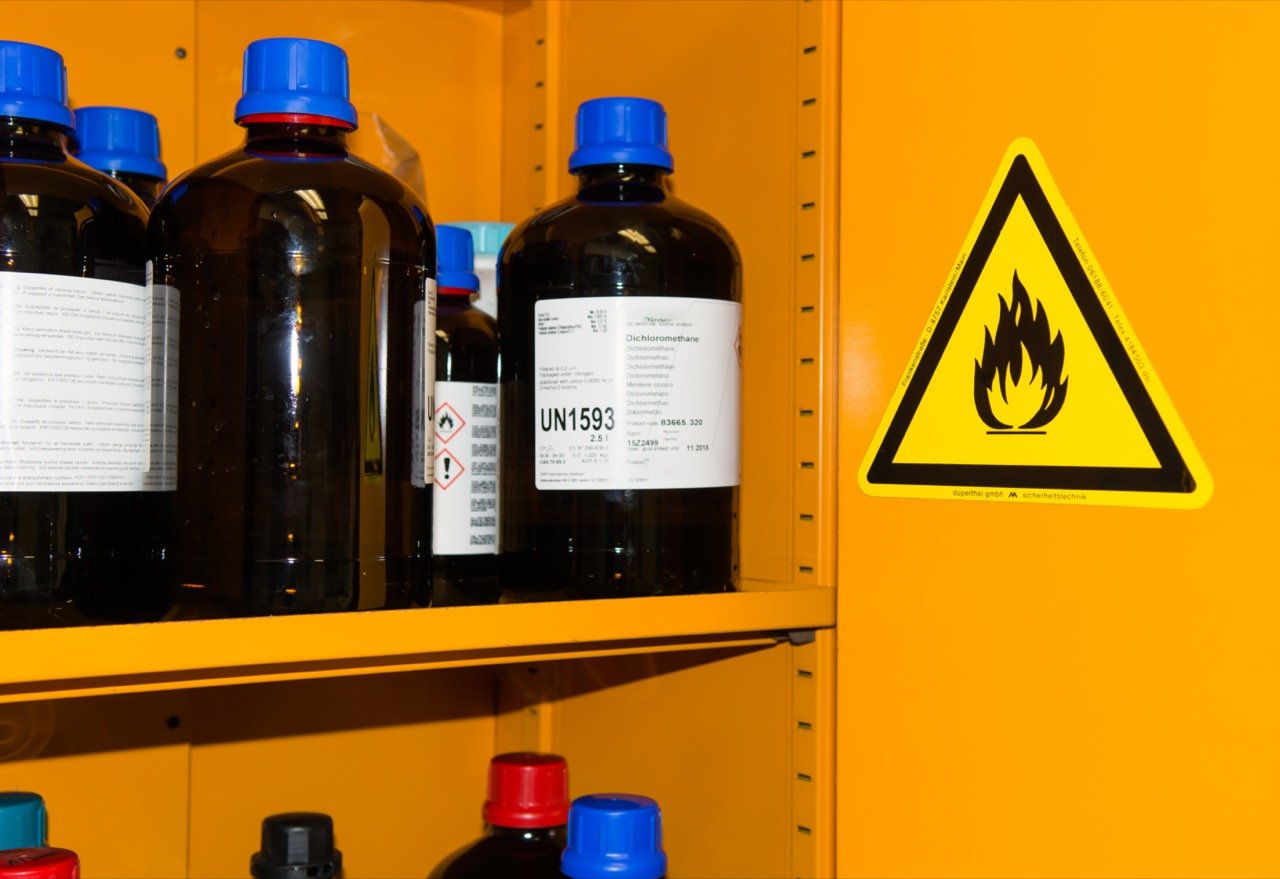
Matter and the tiny building blocks At the smallest scales, the universe is made of atoms, which themselves contain even smaller parts. You do not need a lab to notice atomic behavior, because chemistry is atoms rearranging. Rust forming on metal, baking powder making bubbles in batter, and batteries producing electricity all rely on interactions between particles and energy. One useful way to think about matter questions is to separate properties that depend on the substance itself, like density or melting point, from properties that depend on amount, like mass or volume. Quizzes often hinge on that distinction.
Forces and energy in daily life Forces are pushes and pulls, and they show up everywhere: the friction that lets you walk without slipping, the tension in a rope, the normal force from a chair supporting you. Energy is the ability to do work, and it changes forms constantly. A rolling skateboard converts gravitational potential energy into kinetic energy; brakes turn that motion into heat through friction. When you see a question about why something speeds up, slows down, or changes direction, look for the force causing the change. When you see a question about where the motion or heat comes from, look for the energy transfer.
Cells, life, and hidden systems Biology questions often reward recognizing that living things are organized systems. Cells are the basic units of life, and they specialize through structures that do specific jobs. Membranes control what enters and leaves, which is why diffusion and osmosis matter for everything from plant wilting to how your body balances water. Photosynthesis and cellular respiration are paired ideas: one stores energy in chemical bonds, the other releases it for use. Even if you forget a term, you can reason by asking: is the process building energy-rich molecules or breaking them down?
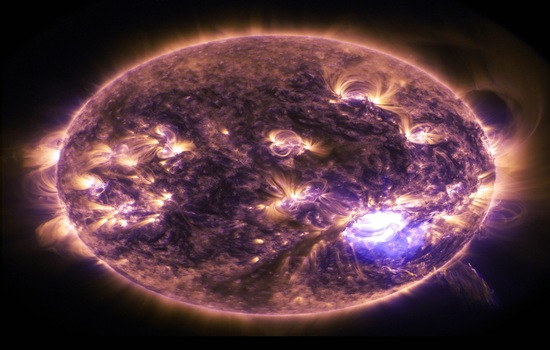
Weather, climate, and the moving atmosphere Weather feels chaotic, but it follows patterns driven by energy from the Sun and the properties of air and water. Warm air rises, cool air sinks, and that circulation helps create wind. Water changing state, like evaporation and condensation, moves heat around and powers storms. A common quiz trap is mixing up weather and climate: weather is short-term conditions, while climate is long-term averages and trends. Another is assuming seasons are caused by Earth being closer to the Sun, when the main driver is the tilt of Earths axis changing sunlight angle and day length.
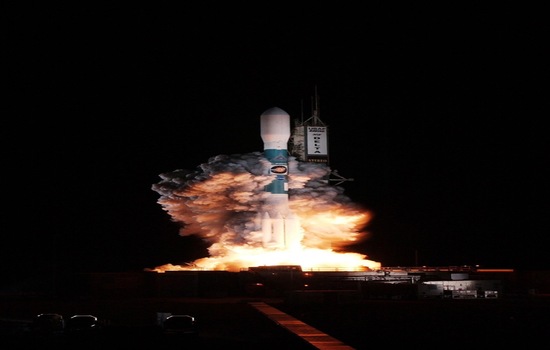
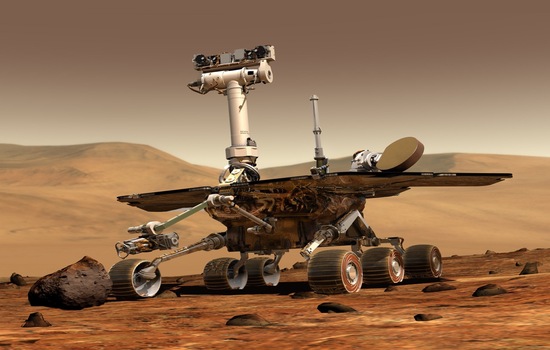
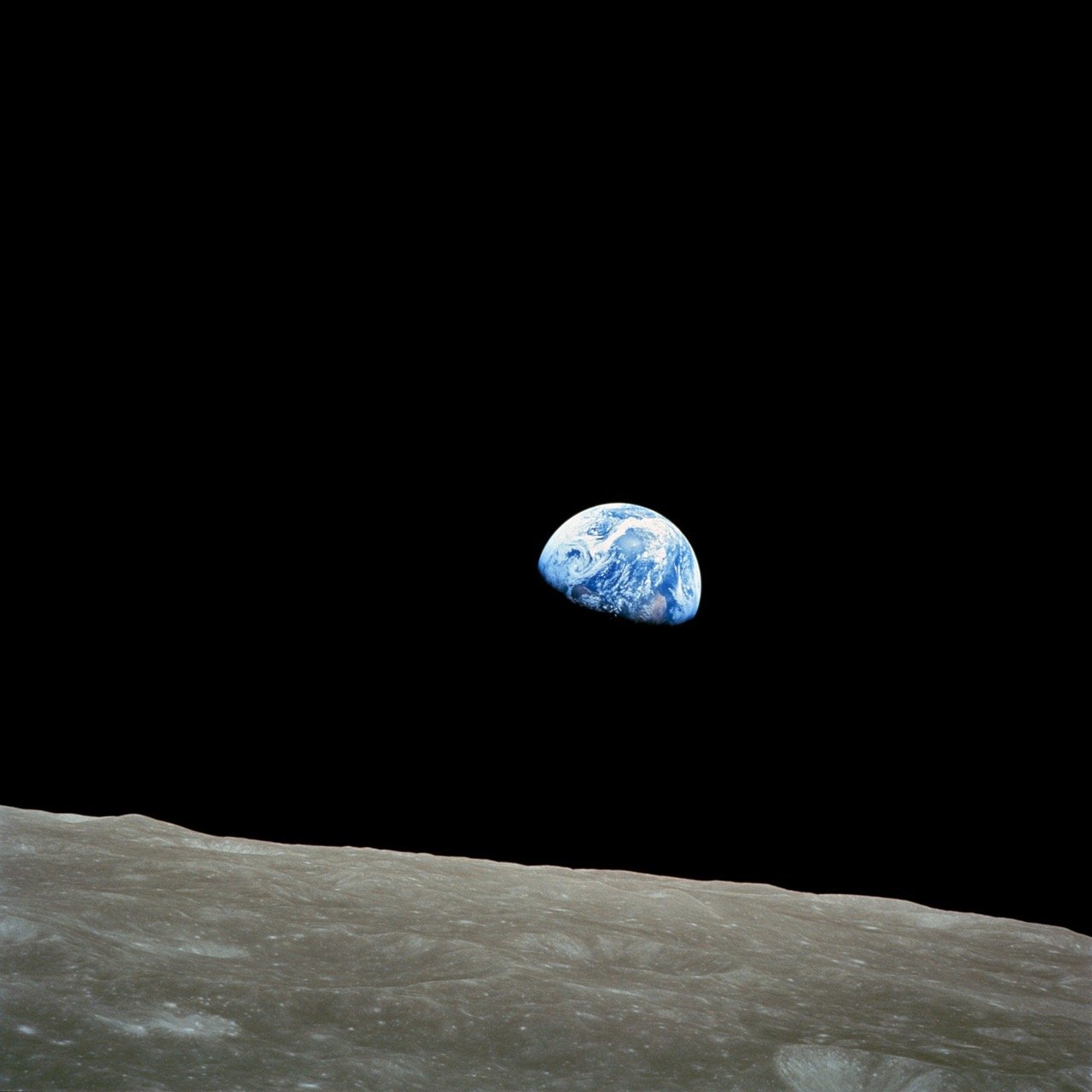
Space and the mechanics of the cosmos Space questions often connect gravity, motion, and light. Orbits are not just objects falling around a planet; they are a balance between forward motion and gravitational pull. Stars shine because of nuclear fusion, turning mass into energy. And the light you see from distant galaxies is a time machine of sorts, because it takes years to travel. When you encounter questions about what astronomers know, remember that much of it comes from analyzing light across different wavelengths, not from visiting the objects directly.
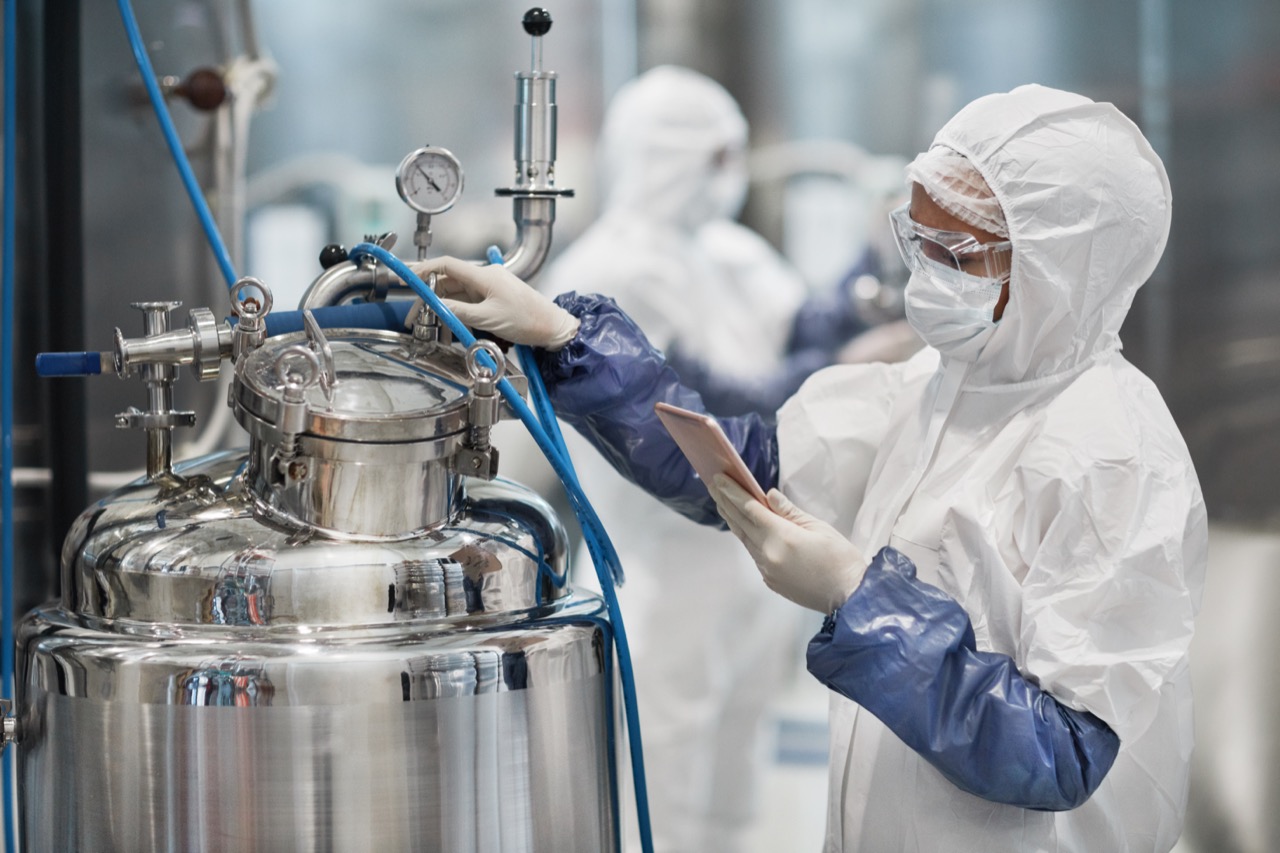
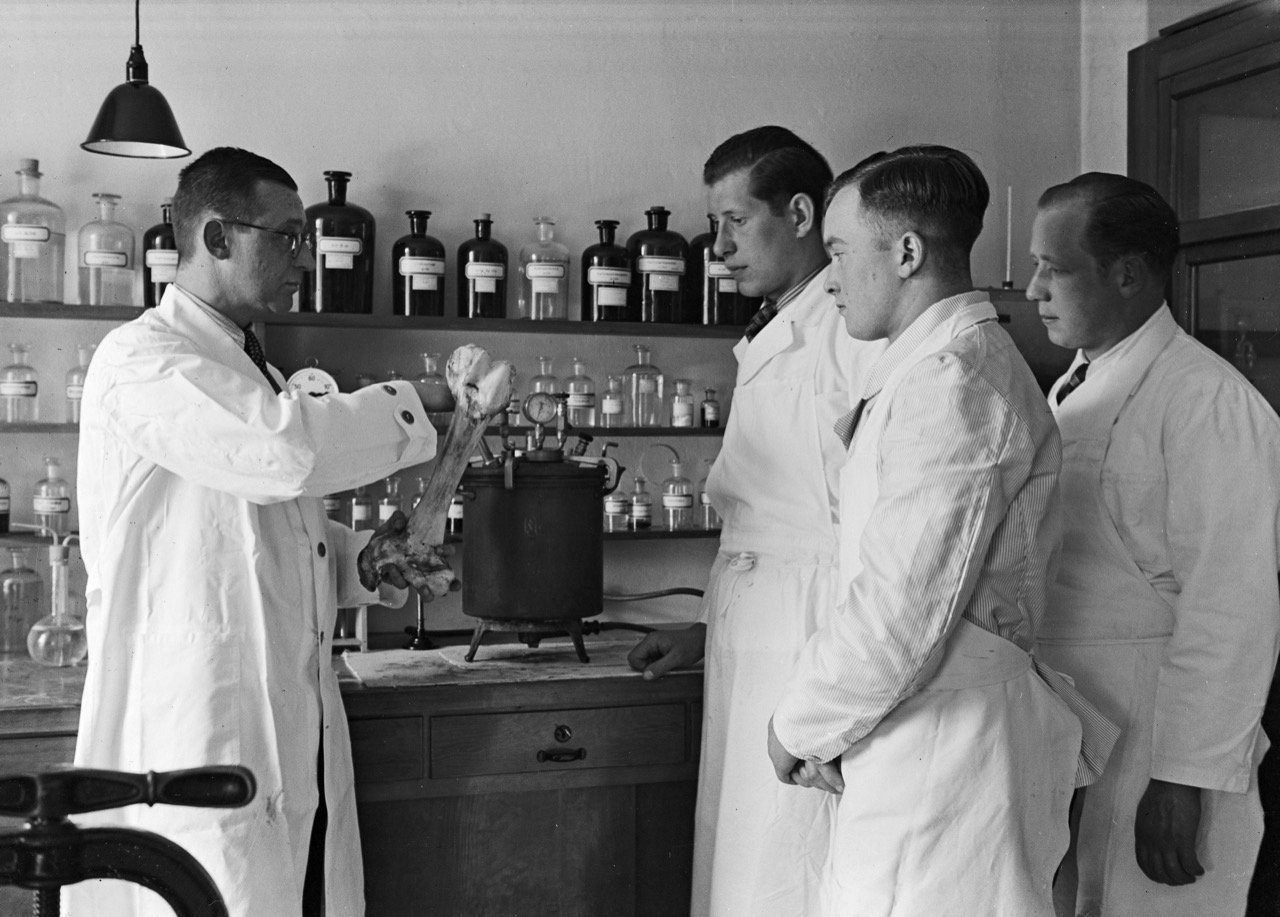
Tools of measurement and scientific thinking Behind every neat fact is a measurement. Thermometers, barometers, microscopes, telescopes, and spectrometers extend human senses, while careful experimental design reduces bias and error. Scientists rely on variables, controls, and repeatability. In a multiple-choice setting, the best answer is often the one that matches how science is actually done: testing ideas with evidence, not relying on authority or a single dramatic observation.
Conclusion A quiz like the Curiosity Circuit Challenge is fun because it mixes surprise with recognition. Each question is a small doorway into a larger story about how the world works, from the invisible rules of particles to the sweeping motion of planets and weather systems. Keep track of what you miss, not as a scorecard of failure but as a map of what to explore next. Curiosity grows strongest when it gets a regular workout.