





Introduction Science is often described as a search for answers, but it is just as much a hunt for the right questions. From the tiniest particles to the largest clusters of galaxies, nature leaves behind evidence that can be measured, compared, and tested. The fun of a quiz like Light Years and Loose Ends is that it rewards both curiosity and careful thinking. Knowing a famous term helps, but understanding what it really means helps more.
Small Scales: Particles, probabilities, and precision At the smallest scales, the universe behaves in ways that can feel counterintuitive. In quantum physics, particles can act like waves, and outcomes are described by probabilities rather than certainties. Yet the results are not vague. Experiments can be extraordinarily precise, such as those that measure the electron’s magnetic properties or the behavior of atoms in carefully controlled traps. A key theme is that measurement matters. What is observed is not always the same as what is inferred, and a good scientist keeps those categories separate. Another recurring detail is units. Energy may be measured in electron volts, distance in nanometers, and time in femtoseconds, and mixing them up can turn a correct idea into a wrong answer.
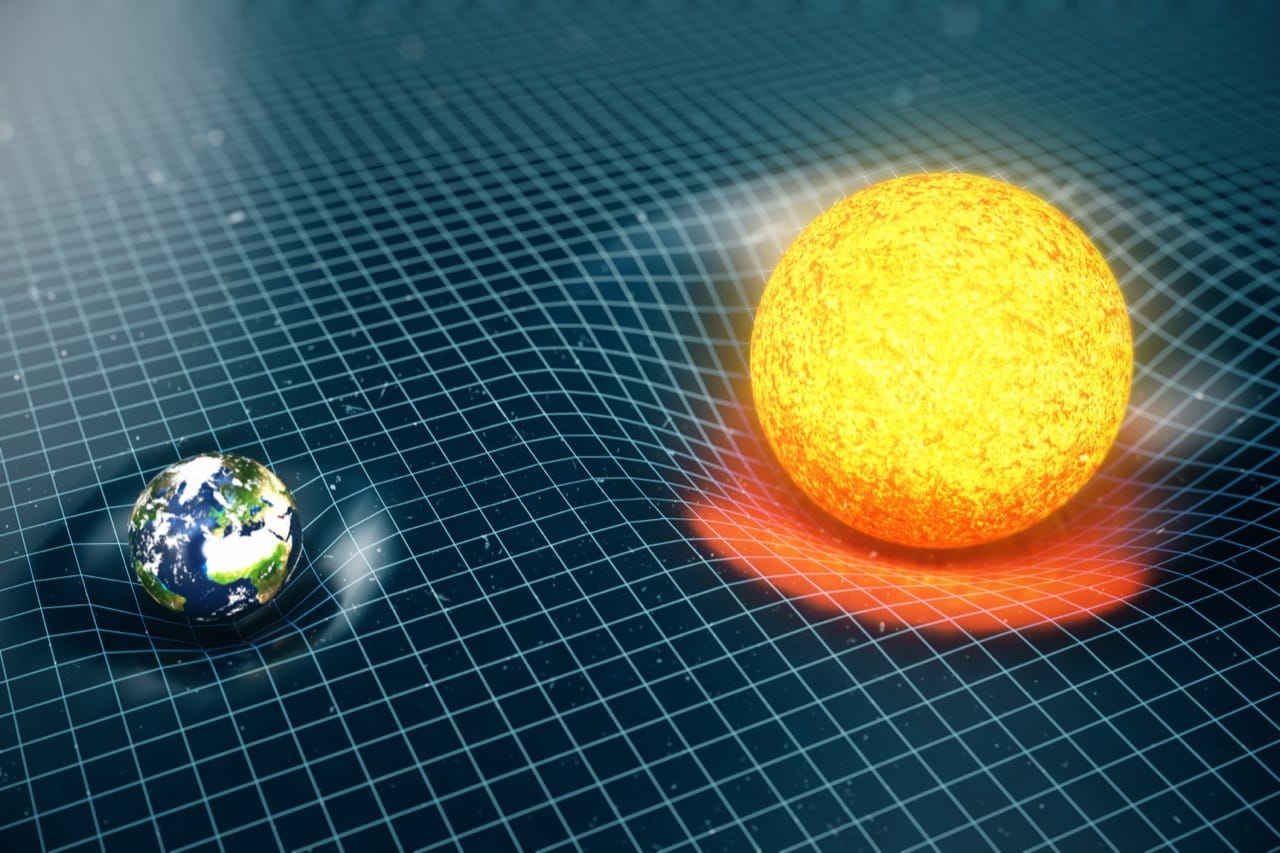
Human Scale: Gravity, relativity, and what time really means Moving up to familiar scales, gravity dominates our everyday experience, but its deeper story comes from relativity. Einstein’s insight was that gravity is not just a force pulling objects together, but a reflection of how mass and energy shape space and time. This is not merely philosophical. GPS satellites must account for time running differently in orbit than on Earth, or navigation errors would accumulate quickly. Relativity also teaches caution with definitions. A light year is a unit of distance, not time, equal to how far light travels in a year. It sounds like time because of the word year, but it is used to express vast distances in a more intuitive way than kilometers.
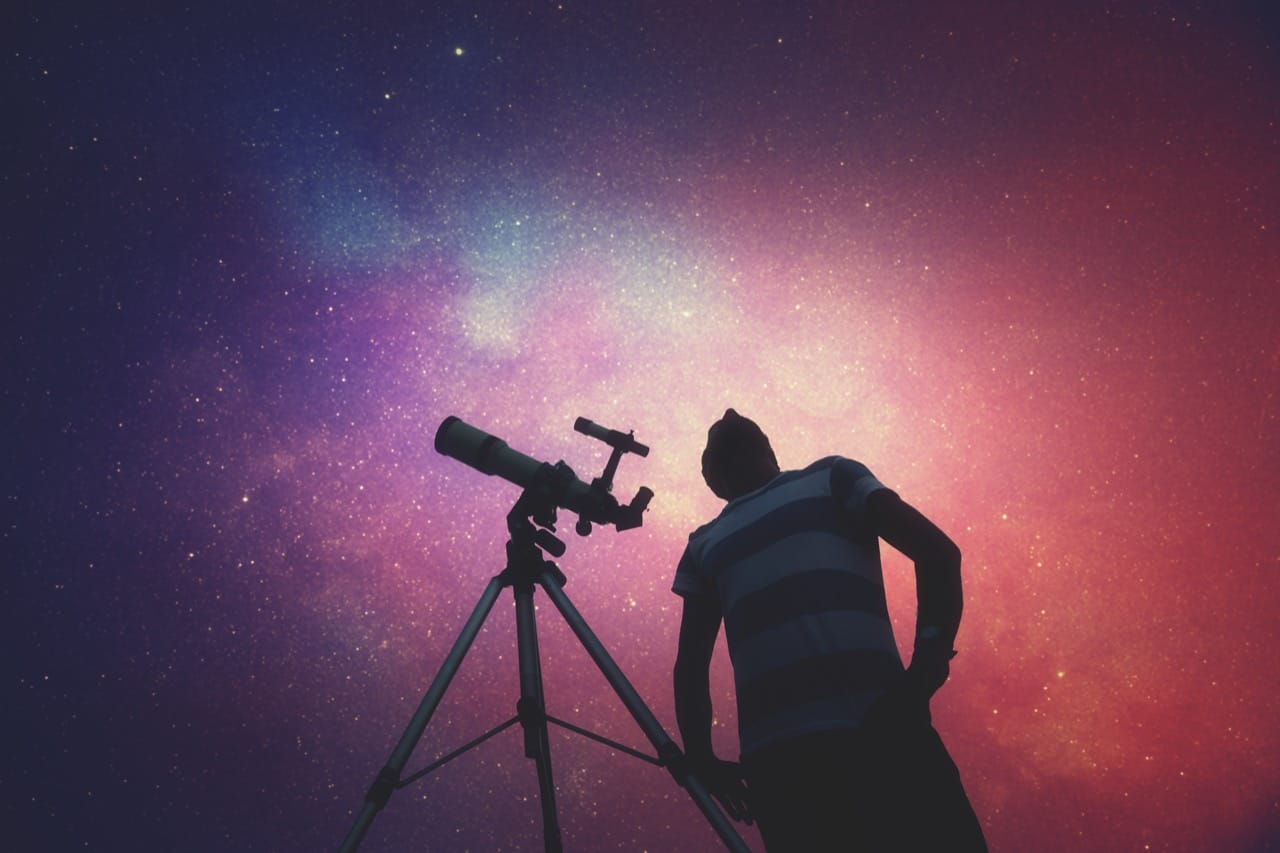
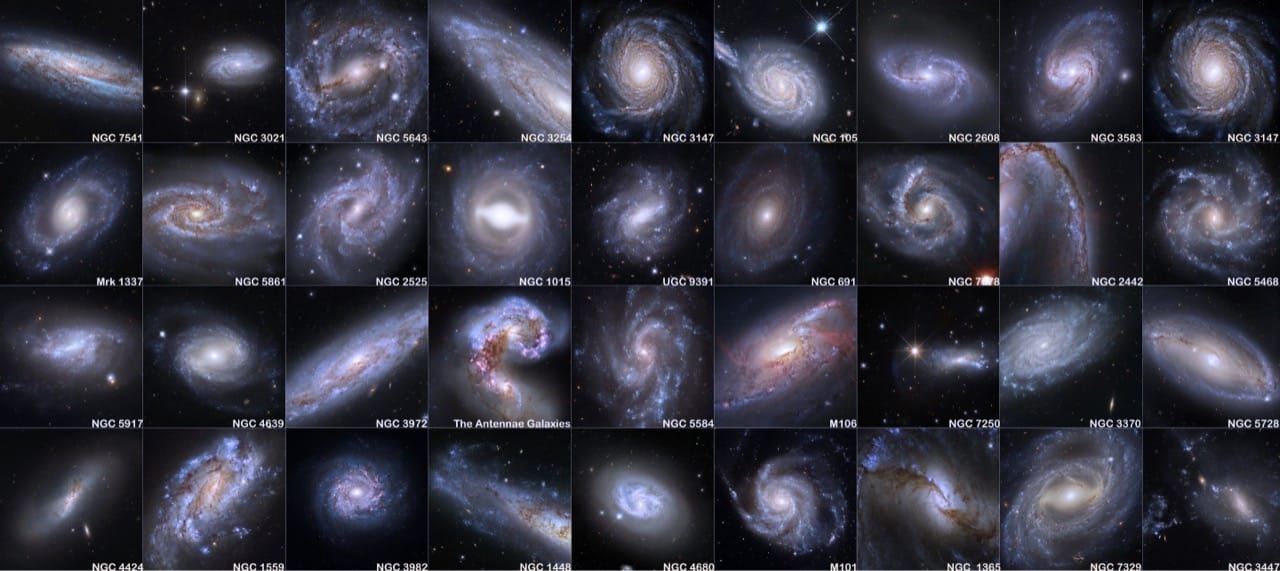
Cosmic Scales: Galaxies, expansion, and ancient light On the largest scales, the universe offers clues in starlight and in faint background radiation. Telescopes do not just capture pretty images; they measure spectra, the fingerprints of atoms and molecules. Spectral shifts reveal motion, including the expansion of the universe. This is where careful thinking pays off: a redshift is an observation, while the interpretation as expansion depends on a broader framework supported by many lines of evidence.
One of the most important cosmic clues is the cosmic microwave background, a faint glow left over from the early universe. It is not light from stars, but cooled radiation from a hot, dense era long before galaxies formed. Tiny variations in this background map the seeds of later structure. Missions such as COBE, WMAP, and Planck have refined these measurements, turning the universe into something that can be described with numbers, uncertainties, and competing models.
Loose ends: Dark matter, dark energy, and the frontier of evidence Modern astronomy is full of strong evidence for things we cannot see directly. Dark matter is inferred from galaxy rotation, gravitational lensing, and the way cosmic structures grow. Dark energy is inferred from the accelerated expansion of the universe, seen in observations such as distant supernovae and large scale surveys. These ideas are powerful because they explain multiple datasets at once, but they remain active research topics because we still do not know their underlying nature.
Conclusion The universe is a layered puzzle. Some answers come from direct observation, others from inference, and the best conclusions survive repeated tests. A quiz that spans particles to galaxies is really asking you to practice scientific thinking: define terms carefully, respect units, and distinguish what is measured from what is assumed. When you do, even the biggest questions become approachable, one clue at a time.