



Introduction Curiosity is a kind of engine: it runs best when it gets fuel in the form of puzzles, surprises, and moments when a confusing idea suddenly makes sense. The Curiosity Circuit Challenge is built around that feeling. It jumps across physics, chemistry, and astronomy, asking you to connect everyday experiences to the deeper rules of nature. Even if you do not remember every formula, you can often reason your way to a good answer by thinking about patterns, scales, and cause and effect.
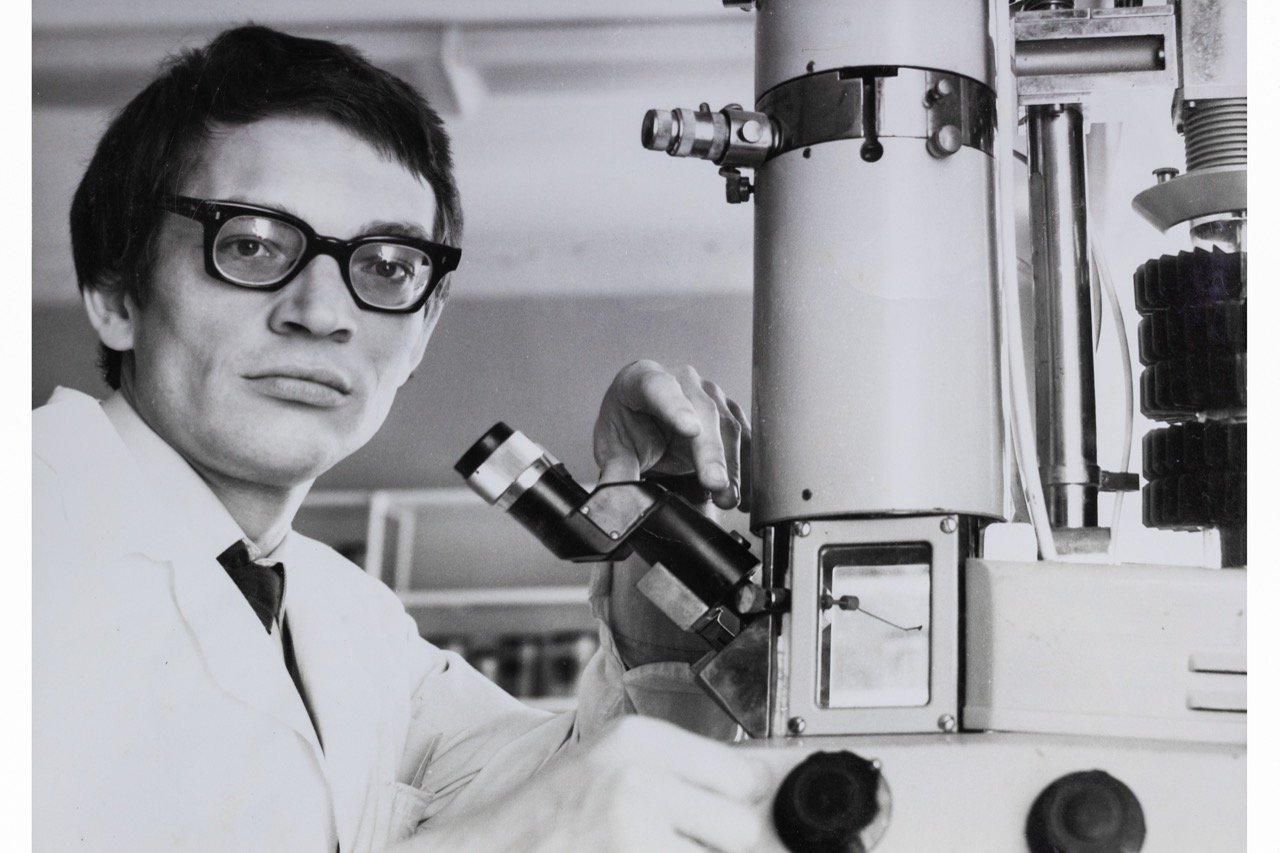
Tiny worlds: particles, waves, and the rules of the very small One of the most mind bending lessons of modern science is that the universe behaves differently at different sizes. At the scale of atoms, matter can act like both a particle and a wave. This is not just a philosophical trick; it shows up in real experiments. When electrons pass through a pair of narrow slits, they form an interference pattern like ripples in water, even when sent one at a time. That result helped establish quantum mechanics, the framework that explains why atoms have specific energy levels and why materials conduct electricity or resist it.
Another small scale idea that often appears in curiosity quizzes is uncertainty. It is not that scientists are careless; it is that certain pairs of properties, like position and momentum, cannot both be pinned down perfectly at once. This sets a fundamental limit on measurement and helps explain why electrons occupy fuzzy regions around a nucleus rather than neat little orbits.
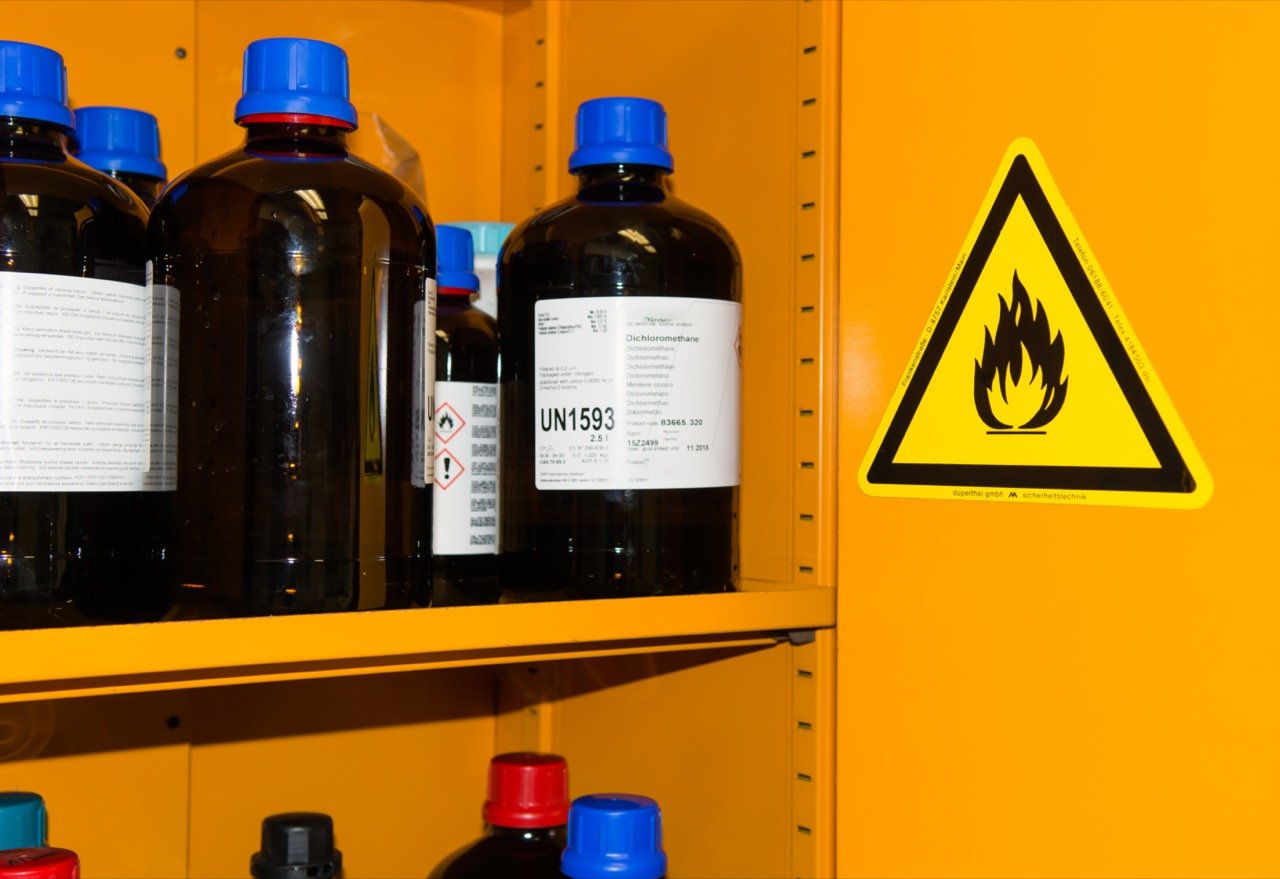
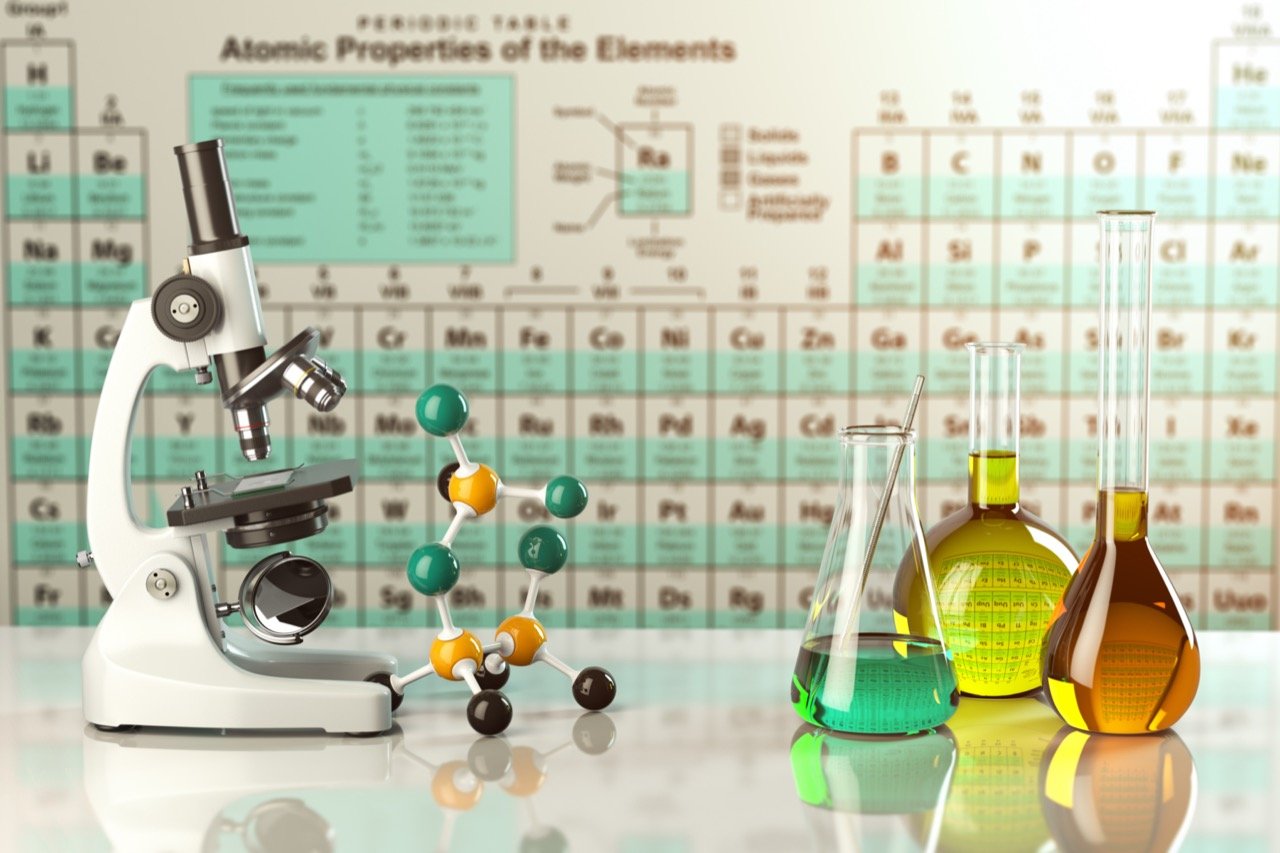
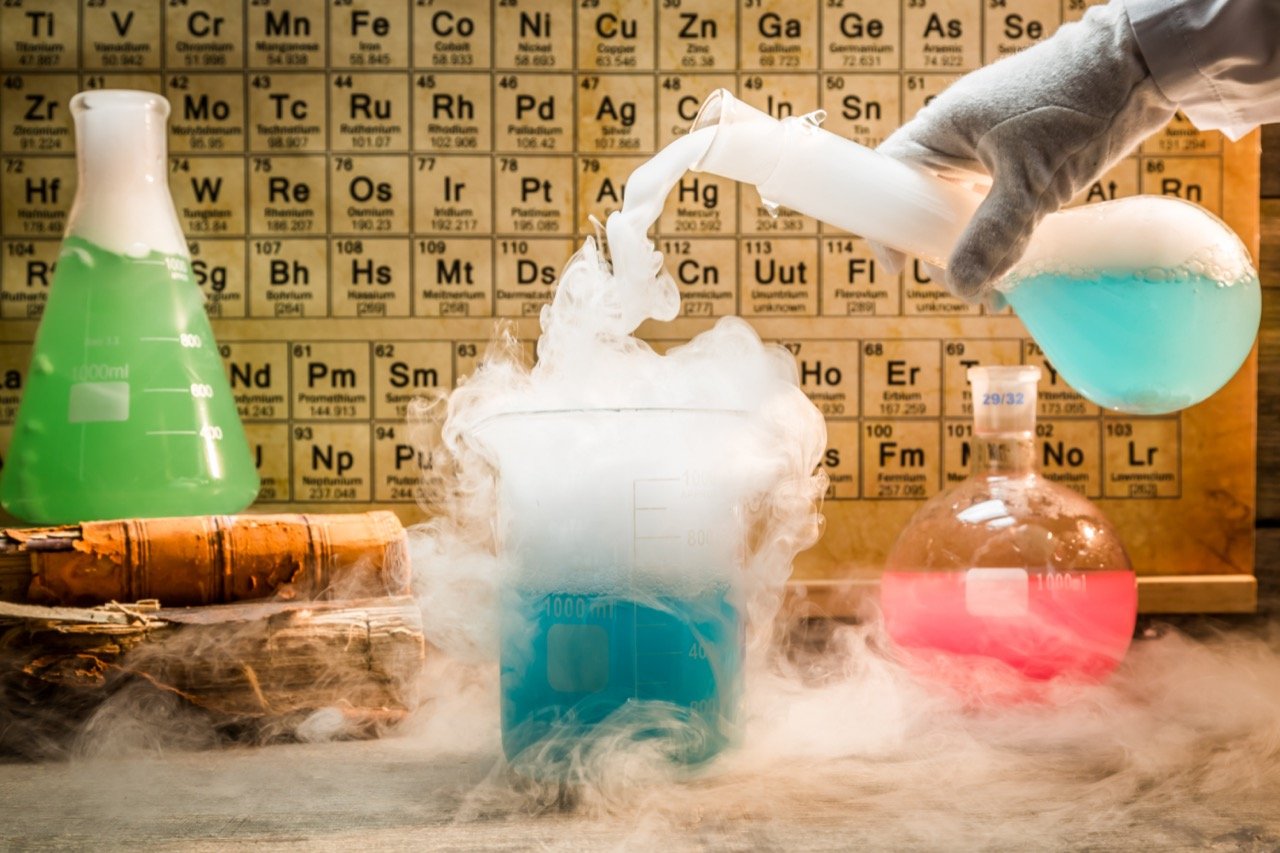
Chemistry in plain sight: reactions, energy, and everyday materials Chemistry questions feel especially satisfying because the clues are often right in your kitchen. Rusting, for example, is a slow oxidation reaction in which iron combines with oxygen and water to form iron oxides. Combustion is also oxidation, just faster and hotter. Acids and bases show up in cleaning products, food, and even your body. A simple but powerful concept is pH, a scale that tracks how acidic or basic a solution is, tied to the concentration of hydrogen ions.
Energy changes are another common theme. Some reactions release energy as heat or light, while others require an input. Batteries work because chemical reactions can be arranged so that electrons travel through an external circuit, powering devices. Even the smell of a freshly peeled orange connects to chemistry: volatile molecules evaporate, reach your nose, and trigger receptors tuned to specific shapes.
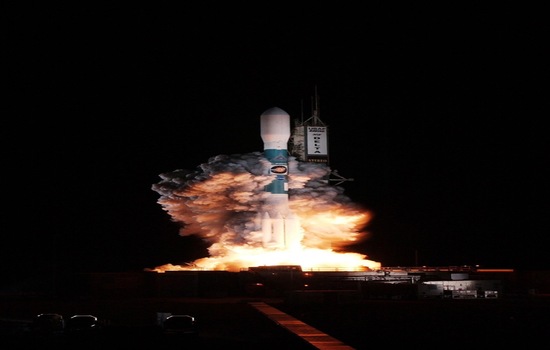
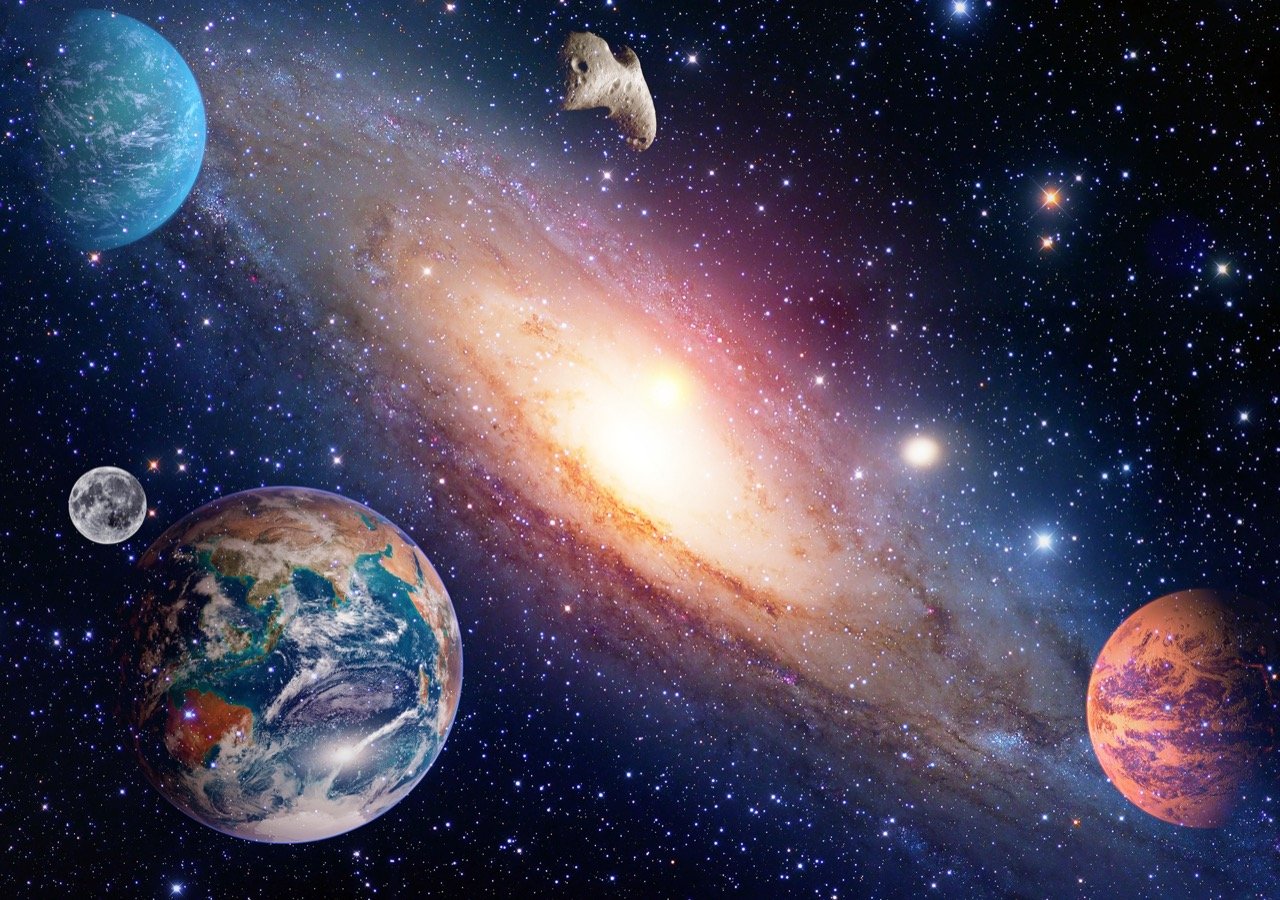
Big worlds: gravity, motion, and the architecture of the cosmos On the largest scales, the same basic laws can explain both a tossed ball and a planet in orbit. Gravity pulls objects toward one another, and an orbit is essentially a constant fall around a body rather than straight into it. This is why satellites need speed: too slow and they drop, too fast and they escape.
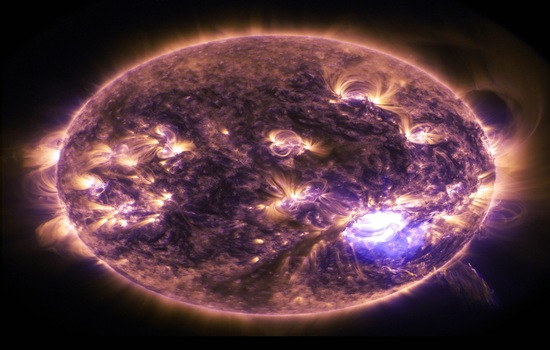
Astronomy adds a sense of wonder and scale. Light from distant galaxies can take millions or billions of years to reach us, meaning telescopes are time machines in a practical sense. The colors of stars reveal their temperatures, with hotter stars appearing bluer and cooler ones redder. Spectra also act like fingerprints, letting scientists detect elements in stars and even in the atmospheres of some exoplanets.
Clever experiments and the habit of reasoning Many breakthroughs came from simple ideas tested carefully. Dropping objects to study motion, splitting light to reveal hidden patterns, or using magnets and coils to generate electricity all show how much can be learned with the right question. A good quiz does the same thing in miniature: it nudges you to compare, estimate, and eliminate unlikely options.
Conclusion The Curiosity Circuit Challenge is less about memorizing facts and more about practicing the mental moves that science rewards: noticing patterns, thinking in scales, and following evidence. Whether the question is about a quantum oddity, a household chemical reaction, or the dance of planets, each answer is a small window into how the universe works. Keep playing, keep guessing, and let each surprising fact become a new starting point for curiosity.