Introduction Ice hockey looks like controlled chaos: skates carving tight turns, a puck moving faster than most eyes can track, and decisions made in fractions of a second. Underneath the noise and speed is a sport with deep history and a surprisingly precise rulebook. Knowing why the game is played the way it is makes every shift more interesting, and it also gives you an edge in any hockey trivia challenge.
Origins and milestones Modern organized hockey took shape in Canada in the late 1800s, drawing on earlier stick and ball games played on ice. As leagues formed, standard rules helped separate hockey from similar sports and made competition consistent across cities. The professional game grew rapidly in the early 1900s, and the National Hockey League became the most prominent North American league. Internationally, hockey expanded through Europe and beyond, eventually becoming a major Olympic sport and a point of national pride for countries like Canada, the United States, Sweden, Finland, Russia, and the Czech Republic.
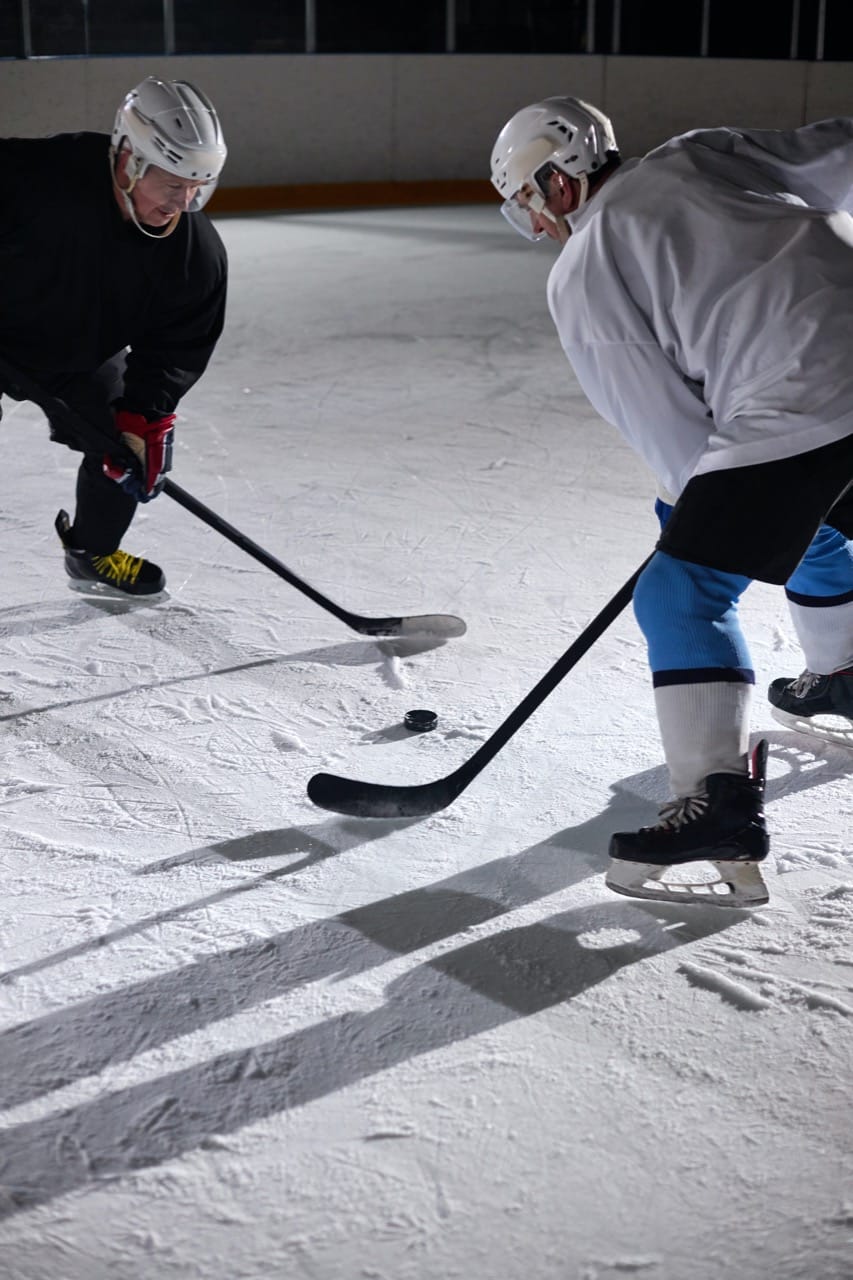
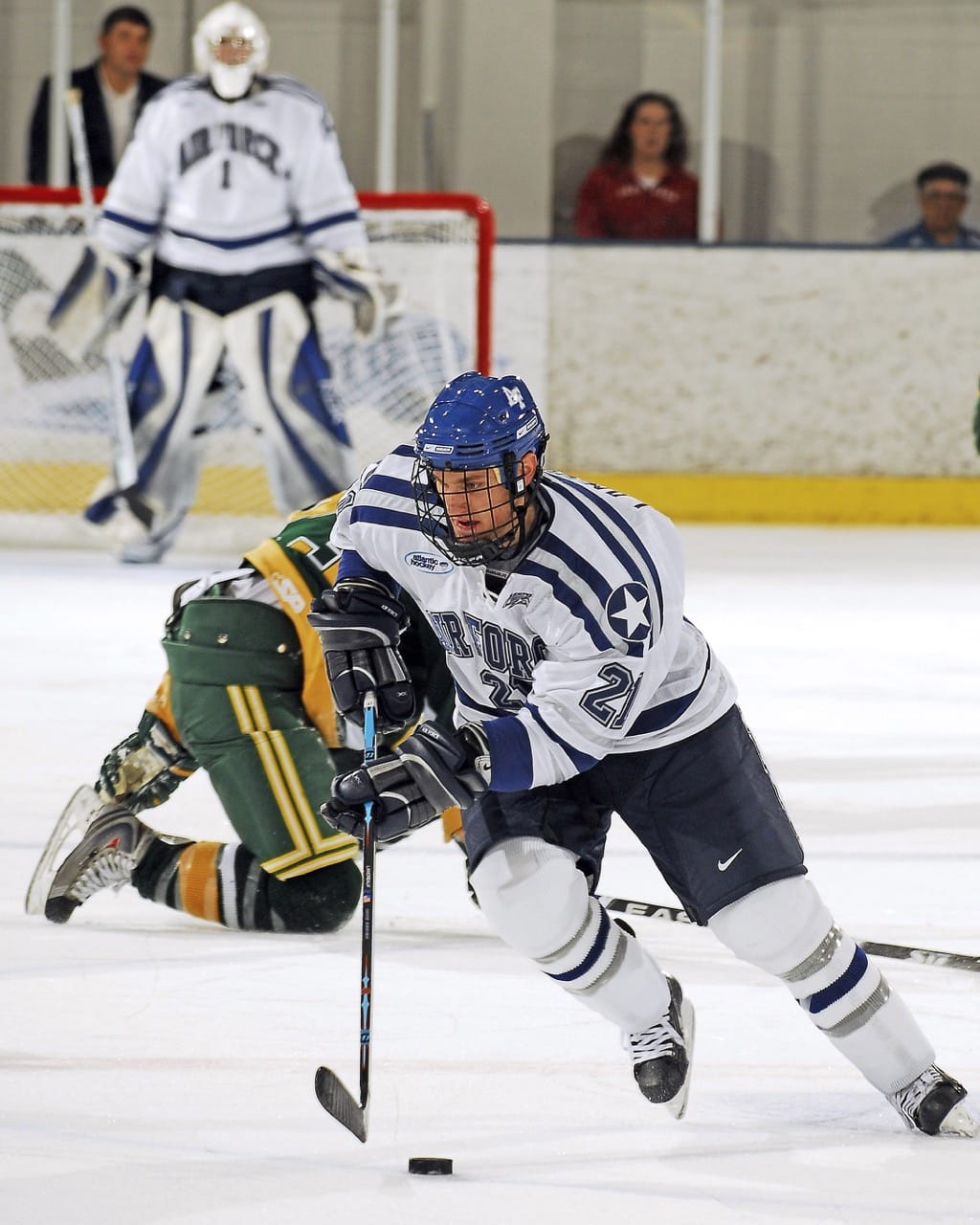
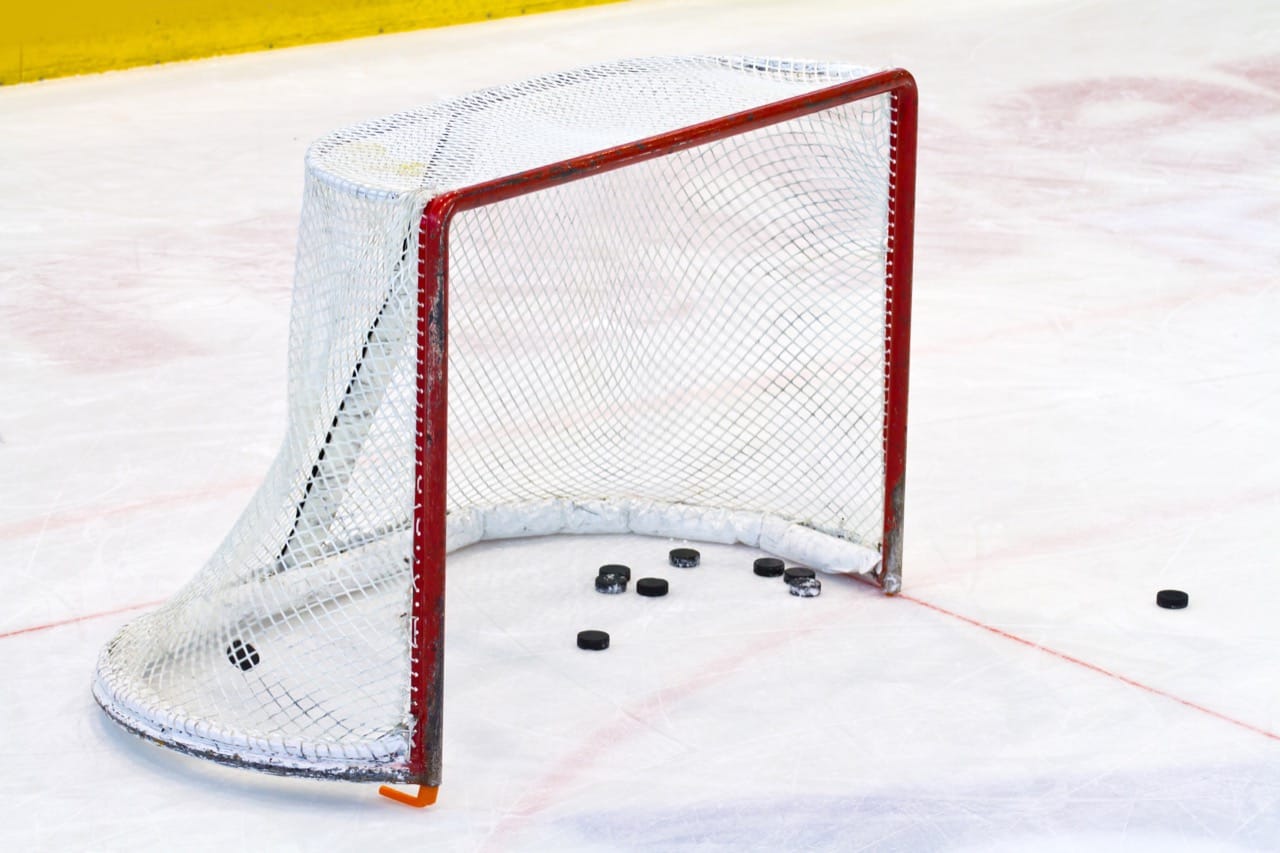
Positions and what they really do A team skates with six players at a time: a goalie, two defensemen, and three forwards. The names sound simple, but roles are fluid. Centers often take faceoffs and support both offense and defense. Wingers typically pressure along the boards, drive toward the net, and cover opposing defensemen in their zone. Defensemen are not just shot blockers; they start breakouts with smart passes and manage gaps to prevent odd man rushes. Goalies anchor everything, using positioning and rebound control as much as reflexes. The best teams blur these categories, with forwards tracking back and defensemen joining the attack at the right moment.
Why lines change constantly Hockey is played in short, intense bursts because skating at full speed is exhausting. Players usually stay on the ice for about 30 to 60 seconds before changing, often while play continues. These line changes are tactical: coaches try to match certain lines against specific opponents, protect tired players from getting trapped in their zone, and keep fresh legs for forechecking. A sloppy change can create too many men on the ice, a bench minor that flips momentum.
Rules that keep the chaos under control Penalties are a major part of strategy. A minor penalty puts a team shorthanded for two minutes, creating a power play for the opponent. A major is typically five minutes and is often tied to fighting or dangerous infractions. The penalty kill is about pressure, lane blocking, and clearing the puck, while the power play focuses on puck movement, screens in front of the goalie, and quick one timers.
Icing is one of the most misunderstood rules. In general, if a team shoots the puck from its own side of center and it crosses the far goal line without being touched, play stops and the puck comes back for a faceoff in the offending team’s zone. This prevents teams from simply firing the puck down the ice to relieve pressure. Many leagues use hybrid icing to reduce collisions, with officials judging who would reach the puck first.
Overtime and the shootout era Overtime formats have changed to encourage decisive results. Regular season games in many leagues now use three on three overtime, which creates open ice and frequent breakaways. If still tied, a shootout may decide the winner, testing individual skill and goalie patience. In playoffs, overtime is usually sudden death at full strength, which can produce legendary long games and unforgettable goals.
Trophies, tournaments, and iconic moments The Stanley Cup is the most famous trophy in professional hockey, awarded after a grueling playoff run that tests depth and durability. Internationally, the Winter Olympics and the IIHF World Championships showcase different rink sizes, styles, and tactics. Historic events, from early league formations to major international rivalries, shaped today’s game and still influence how fans talk about toughness, skill, and tradition.
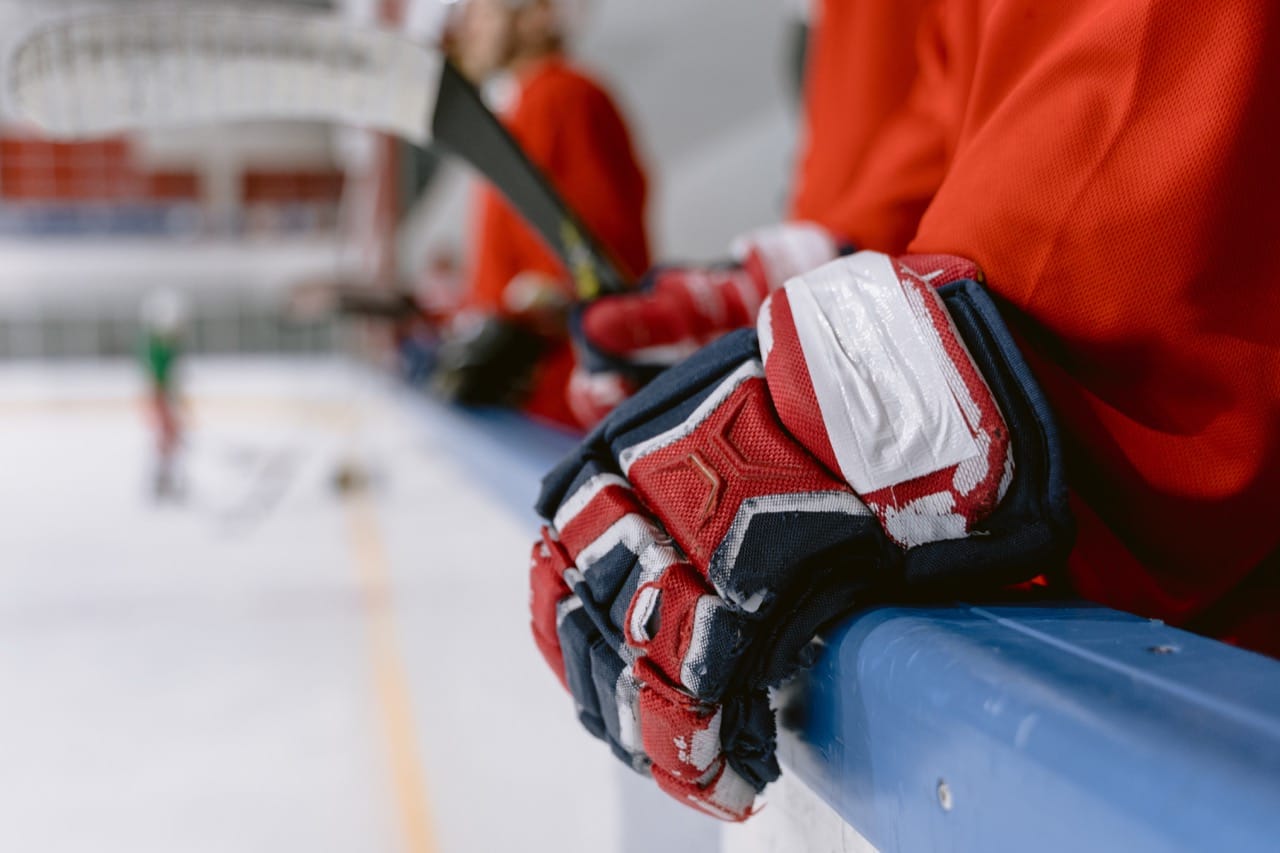
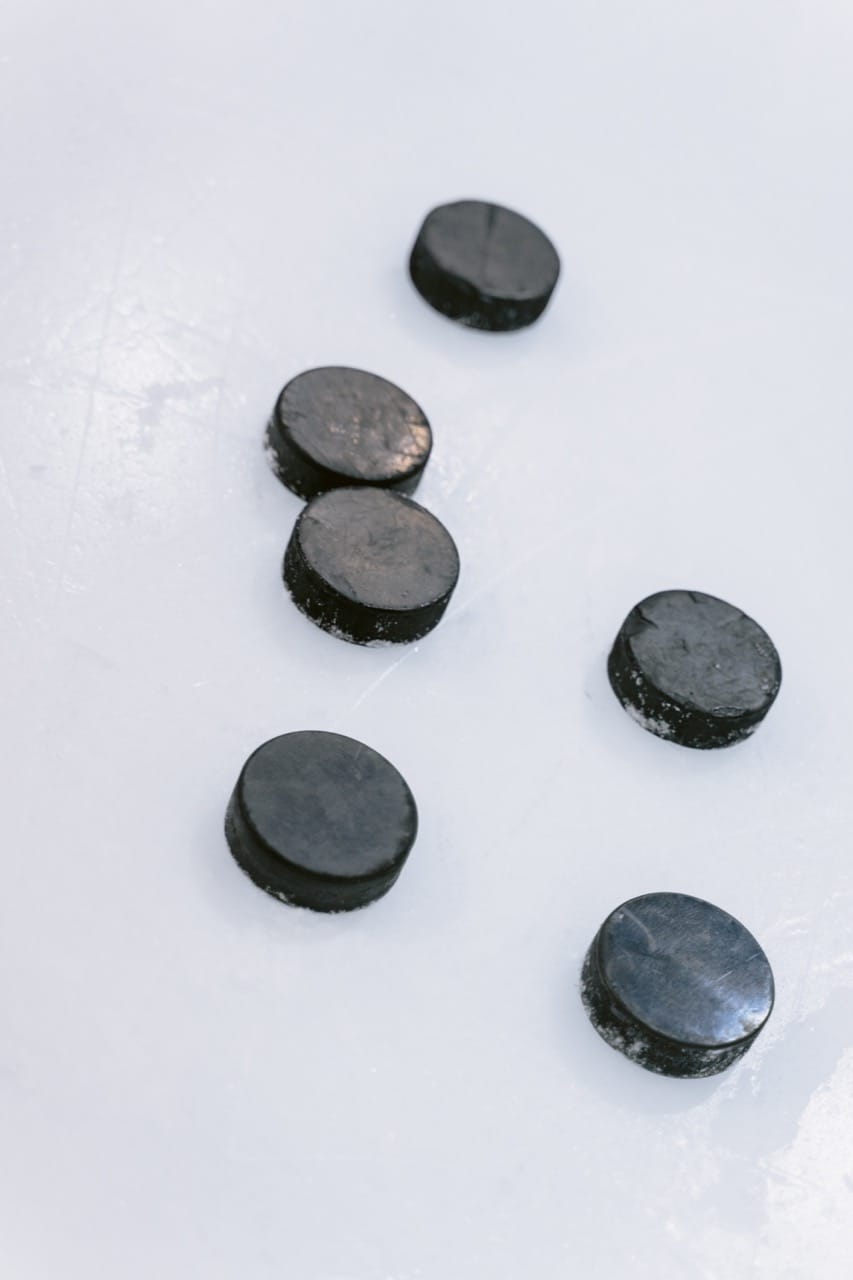
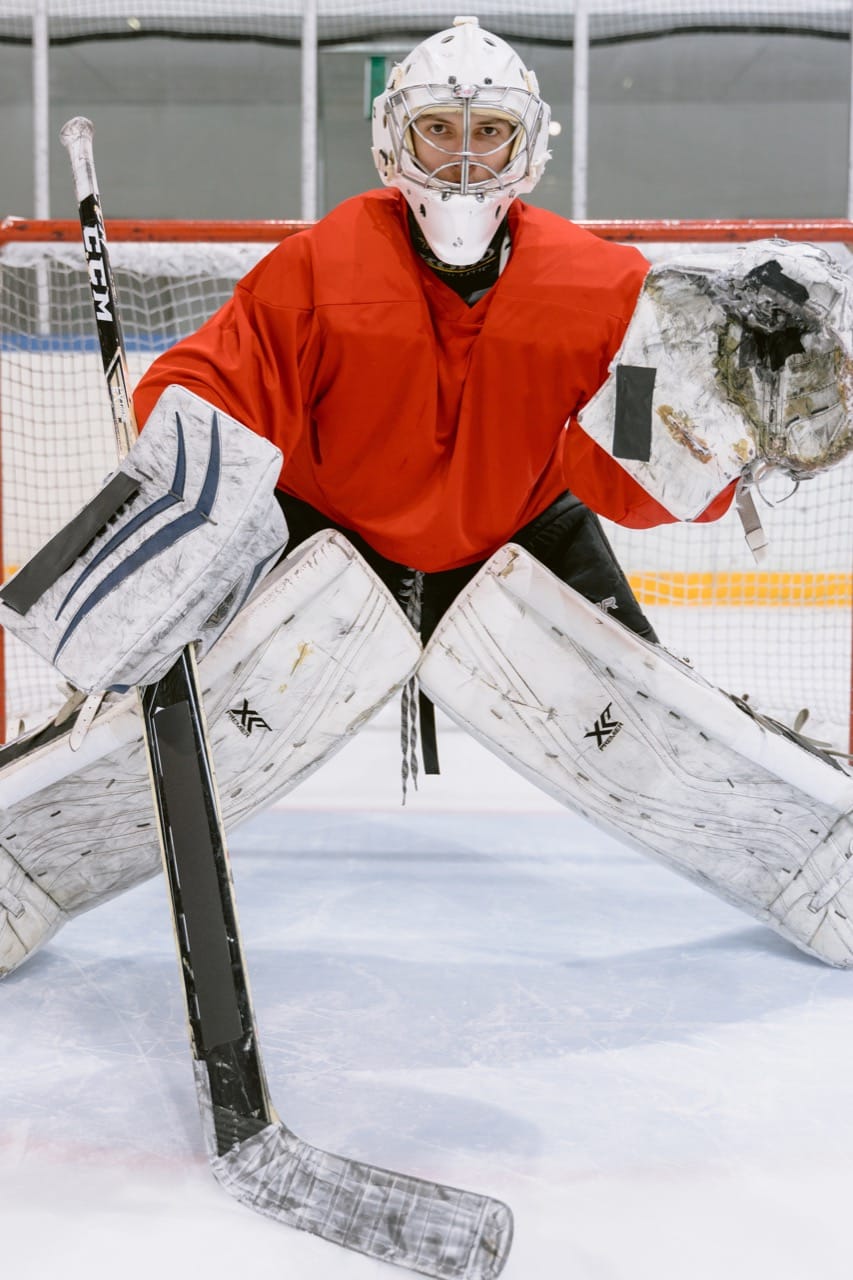
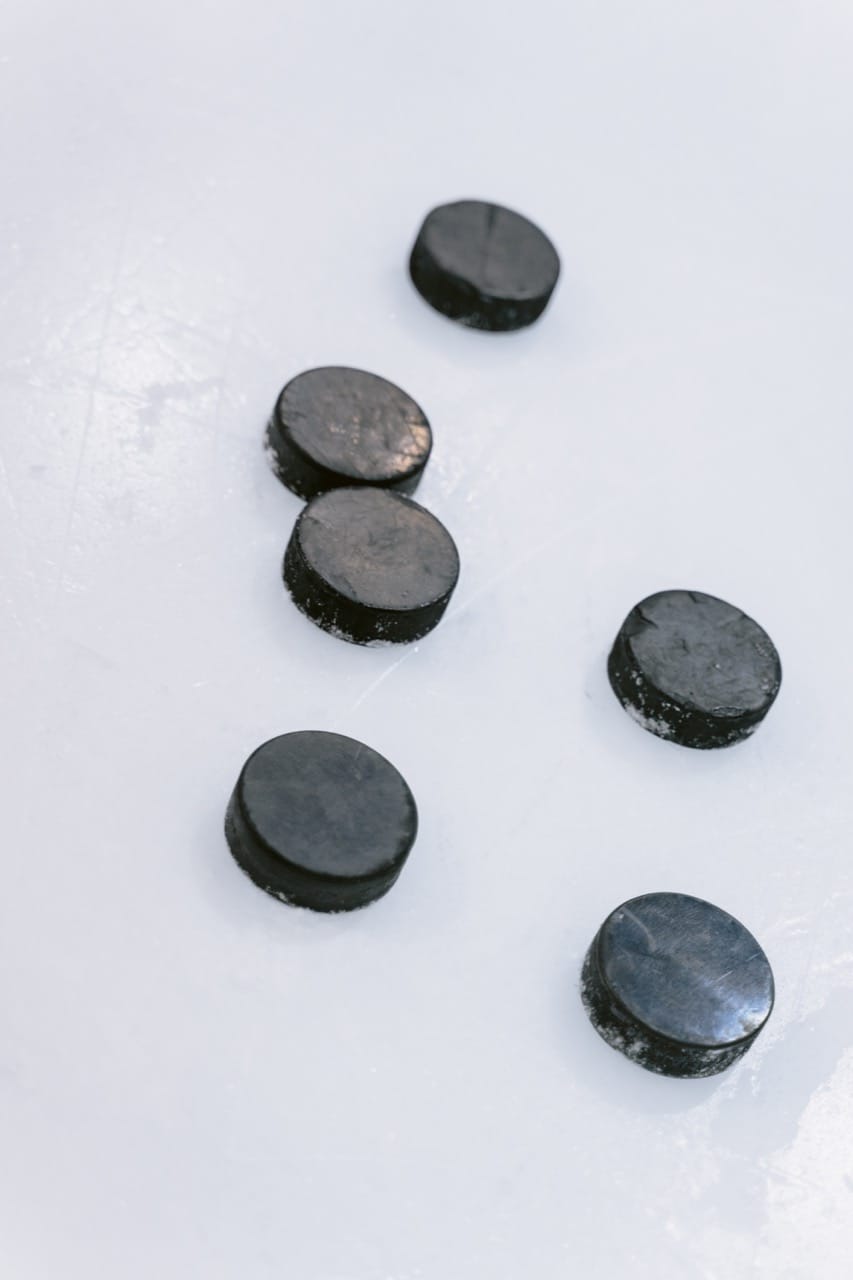
Equipment quirks and small details Hockey gear is built for speed and protection: curved sticks for lifting shots, skates designed for quick edges, and goalie pads engineered to seal the ice. Even the puck is specialized, made of vulcanized rubber and frozen before games to reduce bouncing. Details like visor rules, stick measurements, and goalie crease restrictions can seem minor, but they affect how players defend, shoot, and battle in front of the net.
Conclusion Hockey rewards both instinct and knowledge. Understanding positions, penalties, icing, line changes, and evolving overtime rules turns a fast spectacle into a readable, strategic contest. With a little history and a few key concepts in mind, you can watch the next game with sharper eyes and head into any Ice Rink Brain Battle ready to score.