From Driveway Hoops to Hardwood Hero: What’s Your Basketball Level?
About This Quiz
Your basketball vibe shows up in the little choices: whether you sprint back on defense, how you react to a missed shot, and what you do when the game gets tight. This quiz maps your habits, instincts, and confidence into one of four play-styles that reflect your current level on the court. Answer honestly based on how you actually play (or would play), not how you wish you played. There are no wrong options—each one points to a different stage of growth, from learning the basics to running games like a floor general. By the end, you’ll get a personality type with a clear snapshot of your strengths and what to focus on next—handles, shooting consistency, defensive awareness, conditioning, or leadership. Grab a ball in your mind, picture a real run, and choose what feels most like you.

Your best offensive strength is usually…
When you first step into a pickup game, what’s your main goal?

What’s your typical practice style?
When the game is close late, you prefer to…

A defender pressures you full court. You usually…

How do you read a pick-and-roll situation?
If you could improve one area fastest, you’d choose…
On defense, you’re most likely to…

What best describes your shooting confidence?
How do you handle contact at the rim?
A teammate misses you when you’re wide open. You…
What happens most after you make a mistake?
From Driveway Hoops to Hardwood Hero: Understanding Your Basketball Level
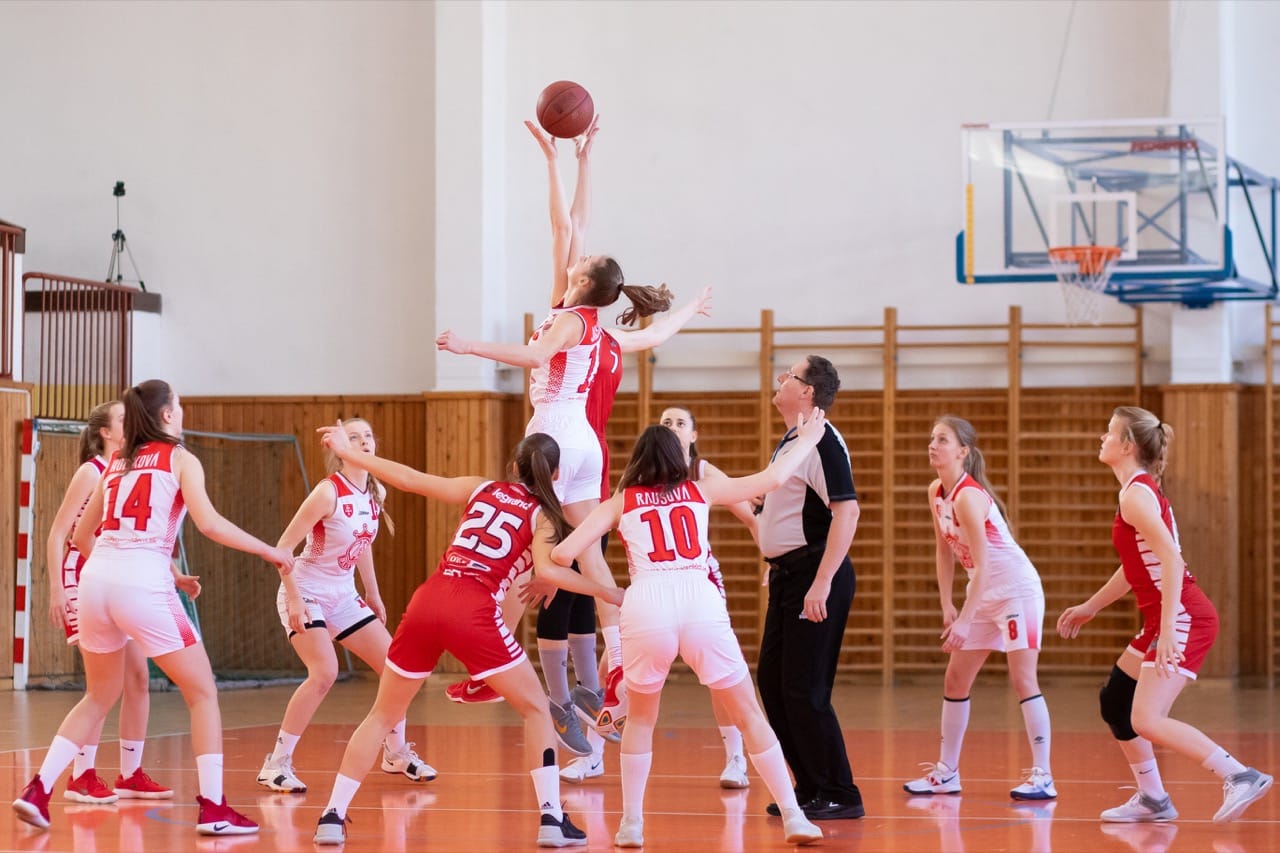
Basketball looks simple until you are in a real run. The ball moves faster than you expect, decisions stack up, and your habits show immediately. Do you sprint back after a miss or watch the shot? Do you keep spacing when you are tired? Do you stay calm when the game gets tight? Those small choices reveal your current level more clearly than a highlight play. Thinking in terms of play styles can help you understand what you do well and what to work on next.
One common stage is the beginner builder. This player is learning the basics and often plays in short bursts of confidence. The biggest gains here come from fundamentals that never go out of style: a balanced stance, two hands on the catch, and a consistent shooting routine. A useful fact is that good shooters do not just aim better, they repeat the same motion. Even at advanced levels, players focus on repeatable mechanics and shot preparation, like having feet set and hands ready before the pass arrives. For the beginner builder, the fastest improvements usually come from ball control and footwork. Simple dribbling drills with both hands and learning to stop under control can reduce turnovers immediately.
Next is the steady contributor. This player can keep up with a game, understands basic spacing, and has a few reliable moves. The difference between casual skill and dependable skill is consistency under pressure. Many missed layups and open shots happen because players rush when they feel a defender nearby. Practicing at game speed matters, because your body learns timing and touch differently when you are moving fast. The steady contributor benefits most from decision making: knowing when to drive, when to swing the ball, and when to reset. A good rule is to make your first look simple: if a teammate is open, pass; if the lane is clear, attack; if neither is true, keep the ball moving.
A third style is the defensive spark. Some players change games without scoring much by protecting the paint, boxing out, and staying disciplined. Defense is often about angles and effort, not just athleticism. Staying between your opponent and the basket, talking on screens, and closing out with control can disrupt even skilled scorers. Conditioning also plays a major role. When you are tired, your stance rises, your feet get slow, and you reach with your hands, which leads to fouls. Building stamina through short, intense intervals can help you keep defensive focus late in games.
Finally, there is the floor general. This player reads the court, manages tempo, and makes teammates better. Leadership in basketball is not only calling plays. It is setting the tone by sprinting back on defense, encouraging a teammate after a miss, and making the extra pass when you could force a shot. Floor generals also understand that turnovers are often decision errors, not dribbling errors. They value spacing, use change of pace to create advantages, and keep emotions steady when the score tightens.
No matter your style, the path forward is clearer when you know your tendencies. Pick one or two priorities for the next month, like finishing with both hands, making the first pass quicker, or committing to defensive stance every possession. Basketball rewards honest self awareness. When you match your training to how you actually play, you grow faster, enjoy the game more, and move one step closer to your own version of a hardwood hero.