











Introduction Football can look simple at first glance: two teams, one ball, and ninety minutes to outscore the other side. Yet the sport becomes addictive because every match is a mix of rules, strategy, athletic skill, and emotion. A single decision by a referee, a clever tactical tweak, or a late goal can turn an ordinary fixture into a story fans repeat for decades. This article walks through the essentials that often show up in trivia, from field markings and restarts to famous tournaments, iconic players, and the tactical ideas that separate casual watching from true understanding.
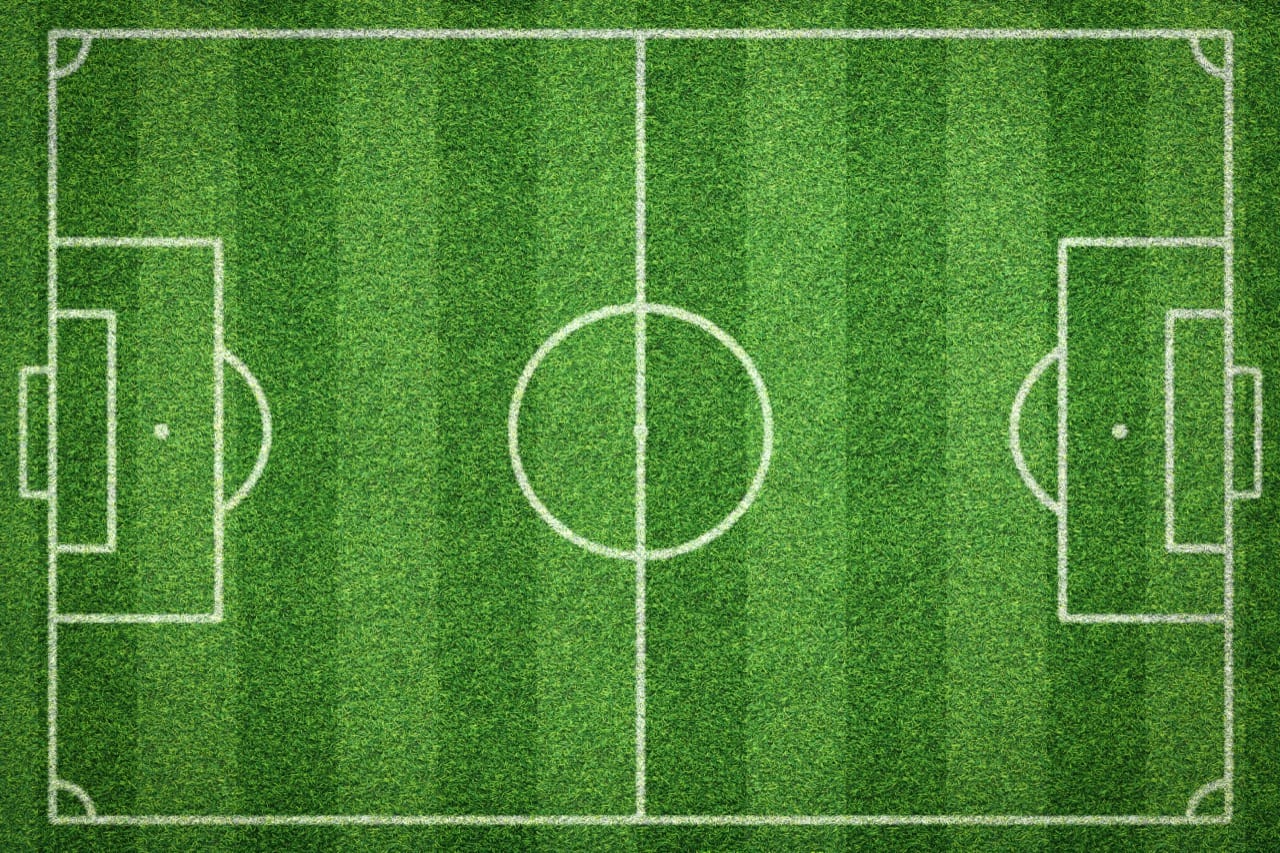
Rules and markings that shape the game The field is more than green grass. The penalty area, the six yard box, the center circle, and the penalty spot all exist to create structure and fairness. Many key moments come from restarts. A kickoff begins each half and restarts play after a goal. A throw in returns the ball when it fully crosses the touchline. A corner kick rewards attacking pressure when a defender last touches the ball over the goal line without a goal being scored. A goal kick gives the defending team a fresh start when an attacker last touches it over that same line.
Offside remains one of the most debated laws. A player is not offside just for being ahead; the timing of the pass and involvement in play matter. Understanding this rule explains why a perfectly placed through ball can be genius, and why a forward’s run has to be synchronized with the passer’s decision.
Tournaments, trophies, and historic firsts International football is defined by tournaments that compress years of rivalry into a few intense weeks. The FIFA World Cup is the most famous, with qualification campaigns that span continents and finals that can define generations. Continental championships like the UEFA European Championship, Copa America, and Africa Cup of Nations carry their own histories and styles.
Club football has its own crown jewels. The UEFA Champions League is known for elite matchups and dramatic knockout nights. Domestic leagues reward consistency over months, while cup competitions invite surprises, where smaller clubs can upset giants in a single match. Trophies become symbols: a nation’s first major title, a club’s first continental triumph, or a record breaking run can change how teams are remembered.
Iconic players and record setting performances Football trivia loves numbers because they capture greatness quickly. Goals in a calendar year, unbeaten streaks, clean sheets, and appearances all tell parts of the story. Yet the most memorable feats are often tied to context: a hat trick in a final, a goalkeeper’s penalty saves in a shootout, or a captain lifting a trophy after years of near misses.
Great players are also tied to roles. Some are pure finishers, others create chances with vision and passing, and some control matches by winning the ball and setting tempo. Understanding positions helps explain why a quiet midfielder might be the most important player on the pitch.
Tactics that turn matches into chess games Modern football is full of tactical choices. Pressing can suffocate opponents high up the field, but it risks leaving space behind. A low block can protect a lead, but invites pressure and requires discipline. Teams may overload one side to create mismatches, or use quick switches of play to exploit open space.
Set pieces are a trivia favorite because they are planned moments in a chaotic sport. Clever corner routines, disguised free kicks, and well timed runs can decide tight matches, especially in tournaments where one goal changes everything.
Conclusion The Ninety Minute Mastermind spirit comes from noticing how details create drama. Rules explain why moments happen, history explains why they matter, and tactics explain how teams try to make them happen. The next time you watch a match, look for the small signals: a forward checking their run to stay onside, a defender angling their body to force a winger wide, or a coach changing shape after halftime. Those details are the difference between simply seeing a game and understanding the story being written in real time.