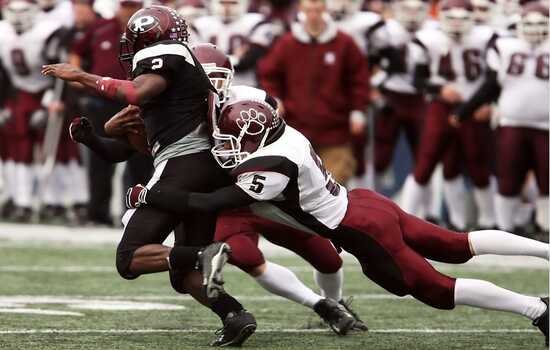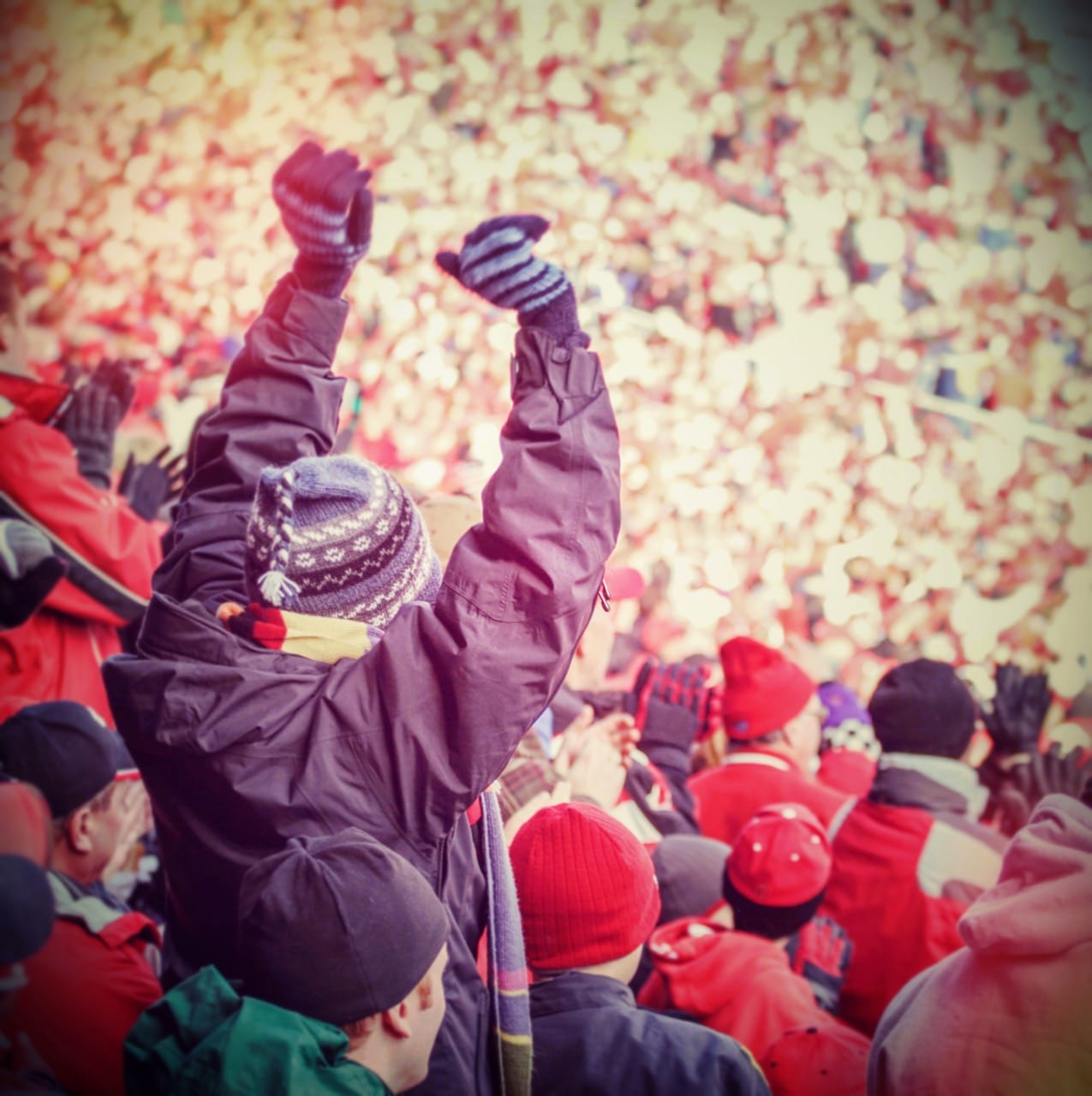
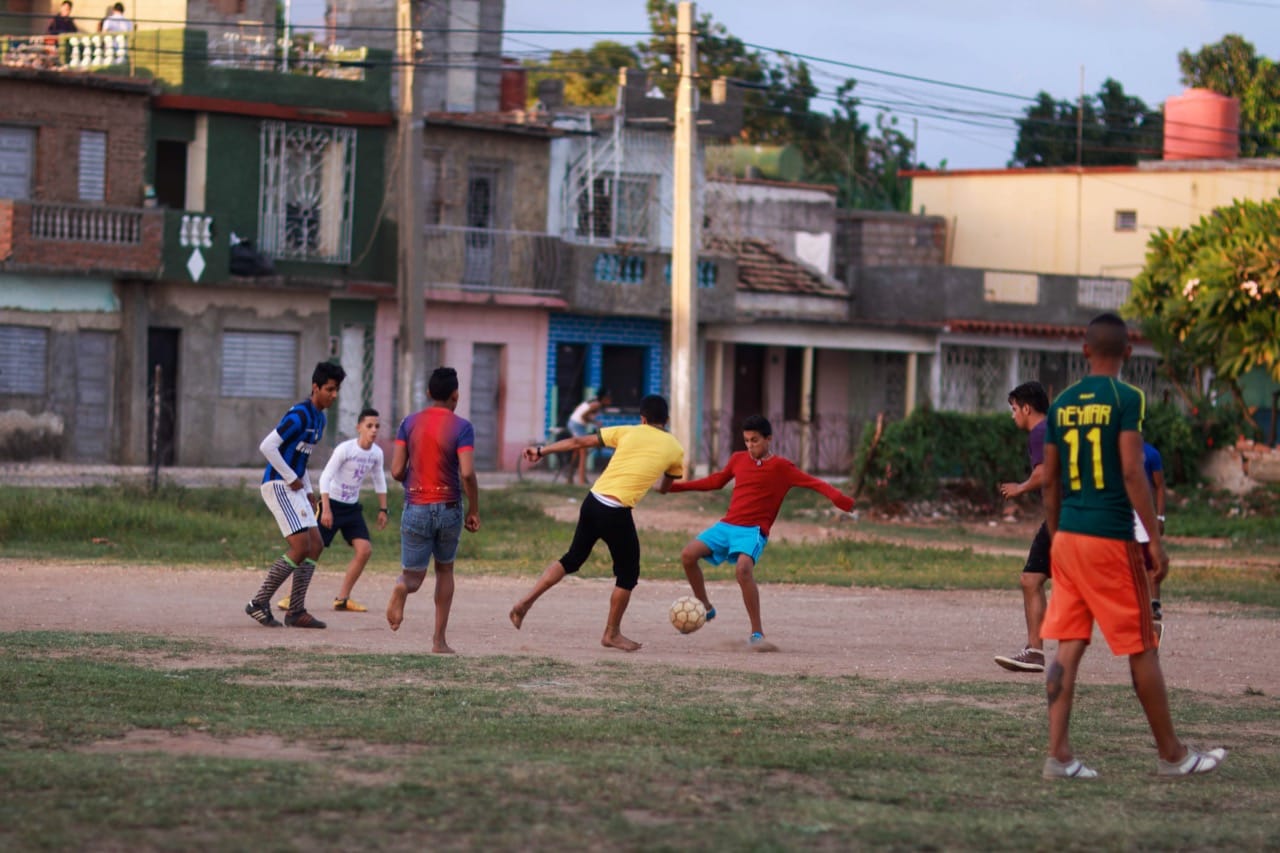

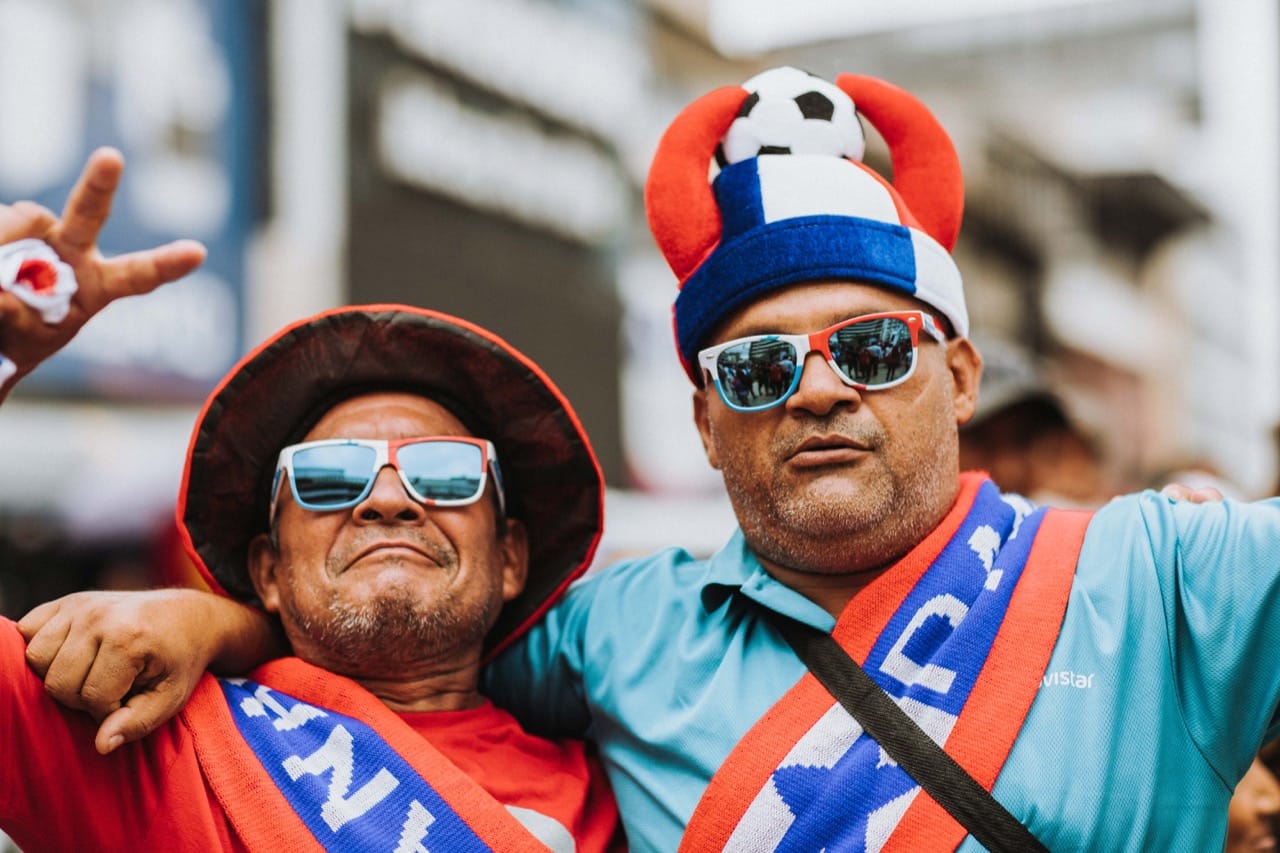
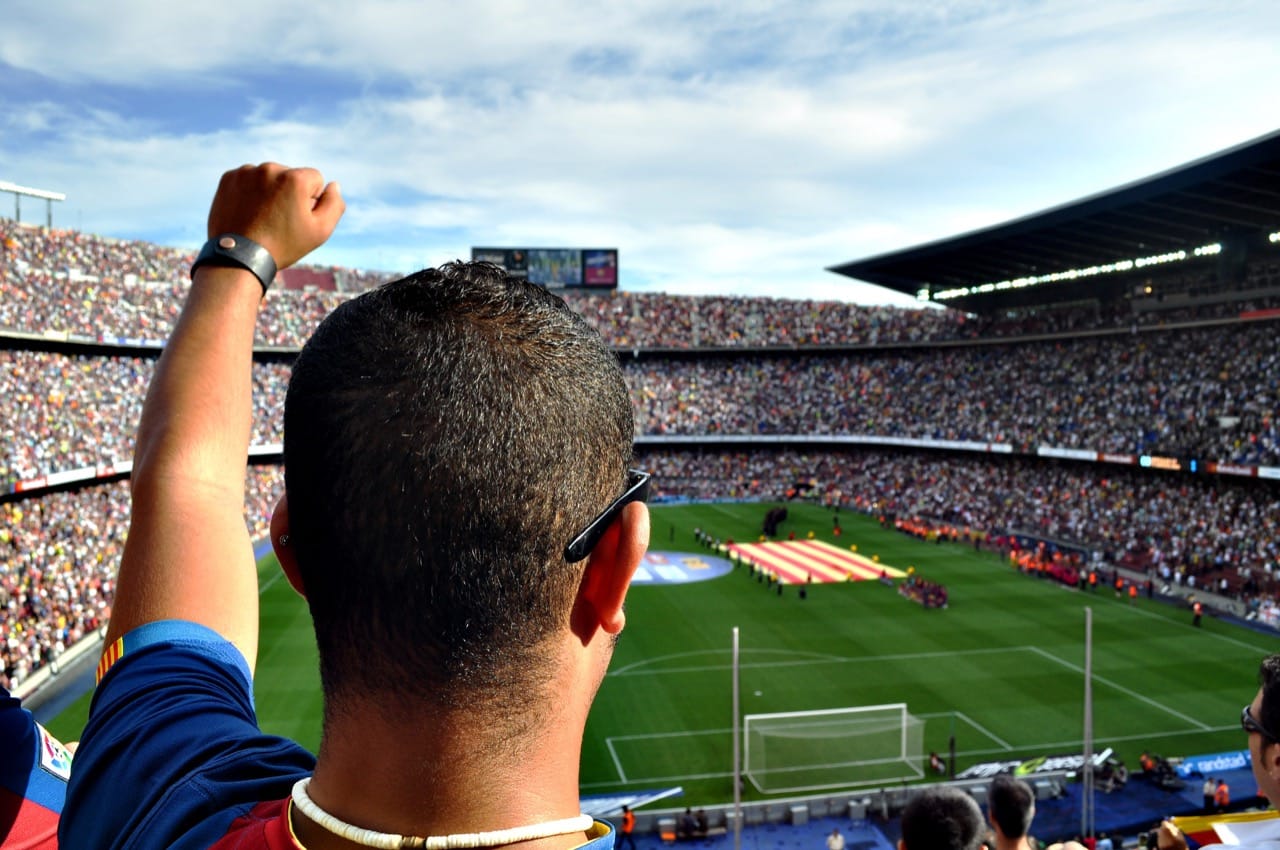
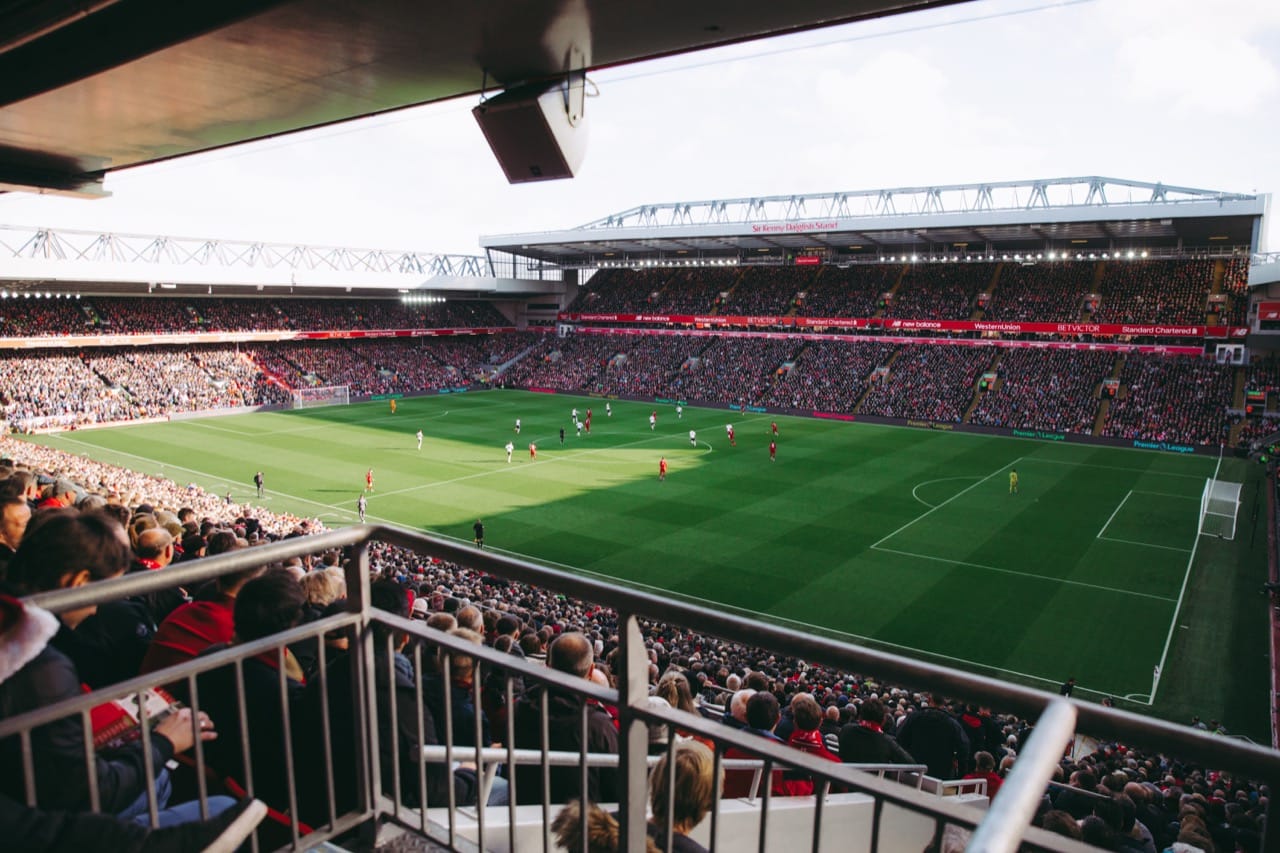




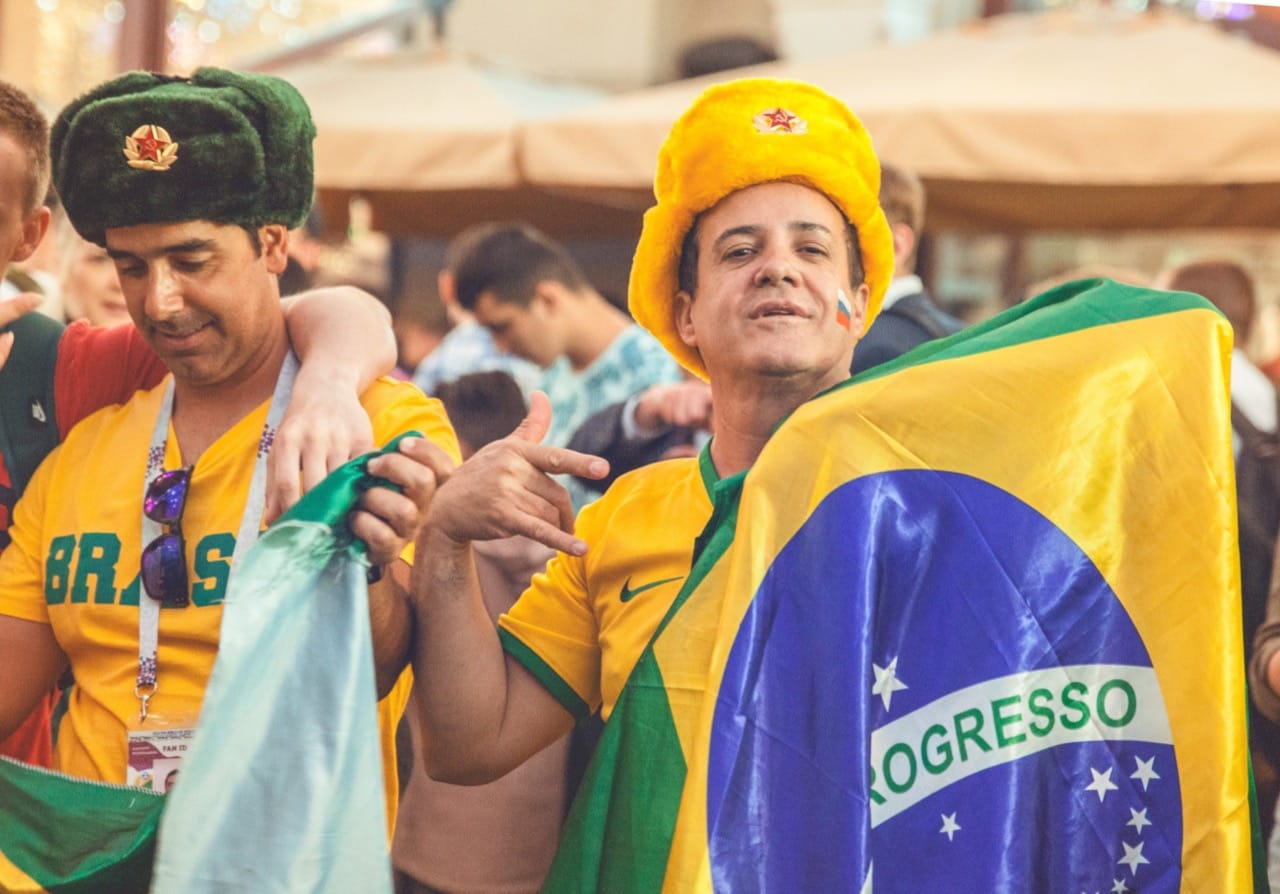
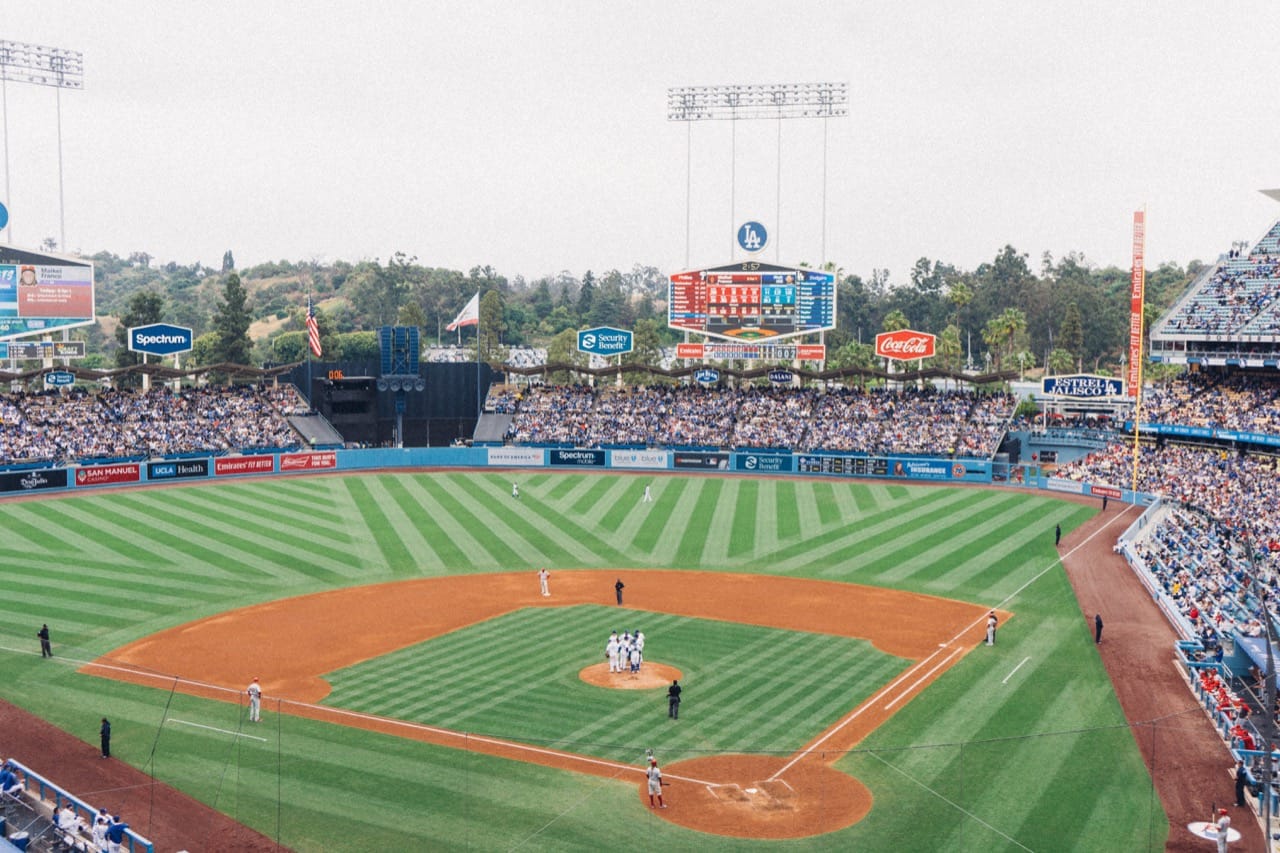

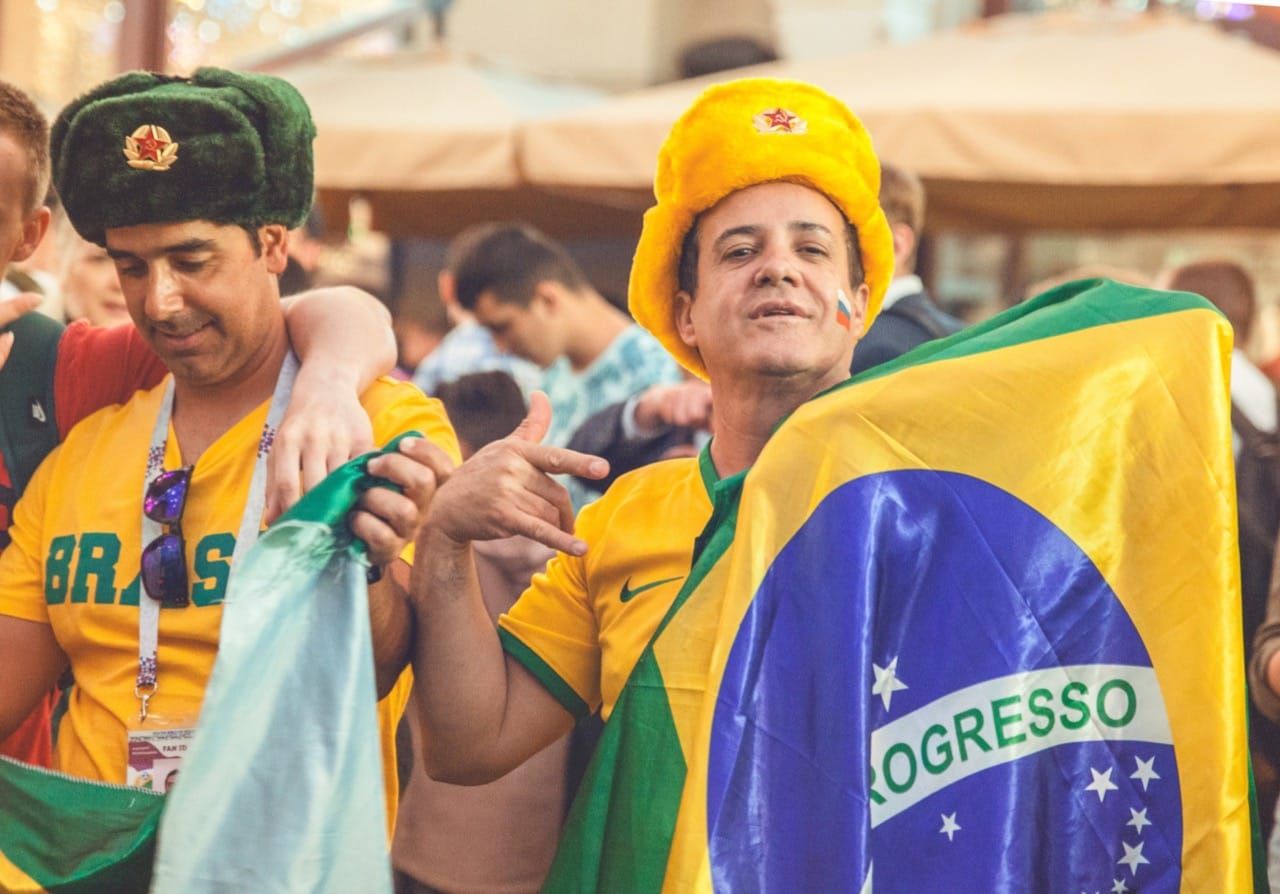
Introduction A great game can be decided by talent, tactics, and luck, but the atmosphere around it often determines how it is remembered. The roar of a crowd can make a routine match feel like a final, and fan culture has become a powerful force in sports worldwide. From coordinated chants to pregame rituals, supporters help create identity, pressure, and community. Understanding how fan traditions work adds a new layer to watching any sport, whether you are in the stands or following from home.
Home field advantage and the science of noise Home field advantage is not just a myth. Teams often perform better at home due to travel fatigue for opponents, familiarity with the venue, and subtle factors like lighting and field dimensions. But crowd influence is a major piece. Loud noise can disrupt communication, especially in sports with complex play calls such as American football and basketball. In some leagues, researchers have linked crowd pressure to officiating tendencies, where borderline decisions can tilt slightly toward the home side. Modern venues even consider acoustics in design, using steep stands and reflective surfaces to keep sound close to the field.
Chants, songs, and the language of belonging Chants are more than background noise. They are a shared script that turns thousands of strangers into a single voice. In football or soccer, many clubs have anthems sung before kickoff or after goals, and some songs become so tied to a team that visiting fans recognize them instantly. Supporter groups often lead call and response chants, using drums or megaphones to synchronize timing. The best chants are simple, rhythmic, and easy to learn, which is why they spread quickly across sections and even across countries.
Rituals, superstitions, and game day etiquette Fans build rituals to create consistency in an unpredictable sport. Lucky jerseys, the same pregame meal, or sitting in a particular seat are common habits. While these routines do not change the score directly, they strengthen attachment and make the experience feel personal. Stadium etiquette also matters. Some arenas have traditions like standing during key moments, remaining quiet for a kicker, or singing during a seventh inning stretch. Knowing local customs can help visiting fans enjoy the environment without accidentally disrupting it.
Tailgates, tifos, and visual culture In many sports, the party begins before the game. Tailgating, especially associated with American football, turns parking lots into temporary neighborhoods with food, music, and friendly rivalries. In other regions, fan marches and pub gatherings serve a similar purpose, building momentum long before the first whistle. Inside the stadium, tifos and banners create a visual statement. Large coordinated displays can take days to prepare and often communicate pride, history, or rivalry messages. They also show how organized supporters can be as creative as any marketing team.
Rivalries and the rules you do not see Rivalries are fueled by geography, history, and repeated high stakes meetings. They can be playful, but they can also carry real social meaning, reflecting local identity or class and cultural divides. Many fan communities have unwritten rules about what is acceptable, such as avoiding certain colors in rival territory or respecting moments of silence. Clubs and leagues increasingly work with supporter groups to promote safety and reduce harassment while preserving intensity.
Modern fandom: second screens and statistic debates Today, crowd culture extends beyond the venue. Social media watch parties, group chats, and livestream reactions let fans create a shared experience from anywhere. Analytics have also changed the way people argue about sports, shifting debates from gut feelings to expected goals, efficiency ratings, and win probability charts. This does not replace emotion, but it adds new vocabulary to the same old passion.
Conclusion The roar factor is not just volume. It is tradition, coordination, identity, and collective emotion. Fans shape pressure on opponents, lift their own team, and turn ordinary moments into stories that last for decades. Learning the rituals and meanings behind crowd behavior makes every match richer, and it prepares you to recognize the small details that separate a loud stadium from a legendary one.