Cleats, Calls, and Clutch: What’s Your Football Personality?

About This Quiz
Game day reveals more than your favorite team—it shows how you think, lead, and handle pressure. This quiz maps your football personality across 12 quick scenarios: from how you prep for kickoff to what you do after a tough loss. Are you the calm strategist who reads the field like a chessboard, the high-energy spark who lifts everyone’s intensity, the steady teammate who keeps the group grounded, or the clutch closer who wants the ball when it matters most? Choose the answer that feels most like you, not what sounds “right.” At the end, you’ll land on one of four personality types inspired by how people naturally show up in football culture—whether you’re on the field, on the couch, or calling plays from your group chat.
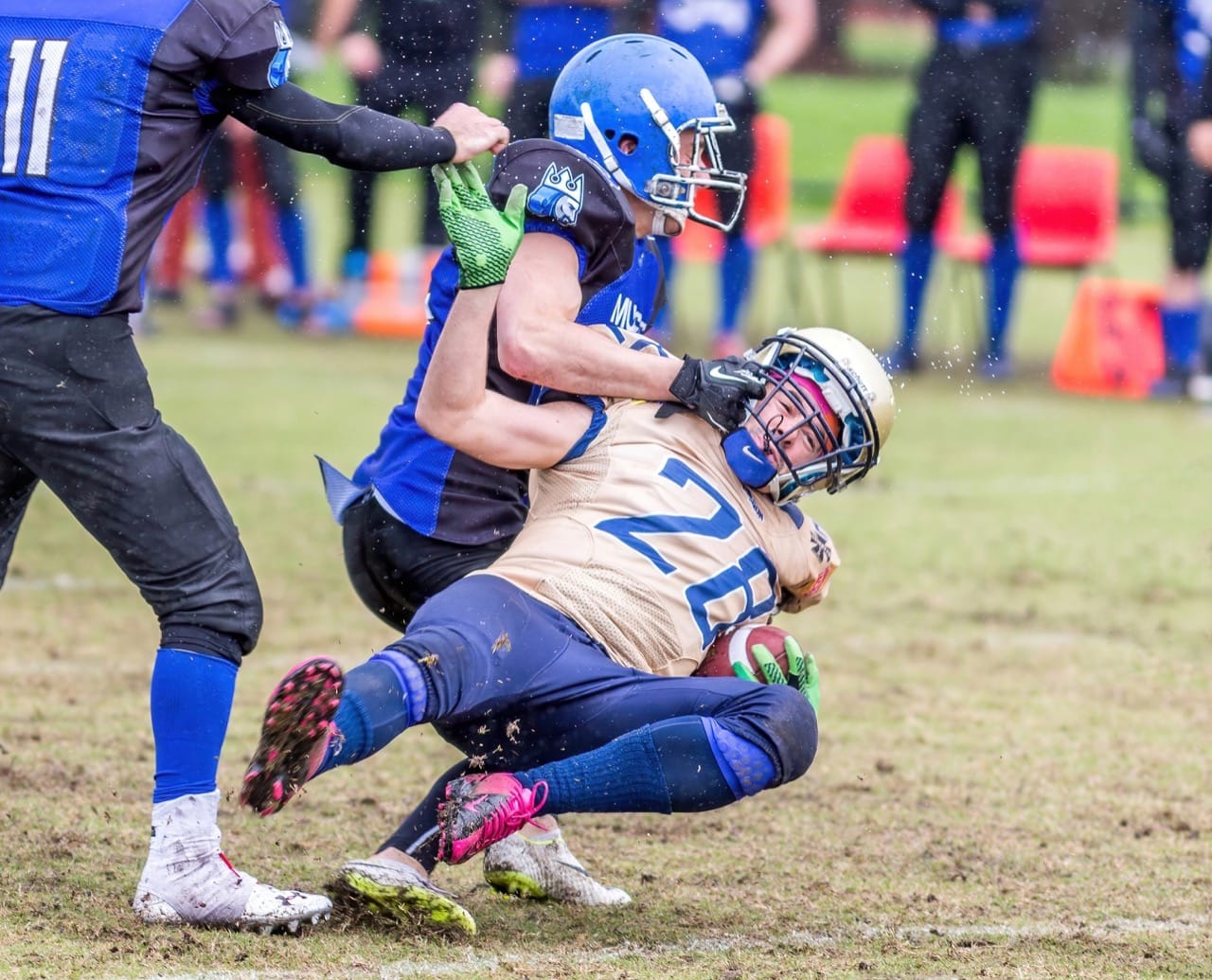
It’s game day. What’s your pre-kickoff routine?
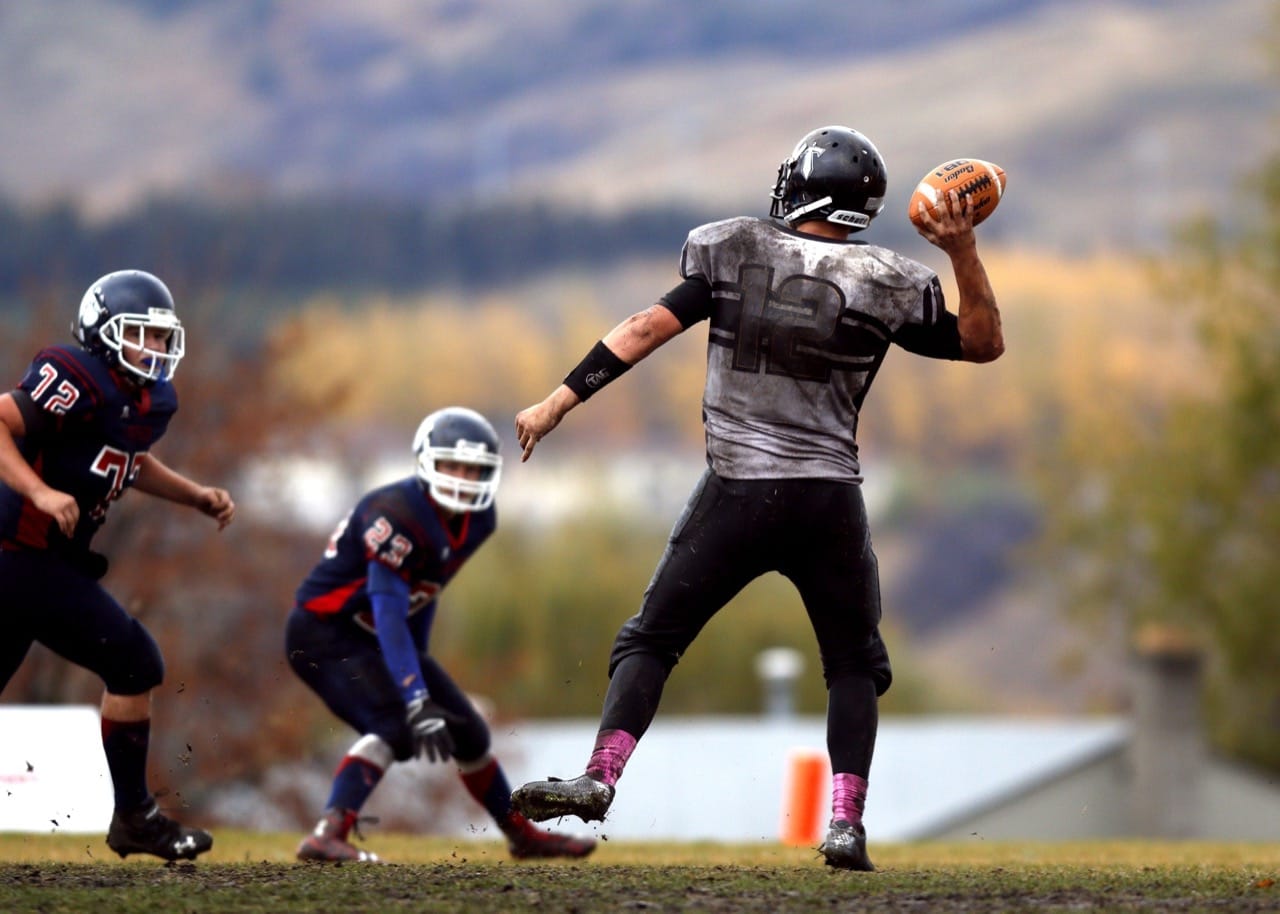
Your friend is new to football. How do you explain the game?
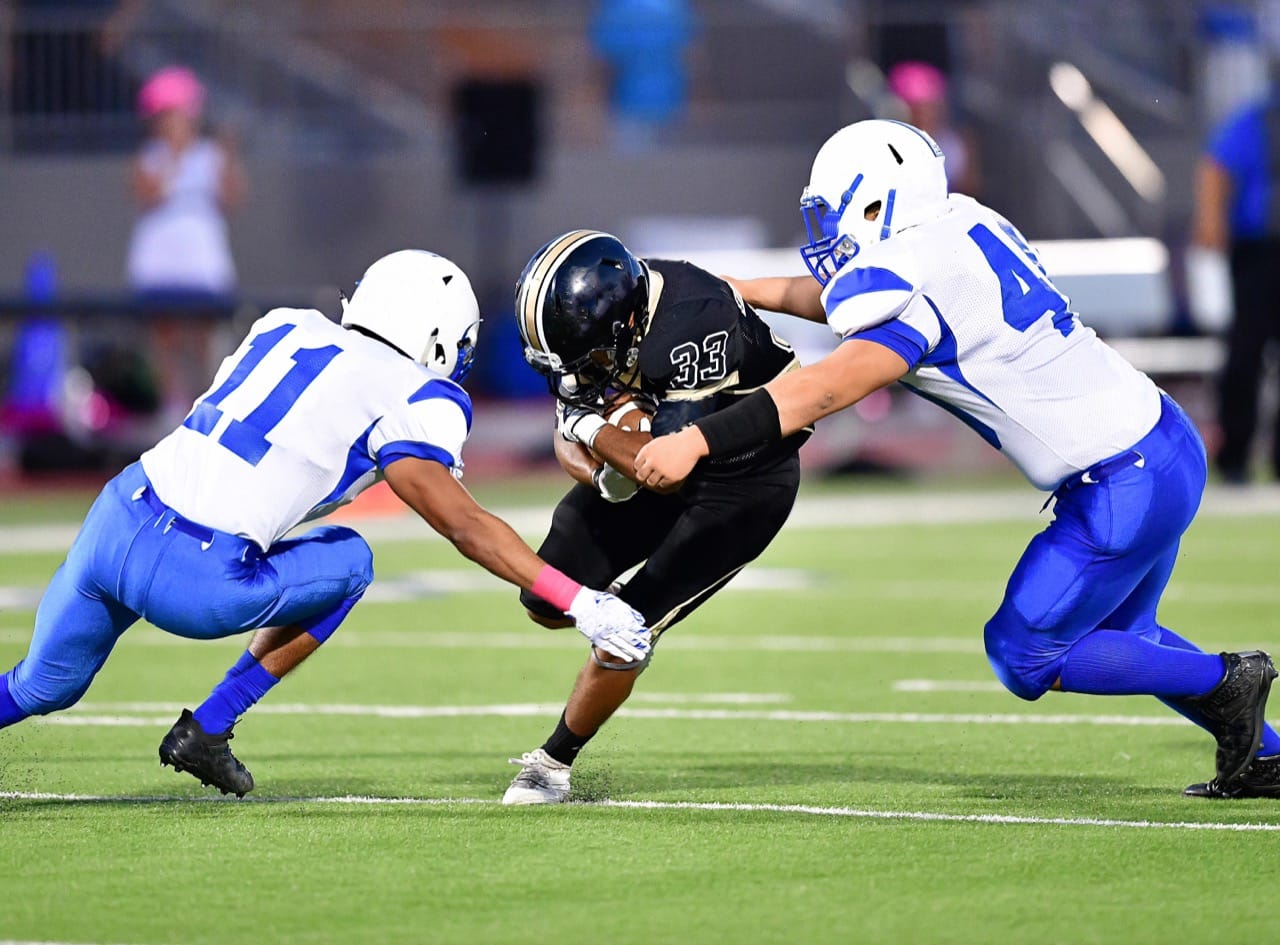
How do you handle trash talk?

What kind of teammate annoys you the most?
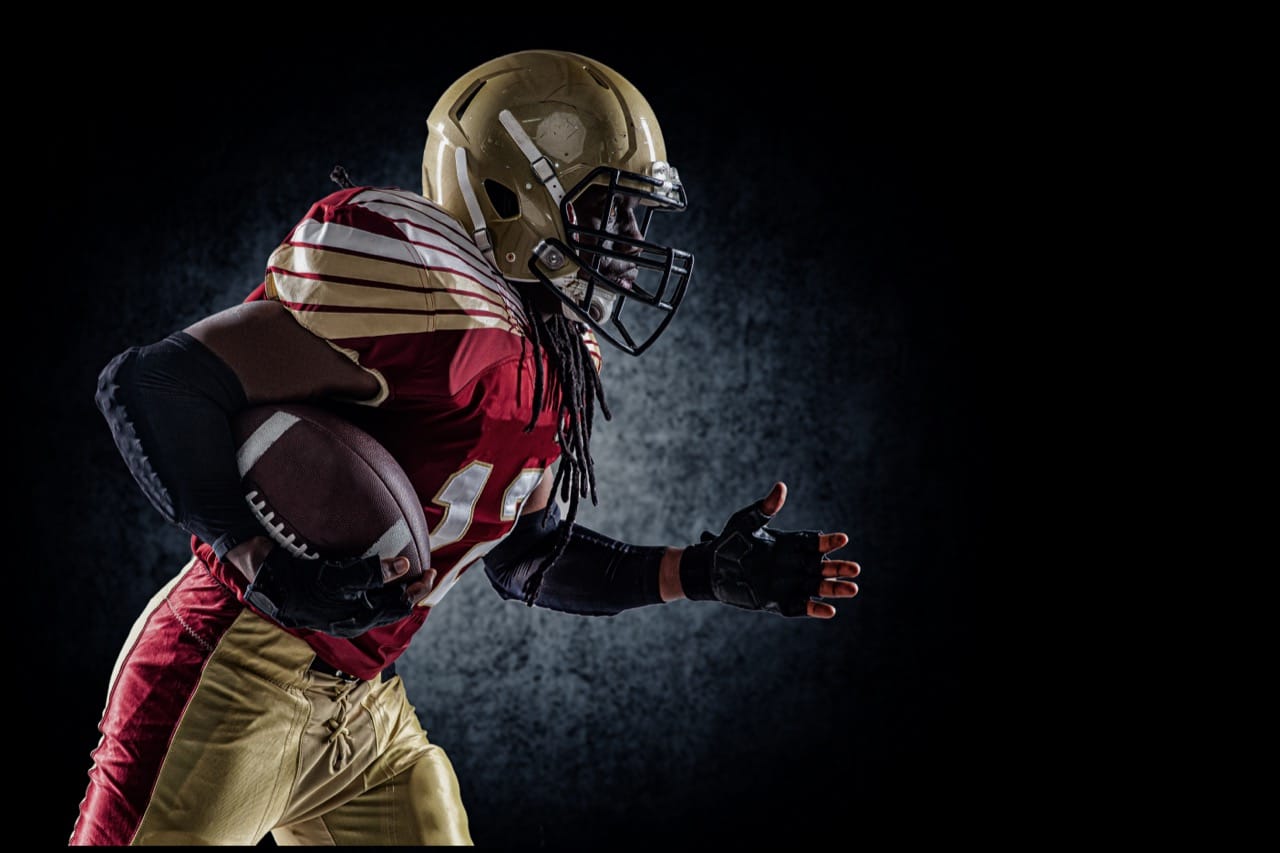
Your team goes down early. What do you do first?

Your team loses a tough one. What’s your postgame vibe?
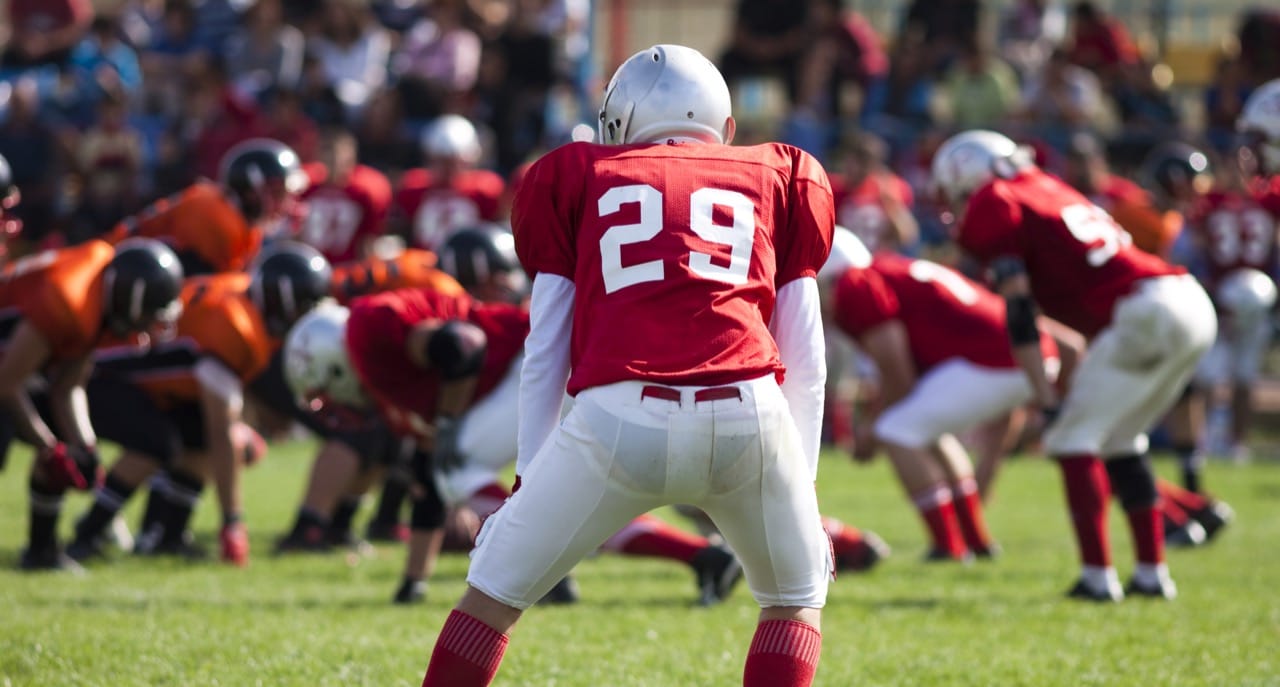
Pick your ideal role on a team.

You’re choosing a team motto. Which fits best?
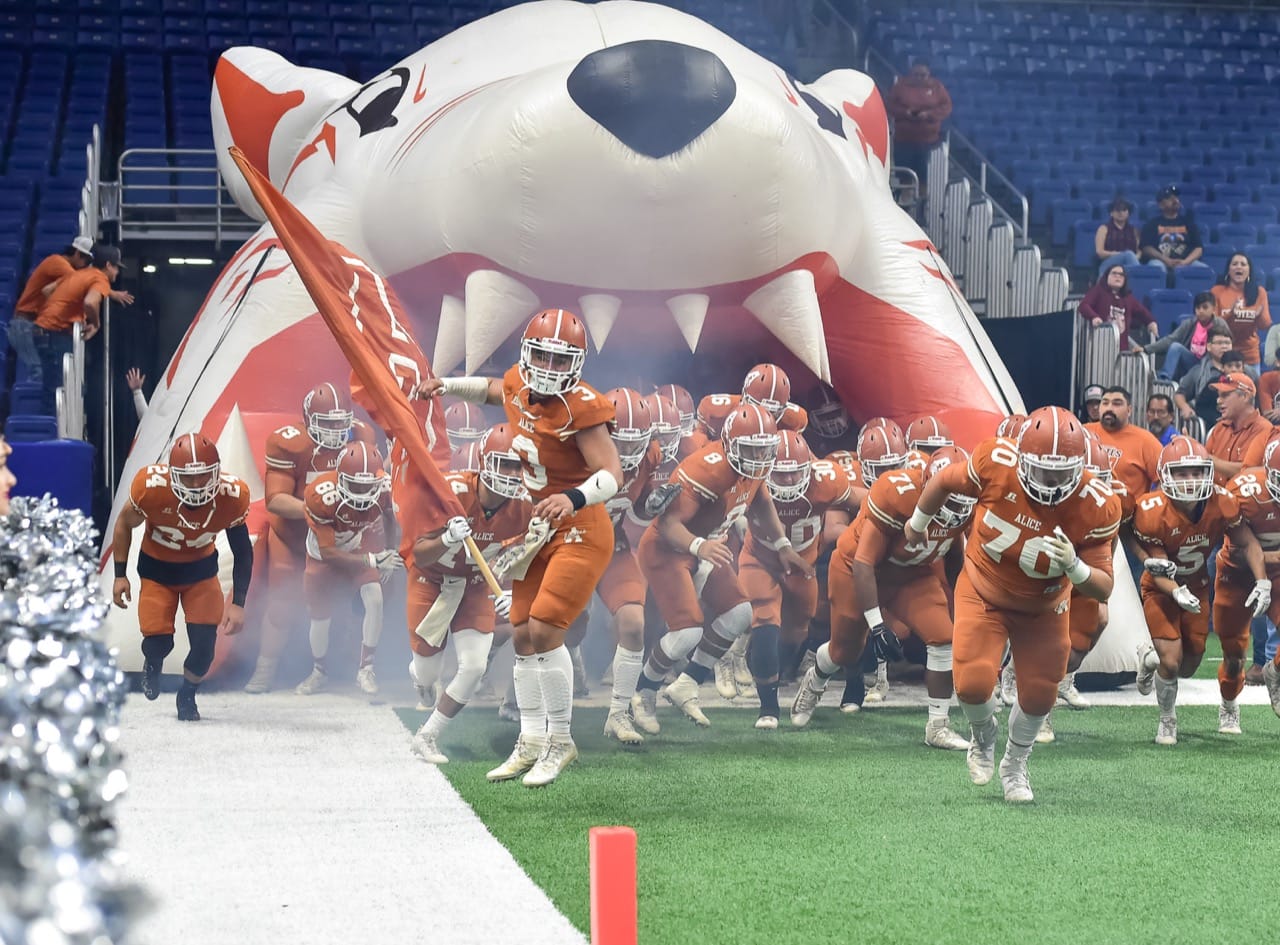
Fourth down decision: go for it or punt?

What’s your favorite kind of highlight?
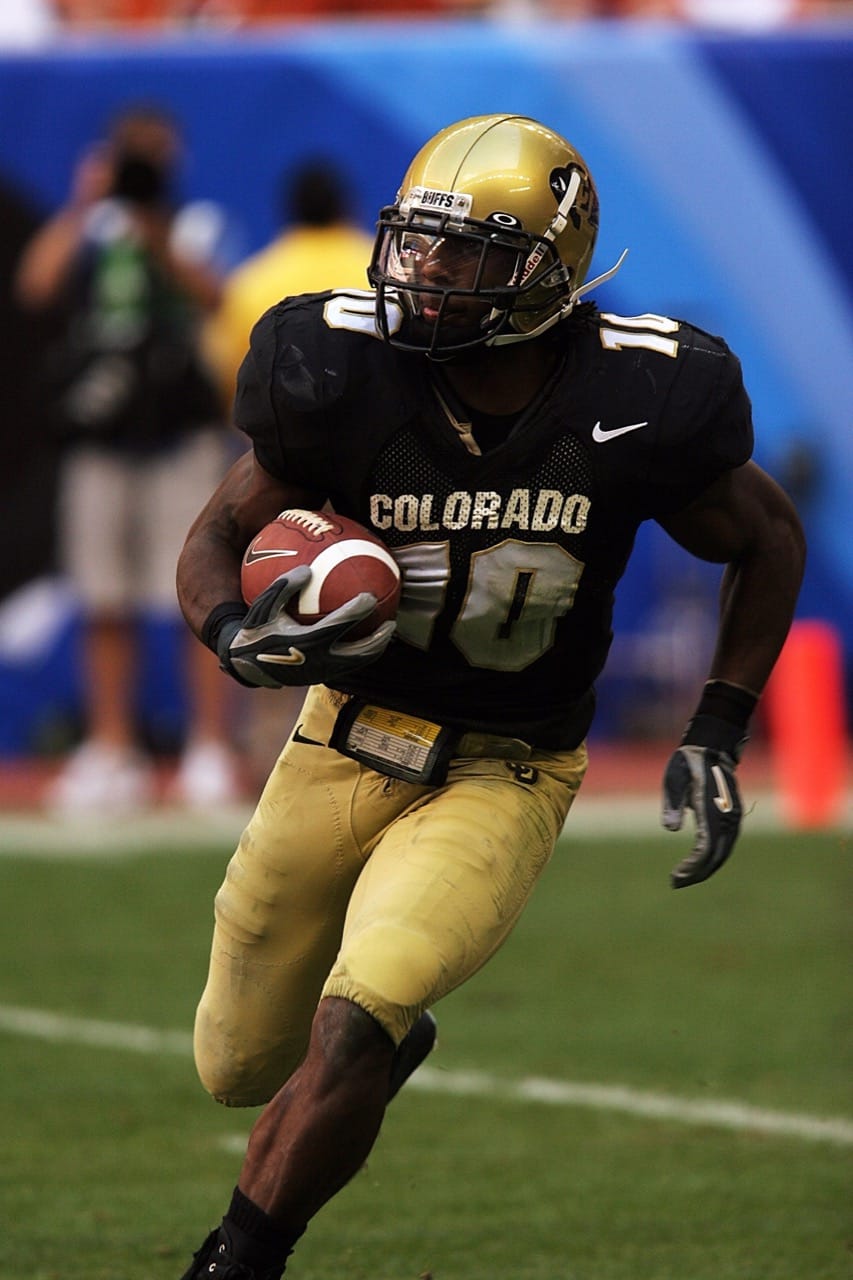
In the final two minutes, what are you thinking?

How do you react to a bad call from the refs?
Cleats, Calls, and Clutch: What Your Football Personality Says About You
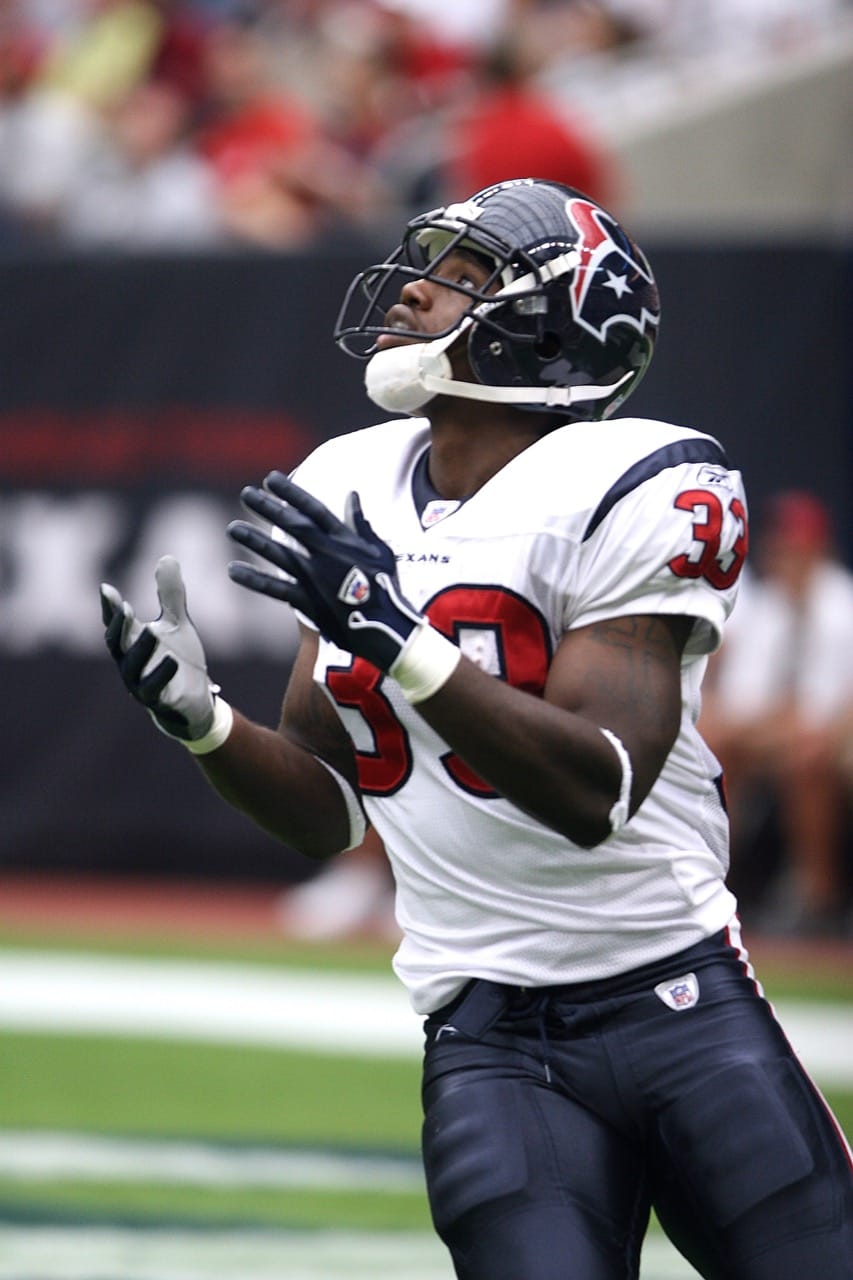
Football is often described as a game of inches, but game day also reveals something less measurable: how you operate under pressure. Whether you are wearing shoulder pads, watching from the couch, or running the group chat like a sideline coordinator, the choices you make around football tend to mirror your real-life habits. A personality quiz built around quick football scenarios can be more than entertainment. It can highlight your decision-making style, your leadership instincts, and the way you respond when things do not go your way.
One common football personality is the calm strategist. Strategists prepare early, notice patterns, and stay composed when the stadium gets loud. In football terms, they are the people who watch safeties shift before the snap, remember what worked on third down, and think two plays ahead. This mindset matches roles like quarterback, coordinator, or any player responsible for reading the field. A fun fact: many teams script the first 10 to 20 offensive plays, not because they expect them all to work, but because planning reduces chaos and helps reveal how a defense will react. If you lean strategist, your strength is making sense of complexity. Your challenge is avoiding analysis paralysis when a quick decision is needed.
Another type is the high-energy spark. Sparks bring urgency, emotion, and momentum. They are the ones who celebrate a big stop, rally teammates after a mistake, and make the atmosphere feel alive. Football is physical, but it is also psychological, and emotion can shift performance. Coaches talk about momentum even though it is hard to quantify, because confidence and focus are contagious. If you are a spark, you tend to lift others, especially when energy dips. The watch-out is burning too hot. Great sparks learn to channel intensity into discipline, so excitement does not turn into penalties or rushed choices.
A third personality is the steady teammate. Steady types are dependable, consistent, and team-first. They might not demand the spotlight, but they keep the group grounded and functional. Football rosters are built on specialists and role players: the lineman who sets the pocket, the gunner who sprints down on punts, the veteran who calms a huddle. These contributions rarely become highlights, yet they decide games. If you are steady, people trust you because you show up the same way every week. Your growth edge is speaking up sooner, especially when you see a problem coming.
Finally, there is the clutch closer. Closers want the ball when the outcome is on the line. They thrive in two-minute drills, on fourth down, or in a last-second defensive stand. Under pressure, some people narrow their focus and perform better, a phenomenon sports psychologists often connect to routines and confidence built through repetition. In football, coaches practice situational drills constantly because late-game moments are not the time to improvise your mindset. If you are a closer, your strength is courage and accountability. Your challenge is remembering that clutch moments are usually created by earlier, quieter work from the whole team.
In the end, your football personality is not a box. Most people blend traits depending on the setting: strategist at work, spark with friends, steady at home, closer when it matters. The value of a quiz is noticing your default settings. When you know how you naturally show up, you can lean into your strengths, manage your blind spots, and become the kind of teammate everyone wants on their sideline, in their living room, or in their group chat.