


Football can look chaotic at first glance, but the action is built on a simple set of goals and a surprisingly precise rulebook. Once you understand how the field, the clock, and the down system fit together, the sport becomes easier to follow and a lot more fun to analyze. The basics also explain why teams sometimes choose a punt over a risky play, or why a small penalty can completely change a drive.
The field is 100 yards long between the goal lines, with end zones extending 10 yards at each end. Yard lines and hash marks help officials spot the ball and guide play alignment. The offense tries to move the ball toward the opponent’s end zone, while the defense tries to stop progress, force a turnover, or push the offense into a difficult situation.
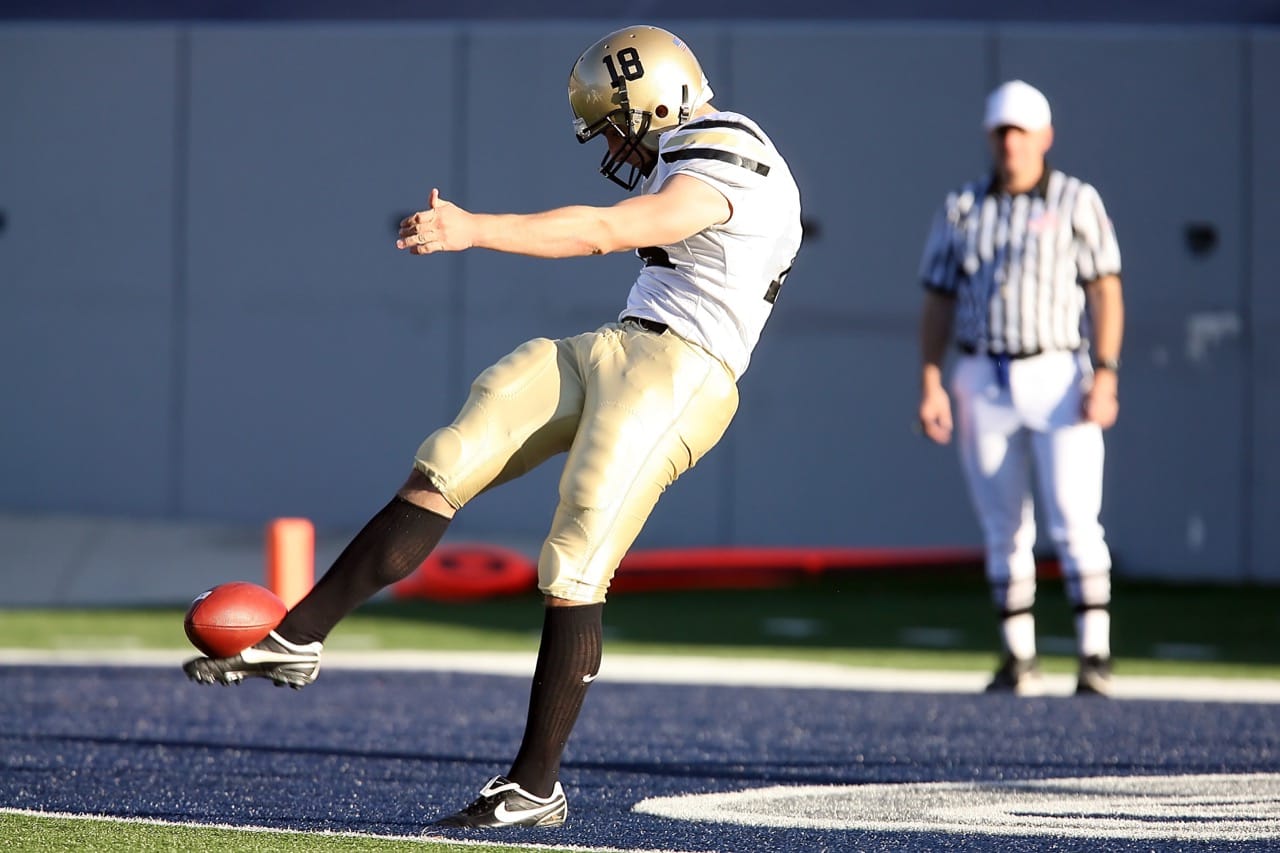
The down system is the engine of the game. The offense has four downs to gain 10 yards. If it succeeds, it earns a new set of four downs, called a first down. If it fails after three downs, the team must decide what to do on fourth down. Going for it can keep a drive alive, but failure hands the opponent the ball at that spot. That risk is why punting is so common: a punt voluntarily gives up possession but typically pins the other team farther away, improving field position. Another common fourth down choice is the field goal attempt, especially if the offense is close enough that the kicker has a realistic chance.
Scoring is straightforward but strategic. A touchdown is worth six points. After a touchdown, teams choose between an extra point kick for one point or a two point conversion attempt from short range for two points. Field goals are worth three points. A safety is worth two points and happens when the offense is tackled in its own end zone or commits certain fouls there, and it also gives the scoring team the ball afterward via a free kick.
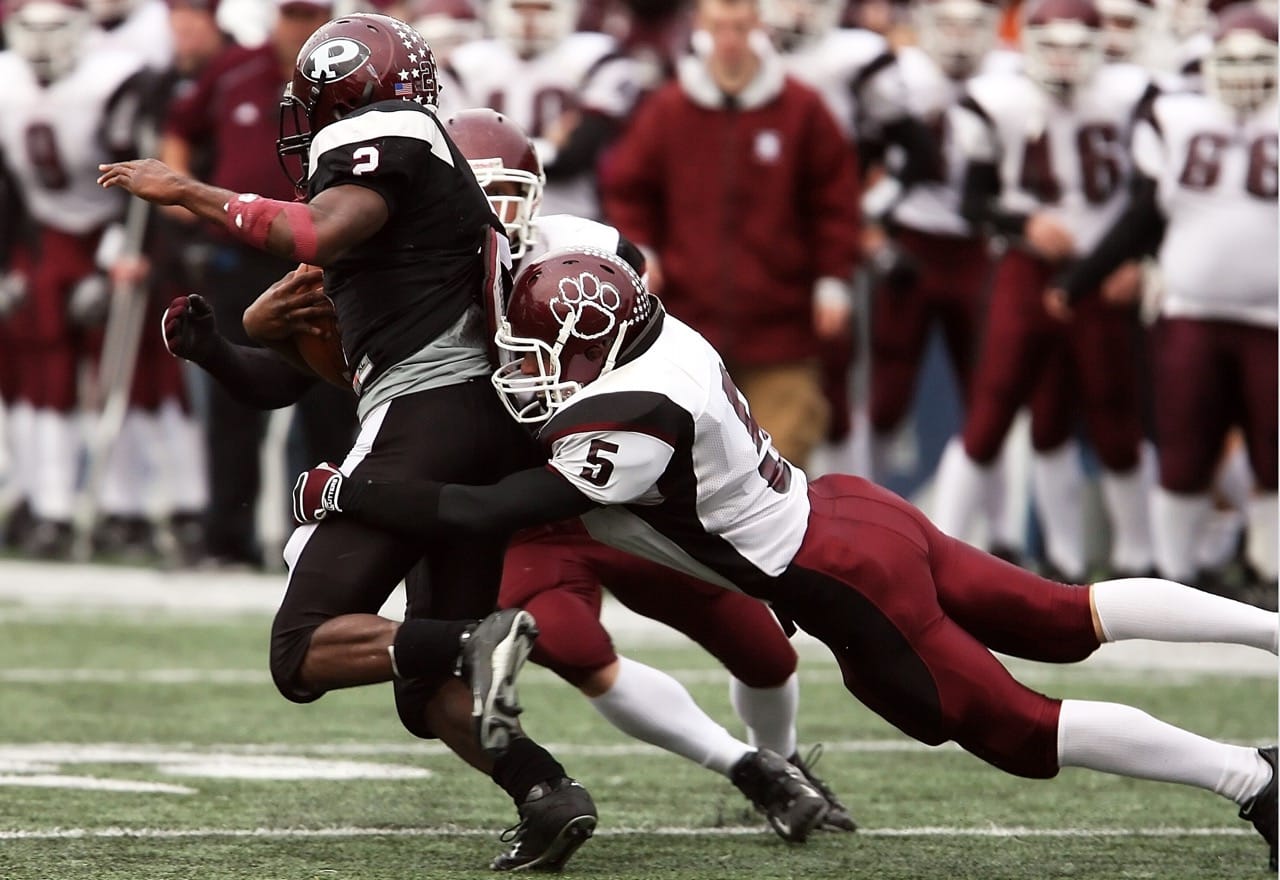
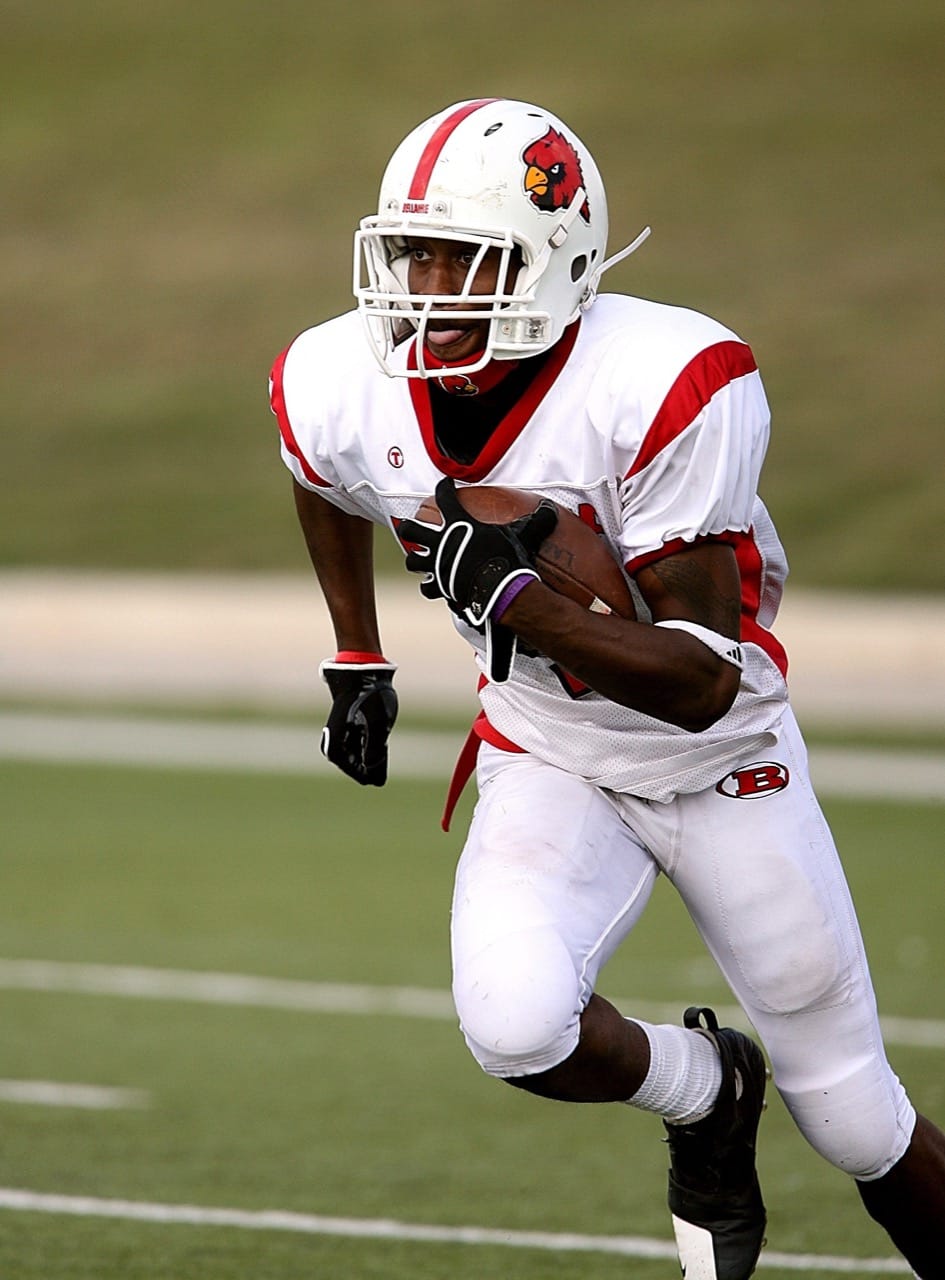
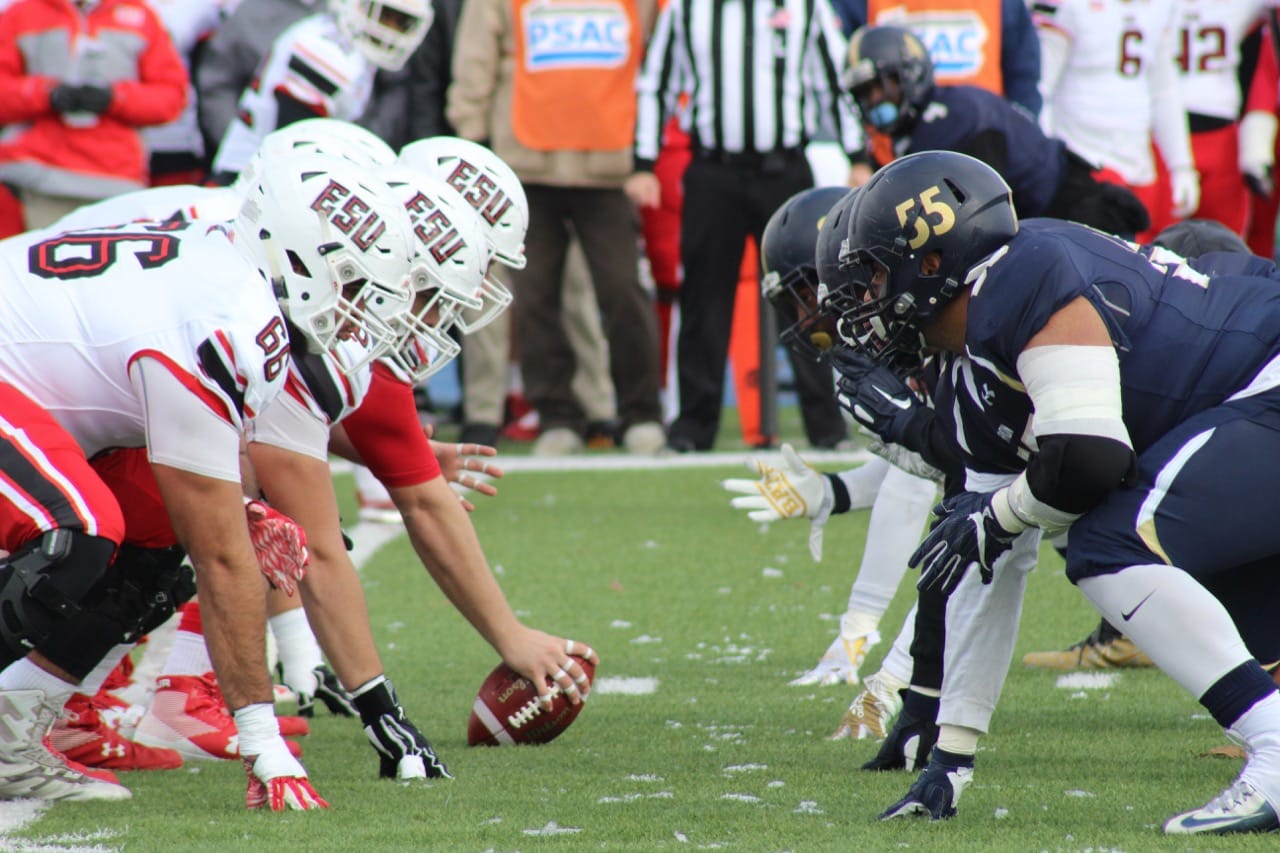
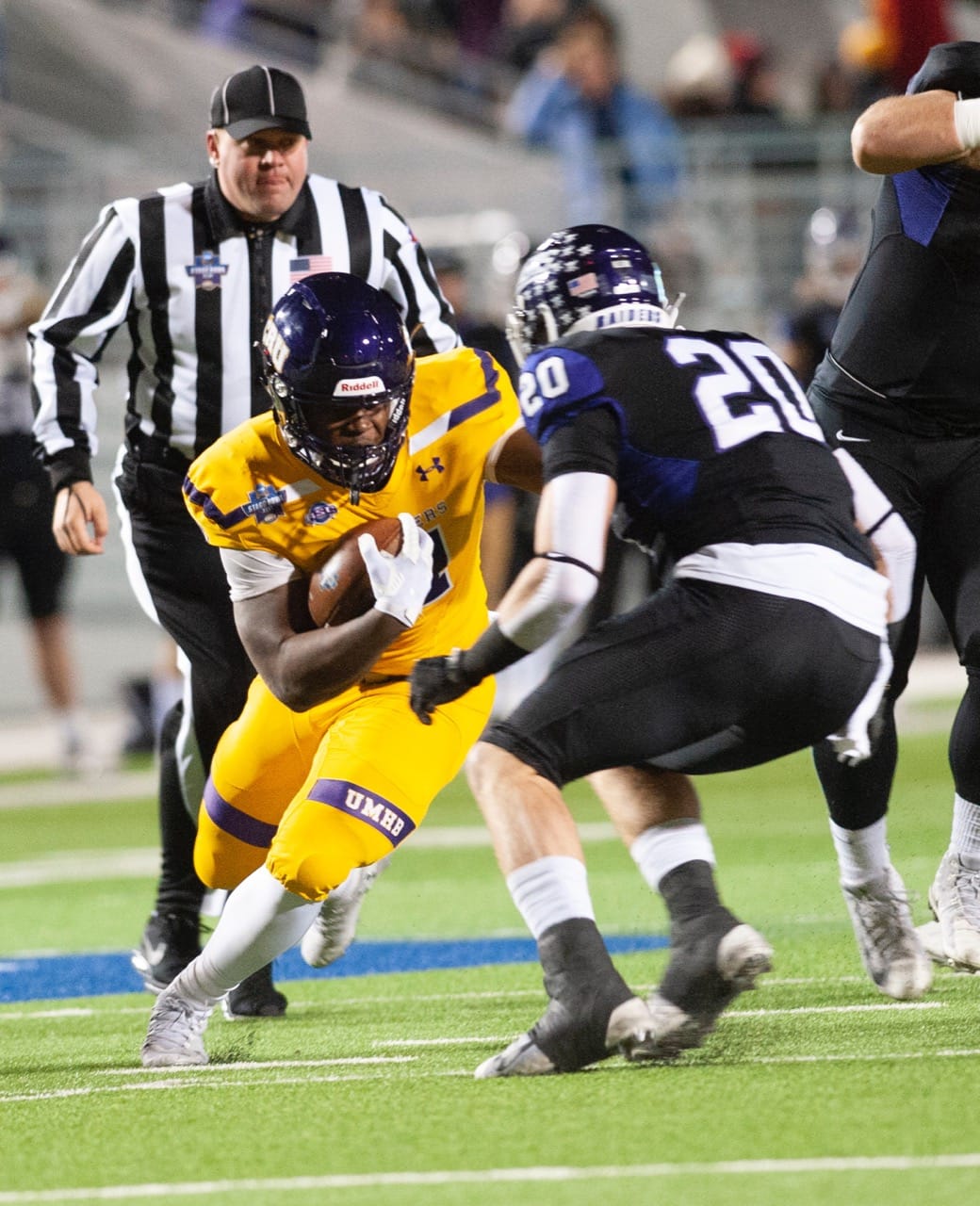
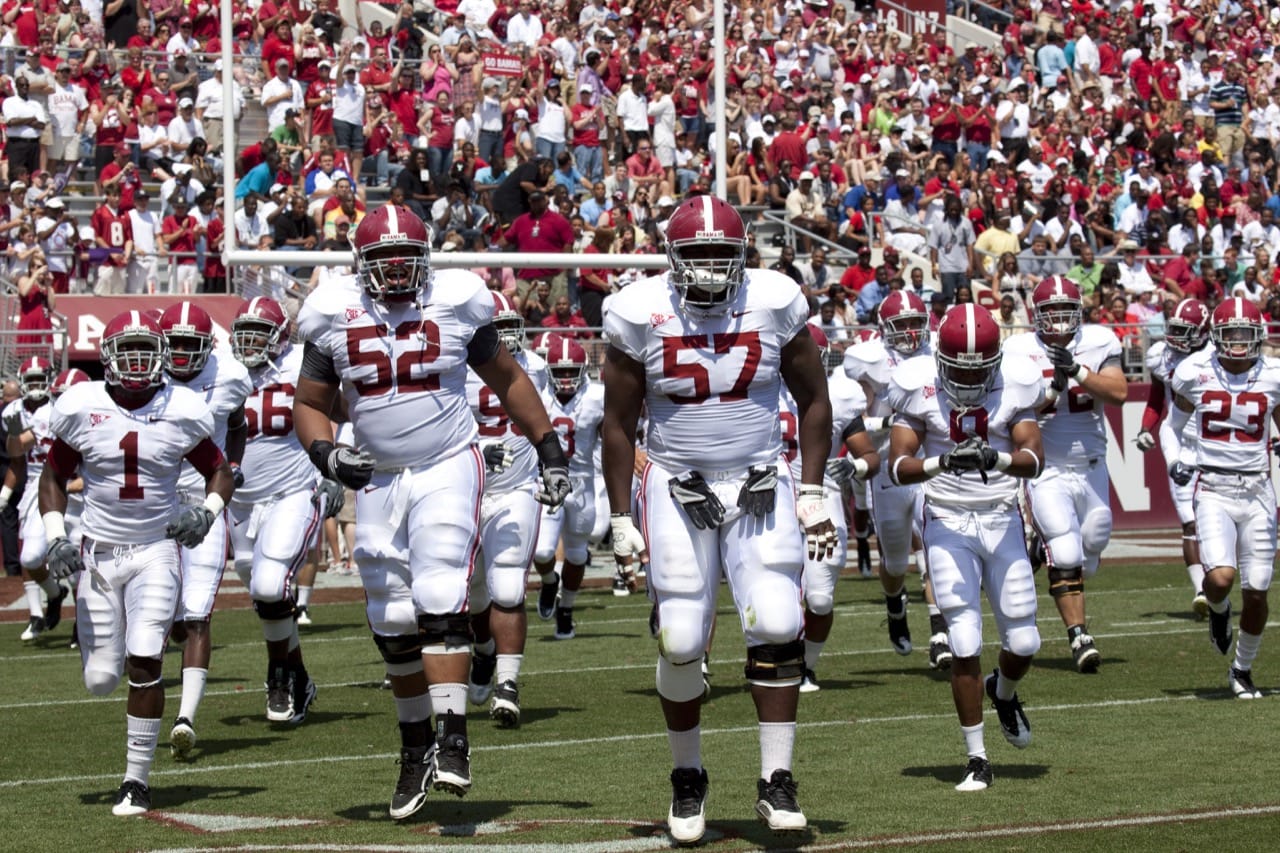
Positions and roles explain many play calls. The quarterback directs the offense, taking a snap and deciding whether to pass, hand off, or run. Running backs carry the ball and block. Wide receivers and tight ends run routes and catch passes, with tight ends often balancing receiving and blocking duties. The offensive line protects the quarterback and creates running lanes, and much of the game is won or lost in these trench battles. On defense, linemen rush the passer and stop runs, linebackers read plays and tackle, and defensive backs cover receivers and try to intercept passes.
Clock rules add another layer. Games are divided into four quarters, but the clock stops for specific events such as incomplete passes, players going out of bounds in many situations, timeouts, and certain penalties. Teams manage the clock by staying in bounds to keep it running, spiking the ball to stop it quickly, or using the middle of the field only when they have timeouts or enough time to get set for the next snap.
Penalties can swing momentum. A false start is an offensive pre snap mistake that usually costs five yards. Offside is a defensive pre snap error. Holding often wipes out big gains. Pass interference can create huge yardage changes, especially on deep throws. Some penalties give an automatic first down, which is why discipline matters as much as athleticism.
Football is a game of controlled risk. Every punt, blitz, and fourth down decision reflects a tradeoff between points, field position, and time. Knowing the fundamentals turns announcer phrases like first and ten, red zone, and clock management into clear ideas you can track play by play. With these basics in mind, the next matchup will feel less like noise and more like a fast moving strategy contest.