


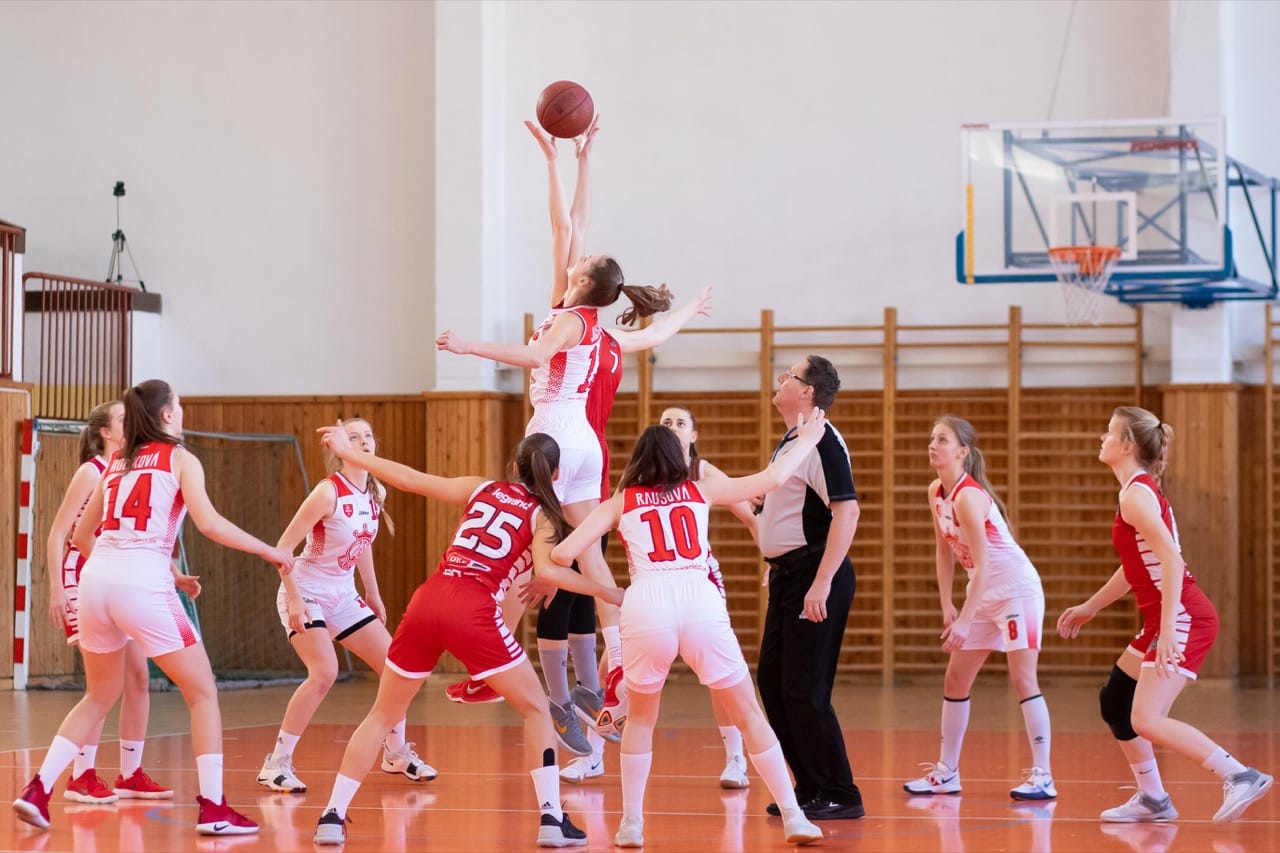
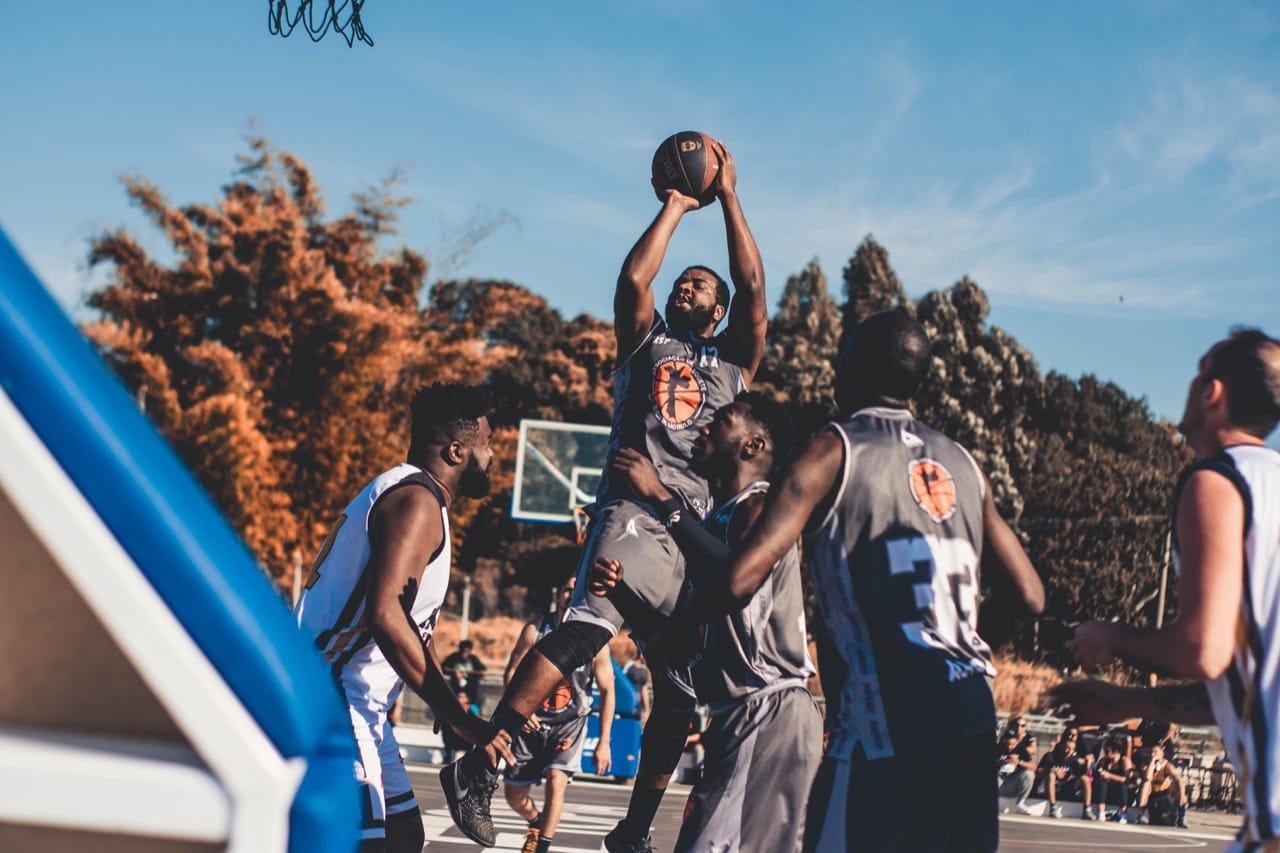

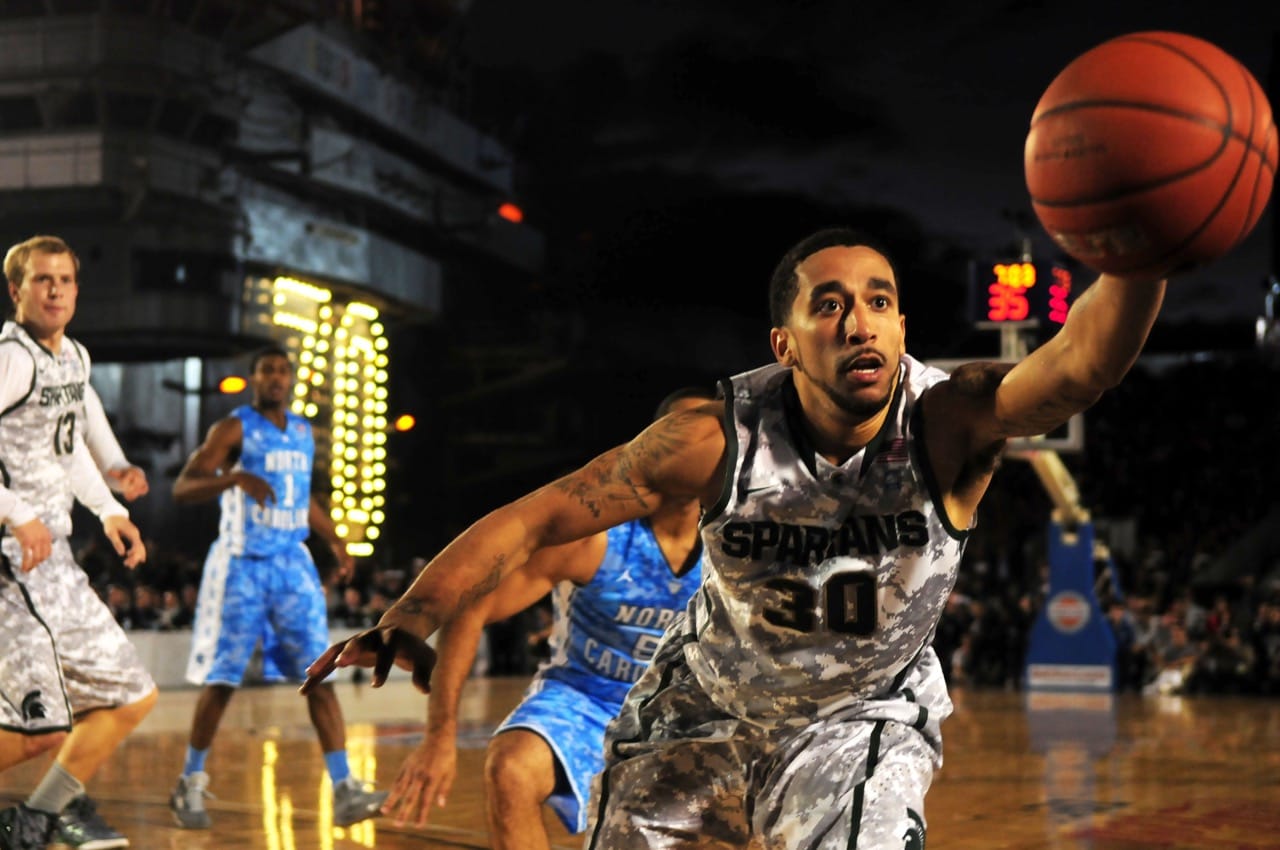
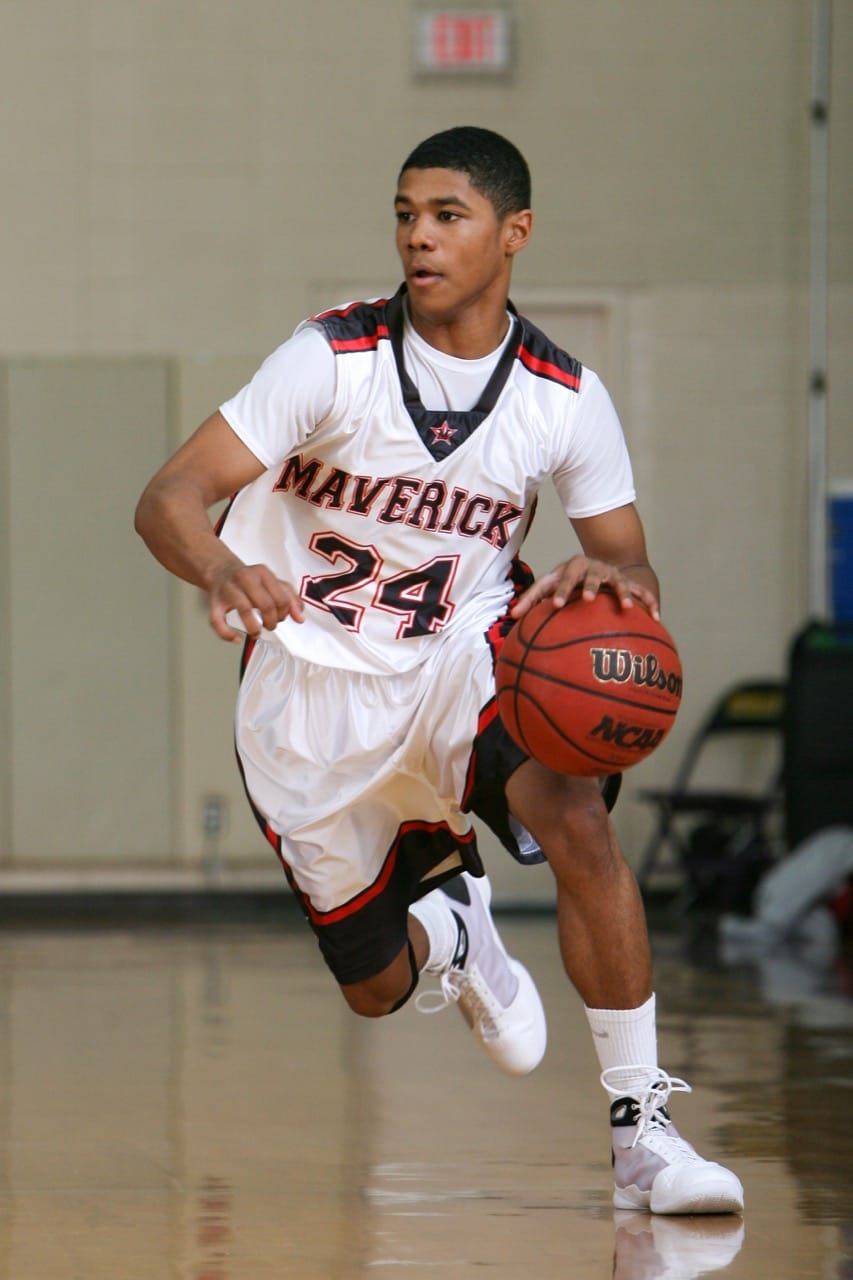
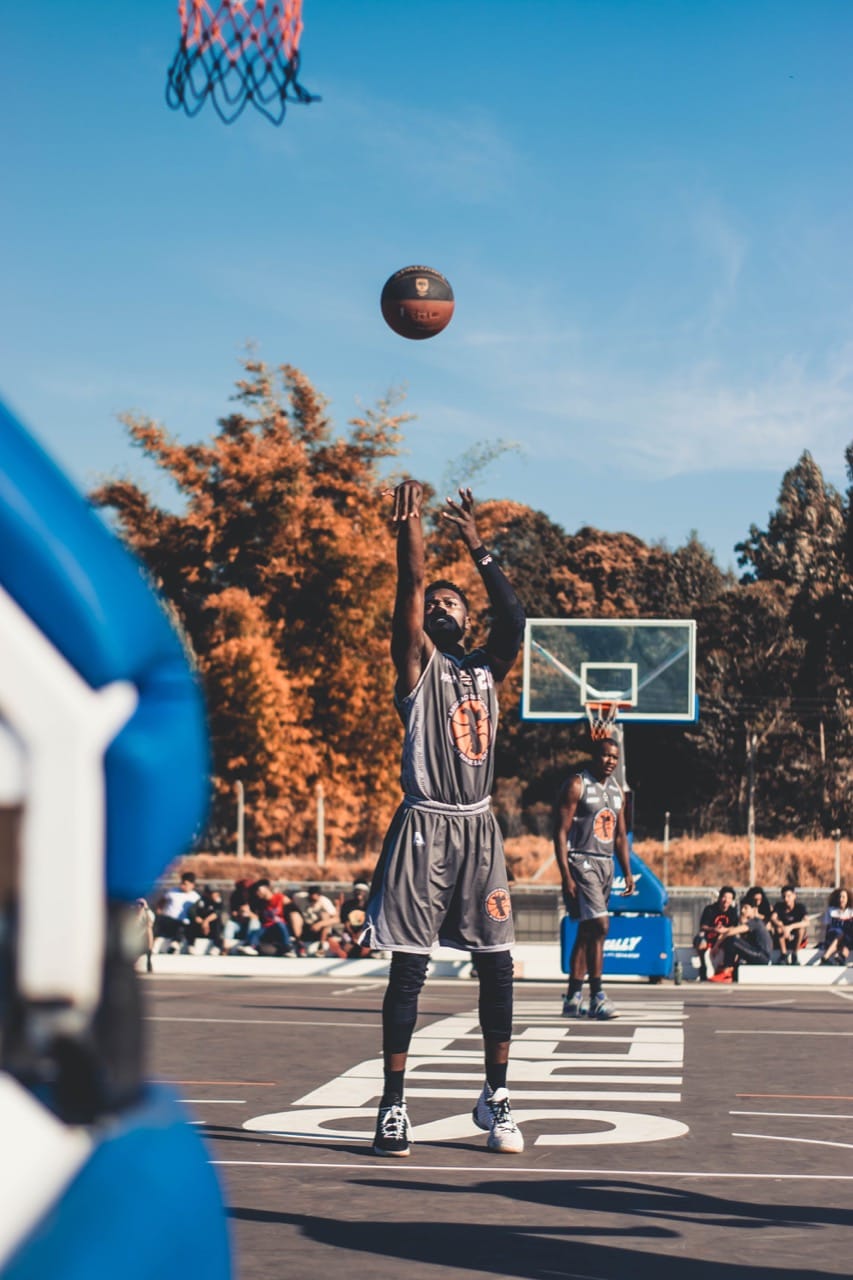
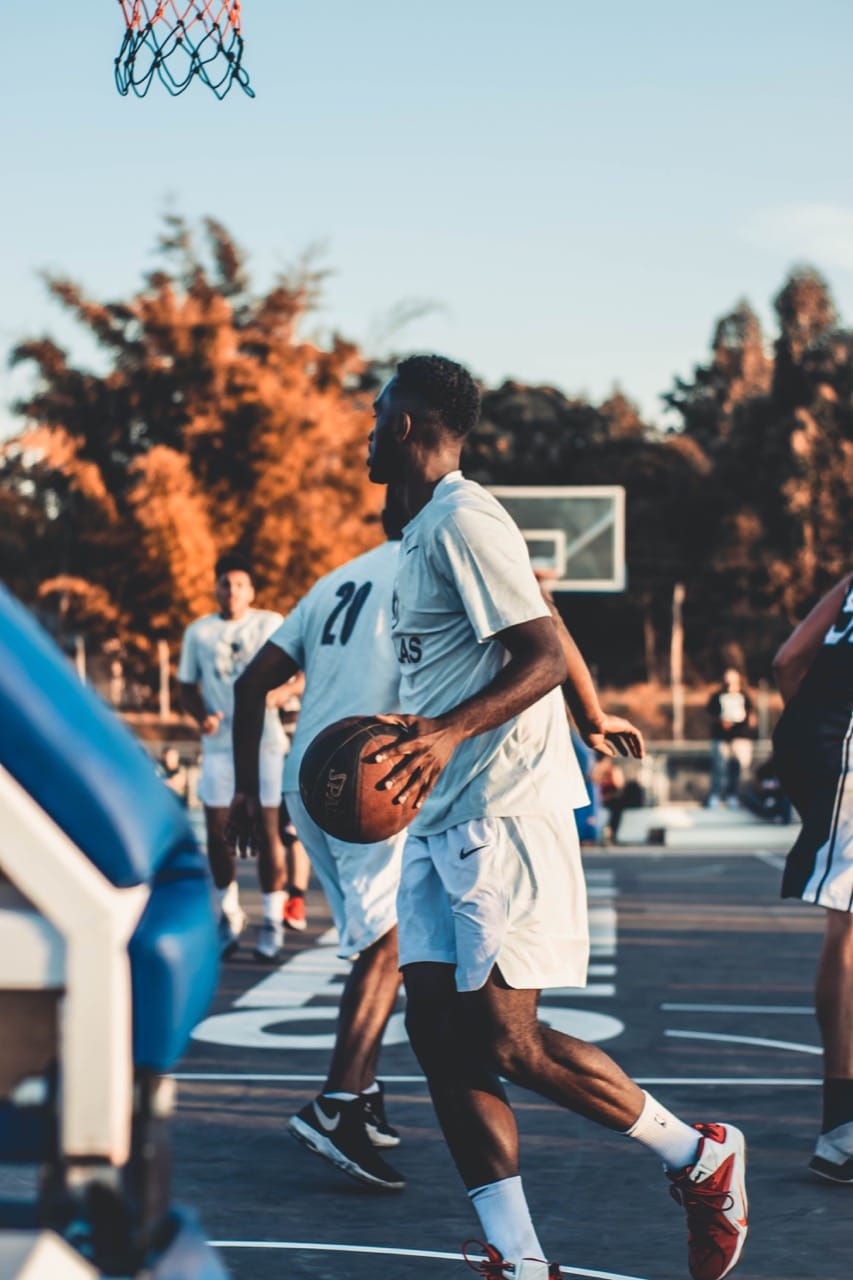
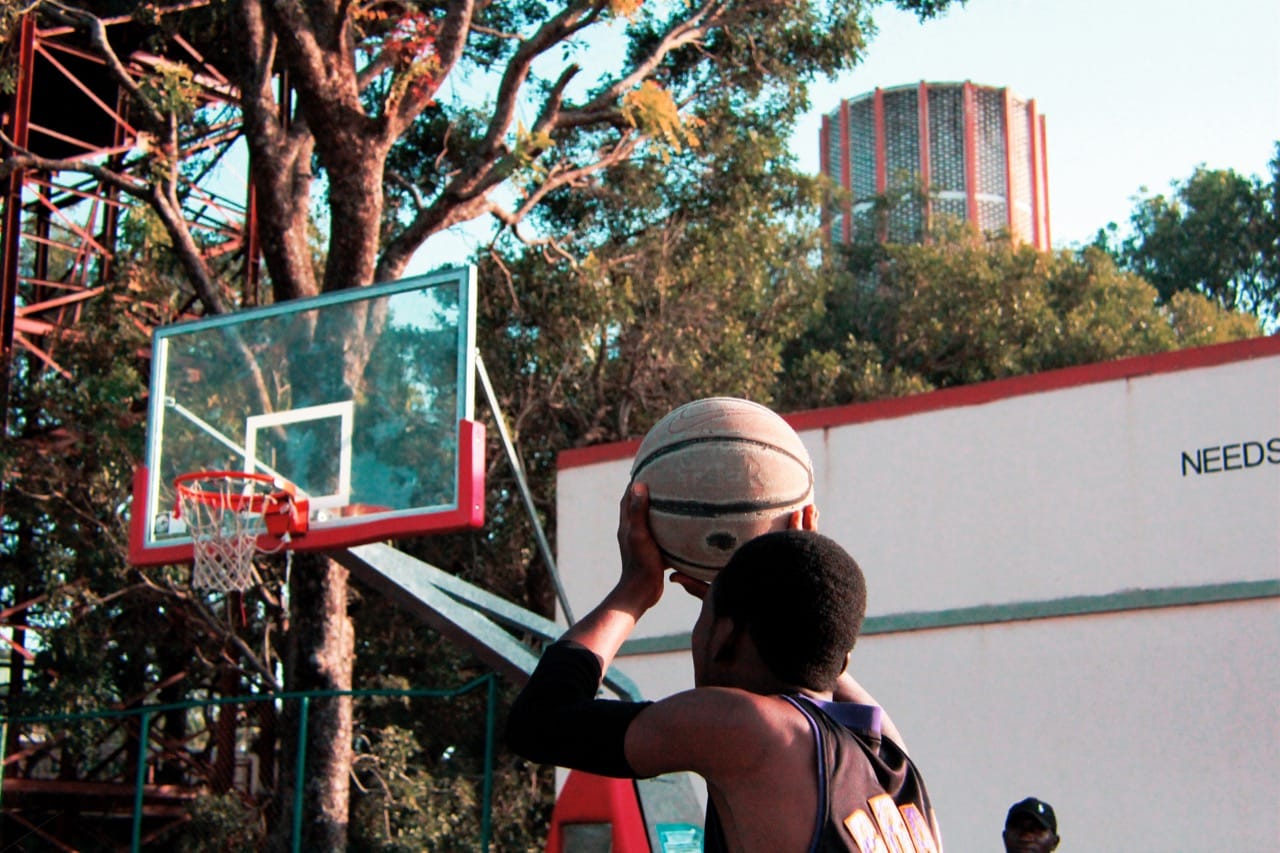
Introduction Basketball feels timeless, yet many of the things fans now consider essential were invented to solve specific problems: crowded play, stalling, rough contact, or the simple need for a fair shot at the rim. The sport’s story is a chain of innovations and unforgettable performances, from early gymnasiums to modern arenas where strategy is as important as athleticism. Understanding how the rules, tactics, and stars evolved makes every trivia question more satisfying, because the answers connect to why the game looks the way it does today.
Origins and key innovations One of the earliest turning points was the backboard. It was not originally a design flourish; it helped prevent spectators from interfering with shots when baskets were mounted on balconies. The rim itself changed too. Early games used peach baskets that required retrieving the ball after every make. As equipment improved, open nets and standardized rims allowed play to flow.
Rule changes did even more. The shot clock was introduced to stop teams from holding the ball for long stretches to protect a lead, a tactic that could turn games into slow-motion stalemates. By forcing a shot within a set time, the clock increased pace, scoring, and late-game drama. The three-point line was another revolution. It rewarded long-range shooting, stretched defenses, and created new roles for players who could space the floor. Over time, it reshaped roster building and strategy, as teams learned that three points can outweigh a steady diet of midrange attempts.
Tactics behind spacing, switching, and the modern game Today’s basketball is often described as a game of space. Spacing means placing shooters and cutters so defenders cannot crowd the paint without giving up open looks. This is why a reliable outside shooter can be valuable even without taking many shots; their presence changes where defenders stand.
Switching is a defensive tactic that became more common as players grew more versatile. Instead of fighting through every screen, defenders may exchange assignments to prevent open shots. The tradeoff is that switching can create mismatches, such as a smaller guard defending a bigger scorer near the rim. Many modern offenses are designed to hunt these mismatches through pick-and-rolls, quick re-screens, and isolations.
Fast breaks remain a crowd favorite, but they are also a tactical choice. Teams that rebound and push can score before the defense is set, turning defense into instant offense. Even in half-court play, the best teams look for early opportunities, like a quick drive before help defenders arrive.
Legends, records, and championship lore Basketball trivia often revolves around iconic names, but the most interesting questions link stars to the eras they defined. Dominant centers once anchored offenses near the basket, while later generations emphasized perimeter creation and shooting. The greatest players tend to be those who forced the league to adapt, whether through unstoppable scoring moves, elite passing that unlocked teammates, or defensive excellence that erased opponents’ best options.
Championship history adds another layer. Dynasties form when talent, coaching, and timing align, but titles often hinge on a few possessions: a late steal, a perfectly executed inbound play, or a buzzer beater that becomes part of sports mythology. Awards and statistical milestones matter because they capture sustained excellence, yet a single signature moment can define a career in the public memory.
International milestones and the sport’s expansion Basketball’s global growth is one of its most important modern stories. International competitions raised the sport’s profile, and the movement of players across leagues brought new styles and skills. As more countries invested in development, the talent pool widened, and the game became richer and more diverse in approach. Today, fans can see different philosophies collide: physical interior play, precision shooting, motion offenses, and disciplined team defense.
Conclusion The fun of a quiz like Hardwood Legends and High-Arc Mysteries is that it rewards both broad knowledge and small details. Basketball is built on inventions like the backboard, pace-changing rules like the shot clock, and strategic ideas like spacing and switching. Add legendary performances, championship drama, and international growth, and you get a sport where every era leaves clues for the next. The next time a question asks about a rule change or a record, it is really asking how the game became what it is today.