











Introduction Baseball is often described as a simple game made endlessly complex by its details. A bat meets a ball, fielders chase it, and runners try to steal ninety feet at a time. Yet the sport’s real charm lives in the layers: the strategy hidden in pitch selection, the tiny rulebook corners that appear only when something strange happens, and the records that sound made up until you check the numbers. If you enjoy quizzes about the game, you already know the fun is in connecting famous moments with the less obvious facts that explain why they mattered.
Legends, milestones, and why they stick Baseball history is packed with names that became shorthand for excellence. Babe Ruth helped define the power era, Jackie Robinson changed the sport and the country by breaking the color barrier, and Willie Mays blended offense and defense so completely that highlights still feel modern. Pitching lore is just as rich, from Sandy Koufax’s dominance to Nolan Ryan’s longevity. Records can be surprisingly specific: hitting safely in 56 straight games, throwing a perfect game, or driving in runs at a pace that seems impossible today. What makes these feats quiz friendly is that they connect to context. A record is not just a number; it reflects the era’s ballparks, travel, training, and even how the strike zone was called.
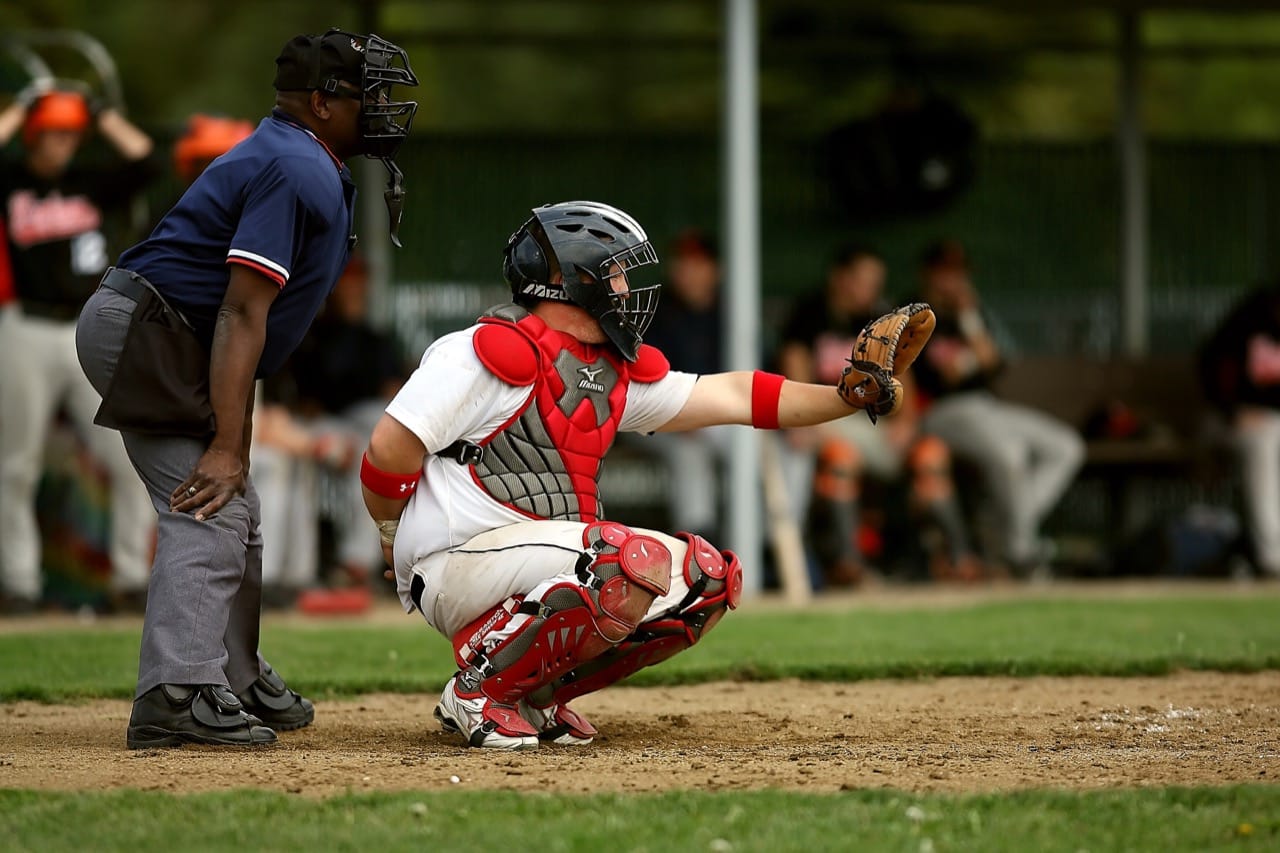
The chess match on the mound Every pitch is a decision, and good baseball questions often test whether you understand the logic behind those decisions. A fastball sets a baseline for timing. A changeup steals that timing back. Breaking balls attack angles and eye levels. Catchers and pitchers work like partners, reading swings, scouting reports, and the game situation. With runners on base, the strategy changes: a pitcher may use a slide step to reduce a steal attempt, while a catcher might call for pitches that are harder to lift, hoping for a ground ball double play. Even the choice to intentionally walk a hitter is a strategic gamble, trading one base runner to avoid extra bases and set up a better matchup.
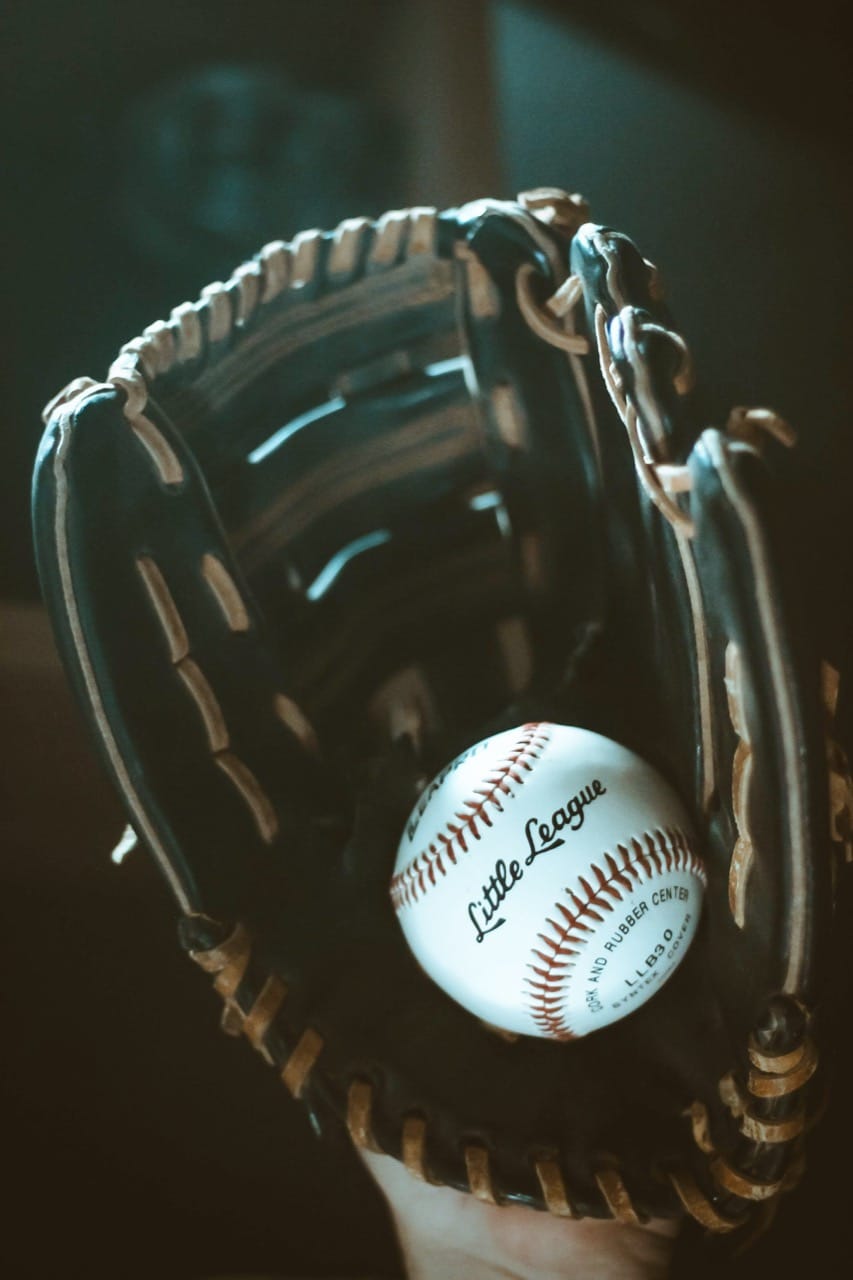
Equipment details that matter Gloves, bats, and balls are not just props. A fielder’s glove size can influence reach and transfer speed. Infielders often prefer smaller gloves for quick throws, while outfielders use larger ones for range. Bats come with limits, and at the professional level small differences in weight and balance can change a hitter’s control. The baseball itself has seams that help pitchers create movement, and changes in how the ball is manufactured or stored have been linked to shifts in offense across seasons. Equipment rules can also create memorable trivia: for example, a bat that breaks and lodges in a fence or a glove thrown at a ball triggers rare rulings that feel like they were written for a prank.
Quirky rules and strange but real scenarios Baseball’s rulebook is famously thorough because the game invites odd situations. The infield fly rule exists to prevent cheap double plays on routine pop ups. Interference and obstruction rules separate who caused the problem and who should be awarded bases. A checked swing can be debated because the rule relies on judgment rather than a single clear measurement. Then there are the truly weird moments: a ball stuck in ivy, a fan reaching over the wall, or a runner hit by a batted ball. These are the situations where knowing the rule can feel like having a secret decoder ring.
Conclusion Grandstands and Glove Lore is the perfect theme because baseball is both spectacle and study. The legends give the game its stories, strategy gives it its tension, and the quirky rules give it its personality. The best quiz questions reward more than memorization: they reward understanding why a manager made a move, why a record was so hard, or why a strange play was ruled the way it was. Whether you follow every season or just love classic highlights, the deeper you go, the more baseball keeps surprising you right up to the final out.