










Introduction Free time often becomes a personal laboratory, a place where people test ideas, practice skills, and chase small improvements that feel surprisingly meaningful. Hobbies can be calming, competitive, social, or quietly obsessive, and they range from hands on crafts to outdoor adventures and tabletop traditions. The Off Hours Challenge celebrates that variety. Knowing a bit about how different pastimes work, where they came from, and what enthusiasts care about can make the quiz more fun and may even inspire you to try something new.
Craft rooms and careful hands Many hobbies revolve around making something tangible, and a lot of the satisfaction comes from process rather than speed. Model building and miniature painting reward patience, steady hands, and an eye for detail. Hobbyists talk about techniques like priming, layering, dry brushing, and washes, which help create depth and realism on tiny surfaces. Sewing, knitting, and embroidery have their own vocabulary too, from tension and gauge to different stitches and patterns. Even woodworking, which can look intimidating, often starts with simple projects and a focus on safe tool use, measuring accurately, and understanding grain direction.
Games, puzzles, and tabletop traditions Tabletop hobbies blend creativity with strategy and community. Classic board games have evolved into a huge modern scene where designers experiment with cooperative play, hidden roles, deck building, and legacy style campaigns that change over time. Roleplaying games add storytelling and improvisation, with players building characters and solving problems together. Collectible card games introduce another layer: deck construction, probability, and a shifting metagame as new sets are released. Even puzzling has its own culture. Speedcubing, for example, turns the Rubik’s Cube into a sport with official competitions and specialized solving methods.
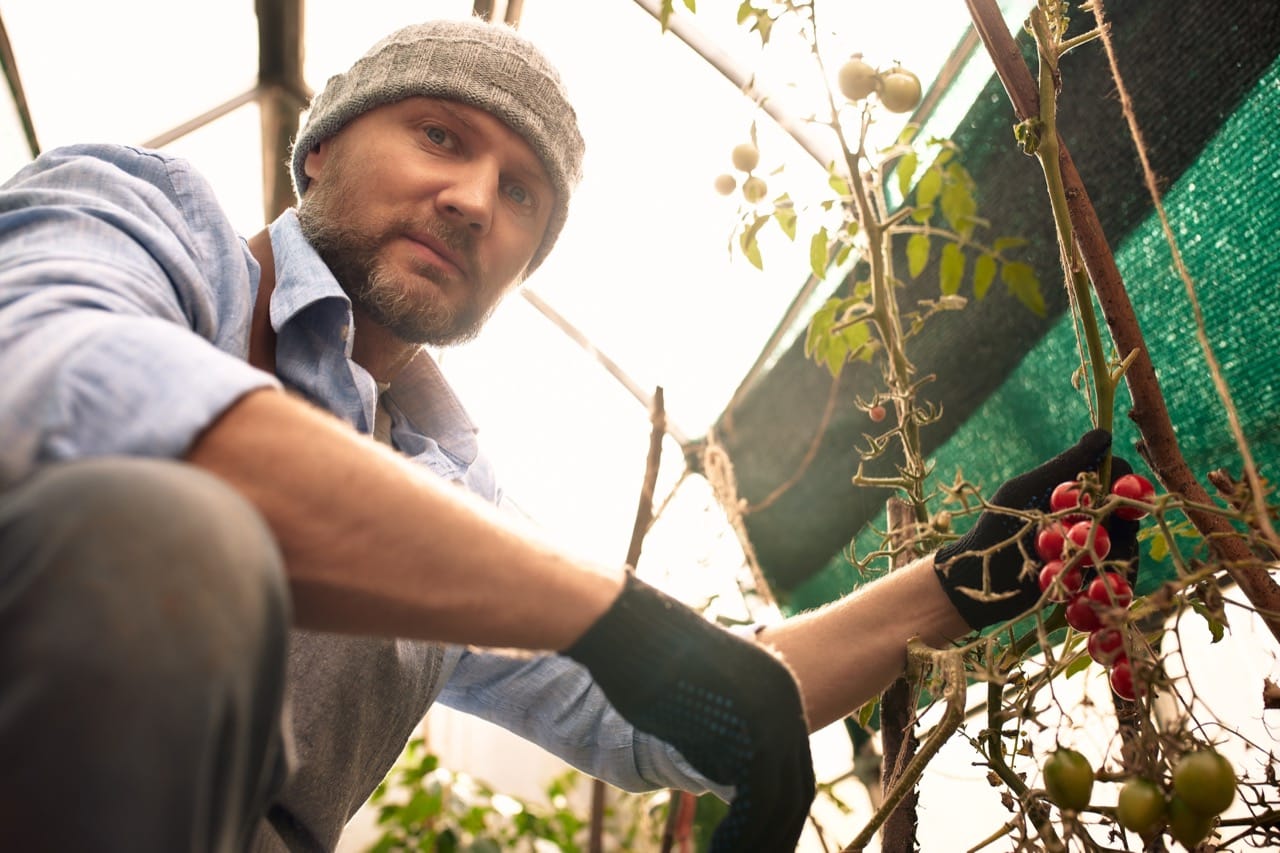
Outdoor pursuits and the science of practice Outside hobbies often mix fun with practical knowledge. Gardening teaches seasonal timing, soil health, and the basics of plant nutrition. Many gardeners learn quickly that sunlight, drainage, and local climate matter as much as watering. Birdwatching builds observation skills and familiarity with habitats, calls, and migration patterns. Hiking and cycling can be casual or highly technical, involving navigation, pacing, and gear choices that balance comfort with safety. For many outdoor enthusiasts, the hobby becomes a way to understand the environment more deeply, from weather patterns to local ecosystems.
Collecting, tinkering, and the joy of mastery Some pastimes focus on curation and curiosity. Collecting can involve coins, vinyl records, trading cards, or vintage tools, and it often comes with a crash course in history, authenticity, and preservation. Tinkering hobbies like electronics, mechanical keyboards, or home brewing reward experimentation and troubleshooting. Small adjustments can make a big difference, and enthusiasts tend to love measuring results, comparing notes, and refining a process. That mindset, learning by doing and improving through feedback, is a common thread across almost every hobby.
Conclusion The world of pastimes is wider than it first appears, and each hobby carries its own language, traditions, and little pieces of expertise. Whether you paint, stitch, grow, build, play, or tinker, the appeal is often the same: progress you can feel, communities you can join, and the pleasure of getting slightly better than you were yesterday. As you take The Off Hours Challenge, look for questions that reward both practical know how and fun facts. The best part is that every answer can be a doorway into a new obsession.