Pastime Pulse: What’s Your Perfect Off‑Duty Vibe?

About This Quiz
Your free time says a lot about how you recharge, learn, and connect. Some people thrive when they’re building and tinkering, others feel most alive outdoors, some prefer creative expression, and many recharge through community and shared experiences. This quiz helps you spot the patterns behind your go-to activities—whether you’re happiest with paint on your hands, miles under your feet, a spreadsheet of goals, or a calendar full of plans. Choose the answers that feel most natural (not what sounds impressive), and don’t overthink: your first instinct is usually the most accurate. At the end, you’ll match one of four personality types, each linked to a style of pastimes and a few ideas you can try next time you have an open afternoon.
Your ideal learning style is…
Pick a satisfying challenge.

What kind of gear are you most likely to buy?
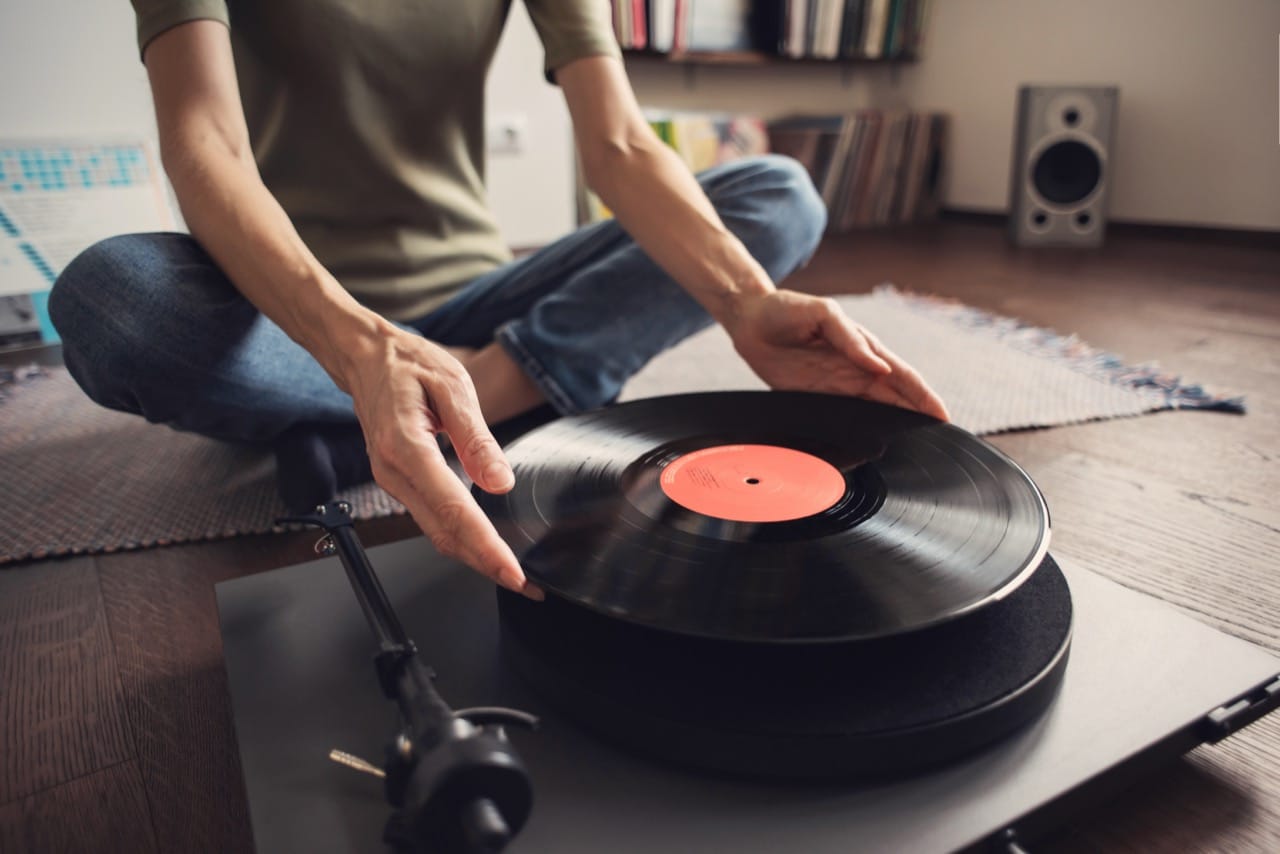
A free Saturday appears on your calendar. What sounds most satisfying?

You’re given a gift card. Where does it go?
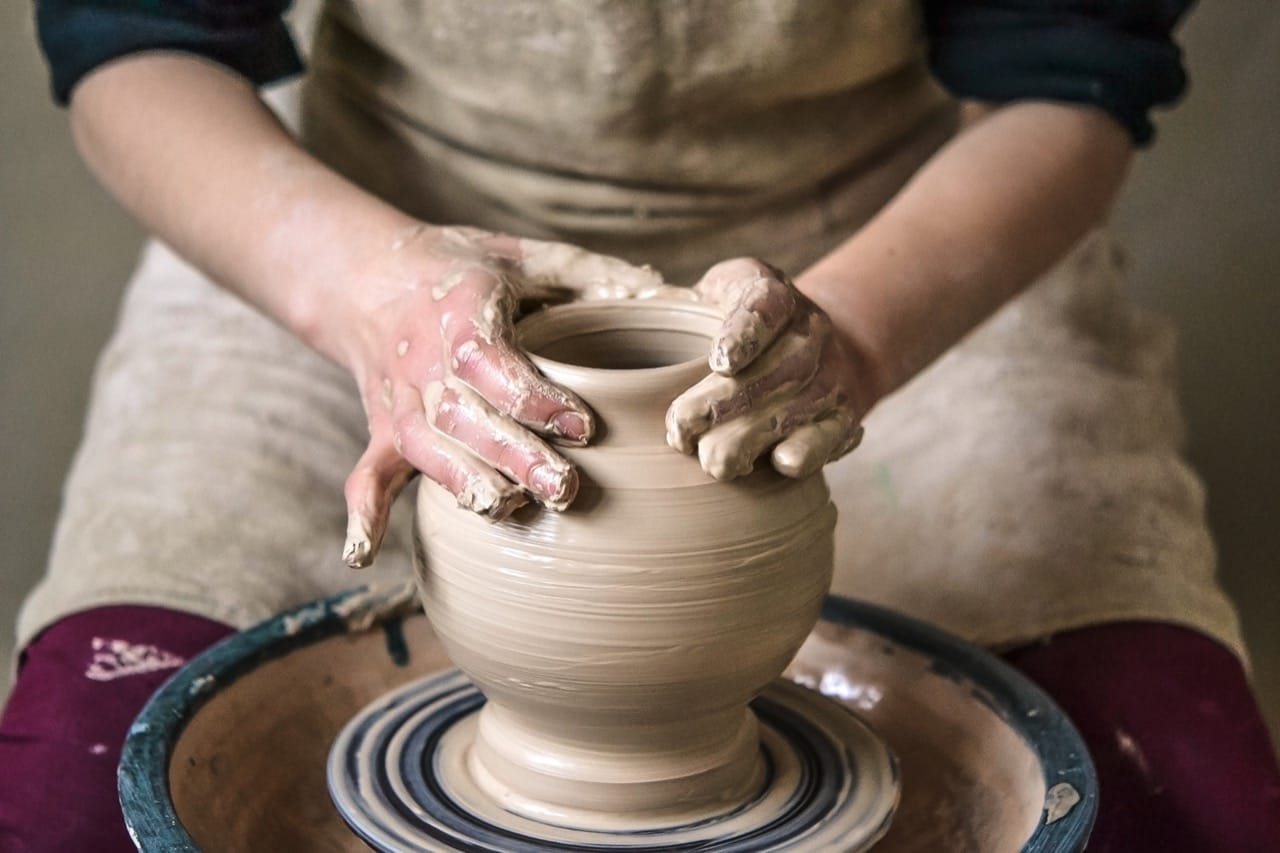
At the end of the day, you feel most fulfilled when you…
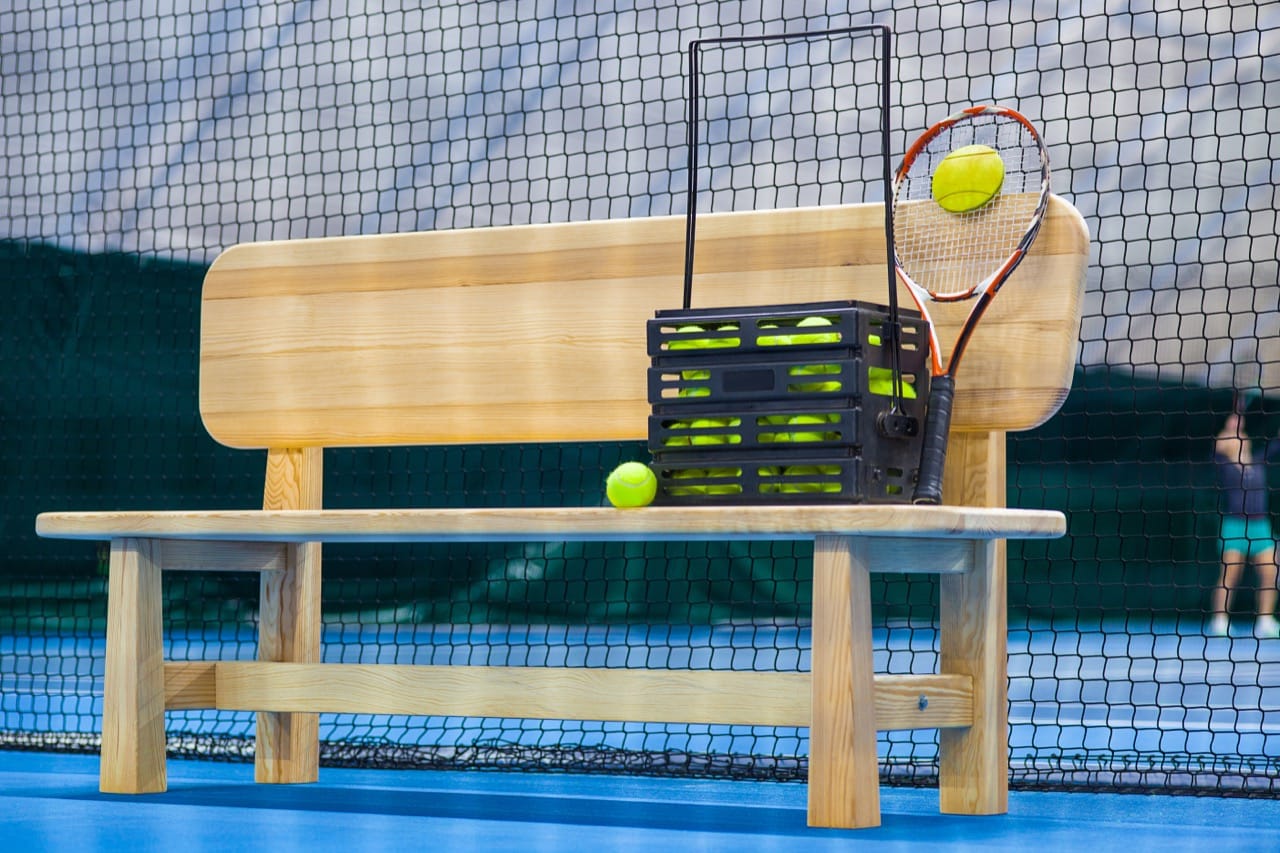
Pick a reward that feels most motivating.

What’s your preferred pace?

Choose a weekend plan.

When you’re stressed, you feel better after…

How do you prefer to track progress?

Your friends describe you as…
Pastime Pulse: Finding Your Perfect Off Duty Vibe

Introduction Free time is more than a break from responsibilities. It is a window into how you restore energy, satisfy curiosity, and stay connected to other people. The activities you choose when no one is grading you or paying you often reveal what your brain and body need most. This article explores four common off duty styles and what they can teach you, along with practical ideas for your next open afternoon.
1 Building and tinkering the Maker vibe If you gravitate toward fixing, assembling, optimizing, or learning by doing, you likely recharge through progress you can see. Makers often enjoy hobbies with feedback loops: you try something, it fails or succeeds, and you adjust. This style is linked to a sense of competence, which psychologists describe as a core human need. A useful tip is to keep a small, low pressure project list so you can start quickly without turning leisure into another job. Try a simple repair, a beginner electronics kit, cooking a new technique, or organizing a small system at home. Fun fact: hands on hobbies can create a state of flow, where time feels different because attention is fully absorbed.
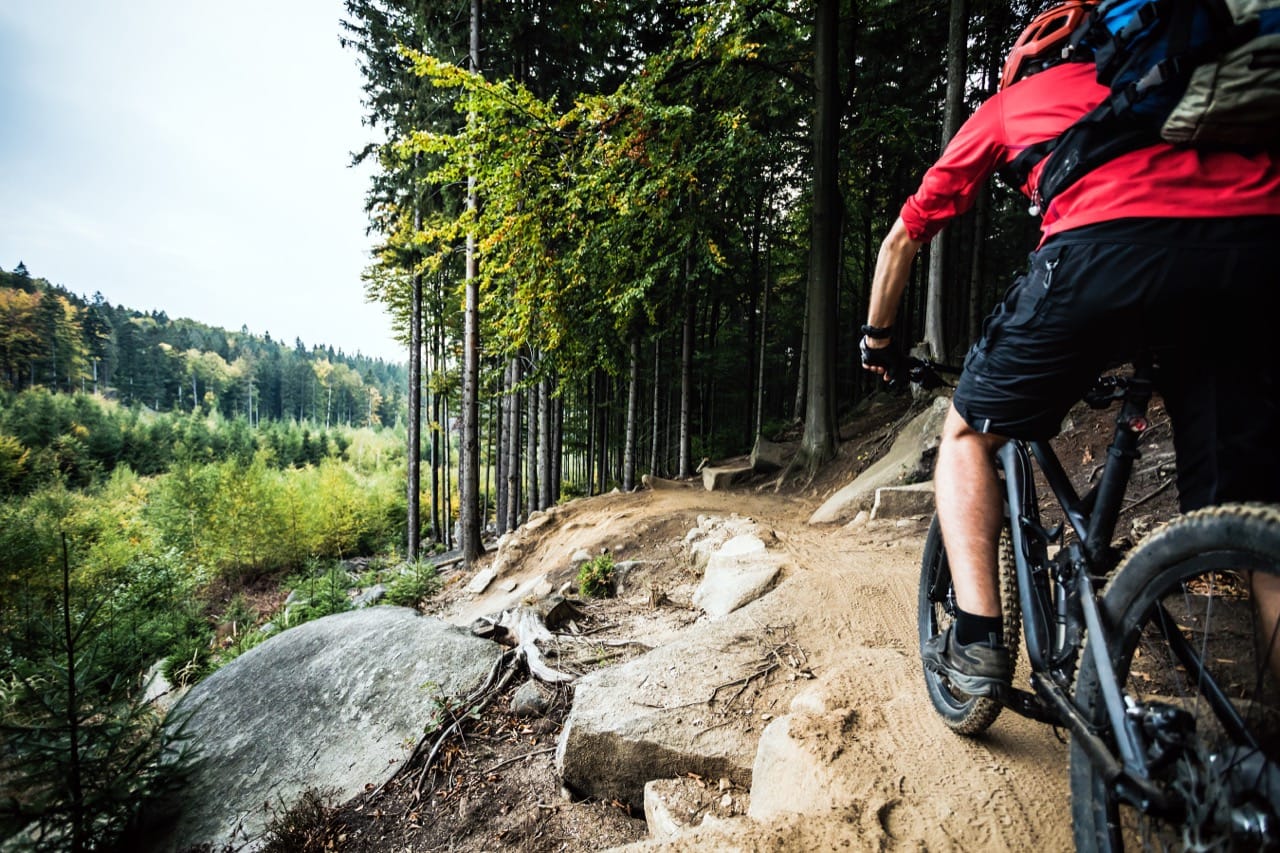
2 Outdoors and movement the Explorer vibe Some people feel most like themselves when they are moving or outside, even if it is just a long walk. This vibe is less about performance and more about changing scenery and getting sensory input. Nature exposure has been associated in many studies with lower stress and improved mood, and movement supports sleep and attention. The key is choosing an intensity that energizes rather than exhausts you. Options include hiking, cycling, bird watching, geocaching, gardening, or trying a new park each month. A simple upgrade is to add a purpose, like photographing interesting textures or tracking seasonal changes, which turns a routine stroll into a mini adventure.
3 Creative expression the Artist vibe If your ideal downtime involves making something expressive, you may recharge through meaning and imagination. Creative hobbies help people process emotions, build identity, and practice flexible thinking. They also provide a safe space to be imperfect, which is surprisingly restorative in a world of constant evaluation. You might enjoy drawing, writing, music, crafts, cooking for presentation, or learning design tools. A helpful approach is to separate practice from sharing. Create some sessions that are purely for play, with no audience in mind. Interesting fact: creativity often improves with constraints, so try a small challenge like using only three colors or writing a story in 200 words.
4 Community and shared experiences the Connector vibe If you come alive around people, your free time may be about belonging and shared memories. Connectors recharge through conversation, collaboration, and the feeling of being part of something. Social time can be energizing, but it also benefits from intention. Consider mixing familiar plans with occasional novelty, such as a themed potluck, a board game night, a volunteer shift, a class with a friend, or joining a club. Research on relationships consistently shows that regular, low effort contact is powerful, so small rituals like weekly walks or monthly dinners can matter more than big events.
Conclusion Your perfect off duty vibe is not a label, it is a pattern. Many people are a blend, and your needs can shift with seasons of life. The best takeaway is to choose activities that genuinely refill your tank, not ones that merely look productive. When you follow your natural recharge style, you build a leisure life that supports your health, curiosity, and connections, one afternoon at a time.