









Introduction Coffee is more than a morning habit. It is a global crop, a science experiment in your kitchen, and a culture with its own vocabulary. From early commutes to late night study sessions, coffee has a way of making the world feel a little more possible. Understanding where it comes from and why it tastes the way it does can make every cup more enjoyable, whether you drink it black, with milk, or as a quick espresso.
Origins and where coffee grows best The most common story of coffee’s discovery points to Ethiopia, where coffee plants are native. From there, coffee spread through the Arabian Peninsula, where early coffeehouses helped popularize the drink as a social ritual. Today, coffee is grown in a band around the equator often called the Coffee Belt. These regions offer the right combination of warmth, rainfall, and altitude.
Altitude matters because cooler temperatures slow the growth of the coffee cherry, often leading to denser beans and more complex flavors. Soil and local climate also shape taste, which is why a coffee from Kenya can taste bright and berry like, while one from Brazil may lean toward nuts and chocolate.
Arabica, robusta, and what you taste Most specialty coffee is Coffea arabica, prized for its aromatic complexity and wide range of flavors. Coffea canephora, commonly called robusta, tends to have more caffeine, a stronger bitter edge, and is often used in blends and some espresso for added body and crema. Neither is inherently good or bad, but they behave differently in farming, roasting, and brewing.
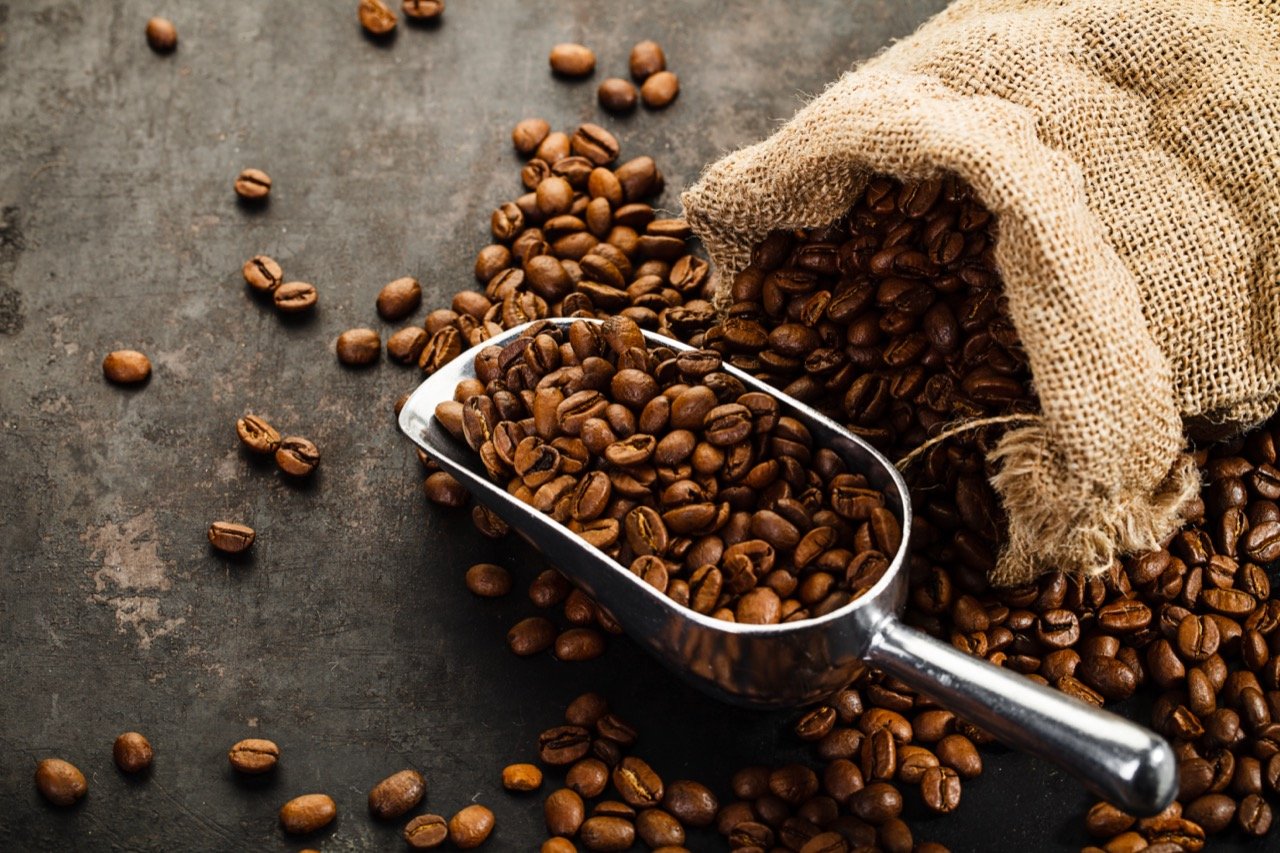
Roast level and the myth of “strong” Roasting turns green coffee into the fragrant beans you recognize. Light roasts often preserve more of the bean’s origin character, such as floral notes, citrus, and fruit. Medium roasts balance sweetness, acidity, and roast flavors. Dark roasts emphasize smoky, chocolatey, and toasted flavors, sometimes masking subtle origin notes.
Many people assume darker roast means more caffeine, but roasting slightly reduces bean mass and changes density. In practice, caffeine differences by roast are relatively small, and how you measure your coffee matters more. A “strong” cup is usually about concentration, meaning the ratio of coffee to water, not roast level.
Brewing science: extraction, grind, and water Brewing is the process of extracting soluble compounds from ground coffee into water. Too little extraction can taste sour, thin, or sharply acidic. Too much extraction can taste bitter, dry, or harsh. Grind size is one of the biggest levers. Finer grinds extract faster, which is why espresso uses a very fine grind and short brew time. Coarser grinds slow extraction, fitting methods like French press.
Water quality also matters. Coffee is mostly water, so overly chlorinated or very hard water can dull flavors. Temperature plays a role too. Water that is too cool may under extract, while boiling water can increase harshness for some coffees.
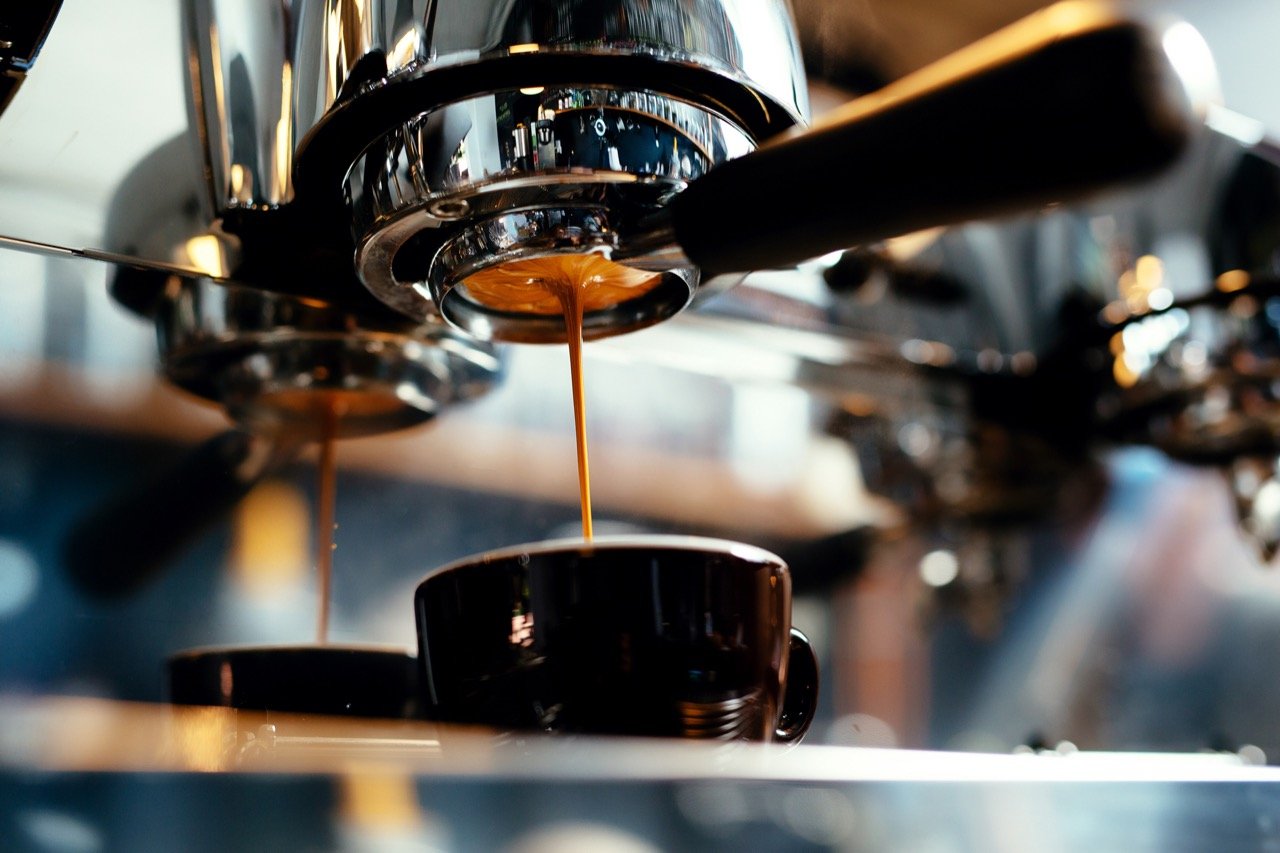
What makes espresso distinct Espresso is not a bean or a roast, but a brewing method. It uses pressure to push hot water through a compact puck of finely ground coffee, producing a small, concentrated drink with a layer of crema on top. The crema is a foam of oils and gases created during extraction. A well made espresso balances sweetness, acidity, and bitterness, and it forms the base for drinks like cappuccinos and lattes.
Cafe vocabulary and sustainability Knowing a few terms helps in any cafe. A macchiato traditionally means espresso marked with a small amount of milk foam. A cappuccino is typically equal parts espresso, steamed milk, and foam, while a latte has more steamed milk and a thinner foam layer.
Sustainability is increasingly important. Coffee farming is vulnerable to climate change, pests, and price volatility. Certifications can help, but they are not perfect. Buying from roasters who share transparent sourcing details, paying attention to origin information, and choosing businesses that invest in long term relationships can support better outcomes for farmers.
Conclusion Coffee rewards curiosity. A few small choices such as origin, roast level, grind size, and brew method can transform what ends up in your mug. Whether you enjoy bright and fruity cups or deep and chocolatey ones, understanding the journey from plant to brew makes coffee feel less like a routine and more like a daily adventure.