











Introduction That familiar aroma rising from a mug is the end point of a surprisingly long journey. Coffee connects tropical farms, careful processing, chemistry in the roaster, and the craft of the person behind the counter. Understanding a few key steps can make your next sip more interesting, whether you drink it black, with milk, or poured over ice.
Where coffee grows and why it matters Coffee is grown in a band around the equator often called the Coffee Belt. Warm temperatures, seasonal rainfall, and high elevations help coffee trees thrive. Altitude matters because cooler mountain air can slow cherry development, often leading to denser beans and more complex flavors. Soil, shade, and local climate also shape taste, which is why coffees from Ethiopia can show floral or fruity notes, while many Brazilian coffees lean toward chocolate and nuts.
Two main species dominate the market: Arabica and Robusta. Arabica generally has a wider range of flavors and higher acidity, while Robusta tends to be more bitter, stronger in caffeine, and commonly used in some espresso blends for extra crema and punch. Neither is automatically better; they simply offer different experiences.
Processing: how fruit becomes flavor Coffee starts as a fruit, and the way producers remove the fruit from the seed strongly influences flavor. In washed processing, the fruit is removed and the beans are fermented and rinsed before drying. This often creates cleaner, brighter flavors. In natural processing, the whole cherry dries intact, which can produce heavier body and fruitier, wine like notes. A middle path, sometimes called honey or pulped natural, removes some fruit but leaves some sticky mucilage during drying, balancing sweetness and clarity.
After drying, beans are milled to remove protective layers, sorted for defects, and graded. Even before roasting, green coffee can reveal a lot about quality, including uniform size and moisture.
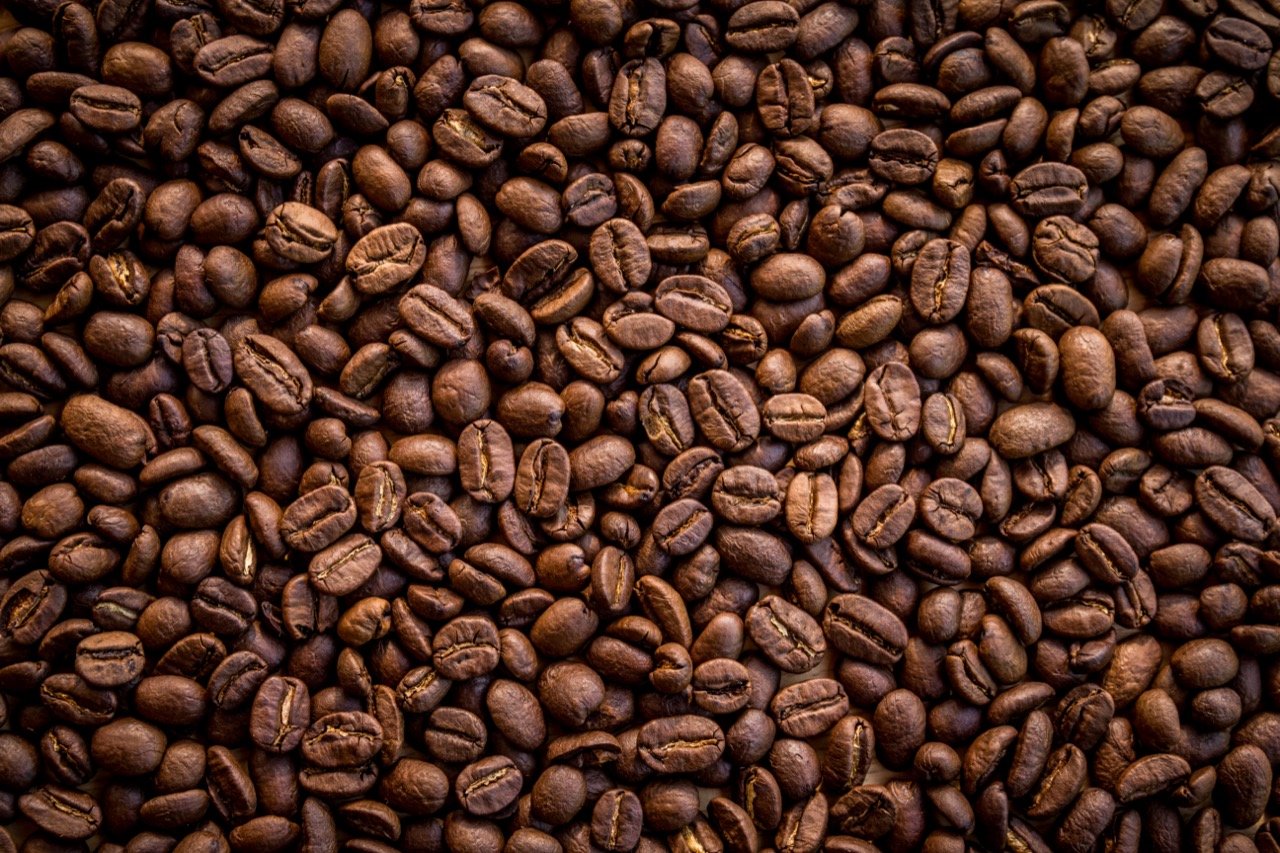
Roasting: turning green seeds into aromatic coffee Roasting is where much of coffee’s recognizable character develops. Heat triggers the Maillard reaction and caramelization, creating hundreds of aroma compounds. Roasts are often described as light, medium, or dark, but the key is not just color. Lighter roasts can highlight origin character and acidity, while darker roasts emphasize smoky, bittersweet notes and reduce perceived acidity. Contrary to popular belief, darker roasts do not always contain more caffeine; caffeine is relatively stable during roasting, and differences often come from how you measure and brew.
Brewing basics and why drinks taste so different Extraction is the process of pulling soluble compounds from ground coffee into water. Grind size, water temperature, brew time, and ratio all change the result. Too little extraction can taste sour or thin; too much can taste bitter or drying.
Many cafe drinks look similar but differ in key details. Espresso is a concentrated brew made under pressure, forming a crema on top. An Americano adds hot water to espresso, increasing volume while keeping espresso character. A latte combines espresso with lots of steamed milk and a small layer of foam, while a cappuccino uses a greater proportion of foam for a lighter texture. A macchiato traditionally marks espresso with a small amount of milk, though modern menus may vary by region.
Culture, history, and the modern cup Coffeehouses have long been places for conversation and ideas, from early Middle Eastern coffee culture to European cafes and today’s specialty shops. Modern craft focuses on traceability, fairer purchasing models, and better brewing. Cold brew has also become popular because long steeping in cool water tends to produce a smoother, less acidic profile than hot coffee served cold.
Conclusion Coffee is both everyday comfort and global craft. Behind each cup are farmers managing climate and soil, processors shaping sweetness and clarity, roasters balancing chemistry and flavor, and brewers fine tuning extraction. The next time you take a sip, you are tasting geography, science, and culture all at once, which makes learning a few coffee facts a surprisingly satisfying way to sharpen your palate.