

Introduction When the air turns crisp and porch lights glow against early darkness, Halloween arrives with a mix of playful scares and long running traditions. Costumes, candy, and carved pumpkins can feel timeless, yet many of these customs have surprising origins that stretch across centuries and continents. Understanding where familiar practices began makes the modern celebration even more fun, and it reveals how folklore, religion, and pop culture all helped shape the night.
Ancient roots and the idea of a thin veil A common starting point for Halloween history is Samhain, a seasonal festival observed in parts of ancient Ireland, Scotland, and the Isle of Man. Marking the end of the harvest and the start of winter, Samhain carried the belief that boundaries between the living and the dead were less firm. That idea of a thin veil still echoes in today’s ghost stories and spirit themed decorations. Over time, Christian observances such as All Saints Day and All Souls Day influenced the calendar and language around the season. The phrase All Hallows Eve, meaning the evening before All Hallows Day, eventually became Halloween.
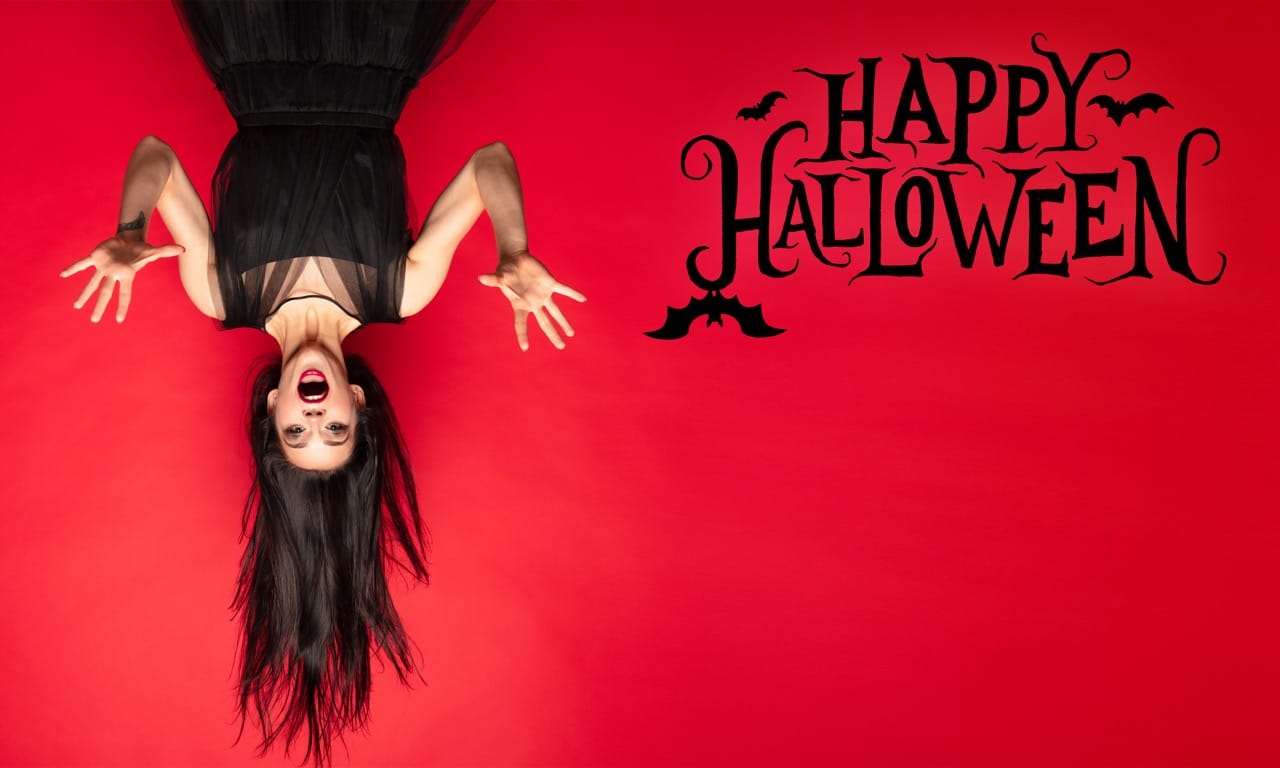
Costumes, disguises, and going door to door Dressing up is often explained as a way to confuse or ward off harmful spirits, and while details vary by region, the broader pattern is clear: masking and role playing are old human responses to fear and uncertainty. Later European traditions included mumming and guising, where people performed songs, poems, or small skits in exchange for food or coins. This resembles modern trick or treating more than many people realize. The candy focused version familiar in North America grew especially in the 20th century, helped by community efforts to encourage safer, neighborly celebrations.
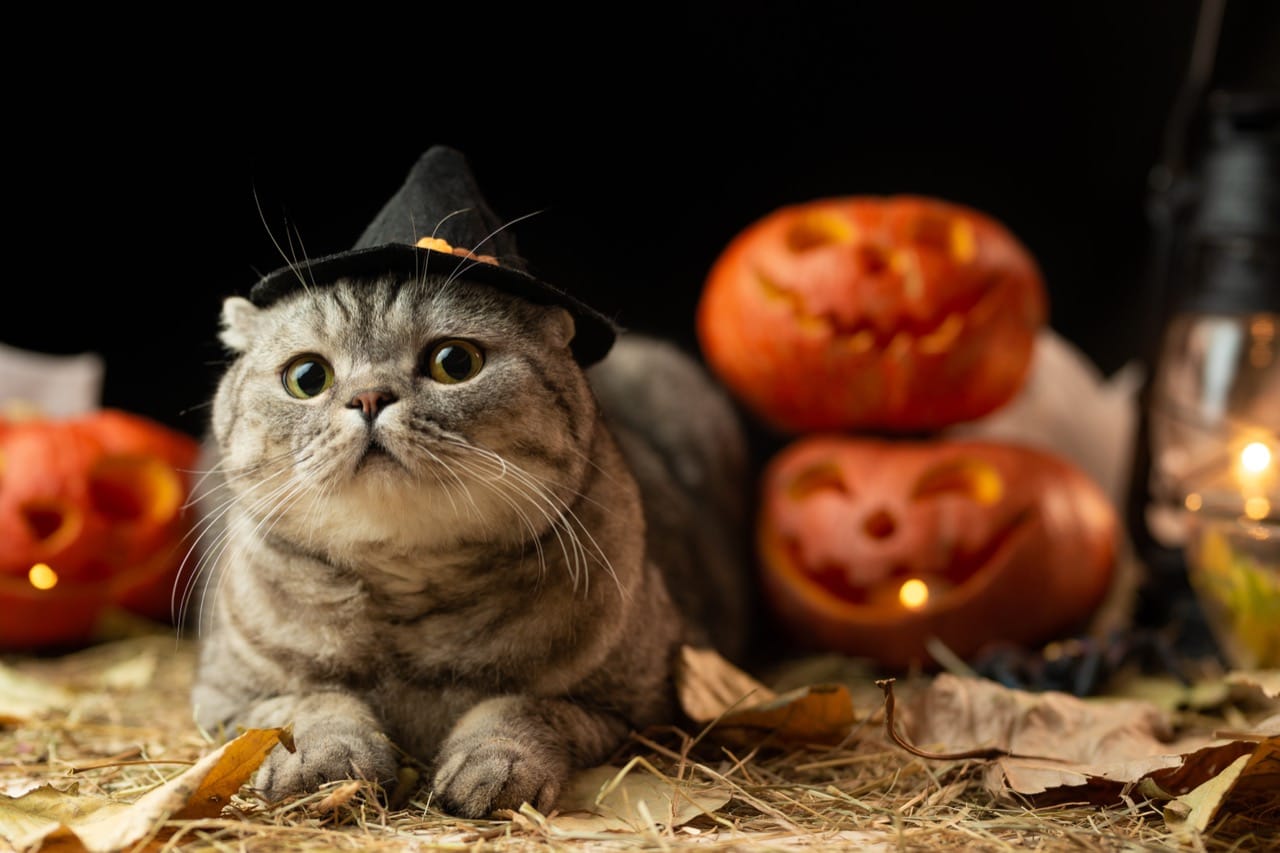
Jack o lanterns and the power of a simple light The carved pumpkin is one of Halloween’s most recognizable symbols, but the earliest lanterns were often made from turnips or other root vegetables. An Irish folktale about a figure sometimes called Stingy Jack helped popularize the idea of a carved lantern used to light the way. When immigrants brought the custom to North America, pumpkins proved easier to carve and more abundant, and they quickly became the standard. The flickering candle inside also fits the season’s mood: a small, warm light against a long night.
Superstitions, symbols, and why they stuck Black cats, bats, spiders, and witches are everywhere in Halloween imagery. Some of these associations come from medieval and early modern European fears about witchcraft, where animals were sometimes described as familiars or omens. Bats gained a seasonal connection partly because autumn fires and harvest gatherings attracted insects, which in turn attracted bats. Even the colors have roots: orange reflects harvest and autumn leaves, while black represents night and the unknown. These symbols endure because they are instantly readable, even if the original beliefs have faded.
From folk tradition to movies, music, and neighborhood rituals Modern Halloween is also a product of mass media. Horror films, TV specials, and popular songs have turned certain monsters and storylines into shared reference points. At the same time, local customs continue to add variety, from community parades and haunted attractions to regional foods and games. The holiday’s flexibility is part of its strength: it can be spooky, silly, artistic, or nostalgic, depending on how people choose to celebrate.
Conclusion Halloween feels like one night, but it carries many layers: ancient seasonal turning points, changing religious calendars, folk practices of disguise and performance, and the modern joy of community traditions. Knowing the history behind costumes, lanterns, and superstitions adds depth to the fun and gives you an edge in any trivia challenge. When the last porch light goes out, the stories remain, ready to be retold next year.