

Introduction Free time has a funny way of revealing who we are. Some people unwind by building tiny worlds with model kits, others chase a ball across a field, and some disappear into a book, a puzzle, or a craft that demands calm focus. Hobbies are more than ways to pass the hours. They carry stories about culture, technology, and the simple human urge to make, move, collect, and connect. Think of this as a passport stamp book for leisure: each pastime offers a small lesson along with the fun.
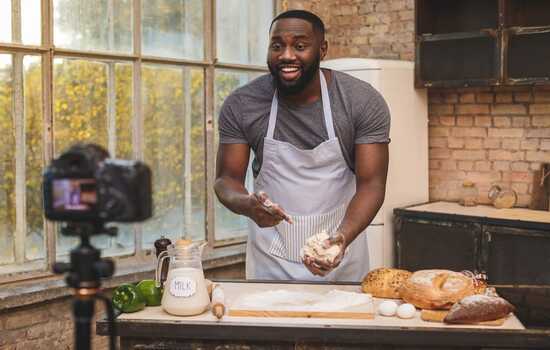
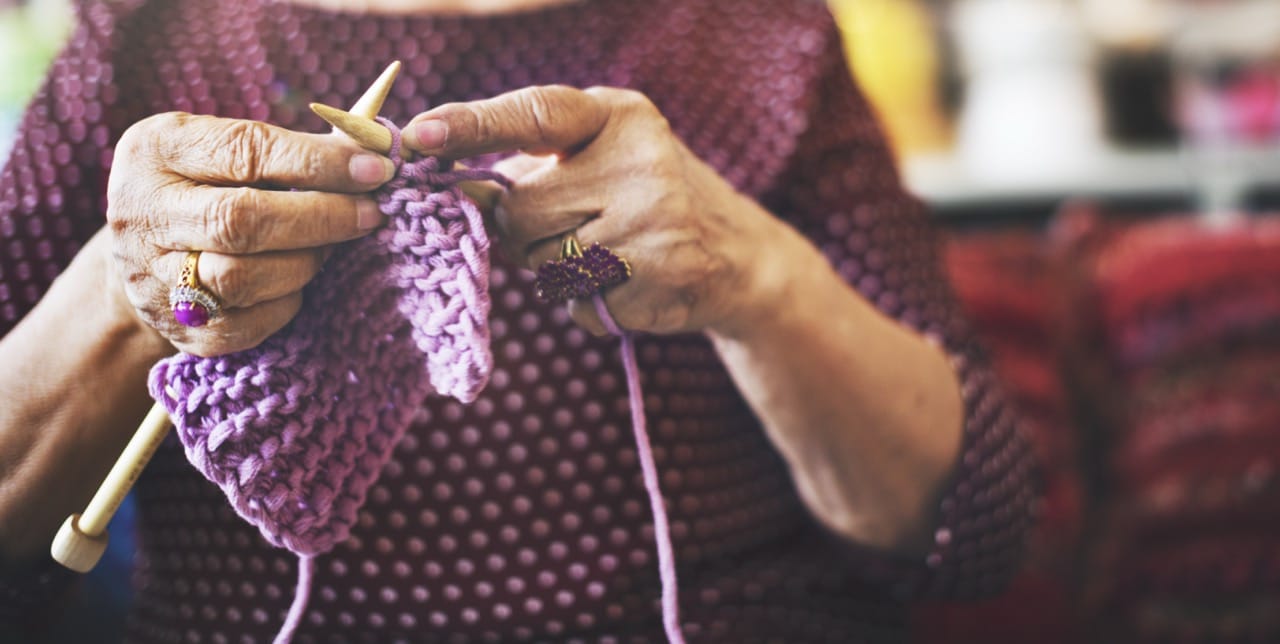
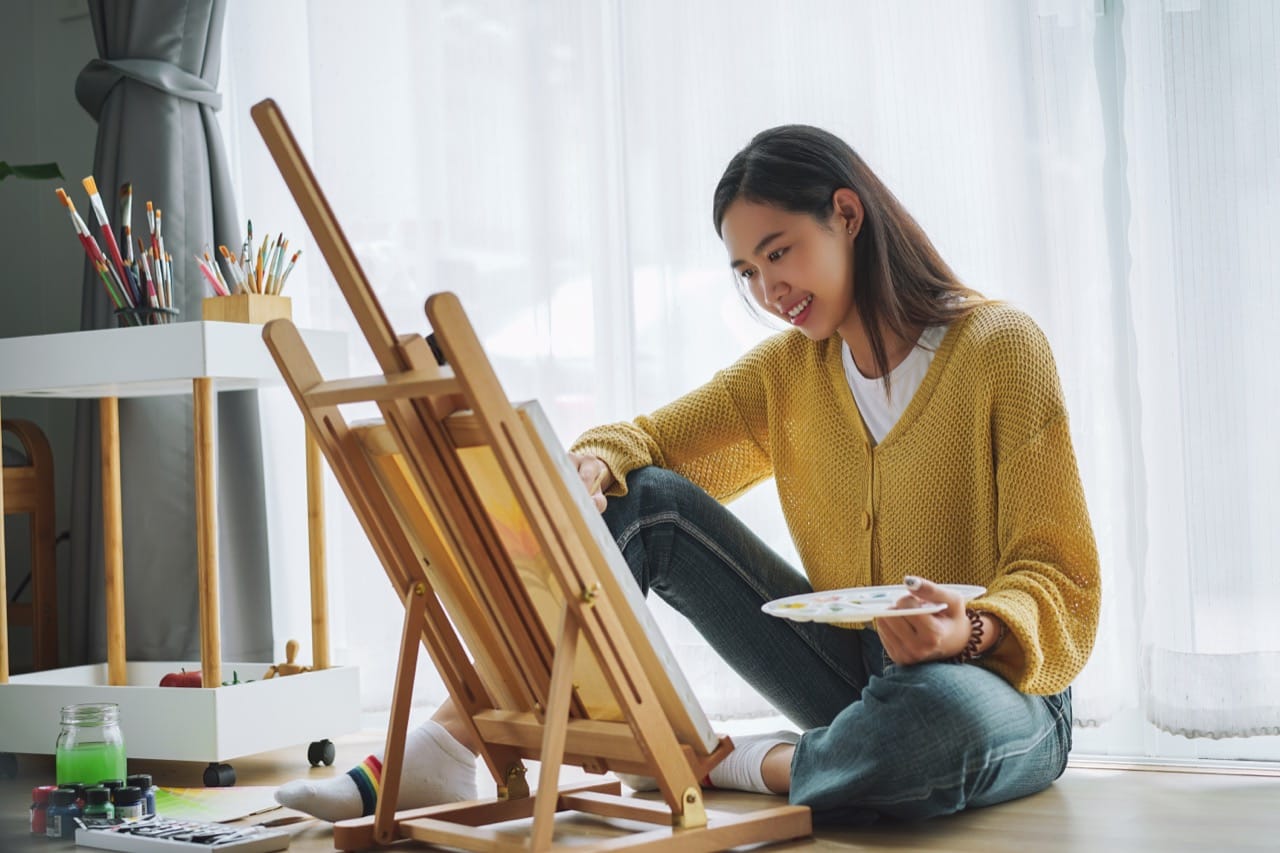
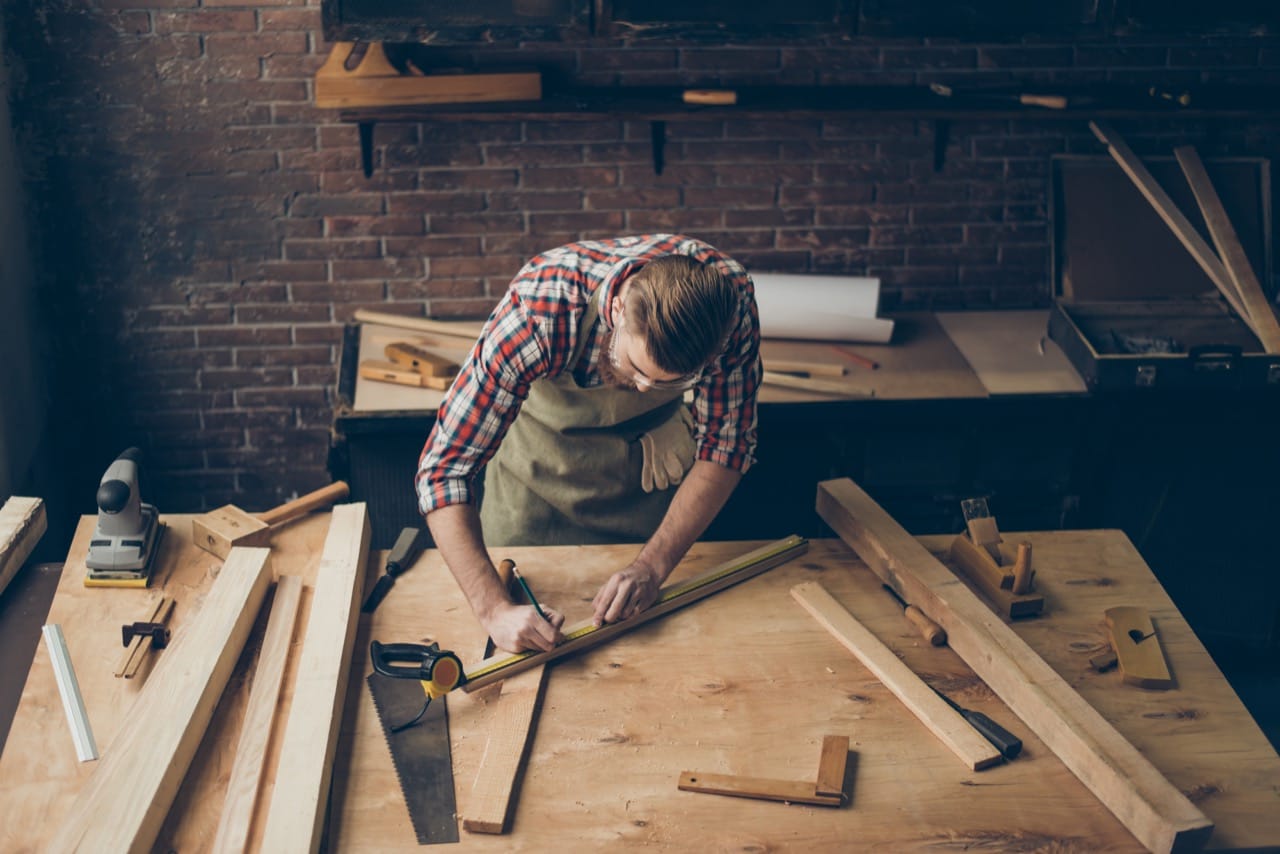
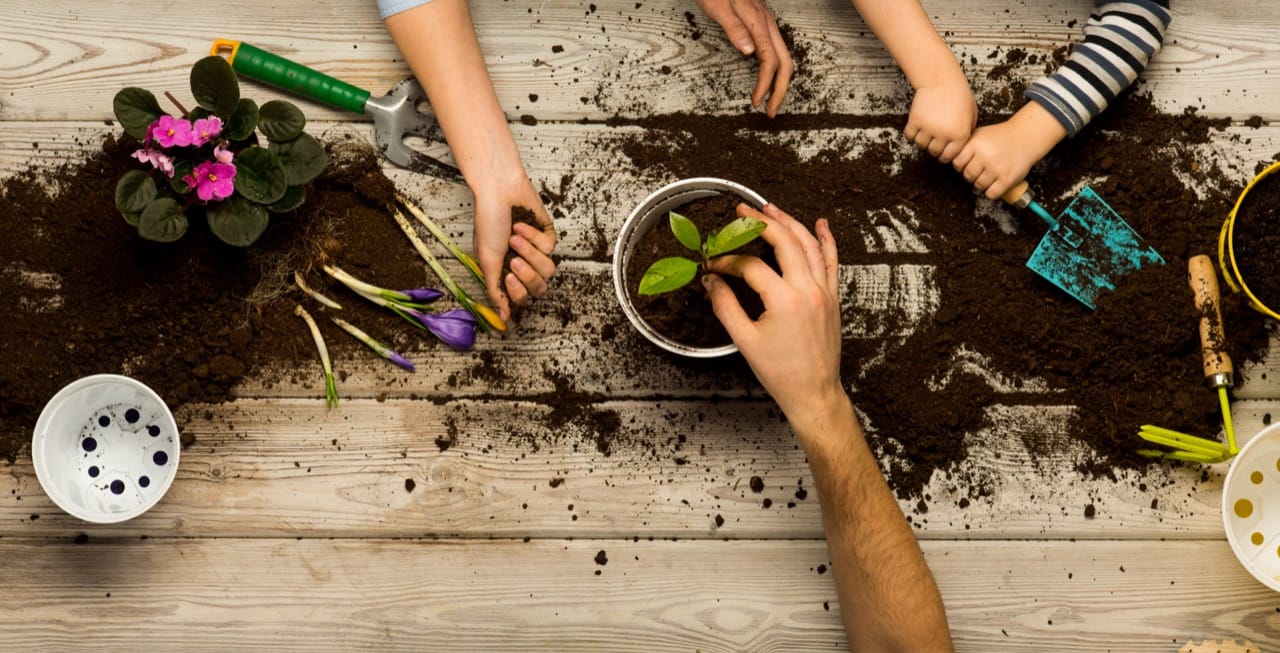
Crafts and maker culture: patience you can hold Many hands on hobbies reward slow progress. Knitting and crochet, for example, turn a single strand into clothing, blankets, and art, and they also teach planning, counting, and error correction. Woodworking and pottery blend creativity with physics: grain direction affects strength, clay chemistry influences how a piece dries, and kiln temperatures can transform dull glaze into glassy color. Even modern maker culture, with 3D printing and electronics kits, is built on old principles. Prototypes fail, measurements matter, and a good design often comes from repeated tinkering. A quirky detail: the word “hobby” traces back to “hobbyhorse,” a child’s toy, and over time it became a metaphor for a favorite pursuit.
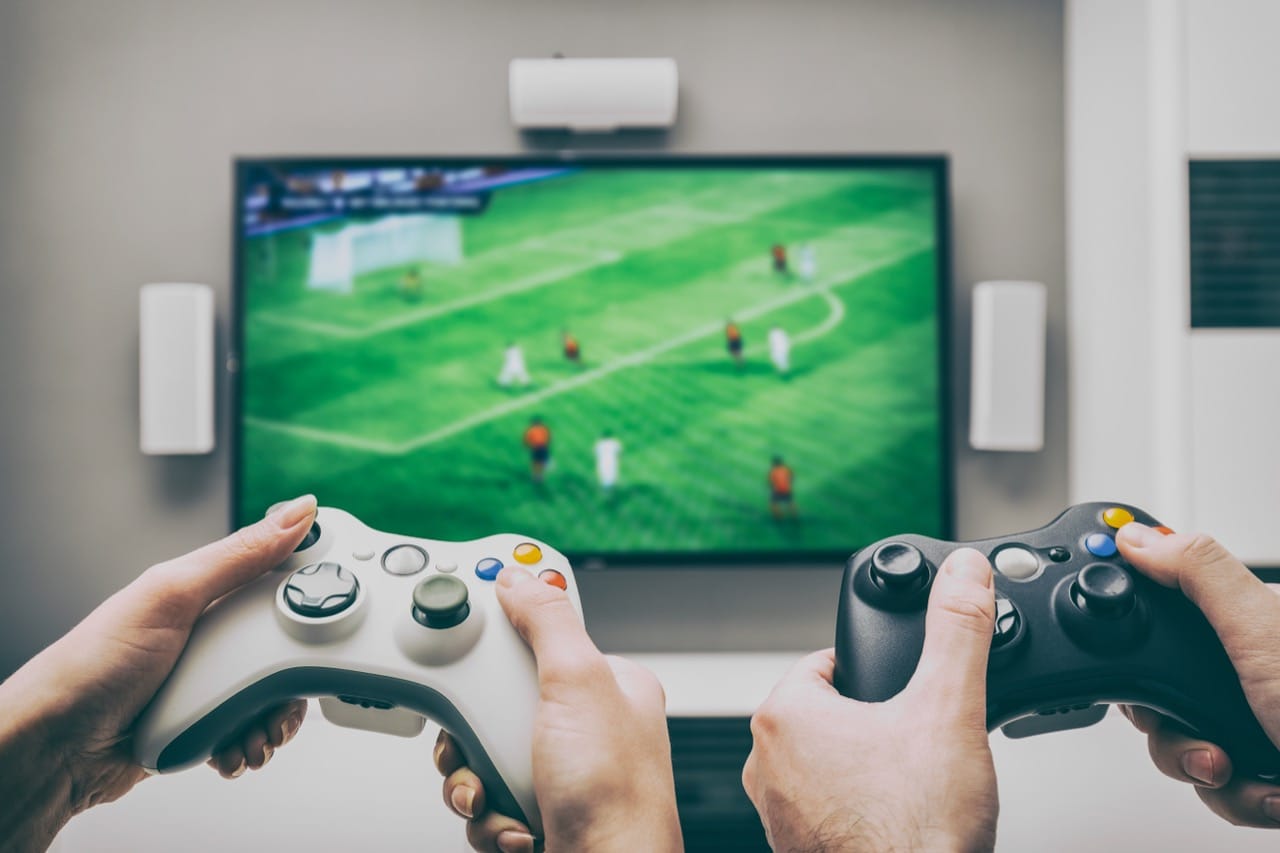
Games and puzzles: play that trains the brain Board games, card games, and puzzles are entertainment with hidden benefits. Strategy games sharpen planning and probability instincts, while word games build vocabulary and pattern recognition. Chess has traveled across centuries, changing pieces and rules as it moved between regions. Playing cards also have deep roots, spreading along trade routes and evolving into countless local variations. Collectible card games add another layer: deck building is a lesson in resource management and meta trends, much like how sports teams adjust tactics based on opponents.
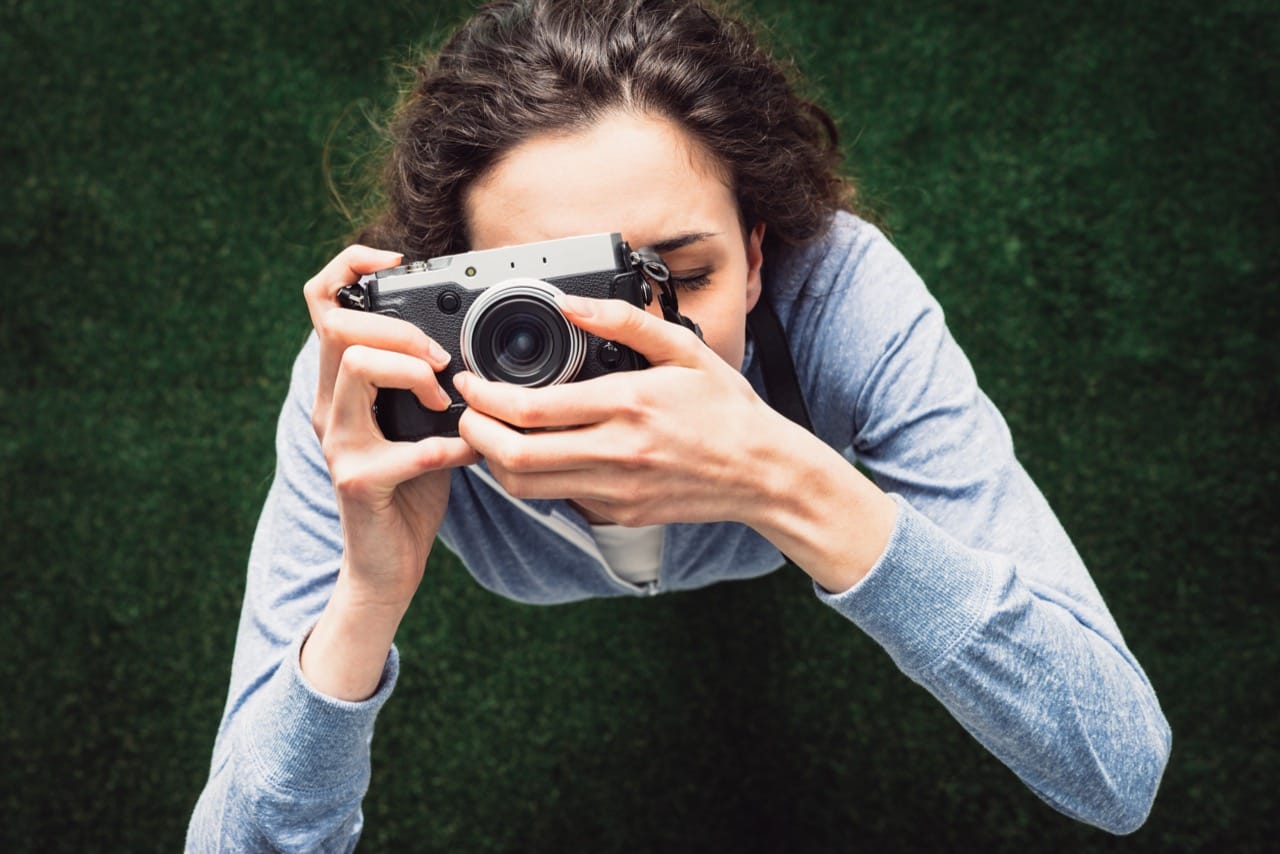
Collecting: stories in objects Collecting can look like simple accumulation, but at its best it is a form of storytelling. Stamps and coins reflect politics, art, and economics, capturing leaders, landmarks, and historical moments in miniature. Vinyl records and vintage cameras preserve the evolution of sound and image technology. Even “everyday” collections, like sneakers or action figures, map trends in design and pop culture. A practical tip collectors learn quickly is preservation: sunlight fades inks, humidity warps paper, and oils from fingers can damage metals. Many collectors become accidental archivists, learning how to store and catalog items so they last.
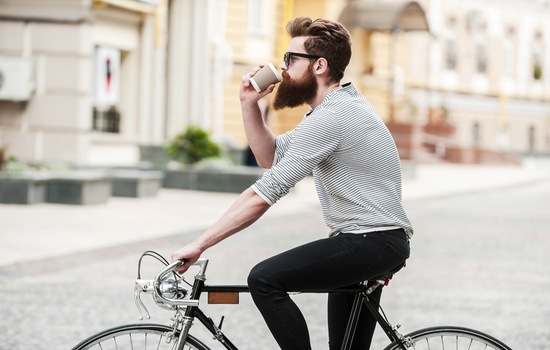
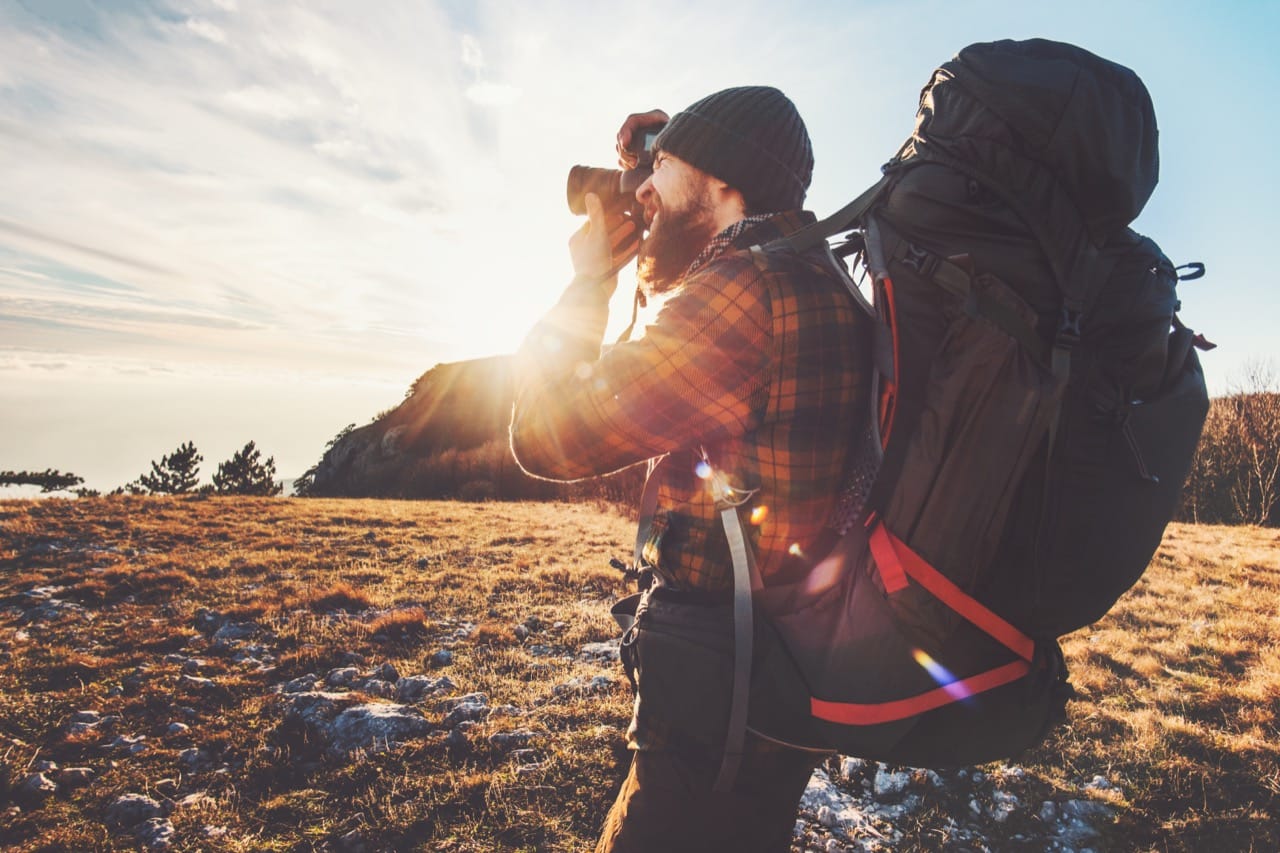
Outdoor pursuits: fun powered by science Hiking, cycling, climbing, and paddling feel like pure escape, but they are full of quiet science. Your body’s energy systems shift depending on intensity, and hydration and nutrition become real world experiments. Navigation blends geography with math: map scales, contour lines, and compass bearings are tools that turn wilderness into a readable landscape. Even birdwatching encourages careful observation and local ecology knowledge. Many outdoor hobbies also build a strong safety mindset, from checking weather patterns to understanding basic first aid.
Team activities and shared fandom: community as a pastime Some hobbies thrive on other people. Team sports teach cooperation, communication, and resilience after a loss. Performing arts, from community theater to choir, depend on timing and trust. Shared fandoms, whether around films, comics, or games, create social spaces where people trade recommendations, debate details, and celebrate creativity. Conventions and clubs can be as much about belonging as the subject itself.
Conclusion A “Pastimes Passport” is really a guide to human curiosity. Hobbies carry history, skill, and personality, whether you prefer solitary focus or group energy. They teach patience, problem solving, and appreciation for how things are made and how people connect. The next time you try a new activity or answer a quiz question about one, you are not just guessing a fact. You are stepping into a larger story of play, craft, and discovery.