








Introduction Music trivia is more fun when you can picture the stage behind the facts. A great soundcheck is not just a pre show routine. It is a snapshot of how music is made, performed, and remembered. From ancient ritual chants to modern stadium tours, music has always mixed creativity with craft. This article sets the scene for a quiz that jumps across artists, genres, landmark recordings, and the hidden tools that shape what we hear.
From voice and rhythm to global genres Long before recorded sound, music traveled through memory. Early traditions often centered on the human voice and percussion because they are portable and powerful. Rhythm helped groups move and work together, while melody carried stories across generations. As cultures exchanged ideas through migration and trade, instruments and scales evolved. For example, the blues grew from African musical roots and the lived experience of Black communities in the American South, later influencing jazz, rock, and pop worldwide. Meanwhile, styles like reggae, salsa, and Bollywood film music show how local identity can become global, with signature rhythms and instrumentation that are instantly recognizable.
Iconic artists and the idea of a musical first Many quiz questions lean on famous firsts, and they matter because they mark turning points. The first time a new sound breaks through, it changes what audiences expect. The rise of the album as an art form, the emergence of the superstar producer, and the moment a music video becomes a cultural event all reshaped the industry. Chart milestones can also reveal shifts in taste and technology. A hit single in the era of jukeboxes meant something different than a streaming era hit, where success may depend on playlist placement and repeat listening. Even so, the core ingredients remain the same: a memorable hook, emotional connection, and timing.
Recording tricks and studio terminology you actually hear Behind the scenes, recording is full of clever illusions. Multitrack recording lets artists layer vocals, guitars, and percussion separately, making a small group sound enormous. Overdubbing allows a performer to play multiple parts, while double tracking thickens a vocal by stacking nearly identical takes. Reverb and delay can make a voice feel like it is in a cathedral or a tiny room. Compression, often misunderstood, is one of the most important tools in modern sound because it evens out volume and adds punch, helping vocals sit on top of a busy mix.
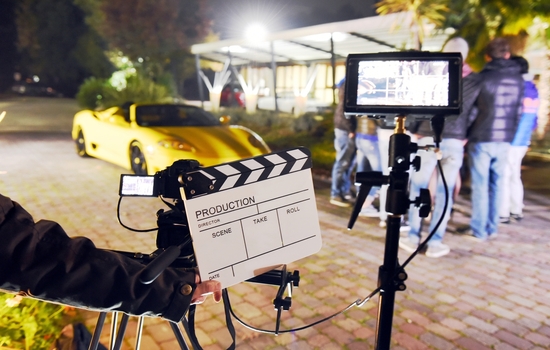
Live sound and stagecraft basics A soundcheck balances the room, not just the band. Engineers listen for problem frequencies that cause feedback, then adjust equalization so each instrument has its own space. Monitors matter as much as the front speakers because performers need to hear timing and pitch clearly. Microphone choices and placement can change everything. A close mic captures detail but can exaggerate bass or breath sounds, while a more distant mic captures ambience and crowd energy. Lighting and staging also shape how music feels, turning a simple chorus into a shared moment.
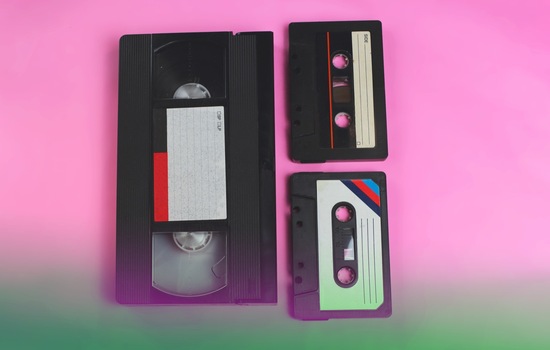
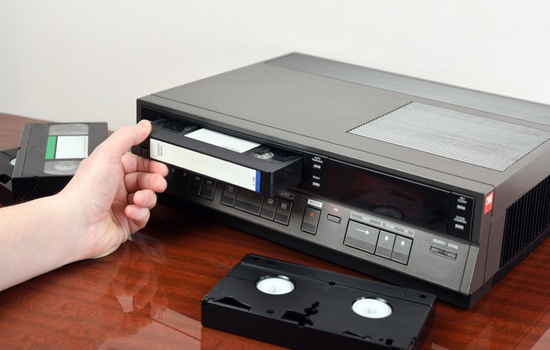
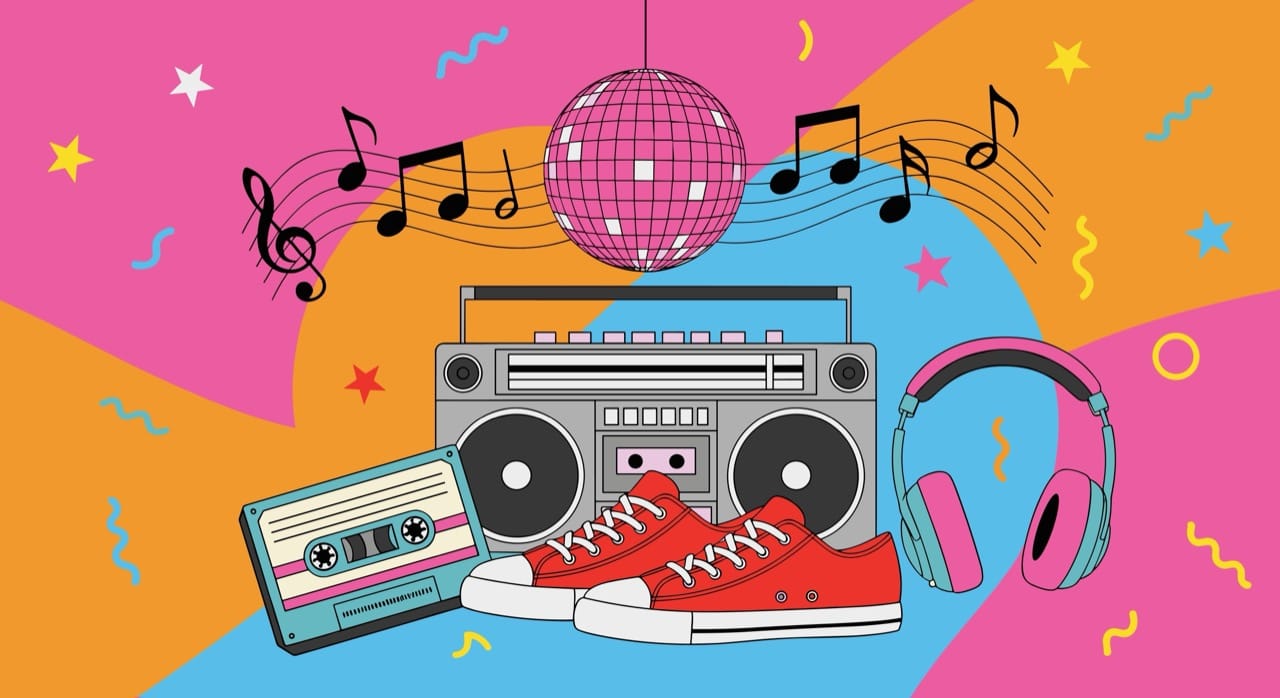
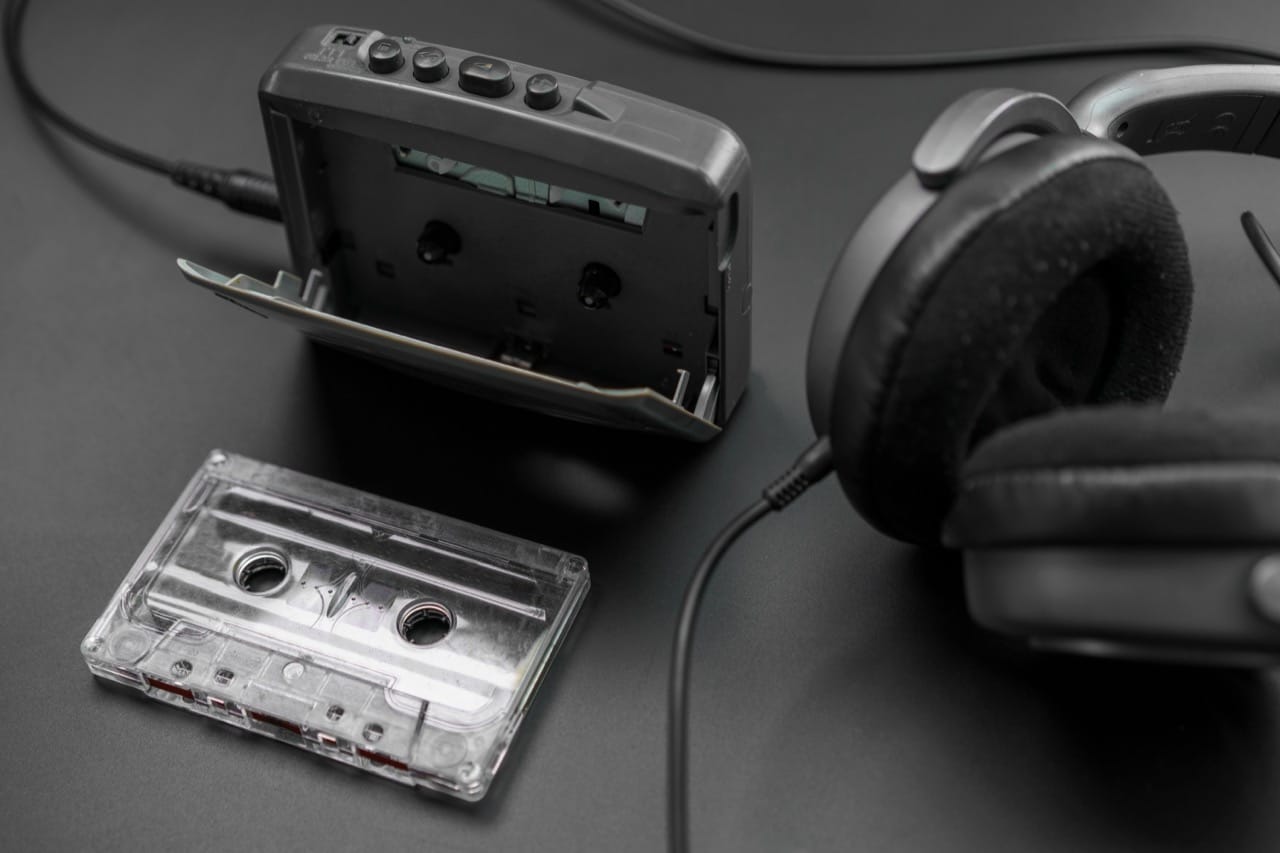
How listening technology changed music itself Every major listening format has influenced songwriting and production. The three minute pop single fit early radio and 45 records. Cassette tapes made mixtapes and personal curation a social art. CDs encouraged longer albums and cleaner sound. Streaming rewards immediacy, so many songs reach the chorus faster and keep energy high to avoid skips. Headphones and earbuds also pushed producers toward detailed stereo effects and deep bass that feels intimate.
Conclusion Stagecraft Soundcheck style trivia is a tour through culture, creativity, and the practical tools that bring music to life. Knowing the stories behind genres, the meaning of studio terms, and the realities of live sound makes each question richer. The next time you hear a huge chorus, a crisp snare, or a crowd singing in unison, you will recognize the blend of history and technique that made it possible.