


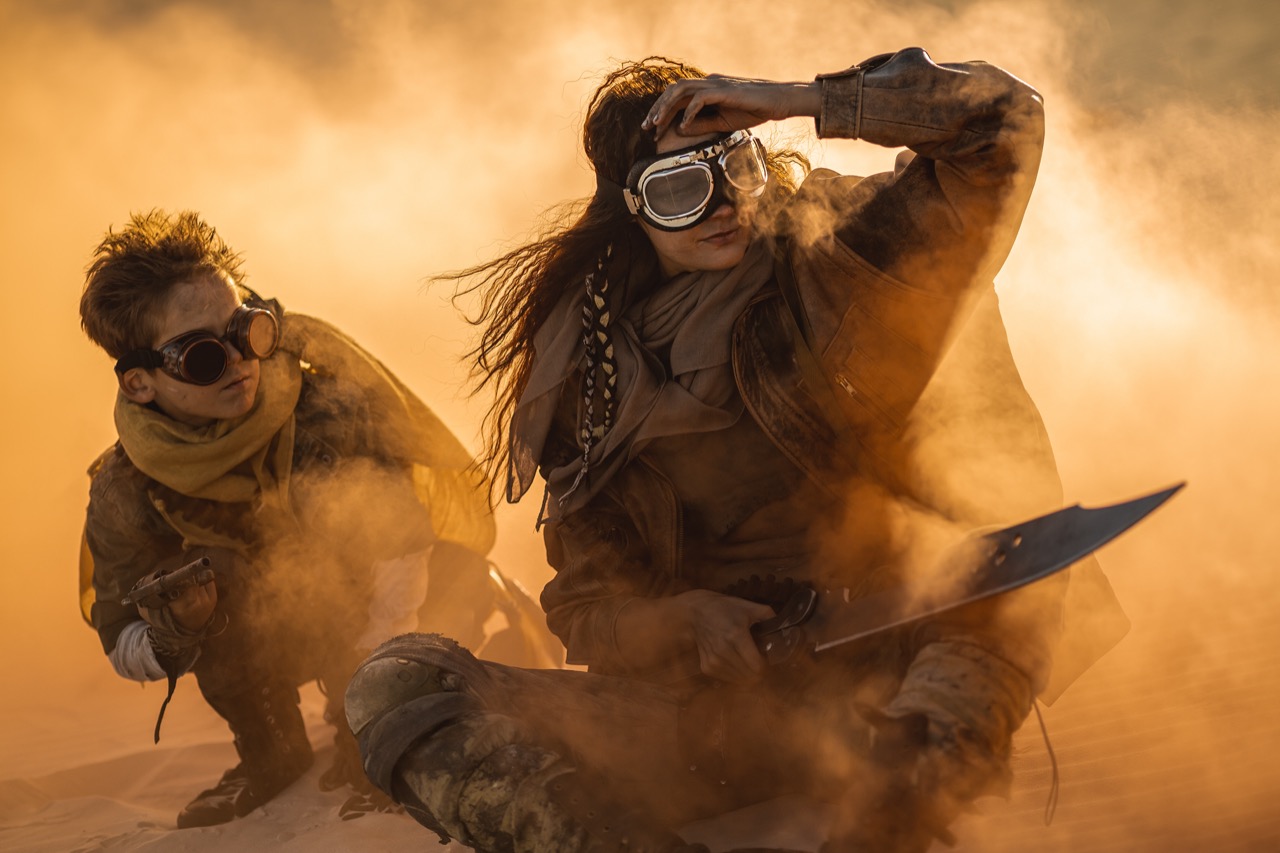
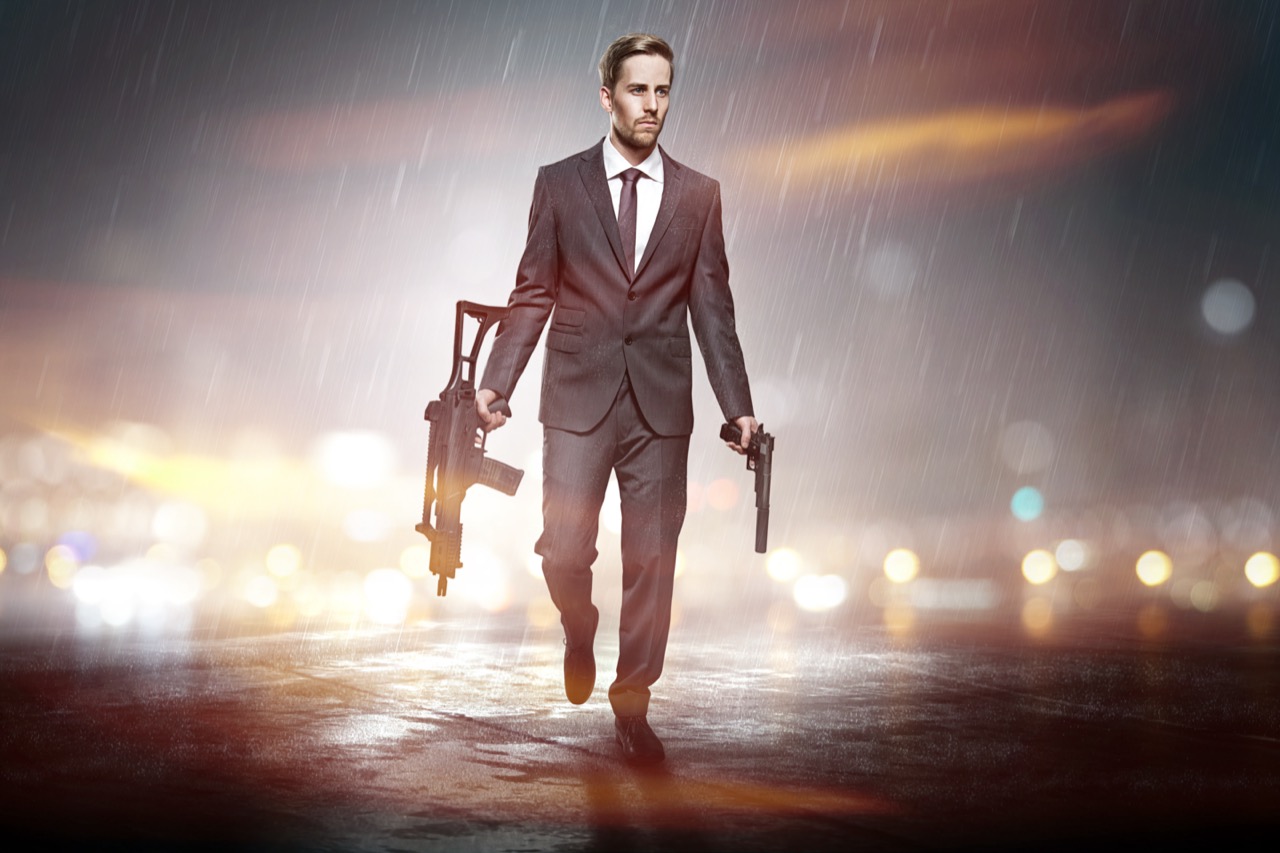

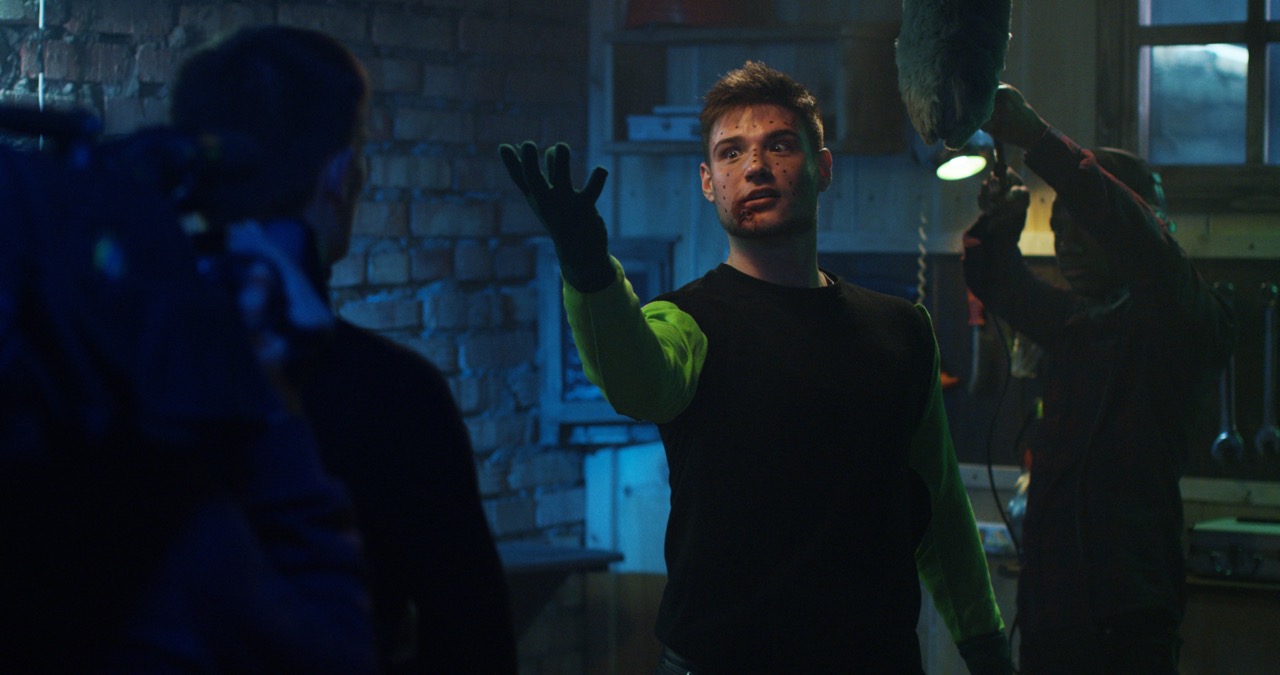
Introduction Action cinema is built on moments that feel larger than life: a car threading through traffic at impossible speed, a hero clinging to the side of a building, or a fight that turns a simple room into a battlefield. The best action films make these sequences easy to follow while still feeling dangerous, surprising, and emotionally satisfying. Behind every explosion and showdown is a mix of planning, performance, and filmmaking craft that has evolved from early screen brawls to today’s precision choreography.
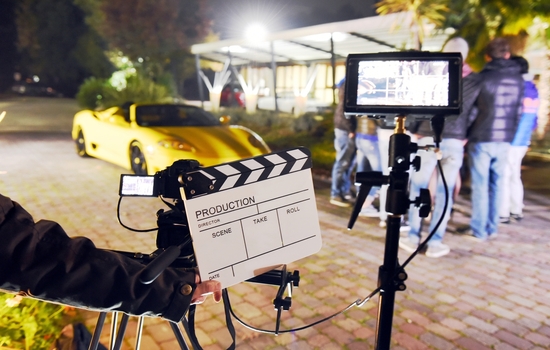
Stuntwork: the invisible art of making danger readable Stunts are designed to look chaotic while being carefully controlled. A stunt team breaks down a sequence into beats, chooses camera angles that sell impact, and rehearses until timing is exact. Practical stunts remain a major selling point because real weight and motion register on camera in a way that computer imagery often struggles to match. Famous examples include high falls, vehicle rollovers, and carefully staged fire gags, all performed with specialized safety gear, hidden wires, breakaway props, and medical staff on standby.
One reason audiences remember certain stars is their physical commitment and screen presence. Some performers do many of their own stunts, while others rely on doubles but contribute through training and choreography. Either way, the illusion depends on smart editing and consistent body language so the action feels continuous. Good action editing is not just fast cutting. It is clarity: you know where everyone is, what they want, and what changed after each hit, turn, or leap.
Chases and set pieces: vehicles, locations, and escalation Chases are mini stories. They begin with a goal, add obstacles, and escalate until a turning point. Iconic chases often hinge on a memorable vehicle or location: a cramped city street, a tunnel, a mountain road, or a crowded market. Filmmakers choose spaces that create natural problems like tight corners, limited visibility, or sudden changes in elevation. Practical driving, controlled traffic patterns, and stunt rigs help deliver near misses that make audiences lean forward.
Explosions and destruction are similarly planned. A well designed blast is timed to a character decision and framed so you can read distance and consequence. Productions may use miniature models, air mortars to kick up debris, and layered sound design to create the sense of force. The goal is not just noise, but rhythm: quiet tension, sudden impact, and a beat to react.
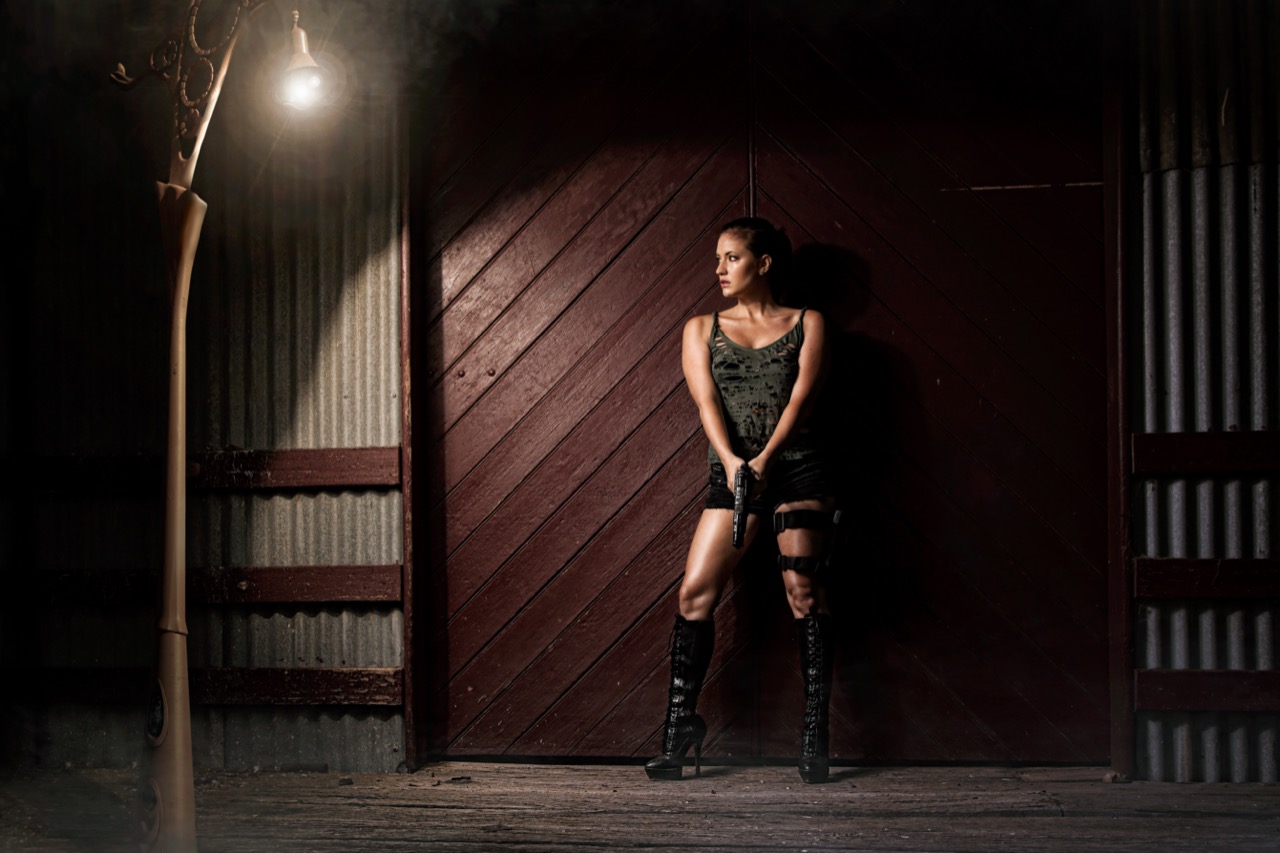
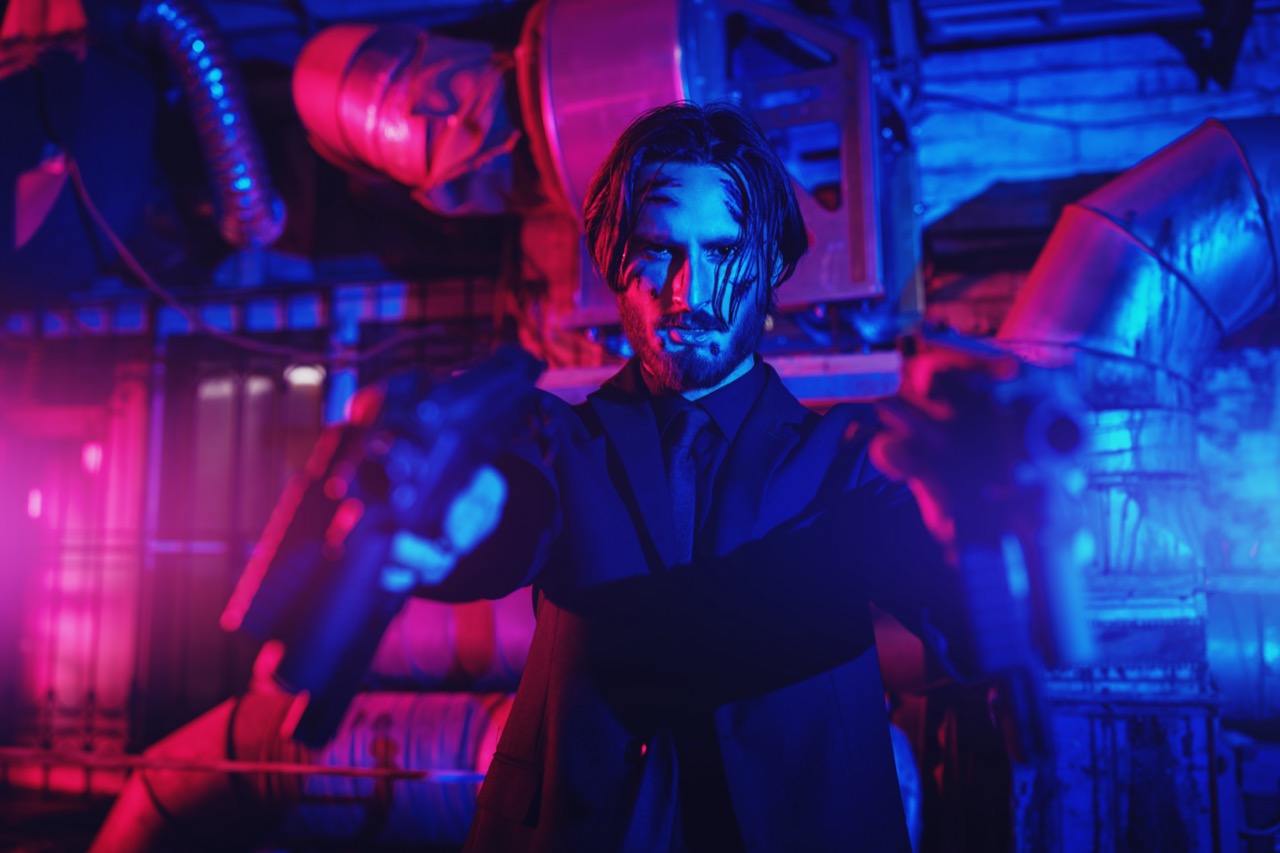
Close quarters combat: choreography, character, and style Modern action has embraced fight choreography as a signature. Some films favor heavy, bruising strikes; others emphasize speed, grappling, or weapon work. The most memorable fights reveal character. A disciplined fighter moves differently than a brawler, and a desperate hero makes different choices than a confident villain. Directors and stunt coordinators design fights around limitations too, such as injuries, cramped spaces, or improvised tools, which creates variety and makes each showdown distinct.
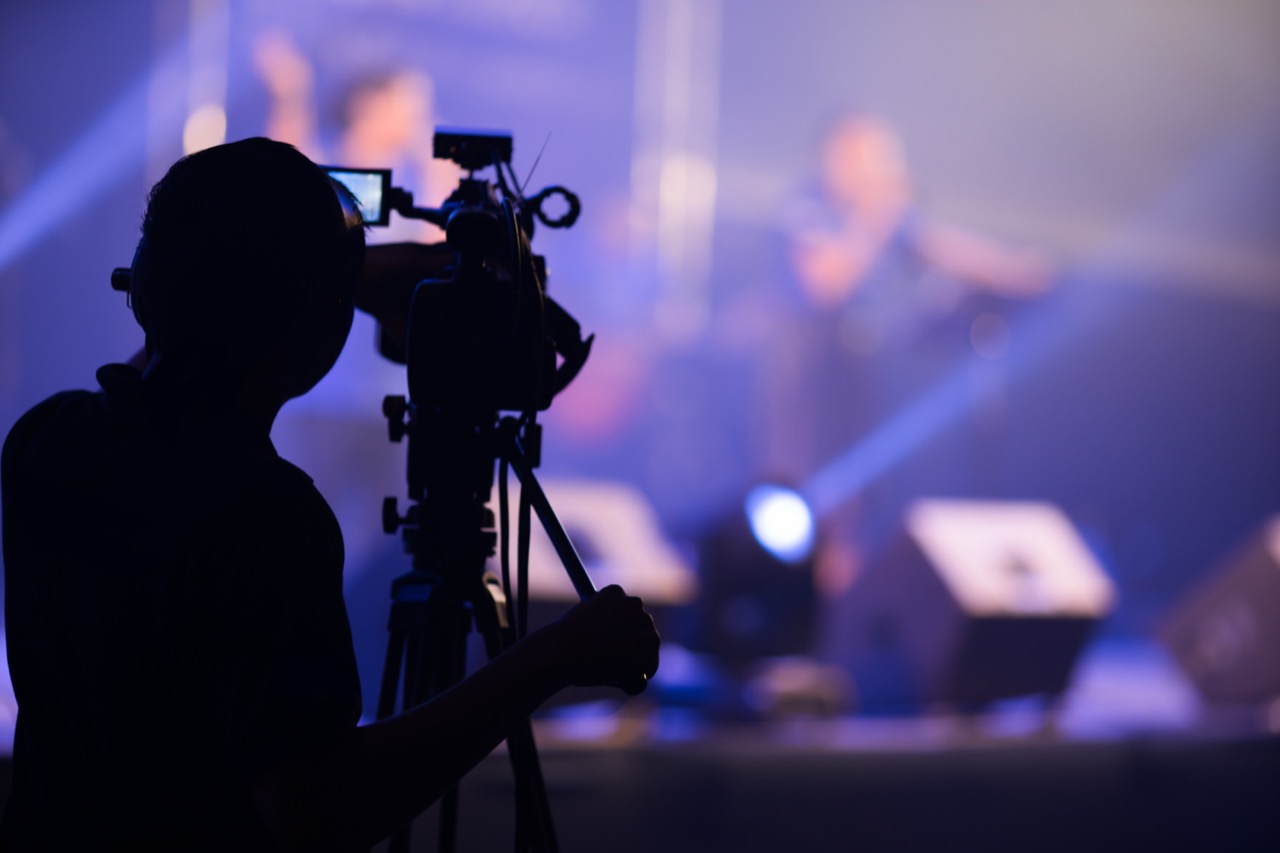
Directors and the rhythm of action Action directors are often praised for a sense of geography and tempo. They decide when to hold a wide shot to prove a stunt is real, when to cut for emphasis, and how to use camera movement without losing clarity. Music and sound effects also guide emotion, turning a simple punch into a moment that feels decisive. Many modern franchises maintain a consistent action language across sequels by keeping key stunt teams, coordinators, and second unit crews.
Conclusion The next time you watch a spectacular chase or a last second rescue, it can be fun to look past the surface thrills and notice the craft underneath. Action movies are a collaboration between performers, stunt professionals, camera crews, editors, and directors who shape danger into storytelling. Remembering the stars, rivalries, vehicles, locations, and signature techniques is part of the joy, and it is exactly the kind of screen smarts that turns a quiz into a victory lap for true adrenaline experts.