









Introduction The 1960s felt like a decade that rewired daily life in real time. New sounds spilled from record players, new images arrived through television screens, and new ambitions reached as far as the Moon. Politics, culture, science, and style collided in ways that made headlines feel personal. Understanding this era means seeing how ordinary routines and world history became tightly linked.
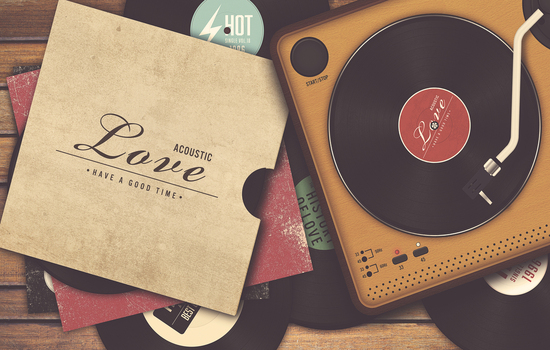
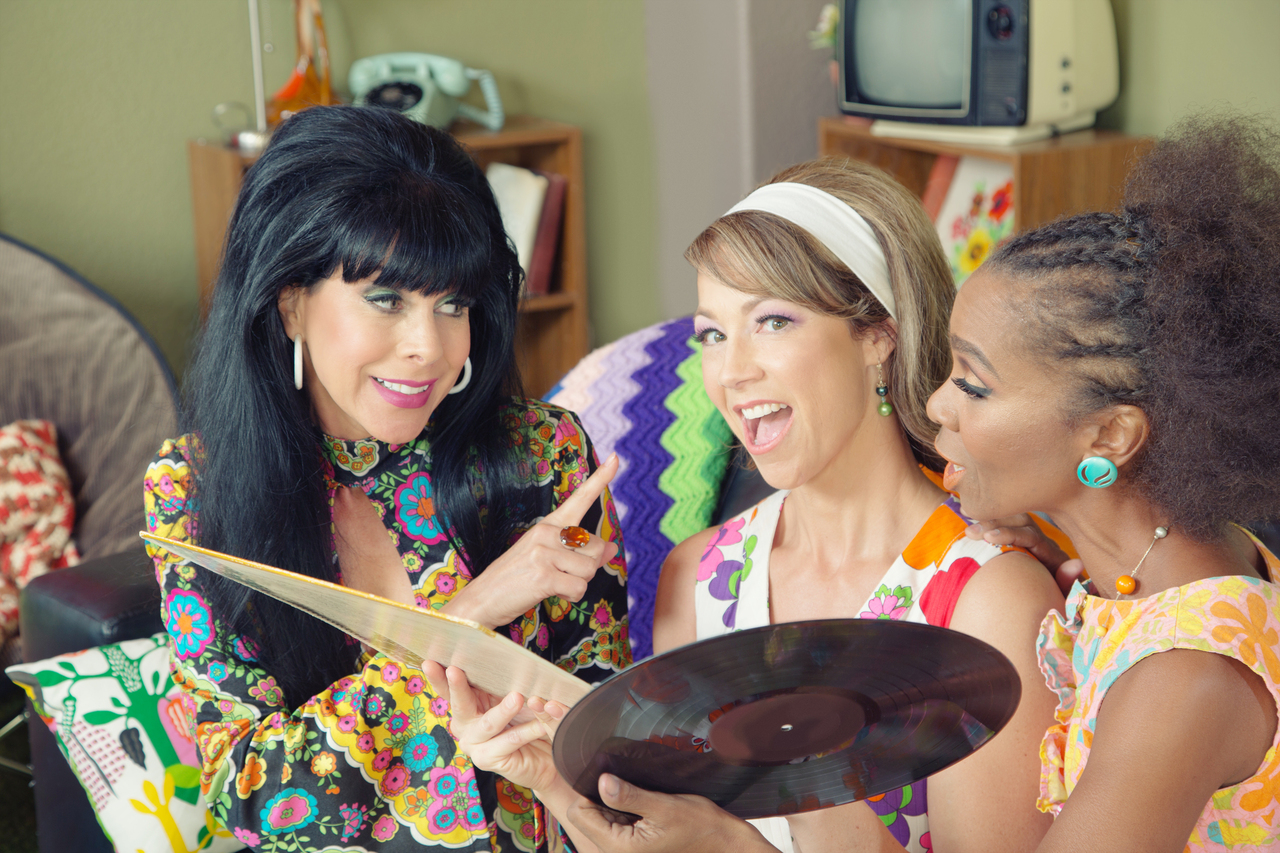
Pop culture goes global Recorded music turned into a worldwide youth language. The rise of teen idols early in the decade gave way to bands that wrote their own material and shaped identity, not just entertainment. The Beatles helped spark a wave often called the British Invasion, but the story is bigger than one group. Motown brought polished, danceable hits that crossed racial lines on the charts, while folk and later rock music carried messages about war, freedom, and generational change. Album art, radio countdowns, and portable record players made music a constant companion. At the same time, film and literature experimented with new storytelling, from edgier themes to more realistic characters, reflecting a public willing to question authority.
Television and shared moments Television became the town square. Families watched the same broadcasts and talked about them the next day, whether it was a presidential debate, a breaking news bulletin, or a variety show performance. The first televised U.S. presidential debates in 1960 highlighted how appearance and media skills could shape politics. TV also carried cultural shifts into living rooms, helping create national conversations about race, war, and social change. Even entertainment programs influenced fashion and slang, proving that culture could spread at the speed of a broadcast.
Civil rights and social movements Civil rights activism challenged segregation and discrimination through marches, legal battles, and acts of nonviolent protest. Landmark changes such as the U.S. Civil Rights Act of 1964 and Voting Rights Act of 1965 were not sudden miracles but outcomes of sustained organizing and personal risk. The decade also saw growing movements for women’s rights, student activism, and broader calls for equality. These struggles changed laws, but they also changed expectations about who should have a voice in public life.
Cold War pressure and proxy conflicts Behind many headlines was the Cold War contest between the United States and the Soviet Union. The Cuban Missile Crisis in 1962 brought the world frighteningly close to nuclear war, showing how quickly diplomacy could become a life or death calculation. Conflicts in places like Vietnam became proxy battlegrounds, and public support for war increasingly collided with televised images and rising casualty counts. Espionage, propaganda, and alliances shaped decisions far from the front lines, affecting everything from budgets to school drills.
Science, technology, and the space race The space race turned engineering into prime time drama. Yuri Gagarin became the first human in space in 1961, and the Apollo program culminated in the 1969 Moon landing, watched by millions. These achievements depended on rapid advances in computing, materials, and communications, even though computers were still enormous machines by modern standards. Medicine also leapt forward, including progress in vaccines and surgical techniques, while aviation advanced through faster jets and expanding commercial travel.
Conclusion The 1960s were loud, visual, and restless, powered by young voices and high stakes geopolitics. Vinyl records carried new identities, television created shared reality, and rockets made the future feel close enough to touch. The decade’s revolutions were not confined to one arena; they echoed across politics, culture, science, and everyday life, leaving a legacy that still shapes how we argue, create, and imagine what comes next.