How Scholarly Is Your Time-Travel Brain?

About This Quiz
Some people collect fun facts; others collect footnotes. This quiz gauges how you engage with the past and with scholarship—from casual curiosity to full-on research mode. Your choices reveal whether you prefer big-picture narratives, primary sources, structured study, or spirited debate. There are no “right” answers here—only different styles of learning and interpreting evidence. Expect questions about how you read, watch, visit museums, handle uncertainty, and react to historical arguments. By the end, you’ll get a personality type that reflects your blend of curiosity, rigor, and historical thinking, plus a snapshot of what motivates you to keep learning. Grab your mental notebook and see where you land on the spectrum of informed, inquisitive, and intensely analytical.
You’re writing about the past. Your biggest priority is…

A class discussion gets heated. You tend to…

When dates and names get overwhelming, you prefer to…

Your ideal learning environment is…

Which book style sounds most appealing?

How do you feel about uncertainty in historical knowledge?
You’re told two sources contradict each other. Your reaction?

A friend shares a dramatic historical claim online. You…

A historical biography leaves out uncomfortable details. You…
You pick up a new history topic. What’s your first move?

In a museum, you spend the most time…

Pick the statement that fits you best.
How Scholarly Is Your Time-Travel Brain? A Guide to Learning From the Past

Introduction When you dive into history, you are not just collecting dates. You are choosing a way of thinking. Some people want a sweeping story that makes the past feel alive. Others want the receipts: letters, ledgers, artifacts, and arguments that show how we know what we know. If you have ever wondered why you love documentaries but avoid dense books, or why you cannot stop fact-checking a historical claim, you may be noticing your own historical learning style. Understanding that style can make the past more enjoyable and help you learn more effectively.
Big-picture thinkers and narrative explorers Many learners start with narratives. A well-told account of a revolution, an empire, or a famous trial can provide a mental map: who mattered, what changed, and why it still echoes today. Narrative history is powerful because humans remember stories better than lists. A useful trick is to treat a narrative like a travel itinerary. As you read or watch, note three things: the main conflict, the turning points, and the stakes for ordinary people. Even if you never open an academic journal, you can sharpen your understanding by asking, What is the author leaving out? Every story has a frame.
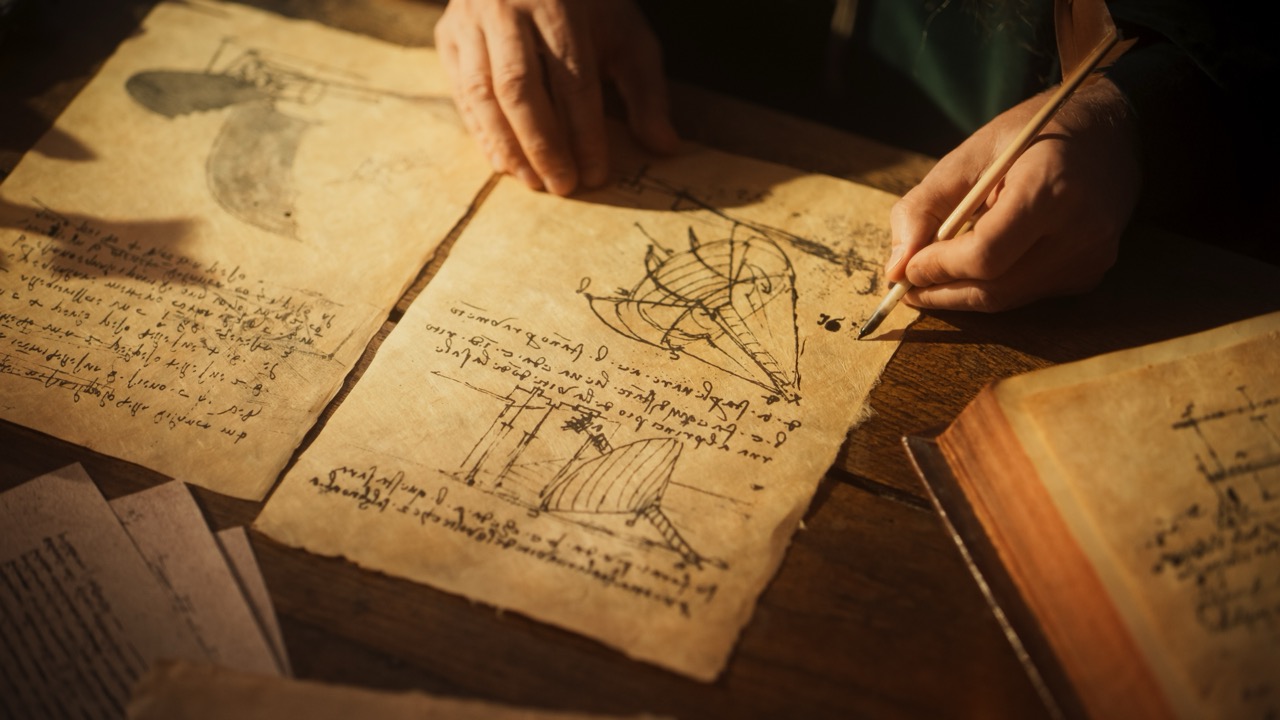
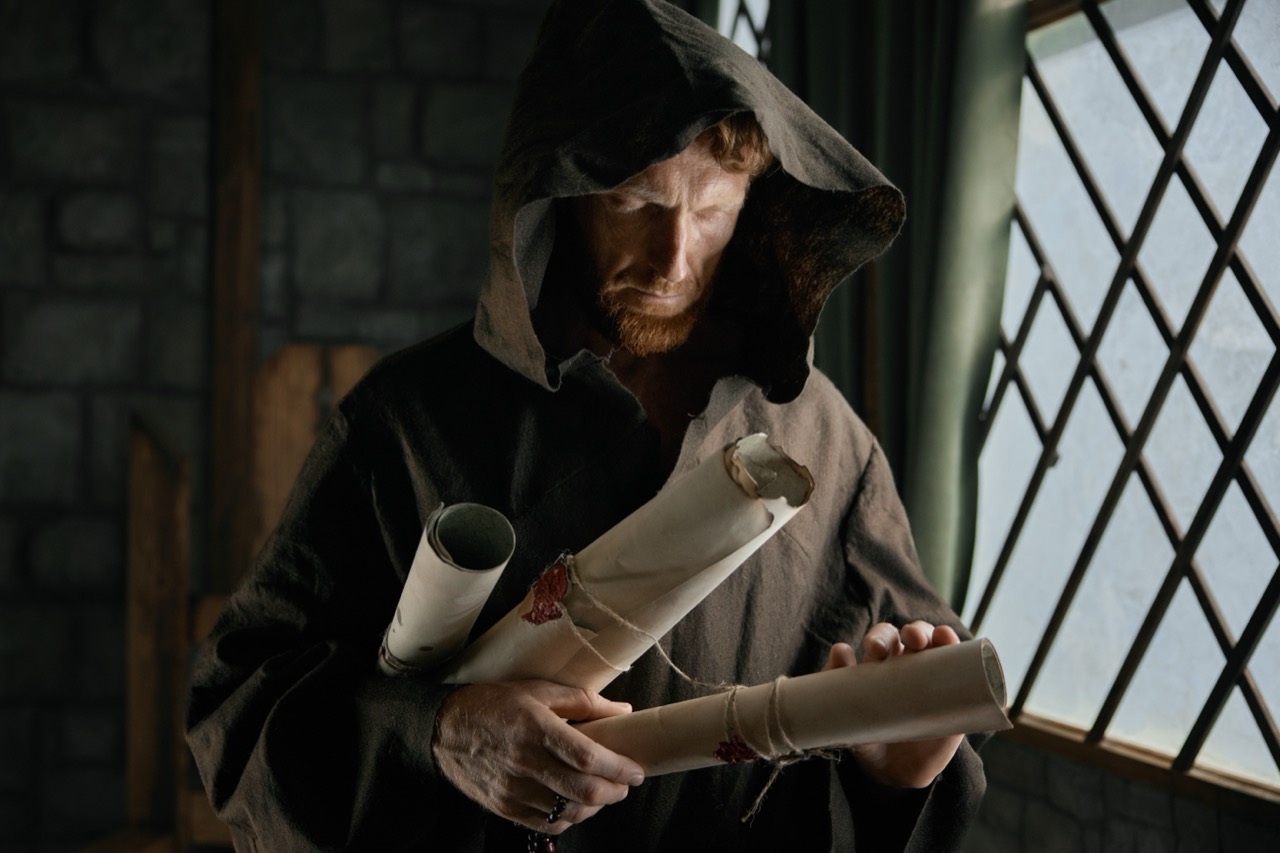
Primary-source detectives and evidence lovers Some people feel most at home with primary sources, the raw materials of the past. These include diaries, court records, newspaper ads, photographs, maps, and even shopping lists. Primary sources can be thrilling because they offer immediacy, but they also demand caution. A letter may be honest, but it is still written for an audience and shaped by bias, fear, and social norms. One engaging fact: historians often learn as much from what is missing as from what is present. If a census suddenly stops listing a category, or a newspaper avoids naming a group, that silence can signal political pressure or changing definitions. If you love primary sources, try reading one item twice: first for what it says, second for what it assumes.
Structured scholars and method fans If you enjoy courses, timelines, and carefully organized notes, you are using a scholarly toolkit. Academic history is not just about knowing more; it is about justifying claims. That is why footnotes matter. They allow others to trace the path from evidence to conclusion. A simple habit can bring this rigor into everyday learning: whenever you encounter a strong claim, ask, What is the source and how close is it to the event? A memoir written decades later is different from a document created during the event. Another useful concept is context. A law, for example, makes more sense when you understand the economic pressures and cultural assumptions behind it.
Debaters, skeptics, and uncertainty managers Some learners thrive on disagreement. They read competing interpretations and want to know which argument is stronger. This is healthy, because history is often an argument built from incomplete evidence. New discoveries, like a cache of letters or improved archaeological dating, can shift what seems likely. Even without new evidence, historians may reinterpret events using new questions, such as focusing on gender, climate, labor, or technology. If you like debate, practice separating facts from interpretations. Two historians may agree on what happened but disagree on why it mattered.
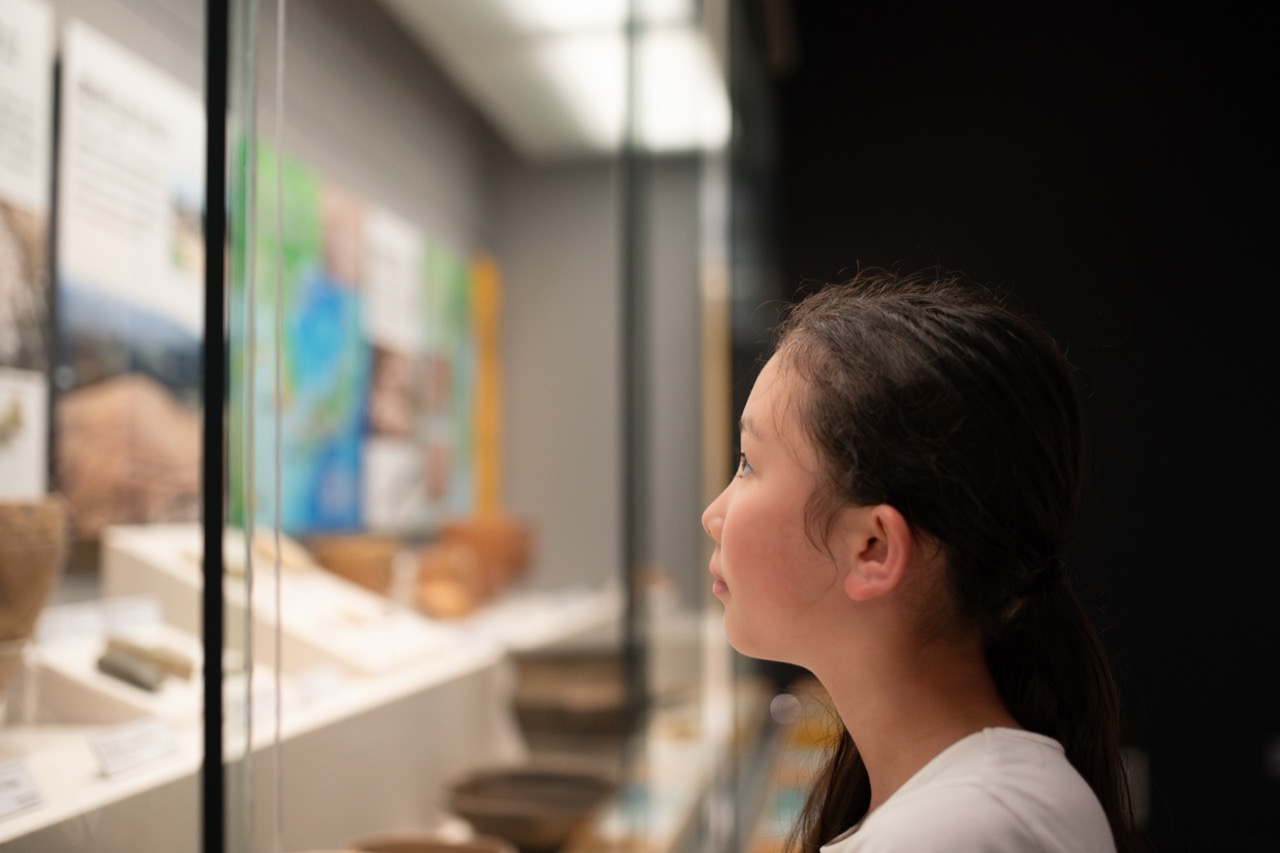
Museums, media, and the everyday past Museums and documentaries can be excellent gateways, but they are curated. Exhibits choose objects, captions, and lighting to tell a story. Next time you visit a museum, look for what is emphasized: leaders or workers, battles or daily life, triumphs or costs. In media, watch for anachronisms, when modern values are projected onto the past without explanation. Spotting these patterns is not about ruining the fun; it is about becoming a more attentive time traveler.
Conclusion Your time-travel brain might be a storyteller, a detective, a methodical scholar, a spirited debater, or a blend of all four. The best part is that each style can borrow tools from the others. Add a little sourcing to your narratives, a little context to your primary sources, and a little humility to your debates. The past is not a fixed script. It is a conversation between evidence and imagination, and your curiosity is what keeps it alive.