







Introduction The decades often remembered for big hair and bigger headlines were also a turning point in how people learned about the world and how they expressed themselves. Radio and television did more than entertain. They carried breaking news, new sounds, and new ideas into living rooms and cars, creating shared moments that could unite millions at once. The result was a fast moving mix of optimism, anxiety, and creativity that still shapes modern culture.
Space, science, and the promise of tomorrow Few events captured global attention like the space race. Landmark missions turned astronauts into household names and made science feel personal. The first human steps on the Moon in 1969 were watched by an enormous worldwide audience, proving that television could turn a technical achievement into a common emotional experience. Space exploration also pushed advances in computing, materials, and communications. Even people who never followed engineering could feel the ripple effects as satellites improved long distance broadcasting and weather forecasting, and as new electronics gradually became smaller, cheaper, and more reliable.
Politics, protests, and the power of broadcast The same airwaves that carried wonder also carried conflict. The civil rights movement demonstrated how images and firsthand reporting could change public opinion. Televised speeches, marches, and confrontations made injustices harder to ignore and helped build national momentum for legal and social change. Coverage of war, especially Vietnam, brought graphic reality into homes in a way earlier conflicts had not. That shift altered trust in institutions and fueled debate, while nightly news programs became a kind of shared campfire where families processed events together.
Music gets louder and youth culture gets bigger Popular music transformed rapidly, moving from polished crooners and tightly controlled studio acts to guitar driven bands and stadium filling performances. The Beatles, Motown, and later arena rock and punk each represented more than a sound. They signaled changing attitudes about identity, freedom, and generational power. Radio DJs, record charts, and televised performances could launch a song into national obsession almost overnight. Music festivals became cultural landmarks, showing how entertainment could double as a social statement.
Television moments that became history Television evolved into the main stage for unforgettable broadcasts. Major events, from space missions to political conventions, were experienced live by millions. Interviews and debates could make or break reputations. Even entertainment programs shaped social norms, as sitcoms and variety shows reflected and sometimes challenged ideas about family, gender roles, and race. The growth of cable later expanded choices and helped create niche audiences, changing the idea that everyone watched the same few channels.
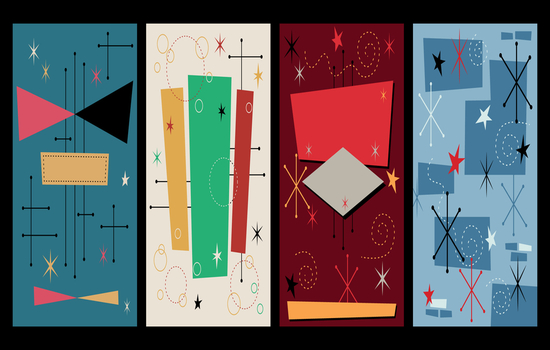
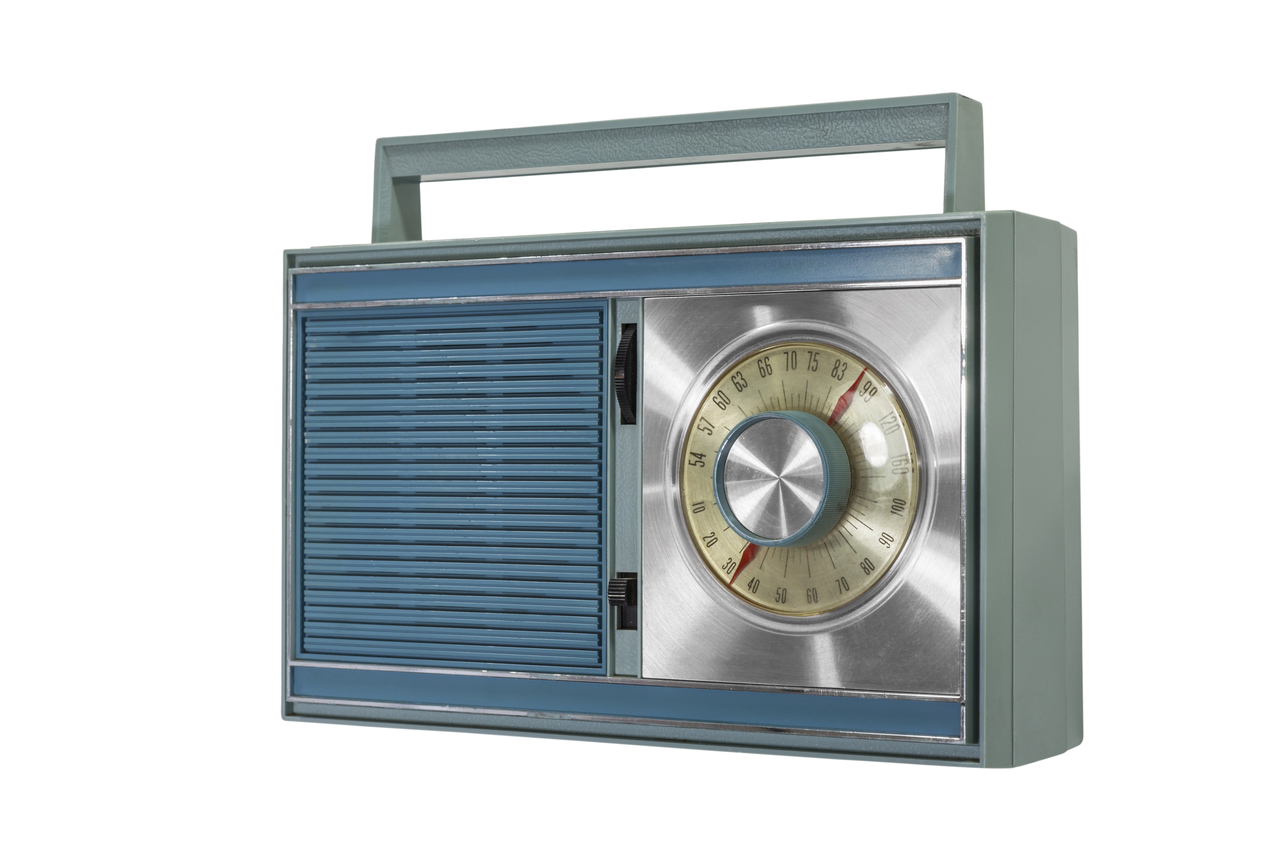
Everyday technology and the look of the era New technologies quietly slipped into daily routines. Transistor radios made music portable, while improvements in home appliances and consumer electronics changed how people spent their time. Early video games and home computing hinted at the digital future, and the rise of personal devices began to reshape work and leisure. Fashion and design echoed this experimental spirit, from bold colors and new synthetic fabrics to striking shapes in furniture and graphics. The style could be playful, rebellious, or futuristic, but it was rarely subtle.
Conclusion Revolution on the Airwaves is not just a catchy phrase. It describes a period when communication technologies amplified everything: scientific triumphs, social struggles, political tension, and cultural invention. The era proved that what people saw and heard could move faster than ever before, changing opinions, creating icons, and sparking movements. If a quiz asks you to connect a landmark mission, a protest, a chart topping record, and a breakthrough gadget, it is really asking you to remember how a rapidly changing world learned to watch itself in real time.