






Introduction The 1960s are often remembered as a blur of loud guitars, crowded marches, televised speeches, and bold new looks. What made the decade feel truly revolutionary was the way culture and politics fed each other. Music carried messages across borders, film reflected shifting morals, and style became a shorthand for identity and dissent. To understand the era is to see how a hit single, a headline, and a screen moment could all point to the same deeper changes in society.
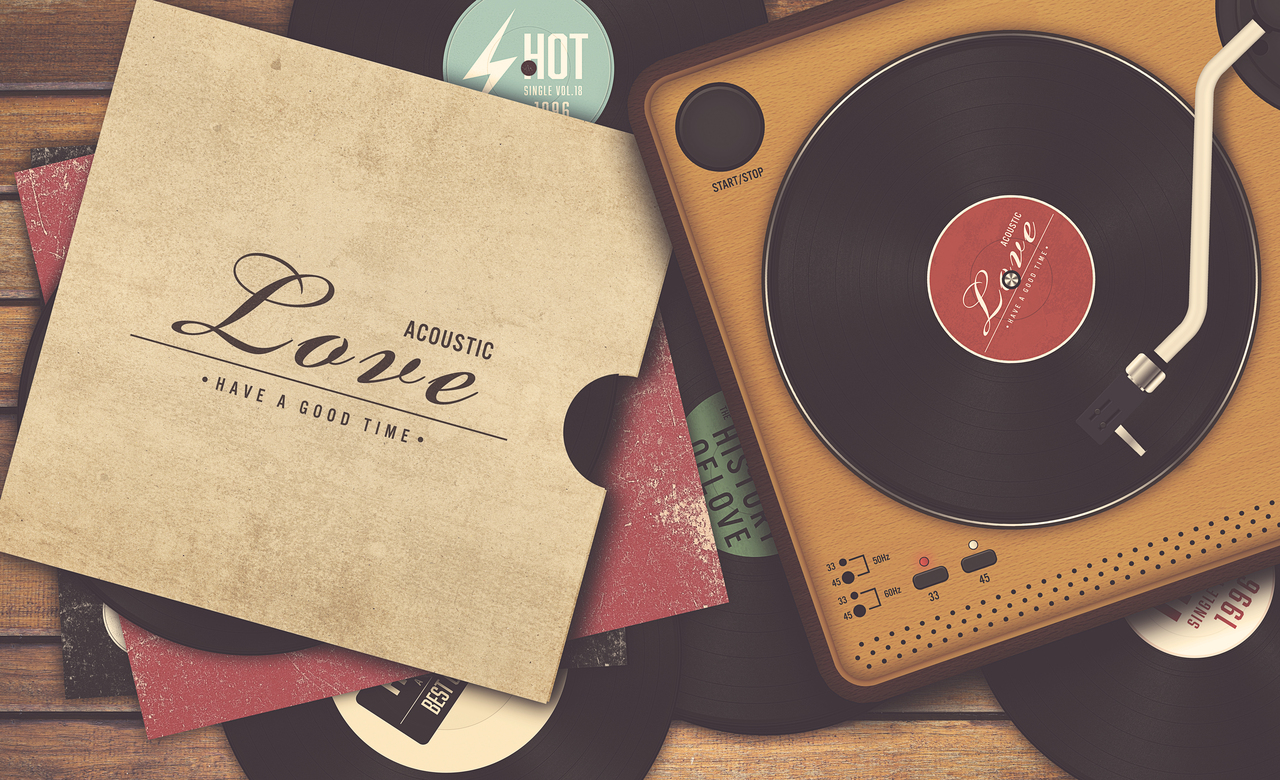
Music that moved crowds Recorded music became a mass megaphone in the 1960s. The British Invasion, led by bands like The Beatles and The Rolling Stones, reshaped pop by mixing American rhythm and blues with a new youth driven sensibility. At the same time, Motown polished soul into crossover gold, with artists such as The Supremes, Marvin Gaye, and Stevie Wonder bringing Black artistry to mainstream radio while navigating the pressures of a segregated industry.
Folk and protest music provided a soundtrack for activism. Songs associated with Bob Dylan and Joan Baez captured the mood of civil rights organizing and antiwar energy, while soul and gospel rooted many movement gatherings in communal singing. Late in the decade, psychedelic rock and ambitious studio albums signaled that pop was becoming an art form, with listeners treating records as experiences rather than just collections of singles.
Speeches, protests, and turning points Politics in the 1960s was increasingly experienced through mass media. Landmark speeches could reach millions through television and radio, helping define public memory. The civil rights movement advanced through organized campaigns, legal challenges, and courageous local action, while images of peaceful demonstrators facing violence forced many Americans to confront realities that had long been ignored.
The decade also saw intense conflict over the Vietnam War. As troop levels rose, so did public opposition, especially among students and young people. Protests became major events, sometimes met with harsh responses that further polarized opinion. Globally, Cold War tensions shaped daily life, from nuclear fear to ideological competition. Moments like the Cuban Missile Crisis revealed how close the world could come to catastrophe, while decolonization and independence movements reshaped maps and alliances.
Space race and the future on display Few stories captured the era’s mix of anxiety and optimism like the space race. The Soviet Union’s early achievements pushed the United States to invest heavily in science and engineering, culminating in the Apollo 11 moon landing in 1969. Beyond national pride, space exploration influenced design, advertising, and entertainment, making the future feel like a real destination rather than a distant dream.
Movies, television, and a changing lens Film and television both reflected and accelerated social change. Classic studio traditions still mattered, but new voices and riskier themes emerged as censorship weakened and audiences demanded realism. International cinema influenced American directors, and by the end of the decade the groundwork was laid for New Hollywood, where filmmakers experimented with antiheroes, ambiguity, and more naturalistic storytelling.
Television became the central stage for shared experience. Major news events were watched live, turning politics into something people witnessed together. Entertainment programs helped spread music and fashion nationwide, and celebrities became cultural lightning rods, admired, criticized, and imitated.
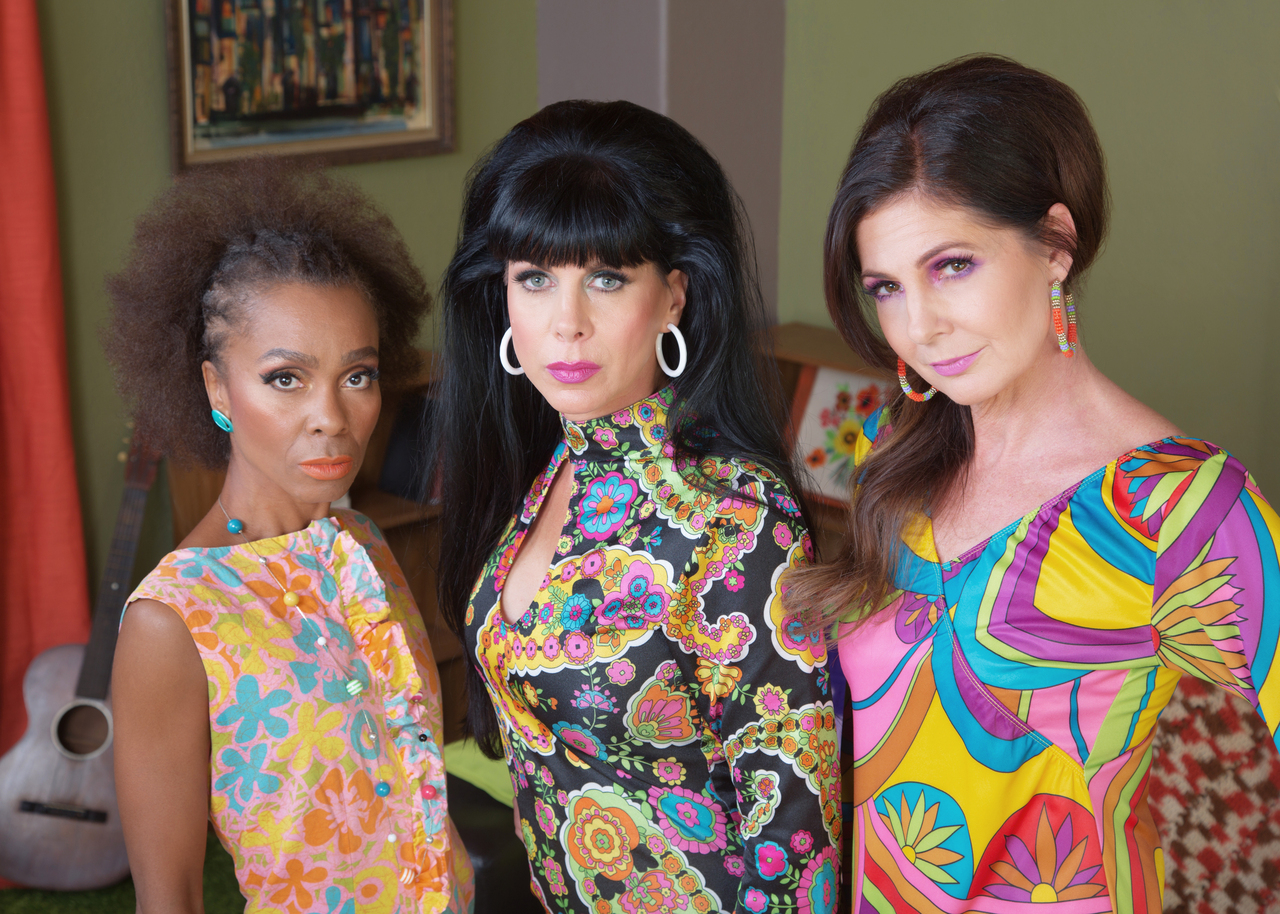
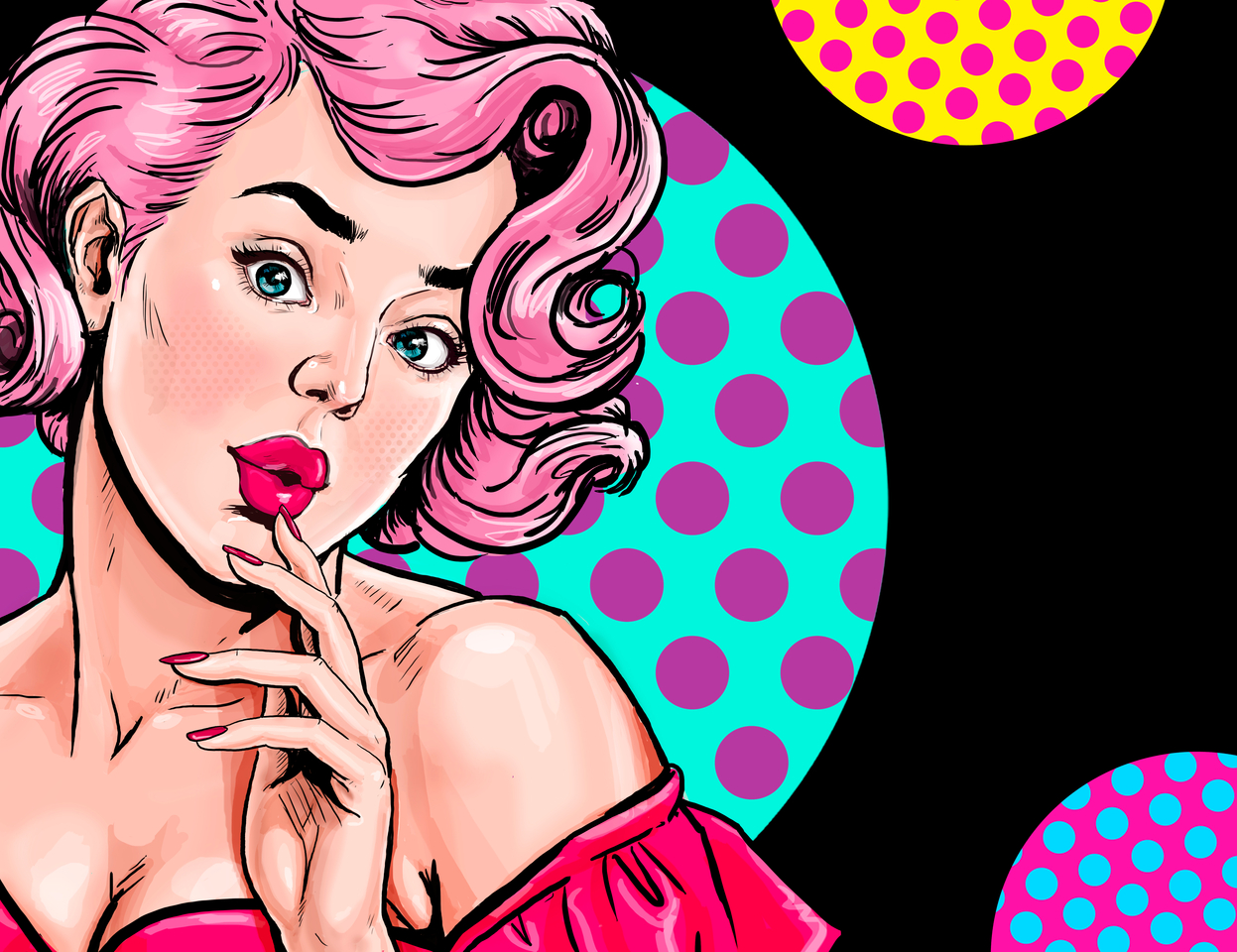
Style as identity Fashion in the 1960s was not just about looking good; it signaled belonging and belief. From mod looks and miniskirts to longer hair and counterculture clothing, style became a public statement. These trends often mapped onto generational divides and changing attitudes about gender roles, sexuality, and personal freedom.
Conclusion The 1960s still echo because the decade fused sound, image, and activism into a new kind of public life. Music carried politics into bedrooms and cars, film and television turned events into shared memory, and style made private values visible. Knowing the era means understanding connections: which movements shaped which songs, how global crises influenced art, and why certain moments remain reference points today. That interplay of vinyl, celluloid, and history is what makes the decade endlessly quiz worthy and endlessly worth revisiting.