Introduction The electric guitar is a small system with a big personality: vibrating strings, magnetic pickups, a chain of electronics, and finally an amplifier and speaker pushing air. The magic is that every link in that chain leaves fingerprints on the final sound. Understanding a few core ideas makes classic tones less mysterious and helps players make smarter choices about gear, technique, and setup.
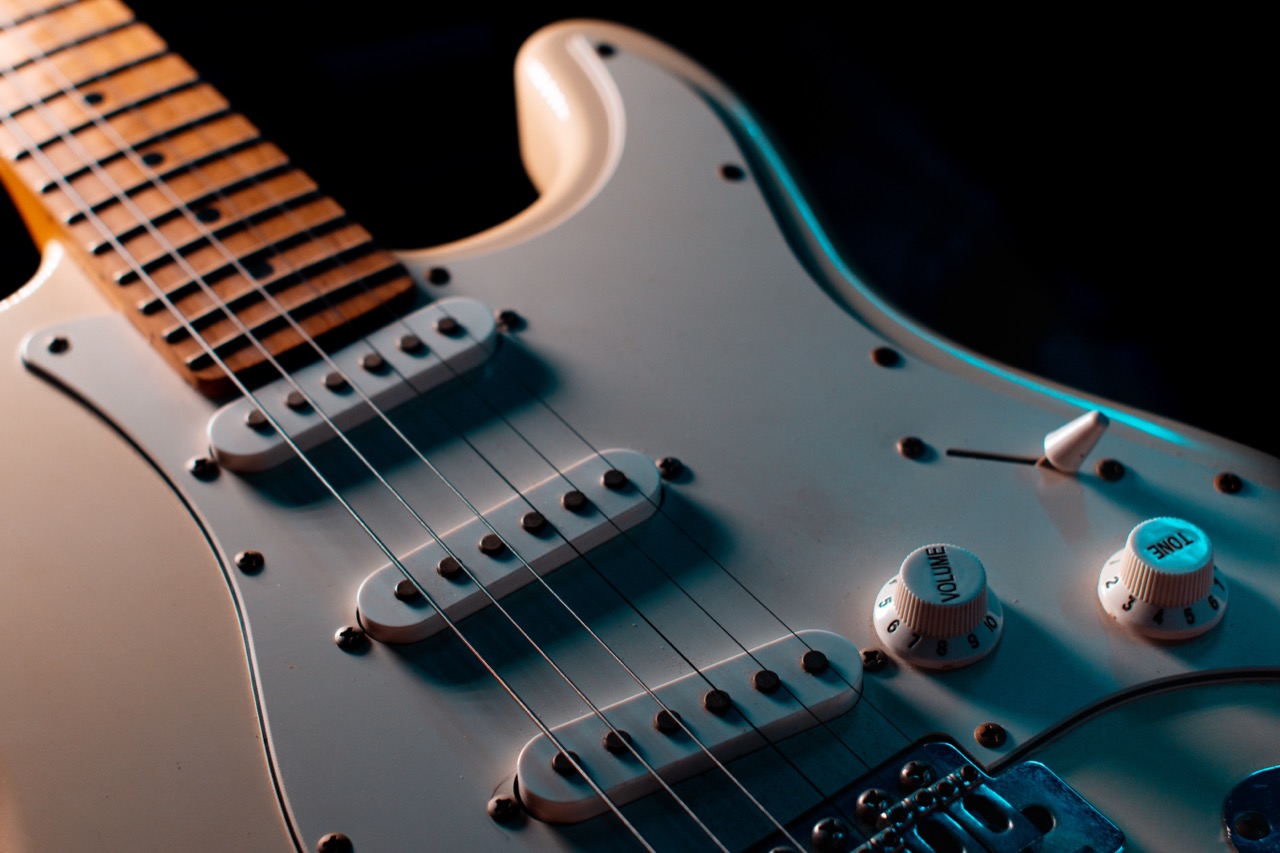
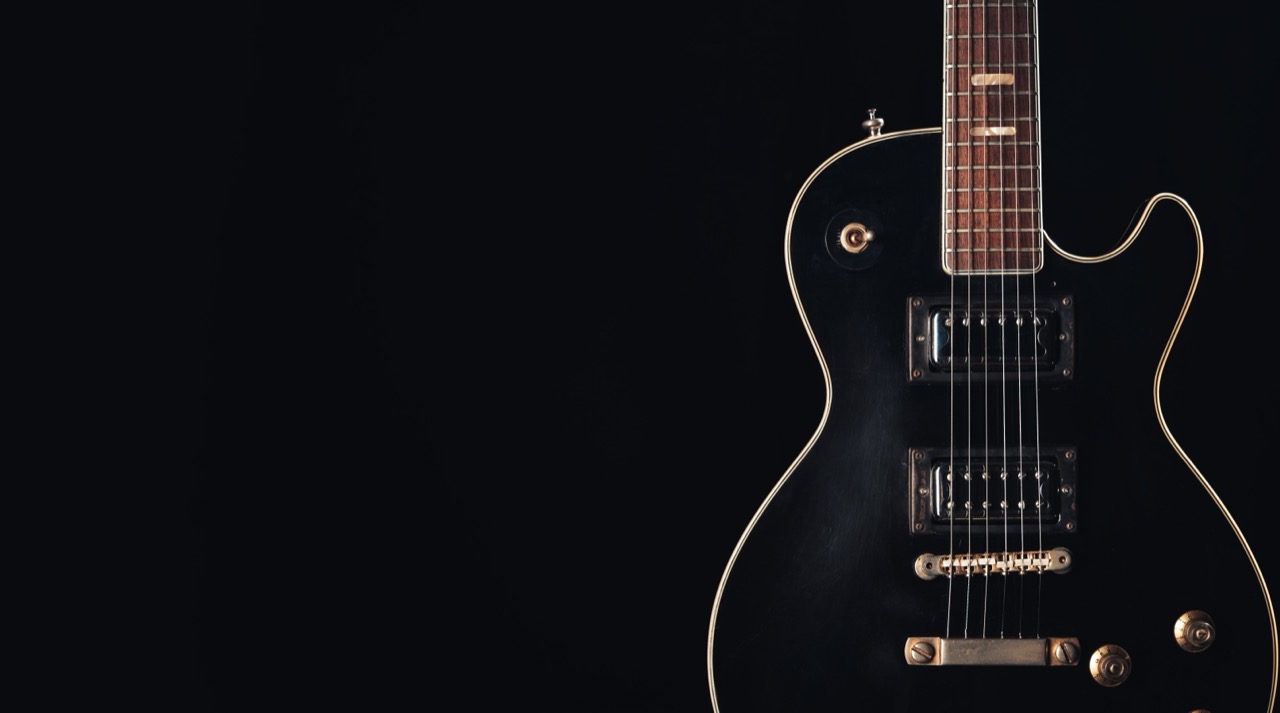
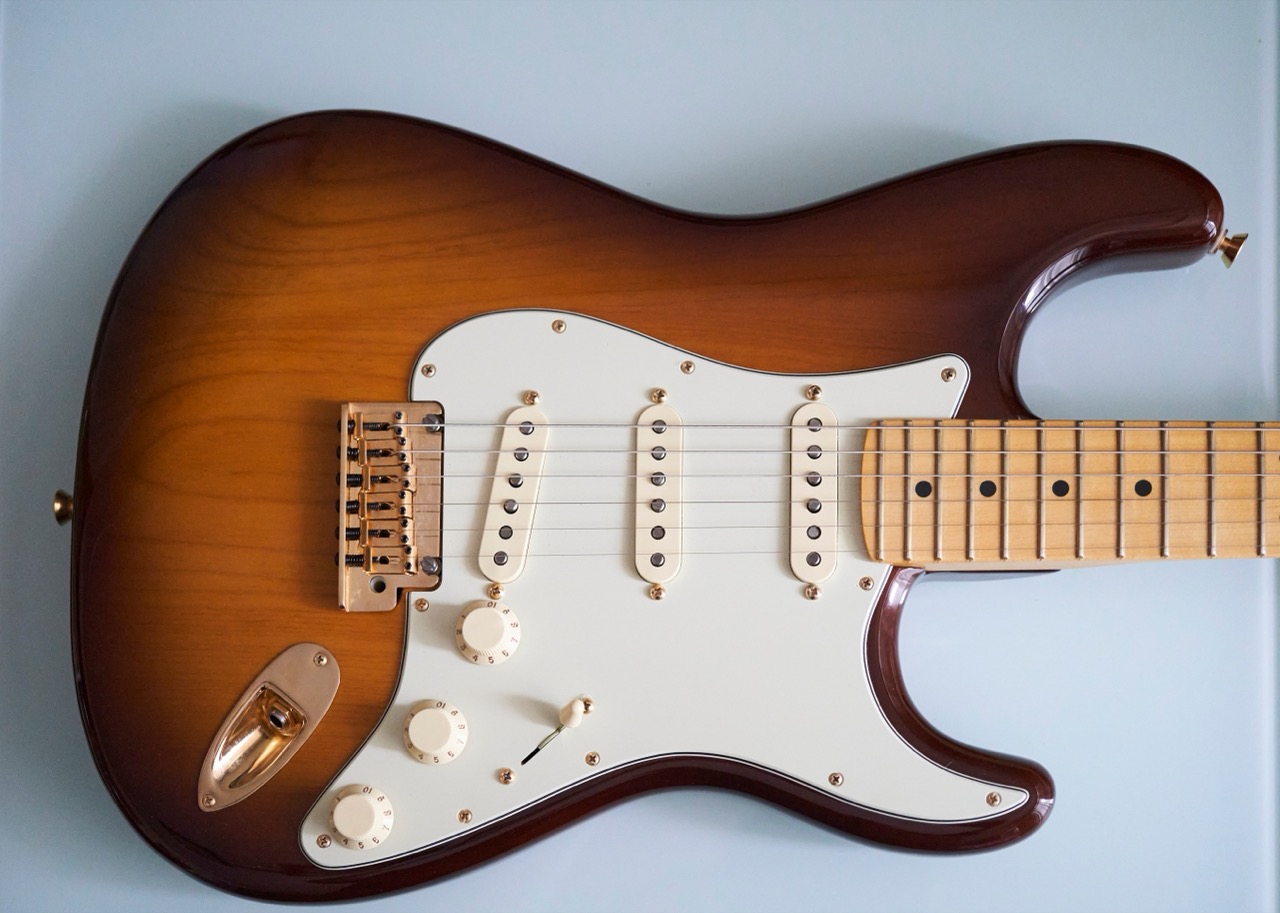
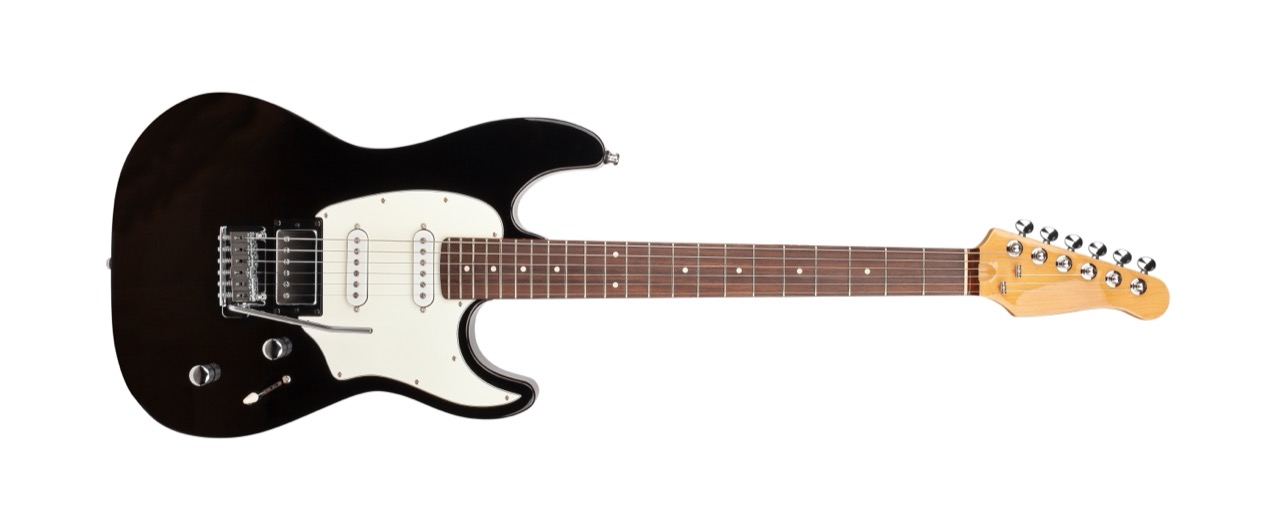
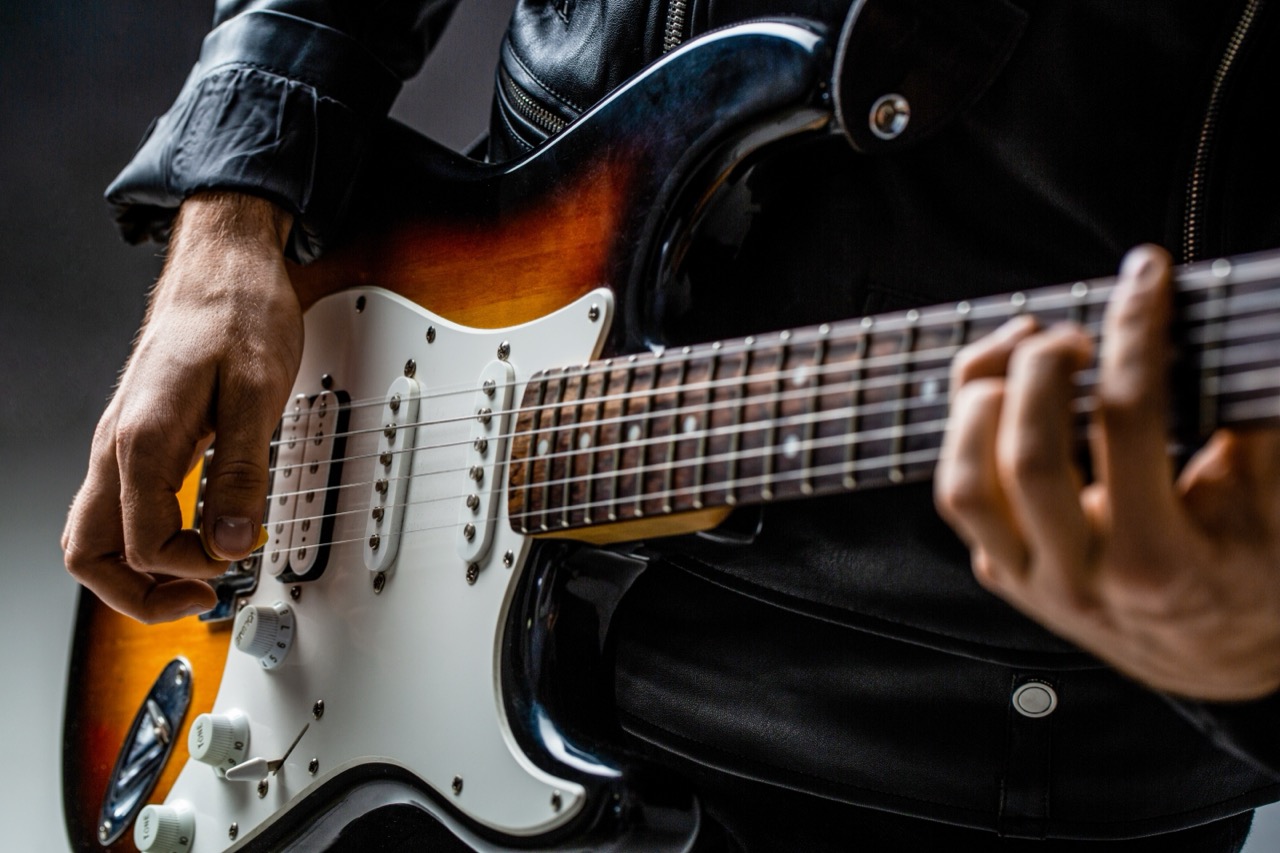
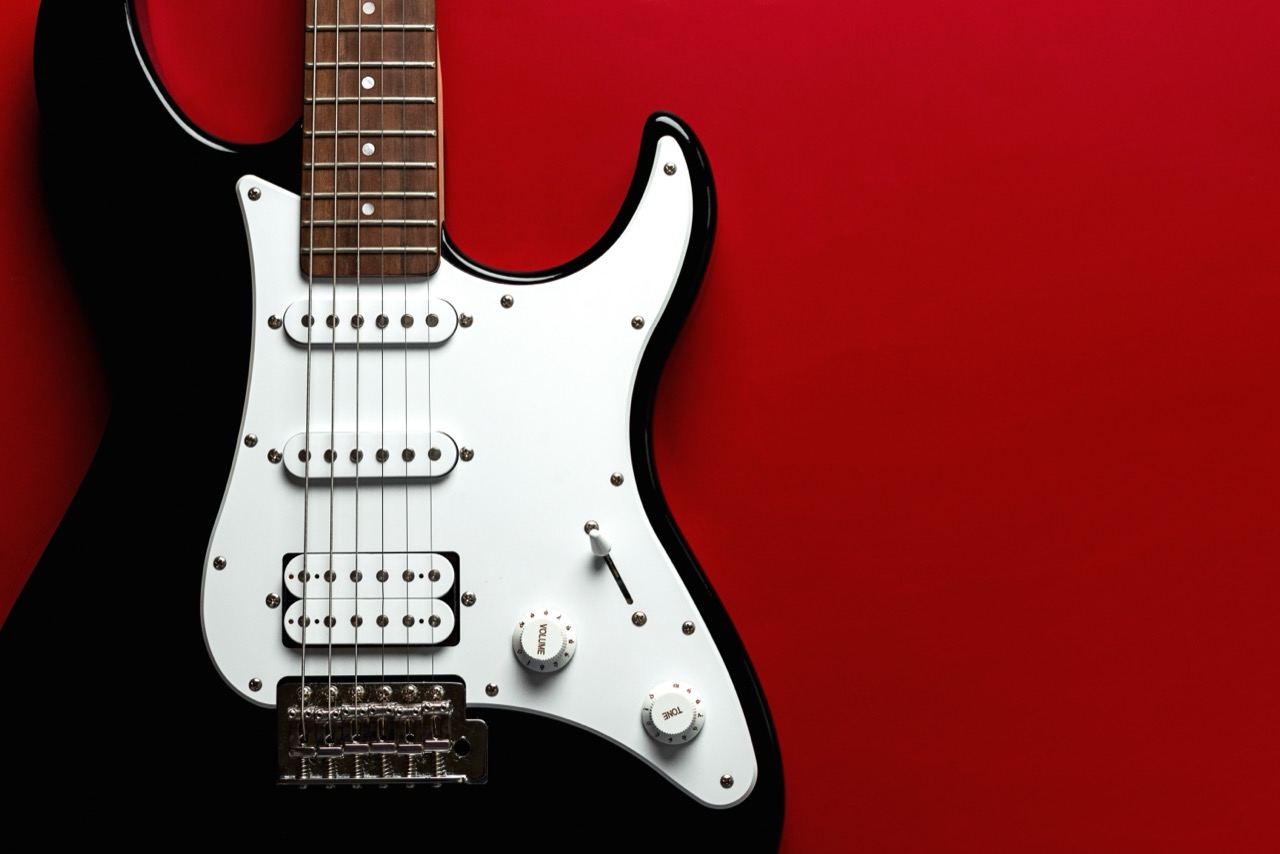
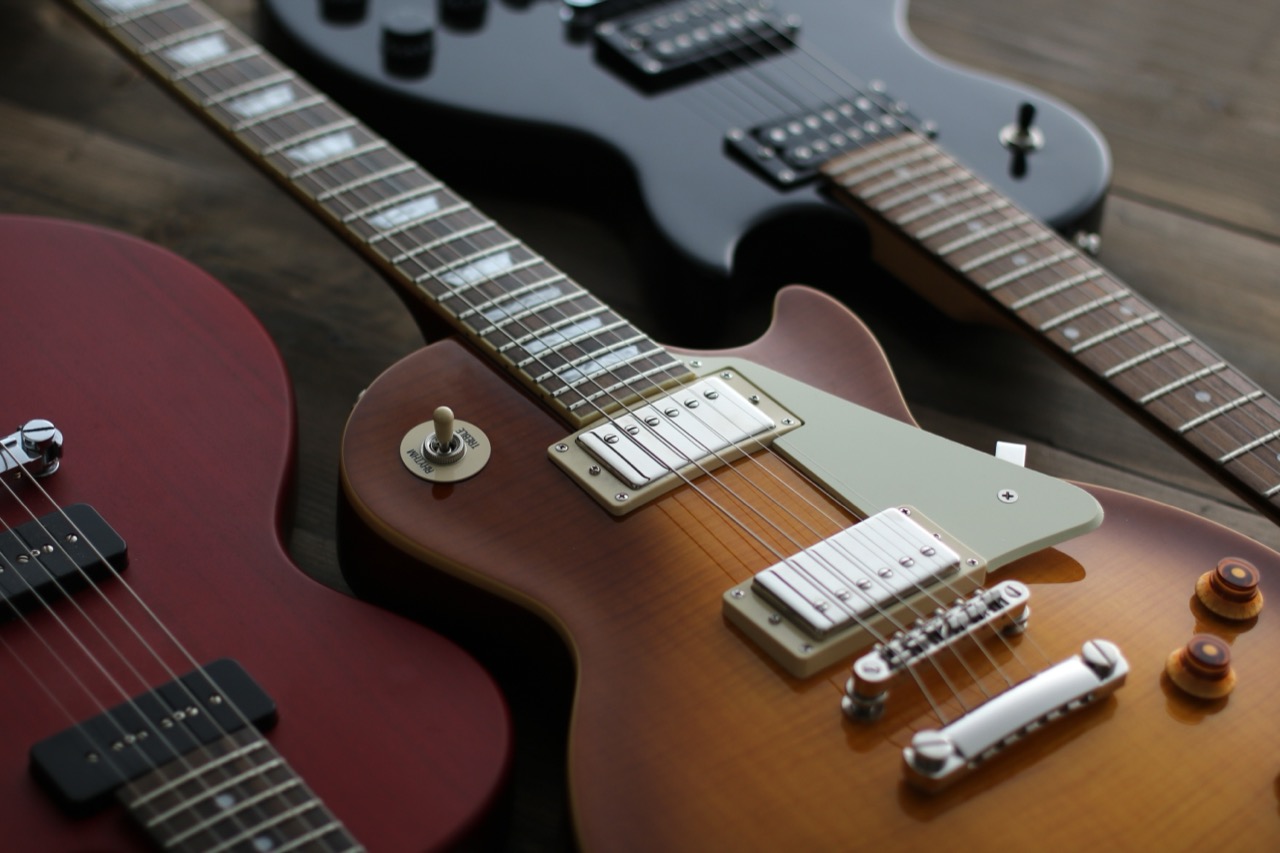
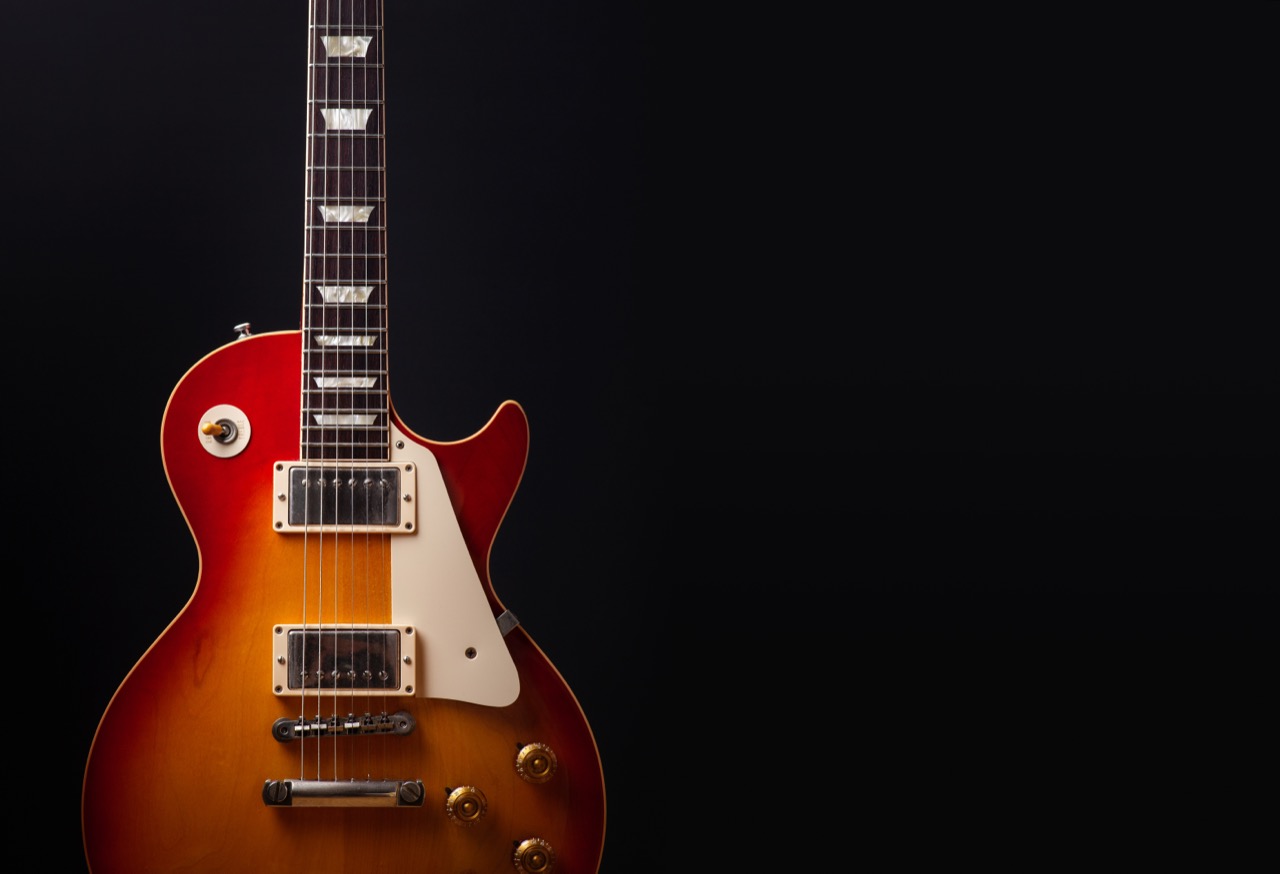
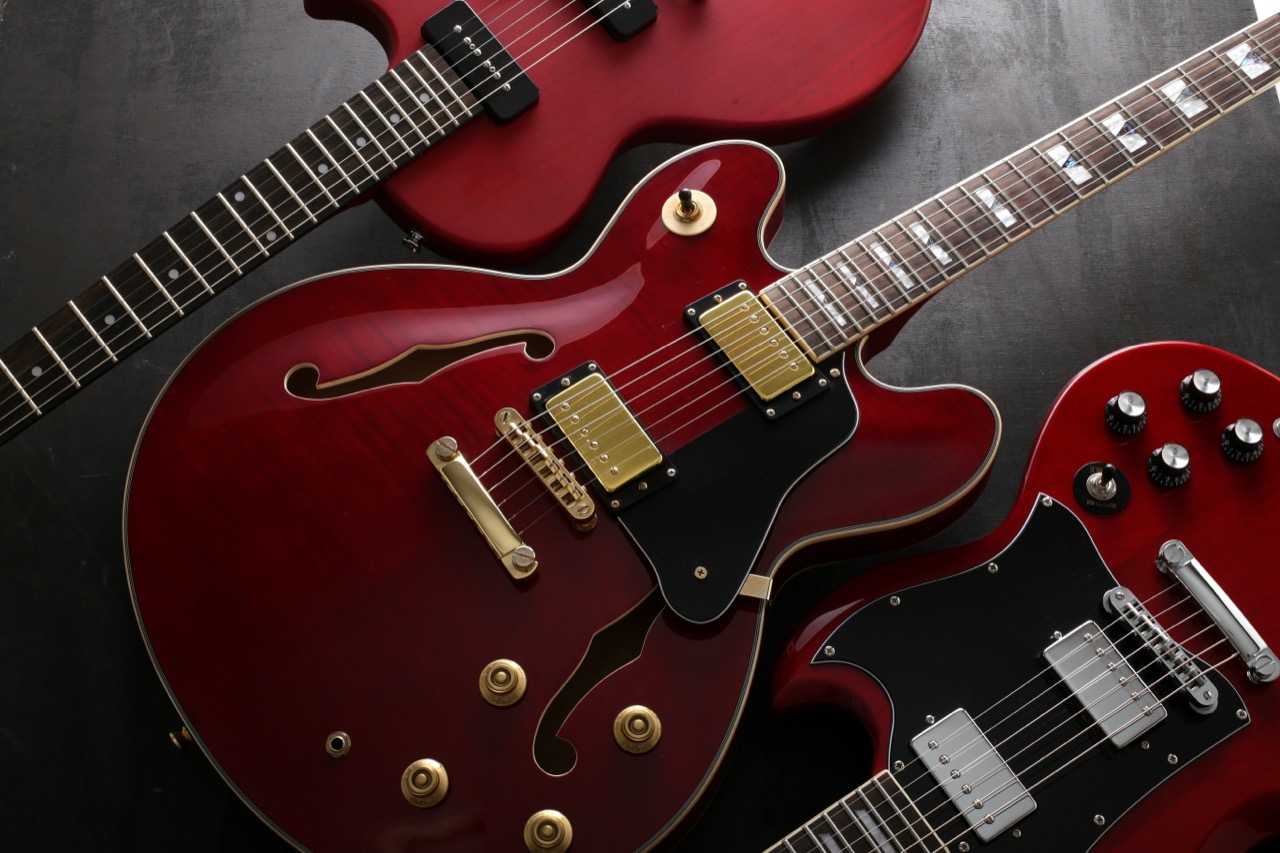
Pickups and the first translation of tone Pickups convert string vibration into an electrical signal using magnets and coils of wire. Single coil pickups tend to sound clear and detailed, often described as bright or glassy. They also commonly pick up electrical hum from lights and power sources. Humbuckers use two coils wired to cancel that hum, which usually produces a thicker, louder sound with more midrange and a smoother top end. Pickup placement matters too: a pickup closer to the bridge hears a tighter, brighter vibration pattern, while one nearer the neck captures a warmer, rounder sound.
Scale length, strings, and feel Scale length is the distance from nut to bridge. Longer scales generally create higher string tension at the same pitch, which can feel snappier and can emphasize clarity, especially on the low strings. Shorter scales feel looser and can make bends easier, often lending a slightly warmer character. String gauge plays into this: thicker strings increase tension and can sound fuller, while lighter strings feel slinkier and make vibrato and bending easier. None of these choices is universally better; they simply push the instrument toward different responses.
Capos, tuning, and what changes and what does not A capo clamps the strings at a chosen fret, effectively moving the nut and raising pitch. It lets you play familiar chord shapes in new keys and can brighten the sound because the vibrating string length becomes shorter. However, a capo does not change the actual tuning relationships between strings, and it does not magically make an out of tune guitar play in tune. If intonation is off, the capo may even highlight it, so a good setup matters.
Pedals and the gain story Effects pedals shape the signal before it reaches the amp. Overdrive and distortion increase gain and add harmonic content, which is why riffs sound thicker and leads sing. Fuzz is a more extreme, sometimes splattery form of clipping that became a signature of early rock and psychedelic tones. Modulation effects like chorus, phaser, and flanger add movement by slightly shifting pitch or phase. Delay repeats your signal for echo, while reverb simulates space. The order of pedals can change results dramatically, such as placing distortion before delay for clear repeats, or after delay for a more chaotic wash.
Amps, speakers, and the final voice An amplifier is not just a loudspeaker driver; it is a major tone shaper. Tube amps are famous for responsive breakup and compression when pushed, while solid state designs often aim for clean headroom and consistency. The speaker and cabinet matter as much as the amp: different speaker sizes and designs emphasize different frequencies, and a closed back cabinet typically sounds tighter and punchier than an open back. Mic placement in recordings can also change tone as much as a pedal tweak.
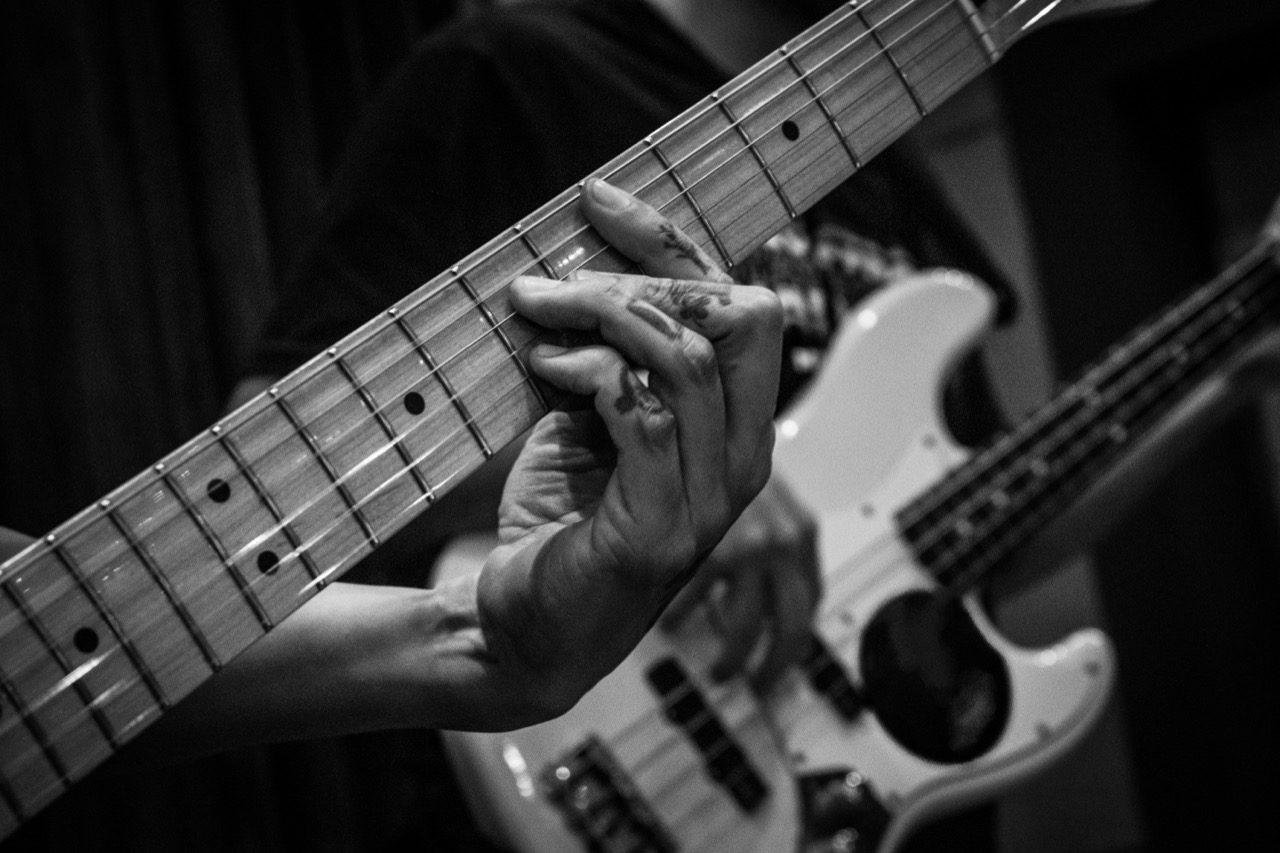
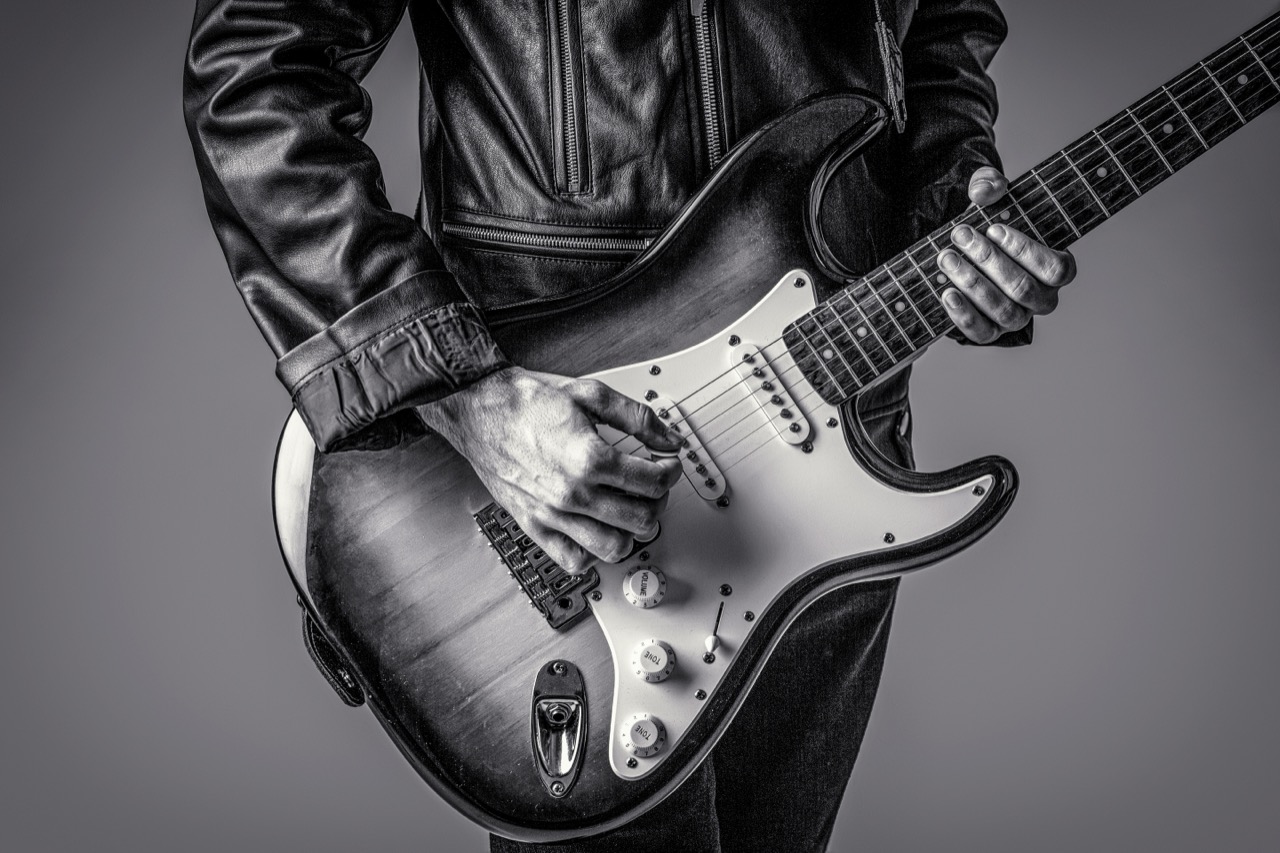
Technique and maintenance: the human and the hardware Palm muting shortens sustain and emphasizes attack, perfect for tight rhythm parts. Bending and vibrato add expression by changing pitch in controlled ways, with vibrato often being the signature of a player. Clean playing depends on basics: fresh strings, stable tuning machines, a properly cut nut, and correct intonation. Even pickup height can affect sustain and tuning if magnets pull too hard on the strings.
Conclusion Great electric guitar tone is a conversation between fingers, strings, pickups, effects, and amplification. Knowing how each piece works turns guesswork into intention, whether you want sparkling cleans, crunchy chords, or soaring leads. The best part is that these principles apply to nearly every style, so each new sound you chase becomes a chance to learn the instrument more deeply.