




Introduction Every trip, whether it is a quick commute or a long weekend drive, runs on a mix of physics, rules, and good habits. Modern vehicles hide impressive engineering under the hood, while roads use a shared language of signs, markings, and signals to keep traffic flowing. Understanding the basics is not just for passing a test. It helps you stay calm in surprises, save fuel, and make safer choices when conditions change.
Stability, traction, and bad weather basics When roads get slick from rain, snow, or ice, traction becomes the limiting factor. Tires matter more than many people realize: tread depth, rubber compound, and proper inflation all affect how well a car grips. In slippery conditions, smooth inputs are key. Gentle steering, gradual braking, and steady acceleration reduce the chance of losing control. Anti lock braking systems help you steer while braking hard, but they do not shorten stopping distance on ice; they mainly prevent wheel lock. Electronic stability control can detect a skid and apply braking to individual wheels to help the vehicle stay on its intended path. These systems are powerful, but they cannot defy physics, so slower speeds and larger following distances still do most of the work.
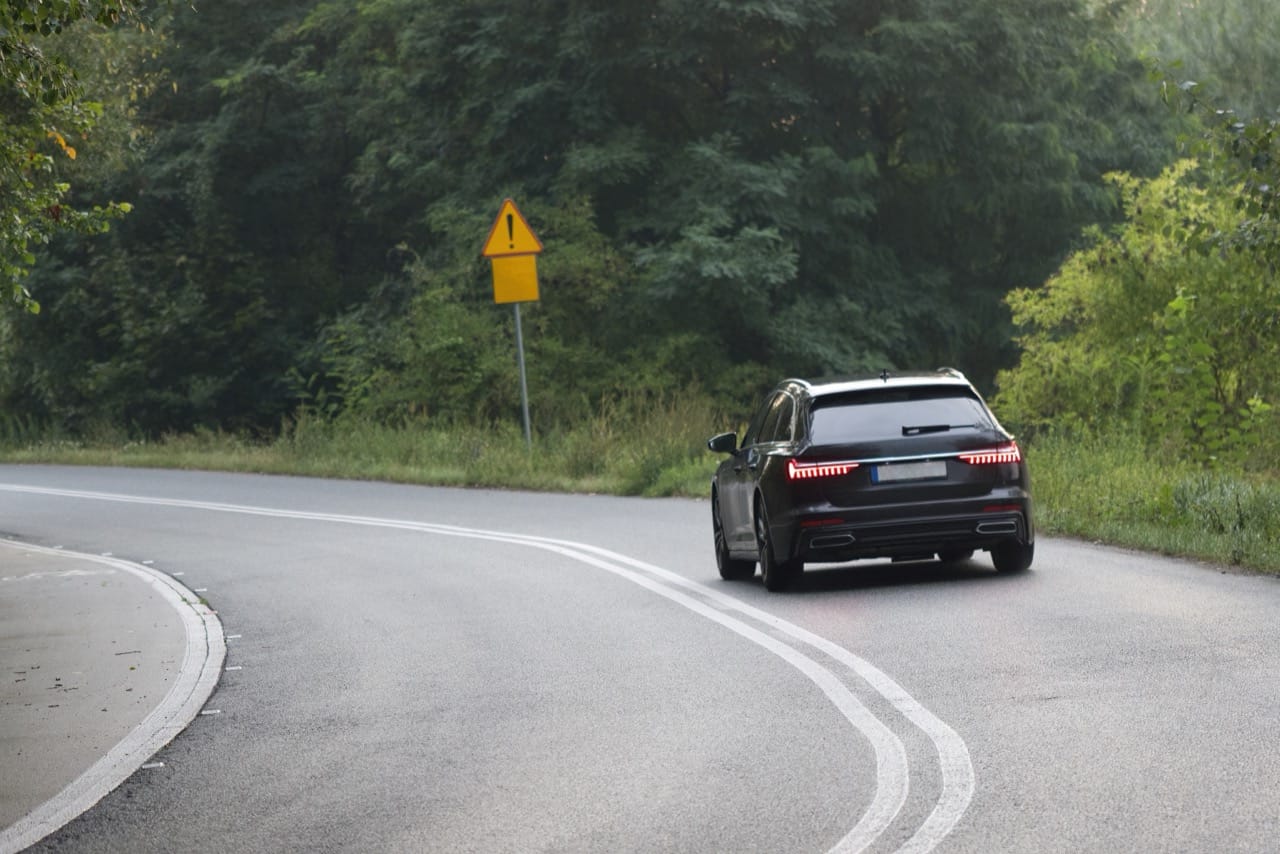
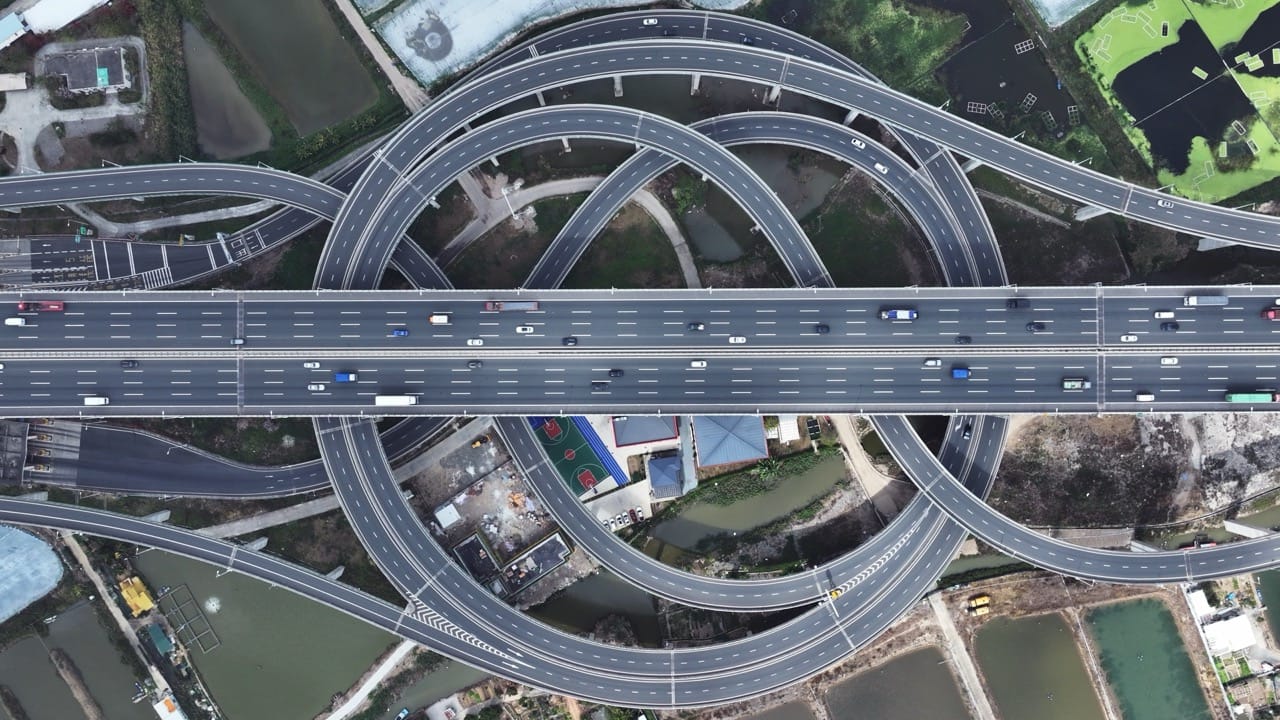
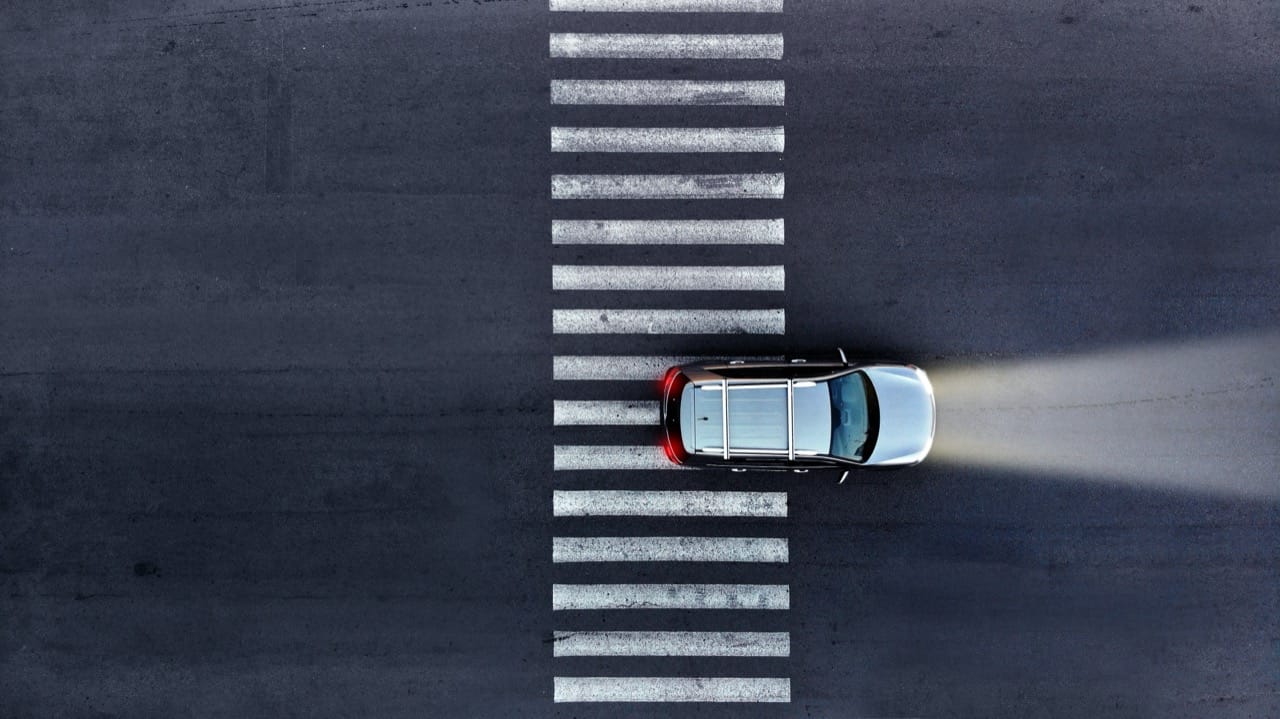
The road’s language: signs, signals, and markings Road signs and markings are designed for fast recognition. Colors and shapes carry meaning before you read a word: red signals stopping or prohibition, yellow warns of hazards or changes ahead, and green generally guides you to destinations. Pavement markings add another layer. Solid lines usually mean do not cross, while dashed lines indicate passing or lane changes are allowed when safe. Crosswalk markings and school zone signs highlight areas where you should expect pedestrians and lower speeds. Understanding this visual language reduces last second decisions, which is when many near misses happen.
Common laws and habits that prevent crashes Many traffic laws are simply codified common sense. Seat belts reduce the risk of serious injury, and proper child restraints protect passengers who cannot safely use adult belts. Speed limits are not only about enforcement; they reflect sight lines, road design, and the time needed to react. One of the most protective habits is maintaining space. A larger following distance gives you time to respond to sudden braking, debris, or a changing signal. Another is scanning intersections, even with a green light, because cross traffic mistakes are common.
Fuel saving and the hidden costs of rushing Fuel economy is shaped by driving style as much as by the vehicle. Rapid acceleration and hard braking waste energy. A steady pace, gentle starts, and anticipating traffic lights can reduce consumption. Extra weight and roof racks increase fuel use, and underinflated tires raise rolling resistance. At highway speeds, aerodynamic drag becomes a major factor, which is why driving a bit slower can save more fuel than people expect. These habits also reduce wear on brakes and tires, saving money over time.
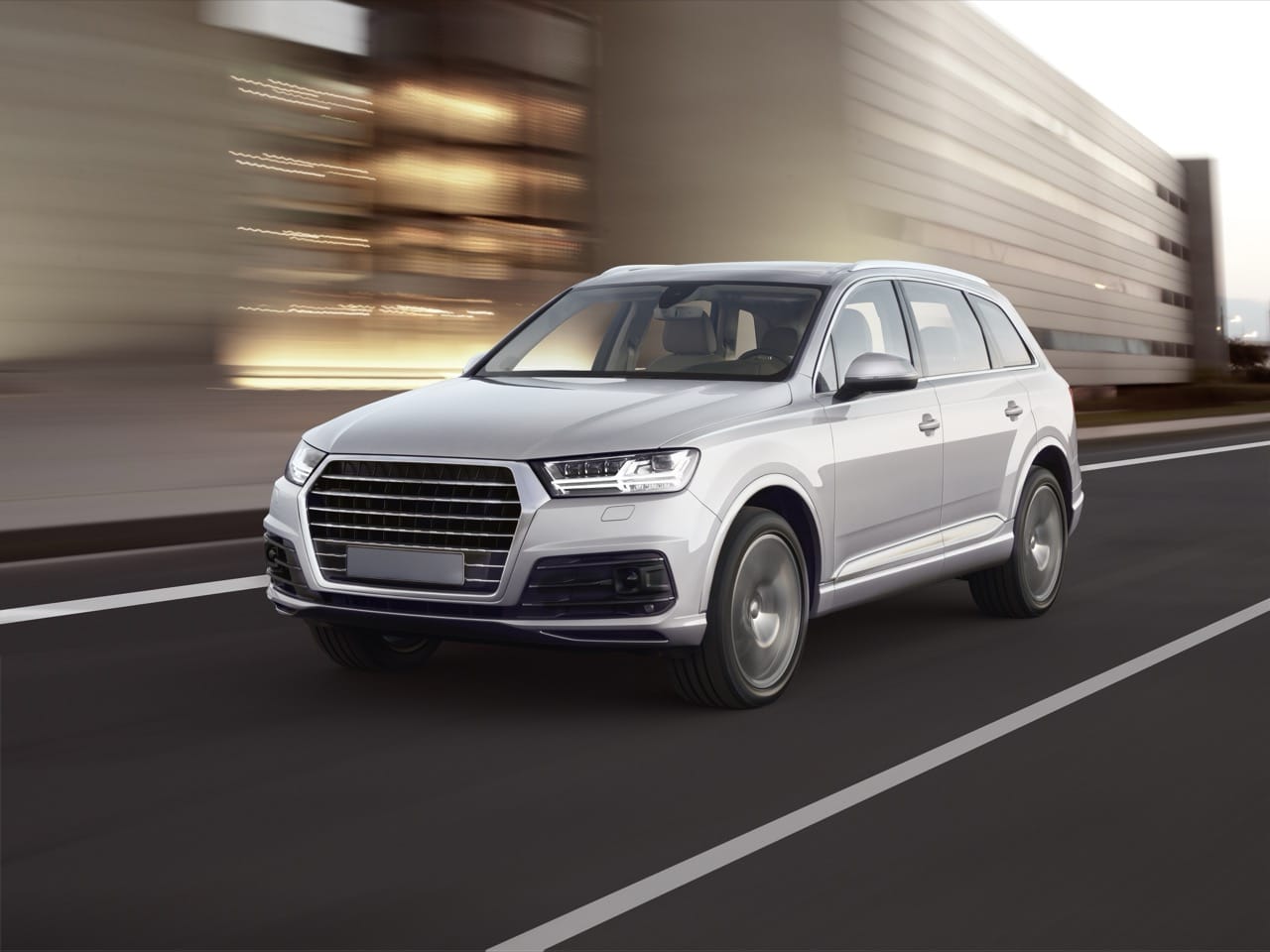
Engineering that changed commuting Some inventions quietly transformed everyday travel. The automatic transmission made driving easier for many people, while fuel injection improved efficiency and reliability compared with older carburetors. Crumple zones and airbags reshaped vehicle safety by managing crash forces and protecting occupants. More recently, driver assistance features such as lane keeping support and adaptive cruise control have begun to reduce fatigue and help prevent certain common errors, though they still require an attentive driver.
Conclusion Driving is a daily puzzle made of weather, machines, and shared rules. Knowing how traction works, what road markings mean, and how safety systems assist you can turn routine travel into a more confident experience. Add smart fuel saving habits and an appreciation for the engineering behind modern vehicles, and you will not only do better on a quiz, you will navigate the world in motion with greater skill and ease.