
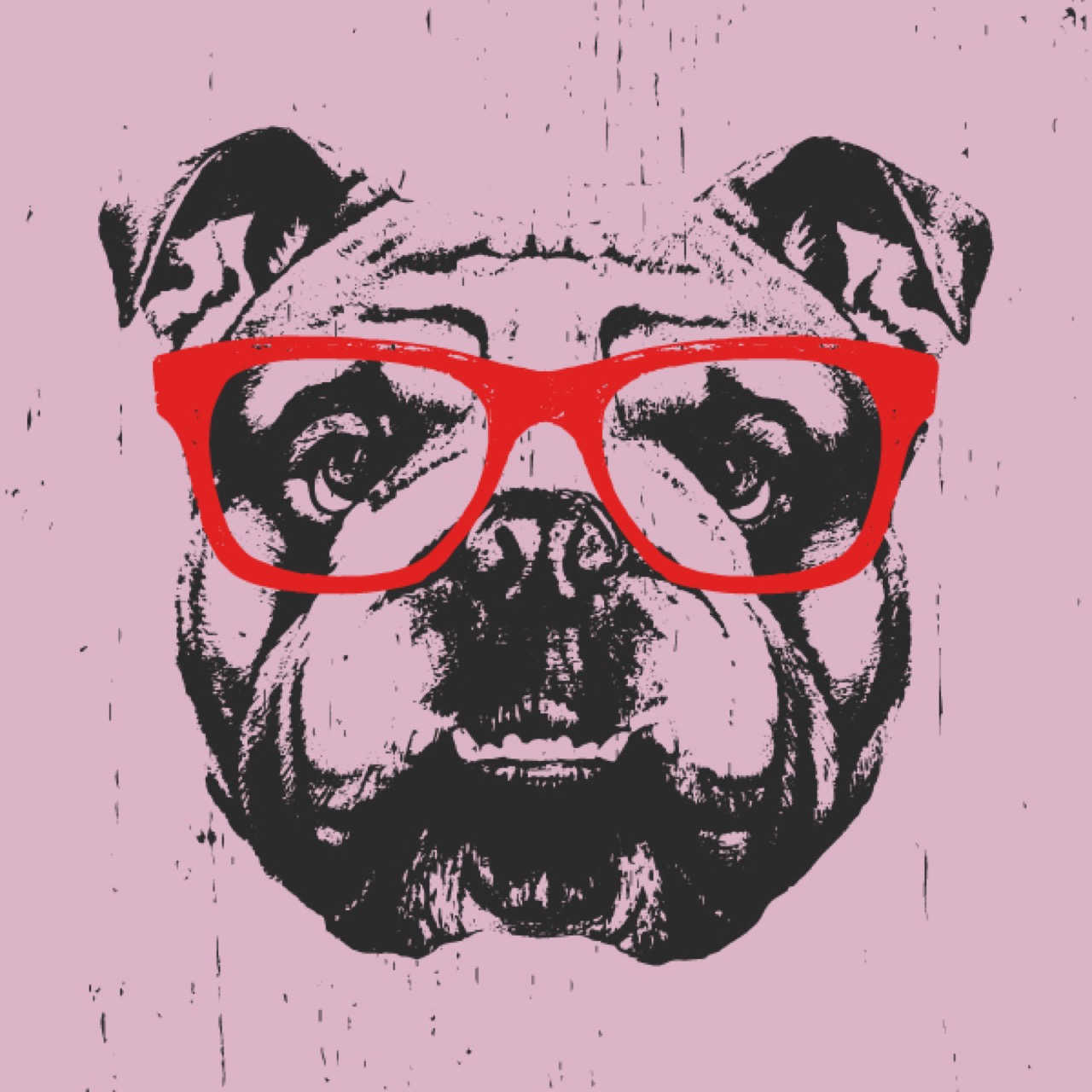
Introduction Few dogs are as instantly recognizable as the Bulldog. With a compact body, a rolling gait, and a face full of wrinkles capped by a famous underbite, it looks like it is always mid reaction. That dramatic expression comes with a history and a set of care needs that surprise many first time owners. Behind the tough exterior is typically a devoted companion with a talent for making people laugh.
Origins and reputation Bulldogs trace their roots to dogs used in the brutal sport of bull baiting in England centuries ago. Those early roles favored courage, tenacity, and a low, powerful build. When blood sports were outlawed in the 1800s, breeders shifted toward a calmer temperament suited for family life. Over time, the Bulldog became more of a companion and a cultural symbol of determination. Today, most are affectionate homebodies, but their confidence and stubborn streak can still show up in training.
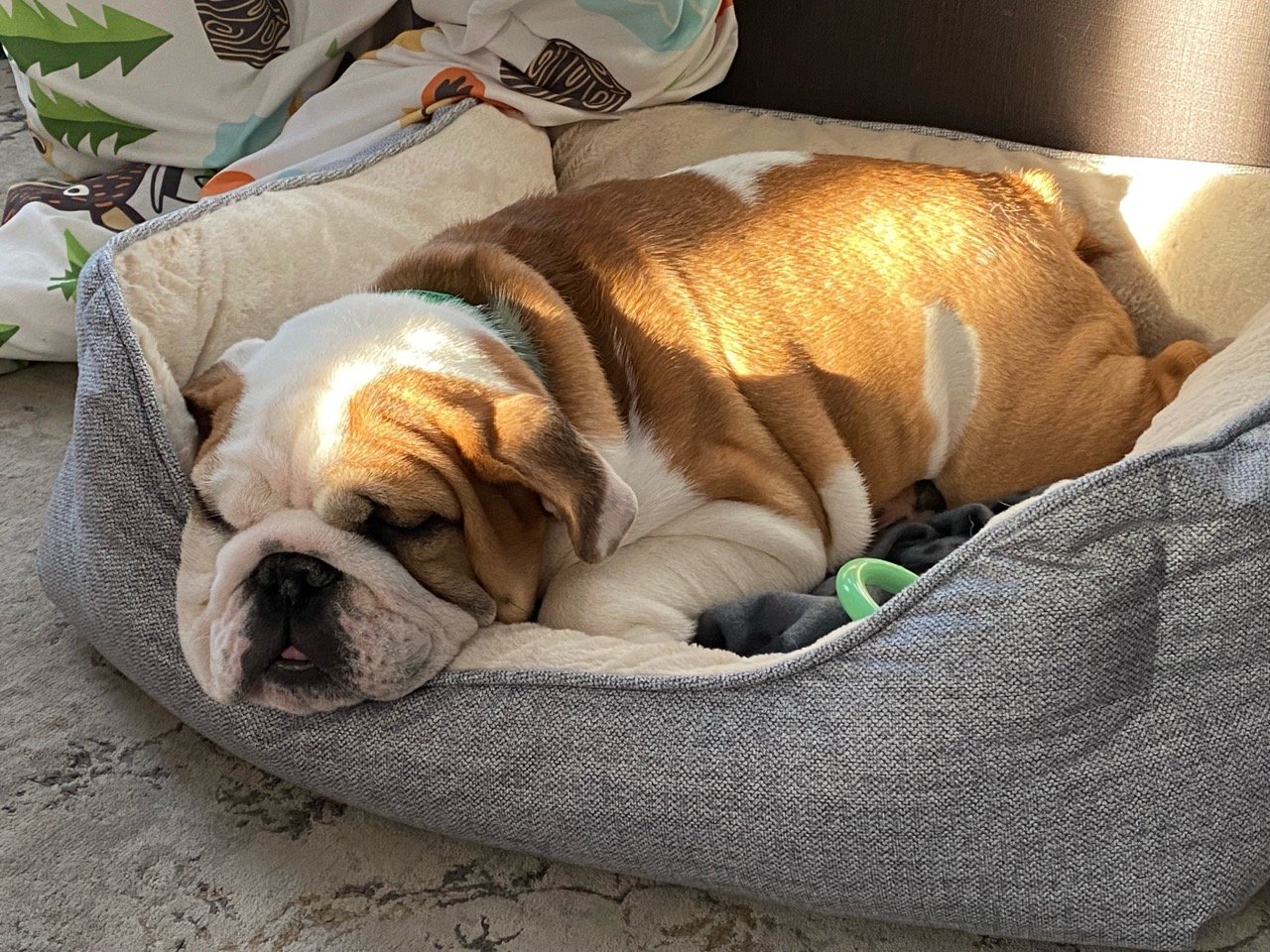
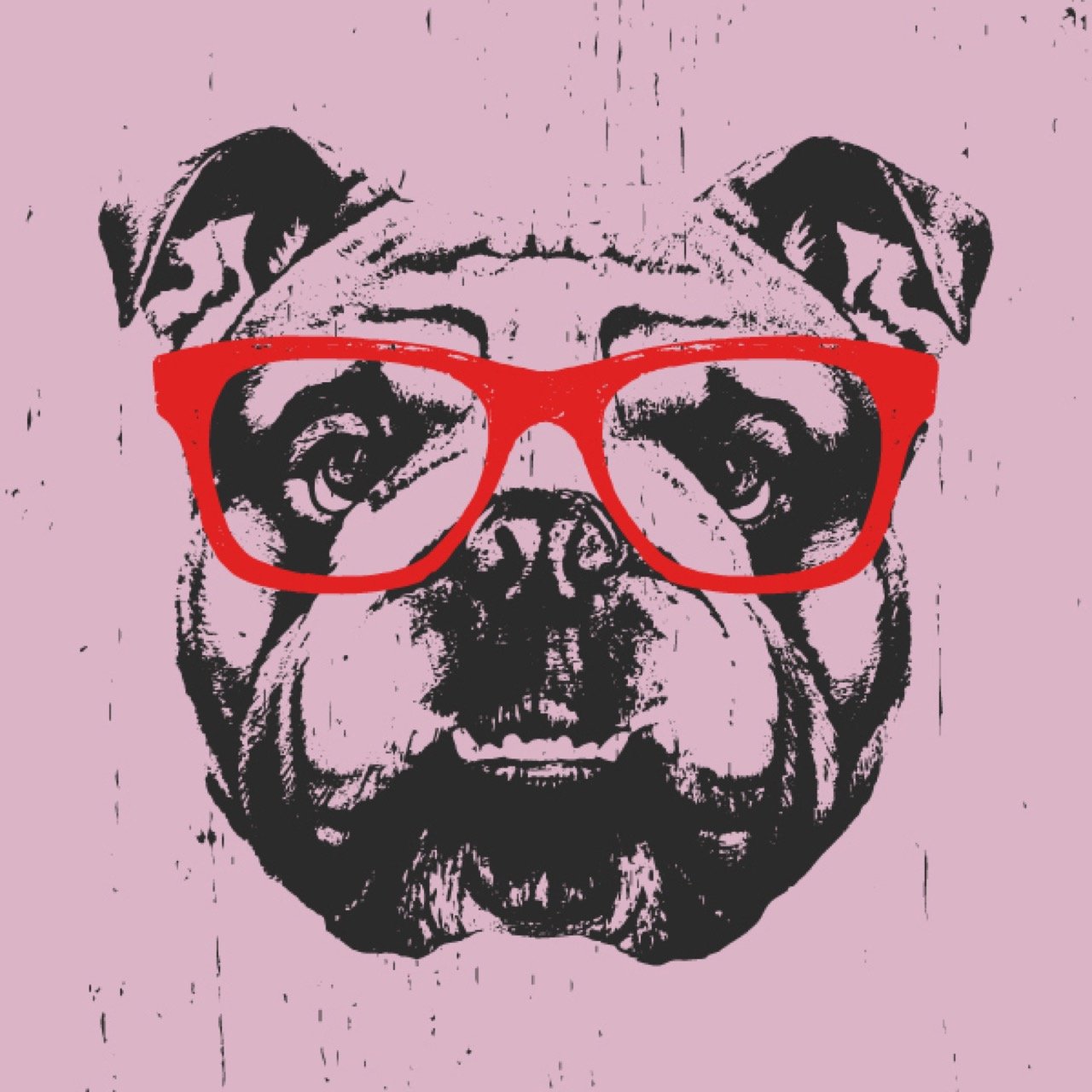
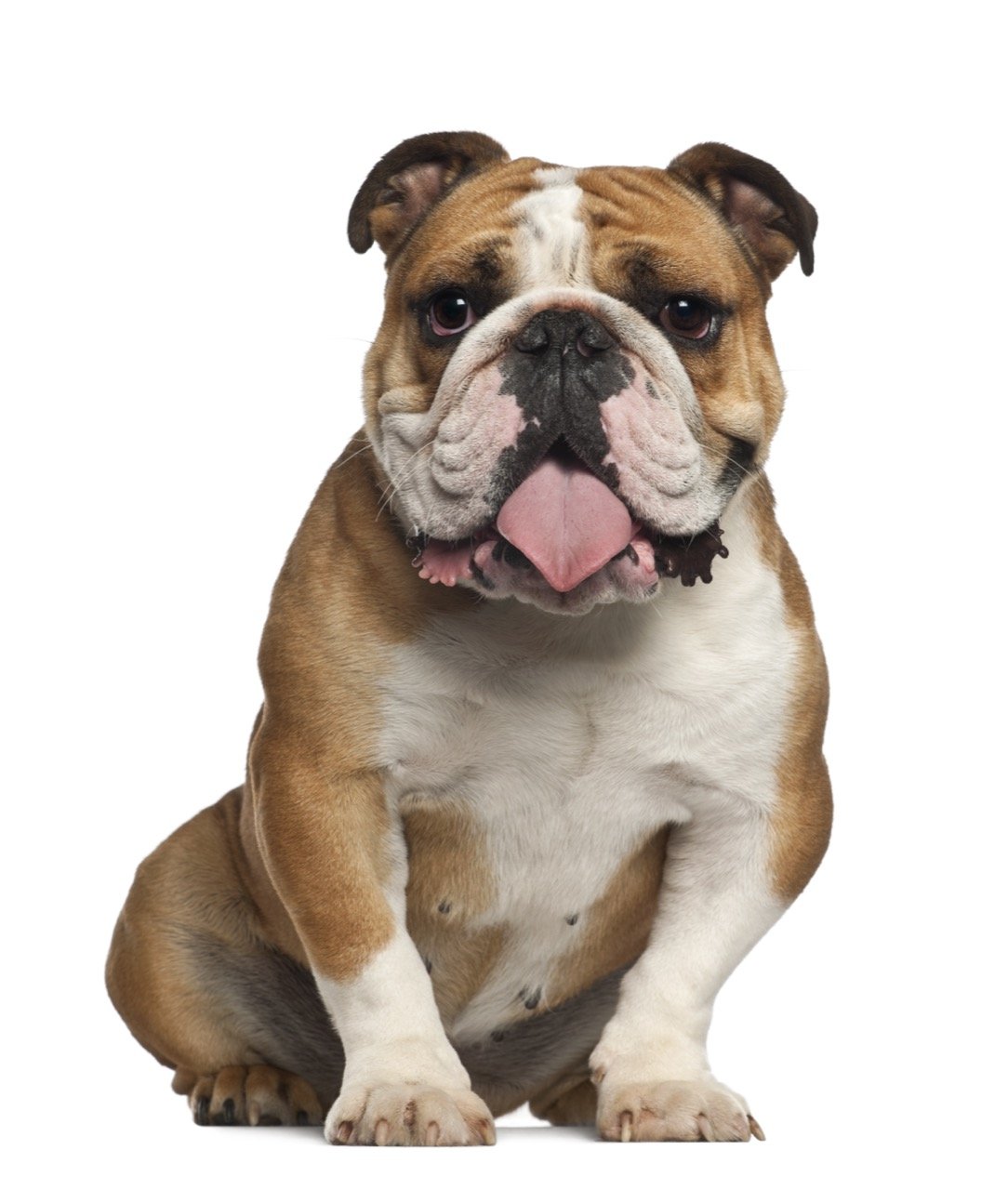
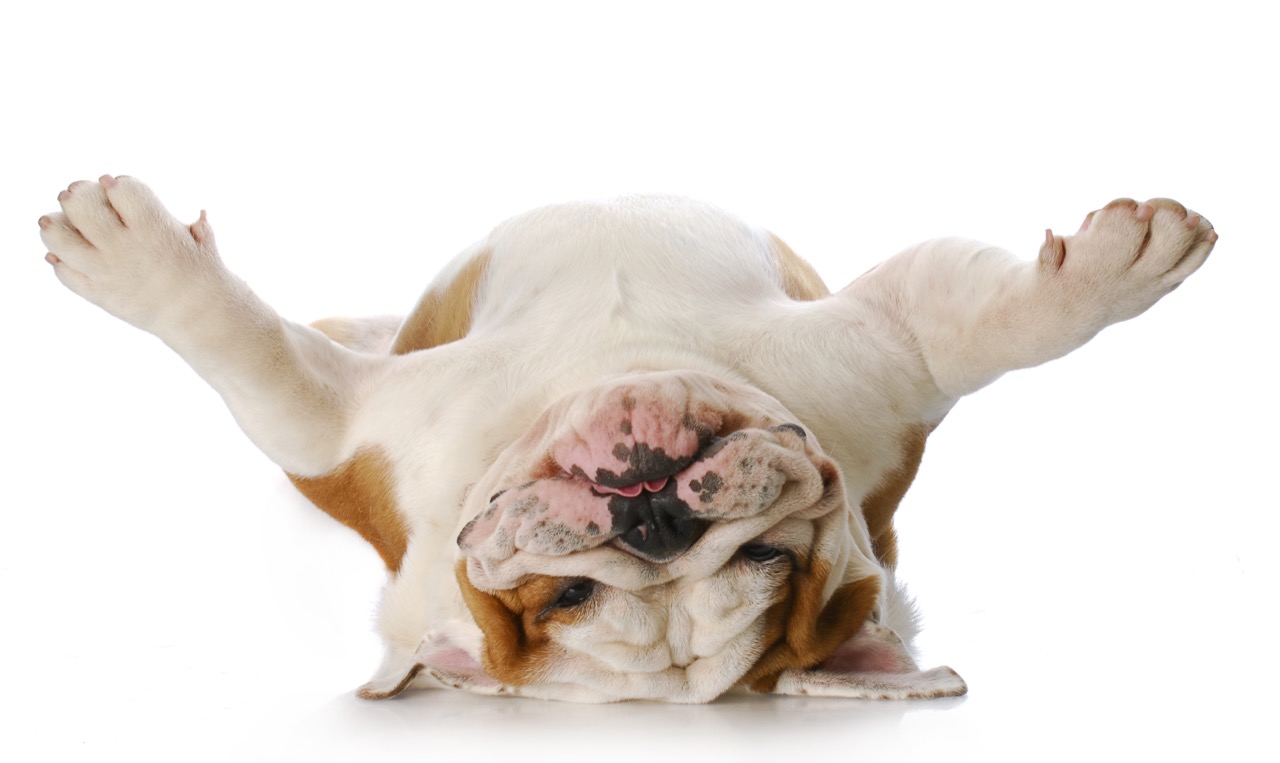
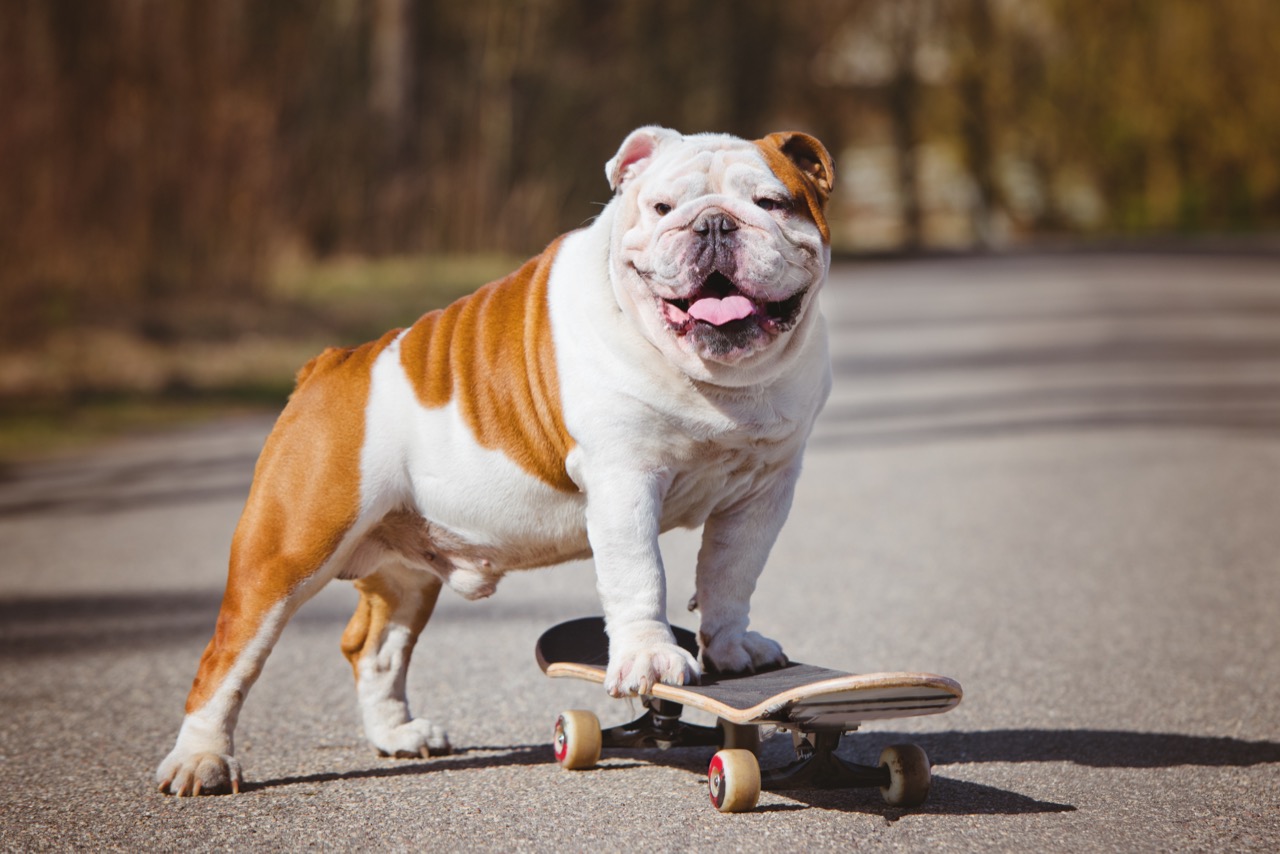
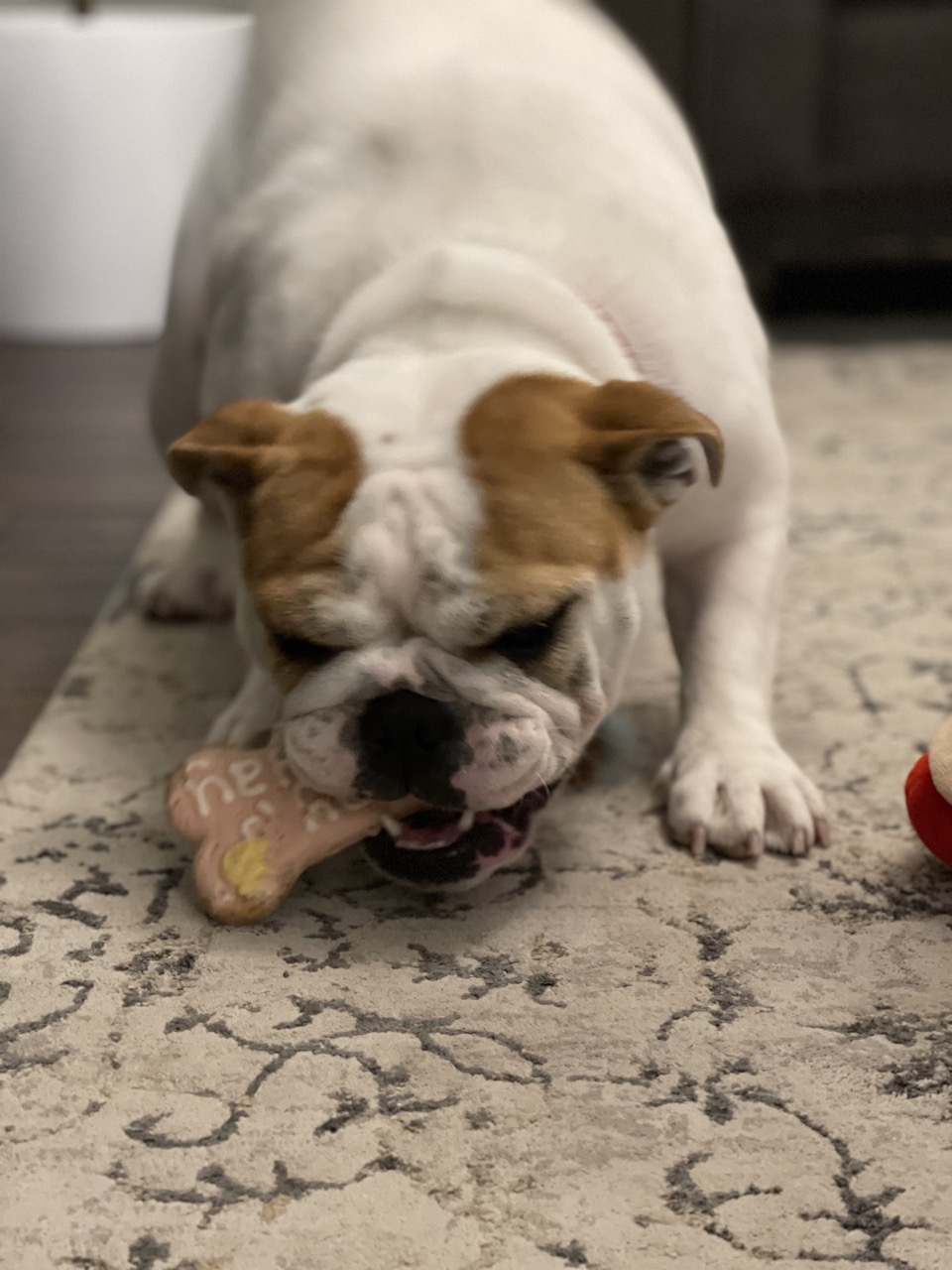
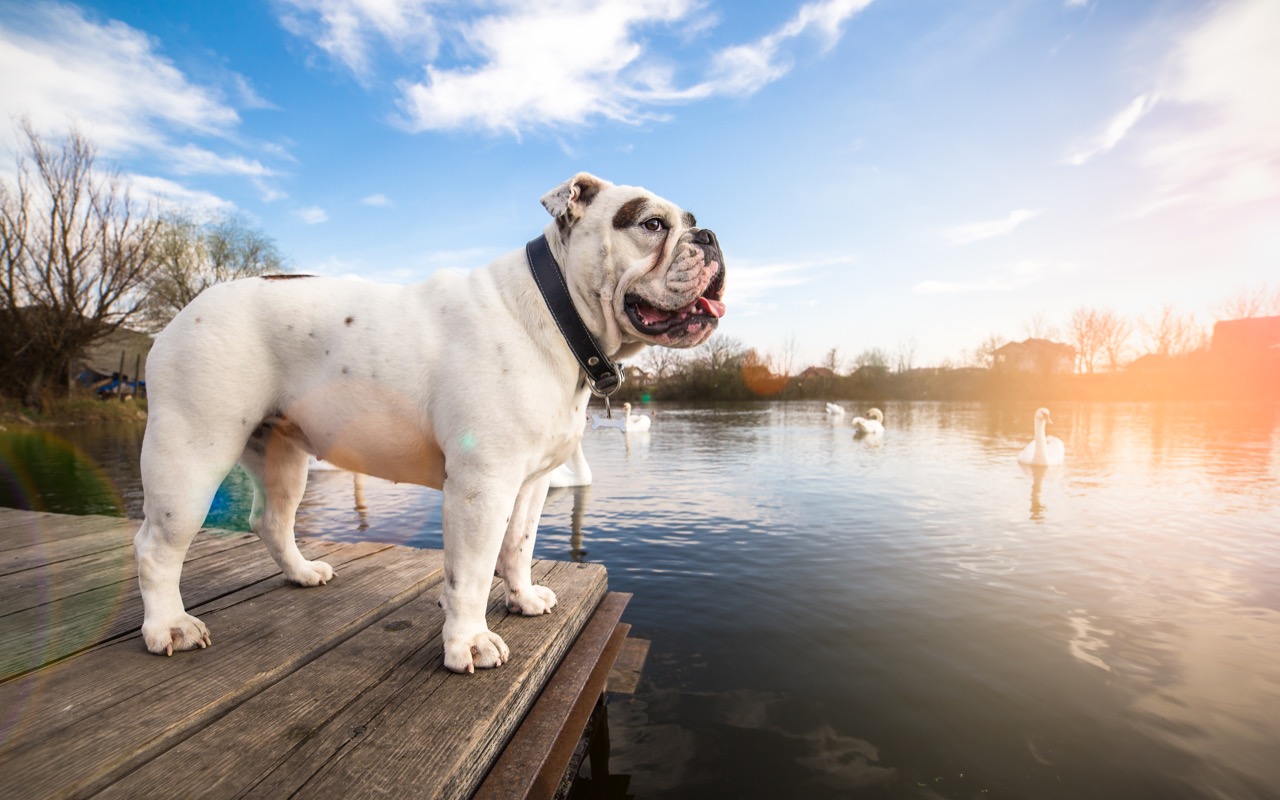
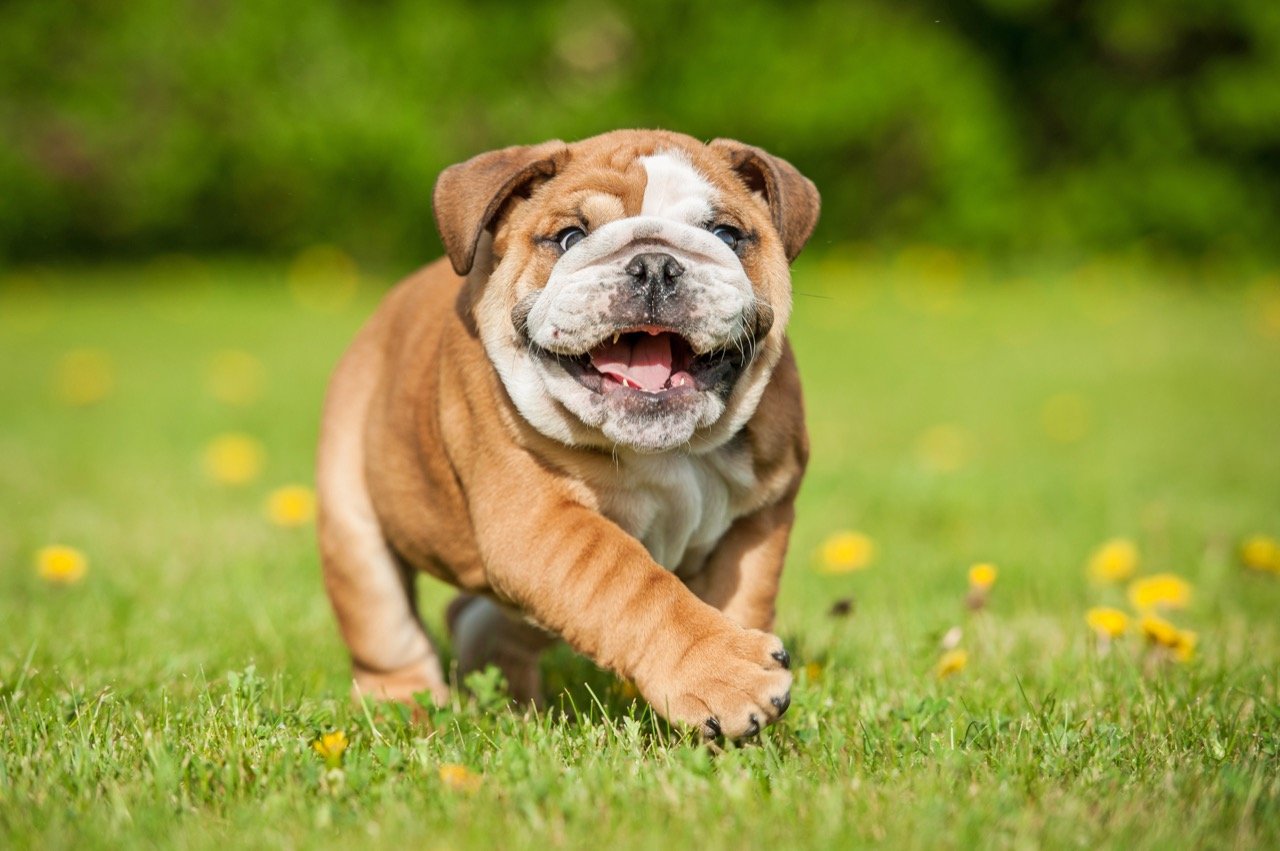
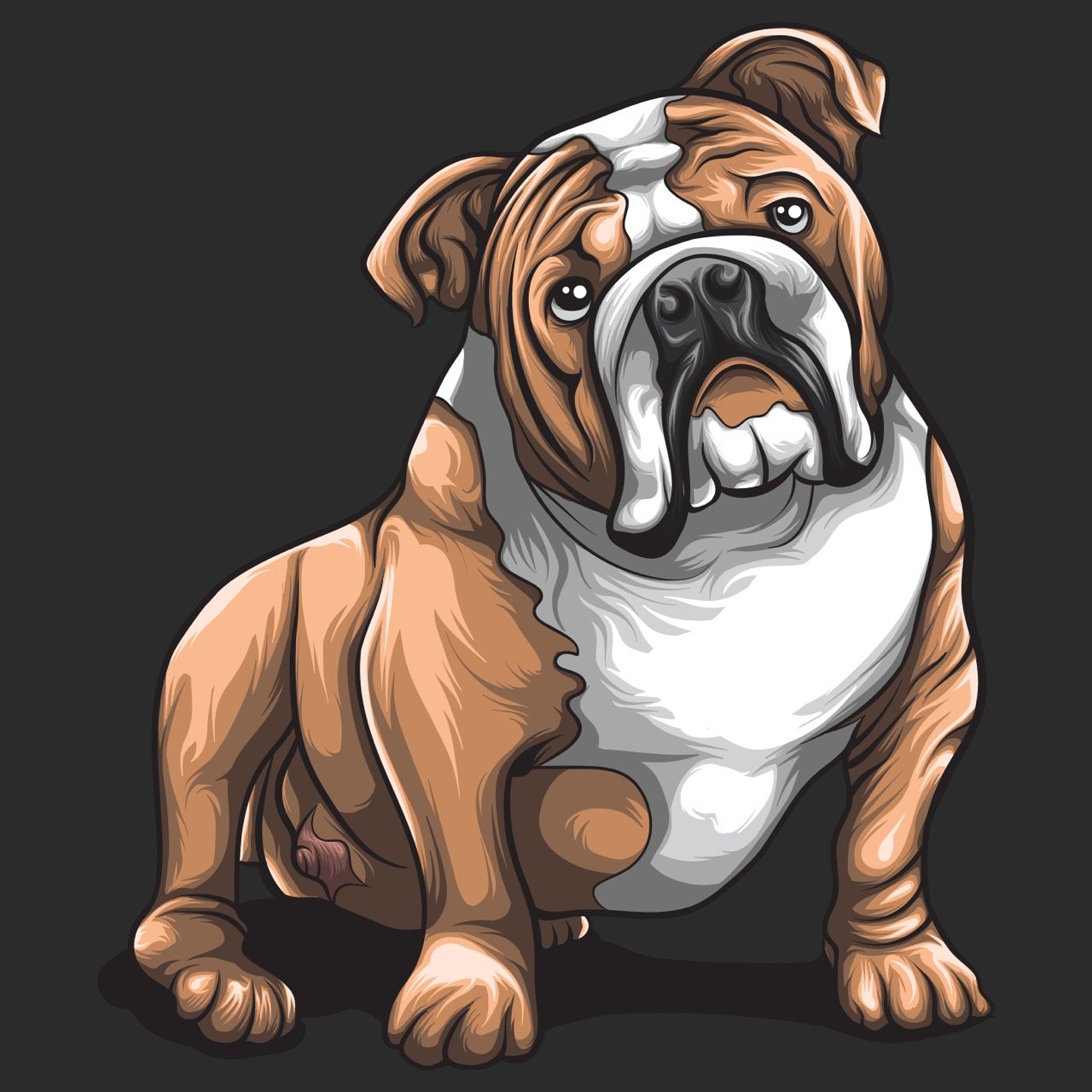
Signature features and what they mean The Bulldog’s short muzzle, broad head, and underbite are part of what makes it iconic. The face folds, however, are not just decoration. Skin wrinkles can trap moisture and debris, so gentle cleaning and thorough drying help prevent irritation and infection. The breed’s distinctive rolling gait comes from its structure: a wide chest, sturdy shoulders, and a compact hind end. Many Bulldogs are also brachycephalic, meaning the shortened airway can make breathing less efficient, especially in heat or during intense exercise.
Temperament and training style A well socialized Bulldog is often friendly, people focused, and loyal. Many enjoy being close to their family and can be surprisingly sensitive to tone of voice. Training works best with patience, consistency, and rewards. Harsh methods tend to backfire, while short sessions with treats, praise, and clear routines can produce excellent results. Because Bulldogs may not be endurance athletes, think of training as frequent, brief practice rather than long drills.
Everyday care and comfort Bulldogs do best with moderate activity: short walks, play sessions, and plenty of rest. Heat management is crucial. Avoid strenuous exercise in warm weather, provide shade and water, and watch for signs of overheating such as heavy panting, drooling, or weakness. Weight control matters too, since extra pounds can worsen breathing, joint strain, and overall stamina.
Common health considerations include skin fold dermatitis, ear issues, allergies, and orthopedic concerns. Regular vet checkups, nail trims, dental care, and wrinkle maintenance go a long way. Many Bulldogs snore and may drool, which is normal for the breed, but loud breathing, frequent gagging, or collapsing during exercise should be discussed with a veterinarian.
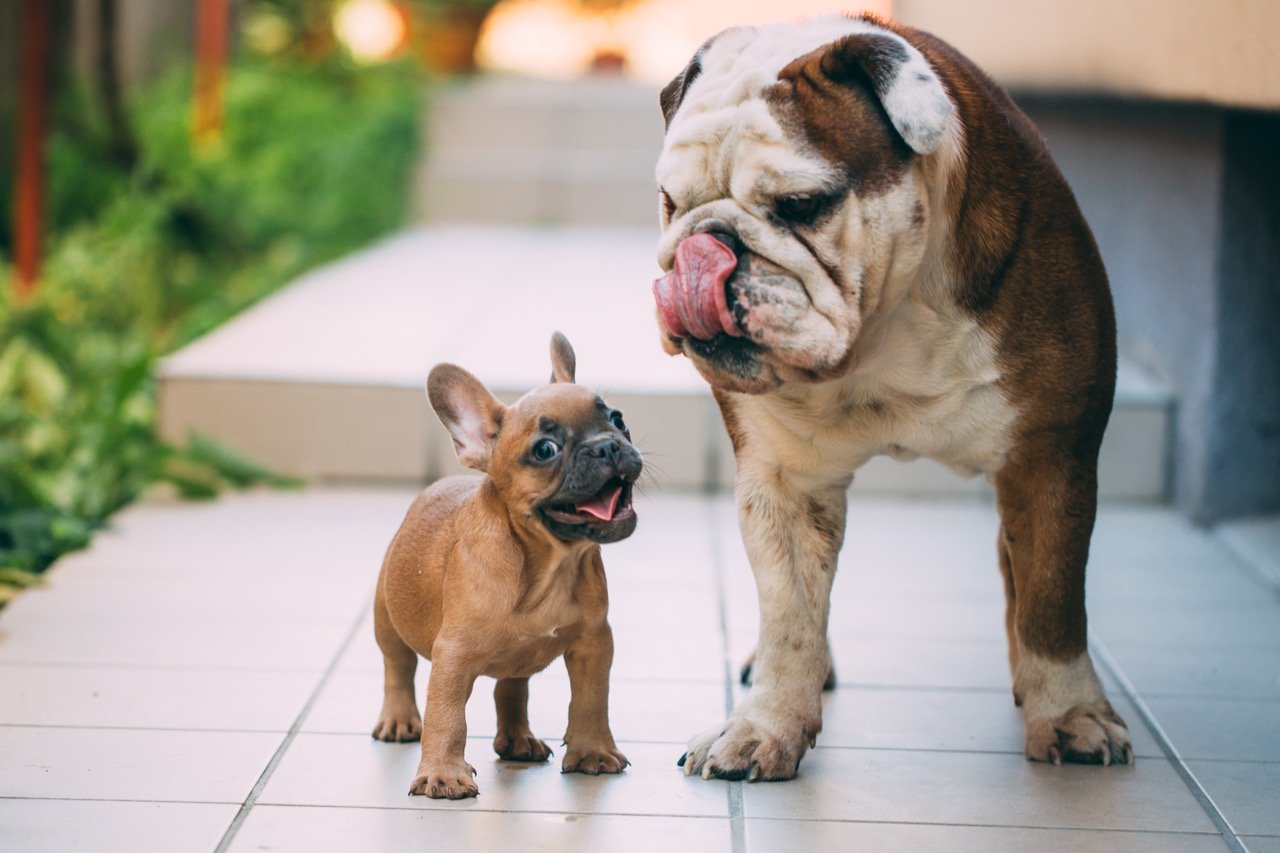
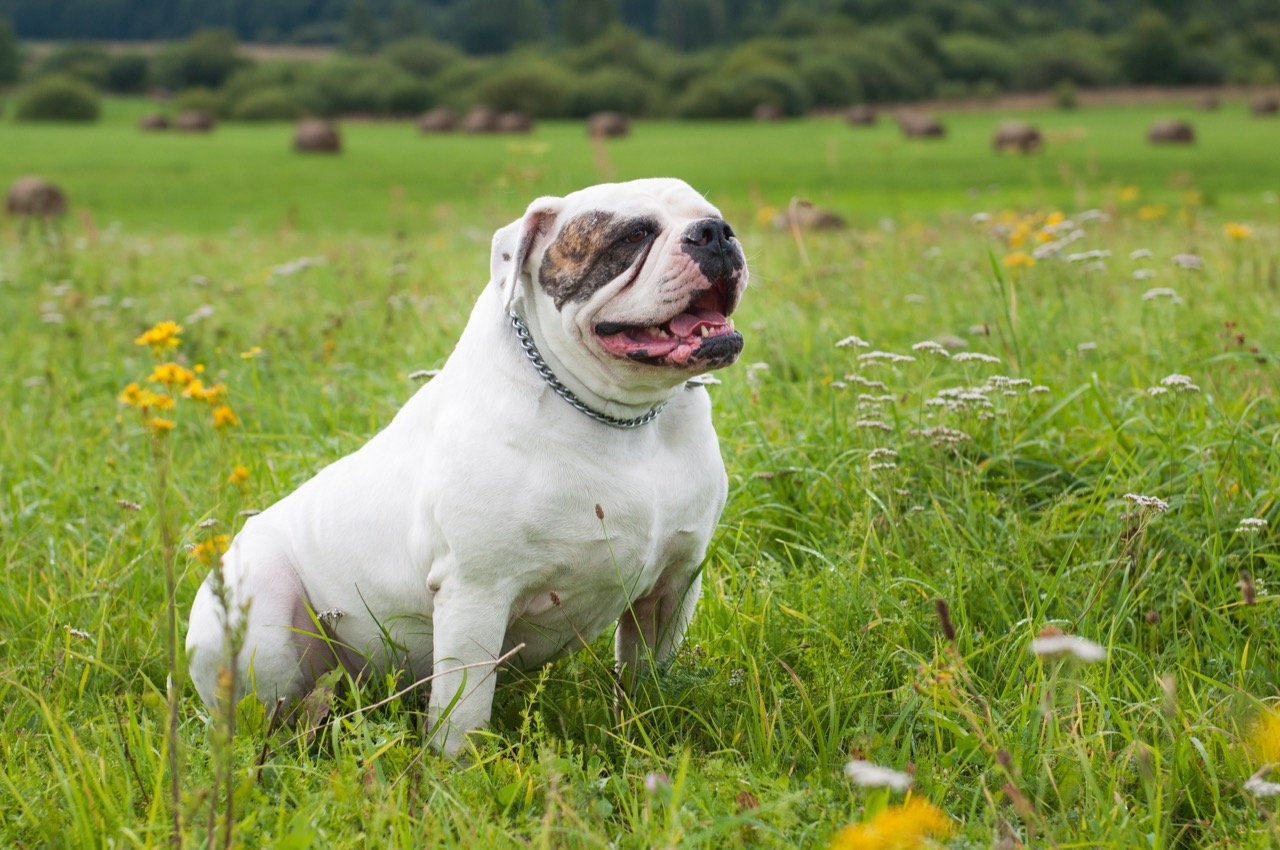
Varieties and related look alikes People often mix up Bulldogs with similar breeds. The English Bulldog is the classic wrinkly, low slung type. French Bulldogs are smaller with upright bat ears and a different body shape. American Bulldogs are typically taller, more athletic, and less wrinkled. While they share a name and some ancestry, their energy levels, grooming needs, and health risks can differ.
Conclusion The Bulldog’s charm comes from contrast: a serious face paired with a goofy personality, a sturdy frame paired with a love of lounging. Understanding its history, anatomy, and care needs helps separate myth from reality. With thoughtful training, sensible exercise, and attentive grooming, this famously expressive dog can be a loyal, comedic companion that earns its devoted fan base one wrinkle at a time.