
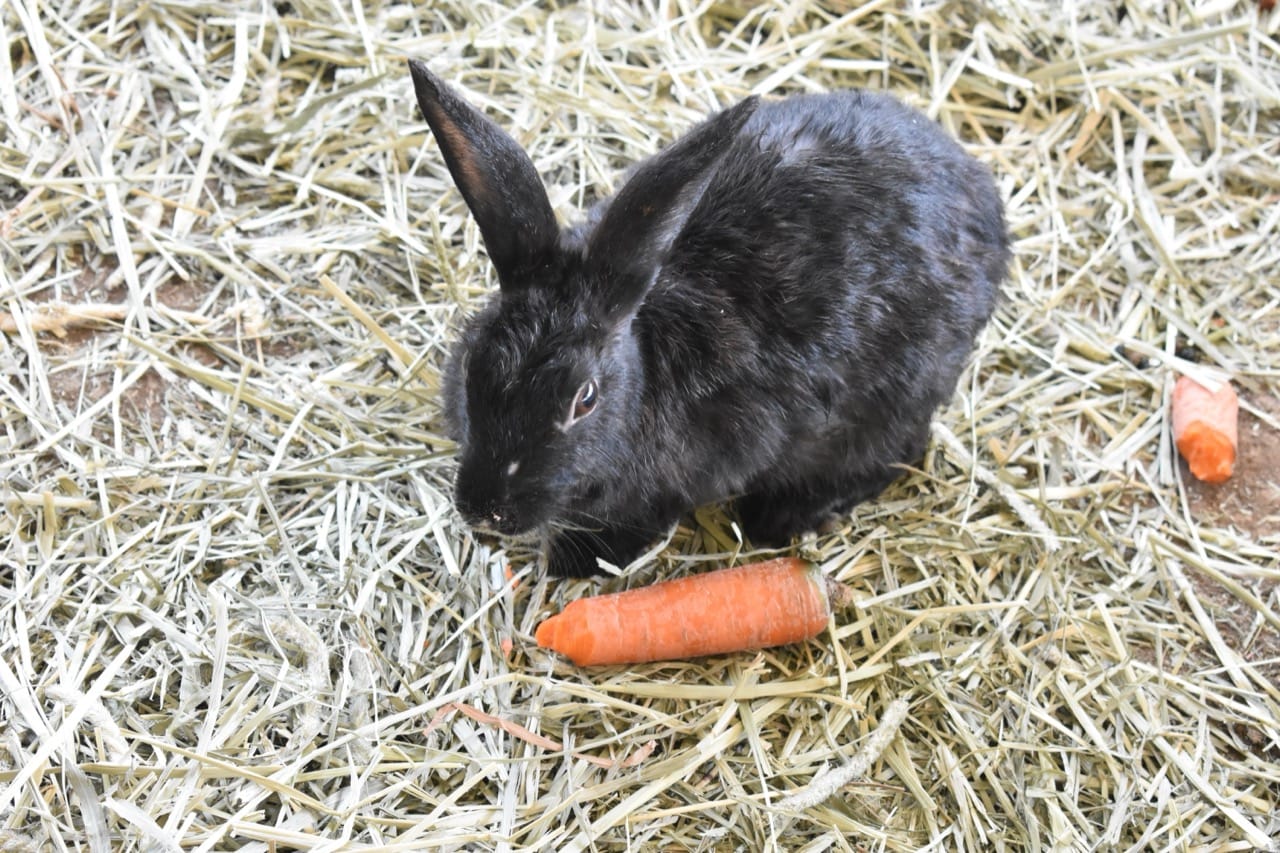












Rabbits look simple at first glance: soft fur, quick hops, and a nose that never seems to stop moving. Yet behind those familiar features is a set of adaptations that help them survive as prey animals and thrive in many habitats. Learning how rabbits eat, communicate, and protect themselves reveals why their everyday behaviors are anything but random.
Rabbits are herbivores built for constant grazing. One of their most important traits is that their teeth never stop growing. This includes the incisors in front and the grinding molars in back. In the wild, tough grasses and fibrous plants naturally wear teeth down. In human care, a rabbit needs plenty of high fiber hay and safe items to chew; without that steady wear, teeth can overgrow, causing pain and trouble eating.
Digestion is where rabbits get especially interesting. They rely on a large cecum, a fermentation chamber that helps break down plant fiber. Rabbits also produce two kinds of droppings. The dry round pellets are the waste most people recognize. The softer droppings, called cecotropes, are usually eaten directly from the body. This may sound strange, but it is a normal and essential behavior that allows rabbits to absorb extra nutrients, especially vitamins produced during fermentation.
Their senses and body language are tuned for alertness. A rabbit’s ears rotate to pinpoint sound, and their wide set eyes provide a broad field of view to detect movement. Their whiskers help them navigate tight spaces, especially in low light, and the constant nose twitching is linked to sampling scents and monitoring the environment.
Communication is subtle but clear once you know the signals. Thumping a hind foot is a classic alarm behavior, warning others of danger. Rabbits can also freeze in place, a survival tactic that makes them harder for predators to notice. When relaxed, they may loaf with paws tucked under, stretch out fully, or even perform sudden leaps and twists often called binkies, which are generally signs of excitement and well being. Soft tooth purring, a gentle grinding sound, can indicate contentment, while loud tooth grinding can signal pain.
Habitat and shelter matter because rabbits are natural burrowers. Many species create warrens, tunnel systems that provide protection from predators and extreme temperatures. Even rabbits that do not dig extensive burrows still seek cover and escape routes. This instinct explains why pet rabbits often feel safer with hiding boxes, tunnels, and predictable spaces.
Misconceptions can lead people astray. Rabbits are not rodents, though they share the trait of ever growing incisors. They belong to a different group and have an extra pair of small incisors behind the top front teeth. Another common myth is that carrots are a perfect staple food. In reality, carrots are relatively sugary and are better treated as an occasional snack. The foundation of a healthy diet is hay, supported by leafy greens and measured portions of appropriate pellets.
Rabbits are nimble grazers with a toolkit of survival strategies: specialized teeth, a fermentation based digestive system, and a sophisticated language of posture and sound. Paying attention to these details turns simple trivia into real understanding. The next time you see a twitching nose or hear a sudden thump, you will know you are witnessing a meaningful message from a remarkably adapted animal.