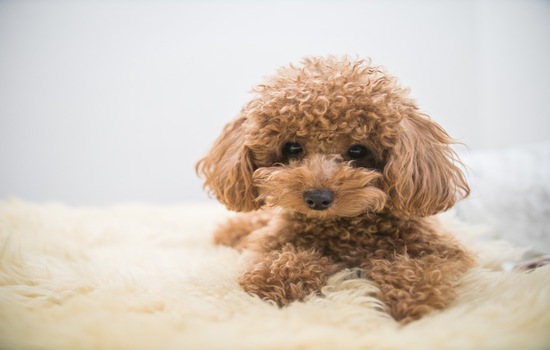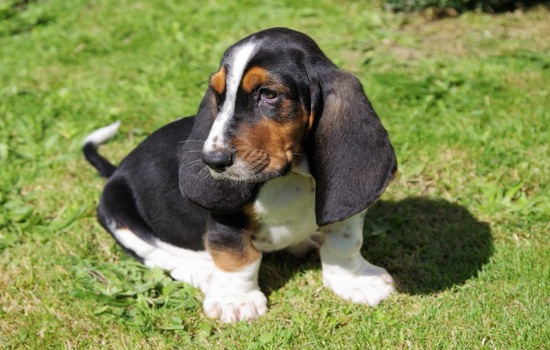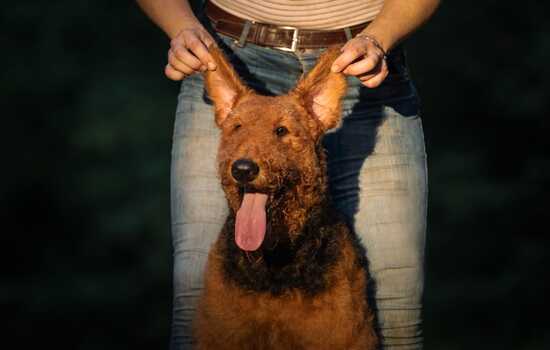
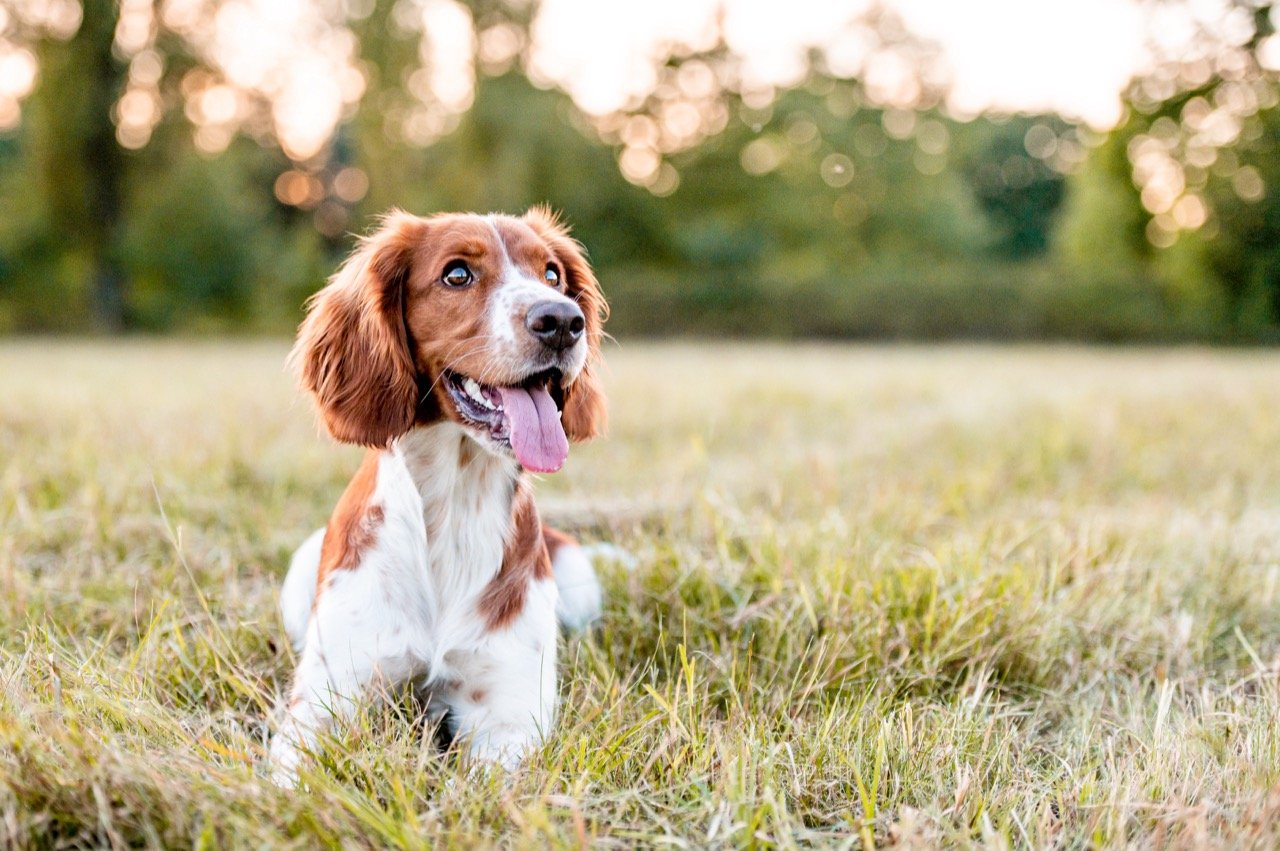
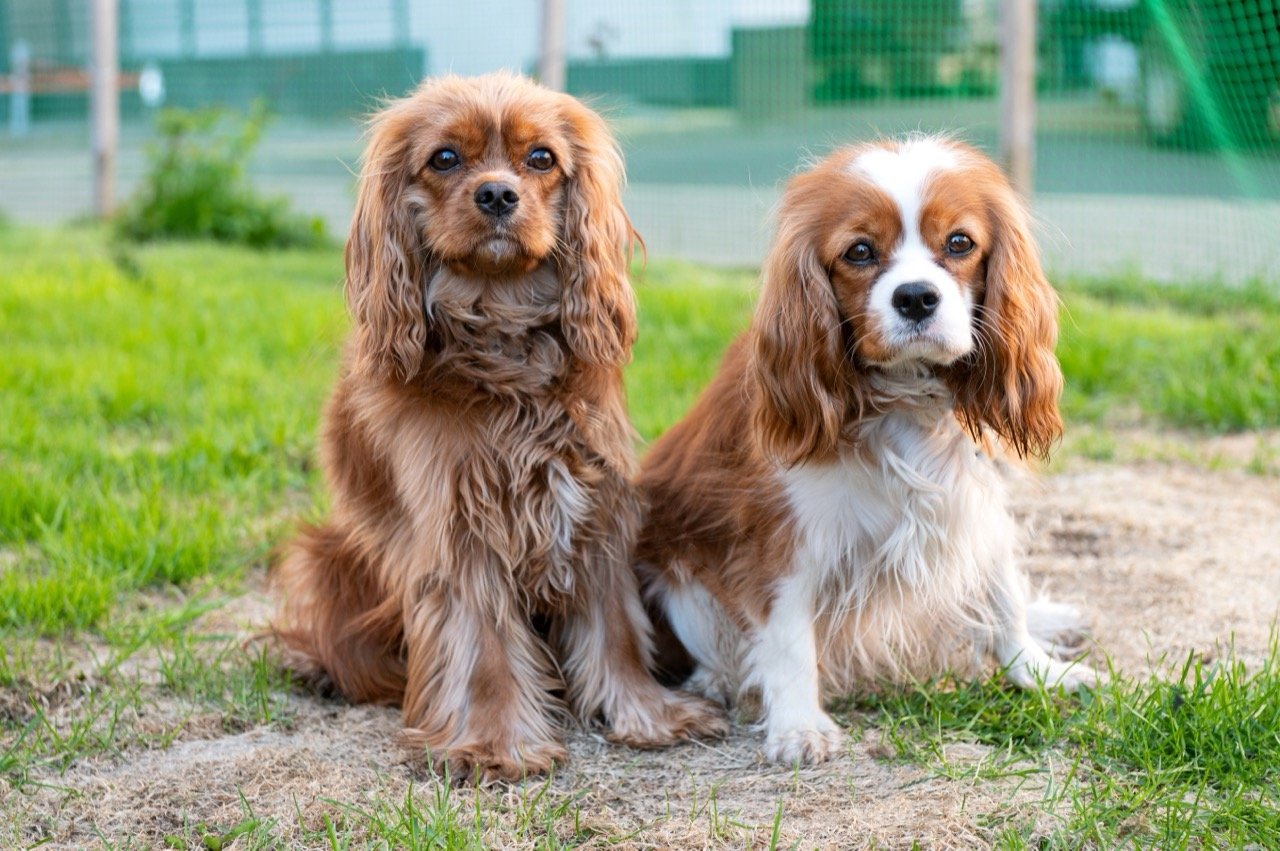


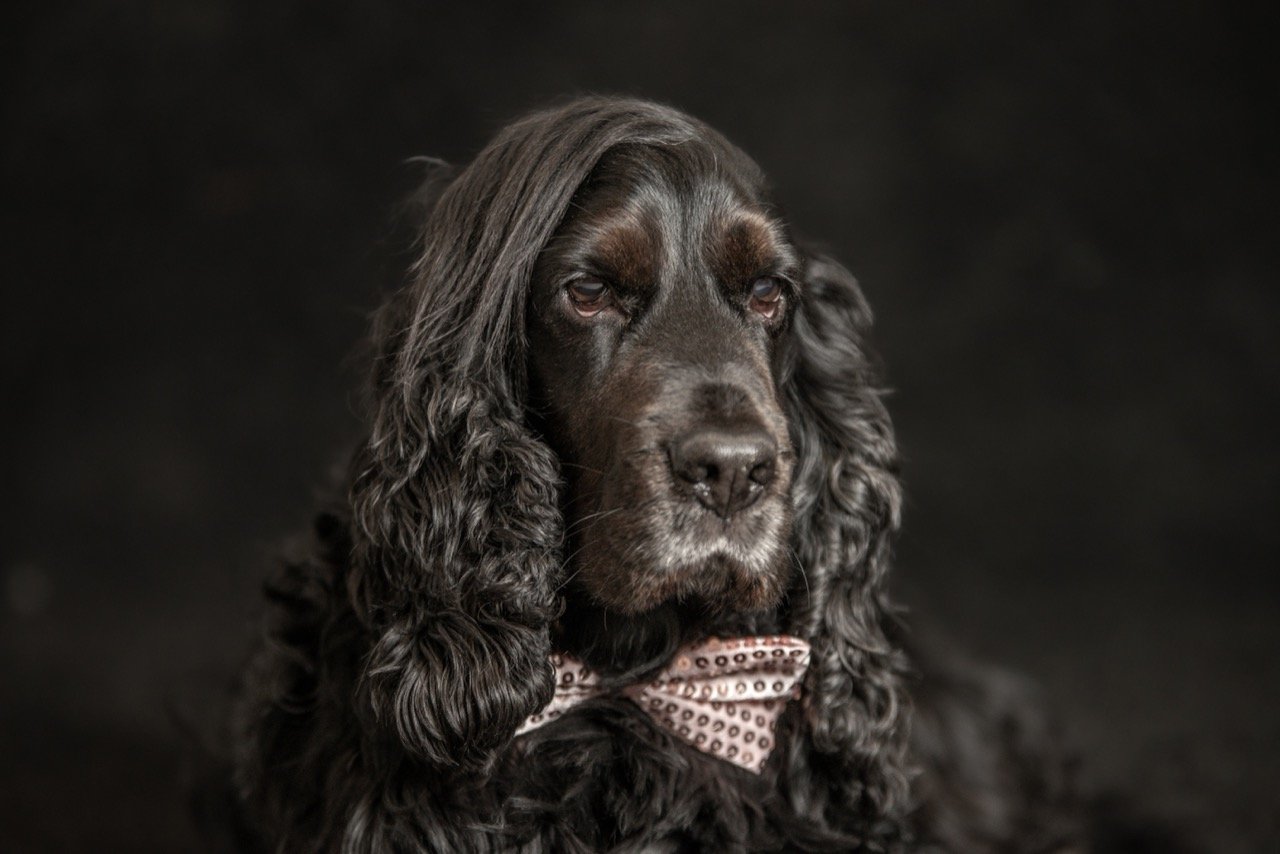


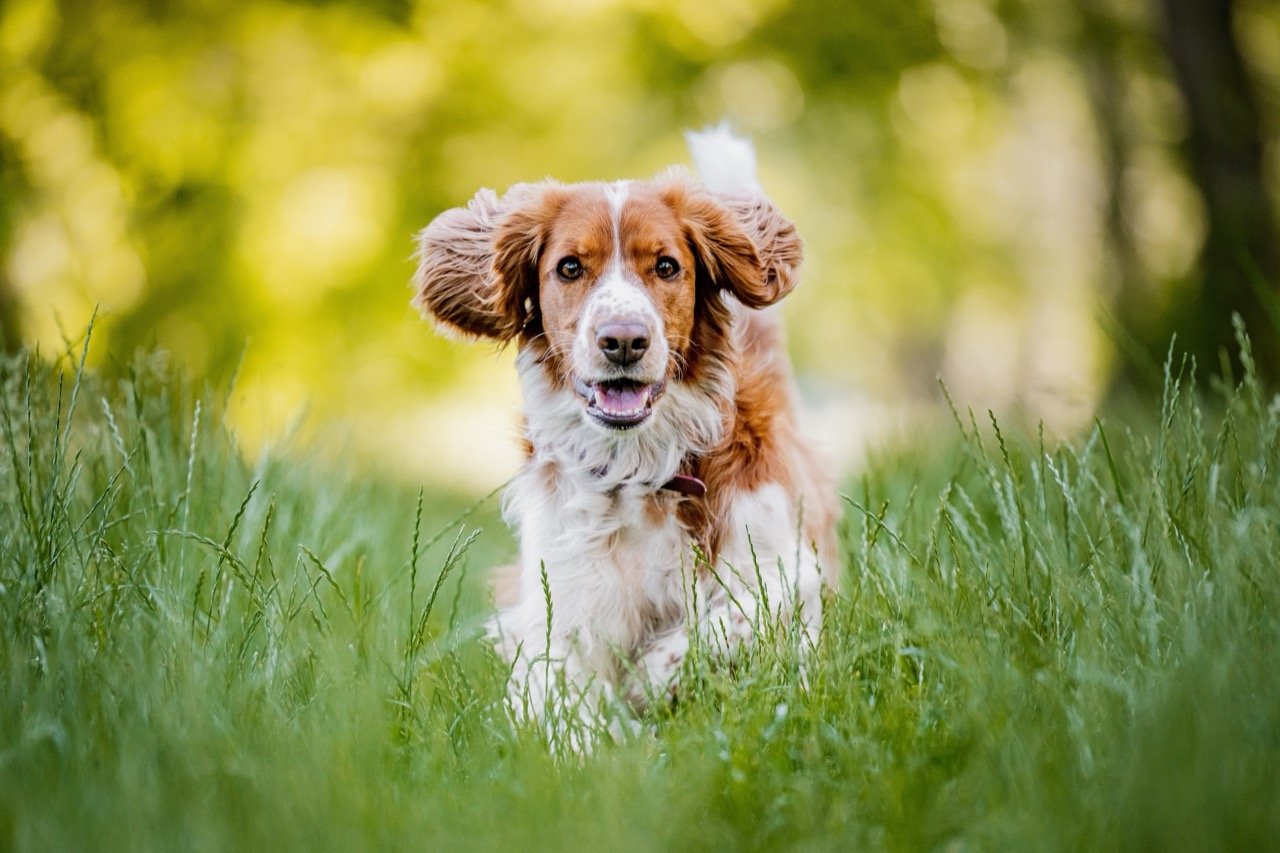
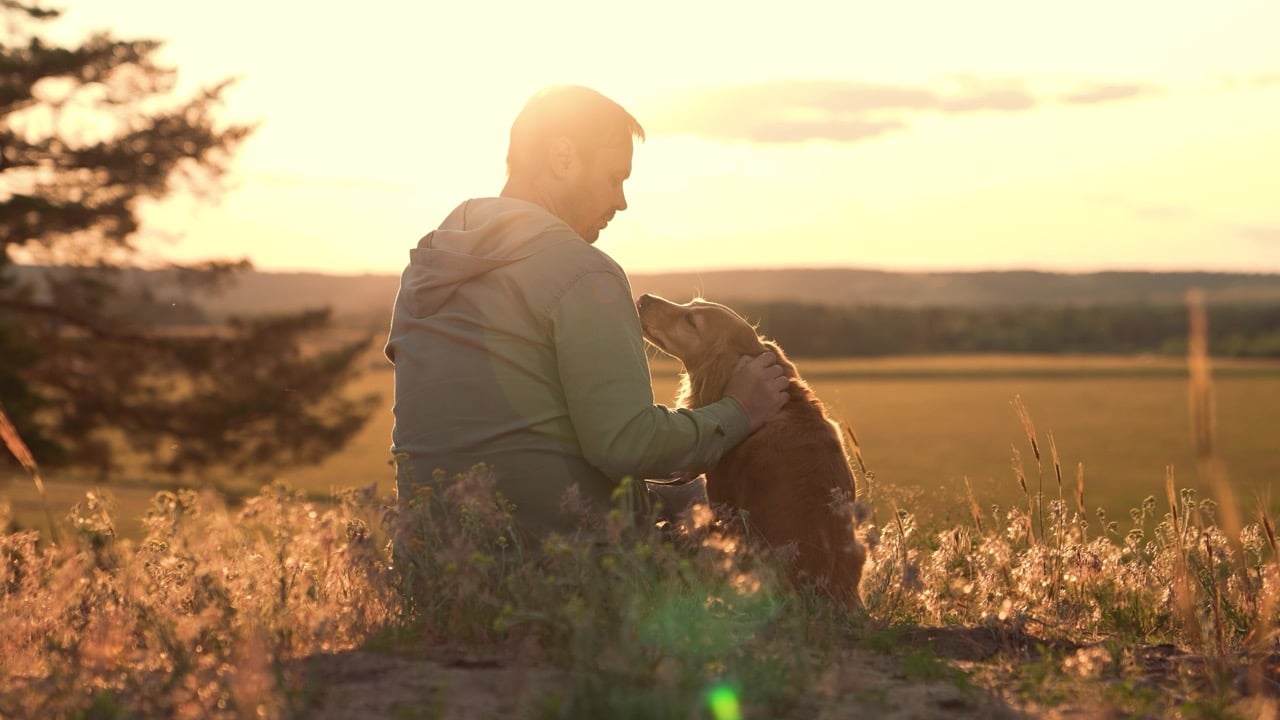
Introduction Sporting dogs with silky coats, long ears, and endlessly friendly attitudes have a special place in many homes. Often called velvet-eared companions, these dogs are famous for their expressive eyes, cheerful greetings, and strong desire to be near their people. They are not just pretty faces, though. Many were developed as hardworking hunting partners, and that background still shapes their energy, instincts, and training needs today. Understanding what makes them tick is the key to keeping them healthy, well behaved, and genuinely happy.
Origins and personality Many popular velvet-eared sporting dogs were bred to flush birds from cover, retrieve game, or work closely with hunters across fields and wetlands. That history created dogs that are eager to cooperate, sensitive to human feedback, and motivated by movement and scent. In the home, this often shows up as enthusiasm, sociability, and a tendency to follow you from room to room. They generally do best with kind, consistent handling rather than harsh corrections, because many are soft tempered and can shut down if training feels scary or confusing.
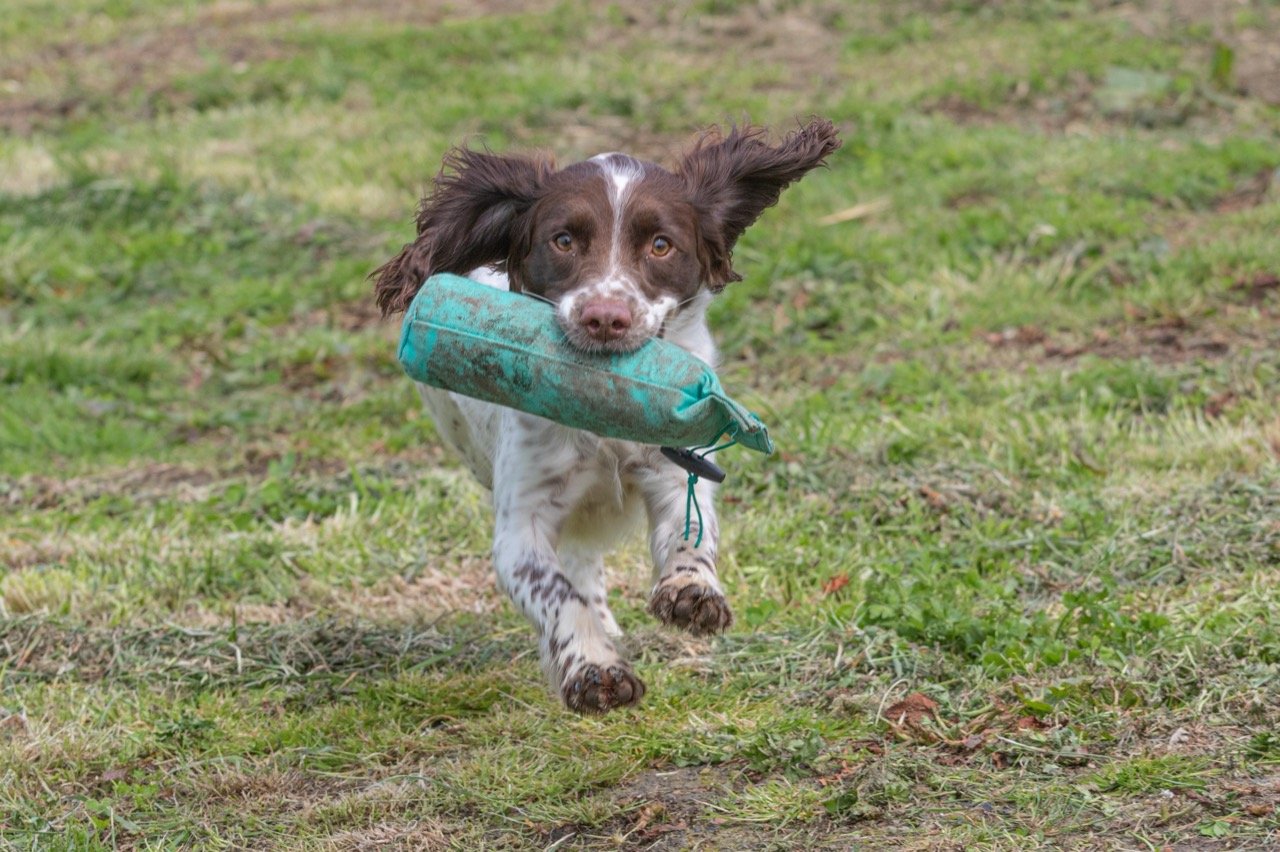
Exercise and enrichment A daily walk is a good start, but most sporting companions need more than a slow stroll. Plan for a mix of brisk exercise and brain work. Games like fetch, scent searches, and short training sessions can burn energy without requiring hours of running. If you notice restlessness, jumping, or chewing, it may be less a behavior problem and more an unmet need for activity. Structured outlets help prevent trouble, especially during adolescence when energy peaks.
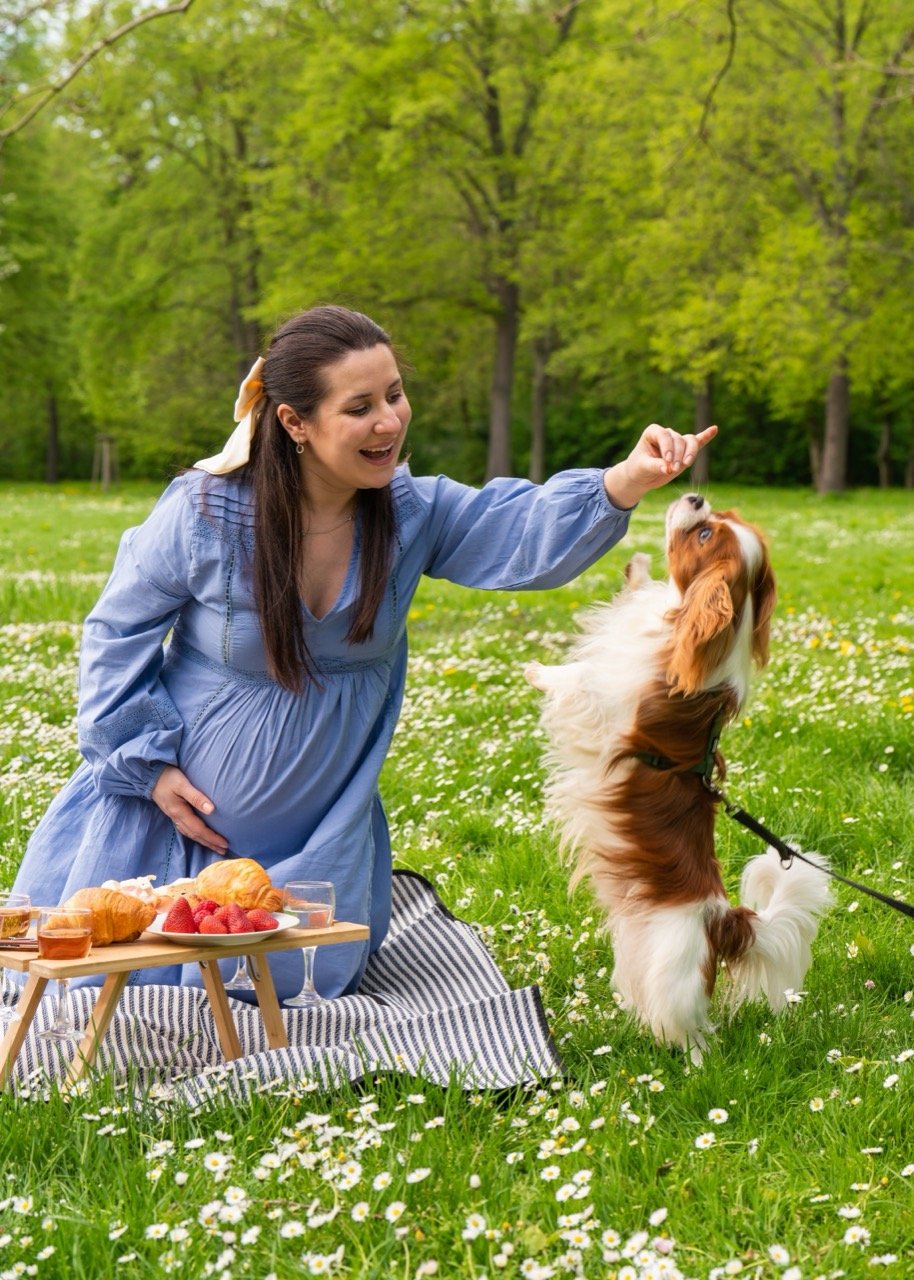
Training styles that work Positive reinforcement is usually the most effective approach. Reward the behaviors you want with treats, toys, or praise, and keep lessons short and upbeat. Many of these dogs love retrieving and carrying objects, so teaching a reliable drop it and a polite greeting can make daily life smoother. Because they were bred to work at a distance at times, recall training deserves special attention. Practice in safe areas, gradually adding distractions, and make coming back to you consistently rewarding.
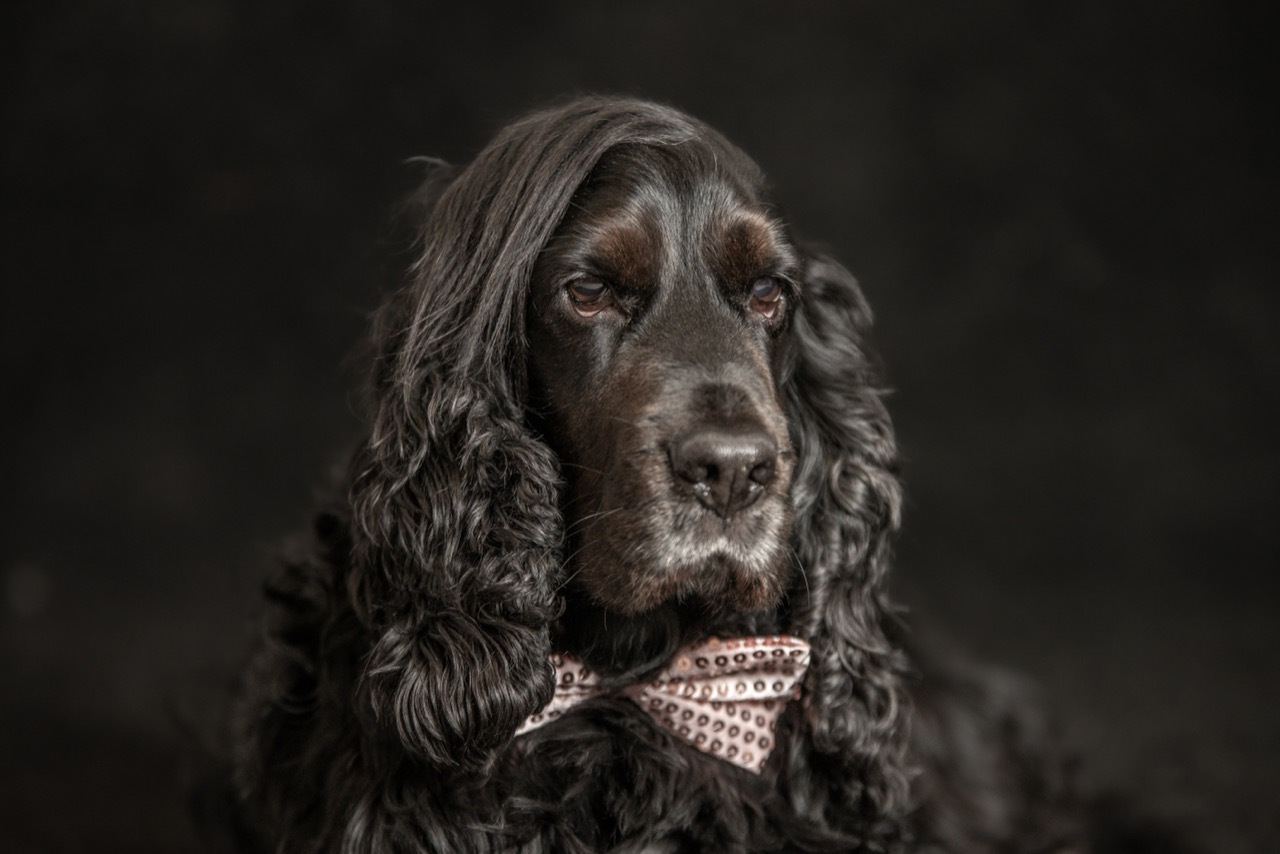
Grooming and coat care Silky coats can mat easily, especially behind the ears, under the collar, and around feathered legs. Regular brushing prevents tangles and reduces shedding around the house. Many owners find that a few minutes several times a week works better than a long session once in a while. Some types need periodic trimming or professional grooming to keep the coat comfortable and clean. Bathing should be done as needed, using a dog safe shampoo, and drying thoroughly to avoid skin irritation.
Ear care essentials Long, floppy ears can trap moisture and reduce airflow, creating an environment where yeast and bacteria thrive. Check ears weekly for redness, odor, or excessive wax. After swimming or baths, gently dry the outer ear and consider an ear drying solution recommended by your veterinarian. Never push cotton swabs deep into the ear canal. If your dog shakes its head, scratches frequently, or seems painful, an infection may be developing and should be addressed promptly.
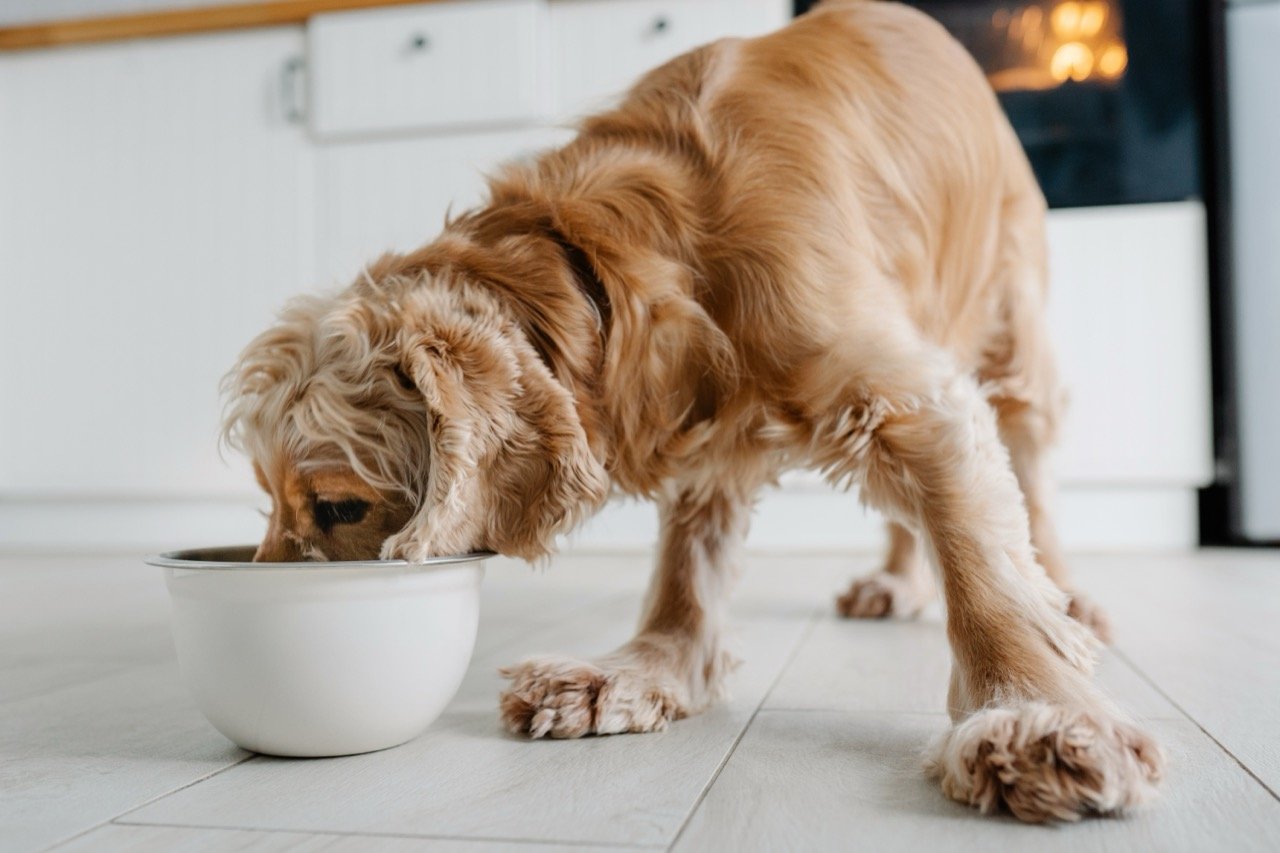
Common health risks and prevention While many velvet-eared sporting dogs are sturdy, they can be prone to ear infections, certain eye issues, and joint problems depending on the breed line. Maintaining a healthy weight is one of the simplest ways to protect joints and overall longevity. Feed a balanced diet, measure portions, and use treats thoughtfully during training. Regular veterinary checkups, dental care, and parasite prevention round out responsible ownership.
Home setup and good behavior These dogs thrive on routines and companionship. Provide a comfortable rest area, safe chew options, and puzzle toys to reduce boredom. If separation anxiety is a concern, practice calm departures, build independence gradually, and avoid making arrivals overly dramatic. Crate training, when introduced gently, can offer a safe space and help with house manners.
Conclusion Velvet-eared sporting companions are joyful, people-focused dogs with a working heritage that still shines through. When you match their need for activity, gentle training, grooming, and ear care, you get a partner who is not only charming but also well adjusted. The best owners learn the small daily habits that prevent big problems, turning that wagging tail and silky coat into a long, healthy friendship.