











Introduction Few dogs are as instantly recognizable as the Golden Retriever. That sunny coat and eager expression have made the breed a symbol of friendliness, but the real story is deeper than a charming family-dog reputation. Understanding where Goldens came from, what they were built to do, and what they need to thrive helps separate true knowledge from pop culture assumptions.
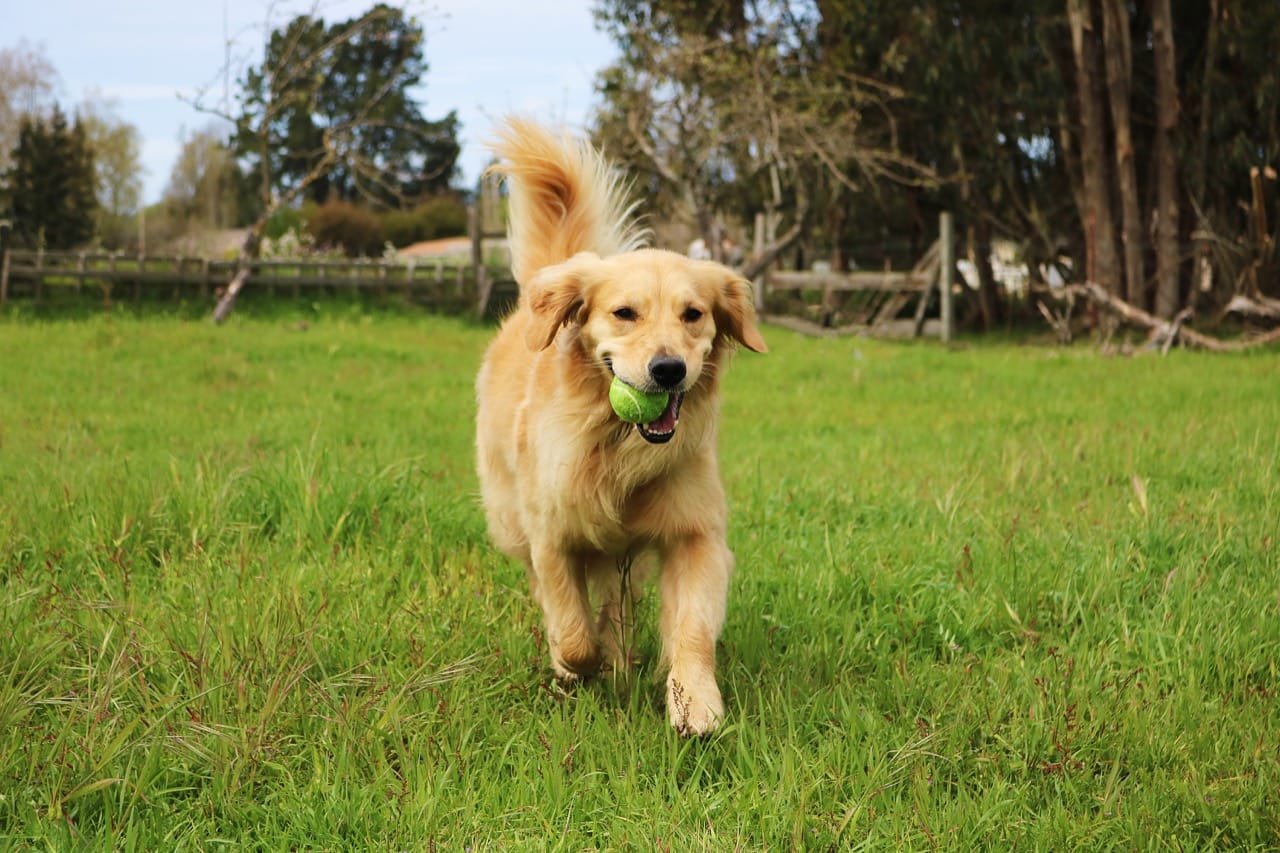
Origins and purpose in Britain Golden Retrievers were developed in Scotland in the late 1800s, shaped by the needs of hunters who wanted a dog that could retrieve game reliably over wet, rough terrain. Early breeders aimed for a dog with stamina, a strong desire to work with people, and the ability to bring back birds without damaging them. That last requirement is where the famous “soft mouth” comes in. It does not mean a dog that never uses its teeth. It means controlled grip pressure, so a retrieved bird is carried gently rather than crushed. Soft mouth is partly instinct, partly training, and it is closely linked to the retriever’s cooperative temperament.
Coat, color, and what “golden” really means The breed’s coat is dense and water-repellent, designed to protect the dog in cold water and thorny cover. Many people assume the longest, fluffiest coat is best, but working lines often have more moderate feathering because it collects fewer burrs and dries faster. Color ranges from pale cream to rich golden shades, depending on region and kennel club standards. Regardless of shade, the coat needs regular brushing to manage shedding and prevent mats, especially behind the ears and around the tail and legs.
Temperament and training strengths Goldens are often described as friendly, but the more useful description is socially motivated and people-oriented. They tend to enjoy interaction, respond well to positive training, and thrive when given a job. That job can be retrieving, obedience, agility, scent work, or simply structured daily routines. Their reputation as easy dogs can be misleading. Many are slow to mature, staying puppy-like in energy and impulse control for longer than some breeds. Without training and exercise, that friendliness can turn into jumping, mouthing, counter-surfing, and enthusiastic chaos.
Modern roles: from field to service work The same qualities that made Golden Retrievers excellent hunting companions also make them standouts in assistance and therapy work. They are generally biddable, steady in busy environments, and comfortable with handling. However, not every Golden is suited for service work. The best candidates combine confidence, low reactivity, and strong focus, and they come from lines selected for stable temperament and sound health. When you see a Golden guiding a person, retrieving dropped items, or providing mobility support, you are seeing centuries of careful selection expressed in a modern setting.
Health realities and responsible ownership Being popular has a downside: health issues can become more common when breeding is careless. Golden Retrievers can be prone to hip and elbow dysplasia, certain heart conditions, allergies and chronic ear problems, and several cancers. Not every Golden will face these issues, but responsible owners plan ahead. That means choosing breeders who screen breeding dogs with appropriate orthopedic, cardiac, and eye evaluations, maintaining a healthy weight, and prioritizing regular veterinary care. Exercise matters, but so does joint-friendly development. Overdoing high-impact activity in young dogs can stress growing joints, so structured play and age-appropriate training are important.
Conclusion Golden Retrievers earned their reputation through real work, not just good looks. They are athletic, sensitive, and highly social dogs with a heritage rooted in British sporting fields and a present-day impact in homes and assistance roles worldwide. If you can explain soft mouth, recognize why coat type matters, and speak honestly about training needs and health considerations, you are far beyond trivia. You are seeing the Golden Retriever as it truly is: a bright companion with a working heart.