






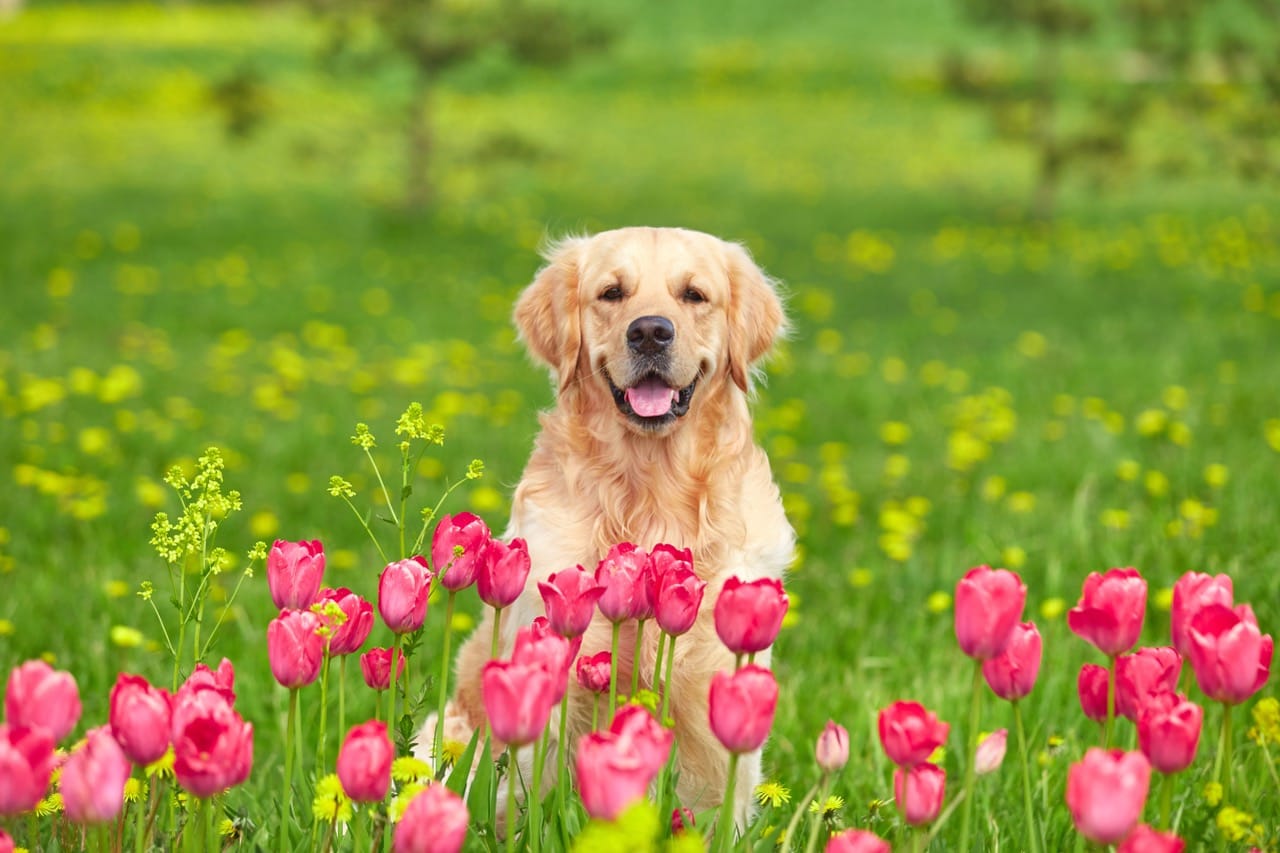



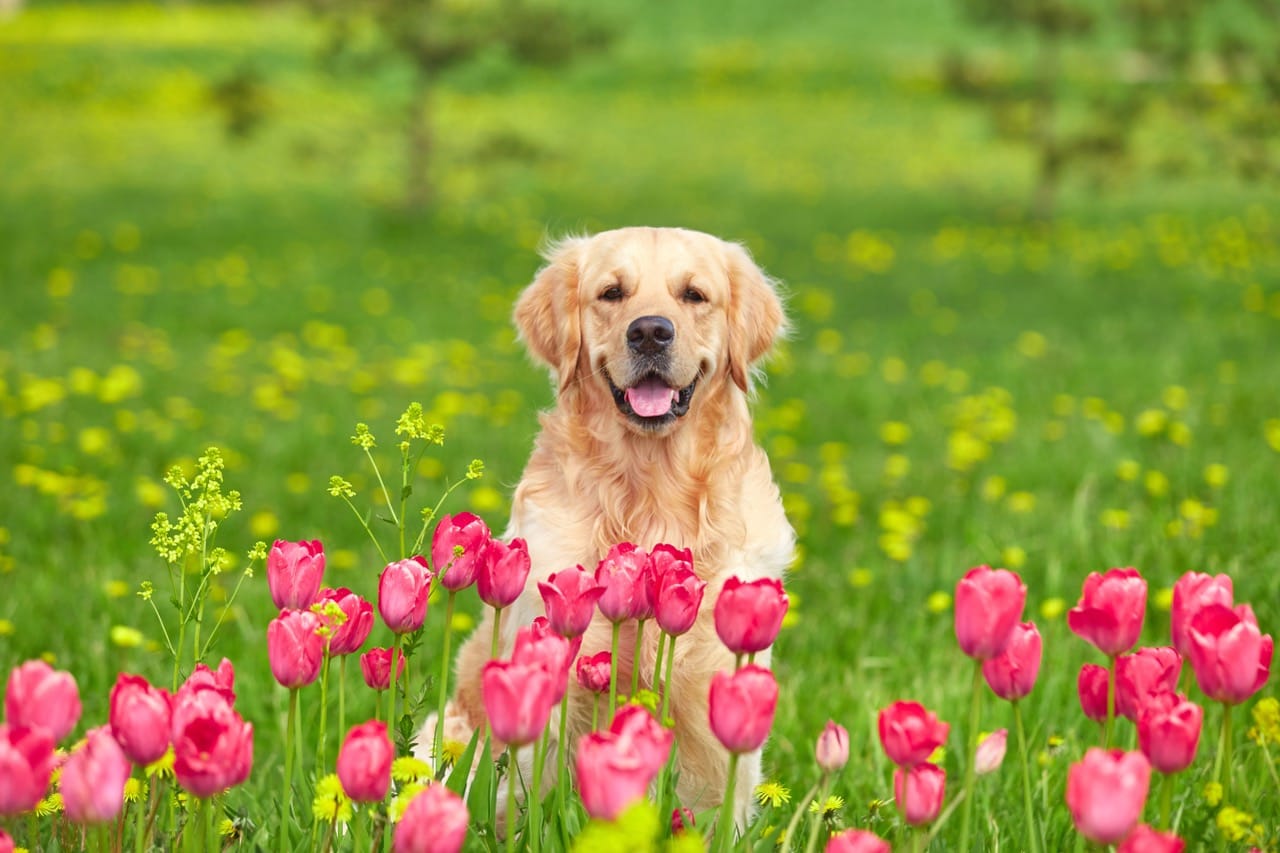
Few dogs combine sunshine looks with an easygoing personality as reliably as the Golden Retriever. Known for soft coats, bright expressions, and an enthusiasm for games, this breed has become a symbol of friendly companionship. Behind the cheerful reputation is a practical working history, plus some specific care needs that help Goldens stay healthy, polite, and happy.
Origins and original job Golden Retrievers were developed in Scotland in the late 1800s, when hunters wanted a dog that could retrieve game birds from both land and water. The goal was a sturdy, biddable retriever with a water resistant coat and a calm mouth. Early breeding focused on dogs that could work closely with people, handle rough terrain, and return birds without damaging them. That history explains many modern traits: their love of carrying items, their comfort in water, and their desire to cooperate.
Temperament and social behavior Goldens are widely described as friendly and people oriented. Many greet strangers with a wagging tail rather than suspicion, which makes them poor guard dogs but excellent family companions. They often do well with children and other pets when properly introduced and trained. Their social nature means they may struggle if left alone for long periods; boredom can lead to chewing, digging, or excessive barking. A Golden usually thrives when included in daily routines and given consistent attention.
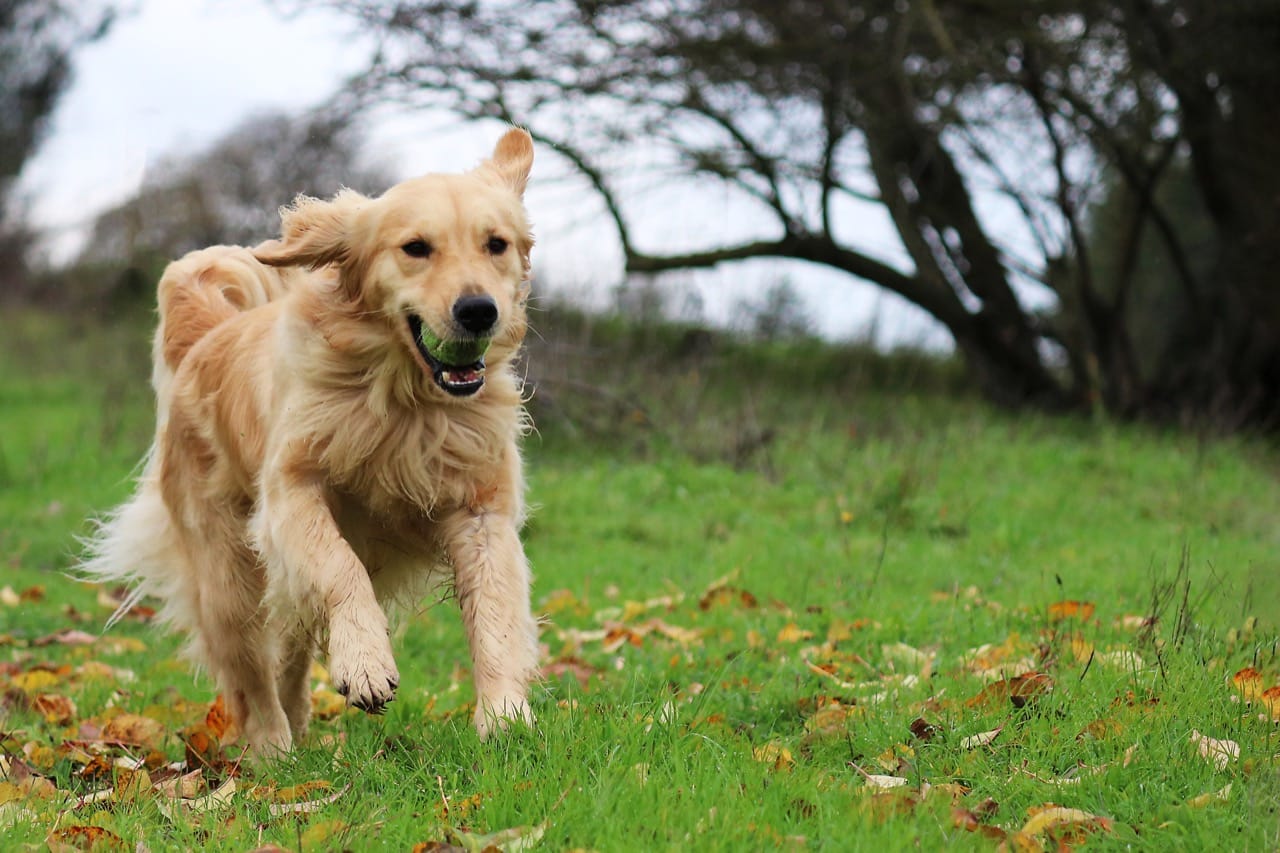
The gentle mouth and the carrying habit Retrievers were selected for a soft mouth, meaning they can hold objects without crushing them. While not every individual is perfectly gentle, many Goldens naturally carry toys, socks, or household items as if they are practicing their job. This can be charming, but it can also become a nuisance if they steal items for attention. Teaching a reliable drop it and trading for treats helps keep the habit fun and safe.
Coat types, grooming, and shedding Golden coats are typically dense with a water repellent outer layer and a thick undercoat. Some coats lie flatter, while others are more feathery on the legs, chest, and tail. Regular brushing is not just for looks; it reduces matting, distributes oils, and helps manage heavy seasonal shedding. Many owners brush several times a week, and more often during shedding seasons. Ears should be checked and cleaned as needed, especially if the dog swims, because moisture can contribute to ear infections.
Training strengths and exercise needs Goldens tend to be eager learners and respond well to positive reinforcement. Their motivation often comes from food, play, and praise, making them strong candidates for obedience, therapy work, service dog roles, and dog sports. Exercise is essential. A quick walk around the block usually is not enough for a young Golden. Daily activity that includes brisk walking, retrieving games, swimming, or training sessions helps burn energy and supports good behavior. Mental exercise matters too; puzzle toys and scent games can tire them out in a healthy way.
Health concerns and warm weather safety Like many larger breeds, Goldens can be prone to hip and elbow dysplasia, certain heart conditions, allergies, ear issues, and some cancers. Regular veterinary care, maintaining a healthy weight, and choosing a reputable breeder who does health testing can reduce risk. In warm weather, their thick coat can make them overheat. Provide shade, fresh water, and avoid intense exercise during the hottest parts of the day. Swimming can be a great cooling activity, but always supervise and rinse off after chlorinated pools or salty water.
Conclusion Golden Retrievers are famous for friendliness, but their best qualities shine when their needs are met: steady training, meaningful exercise, grooming, and family involvement. Understanding their working roots explains why they love to fetch, carry, and stay close to people. With good care, a Golden is not just a playful dog at the park, but a dependable companion built for partnership.