





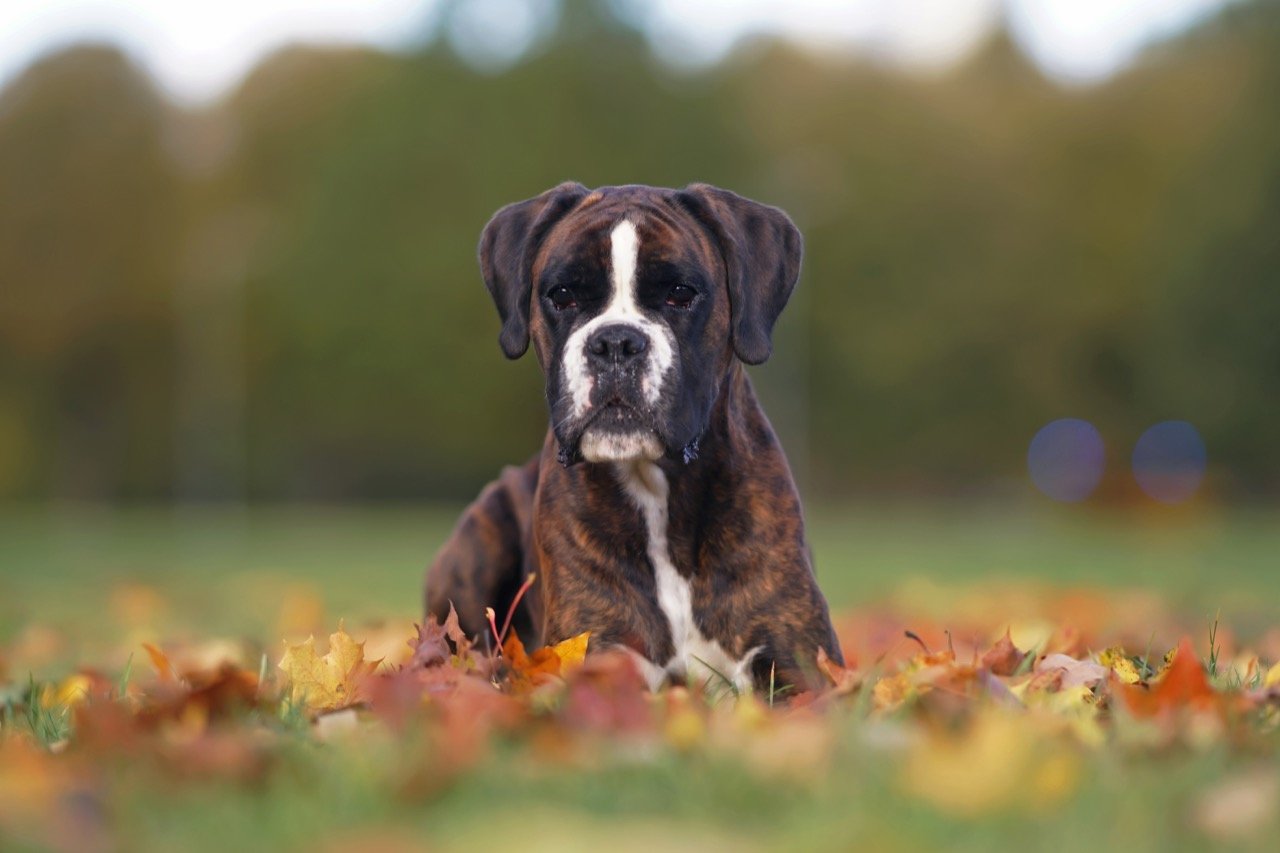


Introduction If you have ever met a dog with a broad, square jaw, bright eyes, and a face that seems to perform comedy on command, there is a good chance it was a Boxer. Boxers are famous for sudden athletic bursts, playful antics, and a loyalty that can make them feel like a full-time shadow. They are also a breed with real working roots, specific training needs, and a few health topics every owner should understand.
Origins and purpose Modern Boxers were developed in Germany in the late 1800s, descending from the now-extinct Bullenbeisser and related mastiff-type dogs. Their early jobs included hunting large game and later serving as farm and guard dogs. That history matters because it explains the Boxer’s signature mix of courage, confidence, and readiness to spring into action. Over time, Boxers also became valued military and police dogs, as well as beloved family companions. The breed’s working background shaped a dog that thrives when it has a job, whether that job is learning obedience skills, playing structured games, or simply accompanying you everywhere.
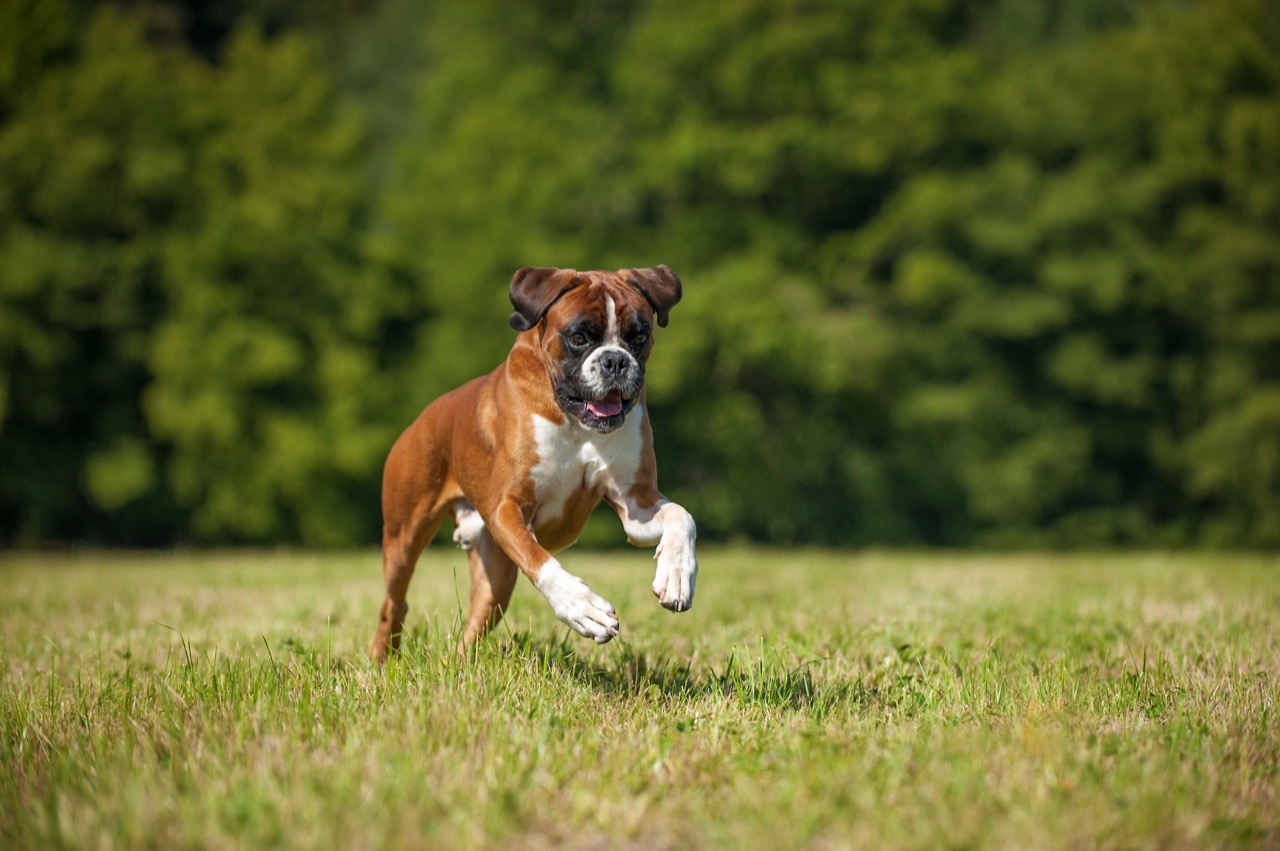
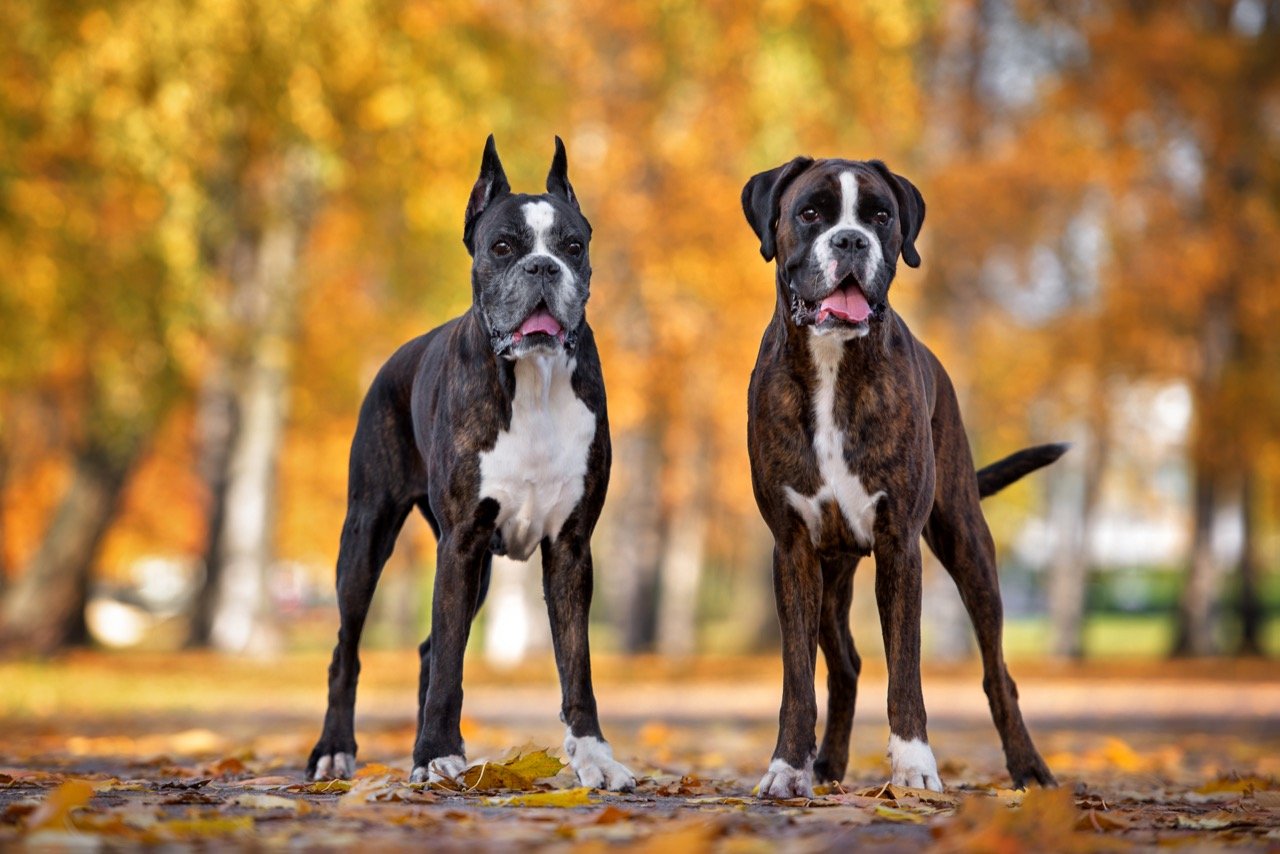
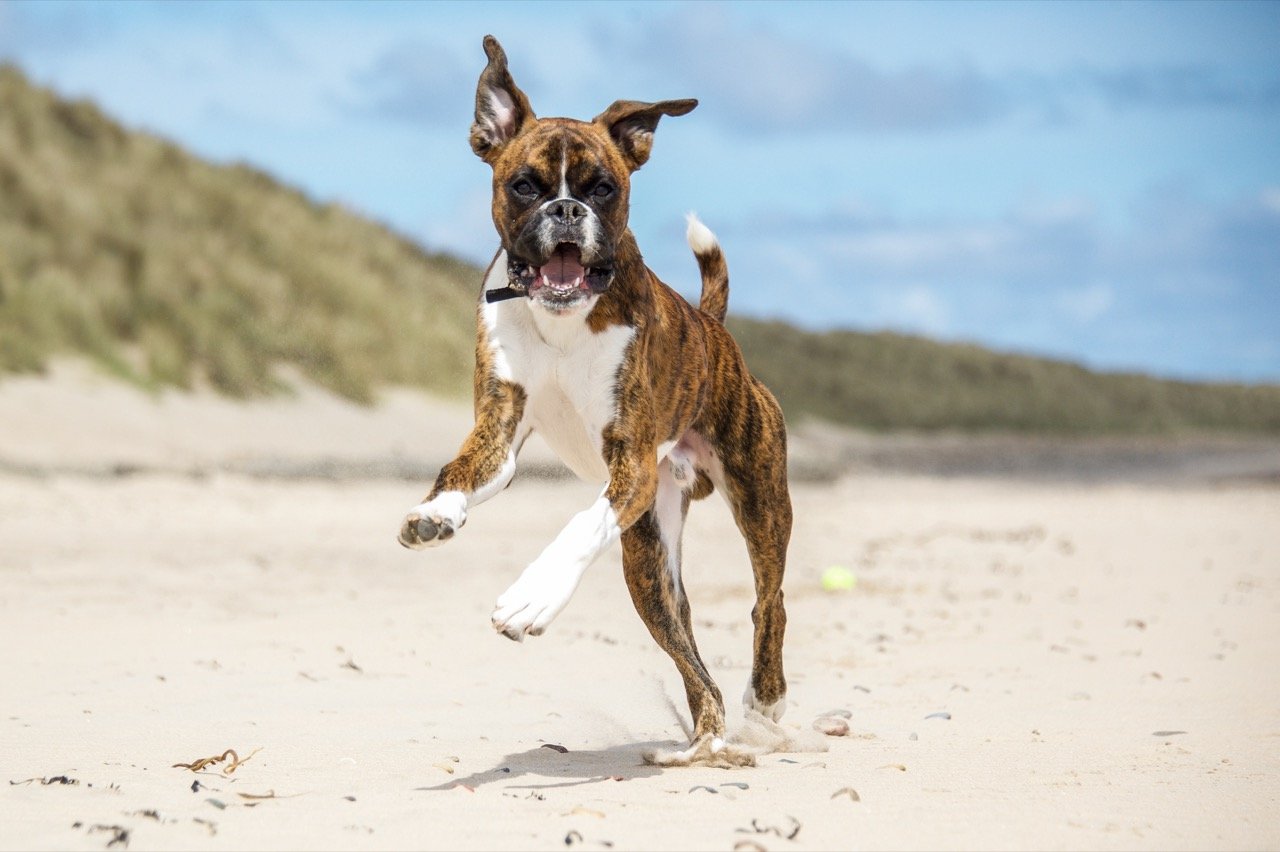
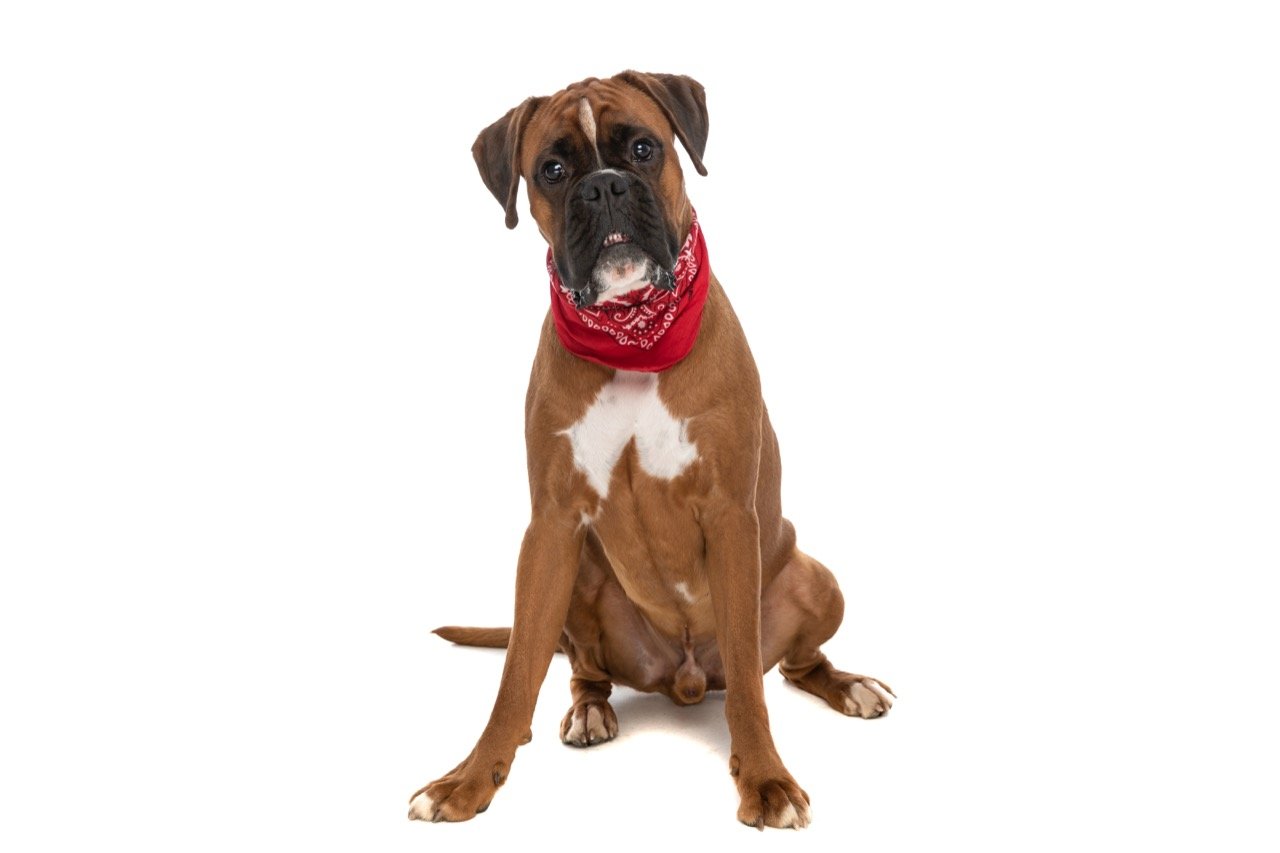
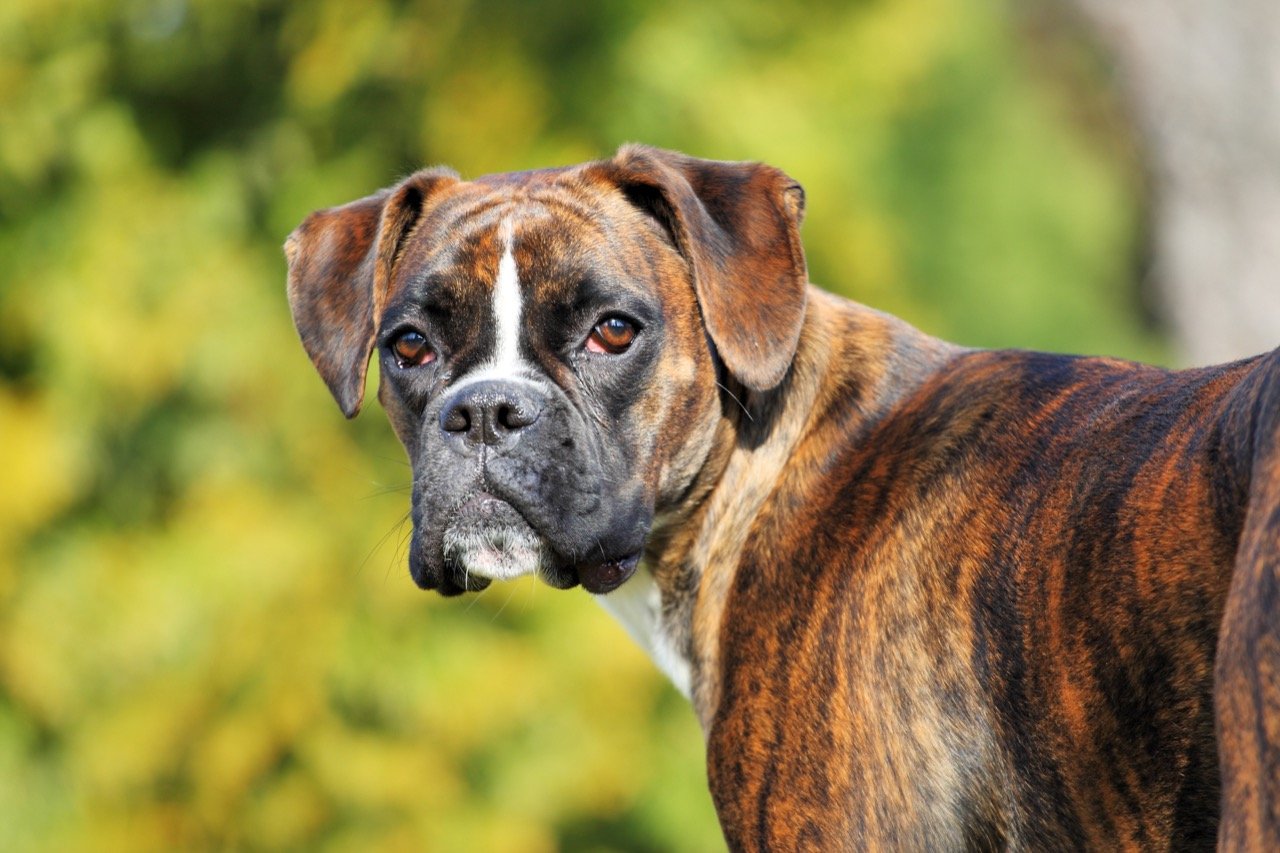
Body structure and that famous expression Boxers are medium to large, muscular, and built for power and speed. Their deep chest and strong hindquarters support quick acceleration, which is why they often look like they have an extra gear during play. The head is a defining feature: a broad skull, strong muzzle, and a noticeable underbite. Combined with mobile facial muscles, this gives Boxers their expressive, sometimes downright hilarious look. Many owners also notice the “Boxer bounce,” a springy style of movement that matches their upbeat personality.
Coat, color, and grooming The Boxer coat is short, smooth, and generally easy to maintain. Common colors include fawn and brindle, often with white markings. Some Boxers appear mostly white, which can be associated with a higher risk of congenital deafness, so responsible breeders and owners pay attention to hearing and early evaluation. Grooming is straightforward: occasional brushing, nail care, and regular ear and dental hygiene. Because the coat is short, Boxers can be sensitive to extreme temperatures, especially heat.
Temperament in everyday life Boxers are often described as affectionate, people-focused, and clownish. They tend to be deeply attached to their families and can be wonderful with children when properly trained and supervised. Their enthusiasm, however, can be a lot. A Boxer may greet guests like a long-lost best friend unless taught calmer habits. Early socialization is crucial: positive exposure to different people, dogs, sounds, and environments helps them grow into confident adults.
Training, boundaries, and exercise A Boxer’s intelligence and energy mean training is not optional. They respond best to consistent, reward-based methods with clear boundaries. Mixed messages invite testing, and a bored Boxer may invent its own entertainment, such as counter surfing or creative chewing. Daily exercise should include more than a slow walk. Many Boxers do well with a combination of brisk walks, play sessions, and short training games that engage the brain. Because they can overheat, intense activity should be managed carefully in warm weather, with plenty of water and breaks.
Common health concerns Prospective owners should be aware of several breed-associated issues. Heart conditions, such as arrhythmias and cardiomyopathy, are important to screen for. Some Boxers are prone to certain cancers, and joint concerns like hip dysplasia can occur. As a short-muzzled breed, they may also have breathing challenges, particularly in heat or during strenuous exercise. Regular veterinary care, appropriate weight management, and purchasing from health-testing breeders can make a meaningful difference.
Conclusion The Boxer is a lively blend of athlete and comedian, wrapped in a loyal, family-centered personality. Understanding their history, structure, and needs helps explain why they sprint, bounce, and grin their way into people’s lives. With early socialization, consistent training, and smart exercise, a Boxer can be an endlessly entertaining companion and a devoted best friend for years to come.