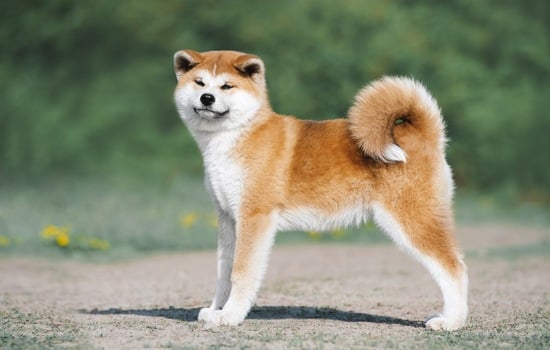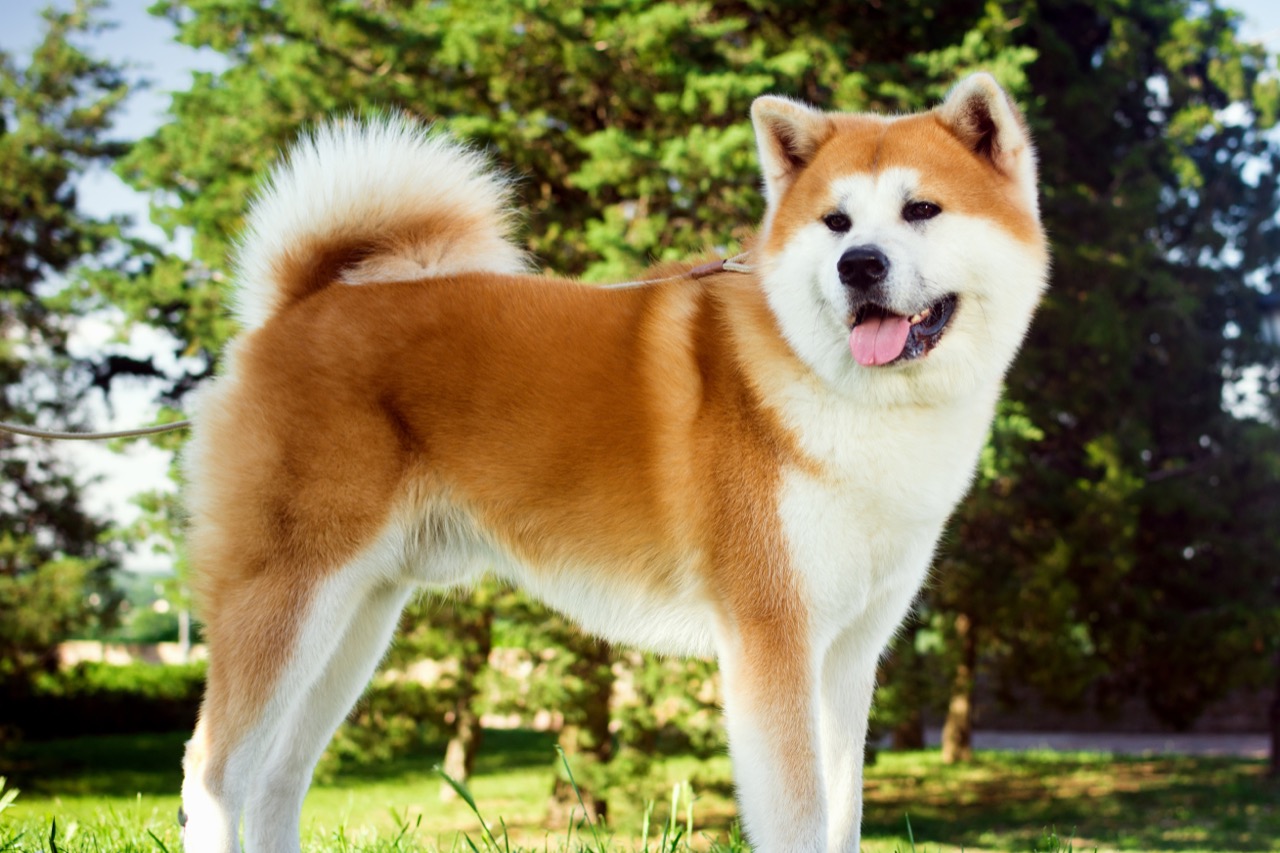
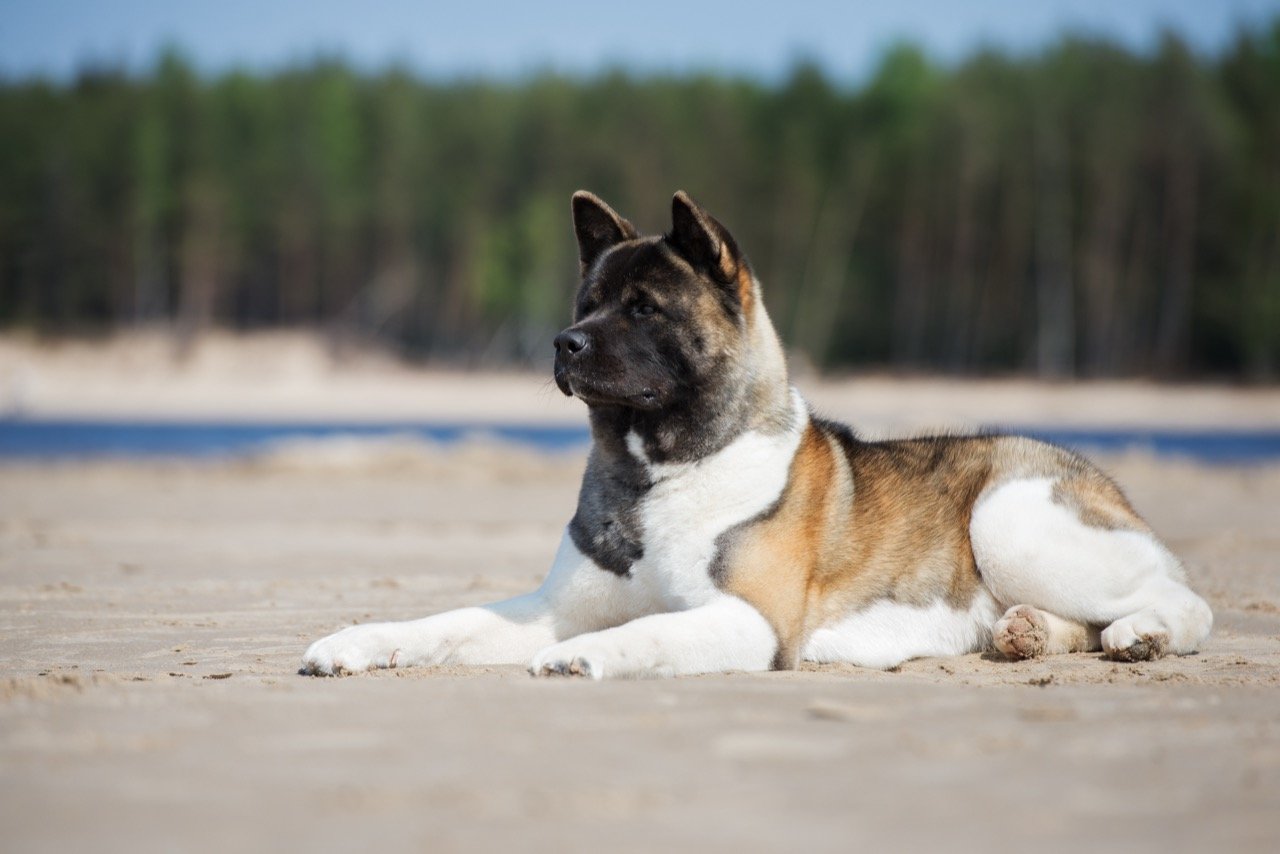
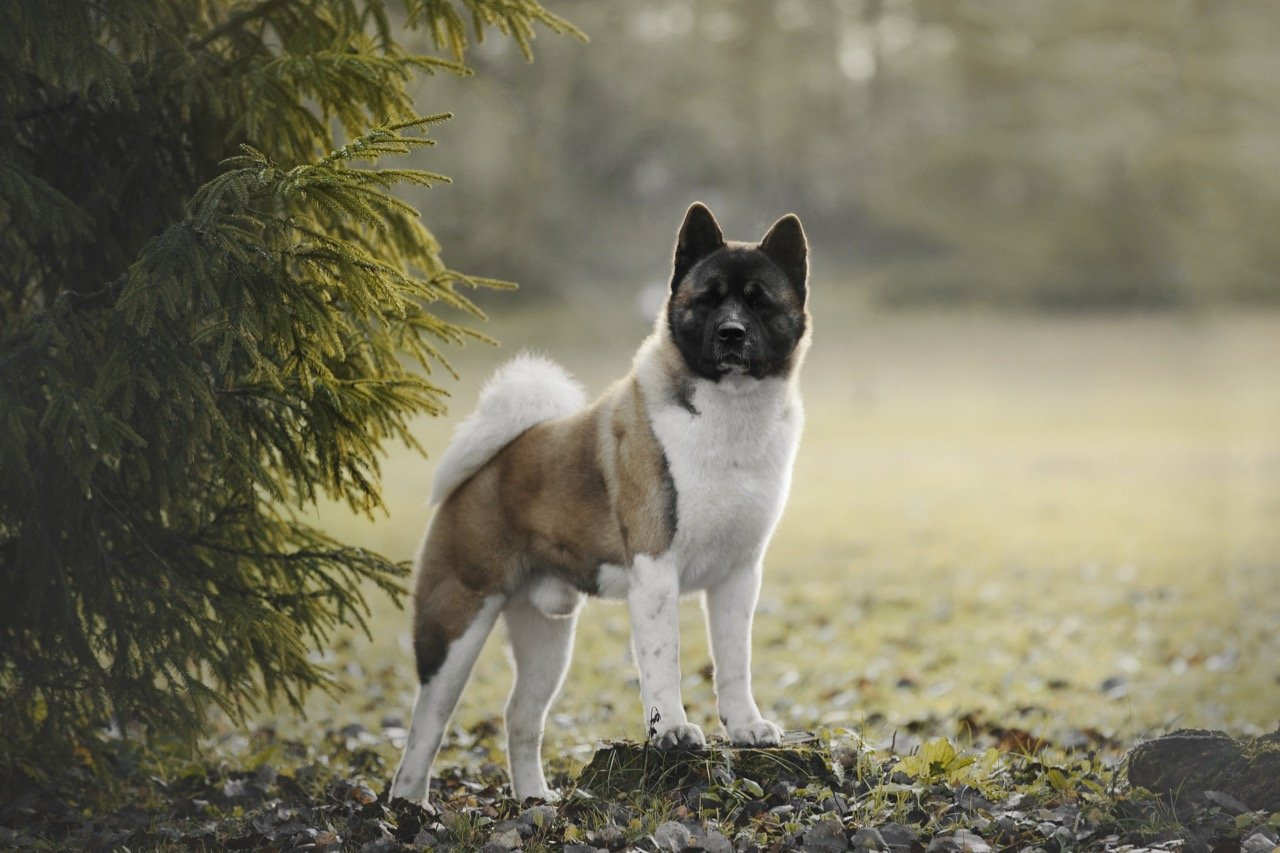
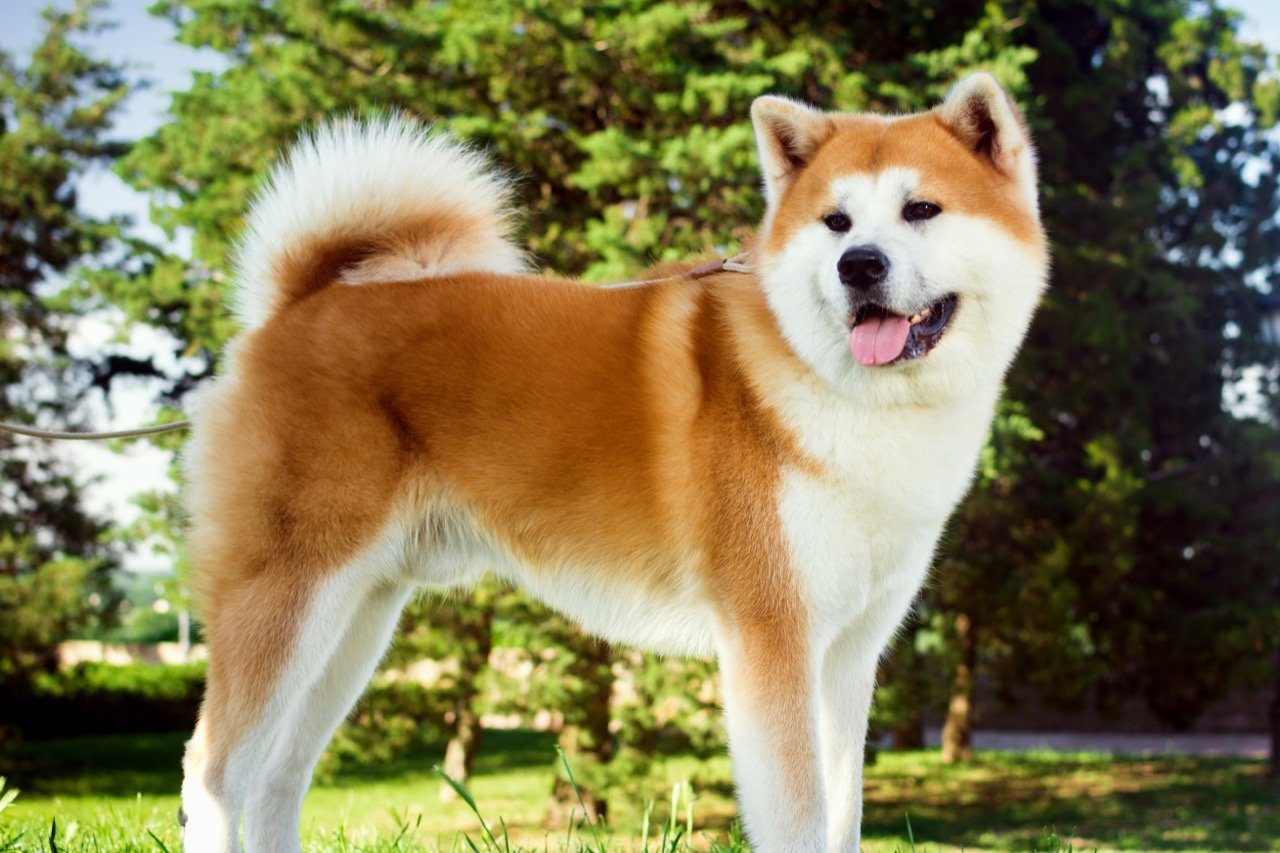
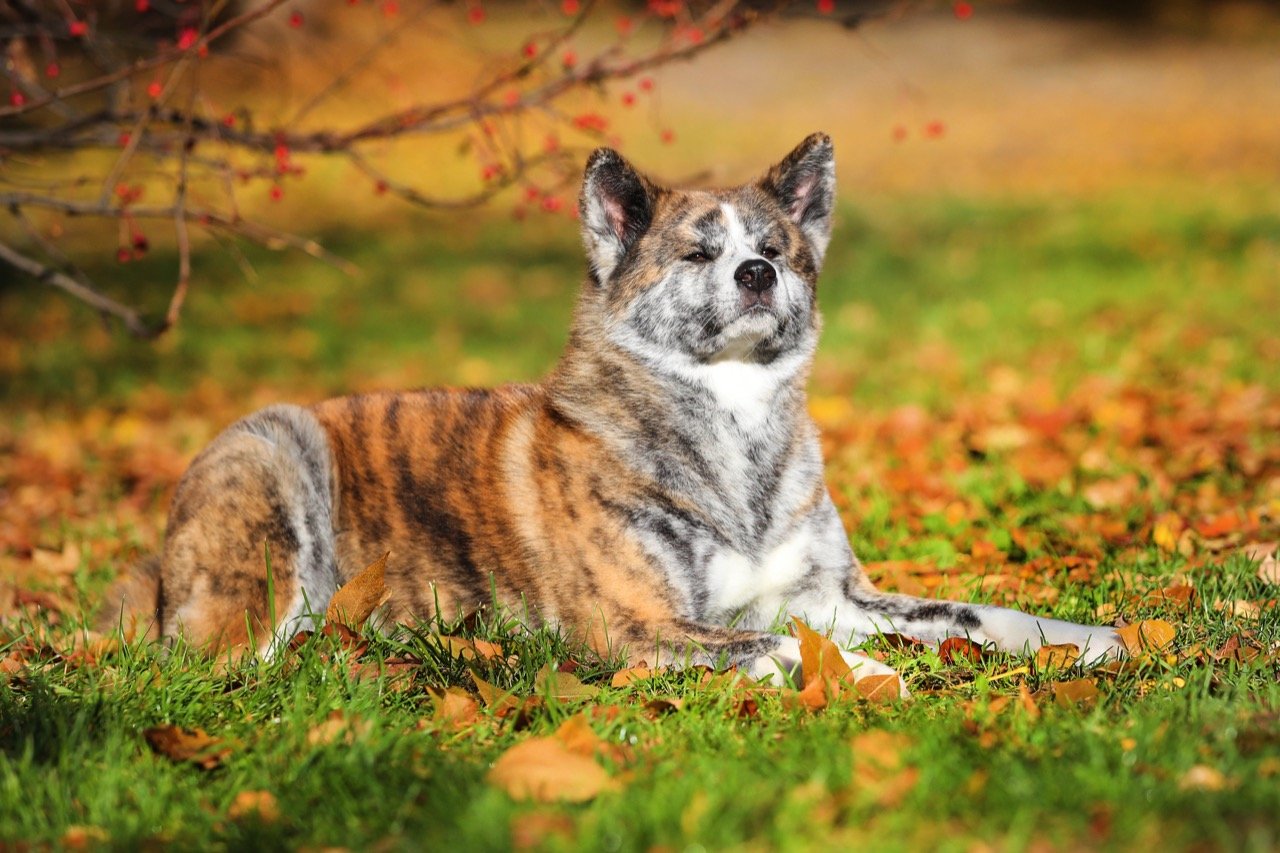
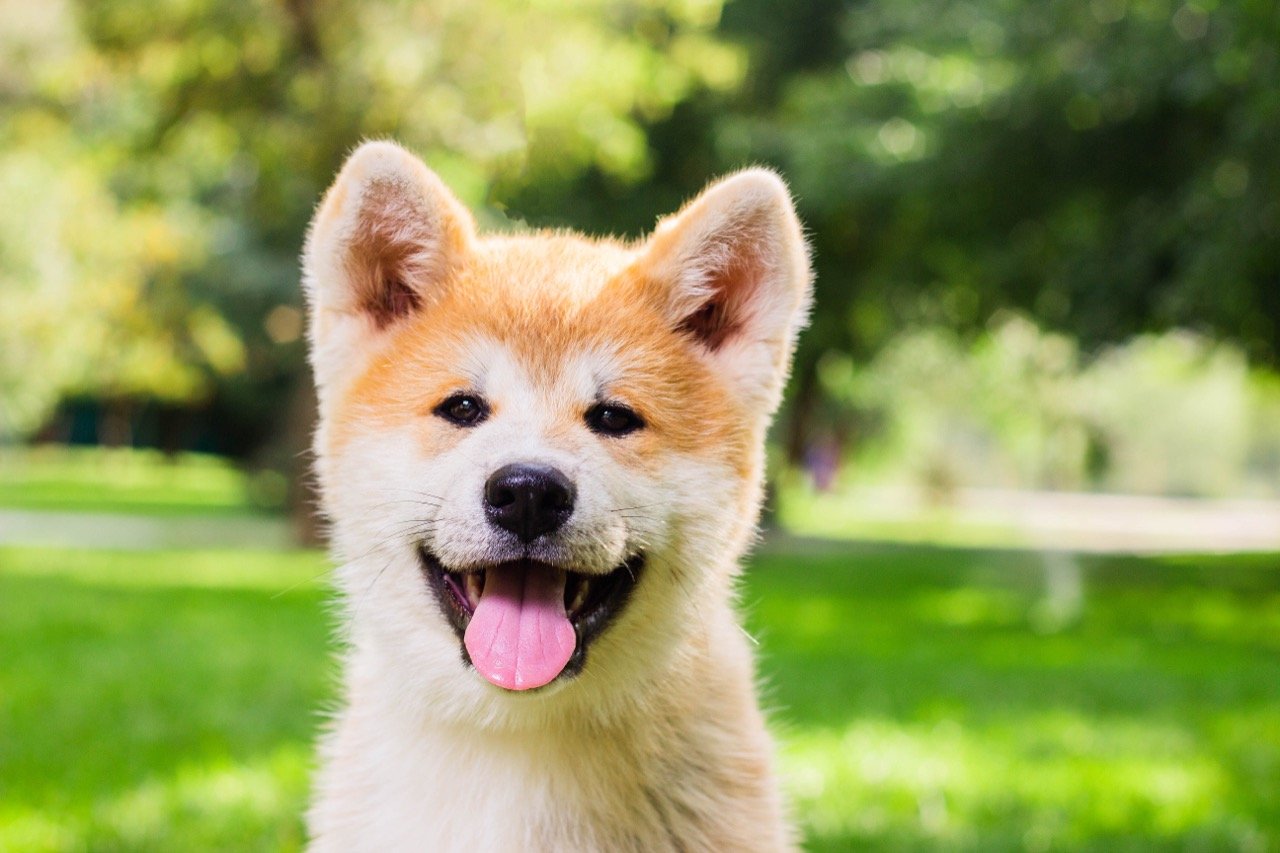
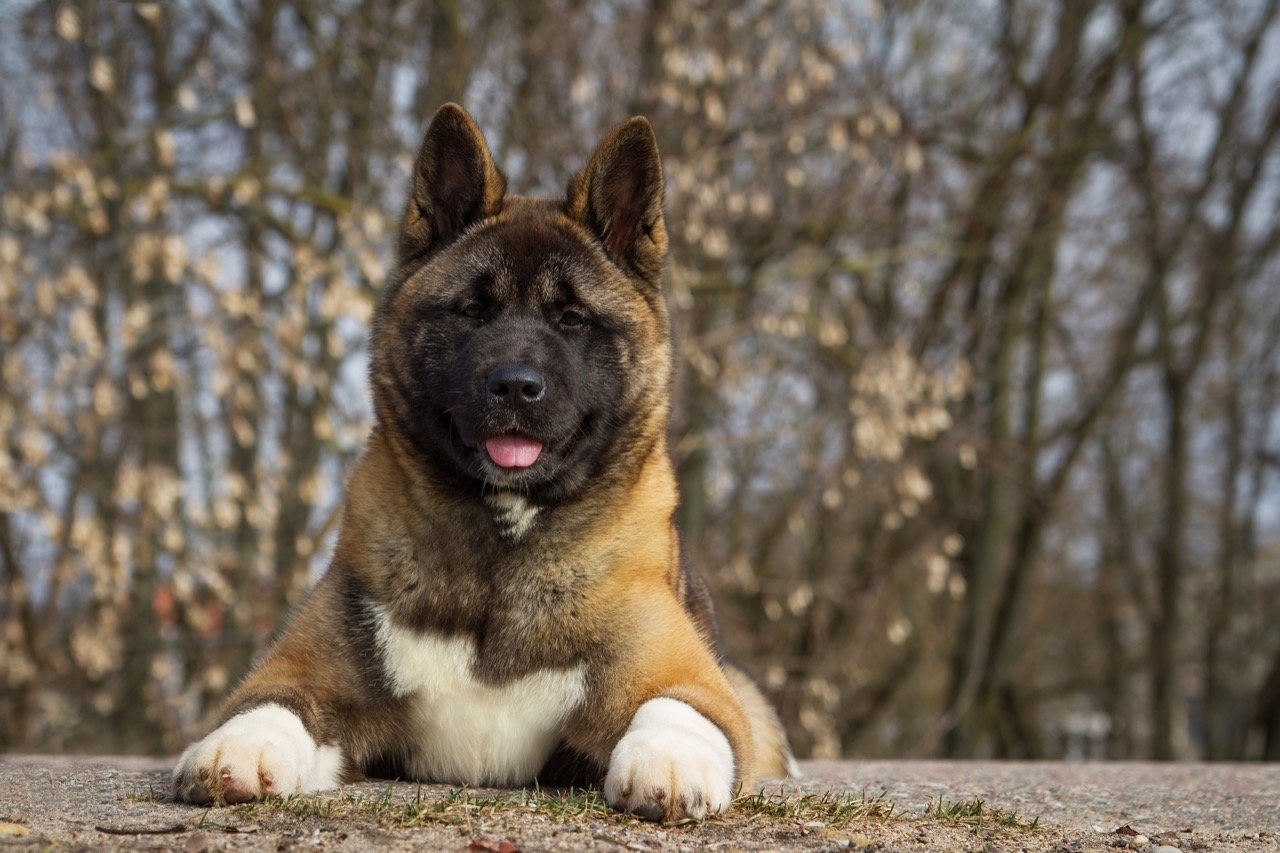
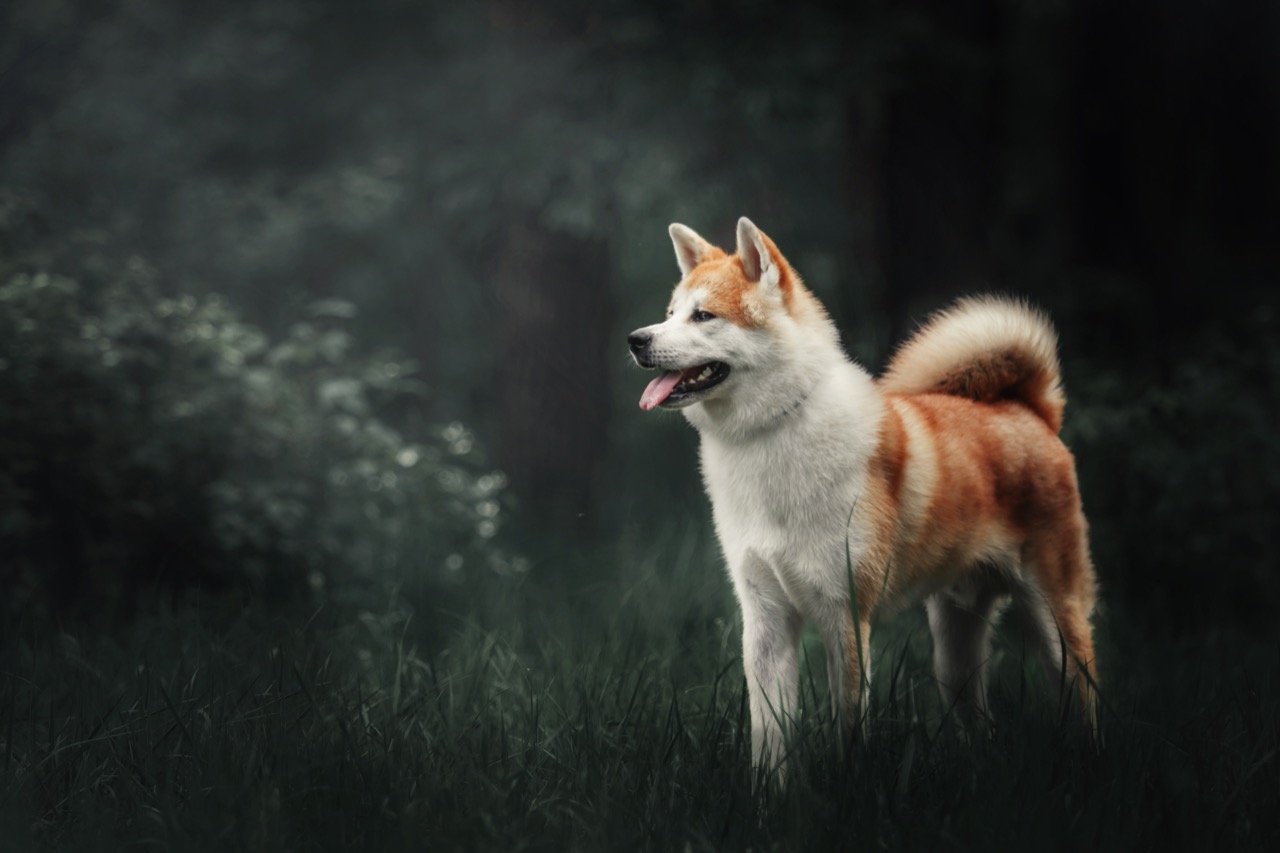
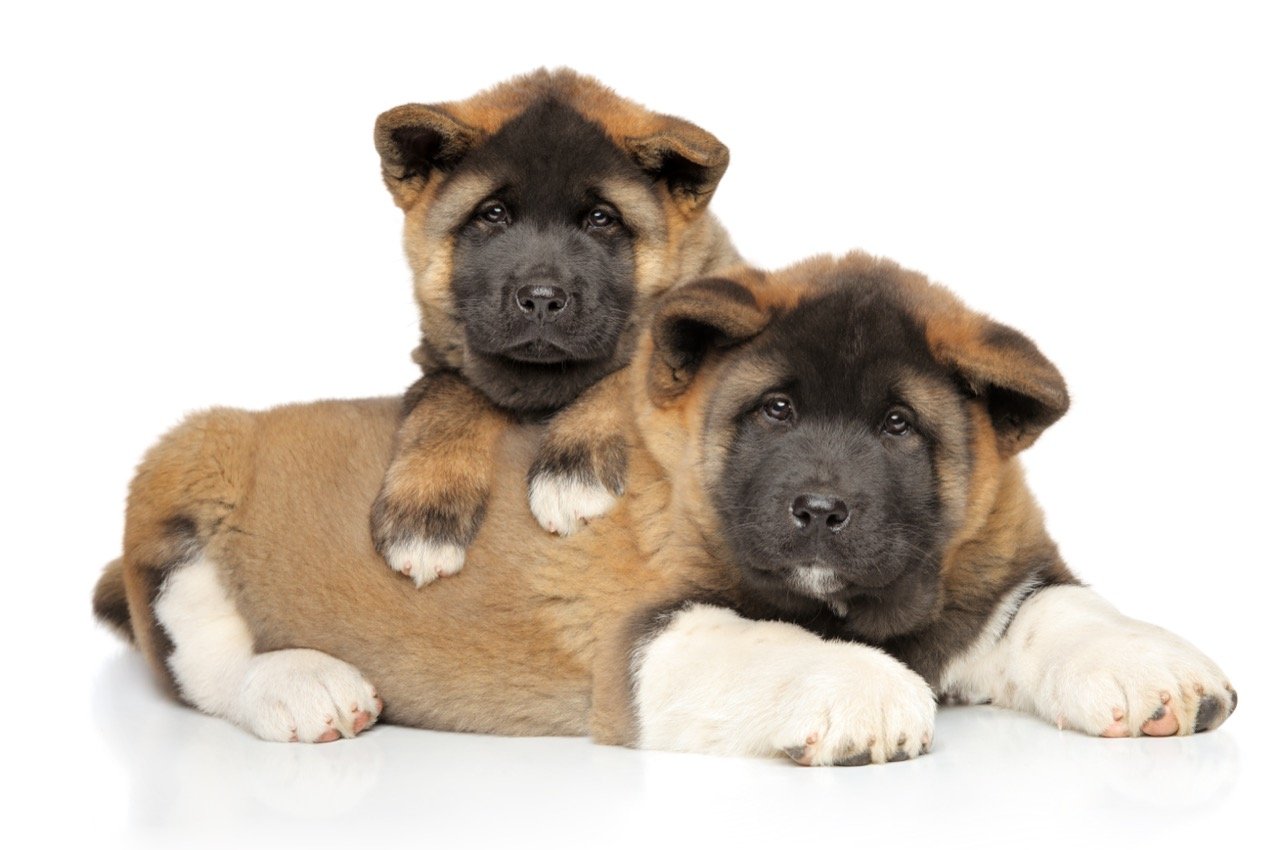
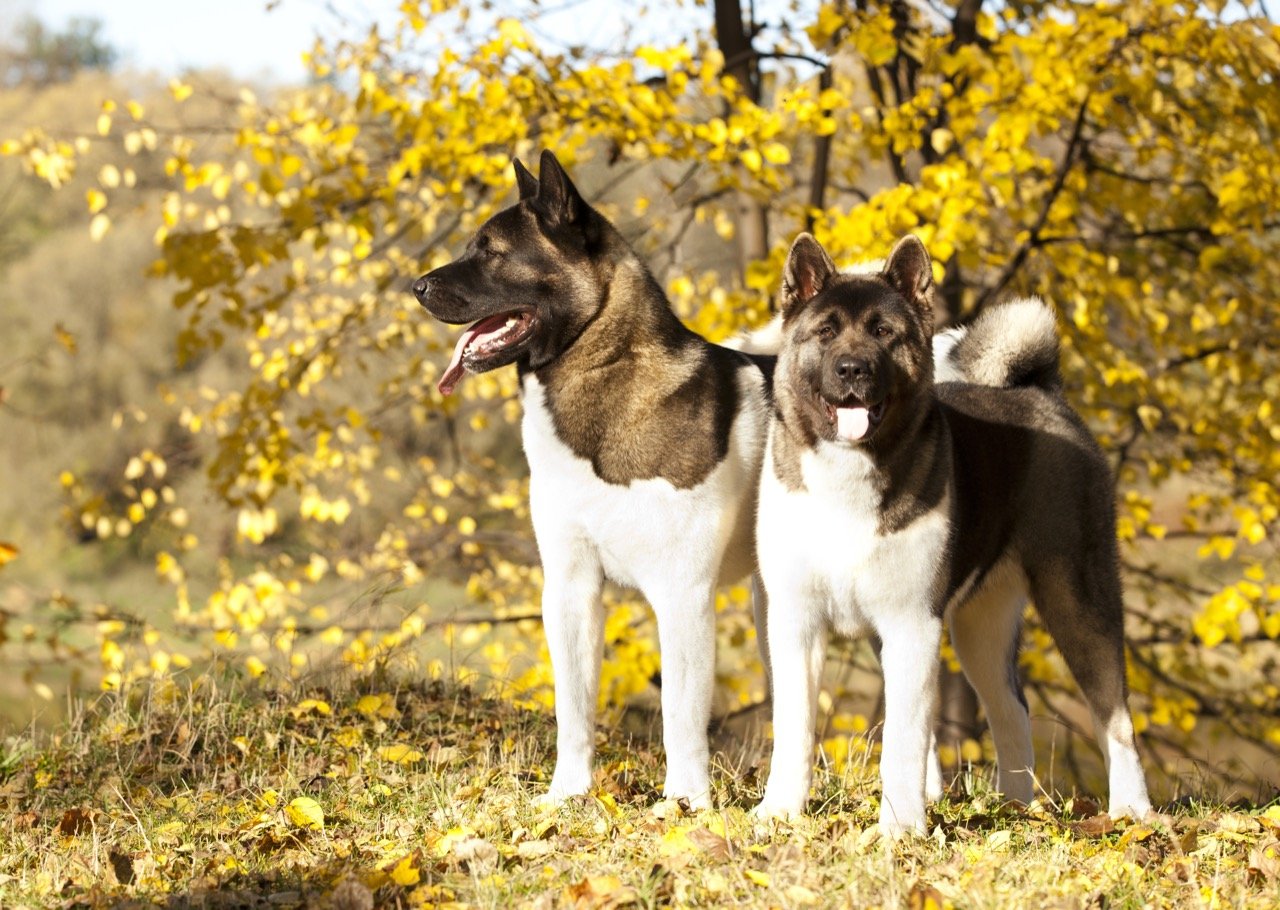
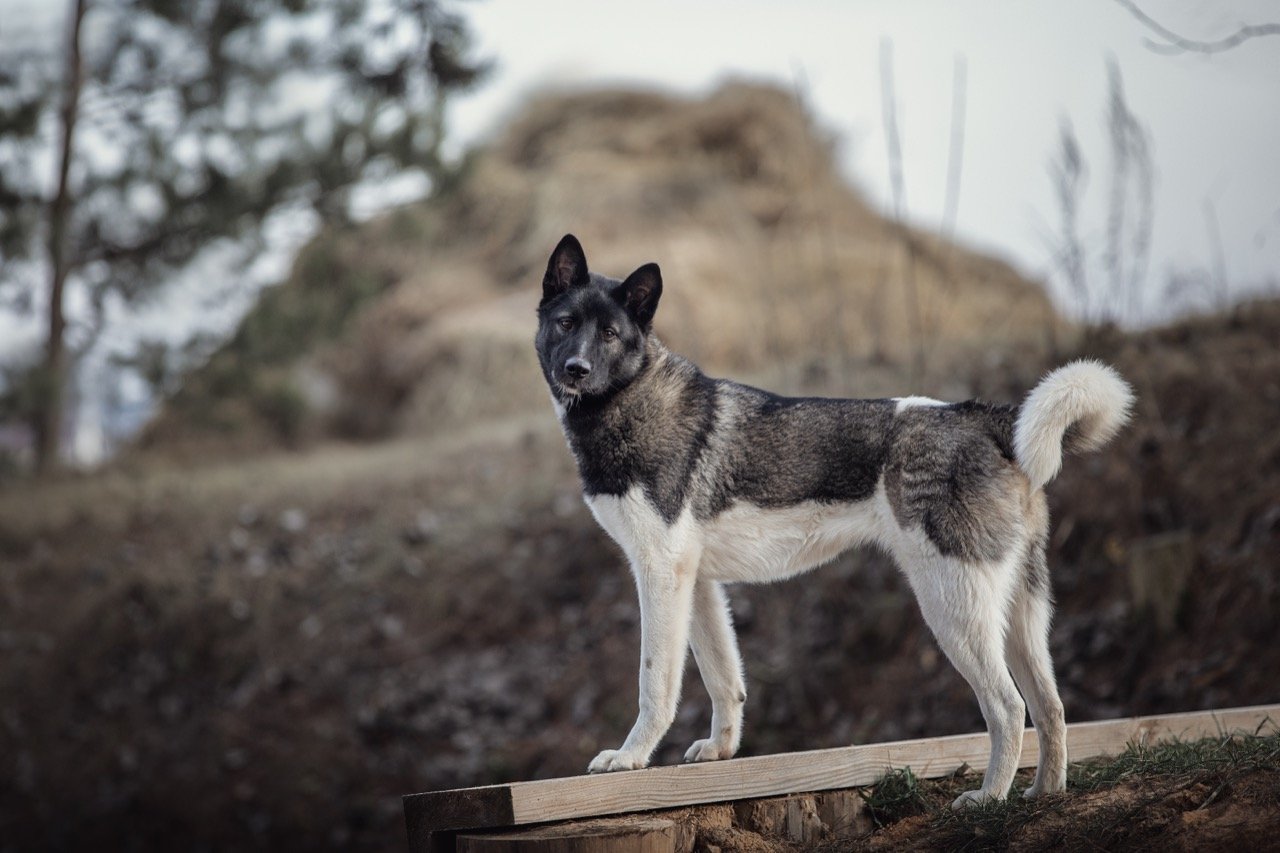
Introduction Powerful, plush coated, and famously loyal, the Akita Inu is one of Japan’s most recognizable spitz type dogs. Even people who have never met one often recognize the breed’s proud stance, curled tail, and bear like head. But behind the striking look is a working heritage shaped by harsh weather, demanding tasks, and close partnership with humans. Understanding where the Akita came from and what it needs today helps explain why this breed can be both a devoted family companion and a serious responsibility.
Origins and historical purpose The Akita traces back to Japan’s northern regions, where cold winters and rugged terrain favored sturdy, thick coated dogs. Historically, these dogs were used for demanding work such as guarding property and assisting hunters with large game. Their role required independence, courage, and the ability to make decisions in challenging conditions. Over time, the breed became a symbol of status and cultural pride in Japan, with efforts made to preserve its distinct type.
Temperament: bold loyalty with a thoughtful edge Akitas are often described as intensely loyal, sometimes to a level that surprises first time owners. They can be affectionate with their household while remaining reserved or cautious with strangers. This is not typically a breed that greets everyone like a long lost friend. Many Akitas are quiet observers, reacting only when they feel it matters.
Because they were developed for work that demanded confidence, they may show strong protective instincts and can be selective with other dogs, especially those of the same sex. Early socialization is crucial, not to force friendliness, but to teach calm, controlled behavior around new people, animals, and environments.
Training and social behavior Akitas are intelligent and capable, but they do not usually respond well to harsh methods. Training works best when it is consistent, respectful, and motivating. Think clear rules, short focused sessions, and rewards that matter to the dog, such as food, play, or access to preferred activities. Early training matters because habits form quickly in a large, strong breed. Teaching polite leash walking, reliable recall in safe settings, and calm greetings can prevent problems later.
It also helps to understand that an Akita may not be endlessly eager to repeat commands. This is not stubbornness in a simple sense; it often reflects an independent working mindset. Owners who appreciate that personality tend to build better partnerships.
Coat and grooming facts That plush coat is a double coat, designed for insulation. Akitas shed year round, but many experience heavy seasonal shedding that can feel like a snowstorm of fur. Regular brushing helps manage loose hair and keeps the coat healthy. During heavy shedding periods, more frequent brushing is often needed. Bathing is not required constantly, but a thorough bath and blow dry during shedding can help remove dead undercoat.
Health and responsible care Like many large breeds, Akitas can be prone to orthopedic issues such as hip dysplasia. They may also face certain autoimmune conditions and thyroid related problems. Responsible breeders screen breeding dogs and share health information openly. For owners, maintaining a healthy weight, providing appropriate exercise, and scheduling regular veterinary checks can make a significant difference.
Akitas do well with daily activity, but they are not always hyperactive. Many enjoy brisk walks, structured play, and mental challenges like training games. Secure fencing and good leash habits are important, as a confident dog with a strong prey drive can be quick to chase.
Famous real world story No discussion of Akitas is complete without Hachiko, the dog remembered in Japan for waiting at a train station for his owner long after the owner had passed away. The story is often told as a symbol of loyalty, but it also reflects the deep bond this breed can form when treated with consistency and care.
Conclusion The Akita Inu is more than a beautiful coat and a proud silhouette. It is a breed shaped by tough work, close loyalty, and a calm but watchful nature. For the right home, an Akita can be a steady companion with a remarkable presence. For any home, success depends on early training, thoughtful socialization, regular grooming, and a commitment to responsible health care. If your quiz questions feel tricky, that is fitting, because the Akita is a breed of depth, history, and strong character.