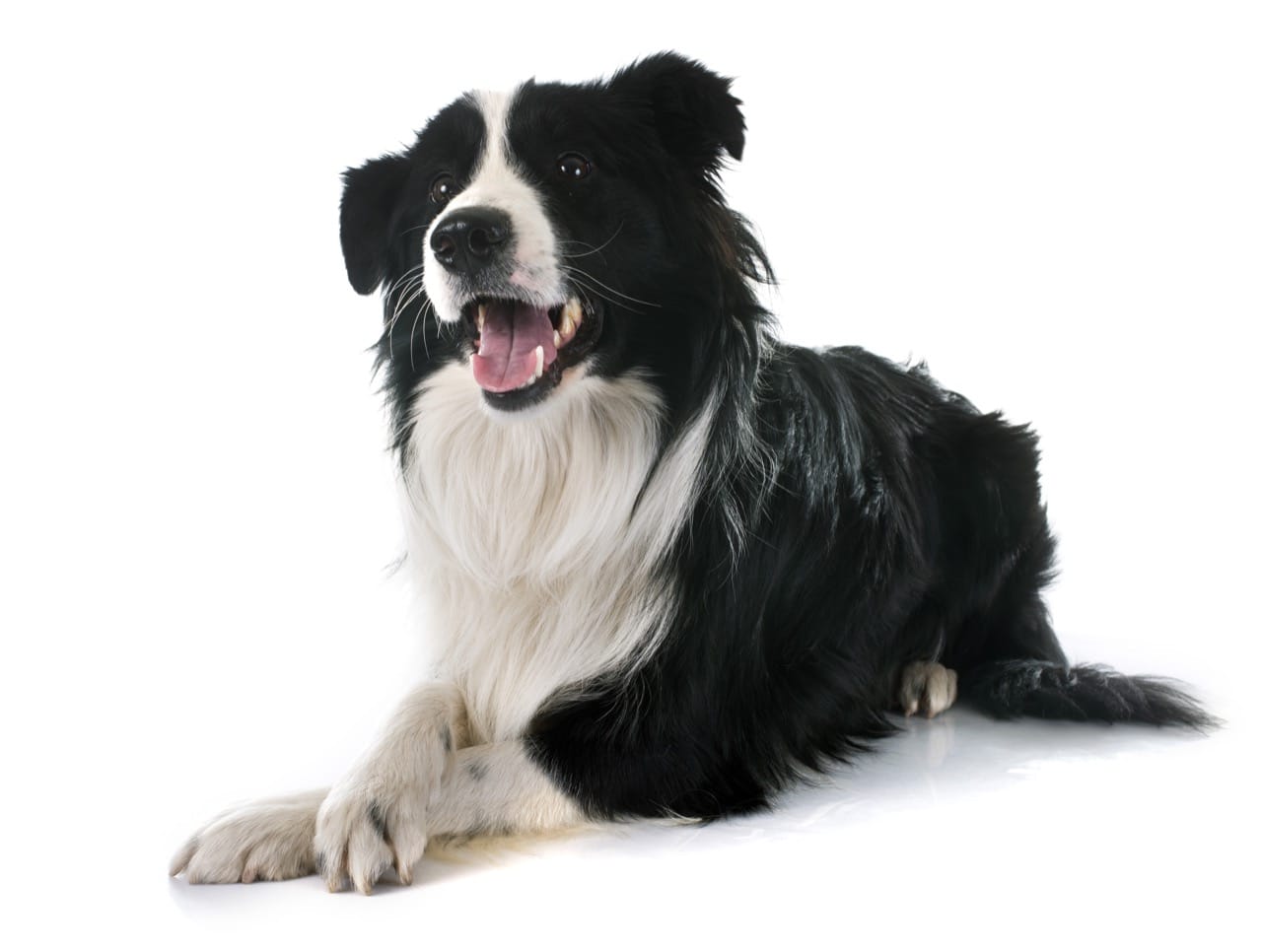
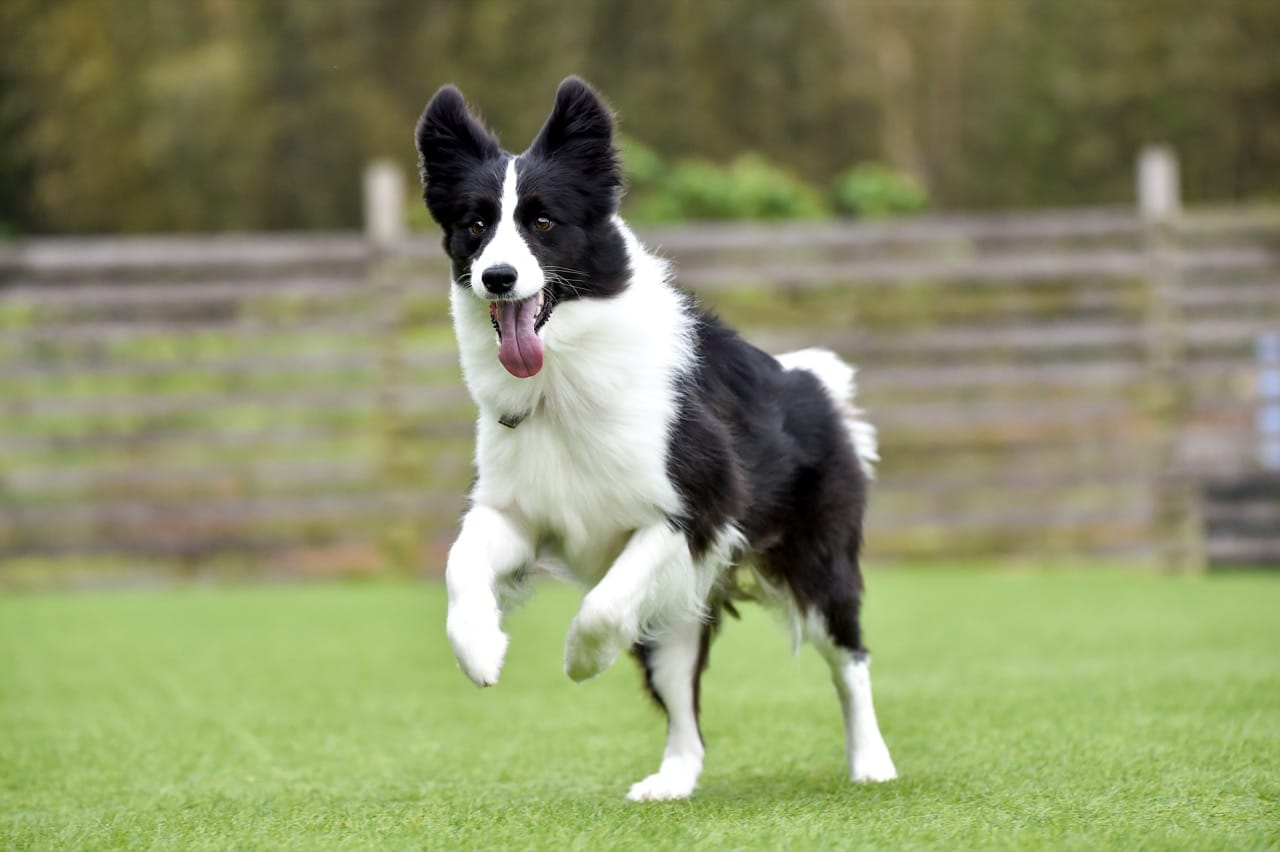
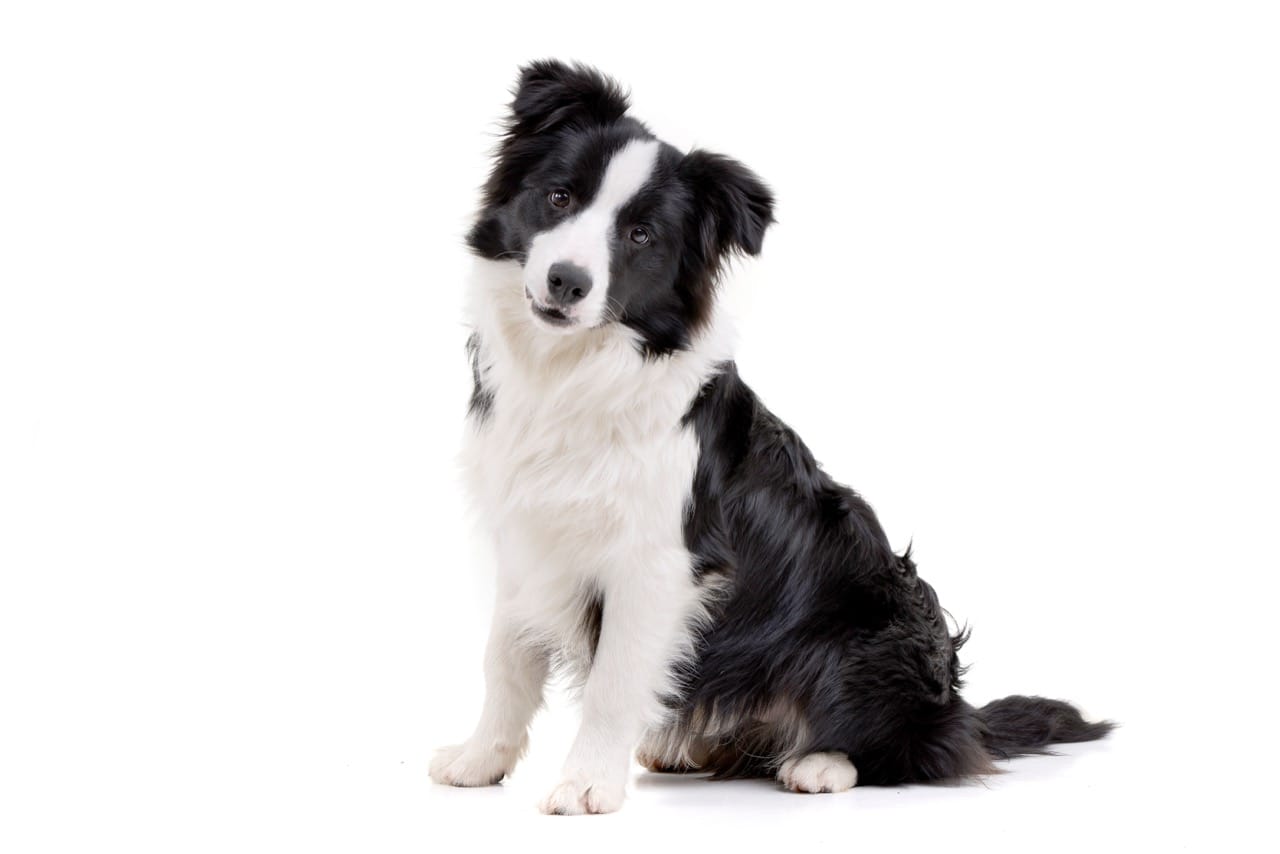

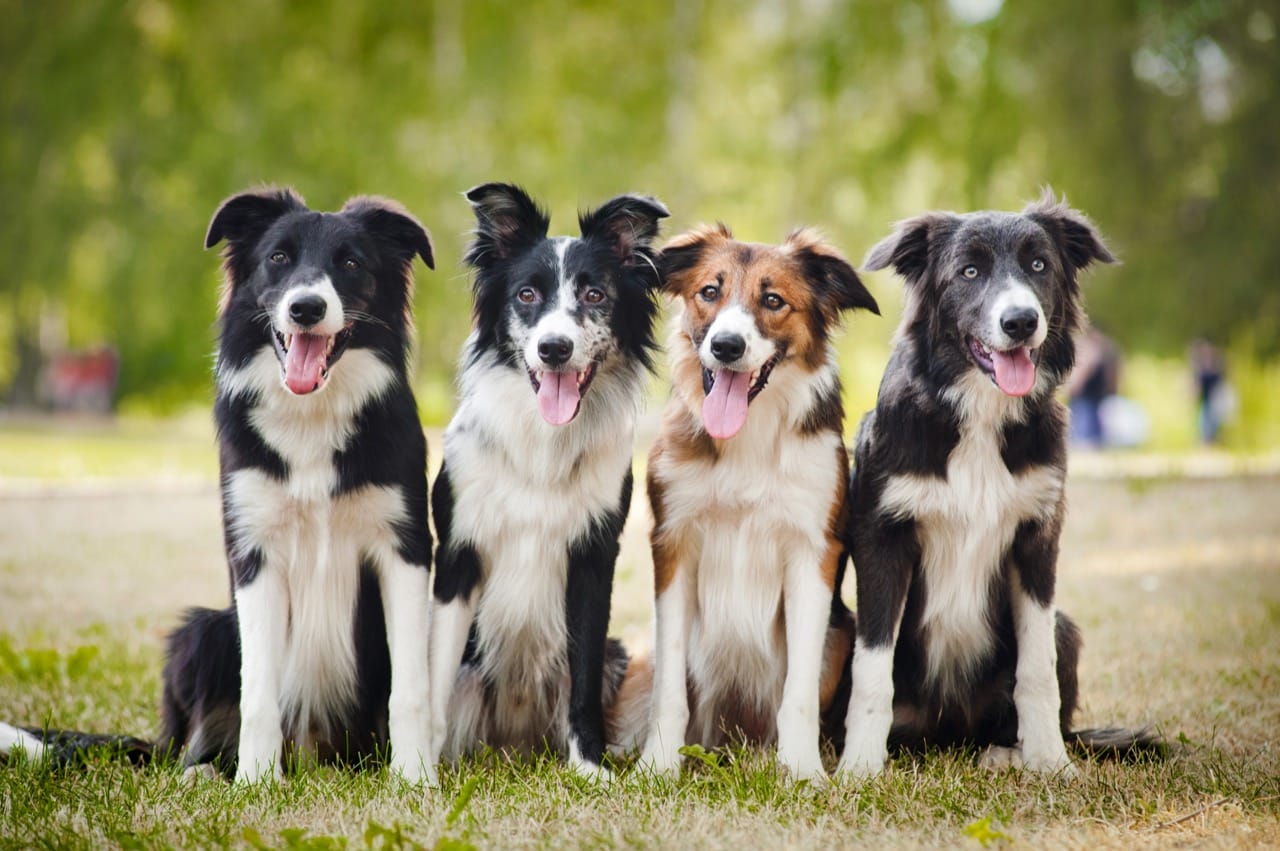
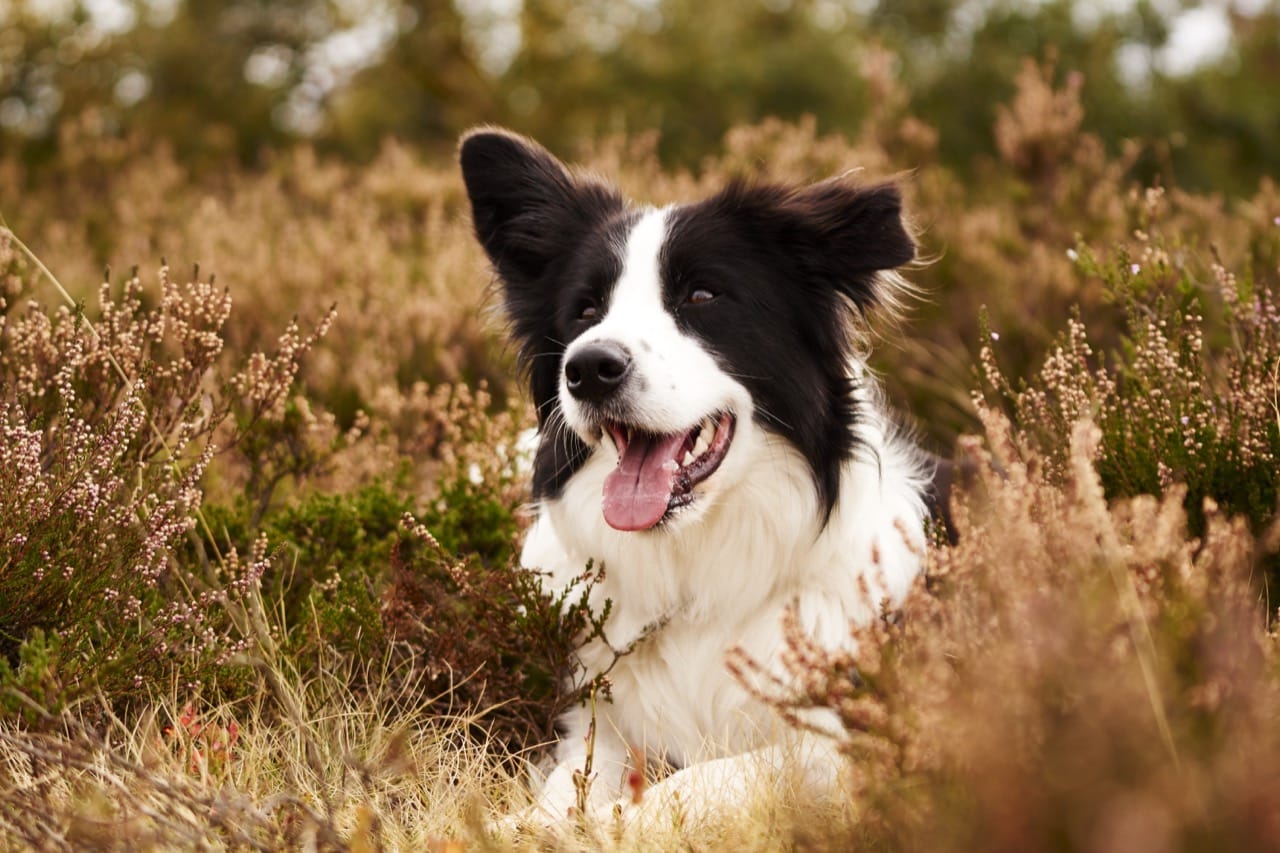
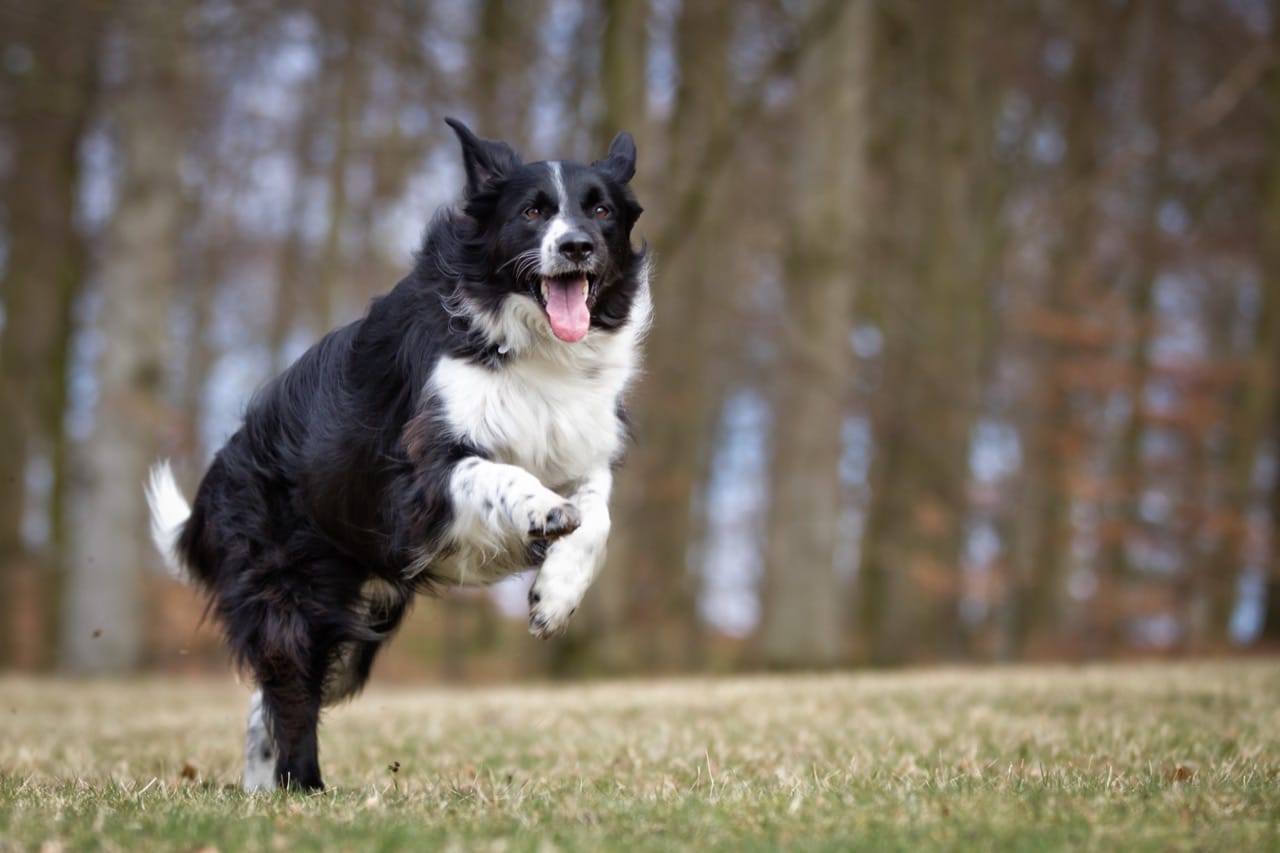
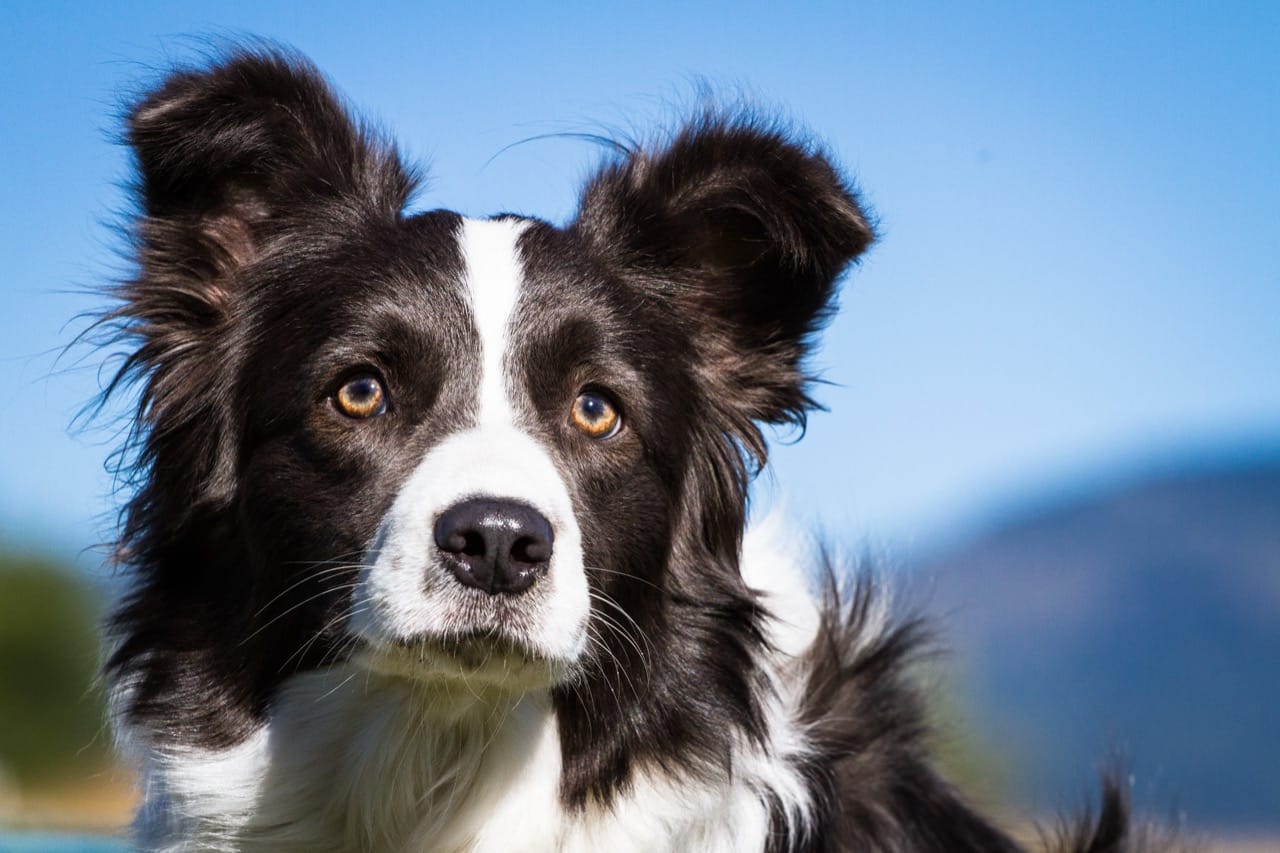
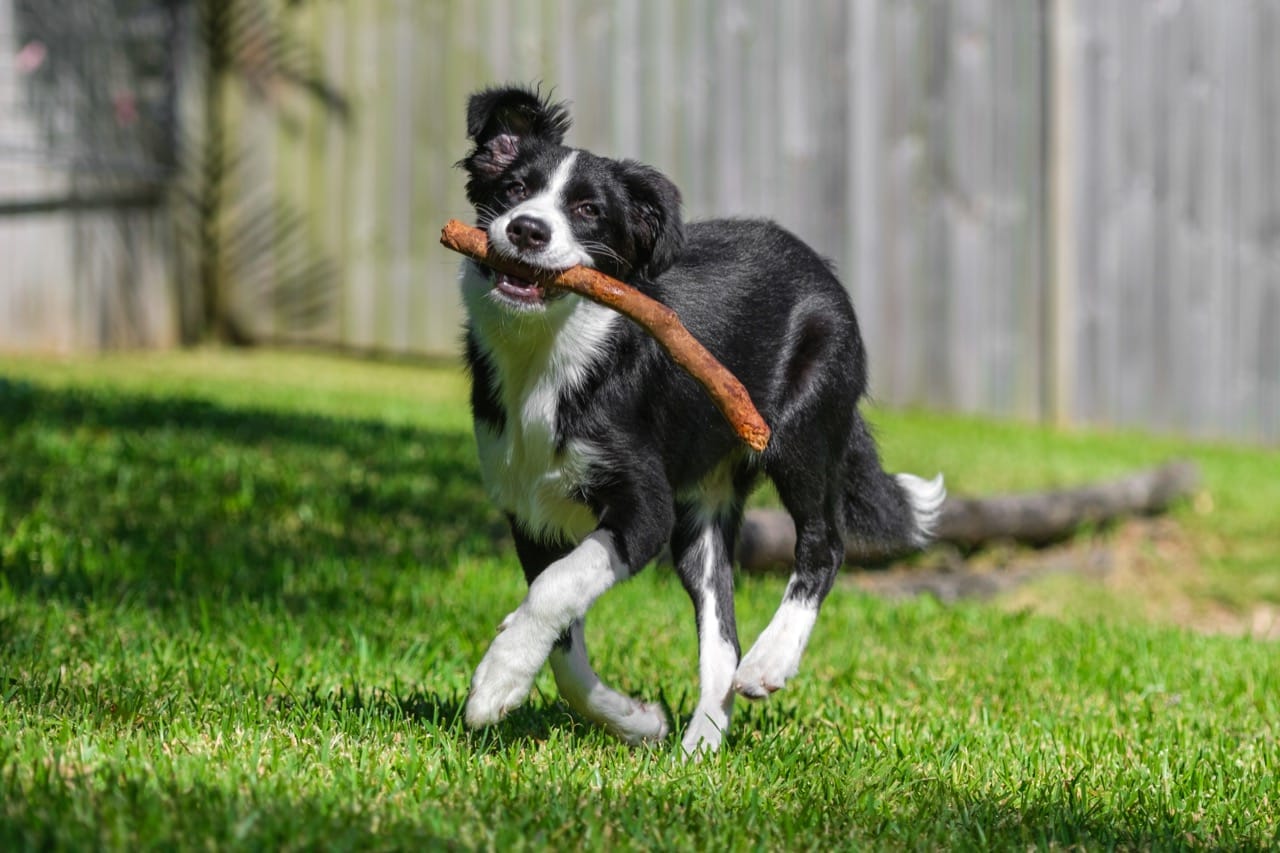
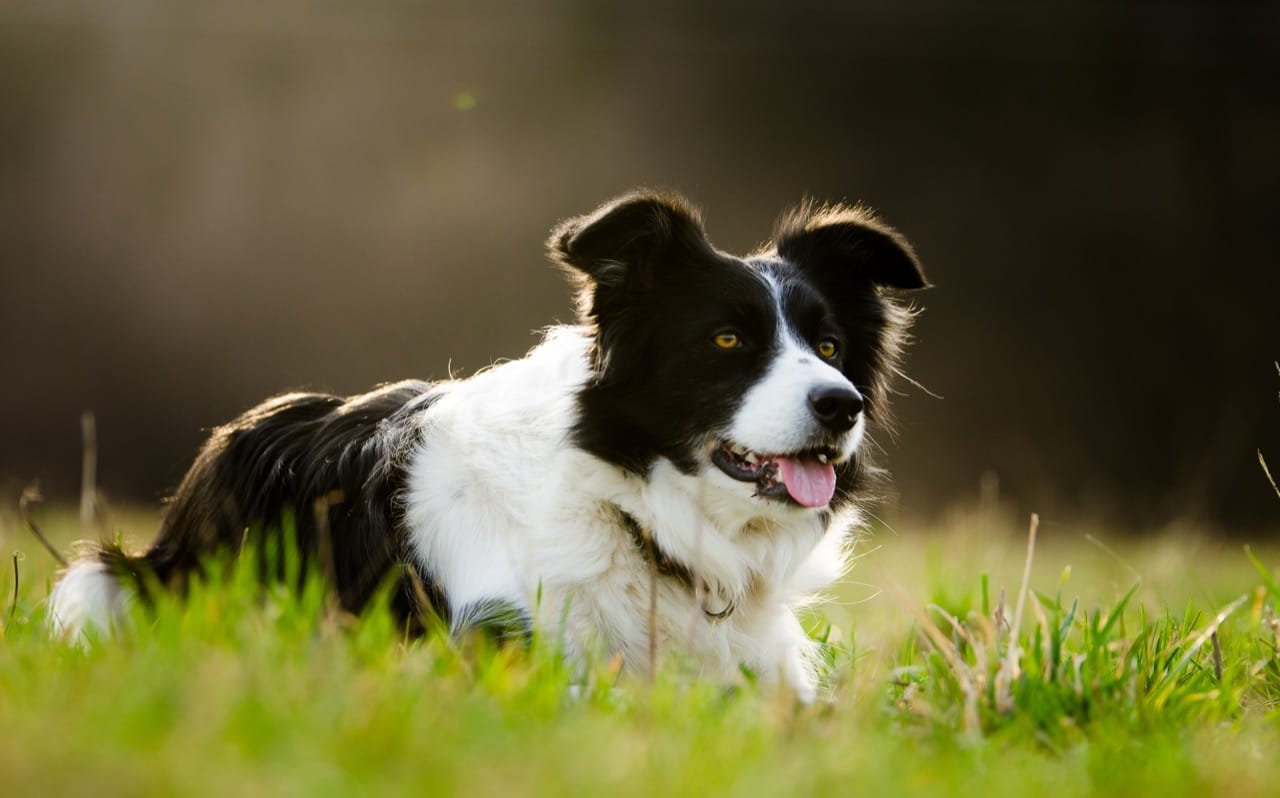
Introduction Few dogs capture attention like a skilled sheepdog: quick on its feet, intensely focused, and seemingly able to read a handler’s mind. These herding breeds have earned their reputation on farms where smart decisions matter, and they have also become stars in modern sports where speed and precision win the day. Knowing what makes them tick is more than trivia. It helps explain why they thrive in certain environments and struggle in others.
Origins and purpose Sheepdogs were developed for work, not looks. In regions where livestock needed to be moved efficiently across open land, breeders selected dogs that could handle long hours, changing weather, and complicated tasks. Over time, distinct herding styles emerged. Some dogs are “headers,” using eye contact and body position to control the front of the flock and guide direction. Others are “heelers,” driving livestock from behind with more forward pressure. Many famous sheepdogs, especially those associated with a strong, steady stare, excel at controlled, thoughtful movement rather than brute force.
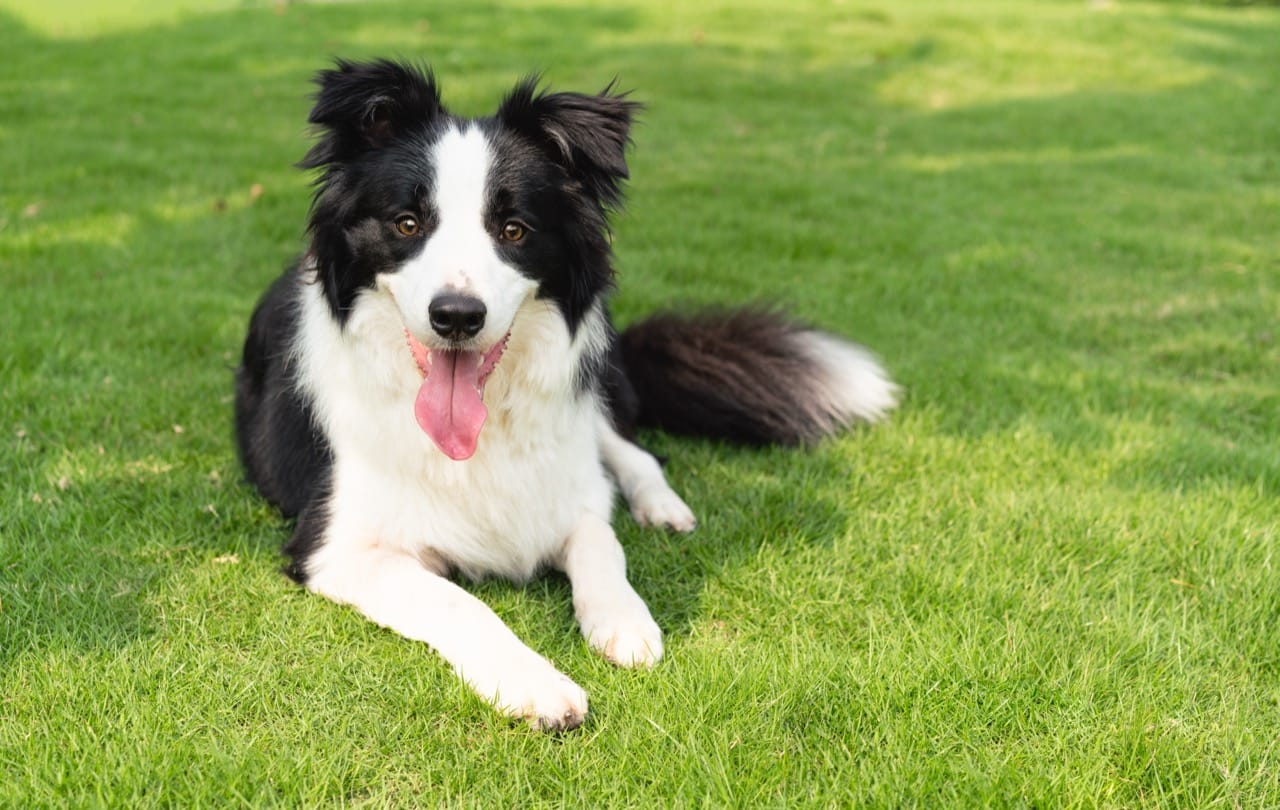
Working style and instincts A sheepdog’s behavior is shaped by instinctive patterns: stalking, chasing, and controlling movement. The difference is that herding dogs have been bred to interrupt the final predatory step, so they manage animals without harming them. That famous “laser focused” look is not just a dramatic pose. It is a tool used to apply pressure and influence where livestock go. The same instinct can show up at home as circling kids, shadowing runners, or trying to organize other pets. Understanding this helps owners redirect the behavior into safe outlets rather than punishing a dog for doing what it was designed to do.
Training and mental engagement Because sheepdogs are problem solvers, training tends to go best when it is clear, consistent, and rewarding. They often learn patterns quickly, including the ones you did not intend to teach, like racing to the door when shoes appear. Short, focused sessions are usually more effective than long drills. Variety matters too: obedience skills, impulse control, scent games, trick training, and structured sports such as agility or herding trials can all satisfy the need to think. Physical exercise alone is rarely enough. A long run may create a fitter dog with the same unmet mental drive. A balanced routine that mixes movement with puzzles and training tends to produce a calmer companion.
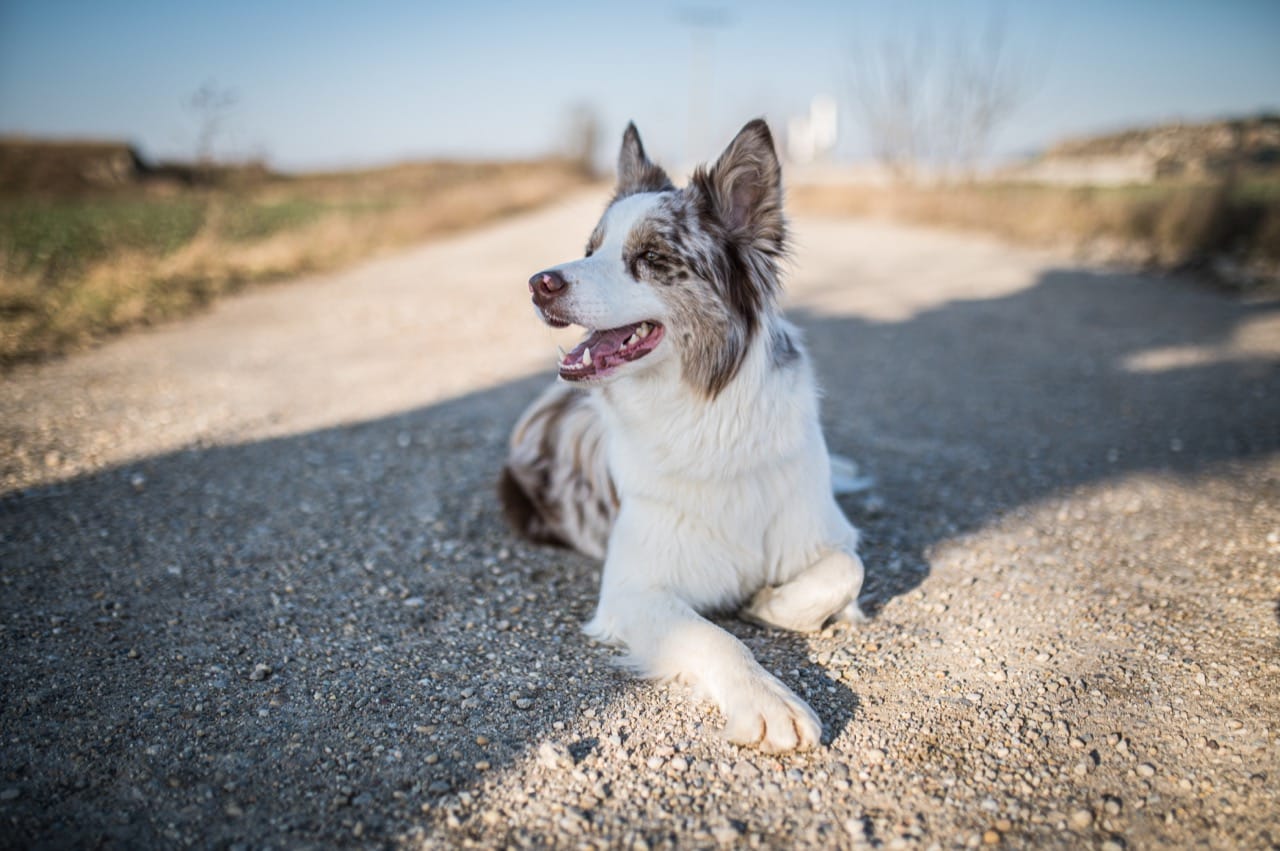
Coats, grooming, and common misconceptions Many sheepdogs have double coats designed for outdoor work. Coat types can range from smooth to rough, and some breeds come in multiple coat varieties. Grooming needs are not just about appearance; mats can cause discomfort and skin issues. Another misconception is that these dogs are naturally “easy” because they are intelligent. Intelligence can make them easier to train, but it can also make them more likely to invent their own jobs, including barking at motion, nipping at heels, or dismantling household items out of boredom.
Health and responsible ownership Active breeds can be prone to issues such as hip or elbow problems, eye conditions, and certain inherited disorders depending on the breed line. Responsible ownership includes choosing reputable breeders who test for known conditions, scheduling regular veterinary care, and managing weight and conditioning to protect joints. Equally important is matching the dog to your lifestyle. A sheepdog in a quiet home without structured activity may develop anxiety or reactivity, while the same dog with a clear routine and purposeful work can be remarkably steady.
Conclusion Sheepdogs are impressive not because they are flashy, but because they are built for partnership and real-world problem solving. Their history explains their intensity, their instincts explain their habits, and their success in sport reflects the same talents used on the farm. When owners provide training, mental challenges, and appropriate outlets, these dogs become more than energetic companions. They become focused teammates, ready to work with you rather than simply living around you.