


Horses have powered travel, farming, sport, and storytelling for thousands of years. Even if you have only seen them in movies or on a trail ride, learning a few essentials helps you understand what makes them so capable and so particular. This guide covers the core ideas behind the Saddle Sense Challenge, from how horses are built and how they move to what their behavior is really telling you.
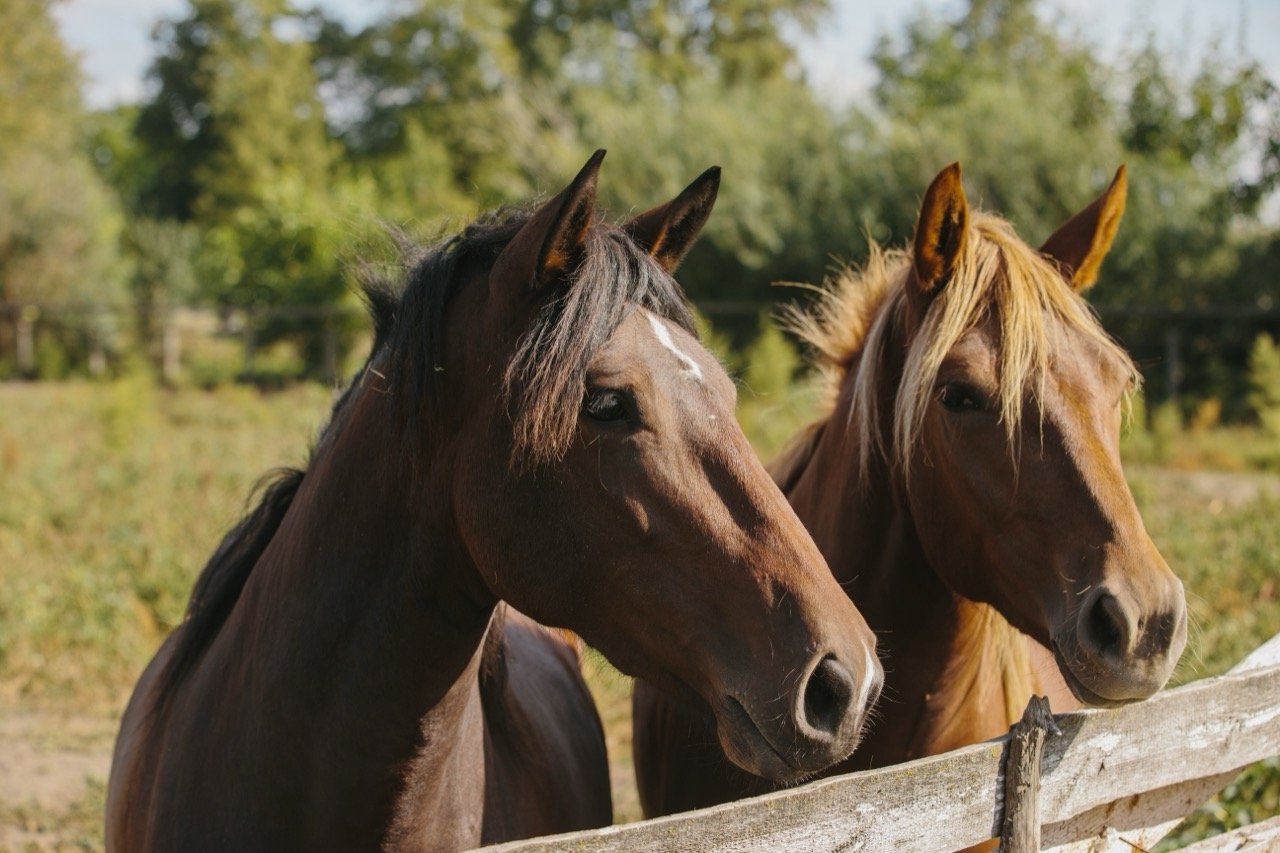
A horse is designed for speed, balance, and constant awareness. Their long legs and strong hindquarters provide propulsion, while the flexible neck and back help with balance and turning. One of the most surprising facts is how their senses shape their personalities. Horses have large eyes set on the sides of the head, giving them a very wide field of view. However, they also have blind spots directly in front of the nose and directly behind the tail. That is why approaching calmly from the side and speaking softly can prevent startle reactions. Their ears rotate to pinpoint sounds, and ear position often signals attention, worry, or irritation.
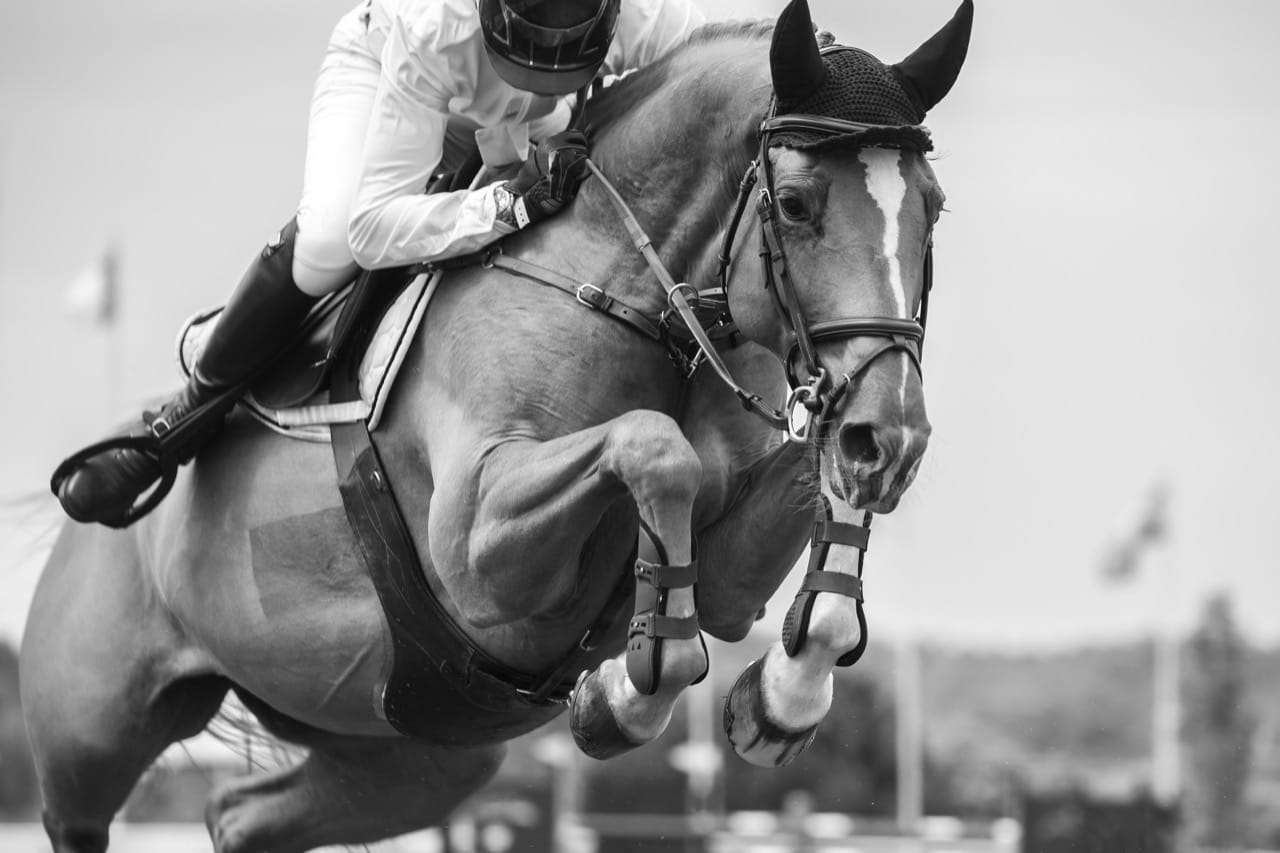
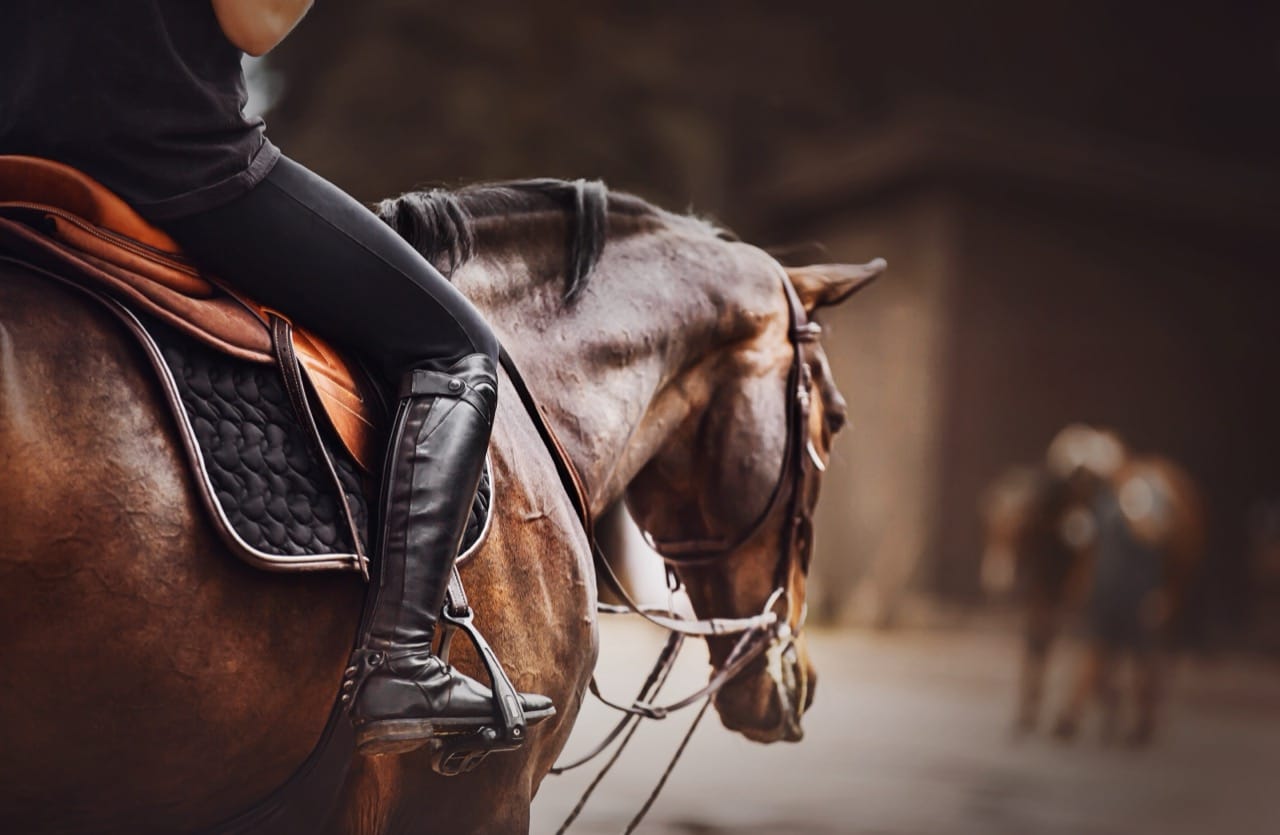
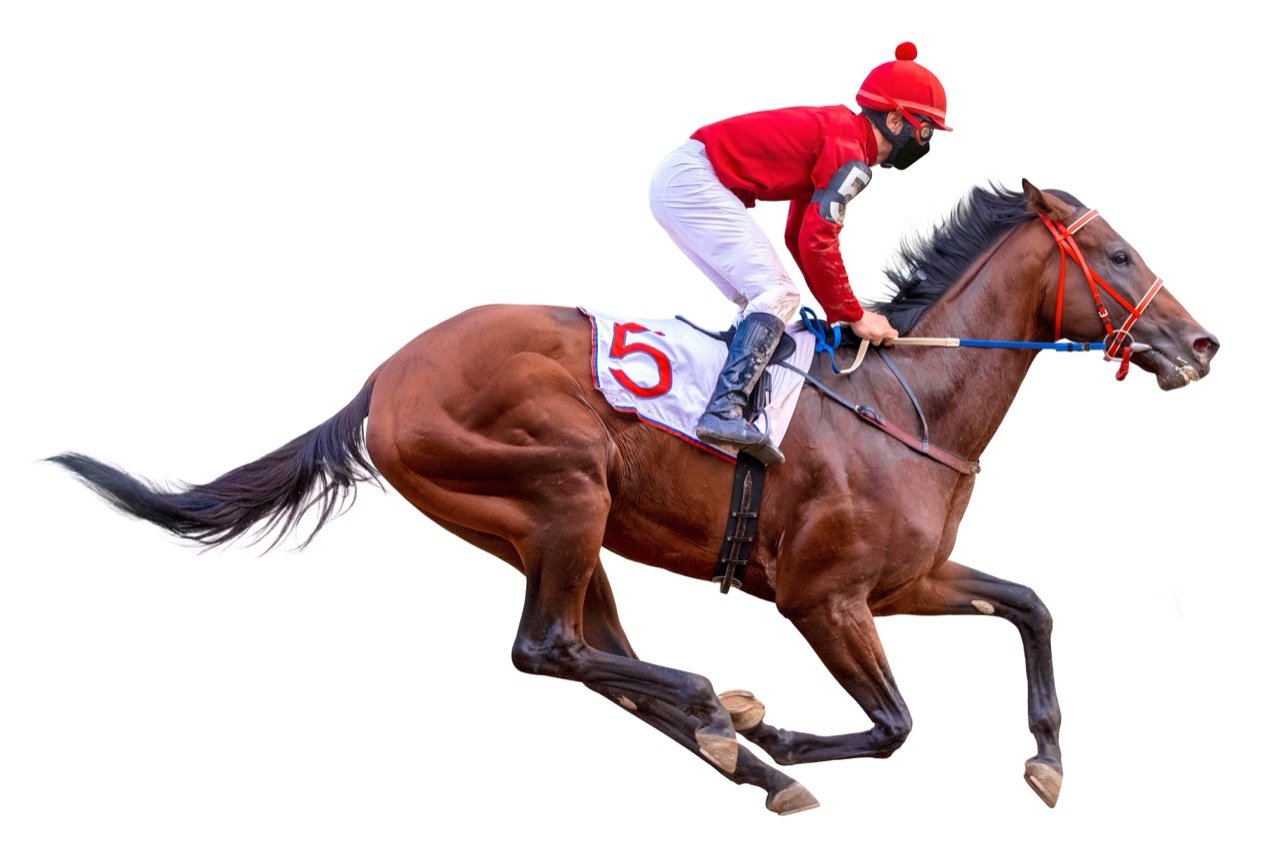
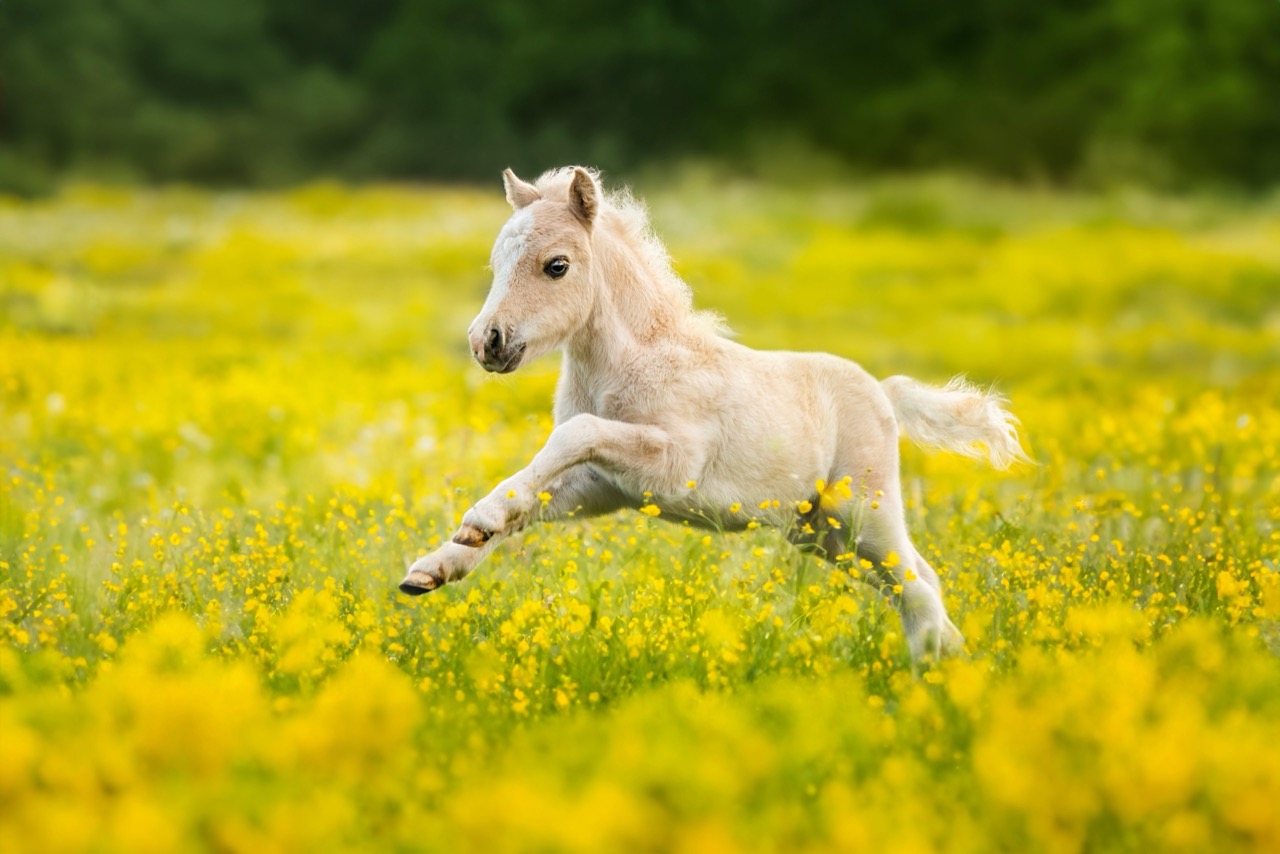
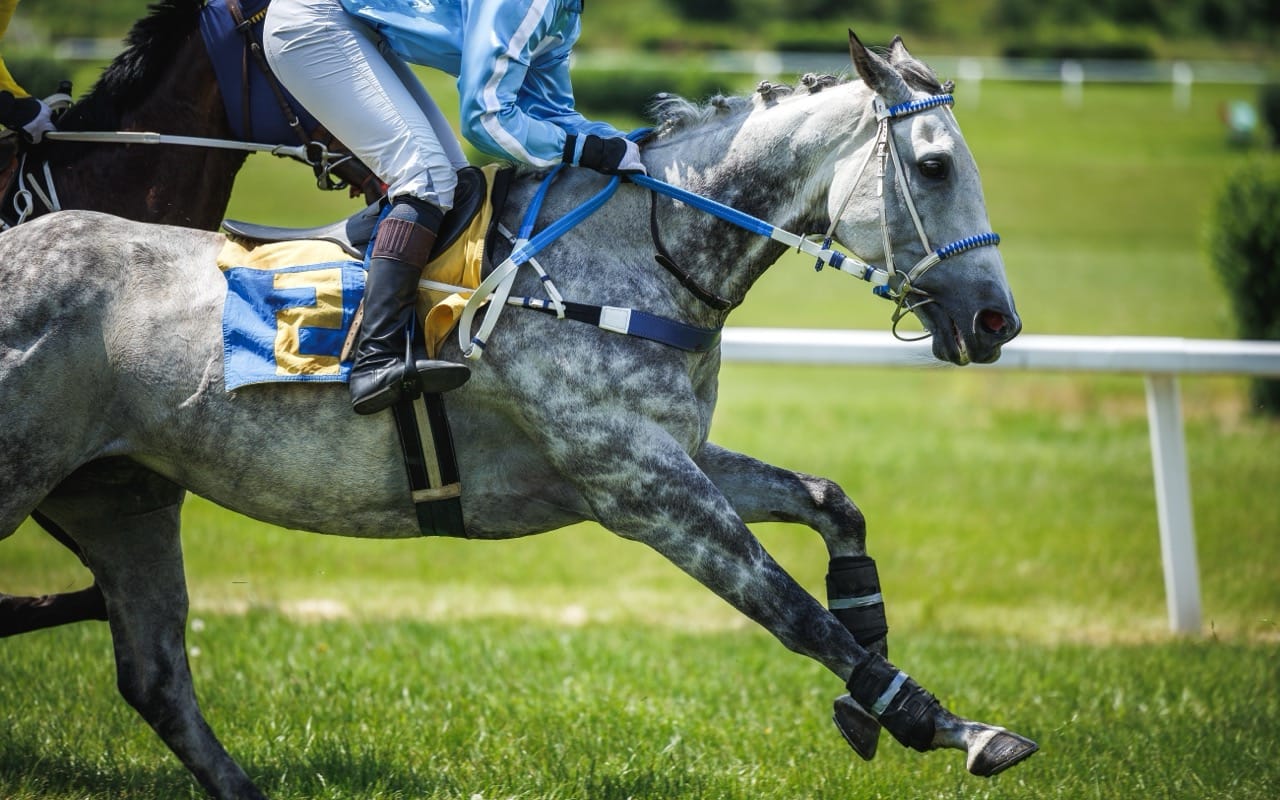
Understanding gaits is a classic quiz topic because it connects anatomy to real life. The walk is a four beat gait that feels steady and relaxed. The trot is a two beat gait with a bouncy rhythm, often the first one beginners notice. The canter is a three beat gait that feels rolling and smooth when balanced. The gallop is faster and more extended, used for speed. Some breeds also perform special gaits, like the smooth running walk or rack, which can feel more comfortable for riders.
Horse communication is mostly body language. A relaxed horse may have a soft eye, a level neck, and a hind leg resting. A tense horse can show a raised head, tight muzzle, and a tail held stiffly. Pinned ears can signal annoyance or pain, while a swishing tail may mean irritation, flies, or frustration. One common myth is that a horse that is “being stubborn” is always misbehaving. Often the horse is confused, uncomfortable, or reacting to unclear cues. Another myth is that horses are fearless. In reality, they are prey animals, and their first instinct is to notice potential danger and decide whether to flee.
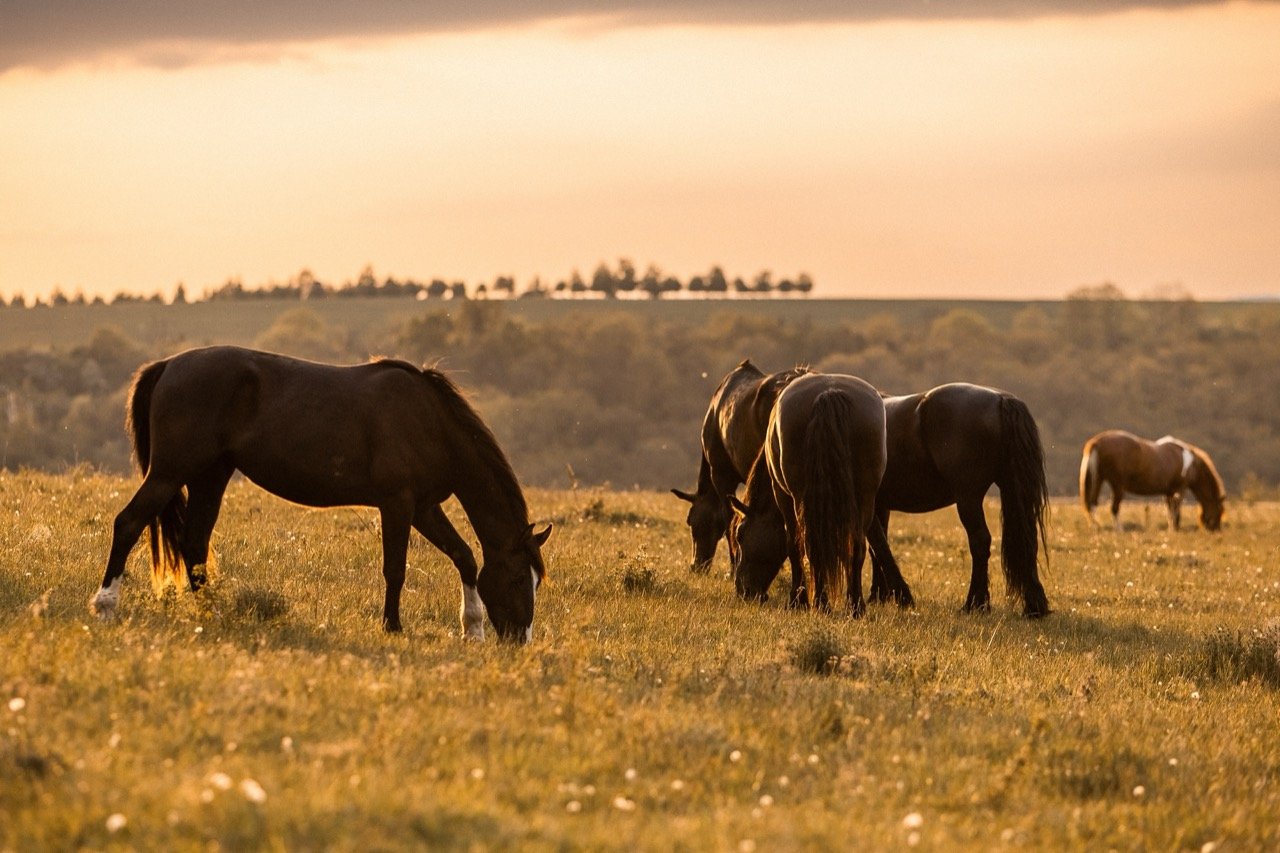
Care and grooming are not just about looks. Brushing removes dirt that can cause rubbing under tack, stimulates skin oils, and gives you a chance to check for swelling, heat, cuts, or ticks. Hoof care is equally important because the hoof supports the entire body. Picking out hooves helps prevent stones from causing bruises and reduces the risk of infections. Proper feeding also matters. Horses are grazing animals built to eat small amounts frequently, so sudden diet changes can upset digestion. Clean water, appropriate forage, and regular dental care support health and comfort.
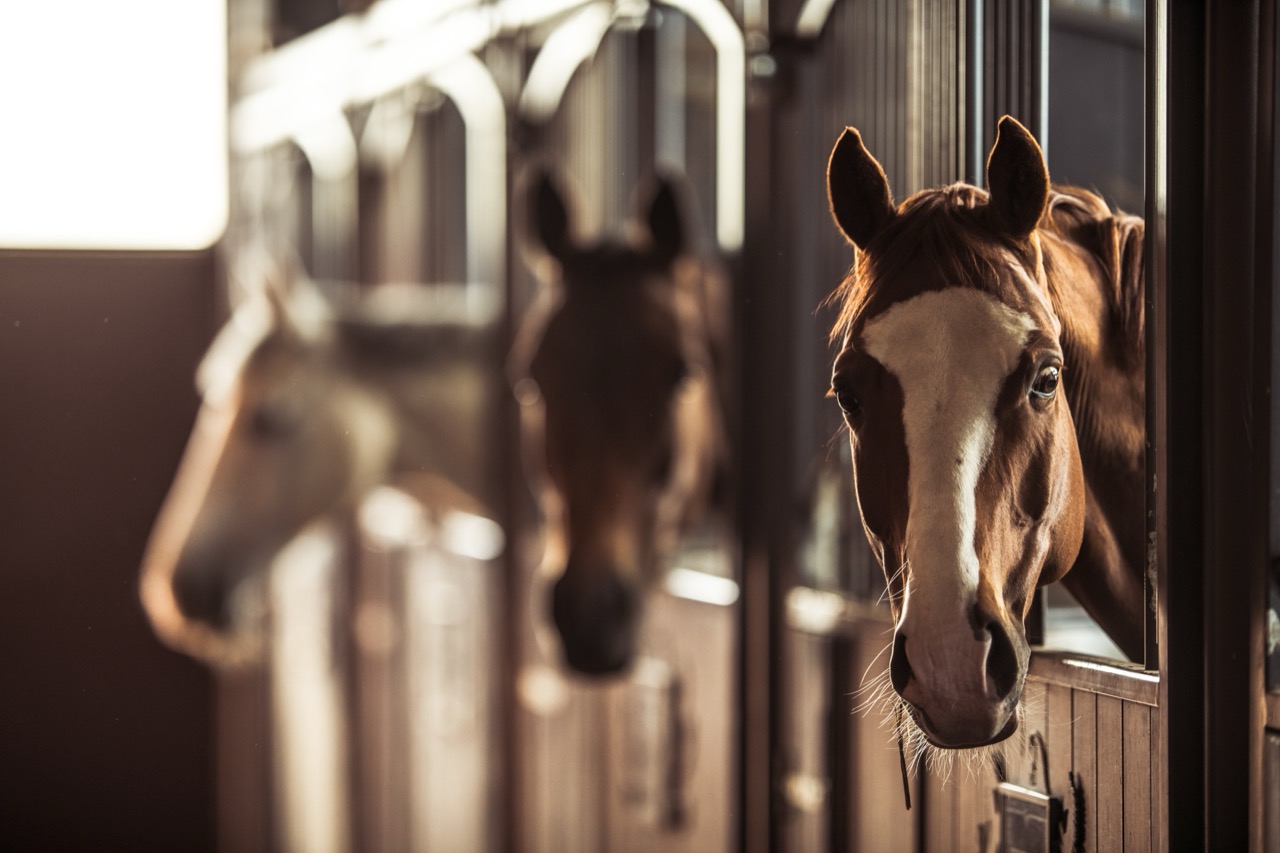
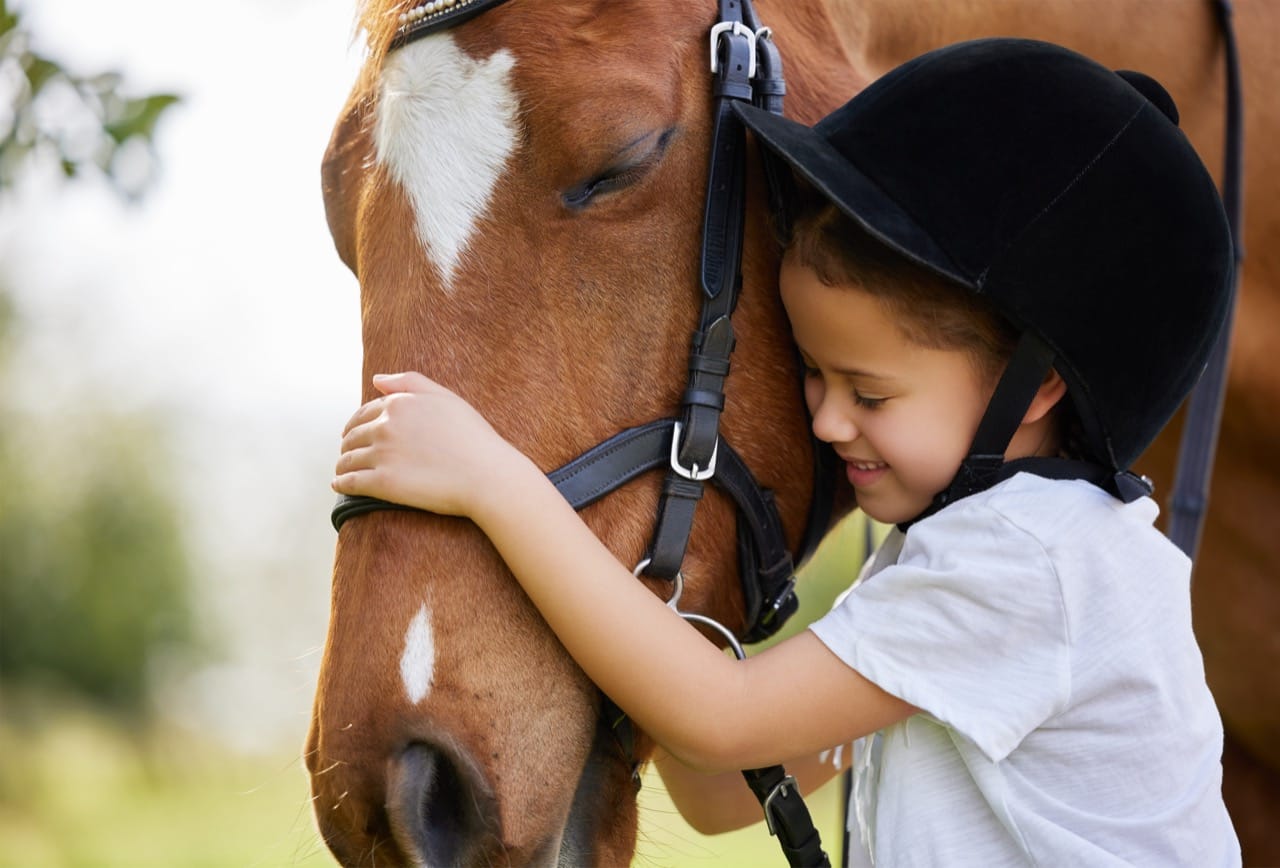
Finally, safety and respect tie everything together. Horses can weigh over a thousand pounds, yet they can be gentle when handled thoughtfully. Move predictably, avoid sudden movements near blind spots, and pay attention to signals like ear position and posture.
Knowing these basics makes the quiz more fun and real life interactions more rewarding. Horses are athletic, sensitive, and social, and the more you understand how they see, move, and communicate, the more impressive their partnership with humans becomes.