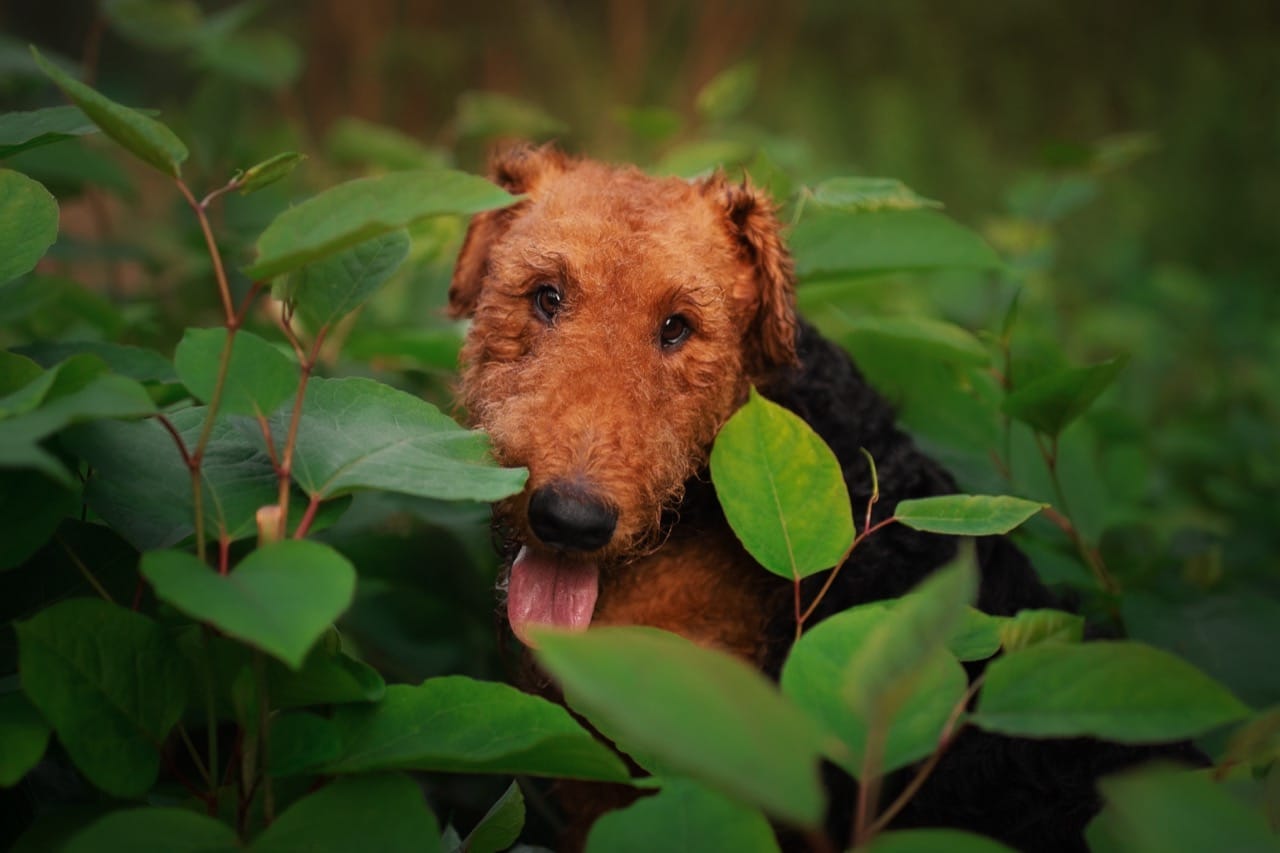
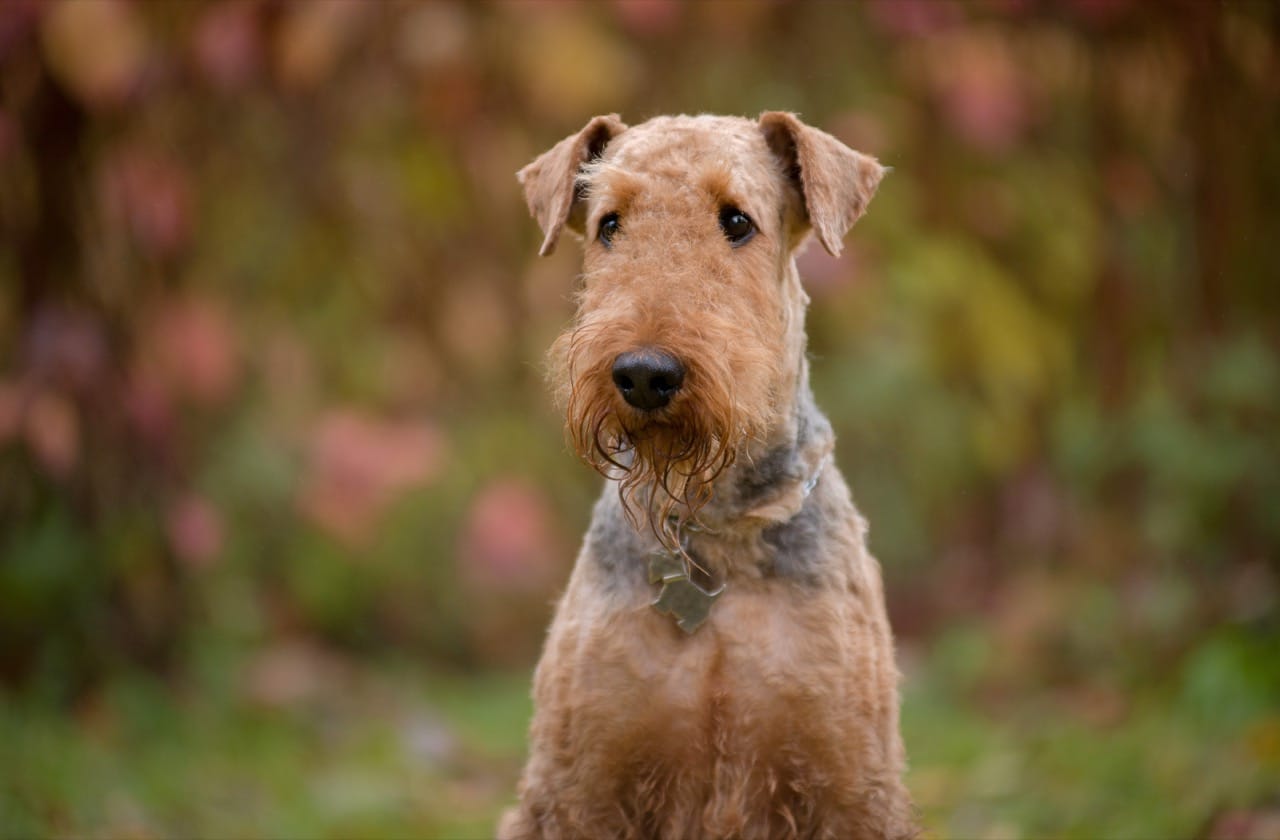
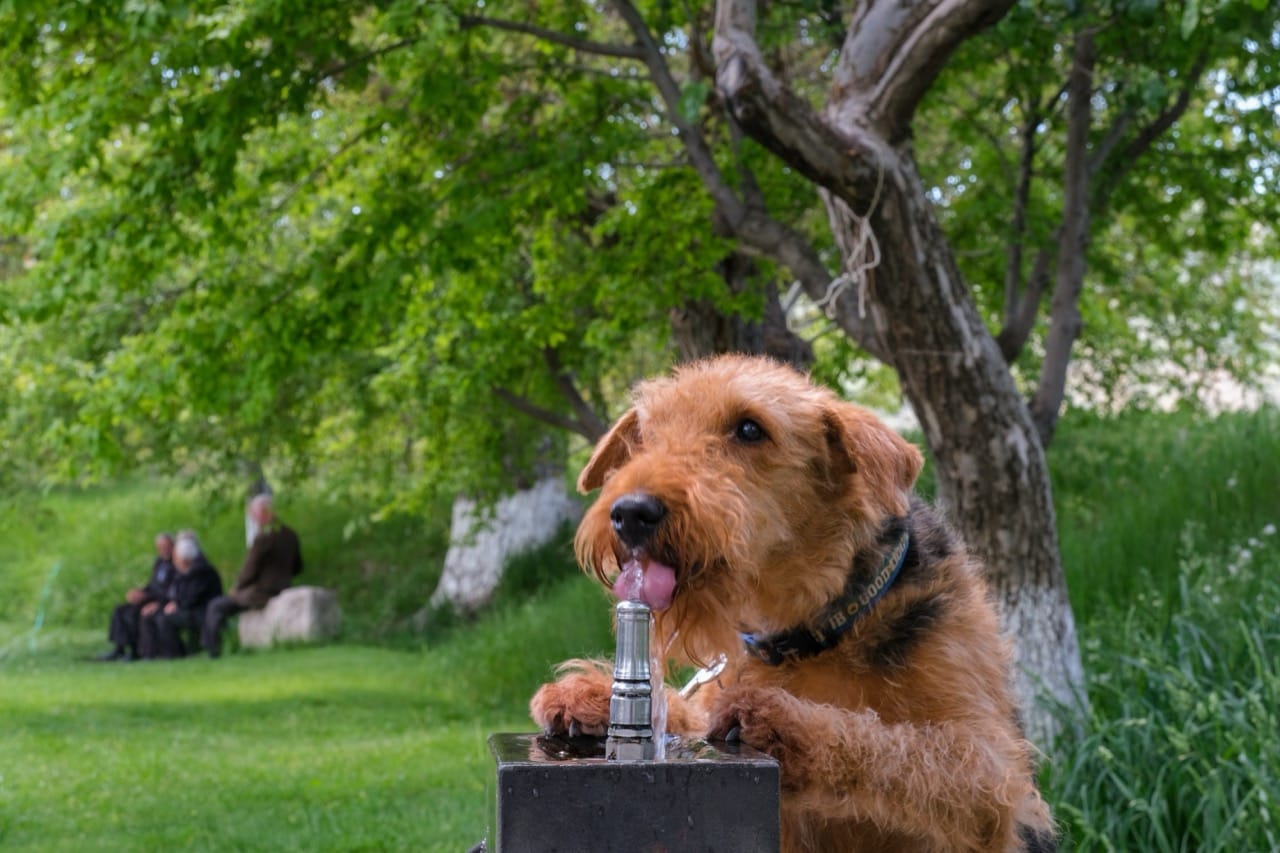
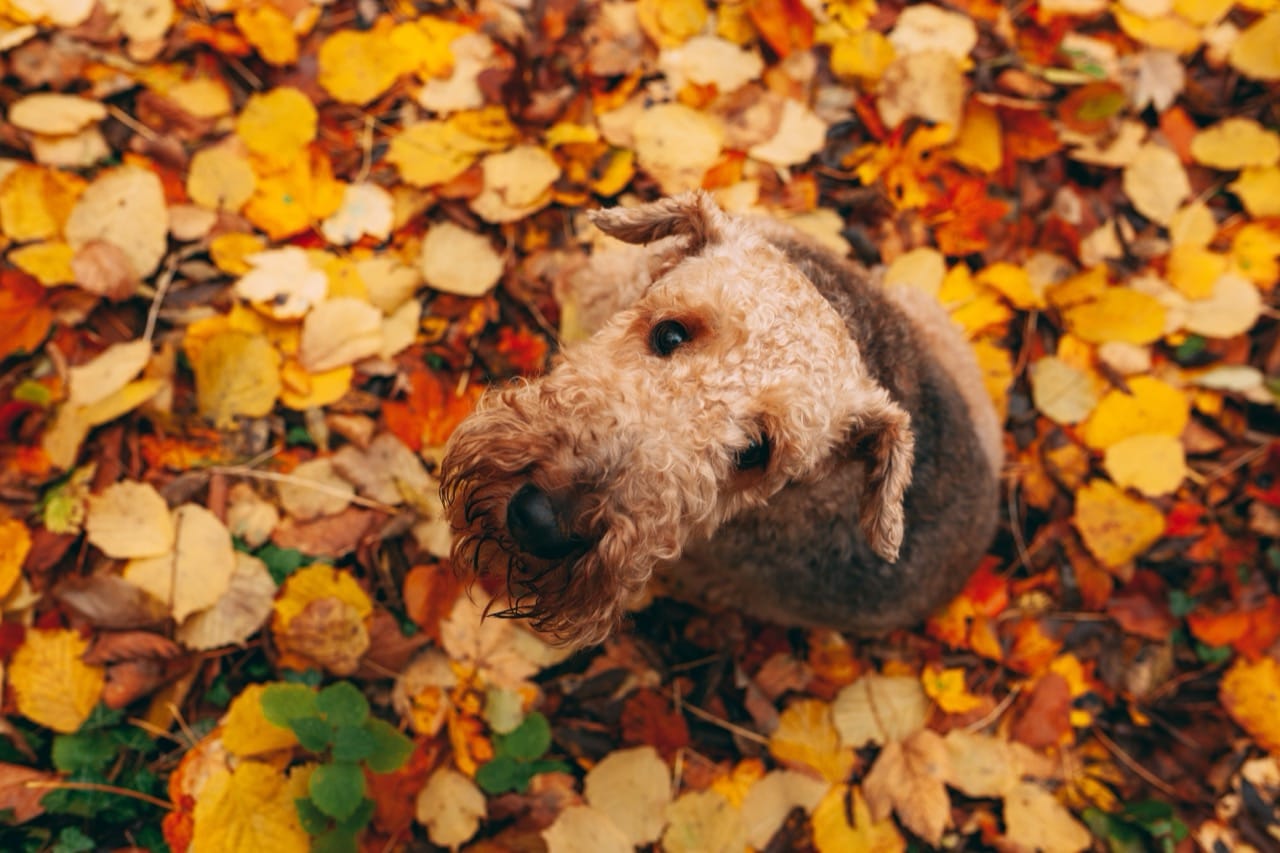
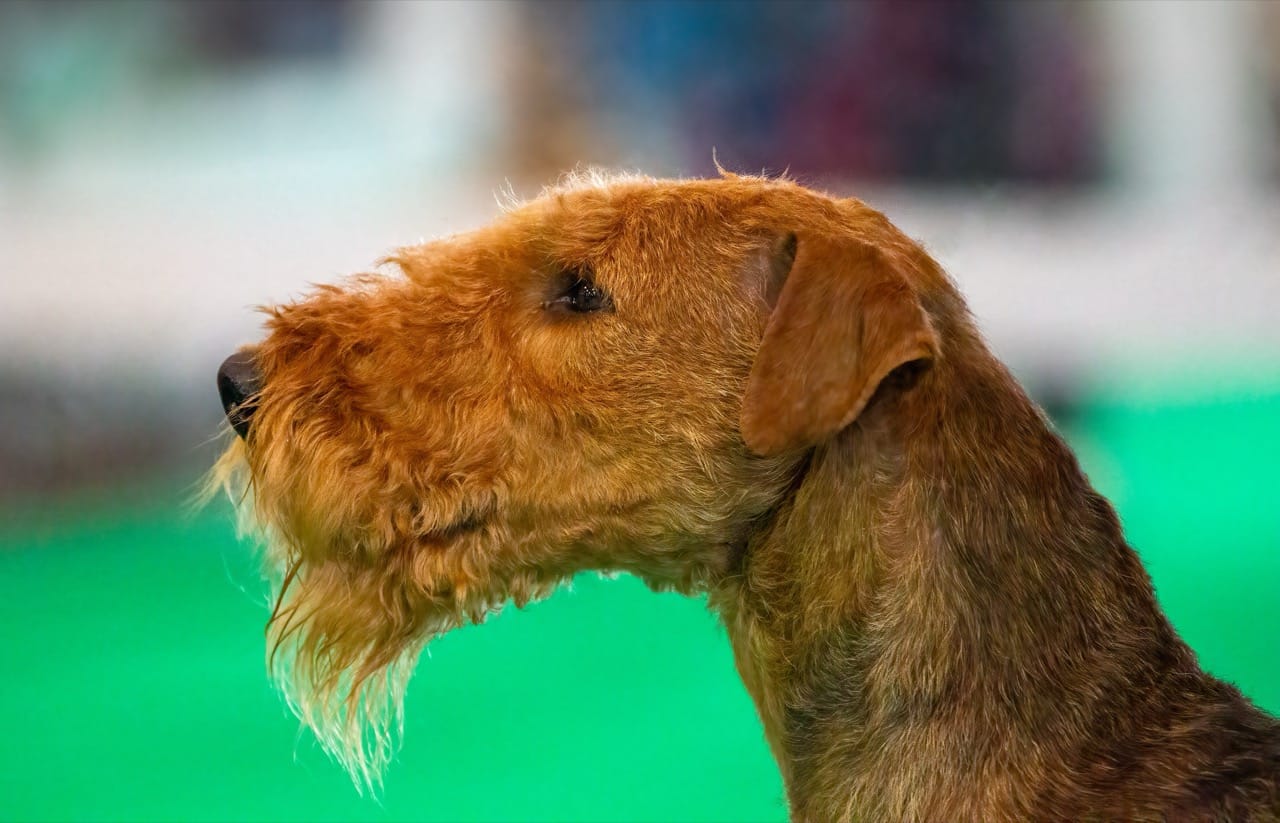
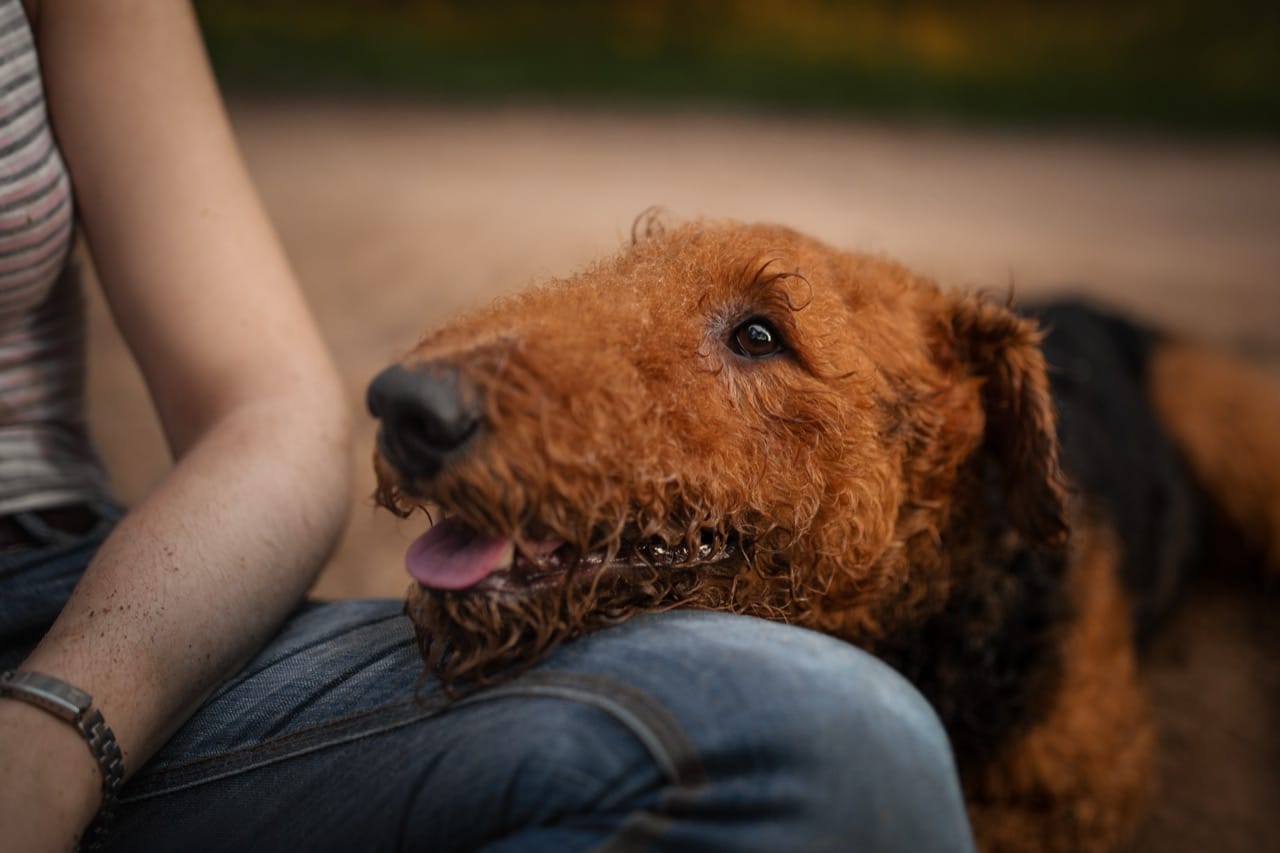
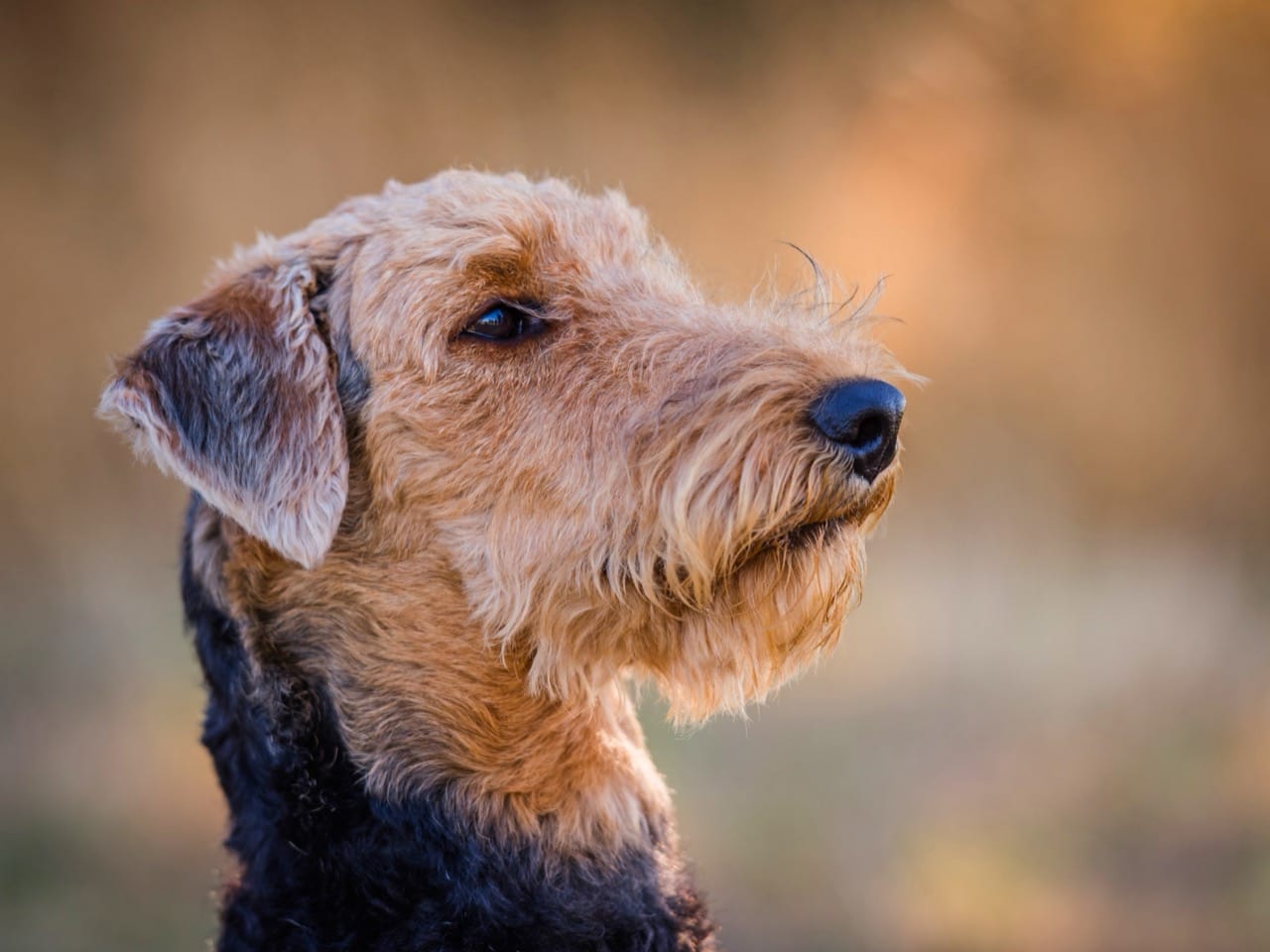
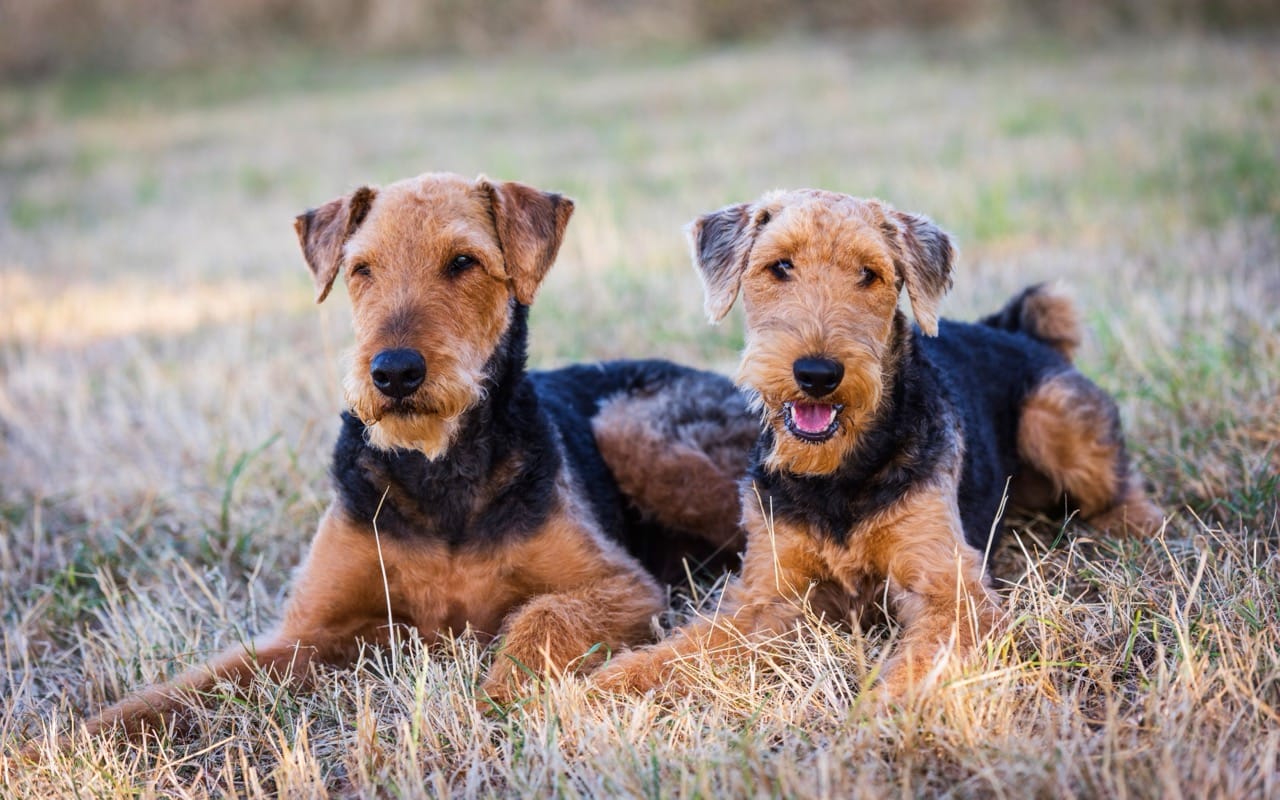
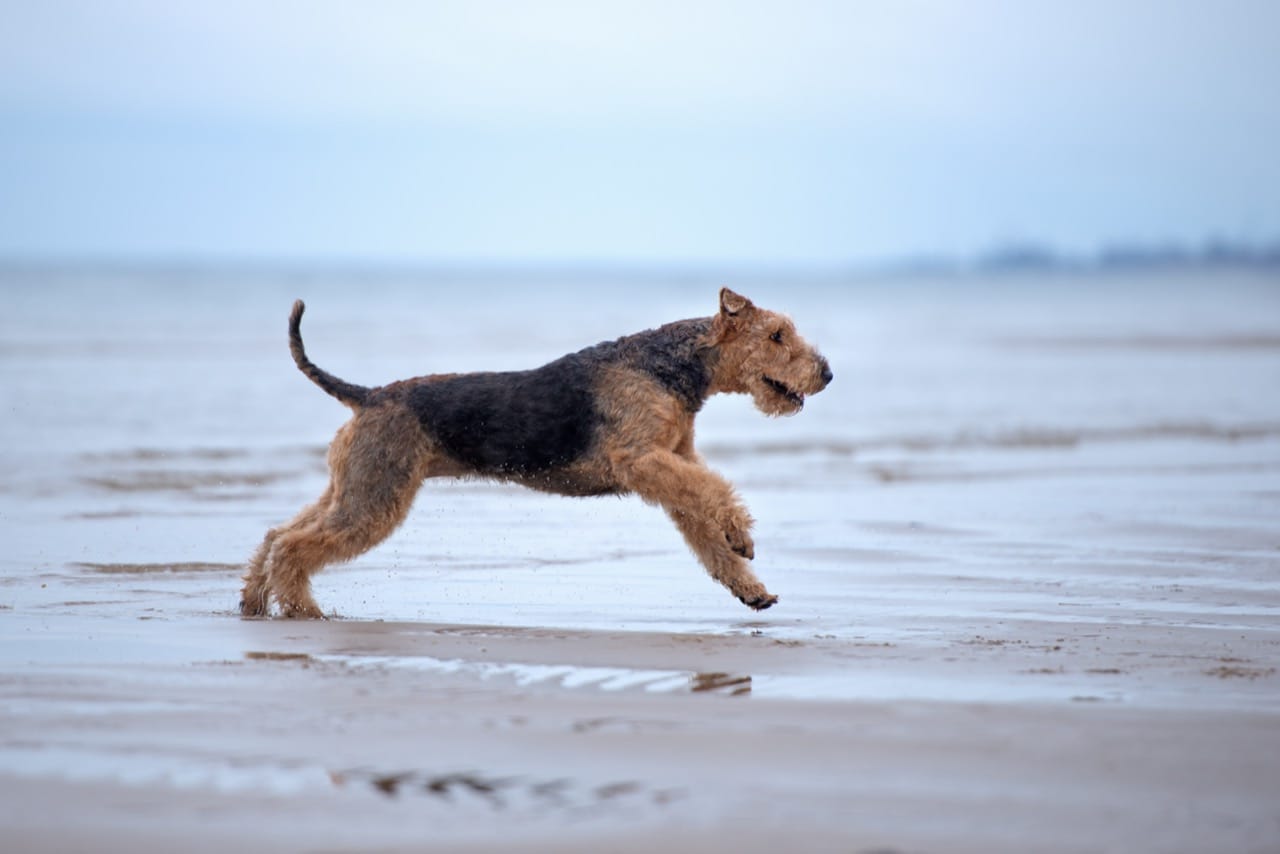
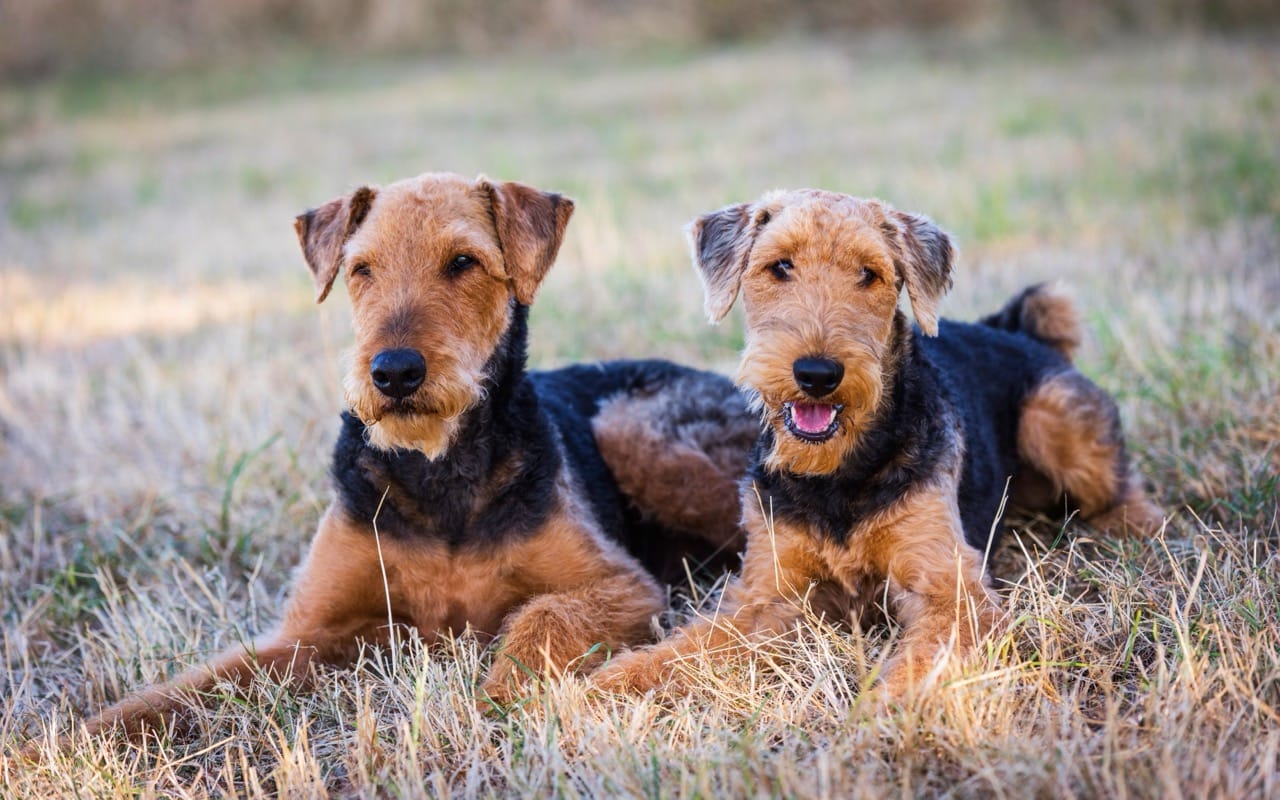
Introduction The Riverside Ruffian Brain Teaser points to a kind of dog many people admire from a distance: big, bold, and built to work. These rugged working breeds were shaped by real jobs, not fashion trends, and their personalities still reflect that heritage. Understanding them means looking past the tough exterior to see the intelligence, sensitivity, and structure that make them capable partners. If you want to score well on a quiz like this, it helps to connect history, anatomy, grooming, training, and daily responsibility into one clear picture.
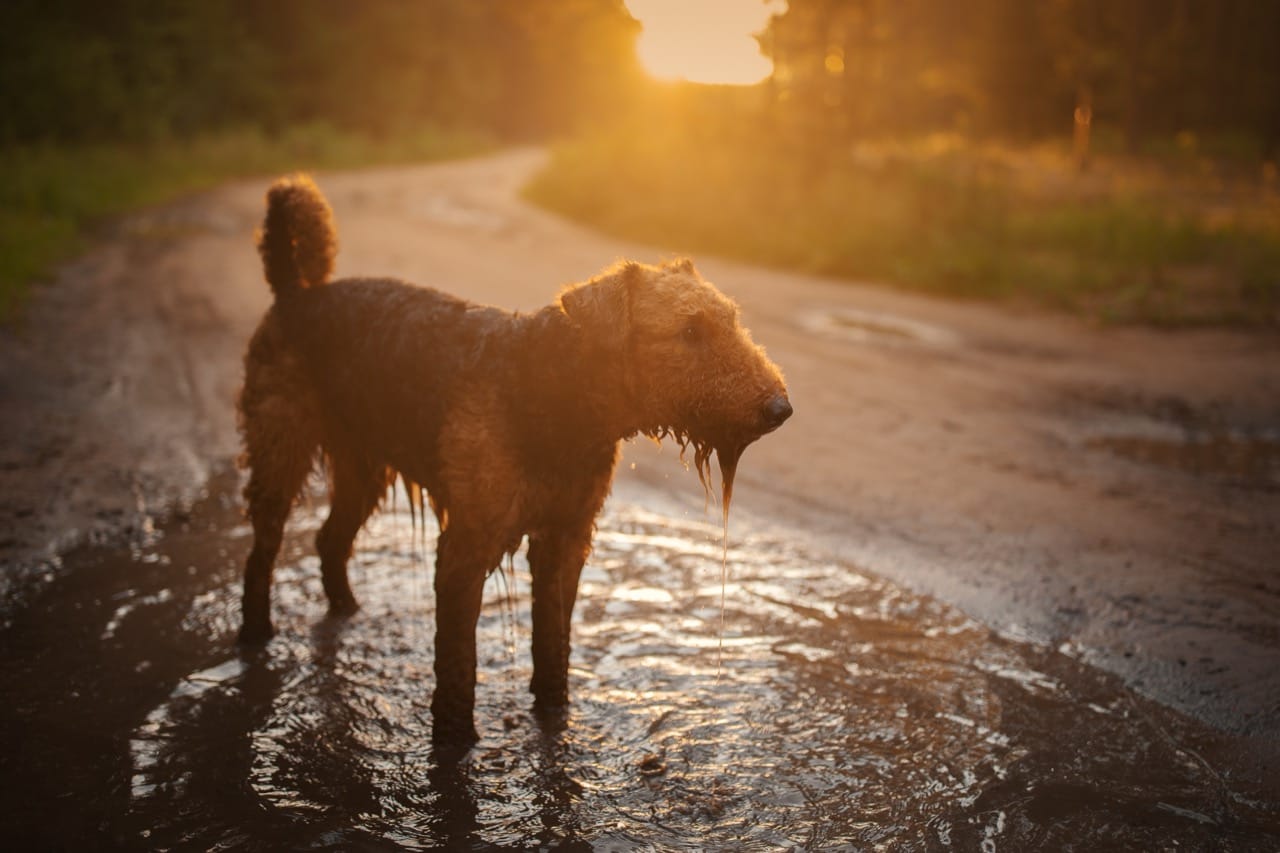
Origins and original purpose Many of the world’s most impressive working dogs developed near busy trade routes, farms, and waterways. Rivers meant transport, industry, and livestock movement, and they also attracted thieves and predators. A powerful dog that could guard property, move stock, and handle harsh weather was more than a companion; it was essential equipment. These breeds were selected for steadiness under pressure, confidence around strangers, and a willingness to take direction. In some regions they also served as carting dogs, pulling loads along towpaths or between markets. That history explains why modern descendants often have a natural instinct to watch, patrol, and stay close to their people.
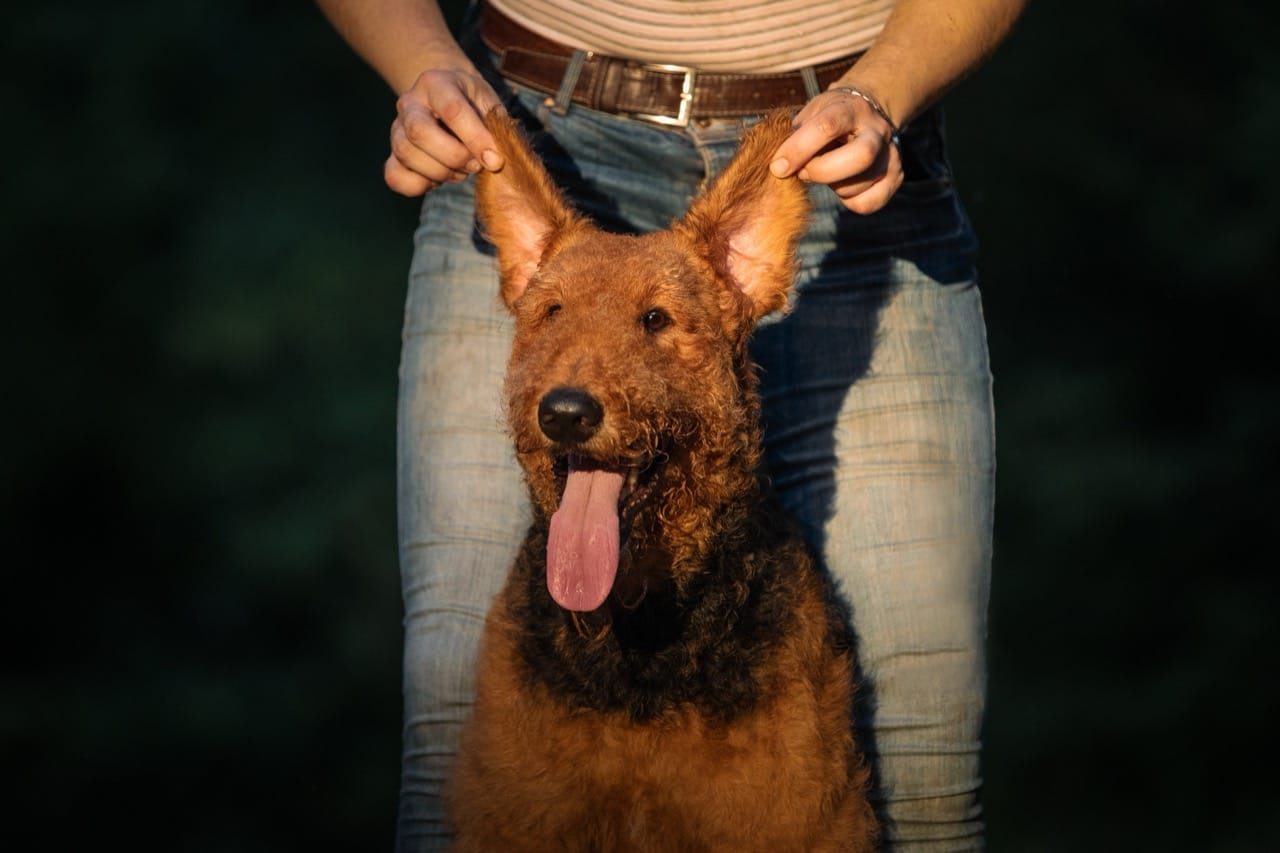
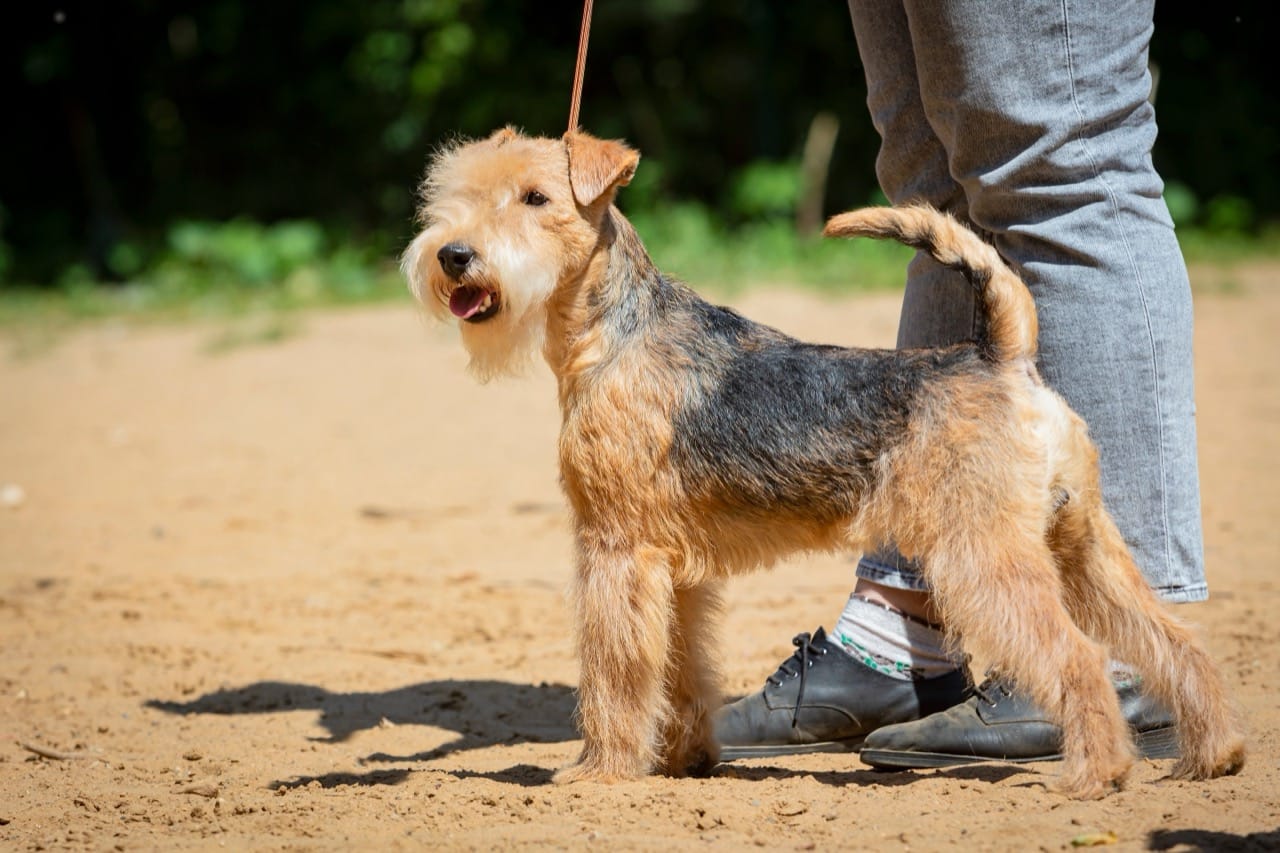
Build, features, and what they are designed to do A rugged working breed is typically all about functional anatomy. You will often see a deep chest for stamina, strong bone for impact resistance, and a balanced frame that supports both power and endurance. The head is usually substantial, with a strong jaw and a clear, alert expression. Movement should look efficient rather than flashy, because the dog was meant to work for hours. Many of these dogs have natural protective instincts and a confident posture, but true breed type is not about aggression. The ideal is controlled strength: a dog that can assess situations, hold ground when needed, and stand down when told.
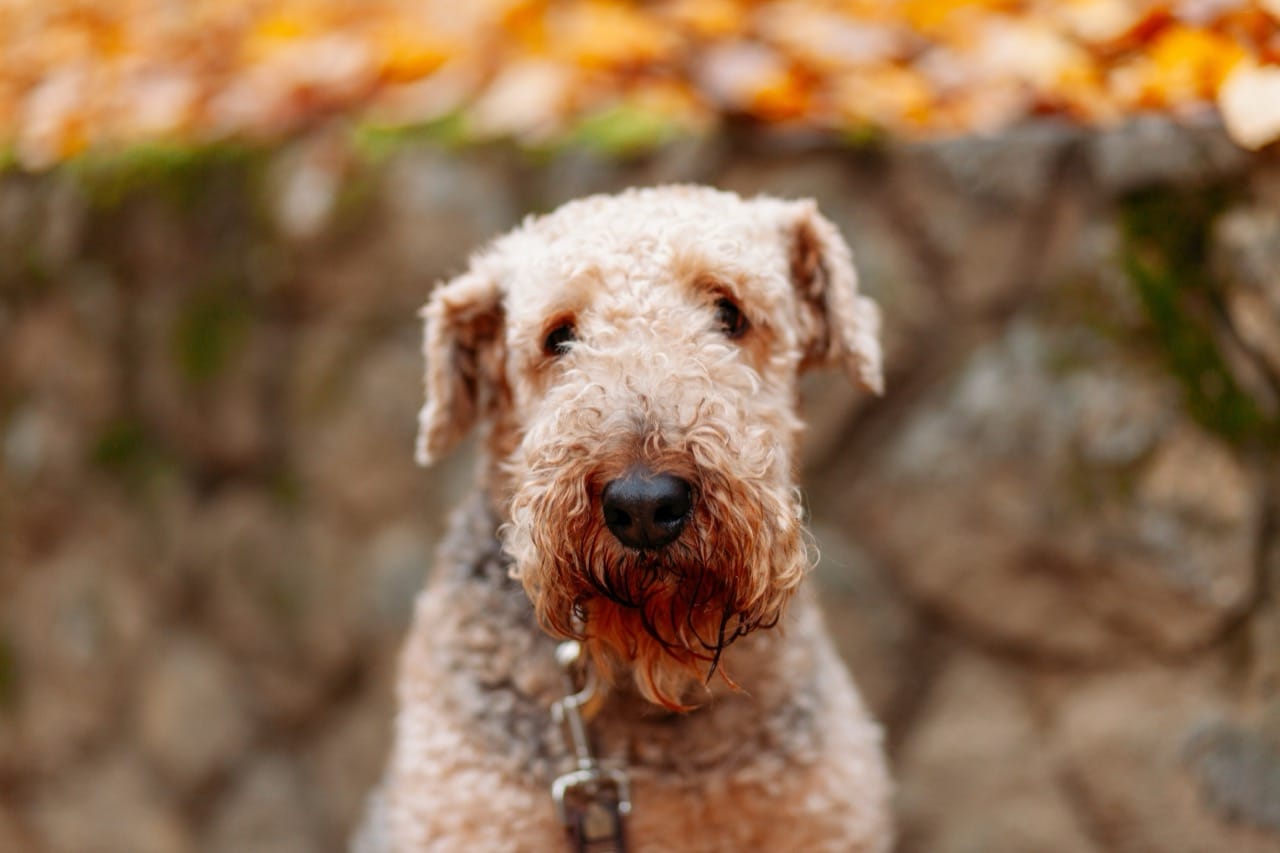
Coat care and grooming realities A common misconception is that a tough looking coat is maintenance free. In reality, many working coats are designed to shed dirt and resist weather, which can mean regular brushing to remove dead hair and prevent matting near friction points like the neck, elbows, and hindquarters. Some rugged breeds have a dense undercoat that blows seasonally, creating a short period of heavy shedding that surprises first time owners. Bathing too often can strip natural oils and reduce water resistance, so smart grooming focuses on brushing, occasional bathing, and routine checks of ears, nails, and paw pads. If the breed has facial furnishings or a thick ruff, food and moisture can collect there, so quick wipe downs can prevent odor and irritation.
Temperament: strengths and challenges These dogs often combine loyalty with independence. They can be affectionate with family, calm in the home when properly exercised, and naturally attentive to changes in their environment. The flip side is that they may be slow to trust unfamiliar people, quick to notice boundaries being tested, and unimpressed by repetitive training. Adolescence can be especially challenging, as confidence grows faster than judgment. A well bred, well raised working dog should be stable and predictable, but it still needs guidance to channel protective instincts into appropriate behavior.
Training and responsible ownership day to day Training success comes from clarity and consistency, not force. Early socialization should include controlled exposure to different people, surfaces, noises, and friendly dogs, with a focus on calm neutrality rather than nonstop greeting. Basic obedience matters, but so does teaching the dog how to settle, how to be handled, and how to disengage from distractions. Because these breeds are smart, they thrive with jobs: structured walks, scent games, obedience drills, pulling sports, or well managed protection and sport work under qualified instruction. Responsible ownership also means realistic management. Secure fencing, leash skills, and clear household rules prevent the dog from making its own decisions. Health wise, large working breeds can be prone to joint issues, so maintaining lean body condition, using sensible exercise, and working with a veterinarian on growth and conditioning can make a major difference.
Conclusion The appeal of a riverside ruffian type is easy to understand: strength, confidence, and a capable presence. But the real story is the blend of grit and brains, and the finesse required to raise such a dog well. When you connect the breed’s history to its body, coat, temperament, and daily needs, the quiz stops being trivia and starts feeling like a portrait of a true working partner. Knowing the details is not just about getting answers right; it is about appreciating what responsible ownership looks like for a dog built to do serious work.