


Introduction If you have ever spotted a large, calm animal lounging at the edge of a river like it owns the shoreline, you may have seen the capybara. Native to South America, this hefty rodent is the world’s largest of its kind and a true specialist in wetland living. Capybaras are built for life where forest meets water, and their everyday habits reveal clever solutions for staying safe, well fed, and socially connected.
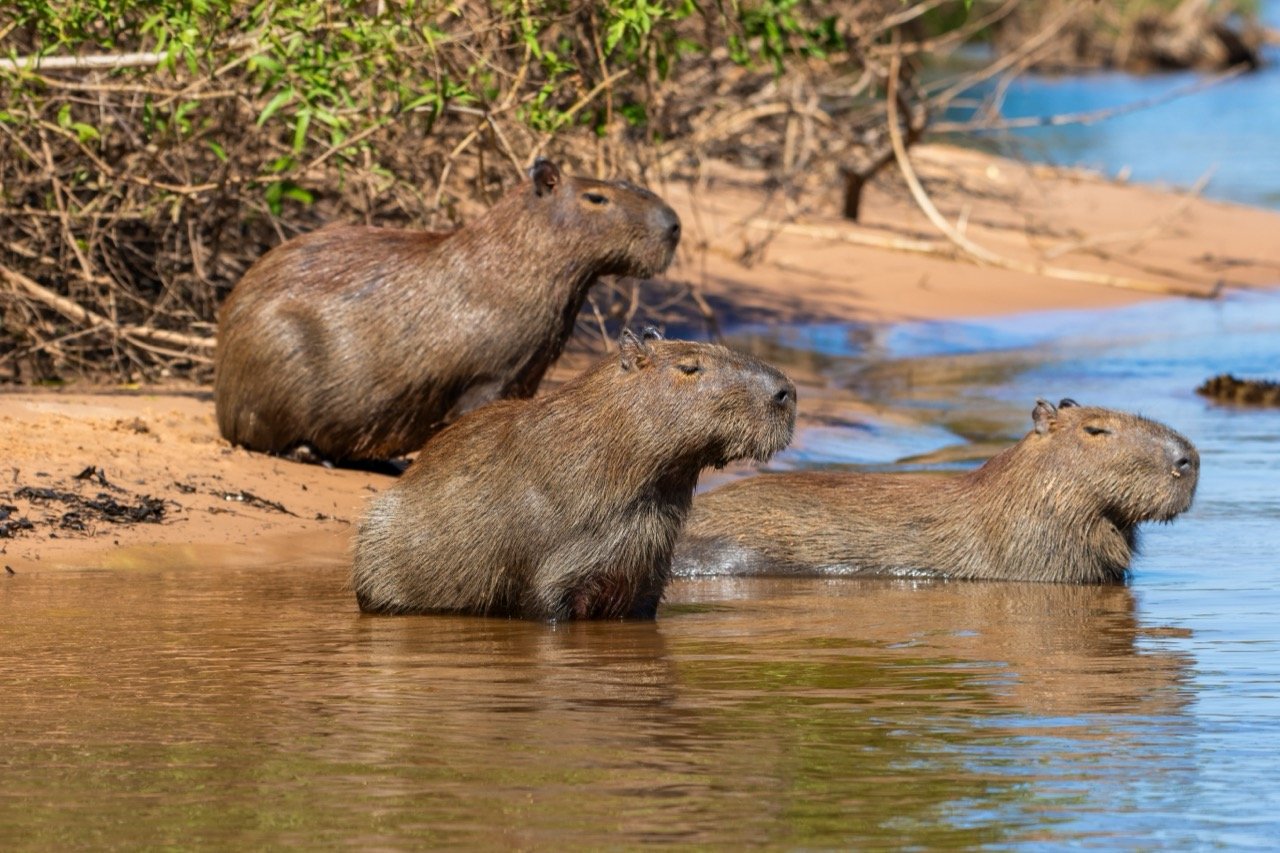
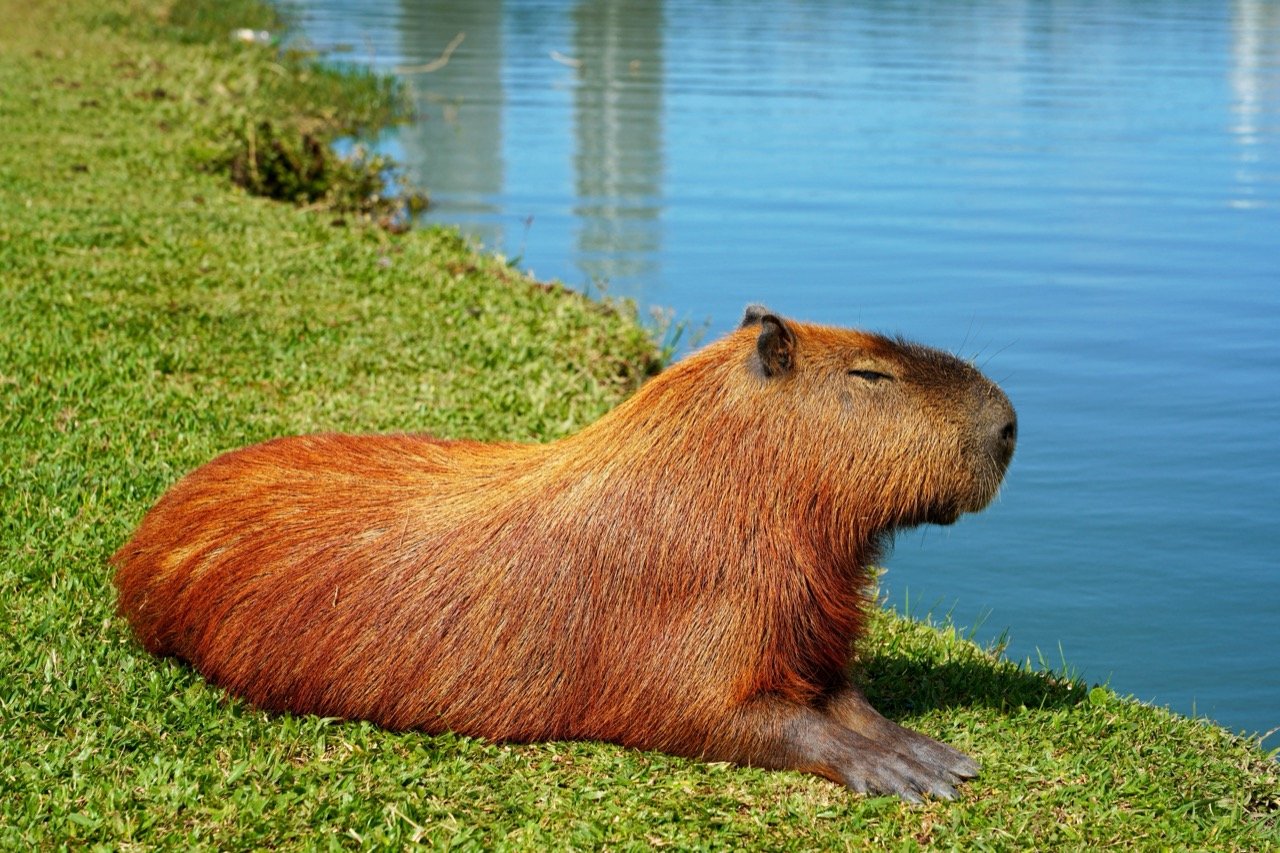
Habitat and where they live Capybaras thrive in places with reliable water: marshes, swamps, flooded grasslands, and the banks of rivers and lakes. They are found across much of northern and central South America, including the Amazon basin and the Pantanal, one of the largest tropical wetlands on Earth. Water is not optional for them. It is their escape route from danger, their cooling system in hot weather, and a key part of their daily routine.
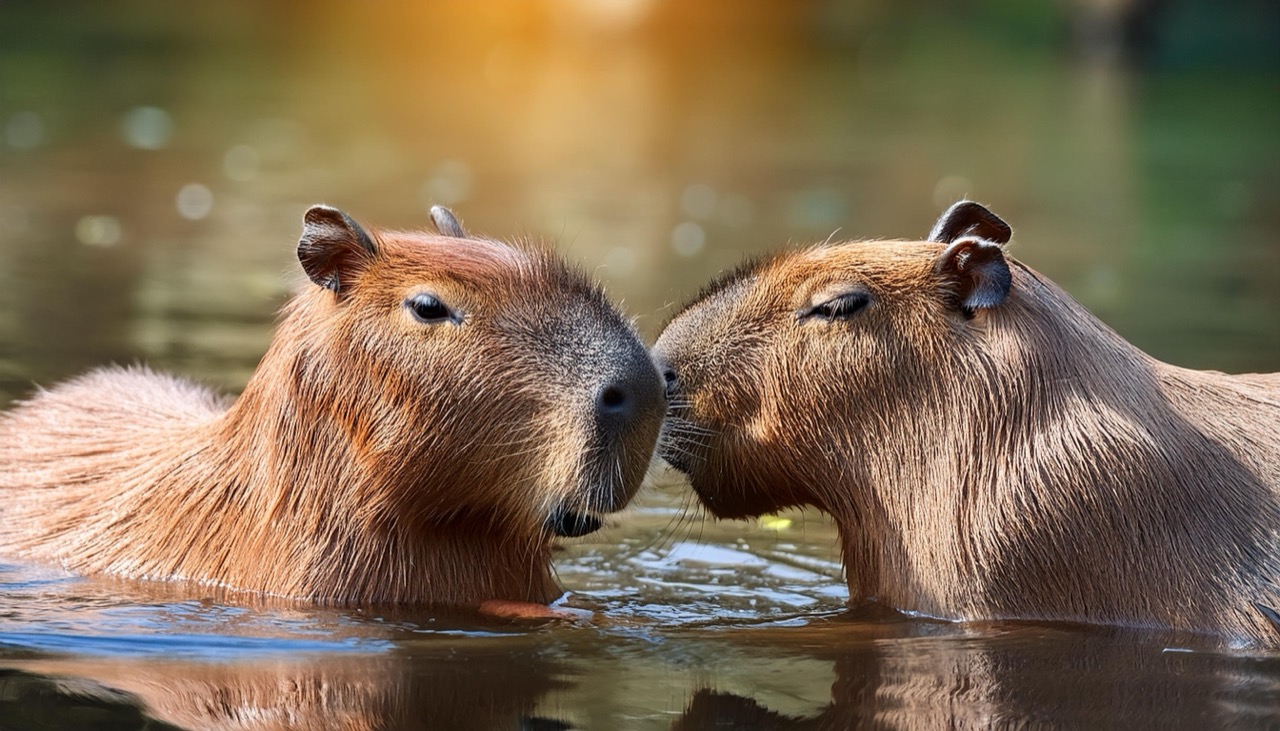
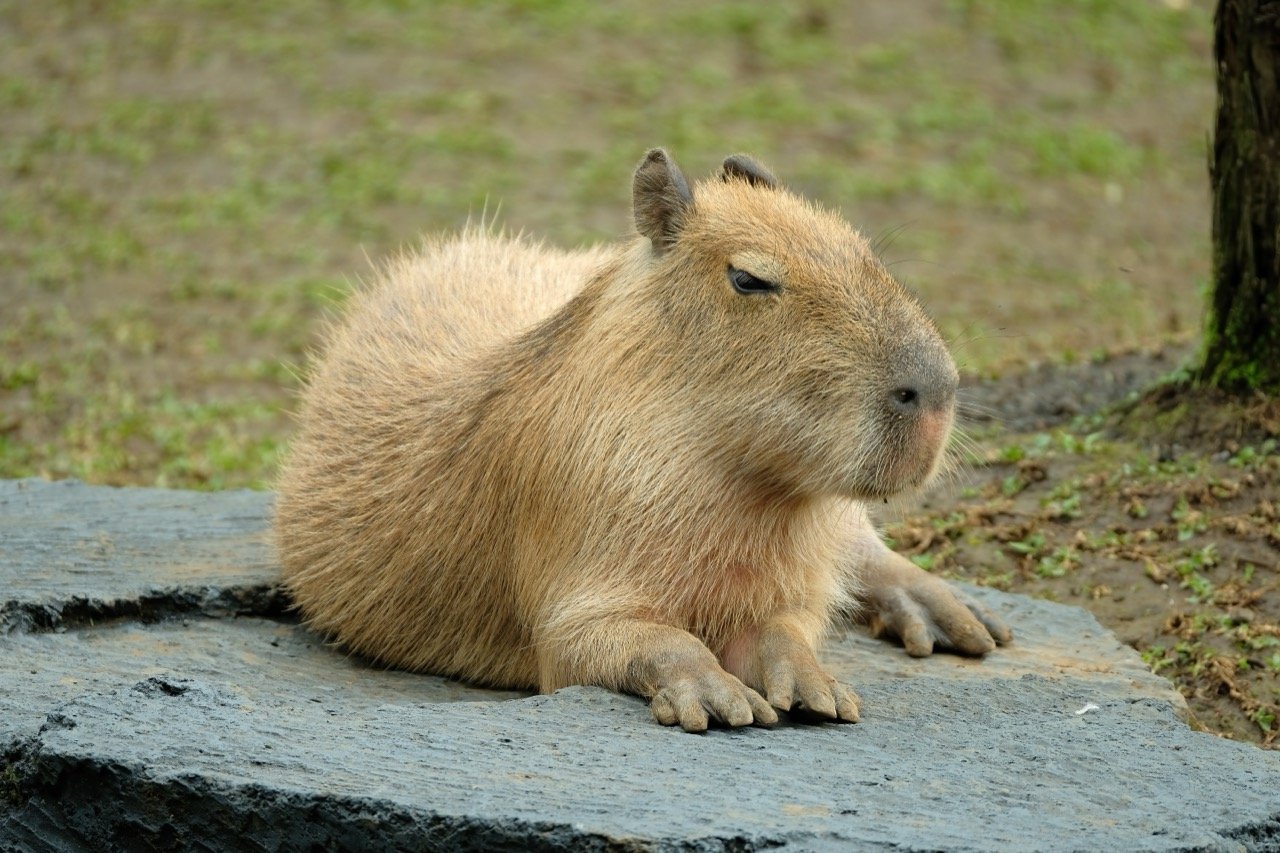
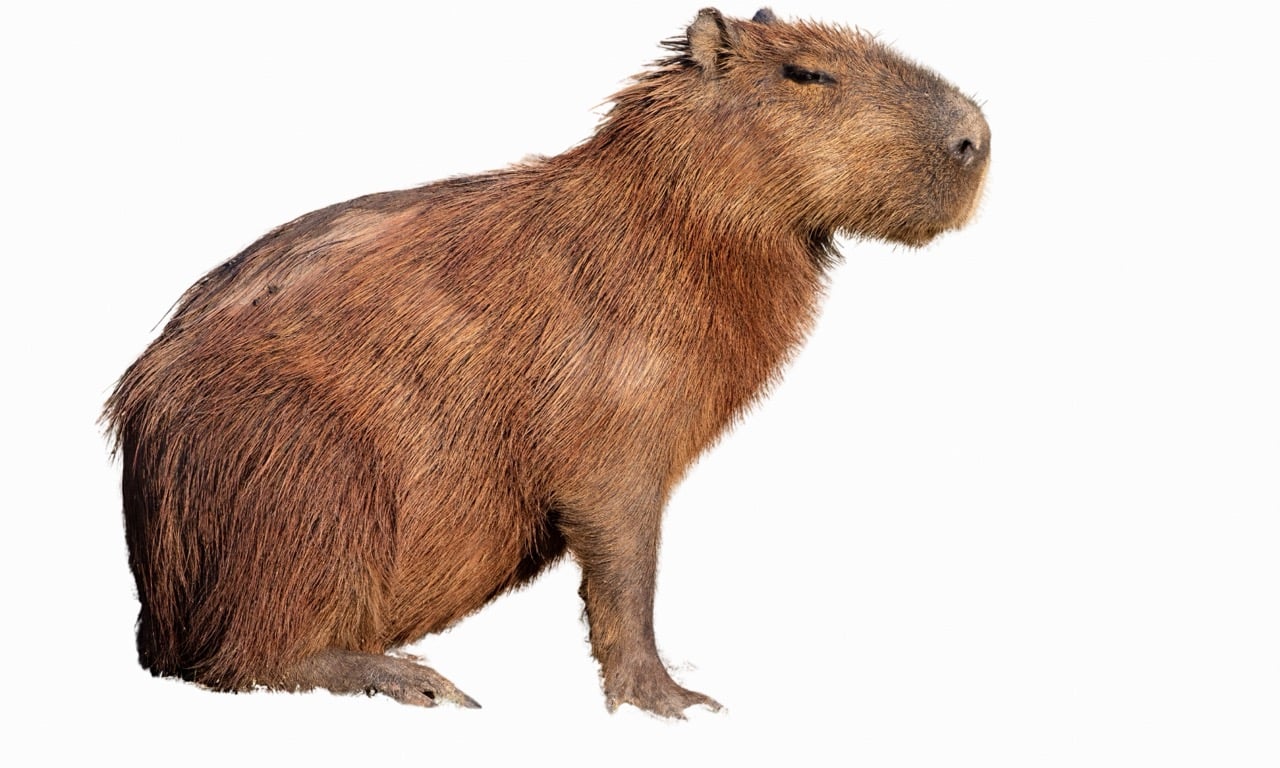
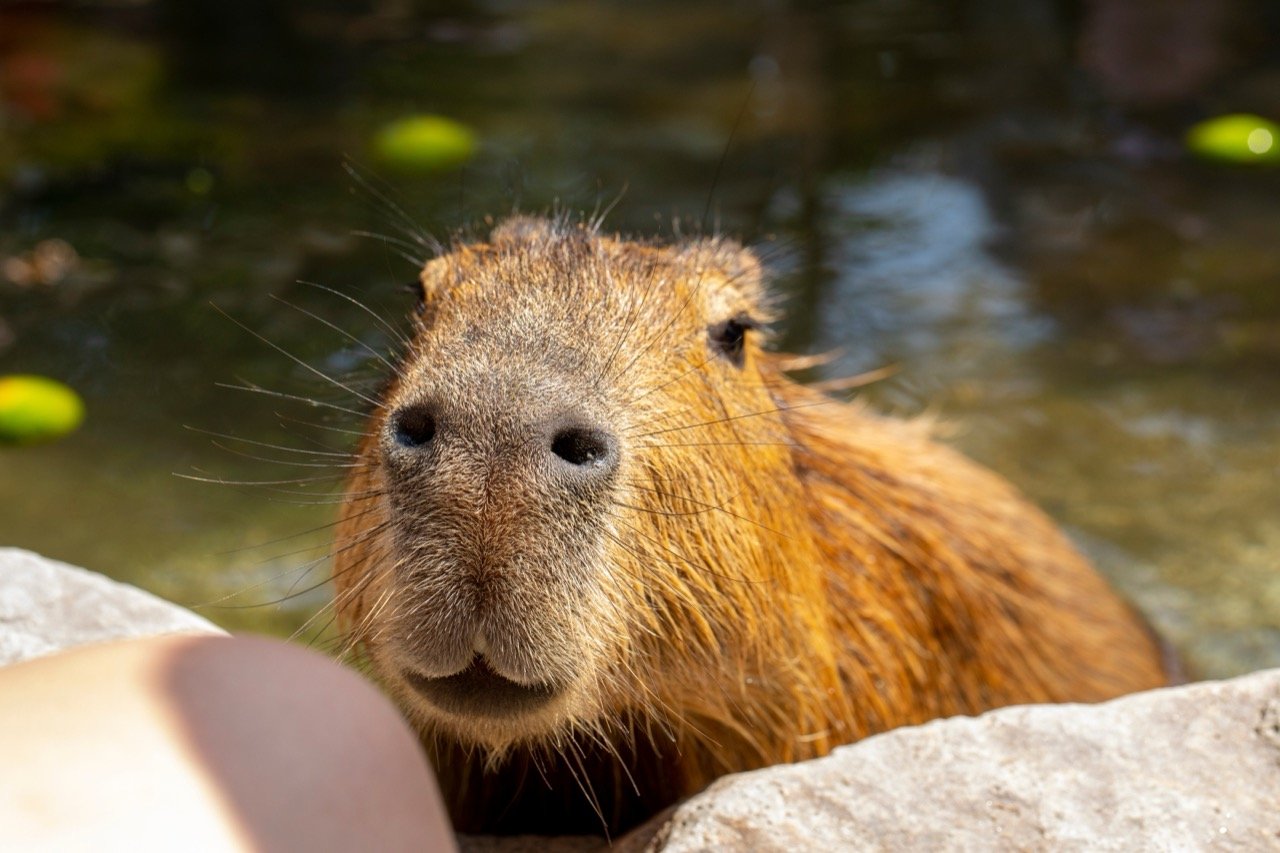
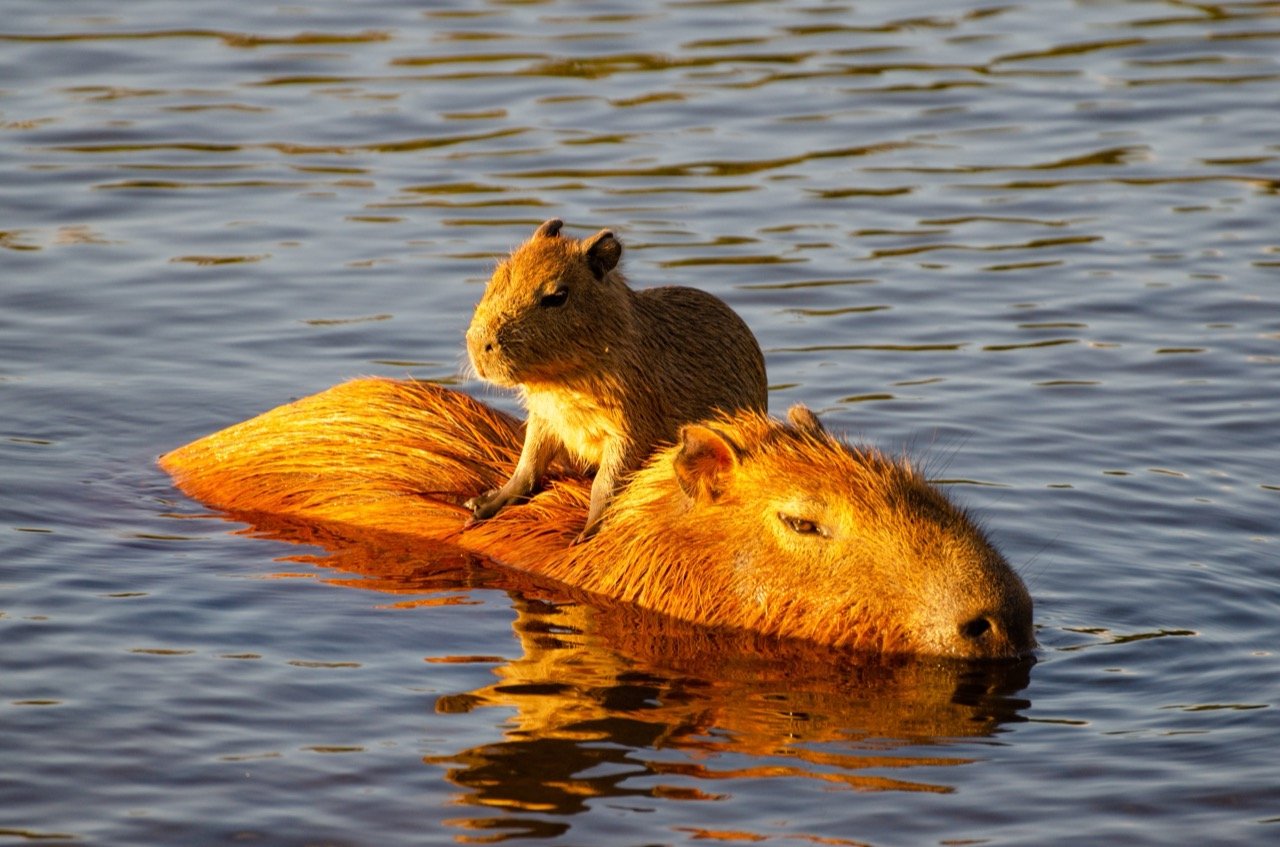
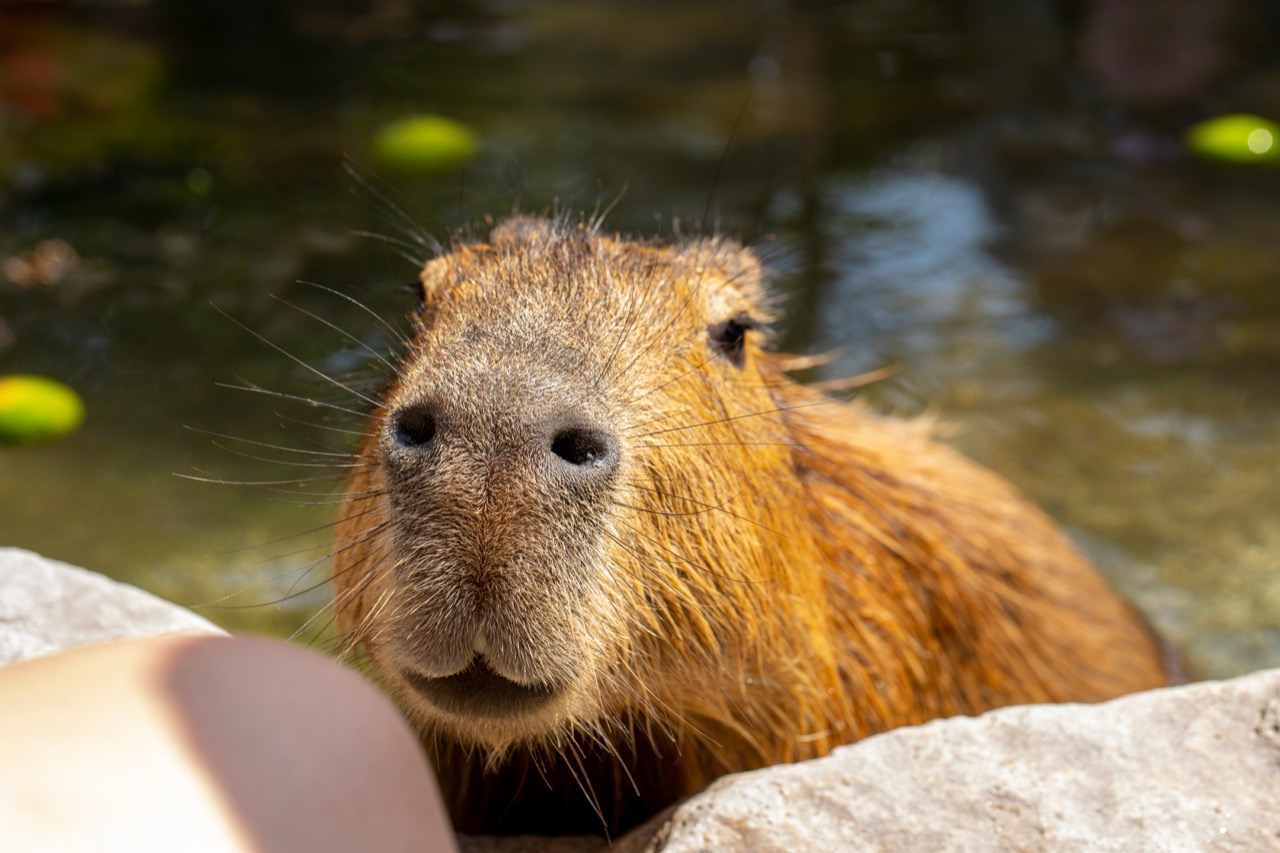
Body adaptations for a watery world A capybara’s shape is made for swimming. Their toes are partly webbed, helping them paddle efficiently. Their eyes, ears, and nostrils sit high on the head, so they can stay mostly submerged while still seeing, hearing, and breathing. When threatened, they can slip into the water quietly and remain underwater for several minutes. Their coarse fur dries fairly quickly, and they often use mud and water to regulate body temperature and avoid sunburn.
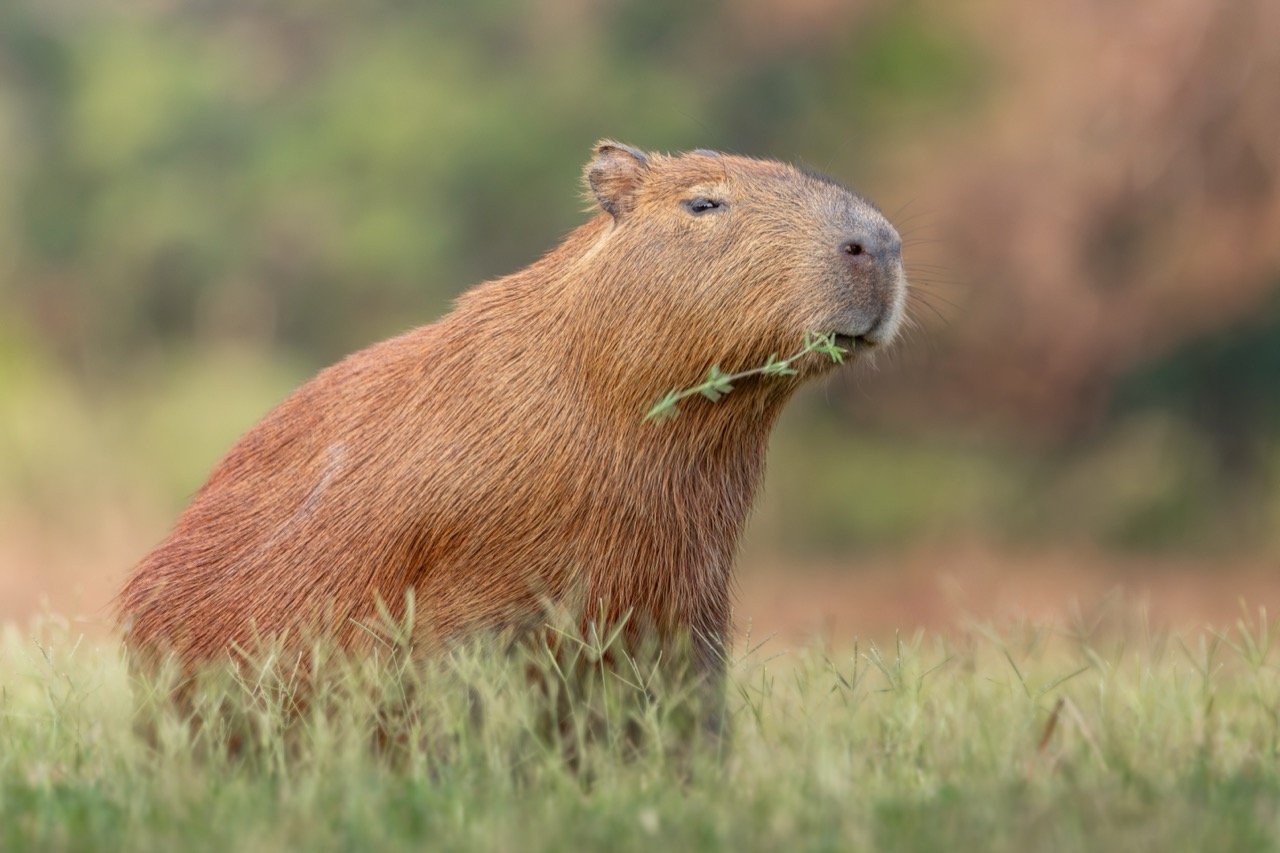
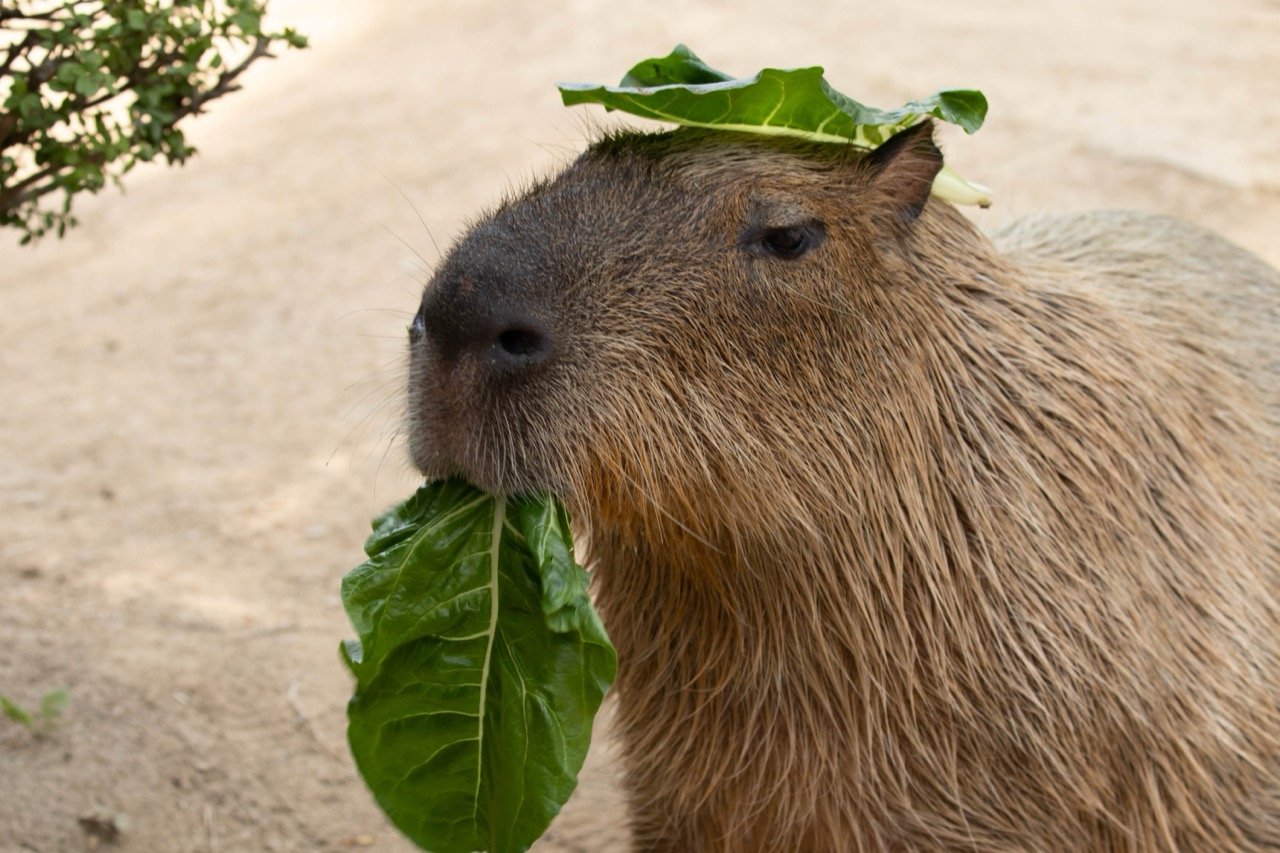
Diet and the surprising role of teeth Capybaras are strict herbivores. They graze on grasses, aquatic plants, and reeds, and will also browse leaves and fruit when available. Like other rodents, their front teeth never stop growing. Constant chewing keeps those incisors worn down and sharp. They also have strong molars for grinding tough plant material. Because grasses can be hard to digest, capybaras rely on gut microbes to break down fiber. They also practice coprophagy, meaning they re eat certain droppings to extract extra nutrients, a common strategy in animals that live on low calorie diets.
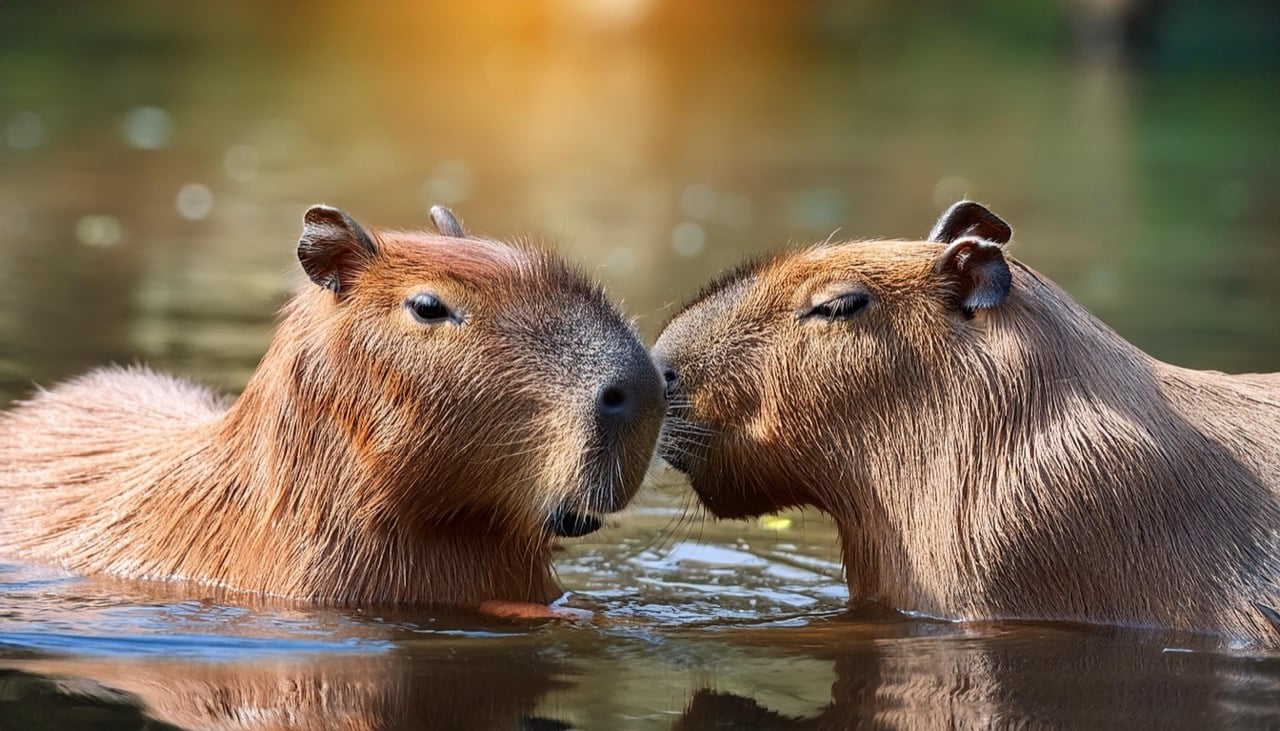
Social life on the shore Capybaras are famously social. They often live in groups, which can range from a handful to several dozen animals depending on the season and habitat. Group living offers protection, since more eyes and ears help detect predators such as jaguars, pumas, anacondas, and caimans. Many groups include a dominant male, several females, young animals, and subordinate males that may help with vigilance. During dry seasons, when water sources shrink, capybaras may gather in larger numbers around remaining ponds and rivers.
Communication and behavior These animals are not silent grazers. They communicate with a mix of sounds and body language. Soft purr like calls can signal calm contact, while sharp barks act as alarms. Whistles, squeals, and clicks may be used between mothers and young or during tense moments in the group. Scent marking is also important. Capybaras have glands that leave odors on vegetation, helping define territory and social status.
Capybaras and ecosystems As heavy grazers, capybaras influence plant growth along waterways and help shape wetland habitats. They also serve as prey for major predators, making them a key link in local food webs. In some areas, they live close to people, especially where farms and waterways overlap. This can create conflicts, but it also gives researchers opportunities to study how wildlife adapts to changing landscapes.
Conclusion The capybara stands out because it is both simple and surprising: a grass eating rodent that swims like an otter, lives in organized groups, and communicates with an impressive vocabulary of sounds. Understanding how it eats, moves, and cooperates with others makes riverbanks and wetlands feel more alive. The next time you see a calm shape near the waterline, you will know there is a whole set of adaptations and social strategies behind that relaxed expression.