

Introduction Sloths have become symbols of relaxation, but their slow pace is not laziness. It is a finely tuned survival strategy built for life in the rainforest canopy. High above the forest floor, these animals spend most of their lives hanging from branches, moving carefully, eating sparingly, and avoiding attention. The result is a lifestyle that looks effortless, yet depends on specialized anatomy, unusual biology, and a set of behaviors that make perfect sense in the treetops.
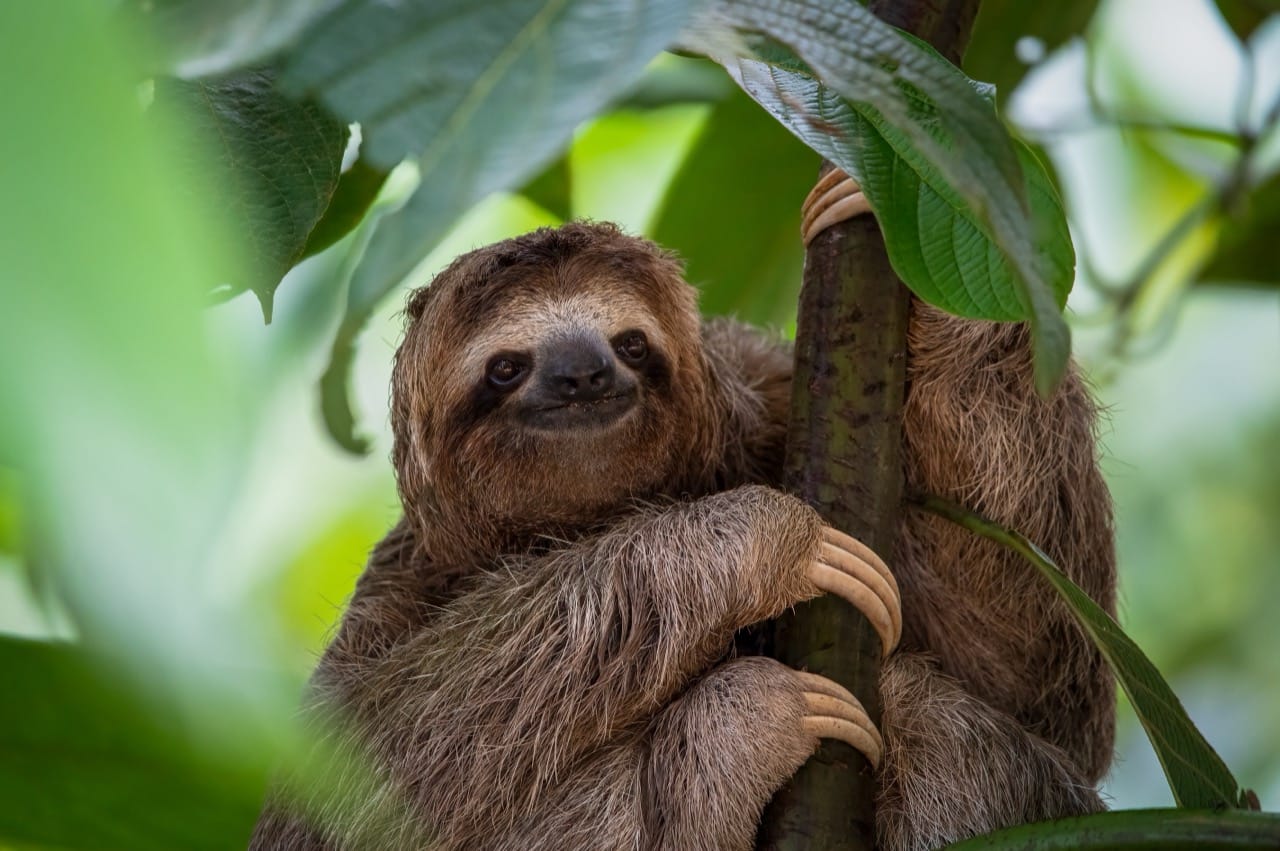
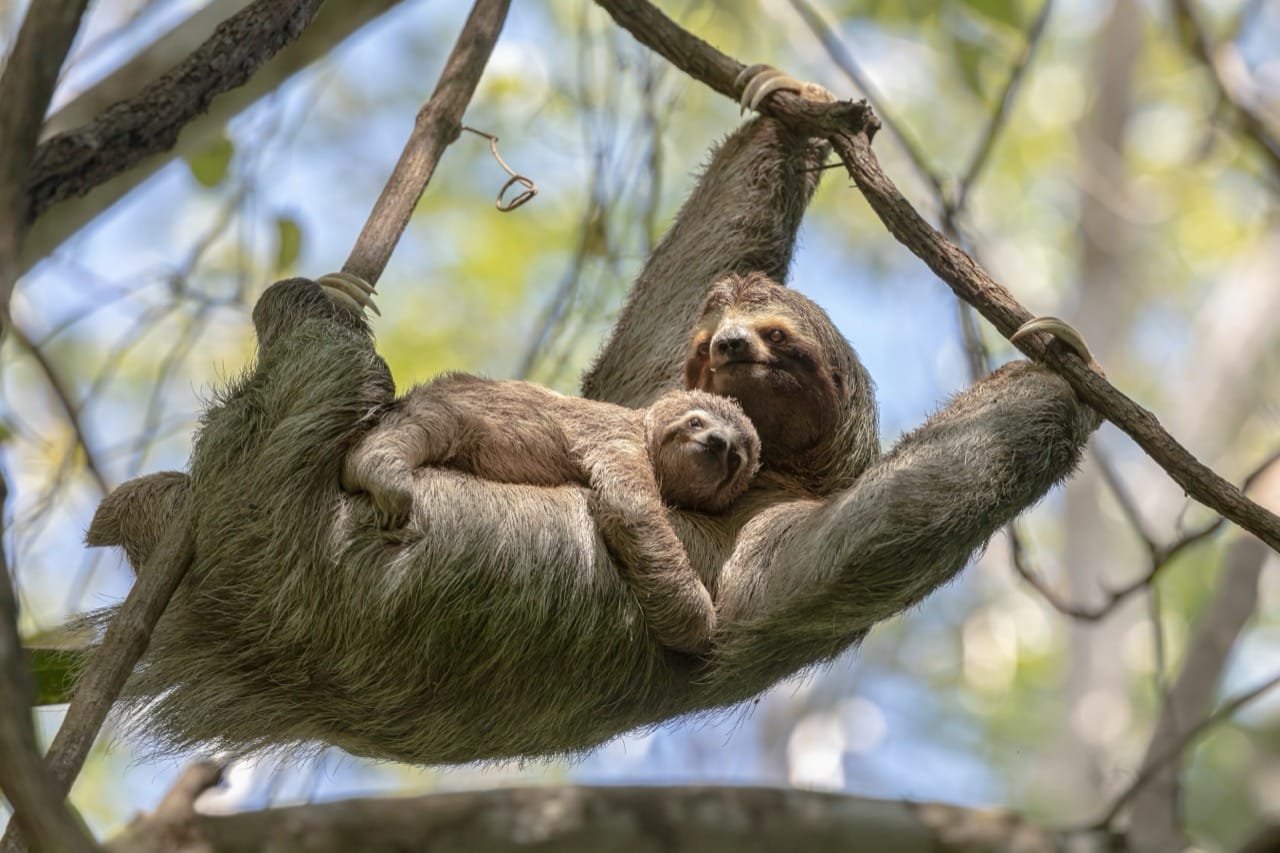
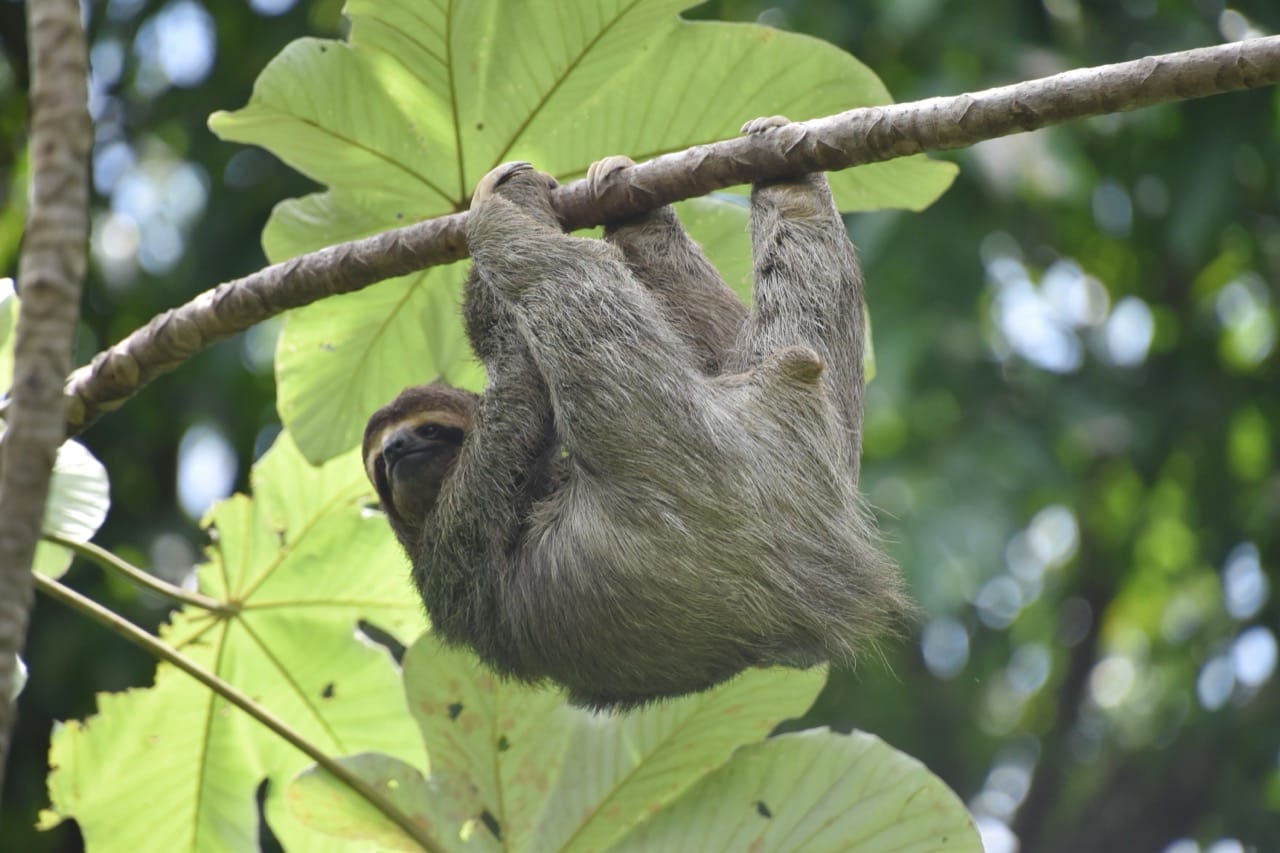
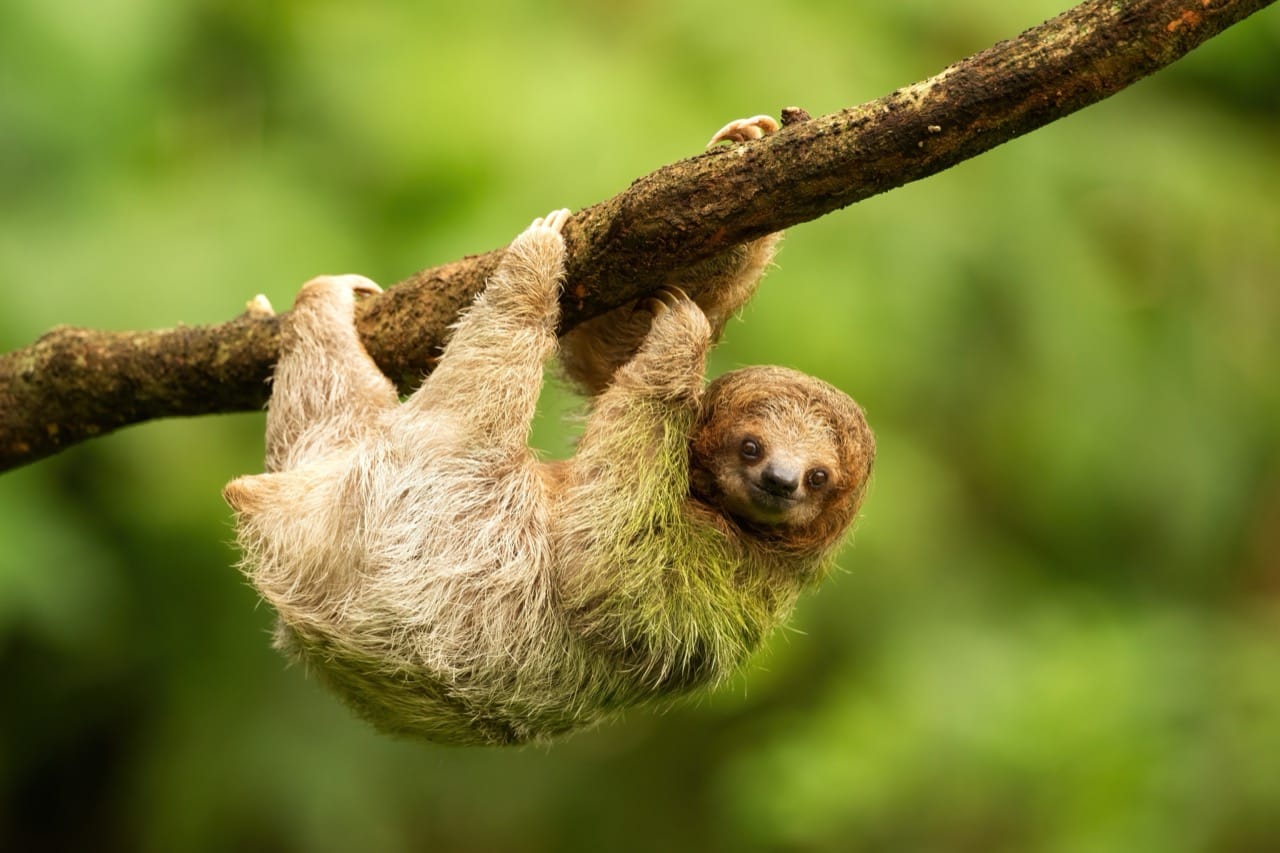
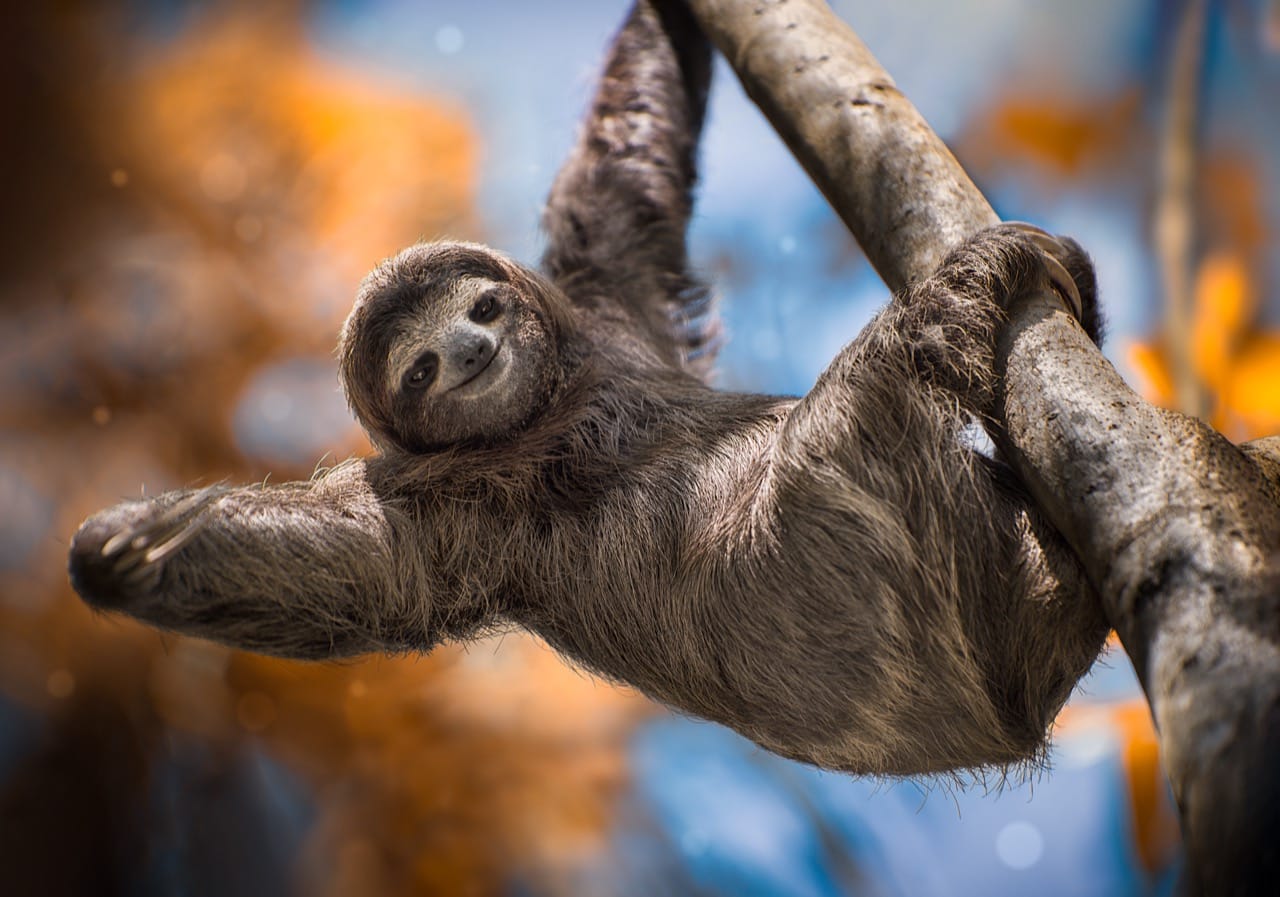
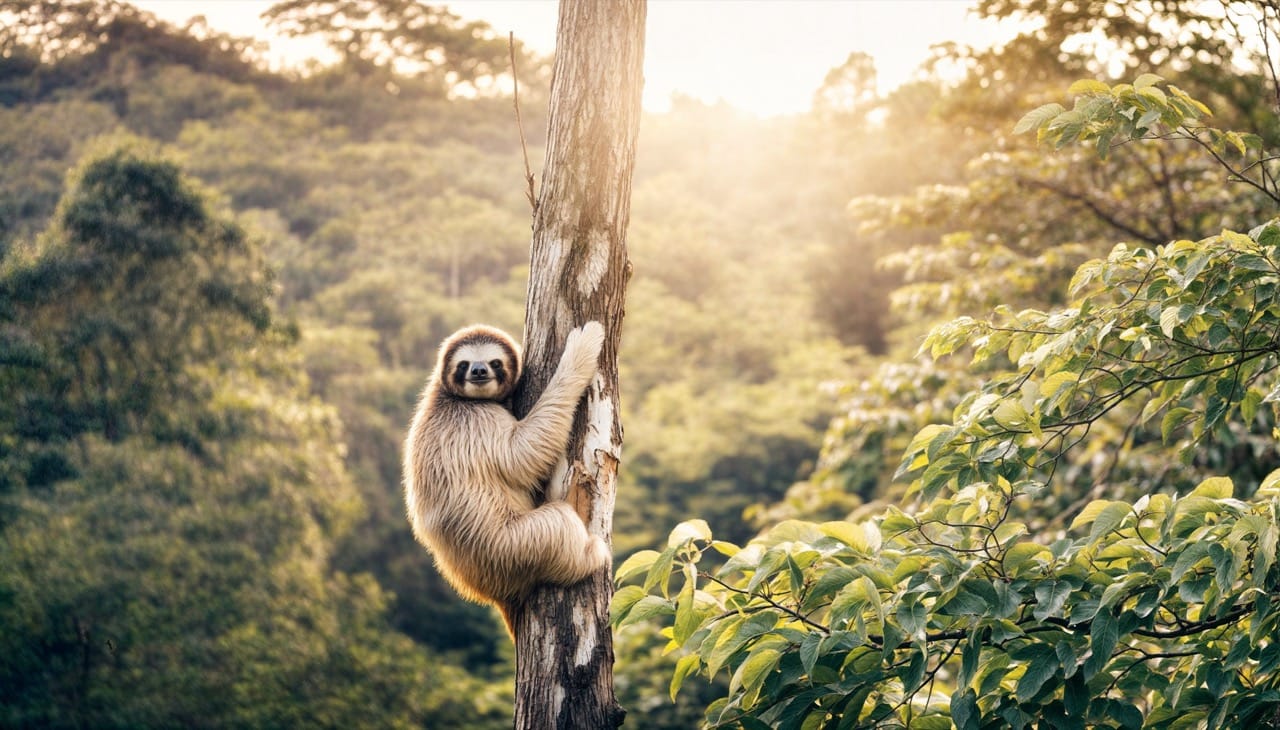
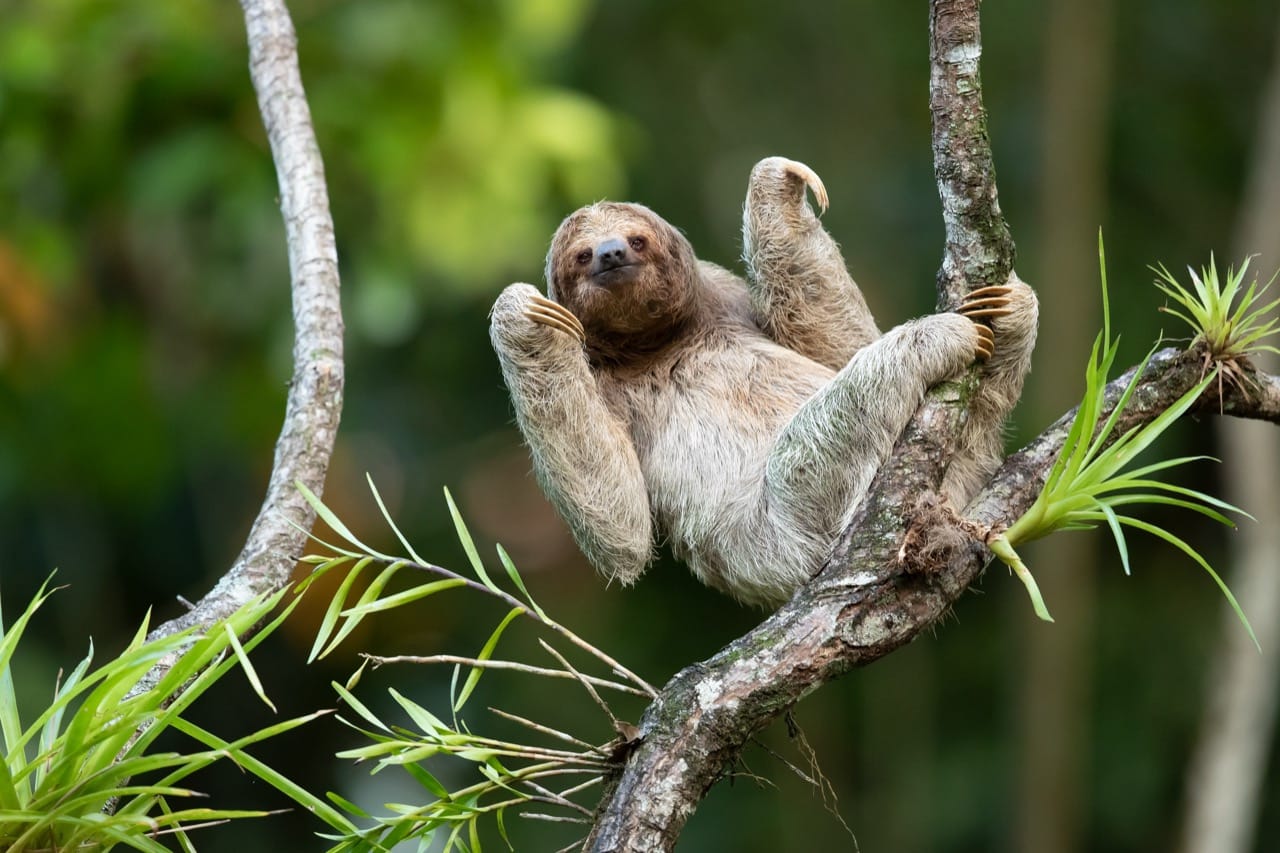
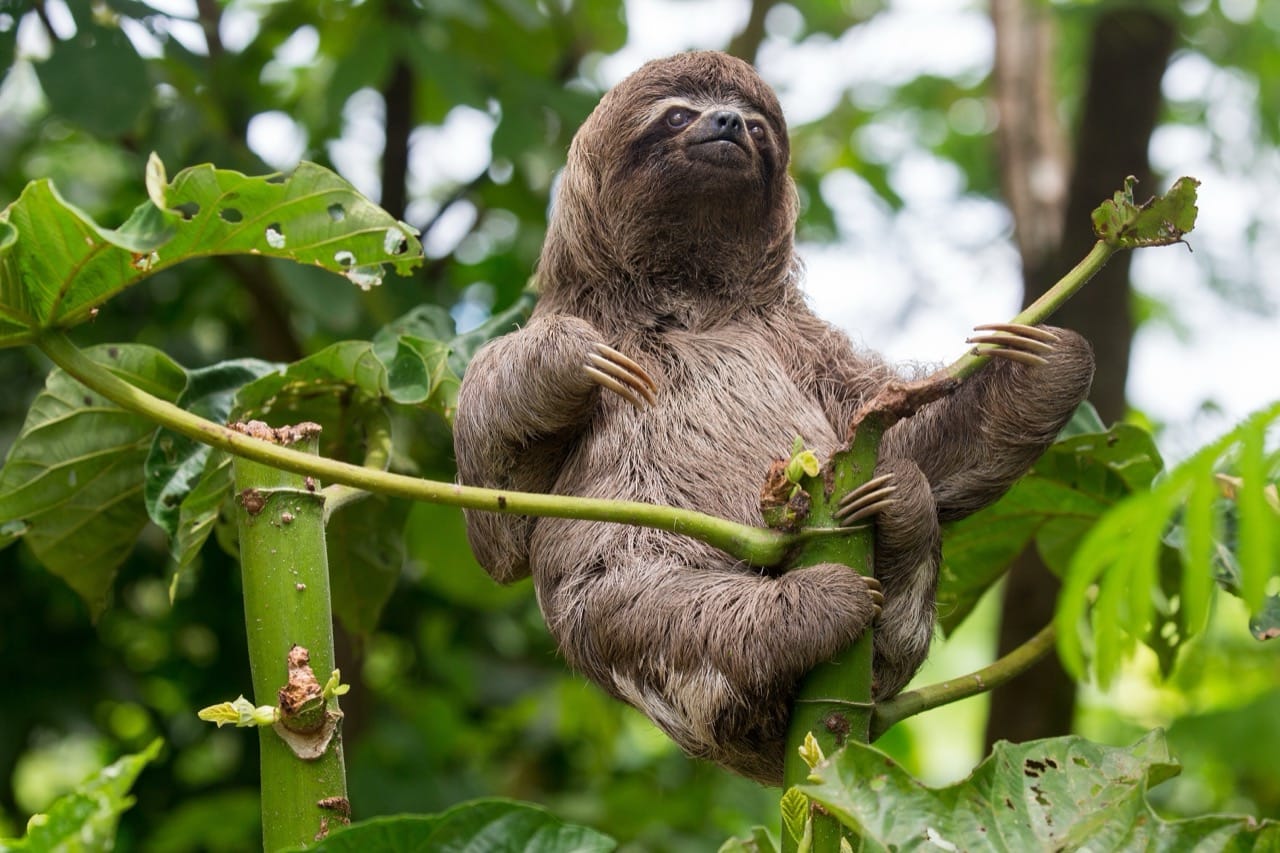
Built for Hanging, Not Hustling A sloth’s body is designed for an upside down world. Long arms, powerful tendons, and curved claws act like natural hooks, letting it grip branches for hours with minimal muscle effort. This saves energy, which is crucial because their diet provides relatively few calories. Their fur also plays an important role. Instead of lying flat like many mammals, sloth fur can grow in a direction that helps shed rain while the animal hangs upside down. Even more surprising, the fur often hosts a tiny ecosystem of algae, fungi, and small invertebrates. The algae can give sloths a greenish tint that helps them blend into the leaves, offering camouflage from predators.
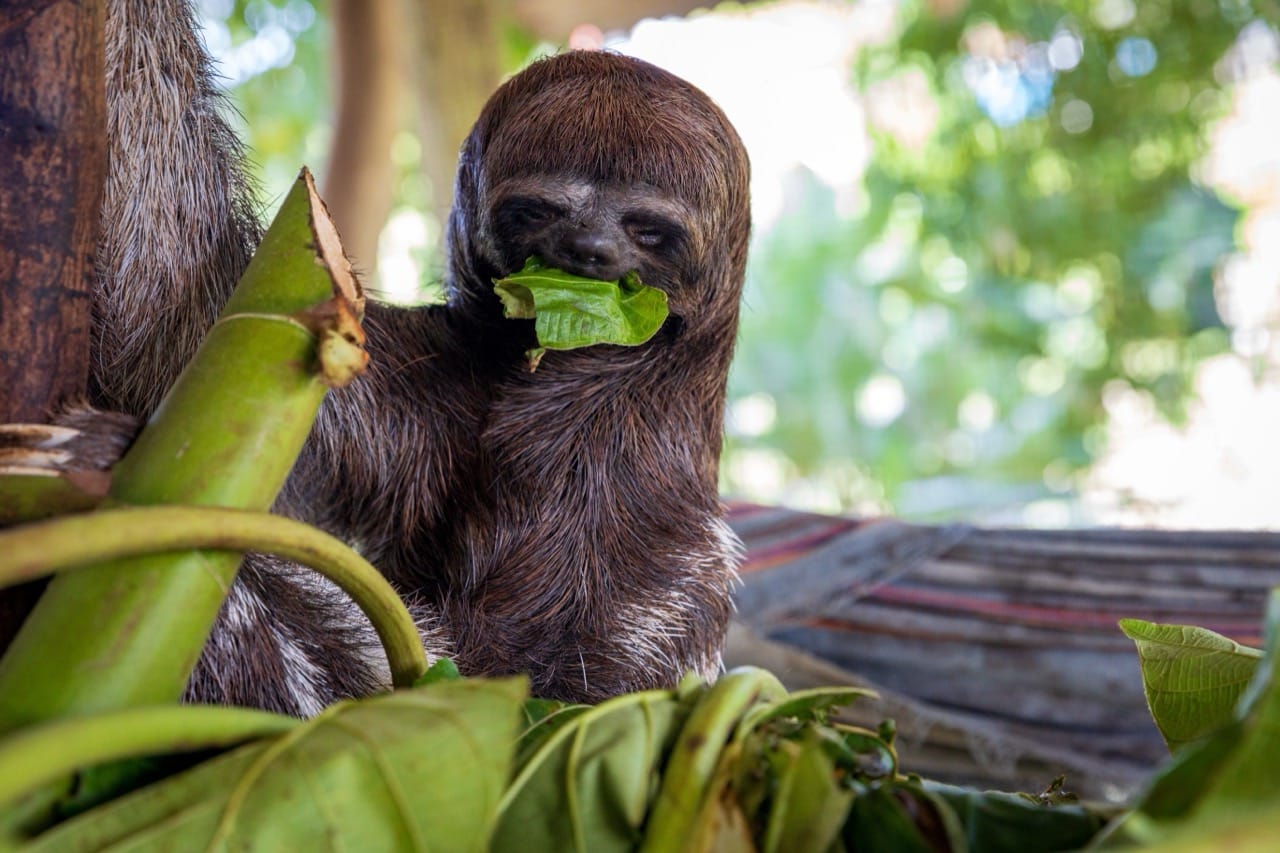
A Diet That Sets the Pace Most sloths eat leaves, buds, and sometimes fruit, depending on the species and habitat. Leaves are abundant but tough to digest and low in energy, so sloths run on a strict budget. Their metabolism is famously low, and their body temperature can vary more than many mammals, helping them conserve fuel. Digestion is slow and complex, supported by a large, multi chambered stomach full of microbes that break down plant material. This process can take days, which helps explain why sloths do not need to eat much or move quickly.
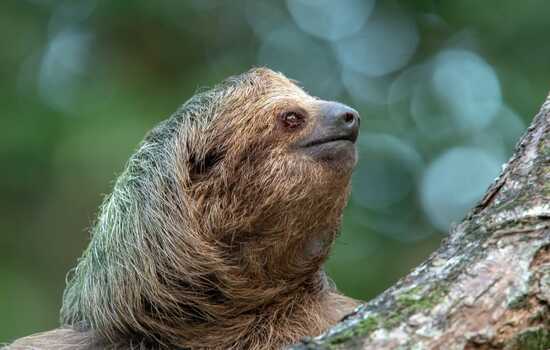
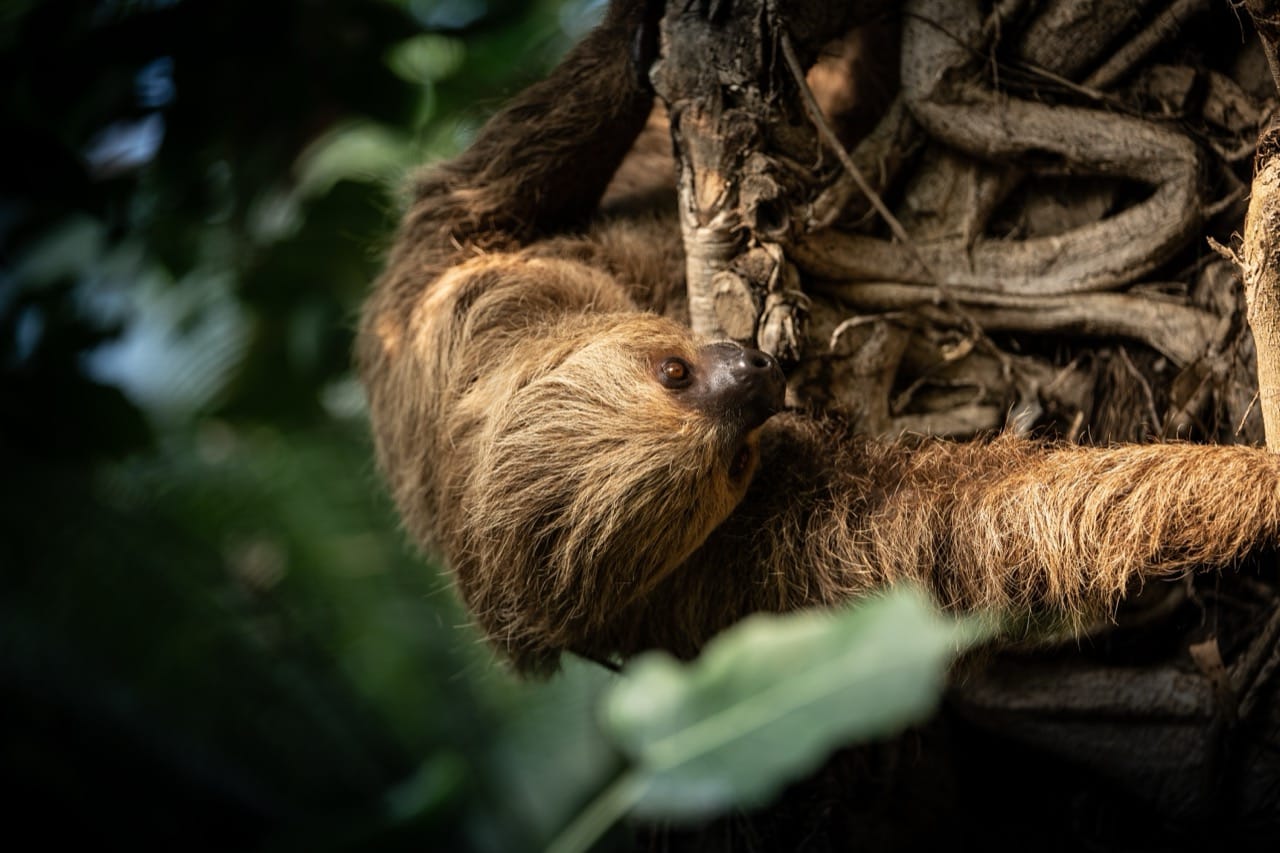
Two Toed and Three Toed: Similar, Not the Same People often assume two toed and three toed sloths are closely related versions of the same animal, but they represent distinct groups with notable differences. Two toed sloths tend to be a bit more active, may include more fruit in their diet, and are generally better climbers when moving through branches. Three toed sloths are often even more specialized leaf eaters and are known for behaviors like remaining very still for long periods. Both types are excellent at what they do, but they solve the challenges of canopy living in slightly different ways.
Predators and the Art of Not Being Noticed In the rainforest, staying alive often means staying unseen. Sloths rely on camouflage, stillness, and quiet movement to avoid predators such as harpy eagles, jaguars, and ocelots. When they do move, their motions are slow but controlled, reducing rustling and sudden shifts that might catch a hunter’s eye. Although they appear vulnerable, their grip is strong, and their claws can be effective for defense at close range.
The Odd Bathroom Routine One of the most talked about sloth behaviors is its bathroom schedule. Some sloths climb down to the forest floor about once a week to defecate, a risky trip that exposes them to predators. Scientists are still investigating why they do this. Some ideas involve communication through scent, fertilizing trees near their home range, or maintaining relationships with the organisms living in their fur. Whatever the reason, it is a reminder that even a slow life includes high stakes decisions.
Conclusion Sloths are not simply slow animals; they are specialists shaped by the rainforest. Their claws, digestion, fur ecosystems, and careful behaviors all support a life where doing less is the key to surviving more. The next time you picture a sloth calmly hanging in a tree, remember that beneath that relaxed exterior is a suite of adaptations that make the slow lane one of nature’s most successful strategies.