
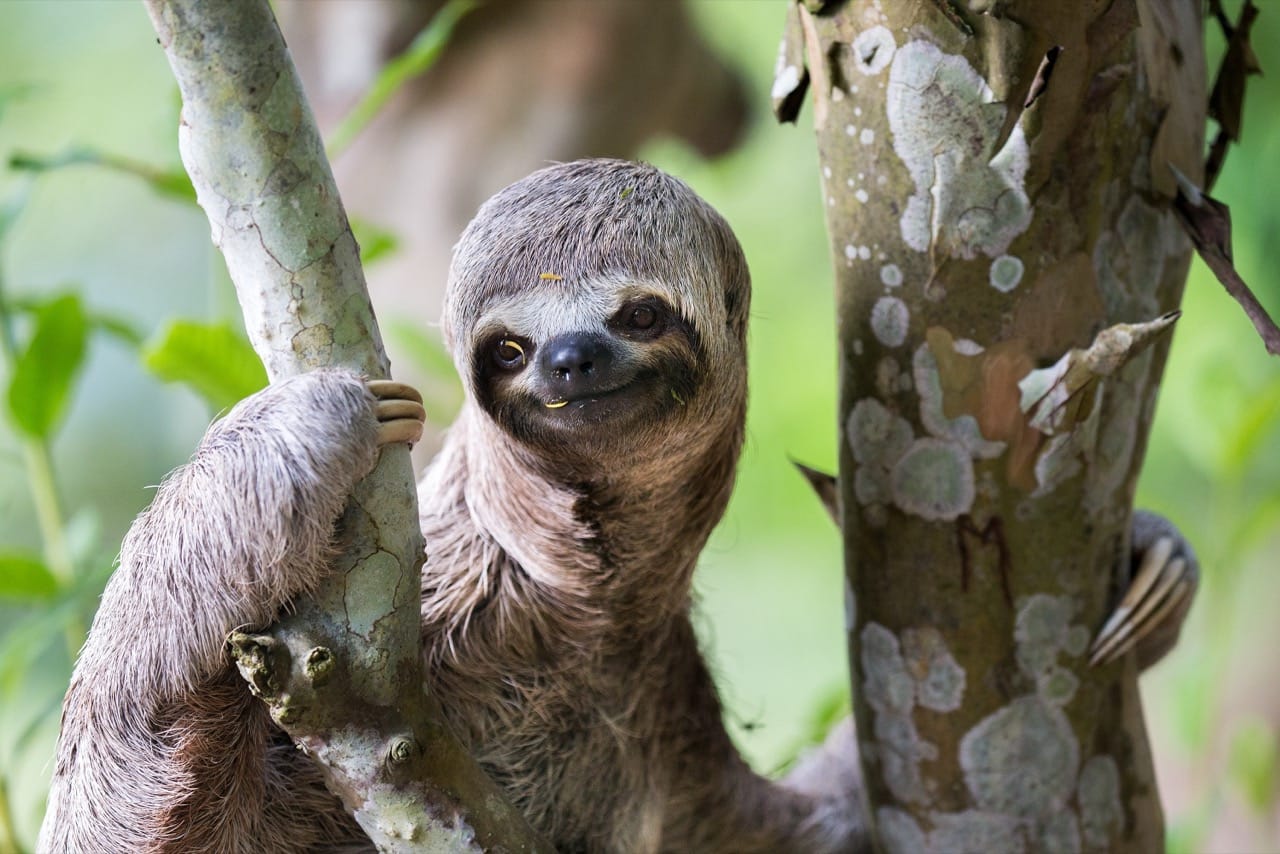

Introduction High in the rainforests of Central and South America, a few mammals have made a living out of doing less. Sloths are famous for moving slowly and looking calm, but their lifestyle is not laziness. It is a finely tuned survival strategy shaped by food quality, energy limits, and life in the canopy. Once you look past the sleepy expression, you find a set of adaptations that are as clever as they are unusual.
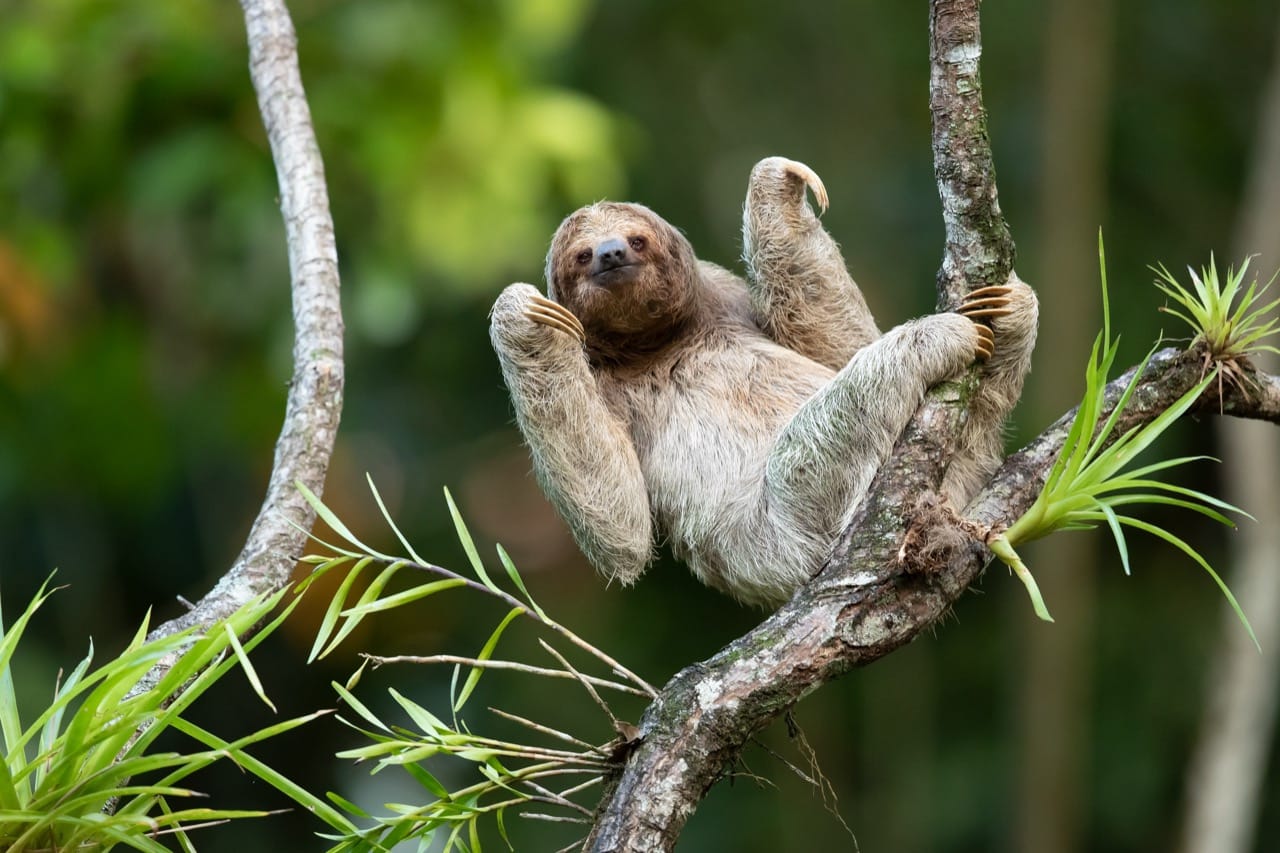
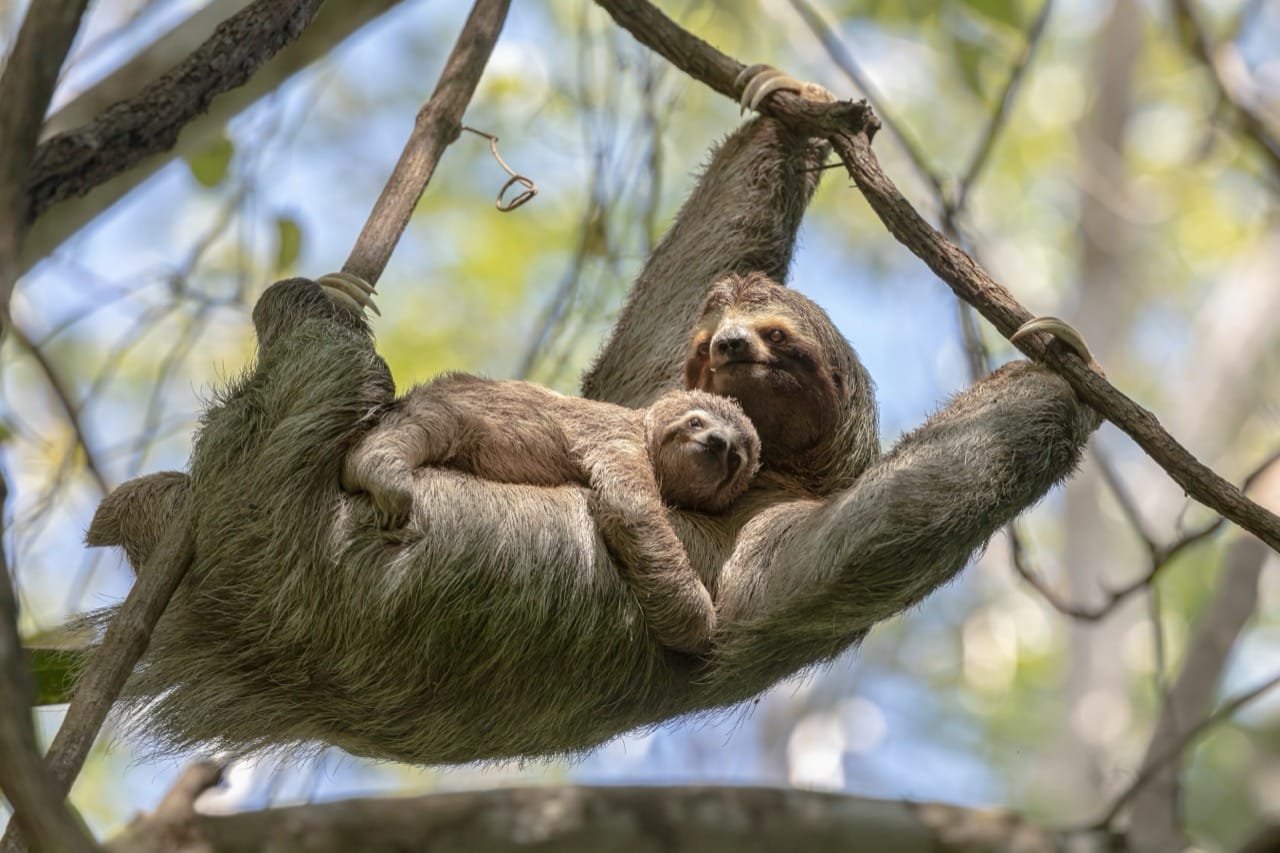
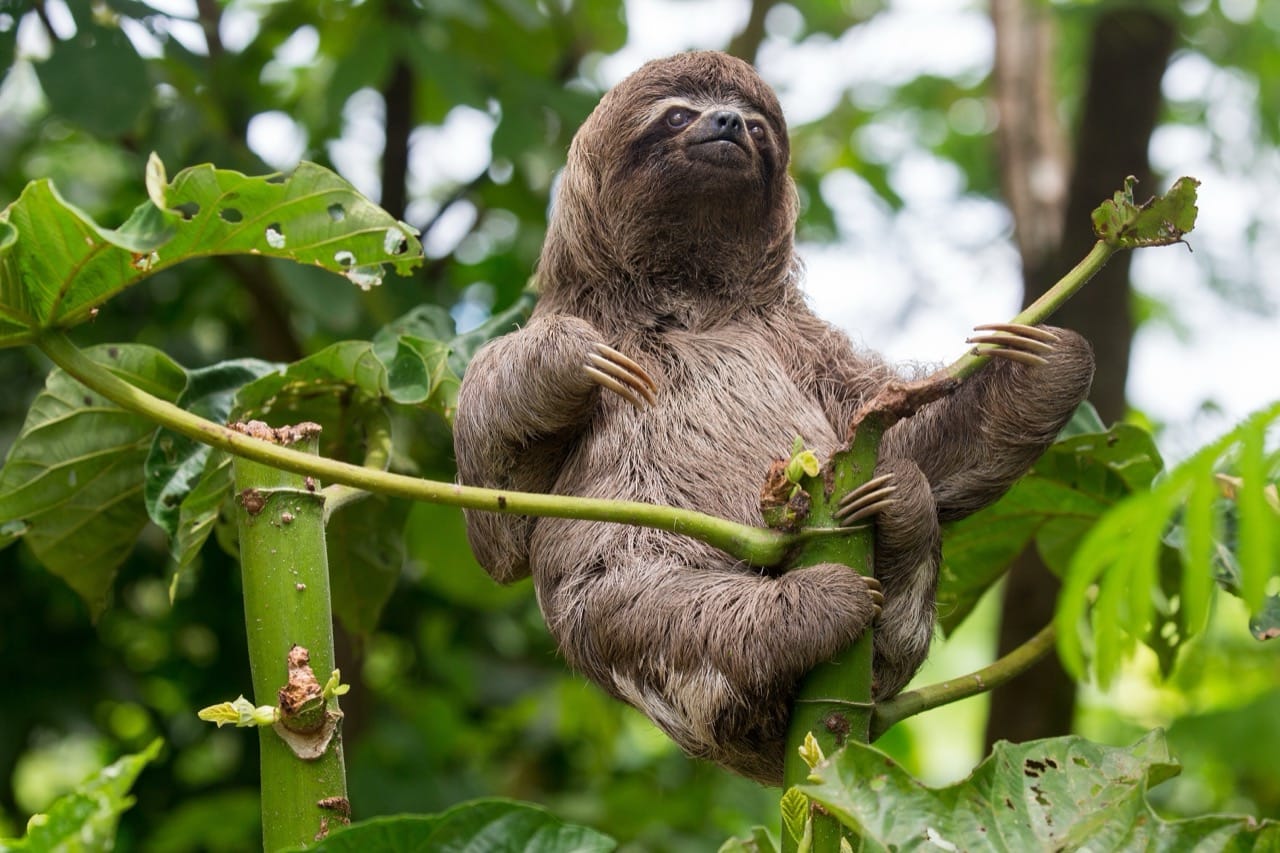
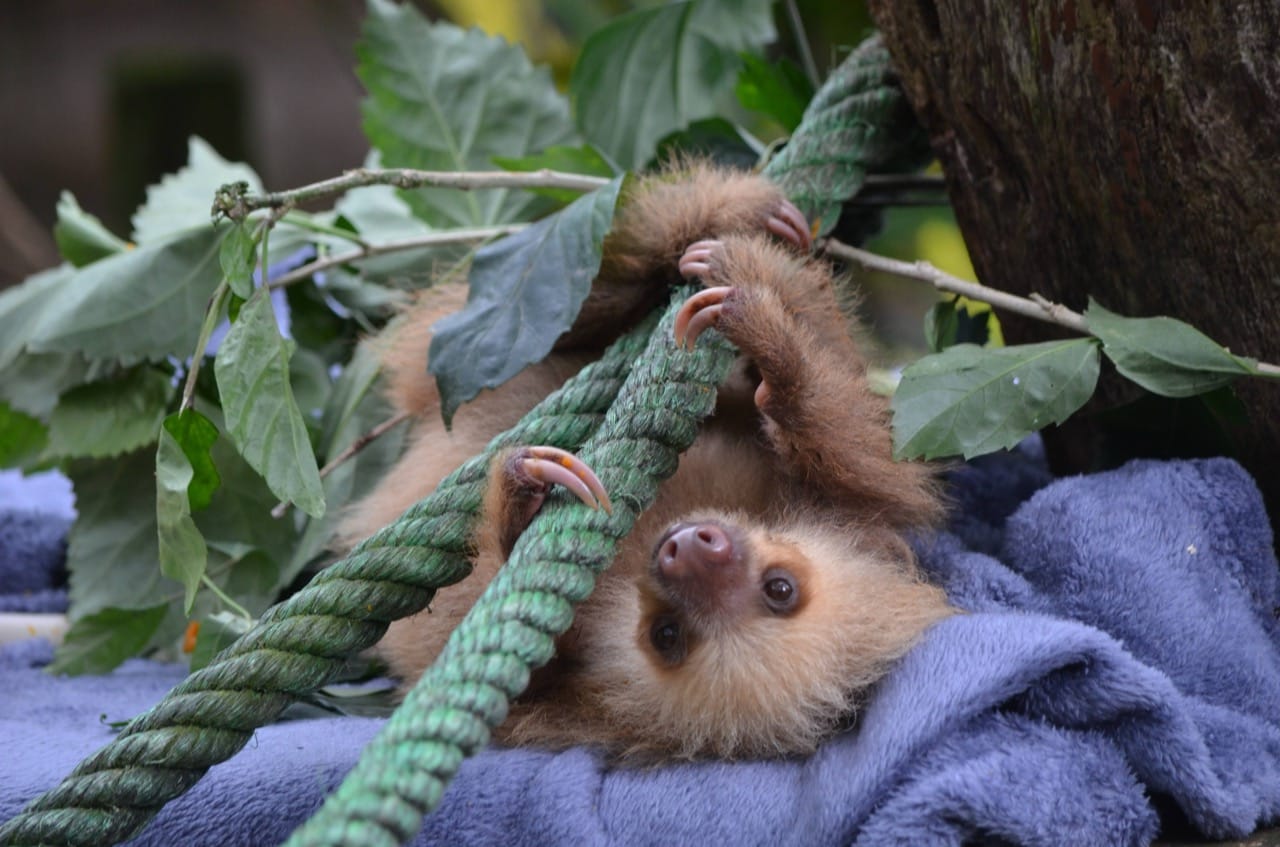
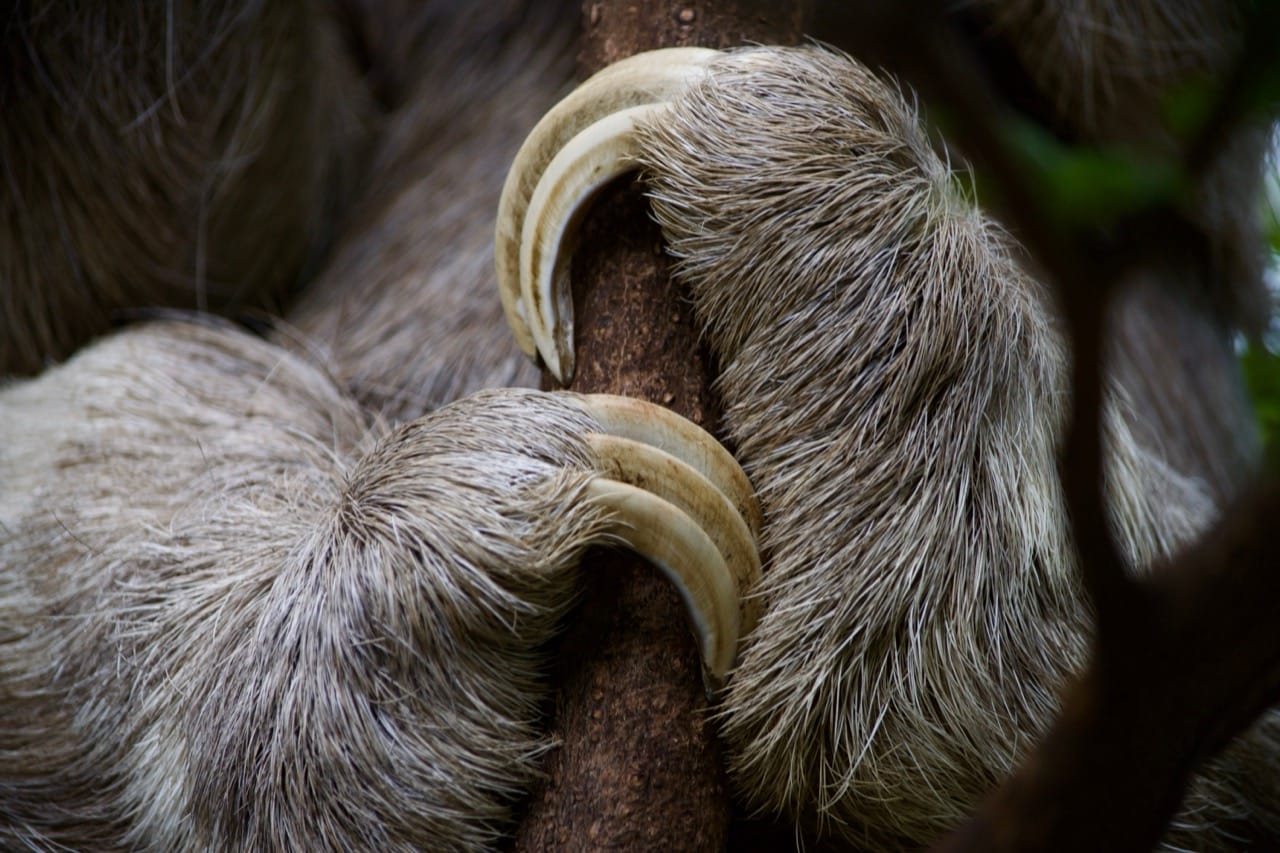
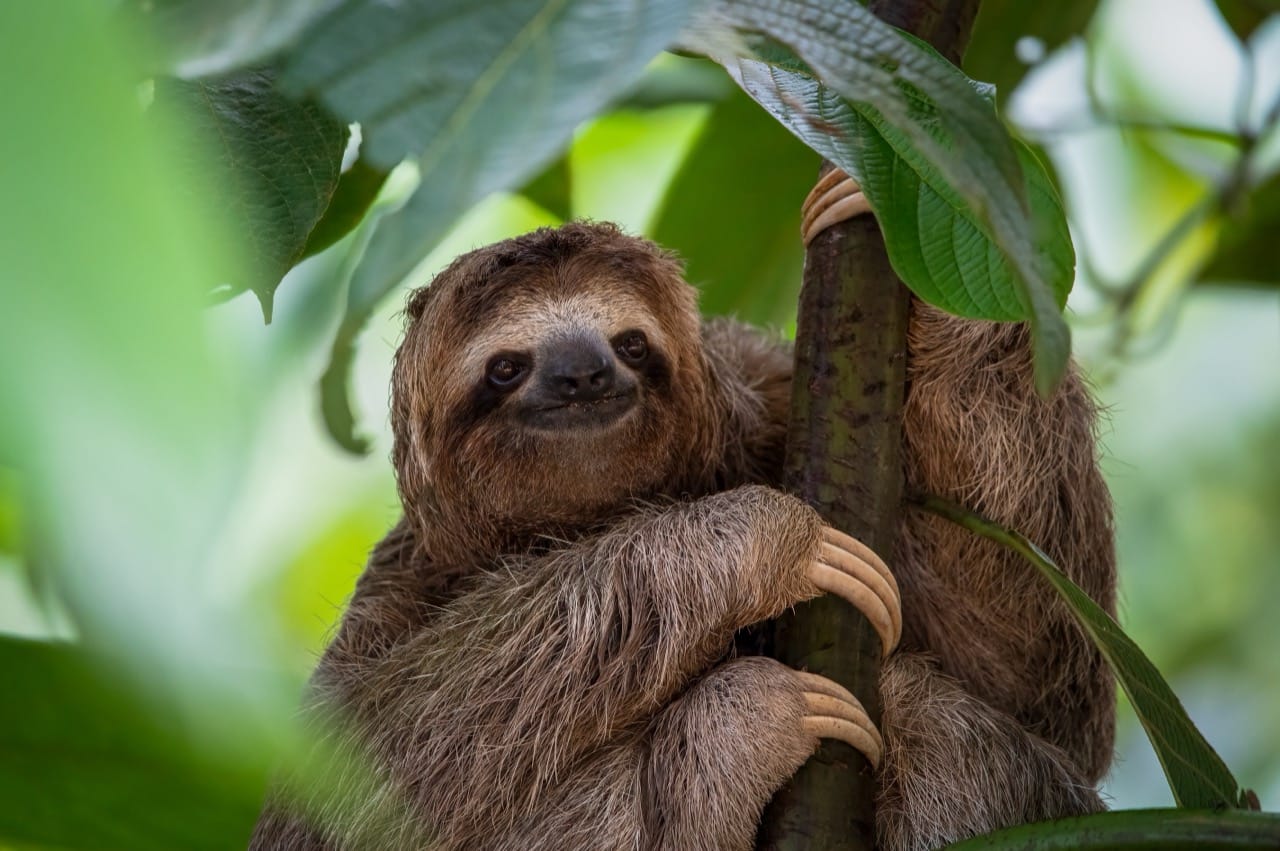
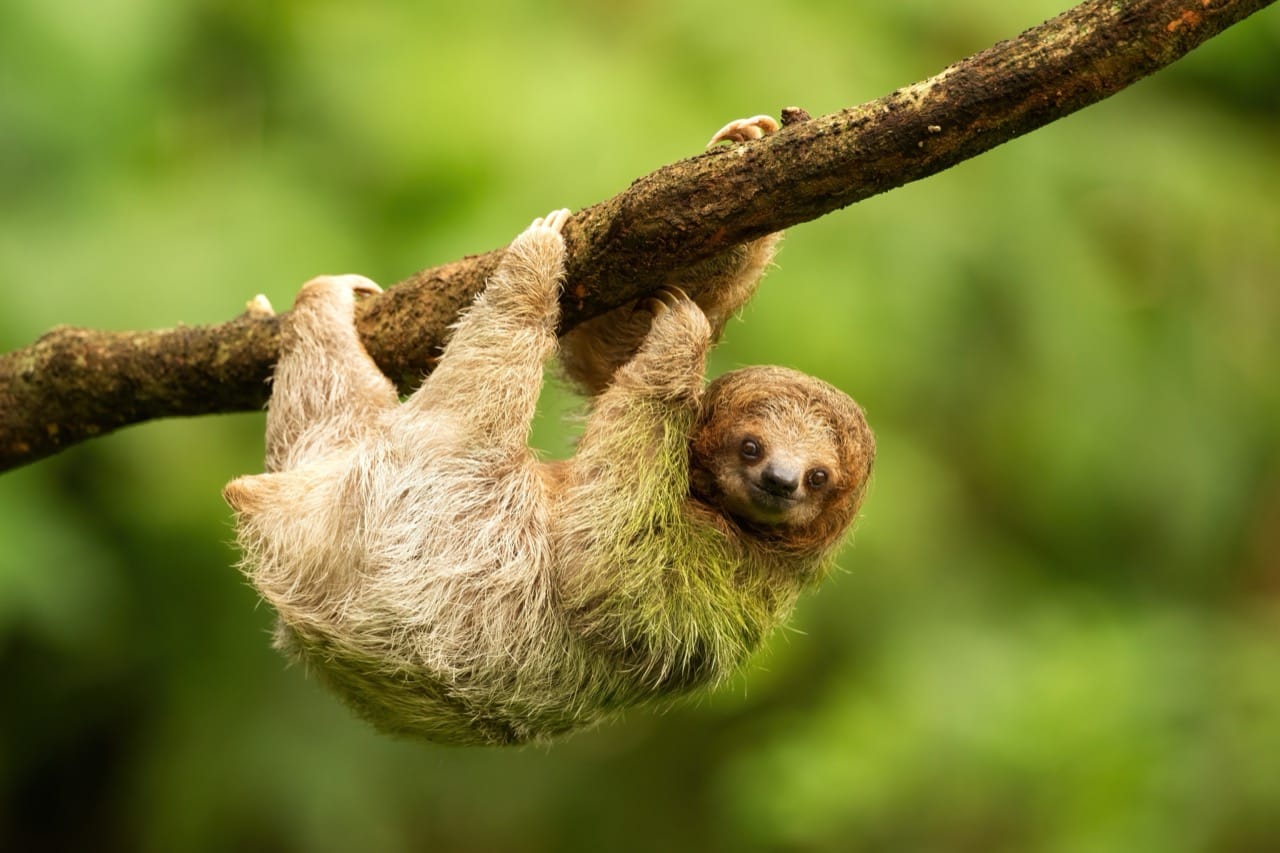
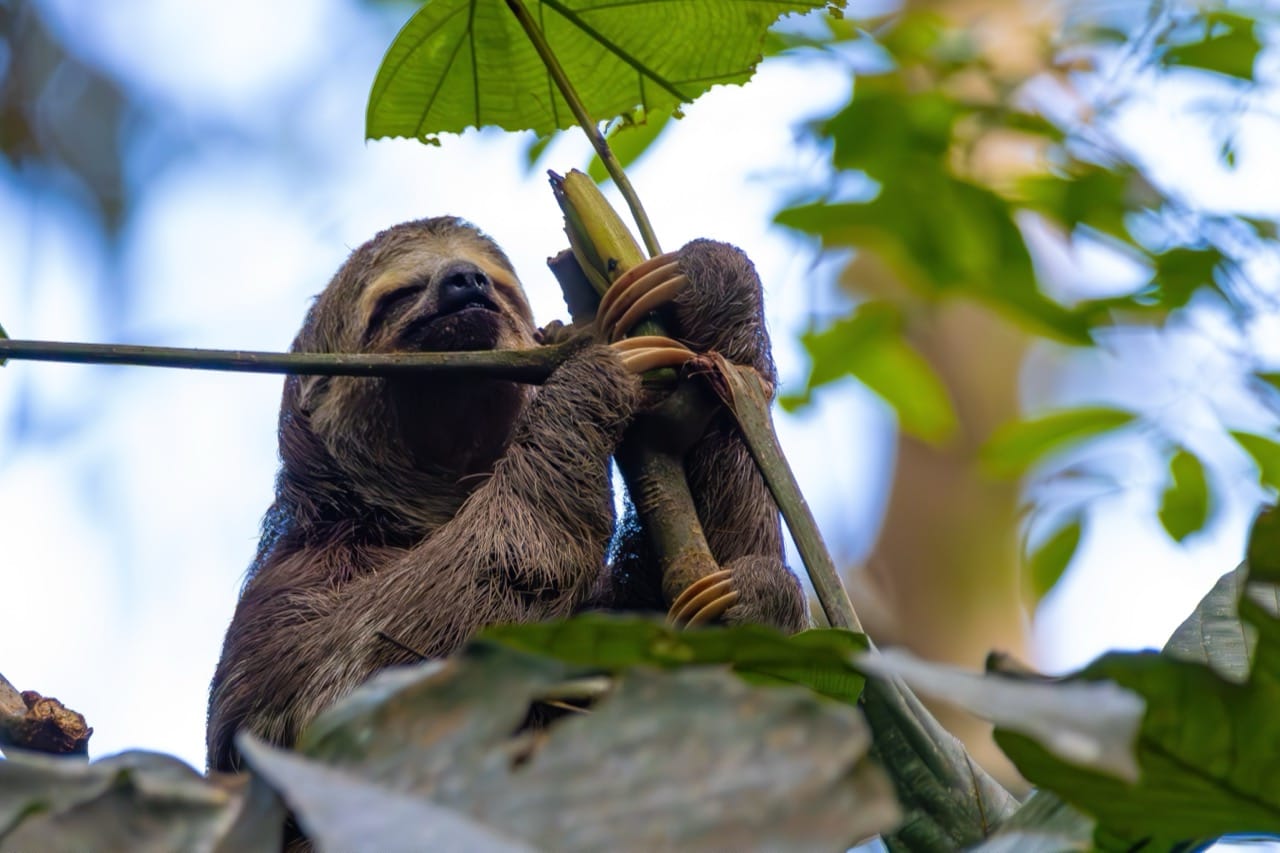
Built for Hanging, Not Hustling A sloth’s body is designed for life upside down. Long, curved claws act like natural hooks, letting it hang securely from branches with minimal muscle effort. Their limbs and shoulder structure support this suspended posture, and their grip is so dependable that a sloth can remain hanging even while sleeping. On the ground, however, those same features become a disadvantage. Sloths are awkward and vulnerable when they have to crawl, which is one reason they spend most of their lives in trees.
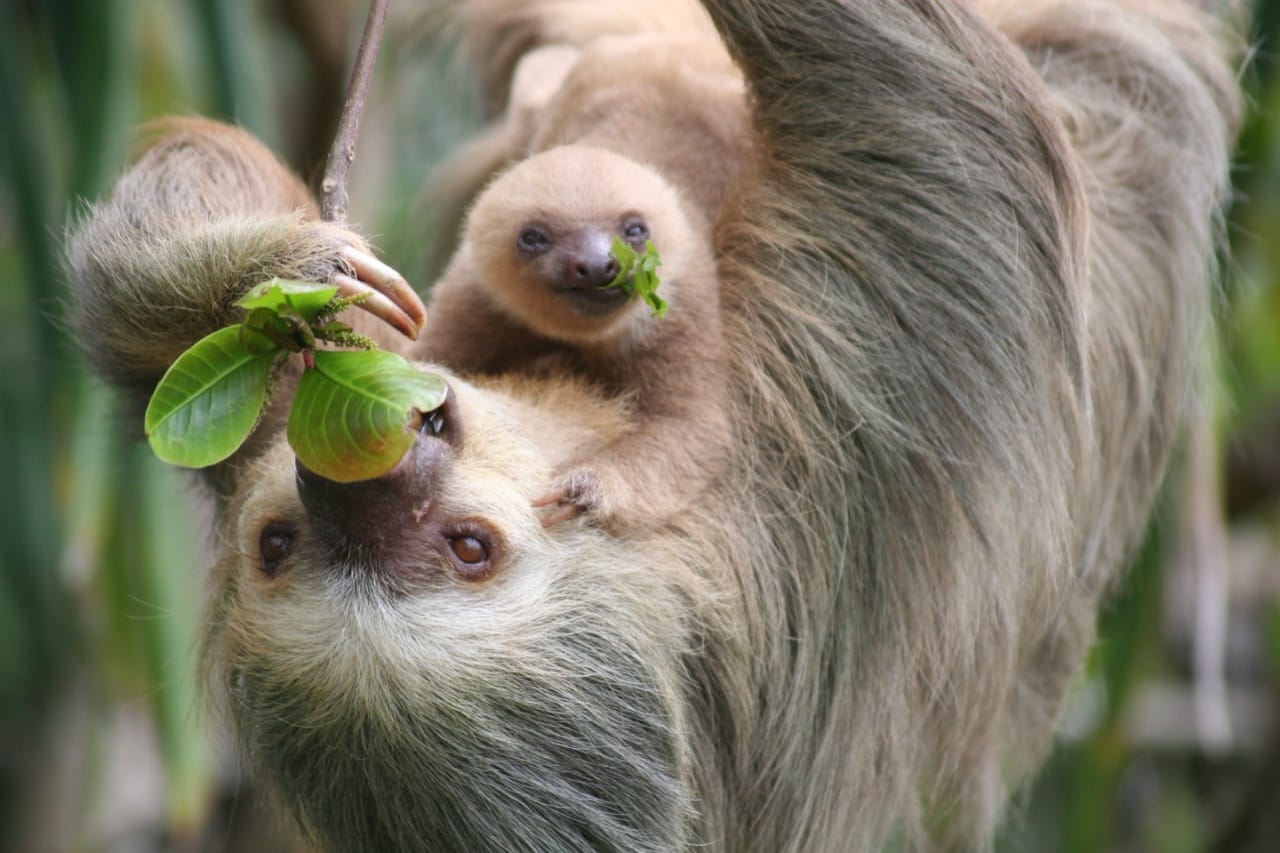
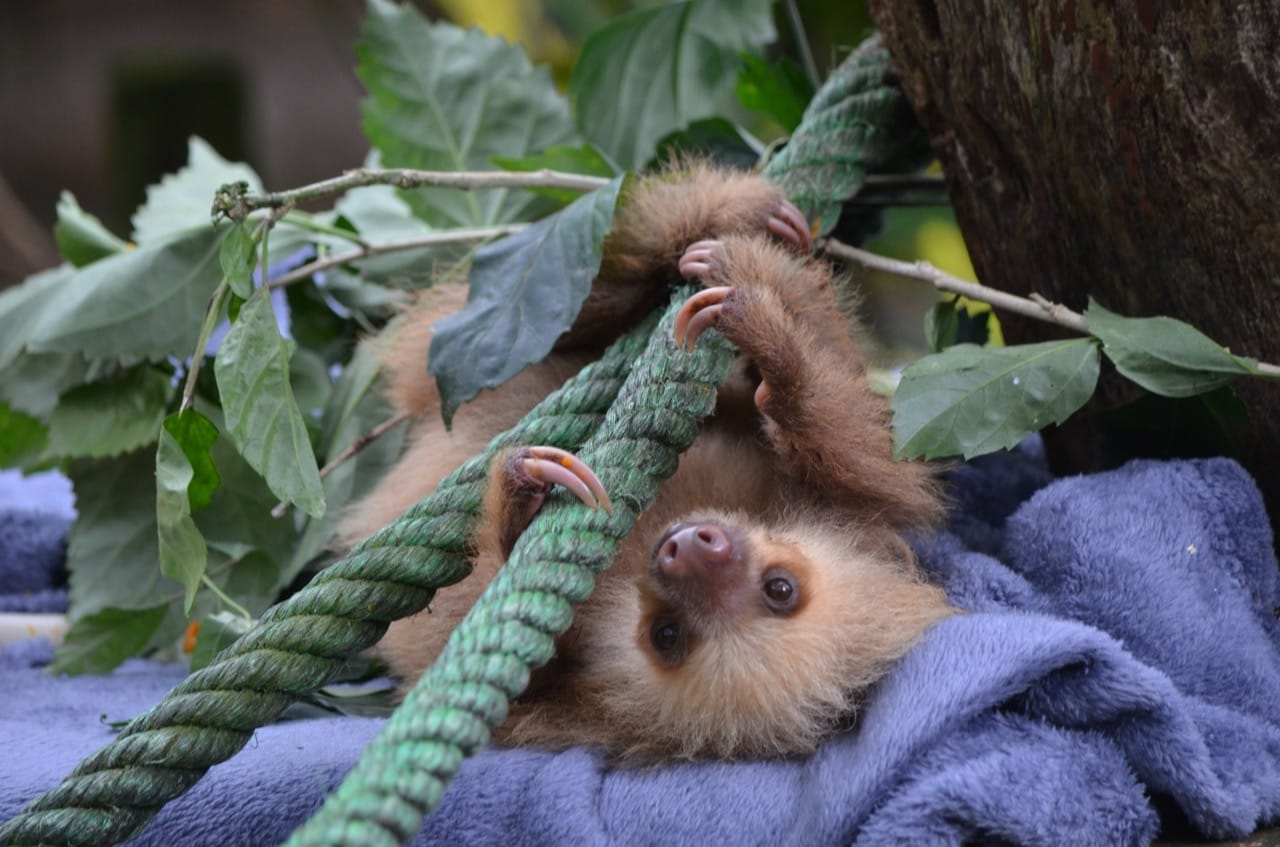
Two main groups are commonly discussed: two toed sloths and three toed sloths. Despite the names, the difference is not just the number of claws on the front limbs. They also vary in behavior and anatomy, including how they move and what they eat. Three toed sloths tend to be more specialized leaf eaters and are often even slower. Two toed sloths generally have a more varied diet that can include fruit and occasionally small animals, and they can be somewhat more active.
A Metabolism Set to Low Power Mode The core of sloth life is energy management. Leaves are abundant but not very nutritious, and many contain tough fibers and defensive chemicals. Sloths deal with this by running their bodies at a low metabolic rate, conserving energy instead of burning it on speed. Their digestion is famously slow. Food can remain in their multi chambered stomach for a long time as microbes break down plant material. This slow processing extracts as much nutrition as possible, but it also means sloths cannot afford to waste energy.
Their low energy approach influences everything: they rest for long periods, move carefully, and avoid unnecessary activity. Even their body temperature can be more variable than that of many mammals, helping them save energy when conditions change.
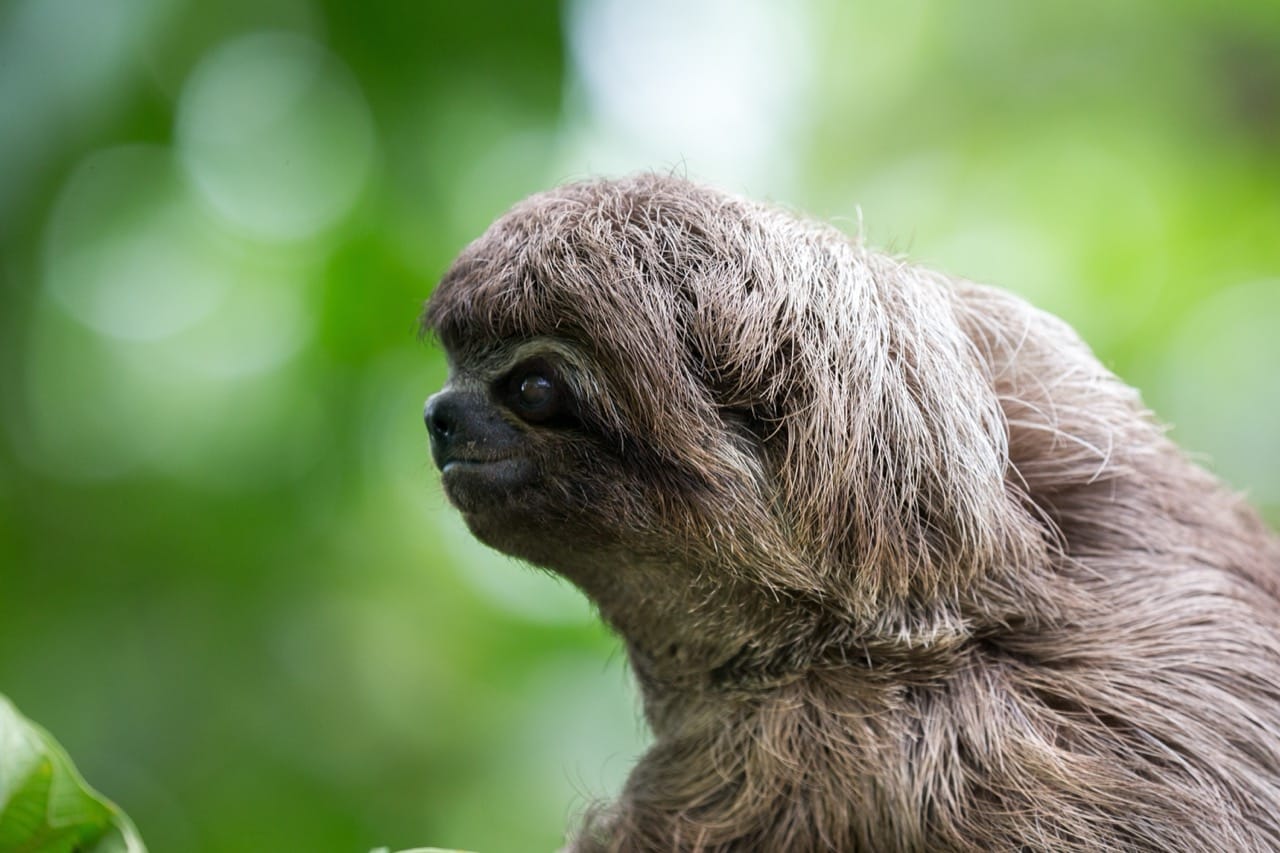
Fur That Becomes a Mini Habitat Sloth fur is not just a coat. It can host algae, fungi, and small invertebrates, forming a tiny ecosystem. The algae can give the fur a greenish tint that helps camouflage the animal among leaves and moss. For a creature that survives by being hard to notice, this living camouflage is a big advantage. The relationship is complex and can vary by species and habitat, but it highlights how sloths are integrated into rainforest life in surprising ways.
Staying Safe by Staying Still Sloths have predators, including big cats and large birds of prey. Their main defense is not fighting or fleeing, but avoidance. Slow, deliberate movement and long periods of stillness reduce the chance of being detected. When they do move, they often do so quietly and gradually, blending into the background of branches and foliage.
One of the most talked about behaviors is their occasional trip down to the forest floor to defecate. This is risky because the ground is where they are least agile. Scientists have proposed different explanations, including possible communication through scent, nutrient cycling near the base of their trees, or links to the organisms living in their fur. Whatever the full reason, it is a reminder that even a slow lifestyle includes a few high stakes moments.
Conclusion Sloths are masters of an energy saving, canopy based existence. Their claws, digestion, metabolism, and even fur all support a life built around patience and efficiency. What looks like calmness is really a strategy: eat low quality food, spend little energy, avoid attention, and let the rainforest do the rest. The next time you see a sloth hanging quietly overhead, you are looking at an animal whose slow motion routine is packed with real biology and clever design.