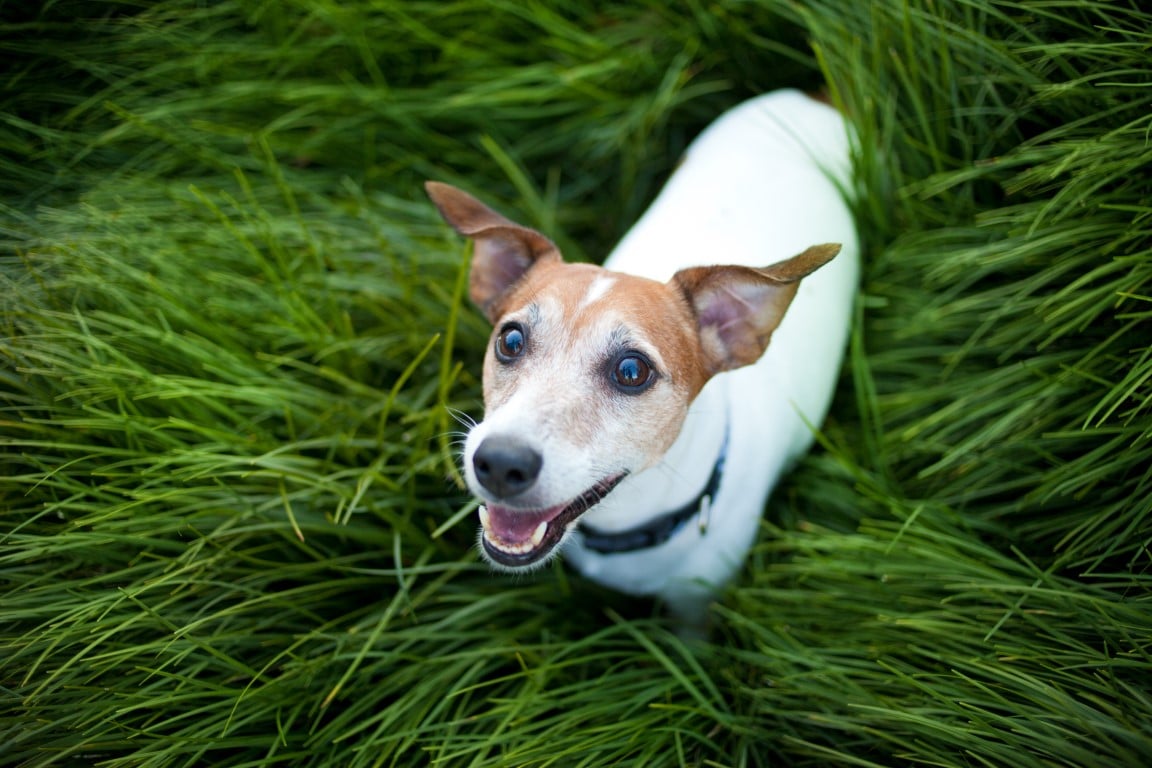





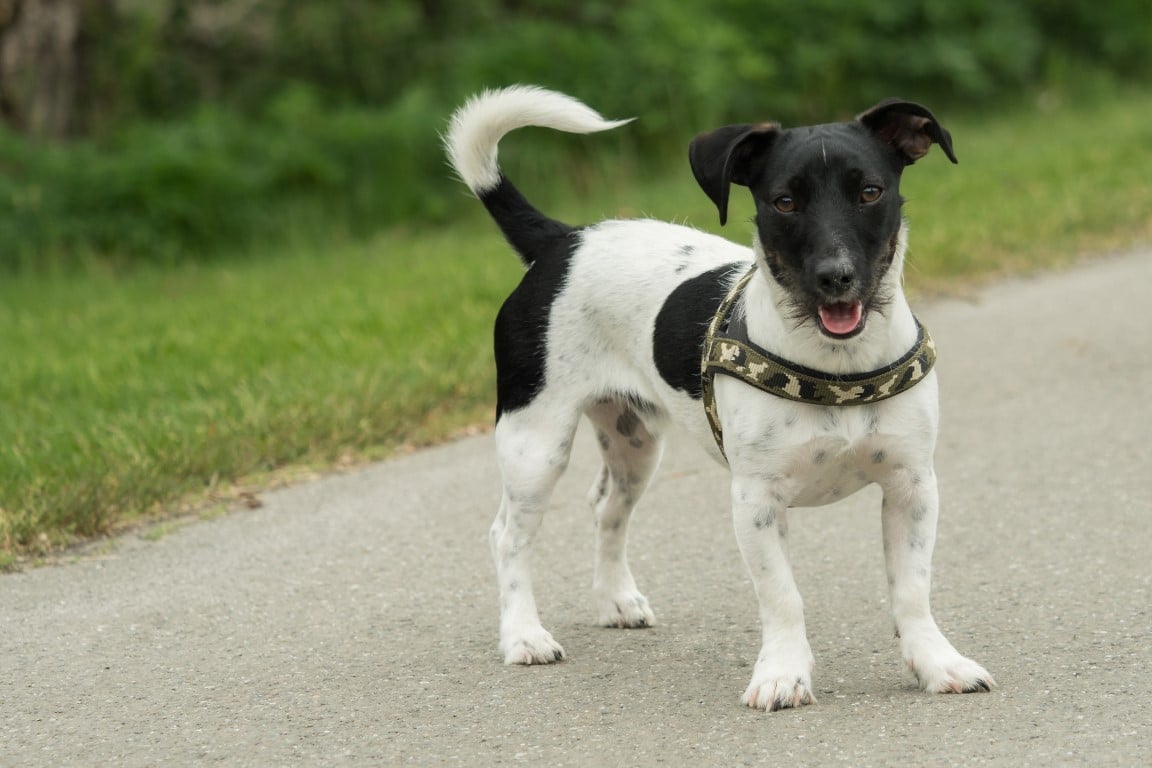

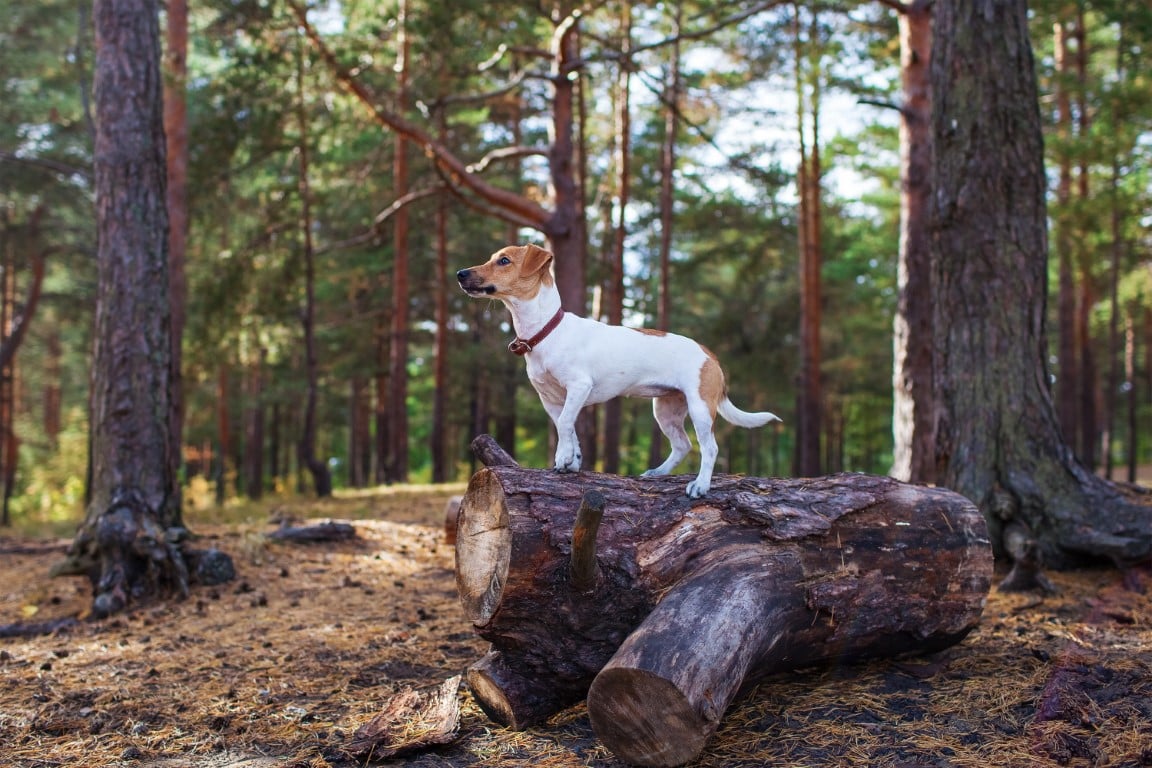
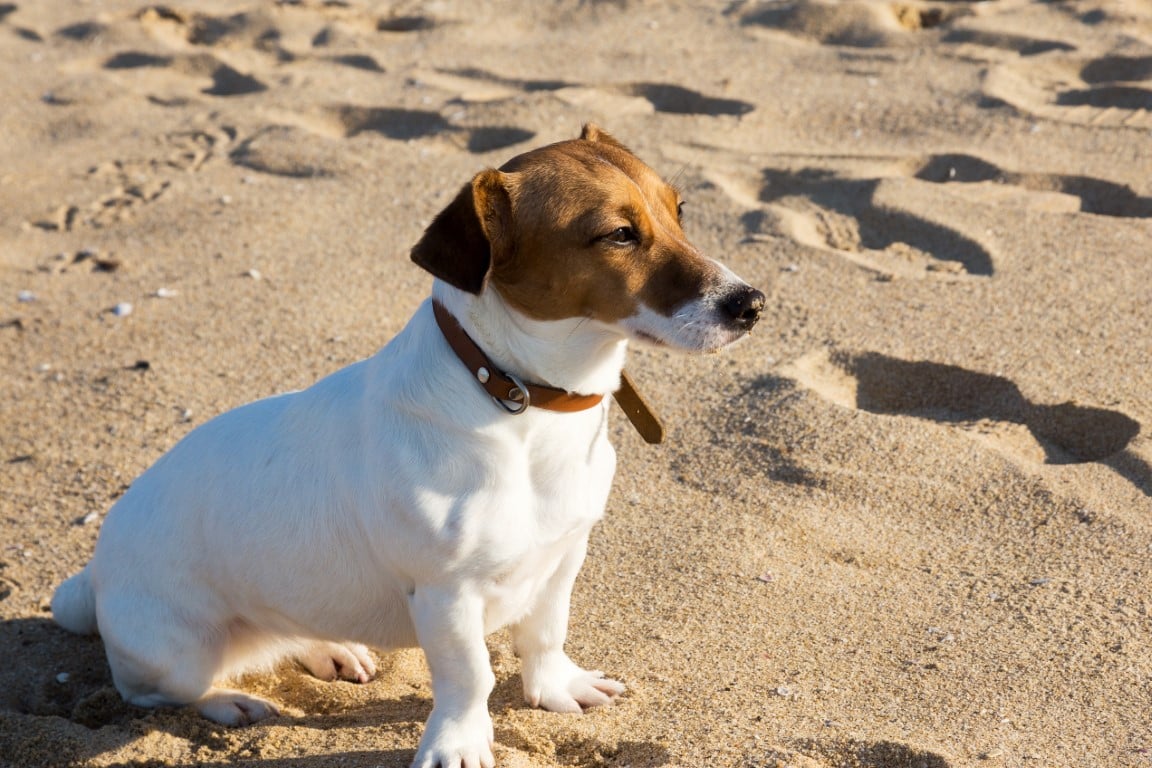


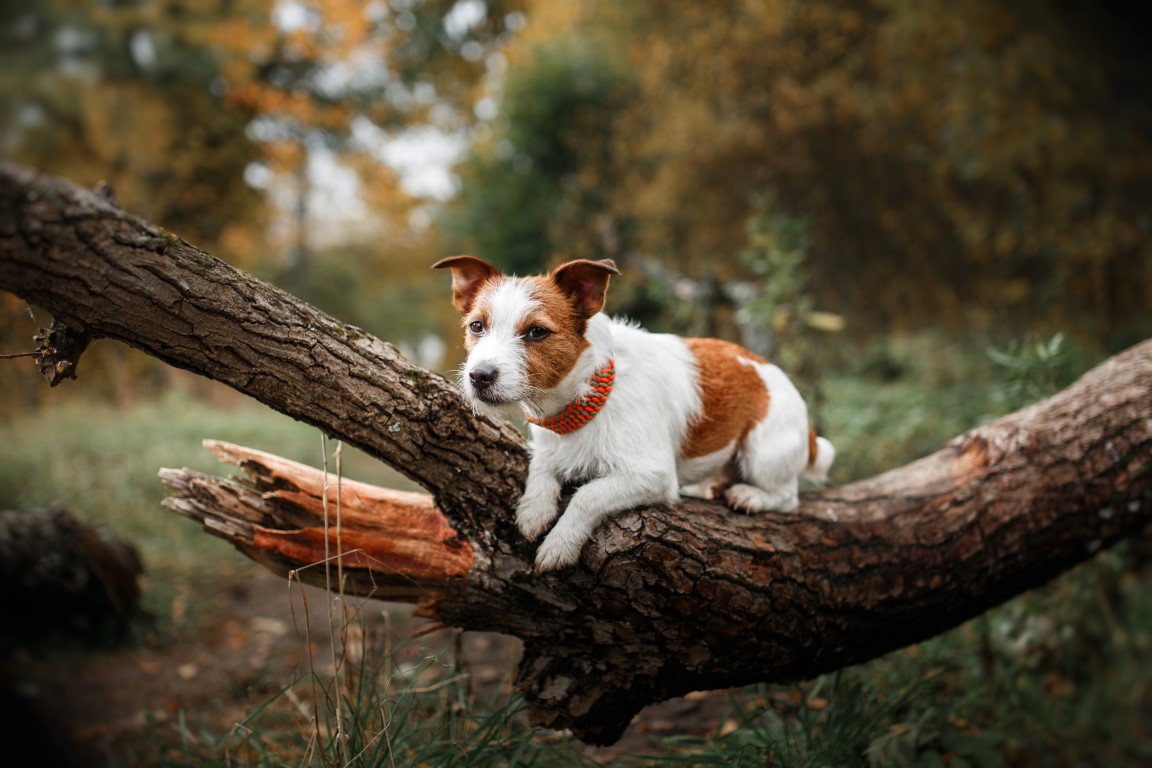
Introduction Some dogs are small enough to tuck under one arm yet act like they could run the whole neighborhood. Spirited little terrier types often earn nicknames like pocket rocket because they combine compact size with big confidence, quick reflexes, and a mind that is always looking for the next job. They are charming, funny, and intensely engaging, but they also demand thoughtful care. Understanding their temperament and needs turns that nonstop energy into a great partnership.
Temperament and the Terrier Mindset These dogs were shaped to work: to chase, dig, alert, and persist. That history shows up as boldness, curiosity, and a strong opinion about what should happen next. Many are affectionate with their people and love to be involved in every household event. They can also be vocal watchdogs and may react quickly to movement, sounds, or unfamiliar animals. Confidence is a hallmark, but it can tip into pushiness if boundaries are unclear. A calm, consistent routine helps them feel secure and reduces the urge to self appoint as the boss.
Training Priorities: Channel the Brain With a clever terrier, training is less about teaching and more about negotiating with a talented student who gets bored easily. Short sessions, clear rewards, and variety keep them engaged. Focus early on recall, loose leash walking, and impulse control, because a determined dog with a strong chase instinct can make fast decisions. Teach a reliable settle cue and practice handling skills like nail trims and brushing from puppyhood. Puzzle feeders, scent games, and trick training are not extras for this type of dog; they are practical tools that prevent mischief.
Exercise Needs and Preventing Boredom Physical exercise matters, but mental exercise is just as important. A brisk walk may not be enough if the dog never gets to sniff, explore, and solve problems. Mix structured walks with supervised play, short training drills, and activities that mimic work, such as finding hidden treats or carrying a small pack on walks if appropriate. Many terriers enjoy agility, barn hunt style games, rally obedience, or safe fetch sessions. Without an outlet, they may invent hobbies like digging, shredding, barking at every sound, or redecorating with stolen socks.
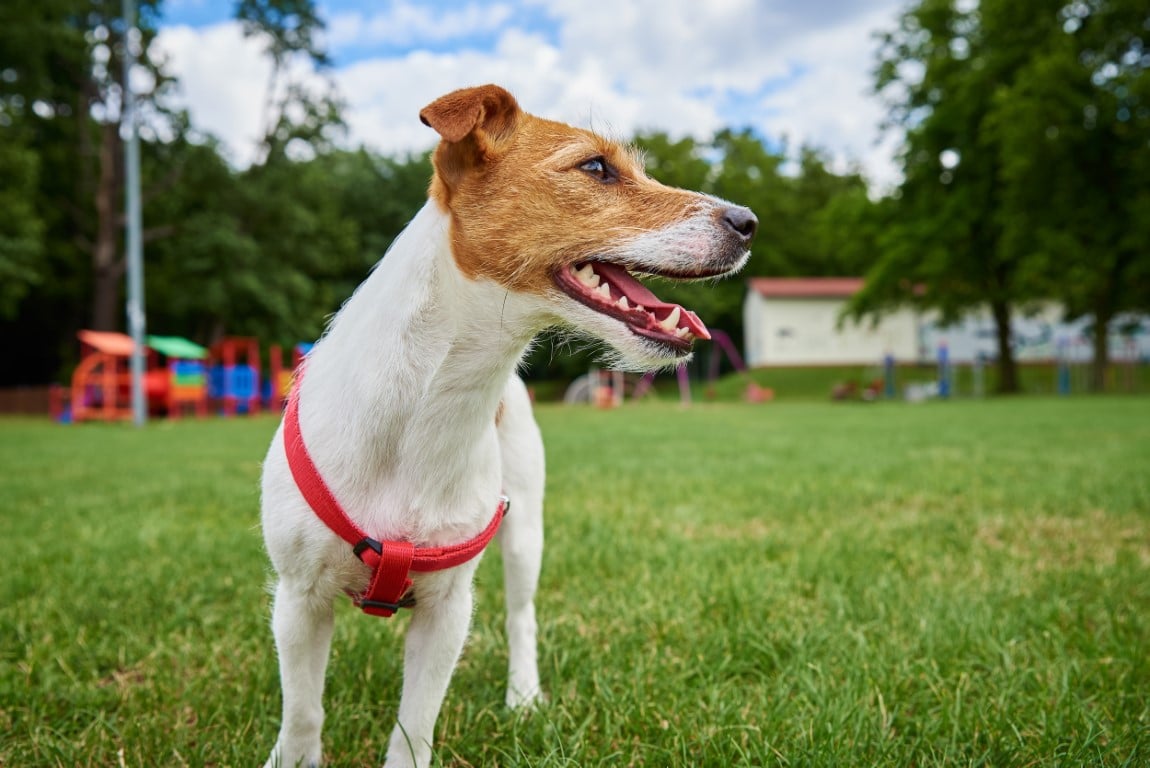
Grooming Basics and Practical Care Grooming depends on coat type, but most terrier coats benefit from regular brushing to reduce shedding and mats, plus routine ear checks and dental care. Because these dogs are active and often curious about tight spaces, check paws for debris and keep nails trimmed for good traction and comfort. Provide sturdy chew options to protect furniture and support dental health. A well fitted harness can help with leash manners and reduce strain, especially for dogs that surge forward when excited.
Home Setup for a High Drive Companion A terrier thrives in a home that offers structure and safe choices. Use baby gates, crates, or pens to prevent rehearsing bad habits when unsupervised. Rotate toys instead of leaving everything out, making each item feel new. If the dog is prone to chasing small pets, manage introductions carefully and never assume instinct will disappear. Socialization should be positive and controlled, building confidence without overwhelming the dog. Responsible ownership also means recognizing that cute size does not equal easy mode.
Conclusion The pocket rocket terrier type is a high drive little legend: bright, bold, and ready for action. When you meet their needs with training, enrichment, and clear boundaries, you get a companion who is hilarious, devoted, and impressively capable. Treat them like the working minded athlete they are, and their huge personality becomes the best part of your day rather than a problem to solve.