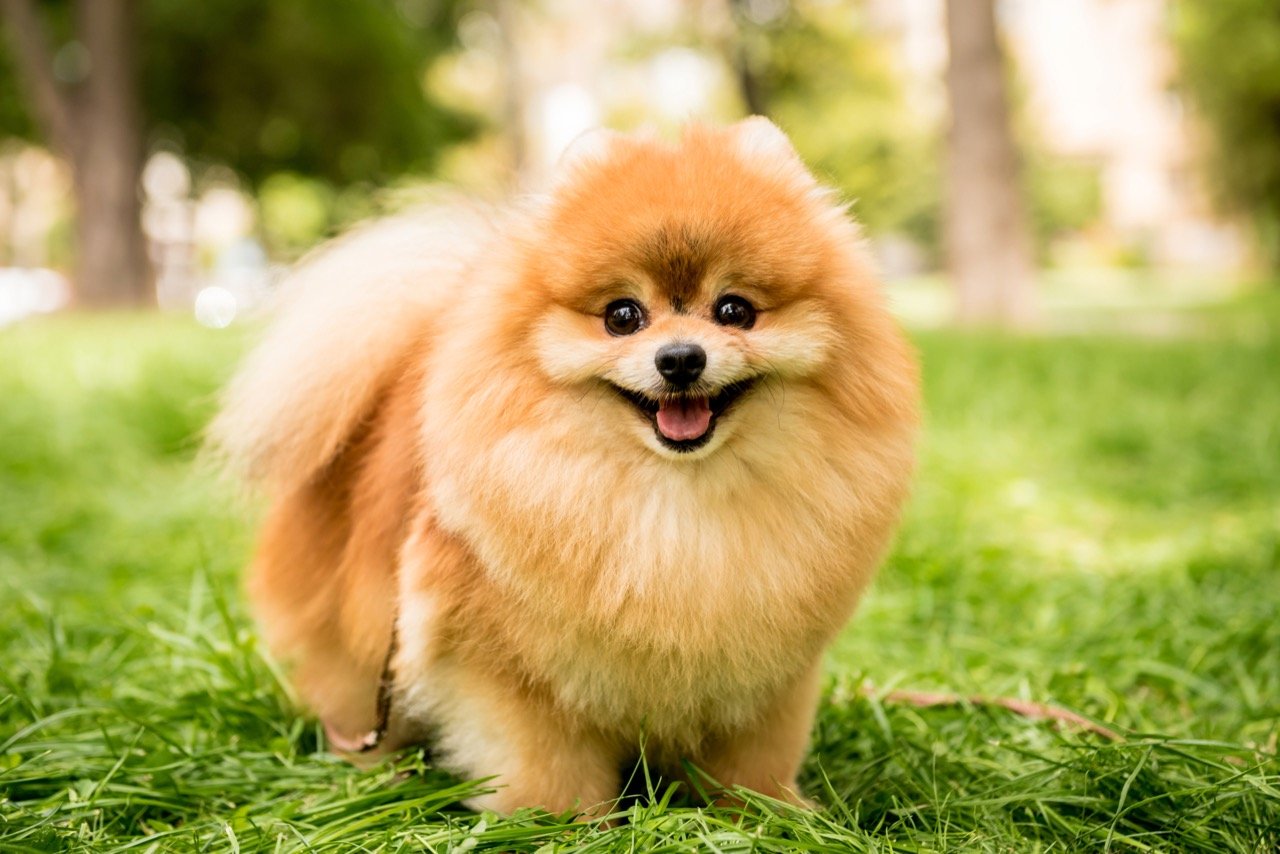
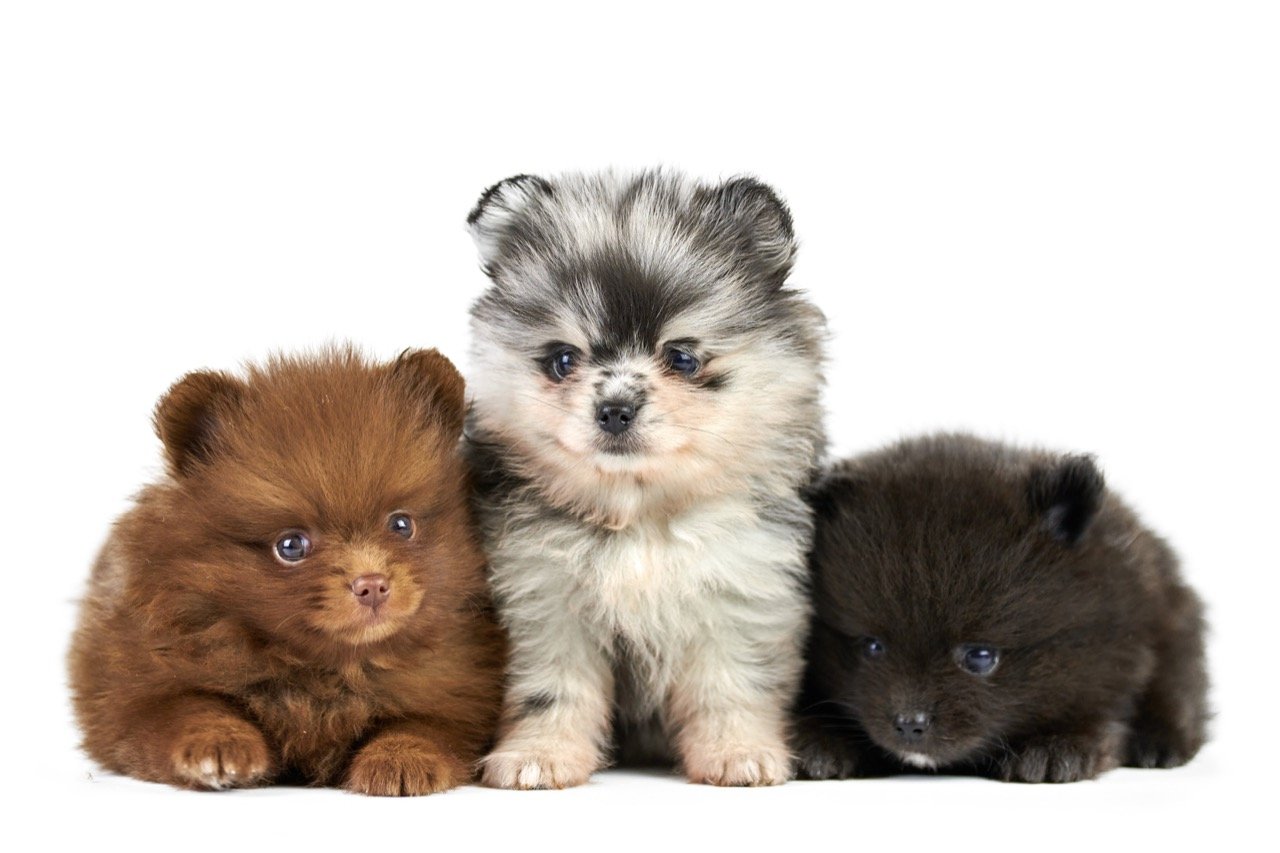
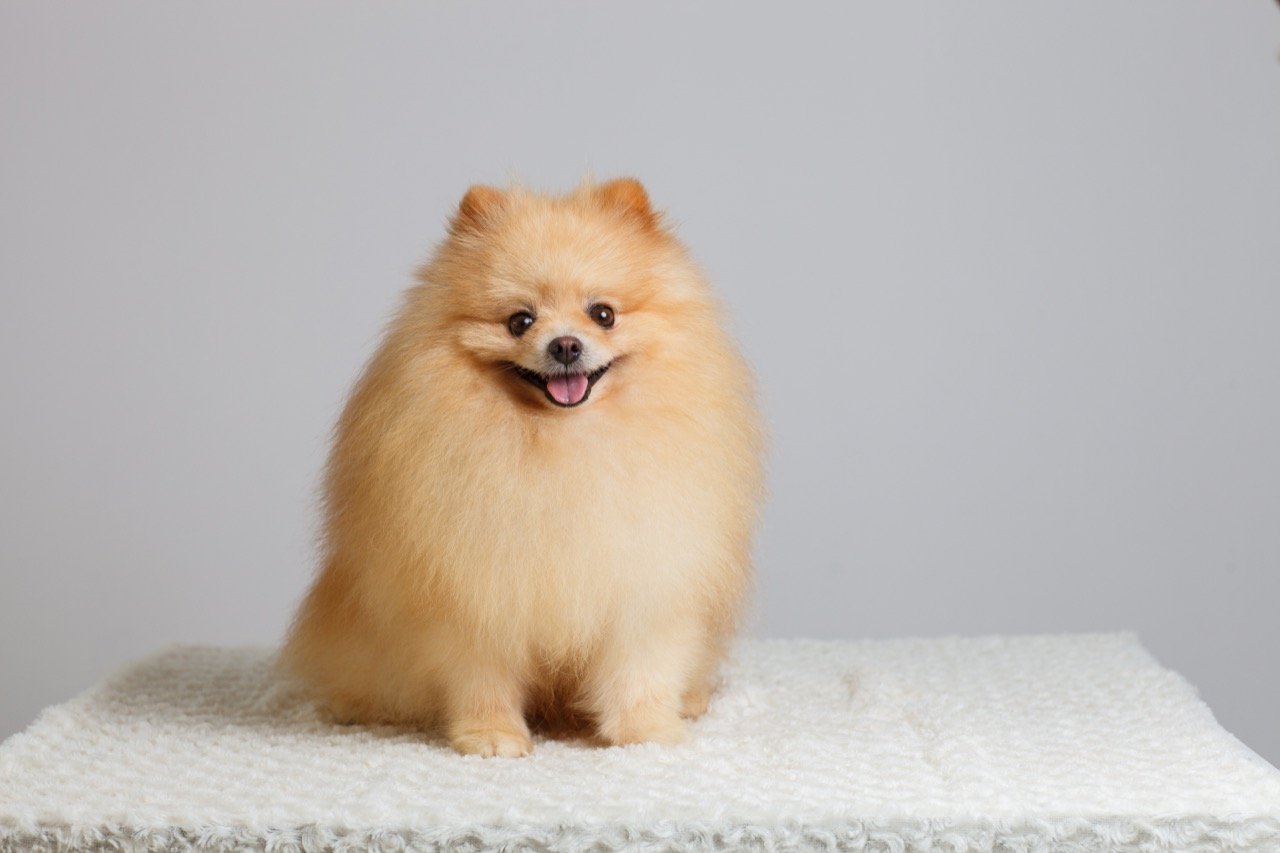

Introduction Often nicknamed a pocket lion for its plush ruff and confident strut, the Pomeranian is one of the smallest companion dogs with one of the biggest reputations. Many people know the breed for its fluffy coat and lively attitude, but fewer realize how much history, care, and training knowledge goes into keeping a Pom healthy and happy. If you are taking a quiz on this breed, it helps to understand not only what makes them adorable, but also what makes them a serious responsibility.
Origins and the making of a tiny star Despite their toy size today, Pomeranians come from the Spitz family of northern working dogs. Their ancestors were larger, sturdier dogs used for tasks like herding and pulling in cold climates. Over time, selective breeding in Europe produced smaller companions, and the breed’s popularity soared when royals embraced them. This background explains why a modern Pomeranian can look like a delicate lapdog yet act like a bold little watchdog with plenty of opinions.
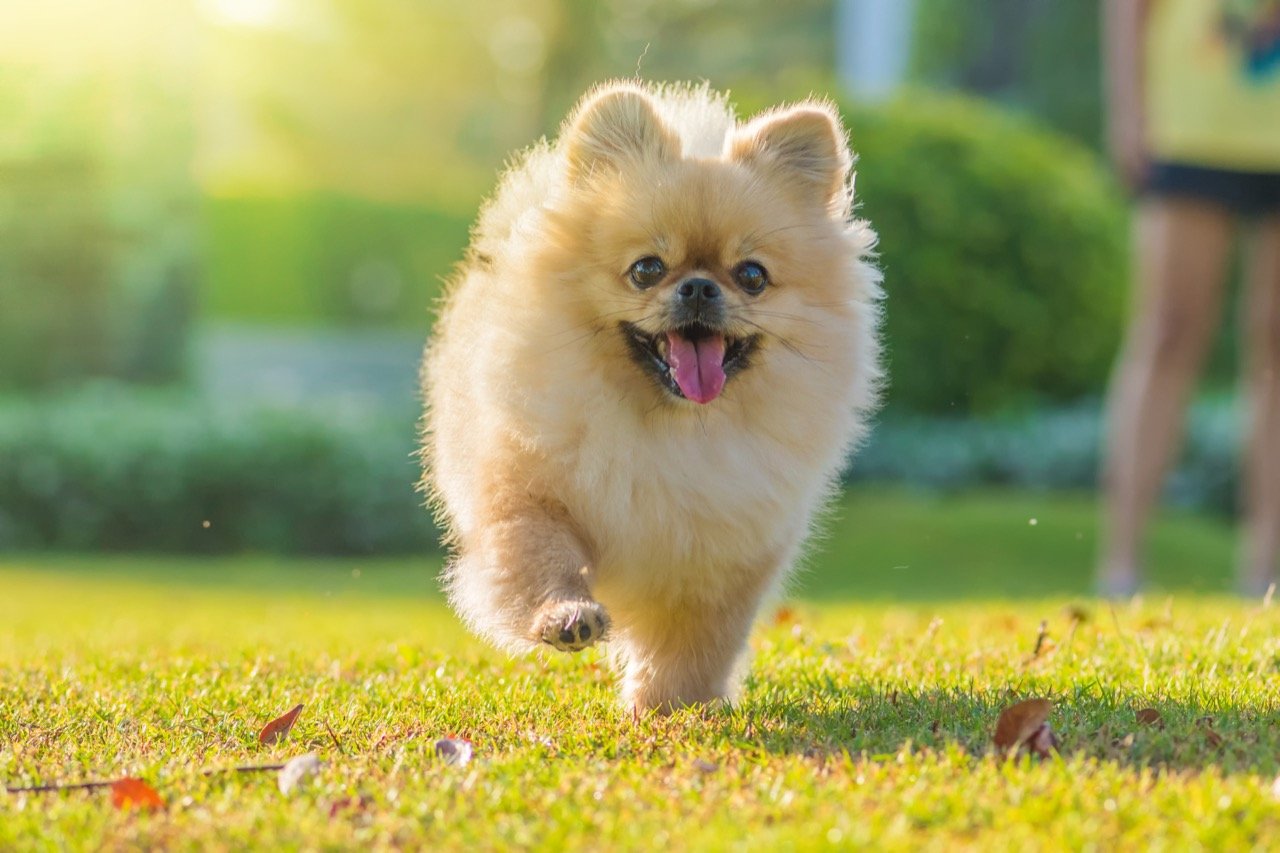
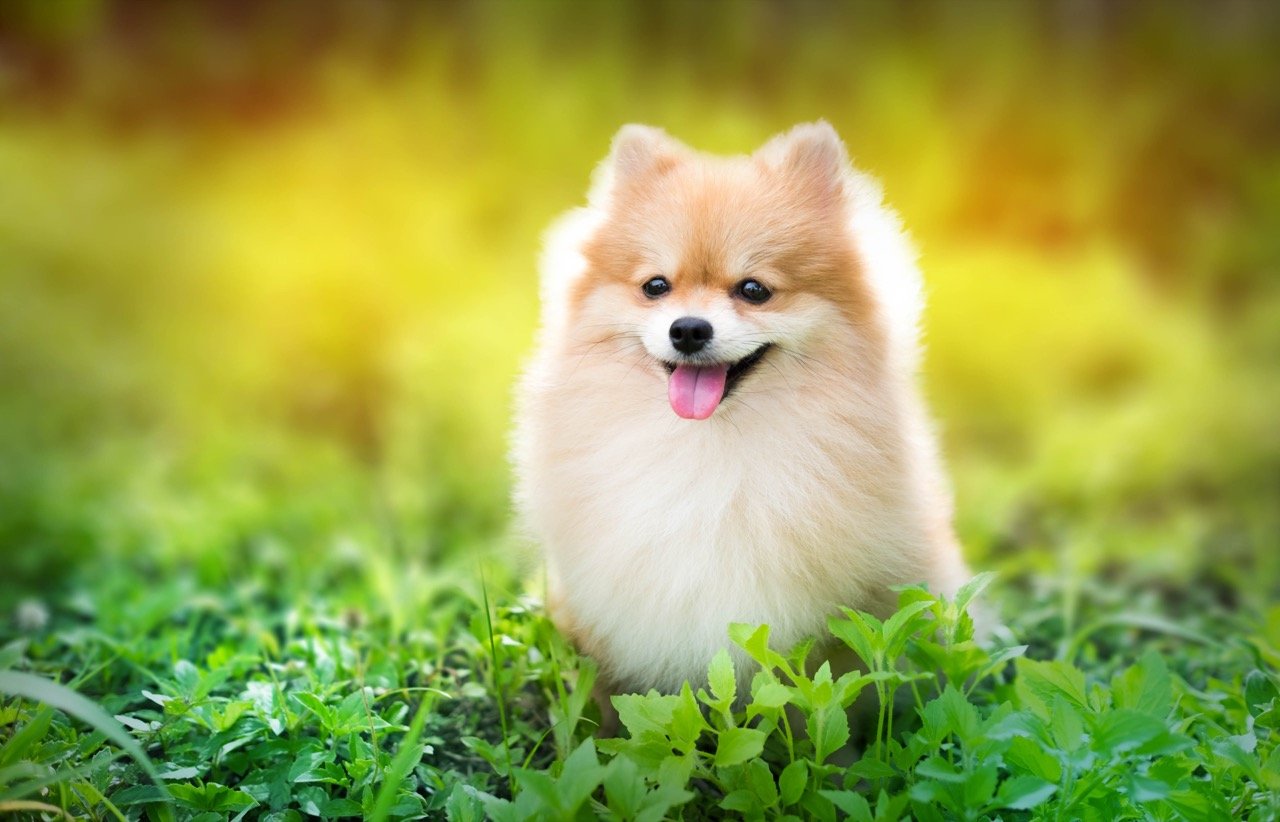
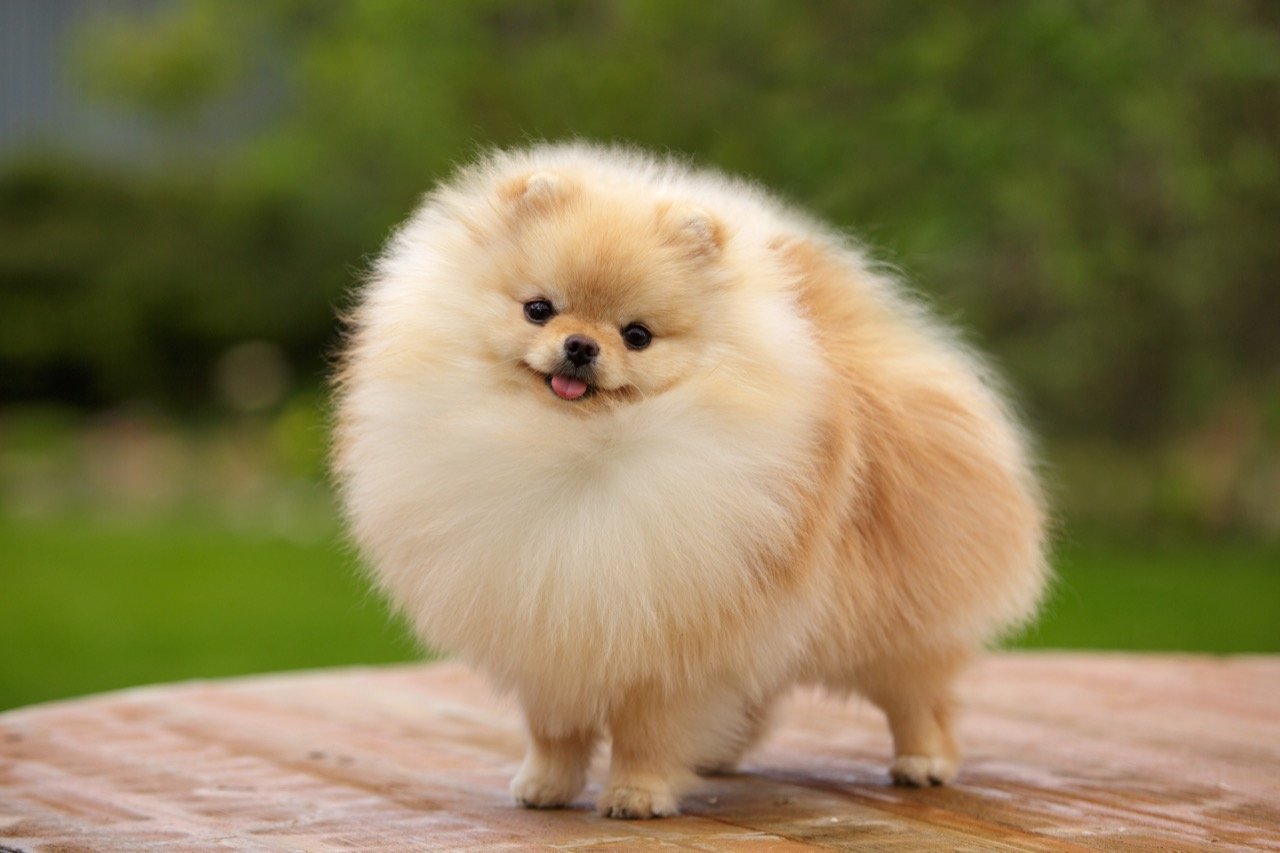
Coat care, grooming tools, and seasonal shedding That signature double coat is both the Pom’s glory and its maintenance challenge. A soft, dense undercoat supports a longer outer coat, creating the famous puffed silhouette. Regular brushing helps prevent mats and keeps shedding manageable, especially during seasonal coat blows when loose undercoat comes out in clumps. A slicker brush and a metal comb are common essentials, and many owners also use a gentle detangling spray to reduce breakage. Baths should be occasional and followed by thorough drying, since moisture trapped near the skin can contribute to irritation. One important caution is avoiding unnecessary shaving. The coat helps regulate temperature and protects the skin, and in some dogs it may not grow back evenly after being clipped too short.
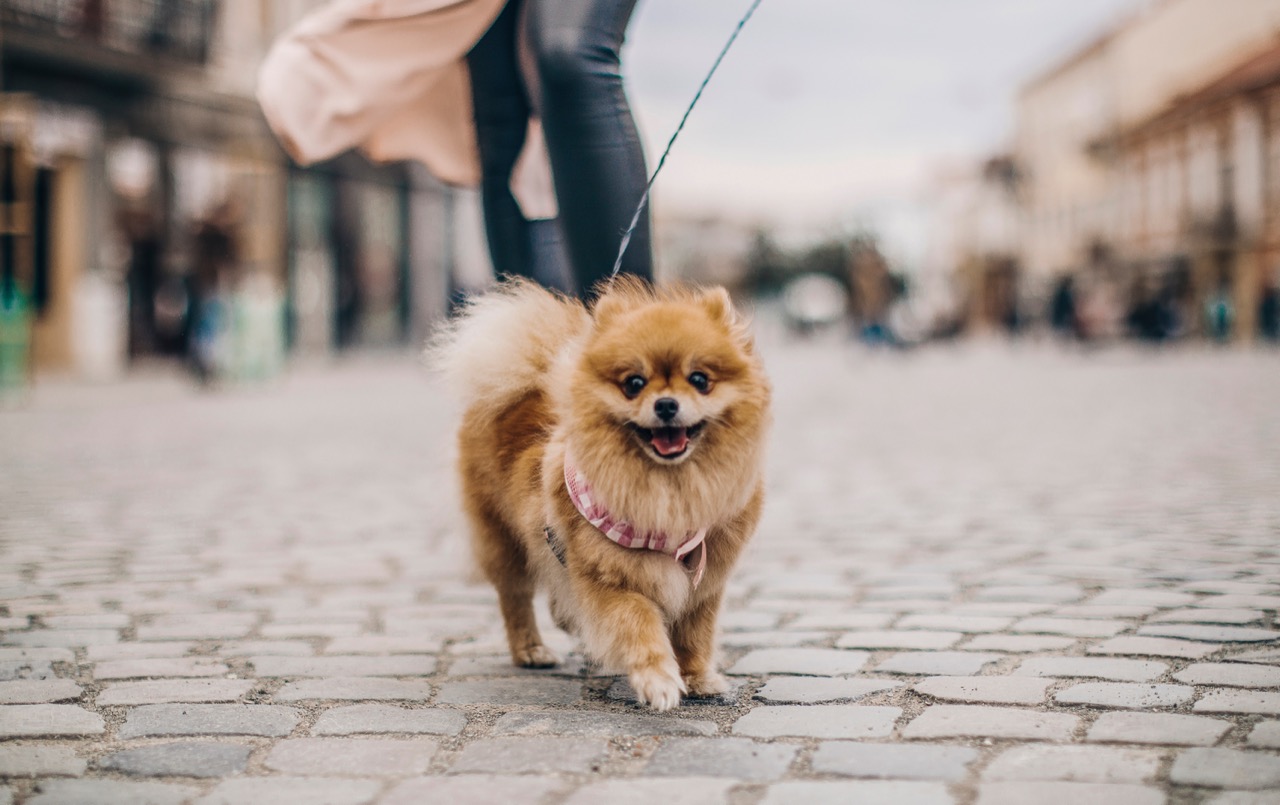
Health topics: knees, teeth, and more Pomeranians are generally hardy, but their small build comes with predictable concerns. Knee problems, especially luxating patella where the kneecap slips out of place, are common in toy breeds and can range from mild skipping to pain that needs veterinary treatment. Dental care is another big issue. Small mouths can mean crowded teeth, more tartar, and earlier gum disease, so routine brushing and professional cleanings matter. Some Poms are also prone to tracheal sensitivity, so many owners choose a harness rather than a collar for leash walks. Keeping a healthy weight is not just about looks; extra pounds can worsen joint and breathing issues.
Temperament, barking, and training that works A Pomeranian often behaves like a much larger dog. They are alert, curious, and quick to announce visitors, which is why barking questions show up in quizzes. The key is channeling that vigilance with training rather than trying to suppress it with punishment. Short, upbeat sessions using rewards work best, since many Poms are smart and can become stubborn if handled harshly. Teaching a quiet cue, rewarding calm greetings, and providing mental stimulation can reduce nuisance barking. Socialization is equally important. Because they are small, people sometimes overprotect them, but safe exposure to friendly dogs, different people, and everyday noises helps prevent fearfulness and snappy behavior.
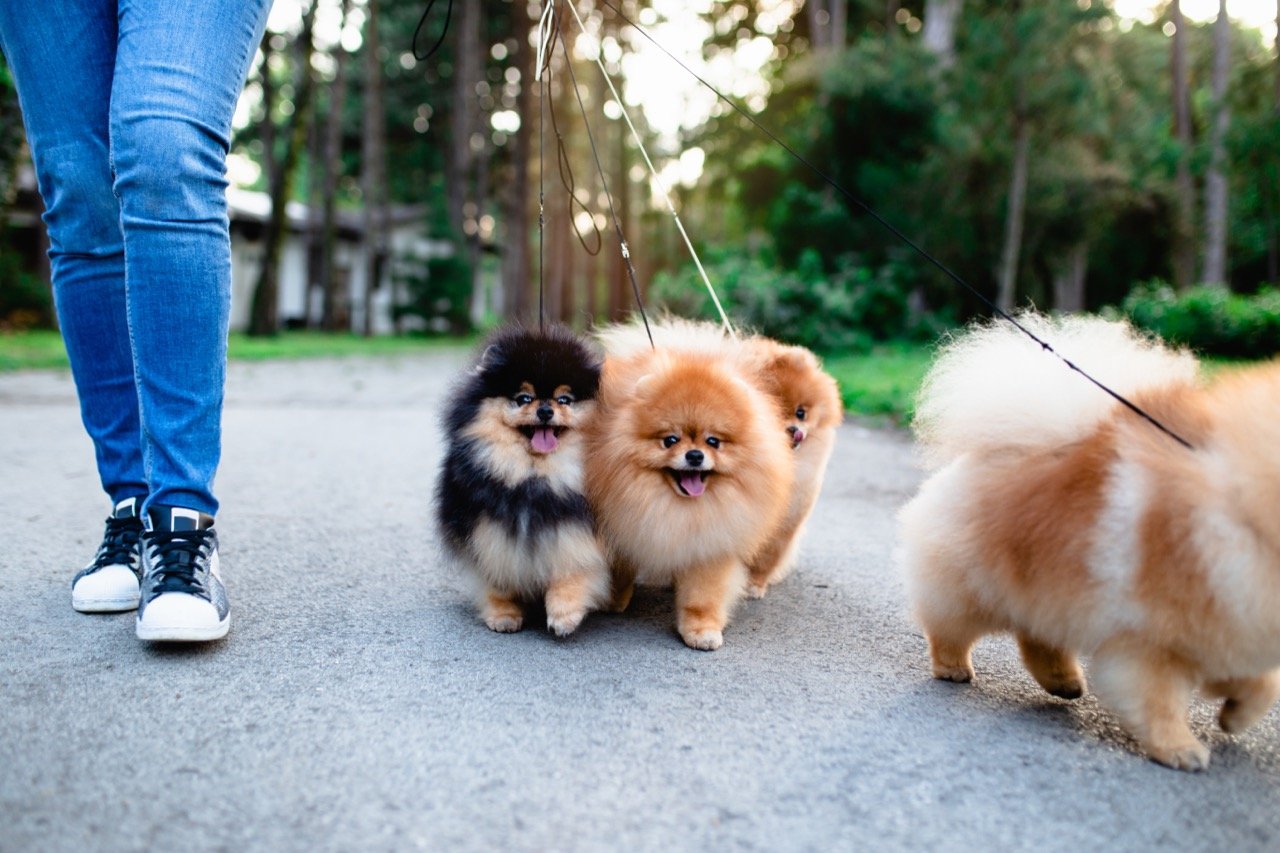
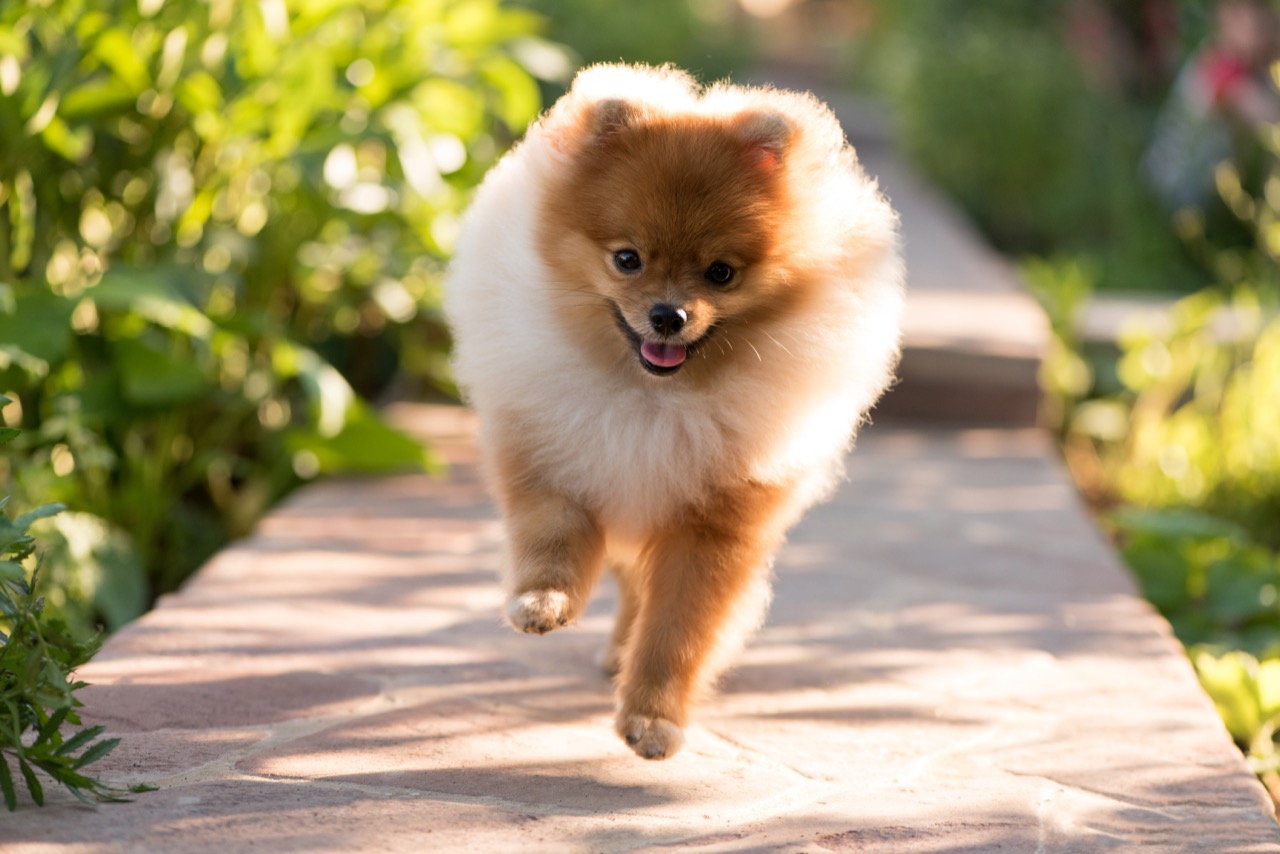
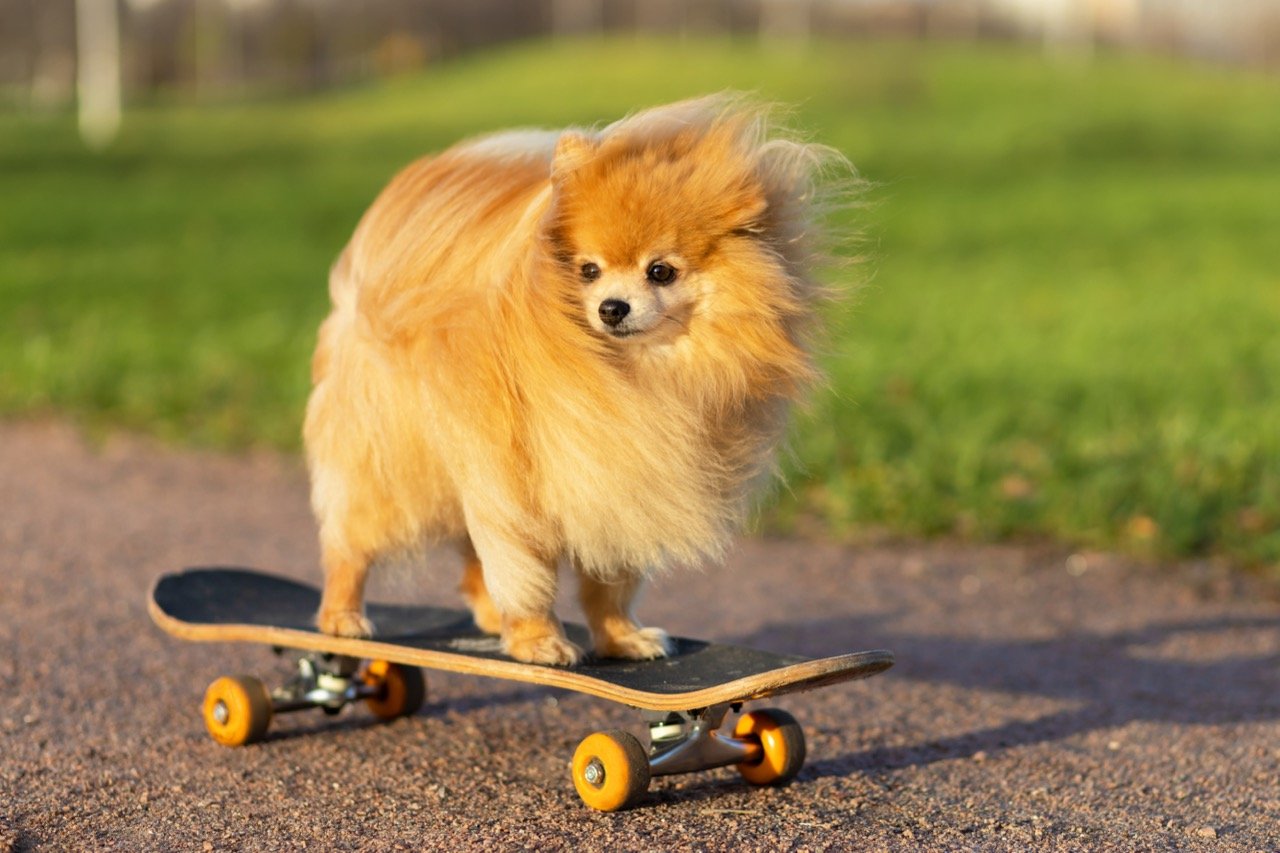
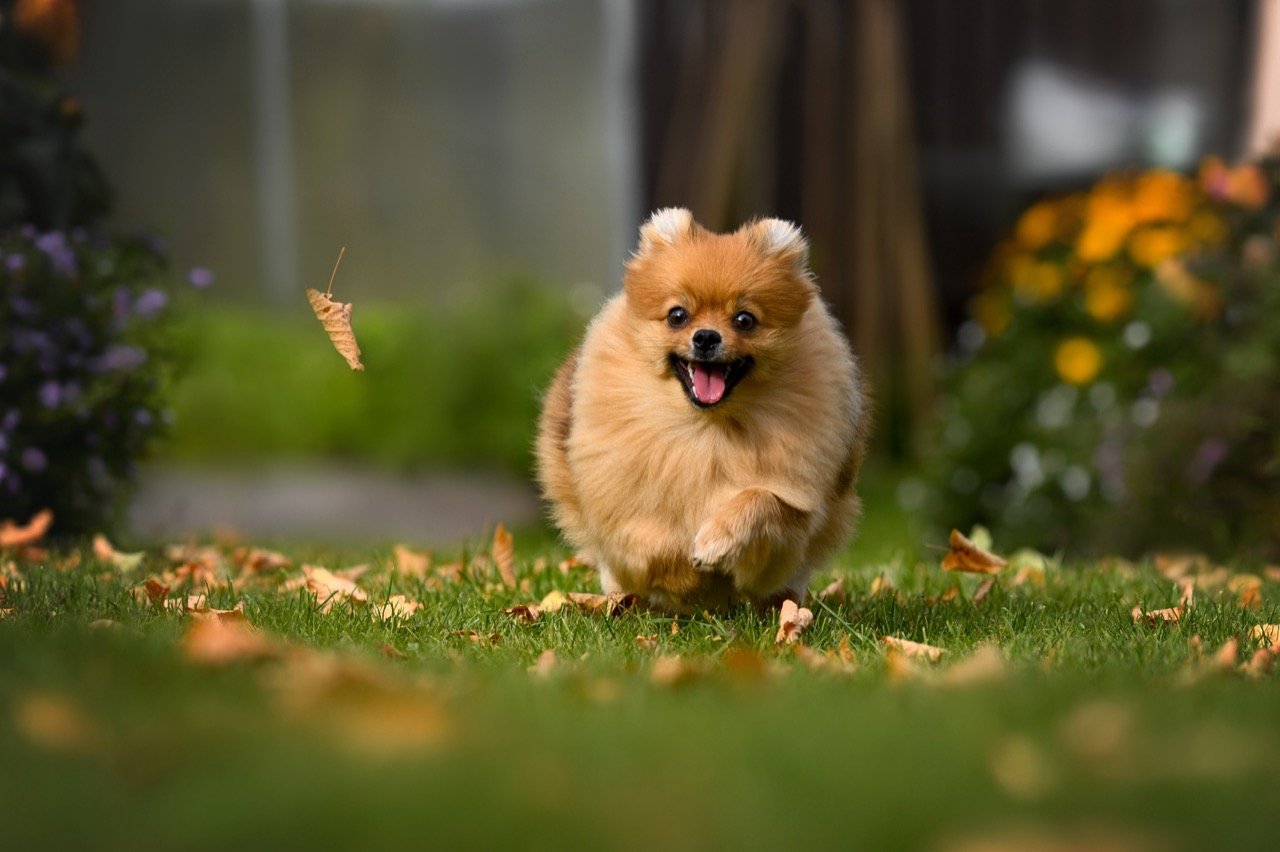
Exercise and safe play in busy households Pomeranians do not need marathon workouts, but they do need daily activity. Several short walks plus indoor play and puzzle toys usually fit their needs. Because they are tiny, safety matters: rough play with large dogs, jumping off high furniture, or being stepped on in crowded homes can lead to injuries. Supervised play, ramps or steps for sofas, and teaching children gentle handling make a big difference.
Conclusion The Pomeranian’s charm is more than fluff. Behind the pocket lion look is a breed with deep roots, a complex coat, and specific health and training needs. Understanding double-coat grooming, dental routines, knee risks, and confident but sometimes noisy temperament will help you do well on a quiz and, more importantly, help any Pom in your life thrive. When cared for thoughtfully, this tiny dog delivers a huge personality in a small, bright package.